
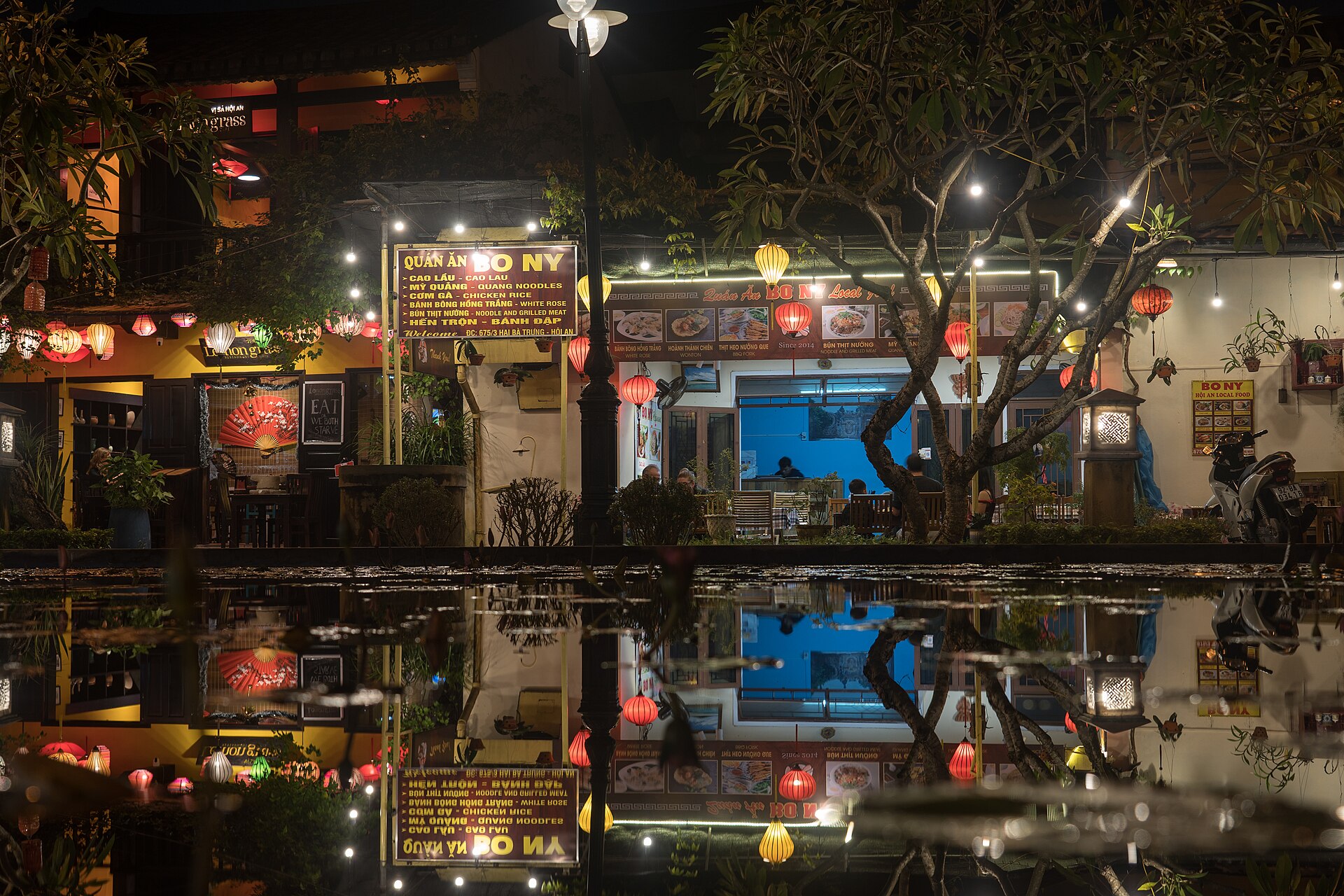
Hoi An looks tiny on a map, but where you sleep changes the trip completely. Stay on the edge of the Ancient Town and the lantern-lit lanes are your evening walk home. Sleep among the rice fields in Cam Chau and mornings start with birdsong and a bicycle ride. Base yourself at the beach and the old town becomes a day trip in the other direction. All three versions of Hoi An are good — the trick is picking the one that matches how you actually travel.
Never forget a thing before you fly. My free 8-page Travel Planning Checklist walks you through the whole trip — 6 planning timelines, 36 checks, from booking windows to travel-day basics. One email, no spam, unsubscribe anytime.
The practical frame first. Hoi An has no airport: you fly into Da Nang, about 45 minutes away by car, and most hotels run transfers or can arrange a car. The Ancient Town itself — a UNESCO World Heritage Site since 1999 — is compact, flat and largely closed to cars, and international visitors pay 120,000 VND for the heritage ticket that covers a selection of old houses, assembly halls and museums. One seasonal warning matters right now: October to December is the central coast’s rainy season, and the riverside streets can flood after heavy rain, so in those months a hotel a street or two back from the Thu Bon River, or on a higher floor, is the safer pick. My Hoi An in 3 days itinerary walks through the sights day by day; this guide is about choosing the right base for it.
Disclosure: This post contains affiliate links. If you book through one of these links, I may earn a commission at no extra cost to you.
The Ancient Town Edge (Minh An & Cam Pho): Best for First-Timers
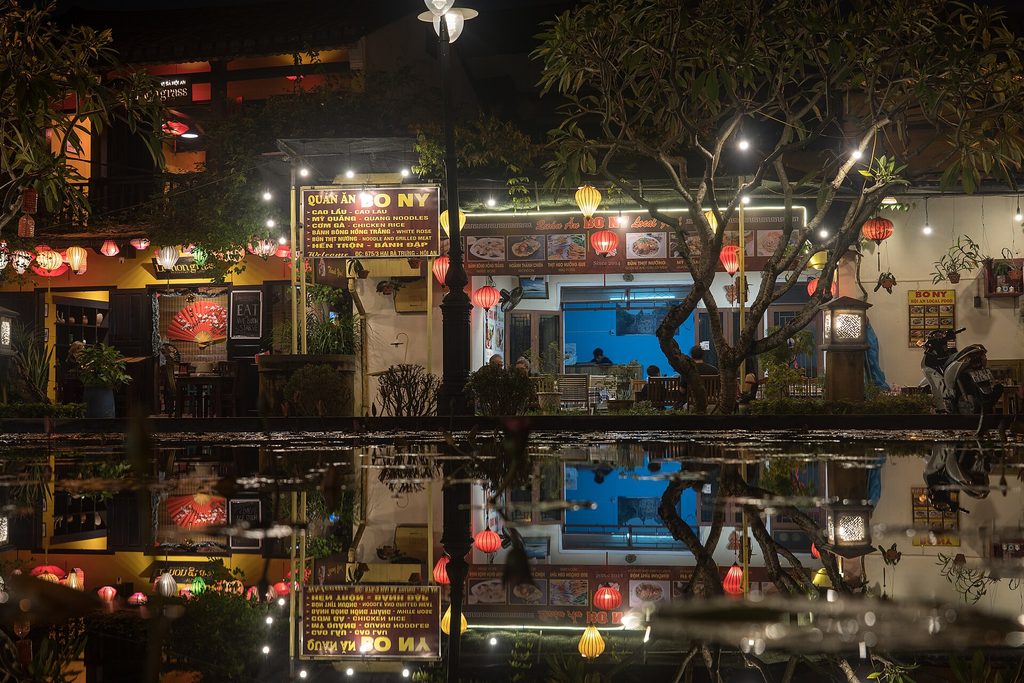
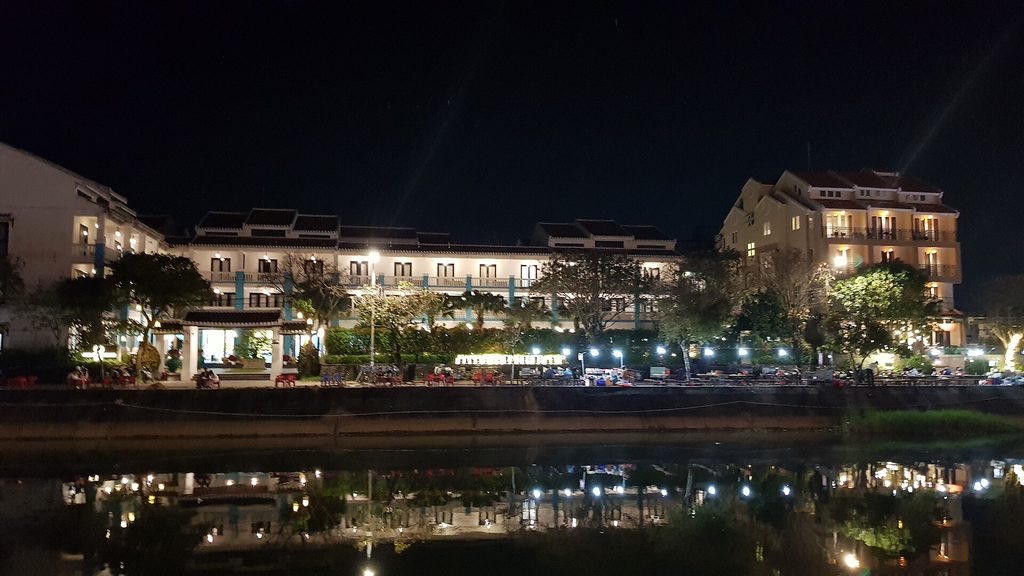
This is the default choice, and for a first visit it is usually the right one. Hotels here sit just outside the pedestrian core — the UNESCO streets themselves hold mostly small guesthouses — so you get a proper hotel with a pool while staying a five-to-ten-minute walk from the Japanese Covered Bridge, the night market and the tailor shops. Evenings are the payoff: when the lanterns come on and the day-trippers leave, you are already home.
The big-resort option is Bel Marina Hoi An Resort on Nguyen Phuc Tan in Cam Pho: 202 rooms, a large pool and a riverside setting a few minutes’ walk from the Thu Bon River and the night market. Formerly the Silk Marina, it was renovated in 2023 and scores 9.2 on Expedia — a comfortable, full-service base that suits families who want resort facilities without leaving town. For something smaller, Little Hoi An. A Boutique Hotel & Spa is a 4-star boutique on the river about a six-minute walk from the Japanese Covered Bridge, rated 9.4 by Expedia travellers, with a spa and a quieter, more personal feel. The trade-off for the whole area is price and buzz: rooms cost more per square metre here, and streets near the night market stay lively late.
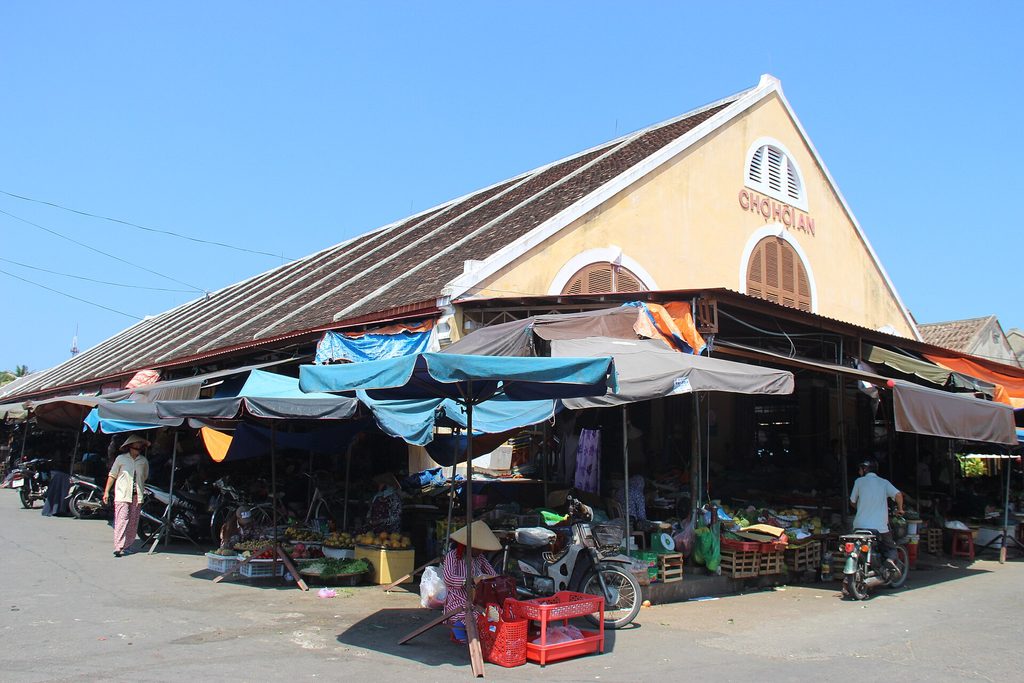
Cam Chau: The Riverside Sweet Spot Between Town and Beach
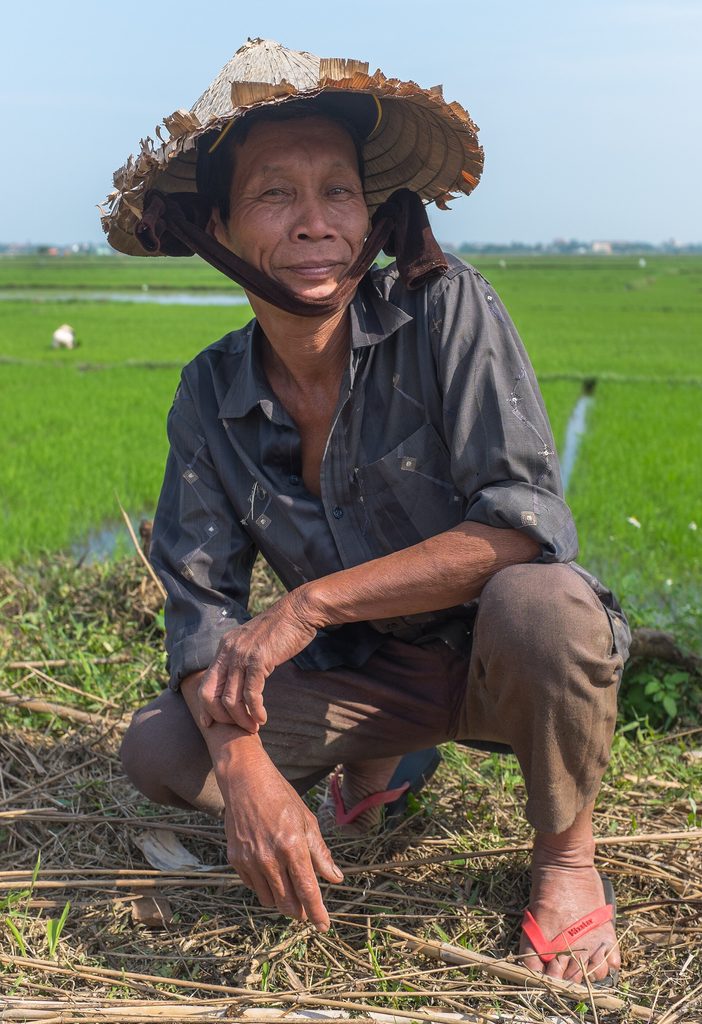
Cam Chau, east of the old town along the road toward Cua Dai Beach, is where I would send most couples and repeat visitors. It is quiet and green, the lanes run past rice fields and family temples, yet the Ancient Town is still walkable in 15–20 minutes or a five-minute bicycle ride — and many hotels lend bikes free.
The landmark address is the Anantara Hoi An Resort: 92 rooms in French-colonial-style buildings on the Thu Bon River at 1 Pham Hong Thai Street, a ten-minute stroll from the old town’s edge. It is the classic splurge here — gardens, a riverside pool, a spa and an Expedia rating of 9.2 — and its position means you get the river without sleeping inside the busiest streets. At the other end of the scale, Maison Vy Hotel on Cua Dai Road is a 29-room boutique with an exceptional 9.8 rating on Expedia, run by restaurateur Trinh Diem Vy; guests get access to her Taste Vietnam restaurants around town, which makes it a smart pick for food lovers. It was renovated in 2024, so the rooms feel fresh, and the pool and spa punch well above its size.
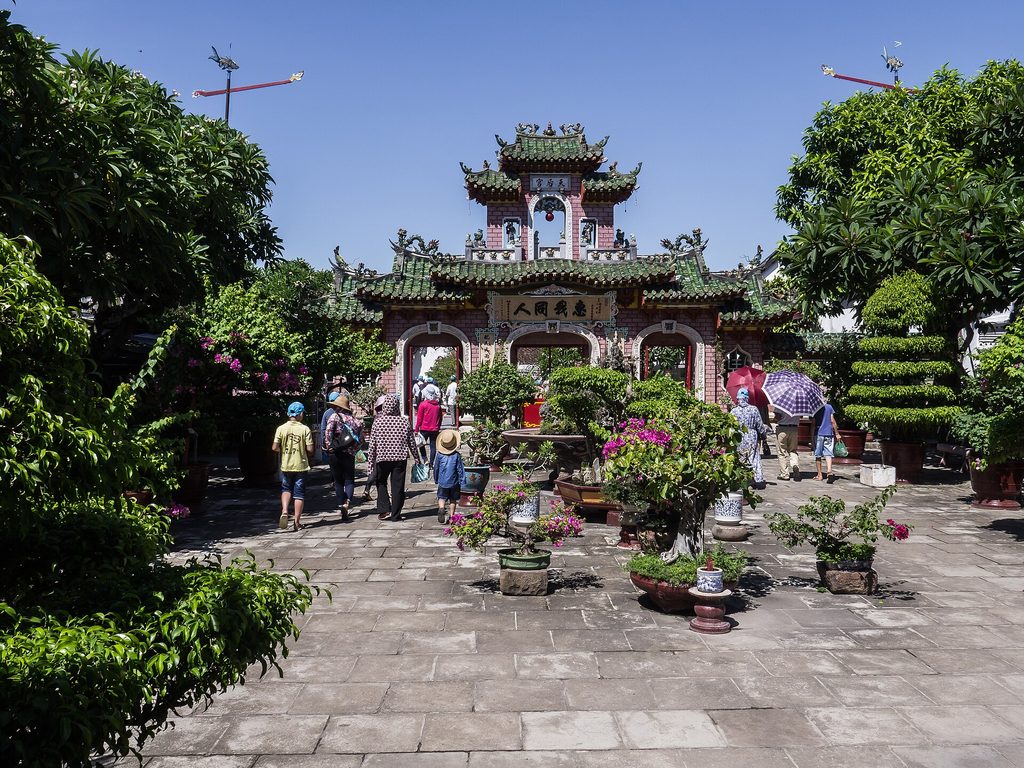
Thanh Ha & the Western Rice Fields: Resorts With Room to Breathe
Northwest of the old town, around Hung Vuong Street and the Thanh Ha pottery village, the hotels get bigger and the gardens get greener. You trade a short walk for space, multiple pools and a genuine resort calm — and you are still only about a kilometre from the Ancient Town.
The standout is the La Siesta Hoi An Resort & Spa: 137 rooms in two wings — a heritage-style Classic Wing and a newer Club Wing — with four outdoor pools, including an adults-only infinity pool looking over the rice paddies, plus a well-regarded spa. It is one of the most decorated hotels in Vietnam with travellers, holds Travelife sustainability certification, and runs free bicycles for the easy ride into town. Families do especially well here: there is a children’s pool, big grounds for kids to roam, and room types built for groups. If your Hoi An plan mixes sightseeing days with whole afternoons doing very little, this is the base that does both.
An Bang Beach: For Beach Mornings and Slow Days
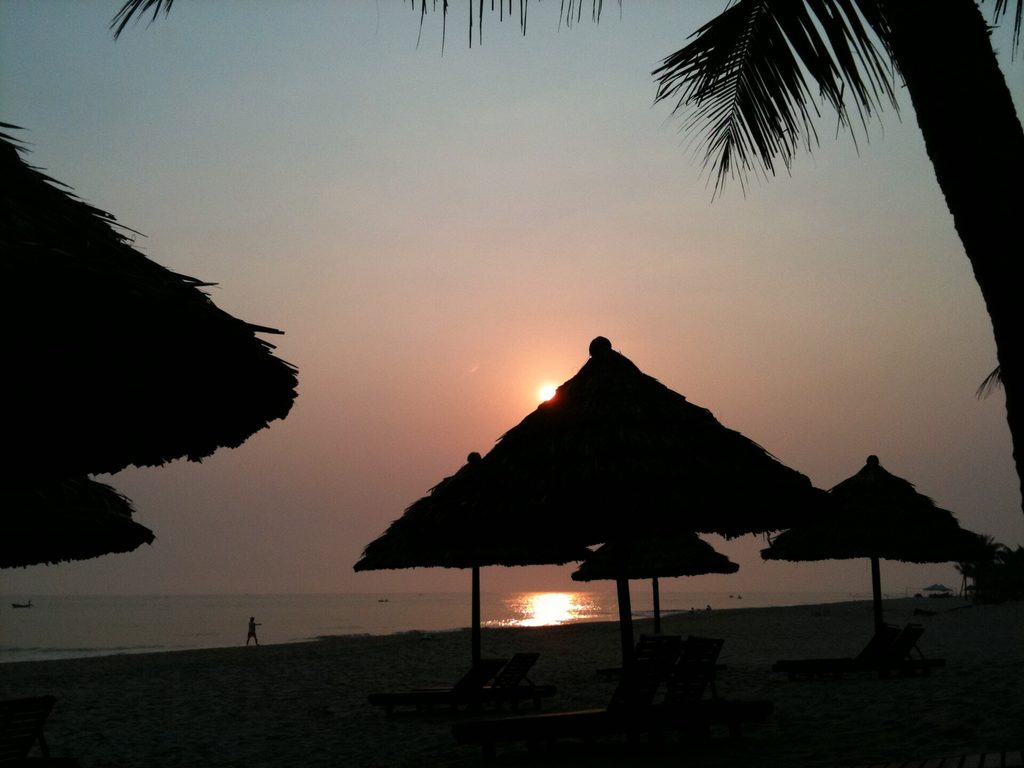
An Bang, about 4 km northeast of the old town, is Hoi An’s lived-in beach: a long sweep of sand lined with seafood restaurants, beach bars and small hotels, popular with locals on weekends and with long-stay visitors year-round. Stay here if the beach is a daily ritual rather than a side trip — swim before breakfast, lunch barefoot, then ride into town for the lanterns after dark. What you give up is walkability: nobody walks to the Ancient Town from An Bang. It is a 30–40-minute bicycle ride through the rice fields (genuinely lovely), or a short taxi or ride-hailing trip.
Beach conditions vary by season — the sea is calmest from roughly March to August, and rougher, sometimes unswimmable, in the winter monsoon months — so beach-first trips are best planned for spring and summer. The neighbouring Cam An strip, between An Bang and Cua Dai, holds the larger river-and-beach resorts, including the Silk Sense Hoi An River Resort: 81 rooms on the river in Cam An, rated 9.6 on Expedia, with a saltwater pool, a strong eco focus and free shuttles to both the Ancient Town and the beach, which neatly solves the distance problem.
Cua Dai Beach: The Classic Resort Strip
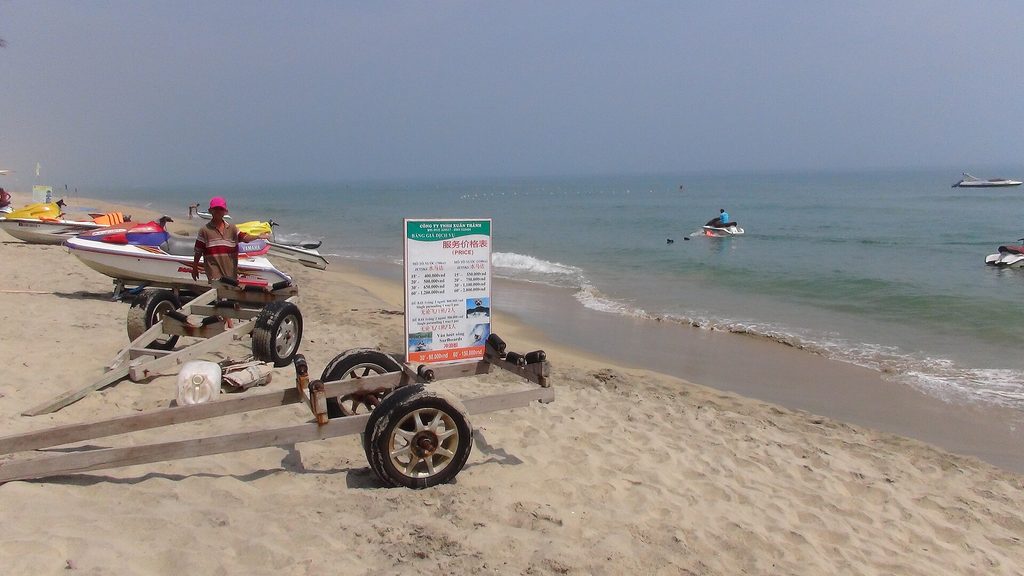
Cua Dai, about 5 km east of town at the mouth of the Thu Bon River, is Hoi An’s original beach-resort strip: bigger properties, private beach sections, and shuttle buses into the old town. It suits travellers who want a resort holiday with Hoi An as the cultural bonus rather than the other way round — and families who value a kids’ club and a buffet breakfast over a boutique address.
The long-established favourite is the Victoria Hoi An Beach Resort & Spa: 109 rooms styled like a traditional Vietnamese fishing village, right on a private stretch of Cua Dai Beach, rated 9.4 on Expedia, with a big pool, a spa and Travelife certification. Nearby, Palm Garden Beach Resort and Spa spreads 214 rooms and bungalows through tropical gardens on the same strip, rated 9.2, with a private beach, several pools and a complimentary shuttle into town. One honest note on Cua Dai: parts of this beach have battled erosion in past years and some sections are protected by sandbags and breakwaters, so if an unbroken swimming beach is your priority, An Bang is the safer bet; if you mainly want a resort pool with sea views and the occasional beach walk, Cua Dai is fine.
Which Area Should You Choose?
First visit, two or three nights: the Ancient Town edge or Cam Chau — walkable evenings, no transport planning. Couples and a slower pace: Cam Chau or a Thanh Ha resort, with bicycles and spa time built in. Families: La Siesta for space and pools near town, or a Cua Dai resort for the full resort package. Beach-first trip: An Bang in the calm months, accepting the ride into town. Visiting in the rainy season (October–December): favour Cam Chau or Thanh Ha over the lowest riverside streets, and check the forecast before booking non-refundable rates.
Wherever you base yourself, book experiences around your location. From a town base, an evening foldable lantern making class is an easy walk-away activity and you take your lantern home. The countryside classic is a cooking class with a local market visit, basket boat ride and fishing in Cam Thanh — it fills a morning beautifully from any base. And the essential day trip, the jungle Cham temples of My Son, is simplest on an early My Son Sanctuary tour with a boat trip back, which gets you there before the heat and the crowds.
Keep Planning Your Vietnam Trip
Pair this guide with my Hoi An in 3 days itinerary for the day-by-day plan, browse the full collection in my Southeast Asia guides hub, and if your route continues north-to-south or into Cambodia, my where to stay in Siem Reap guide applies the same area-by-area logic to the Angkor base town. Hoi An rewards travellers who slow down — choose the base that lets you do that, and the town will handle the rest.