Vienna is one of those cities that rewards a first visit enormously — and punishes poor planning just as much. With more than a hundred palaces, a museum for every obsession, and a coffee-house culture on UNESCO’s Intangible Cultural Heritage list, three days here can either feel like a whirlwind of imperial greatest hits or a long series of lines and closed doors. This itinerary is the first version: three well-paced days built around how Vienna actually works, in the order that minimizes backtracking and queuing.
Planning a trip? Get our free Travel Planning Checklist:
Disclosure: This post contains affiliate links. If you book through one of these links, I may earn a commission at no extra cost to you.
Before you go: how Vienna works
A few things first-timers should know. Vienna’s big sights — Schönbrunn, Belvedere, the Sisi Museum — sell timed-entry tickets online, and in peak season (April through October, plus December) buying on the door can mean a long queue or a sold-out slot. Book ahead.
Getting around is blissfully easy: the U-Bahn, trams, and buses run on one network and are famously reliable. The 72-hour Vienna City Card (€37, includes seven days of unlimited public transport plus discounts at 200+ partners) is good value if you’re hitting Schönbrunn, Belvedere, and a museum or two — the discounts cover the extra cost quickly.
Vienna’s tap water comes straight from the Alpine springs, so bring a reusable bottle. And for food: lunch at a neighborhood Gasthaus is authentic and affordable — a good schnitzel runs around €12–15 in a local spot, double that at a terrace overlooking St. Stephen’s. The one splurge I always allow is a Melange and Sachertorte at Café Sacher. You’re paying for the experience, and it’s worth it.
Day 1: Imperial Vienna — the Old Town and the Hofburg
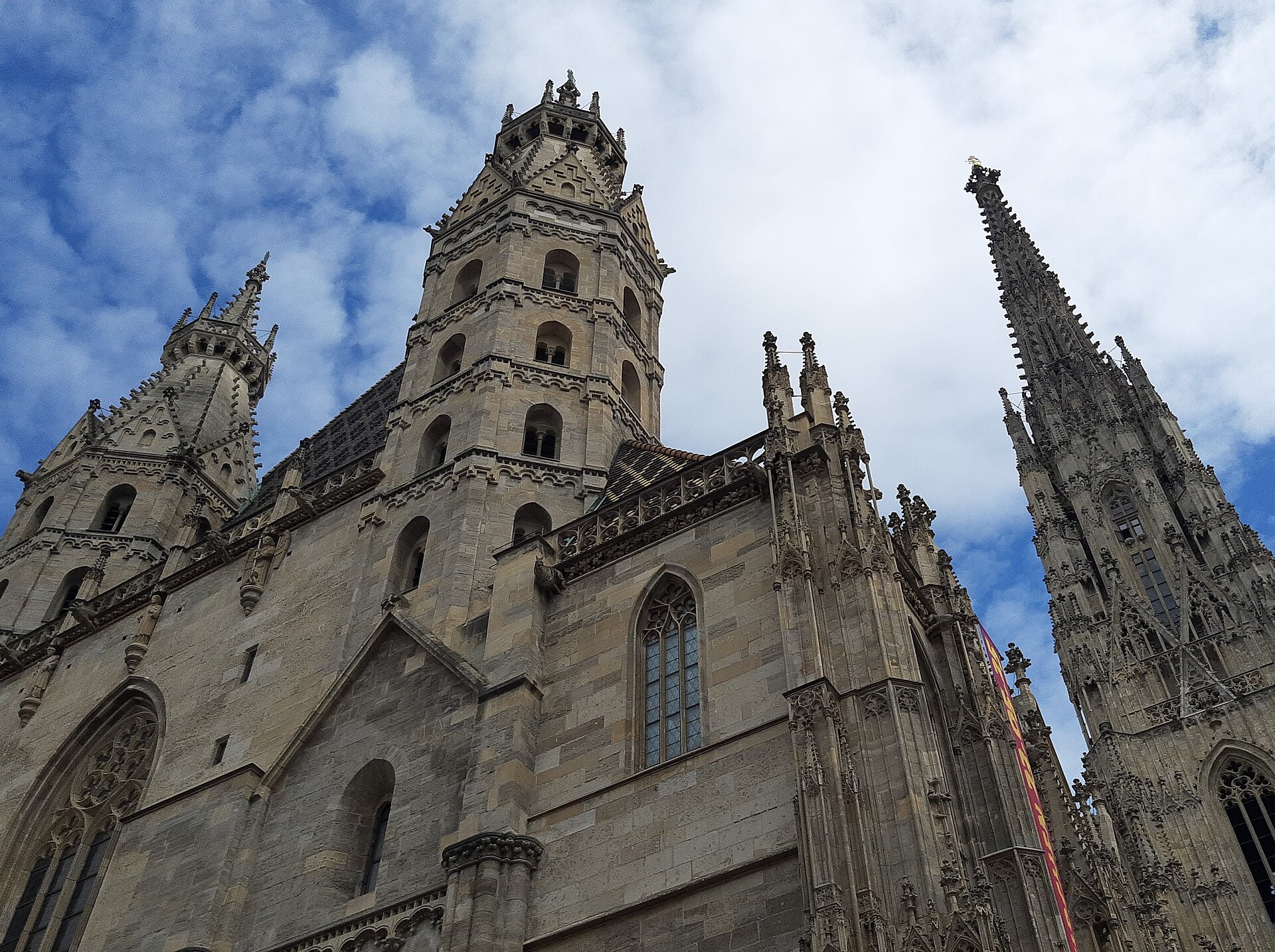
Start where Vienna starts: St. Stephen’s Cathedral (Stephansdom). Arrive by 9am, when the light hits the patterned roof tiles and the crowds are thin. Climb the 343 steps of the South Tower for the best panoramic view in the old town — skip the elevator for fewer queues. The cathedral has stood here in some form since the 12th century, and its Gothic spire is still the city’s defining silhouette.
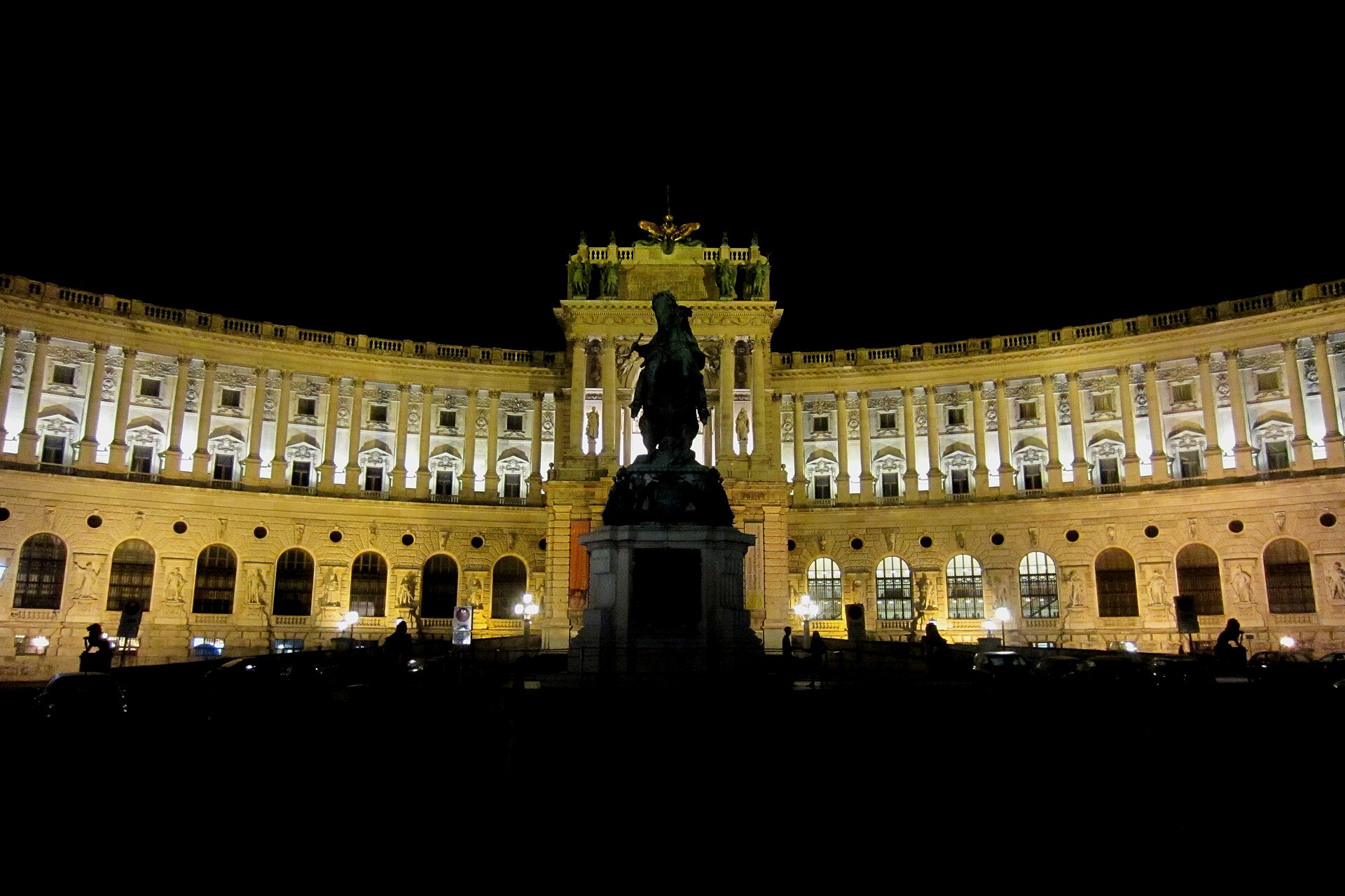
From Stephansplatz, walk five minutes to the Hofburg, the Habsburgs’ winter palace. The Sisi Museum and Imperial Apartments are the draw here: Empress Elisabeth’s story is far darker and stranger than the romantic films suggest, and the apartments show how the imperial household actually lived. Go early in the day to avoid the worst of the queues. If horses are your thing, check the Spanish Riding School calendar — the morning exercise sessions (training, not full performance) are a lovely, calmer way to see the Lipizzaners in the Winter Riding School.
Cross the street to Maria-Theresien-Platz, where the twin giants of the Kunsthistorisches Museum (Art History) and Naturhistorisches Museum (Natural History) face each other across a garden. Pick one — the Kunsthistorisches has Bruegel’s largest collection in the world, and its café is one of the most beautiful rooms in Vienna.
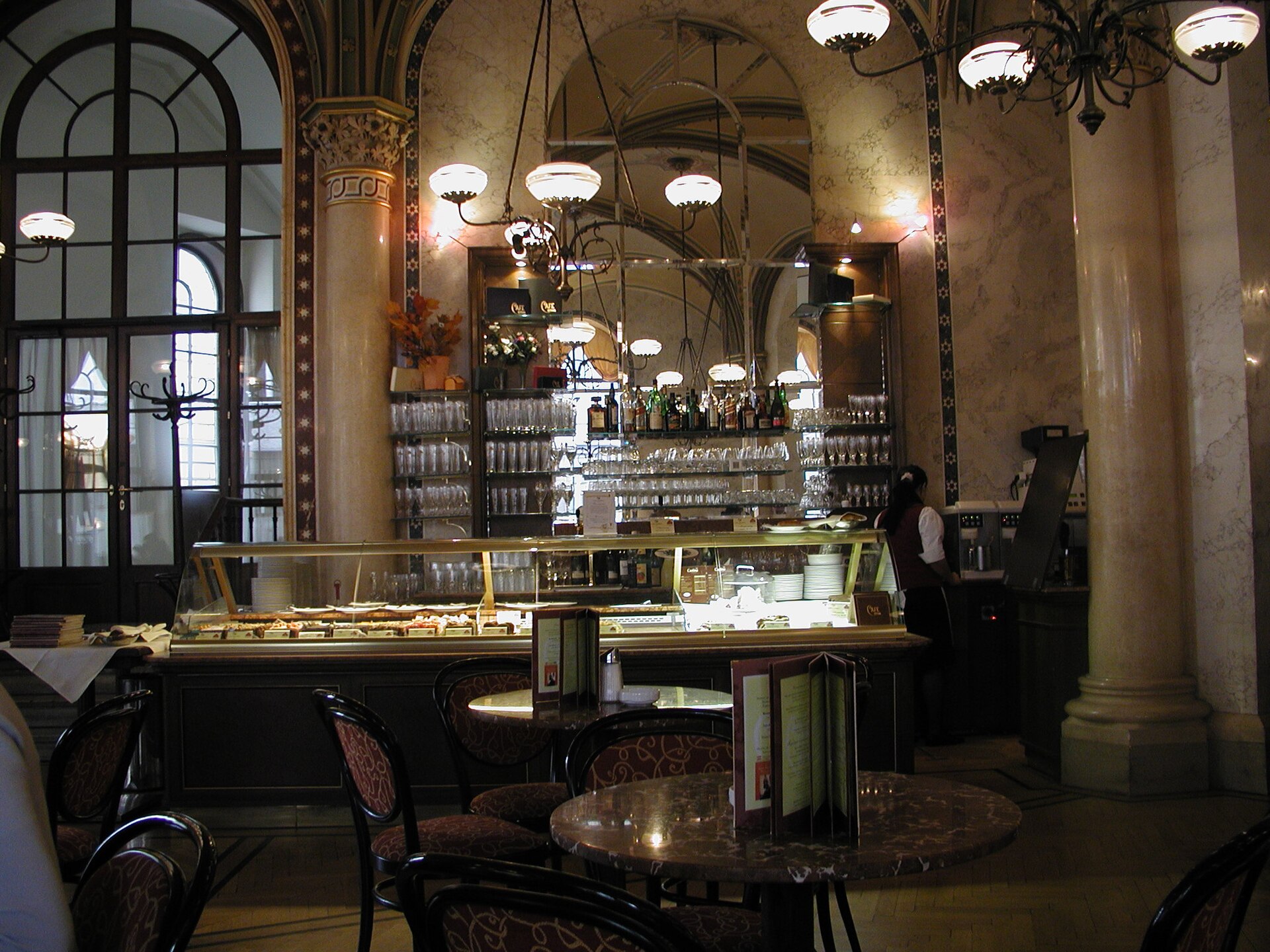
End the day with the classic Viennese ritual: a coffee house. Café Central in the Palais Ferstel is the grandest of them all — marble columns, tuxedoed waiters, and nobody minds if you linger over one Melange for two hours. That’s the point.
Day 2: Art, palaces, and markets
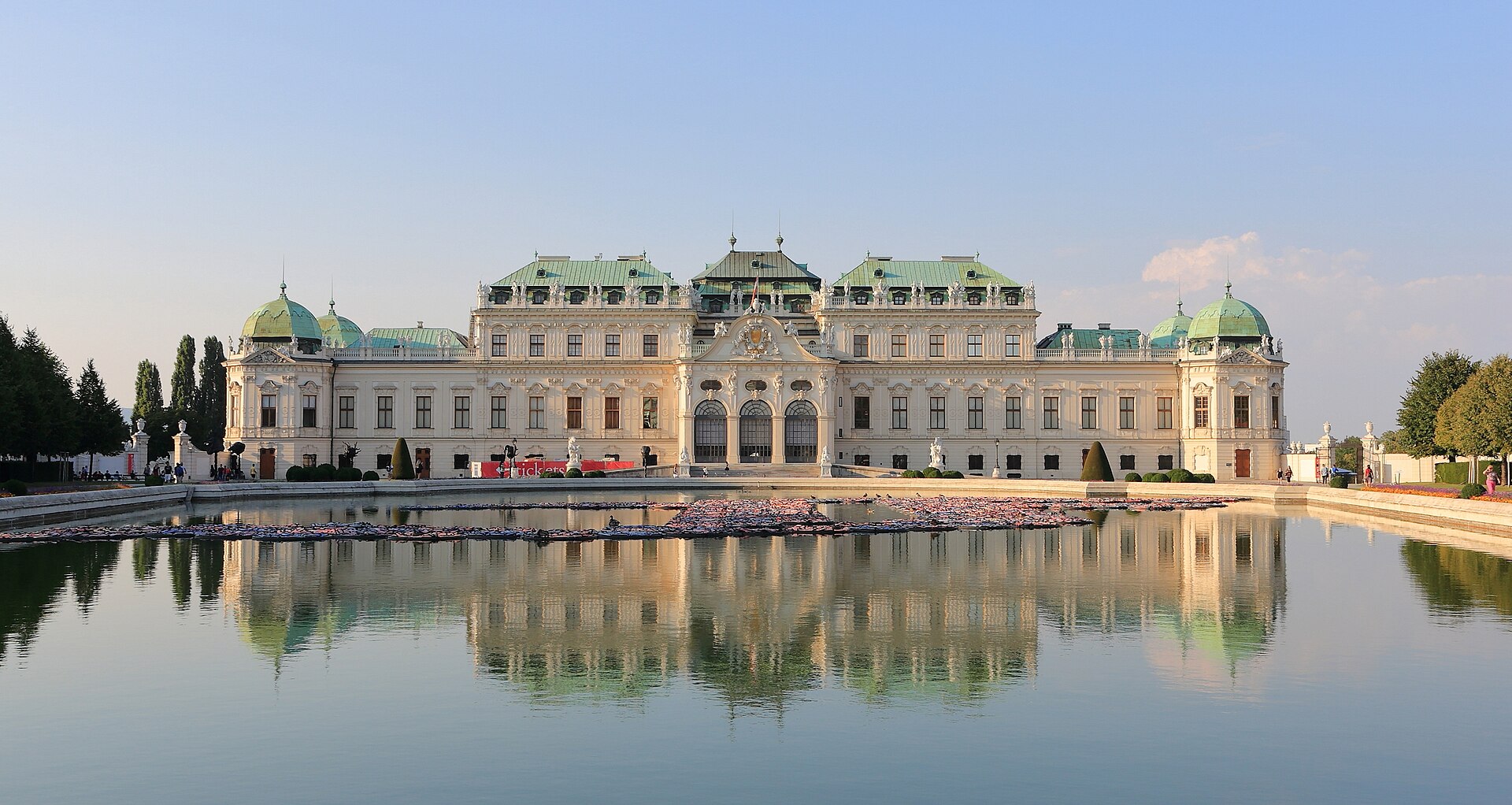
Take the tram south to the Belvedere. This is the Baroque palace complex of Prince Eugene of Savoy, and its Upper Belvedere holds Klimt’s The Kiss — the single most famous painting in Austria. Go to the upper floor first and work your way down; most visitors do the opposite, and you’ll beat the bus groups to the Klimt room. An Upper Belvedere guided tour with skip-the-line entry is a smart move here — the gardens and the building’s history repay a proper guide.
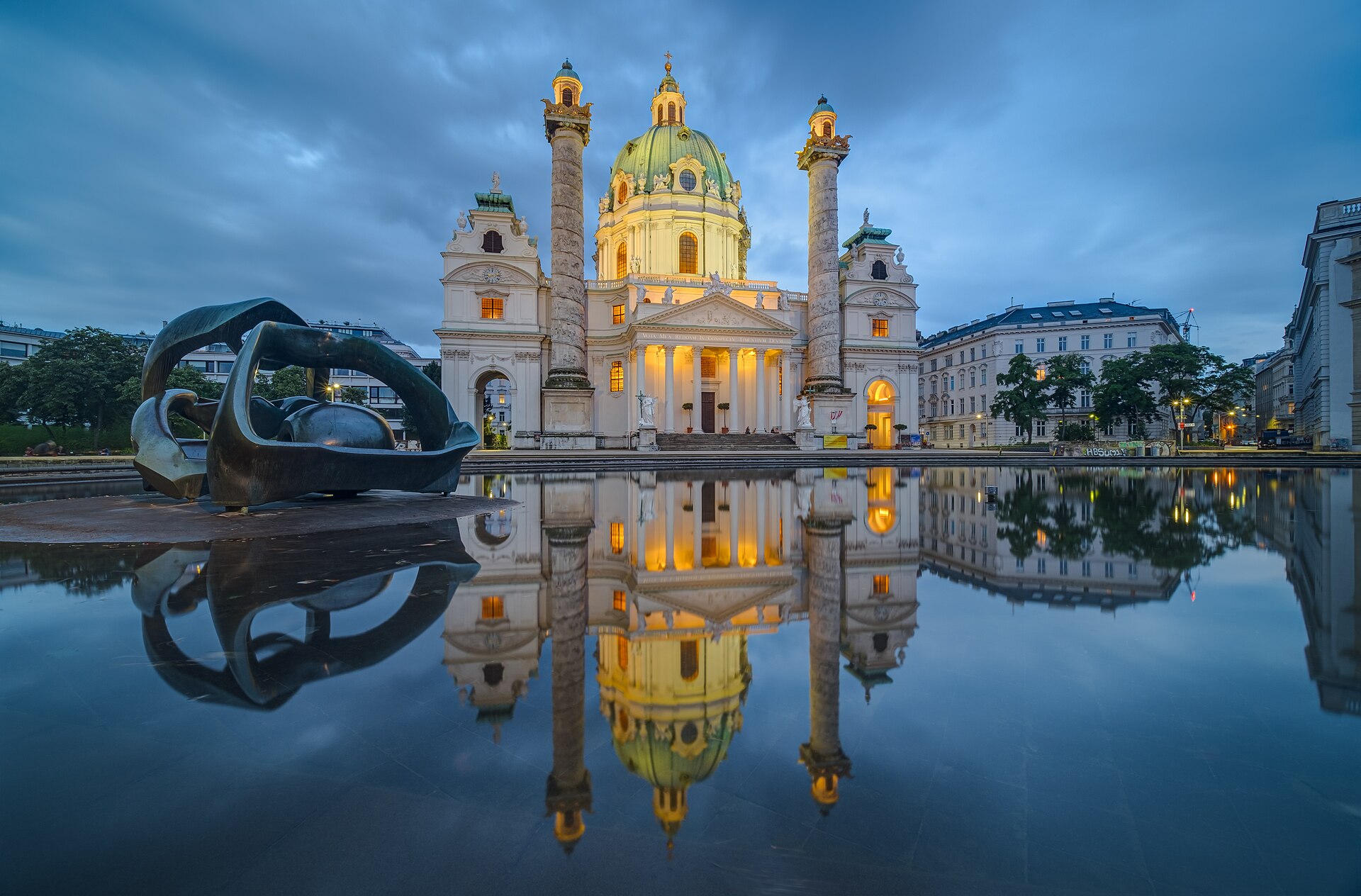
A short walk away, the Karlskirche is Vienna’s great Baroque church, and its glass lift takes you right up to the dome frescoes — an underrated experience most first-timers miss. Then head to the Naschmarkt, Vienna’s famous food market (open Monday to Saturday), for lunch: falafel, Viennese snacks, spice shops, and some of the city’s best people-watching. It’s liveliest on weekdays.
In the afternoon, the Museum Quarter (MuseumsQuartier) is the city’s cultural courtyard — the Leopold Museum has the world’s largest Egon Schiele collection, and the courtyard cafés are perfect for a late-afternoon break. If modern art isn’t your thing, the Albertina back in the old town has Dürer, Monet, and Picasso plus a terrace with the best view of the Opera House.
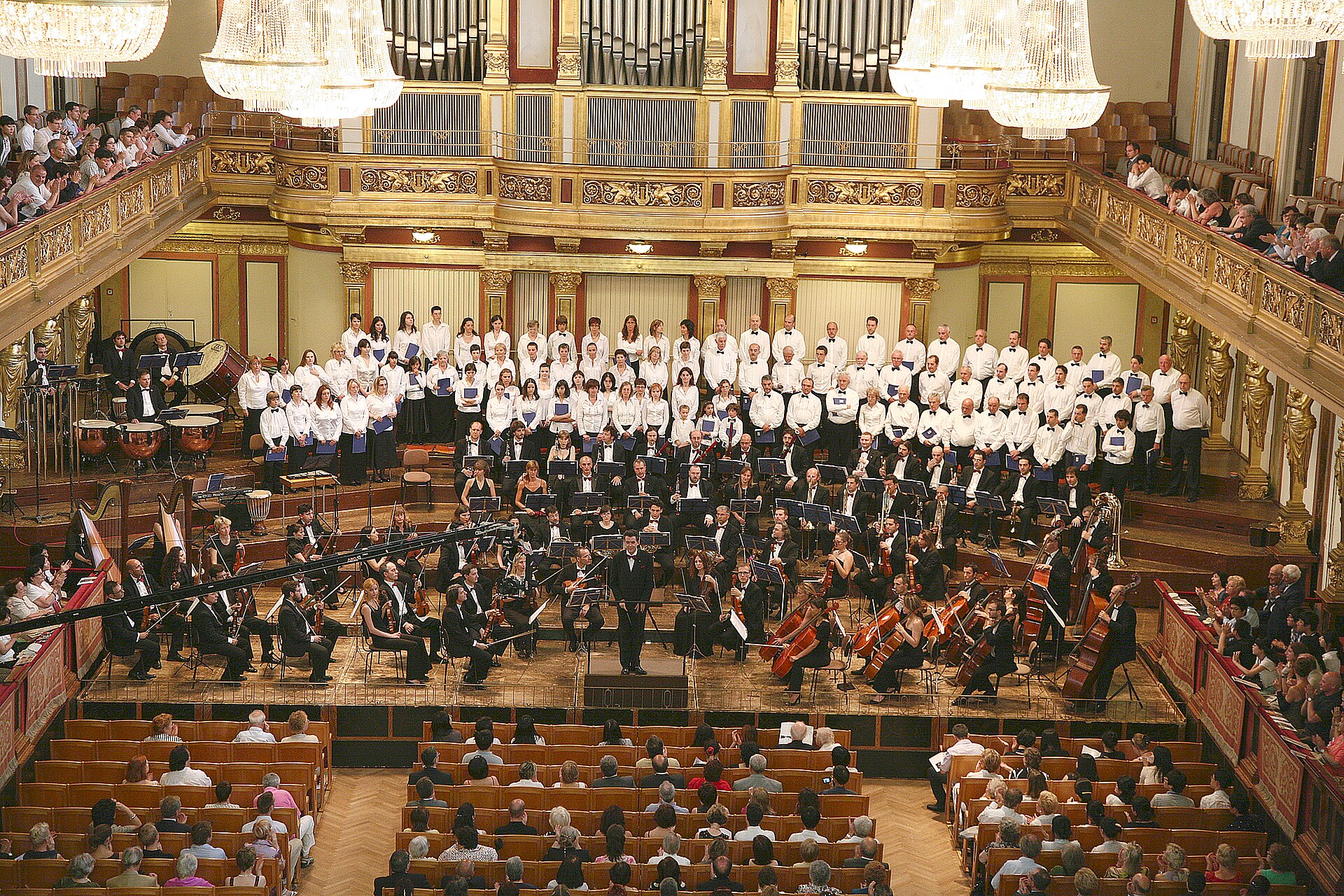
For the evening, do Vienna properly: a classical concert at the Musikverein — Mozart, Vivaldi, and Haydn in the Brahms Hall — is one of those experiences that sounds touristy and is genuinely magical. If the season doesn’t cooperate, the State Opera is lit up beautifully at night and even walking past it after dark is a moment.
Day 3: Schönbrunn and the Prater
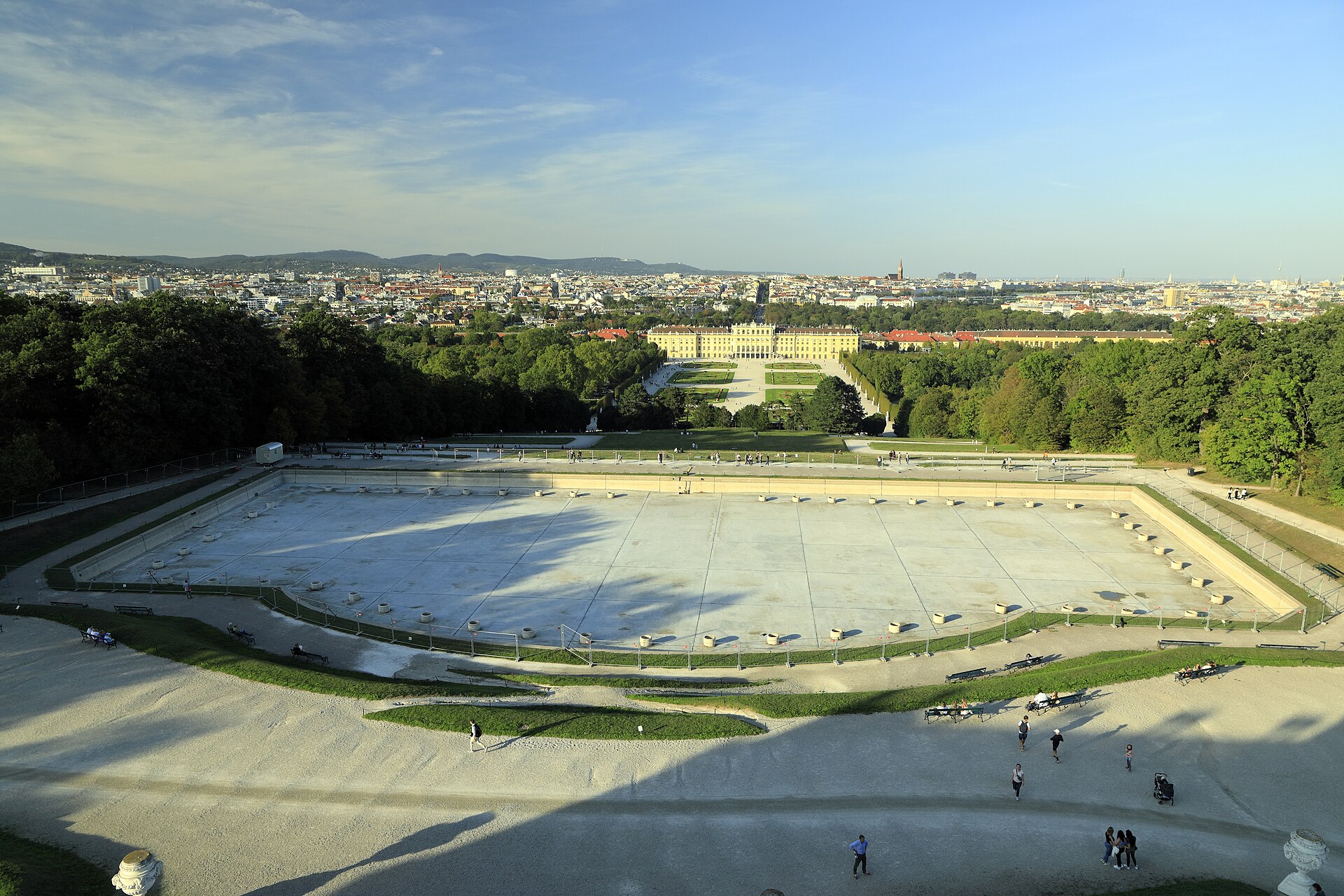
Save the biggest sight for the last day. Schönbrunn Palace — the Habsburgs’ summer residence, a UNESCO World Heritage site — needs at least half a day. Book the Grand Tour of the imperial rooms online and arrive at your timed slot early, then spend the rest of the morning in the free gardens: walk up to the Gloriette for the classic panorama back over the palace to the city, wander the maze, and stop at the Palm House for a tropical break. A Schönbrunn Palace skip-the-line guided tour covers the palace and gardens in about two hours and spares you the ticket queue entirely.
Two underrated additions on the grounds: the Schönbrunn Zoo, founded in 1752 and the oldest zoo in the world, and the Imperial Carriage Museum (Wagenburg) in the park. Then take the U-Bahn to the Prater and ride the Wiener Riesenrad, the 1897 Ferris wheel, at sunset. The wooden cabins and the slow, creaking rotation over the city are pure old Vienna — a perfect way to end the trip.
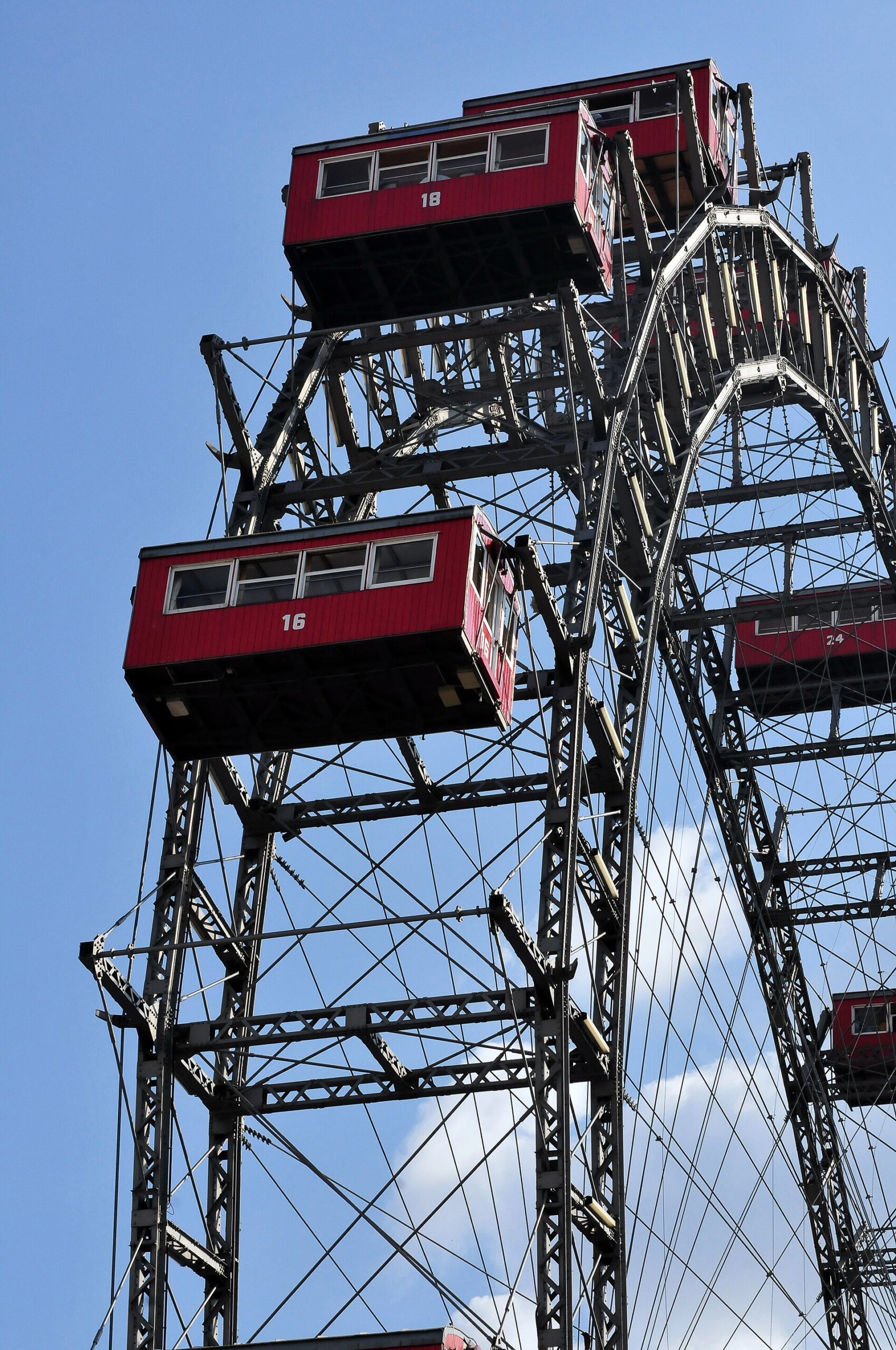
If you still have energy, finish with dinner in Leopoldstadt, the neighborhood around the Prater: it’s become Vienna’s most interesting food district, with wine taverns and modern Austrian bistros well away from the tourist menus.
Where to stay
Vienna’s public transport is so good that most central districts work, but the first visit is best in the Innere Stadt (District 1) for walkability, or Leopoldstadt and Neubau for better value with character. My full breakdown — neighborhoods, hotel picks at every budget, and what to avoid — is in Where to Stay in Vienna: Best Neighborhoods and Hotel Picks (2026 Guide).
How I’d spend the days (at a glance)
- Day 1: St. Stephen’s Cathedral (South Tower) → Hofburg: Sisi Museum & Imperial Apartments → one museum on Maria-Theresien-Platz → Café Central
- Day 2: Belvedere (Klimt’s Kiss, upper floor first) → Karlskirche dome lift → Naschmarkt lunch → Museum Quarter or Albertina → Musikverein concert
- Day 3: Schönbrunn Palace (Grand Tour + gardens + Gloriette) → optional zoo or Palm House → Prater Riesenrad at sunset → dinner in Leopoldstadt
Vienna with more time
Three days covers the essentials without rushing, but Vienna rewards a fourth or fifth day: the Wachau Valley (castles, vineyards, and the Danube) is an easy day trip, Bratislava is an hour away by boat, and a full day at the Kunsthistorisches Museum is a trip in itself. If Vienna is part of a wider Central Europe run, my other itineraries fit the same format — Budapest in 3 Days and Prague in 3 Days both make natural next stops.
The bottom line: Vienna works best when you respect its pace. Book the big palaces ahead, build in a coffee-house break every afternoon, and don’t try to see everything — this is a city that reveals itself to visitors who linger. Three days, done right, is the sweet spot.