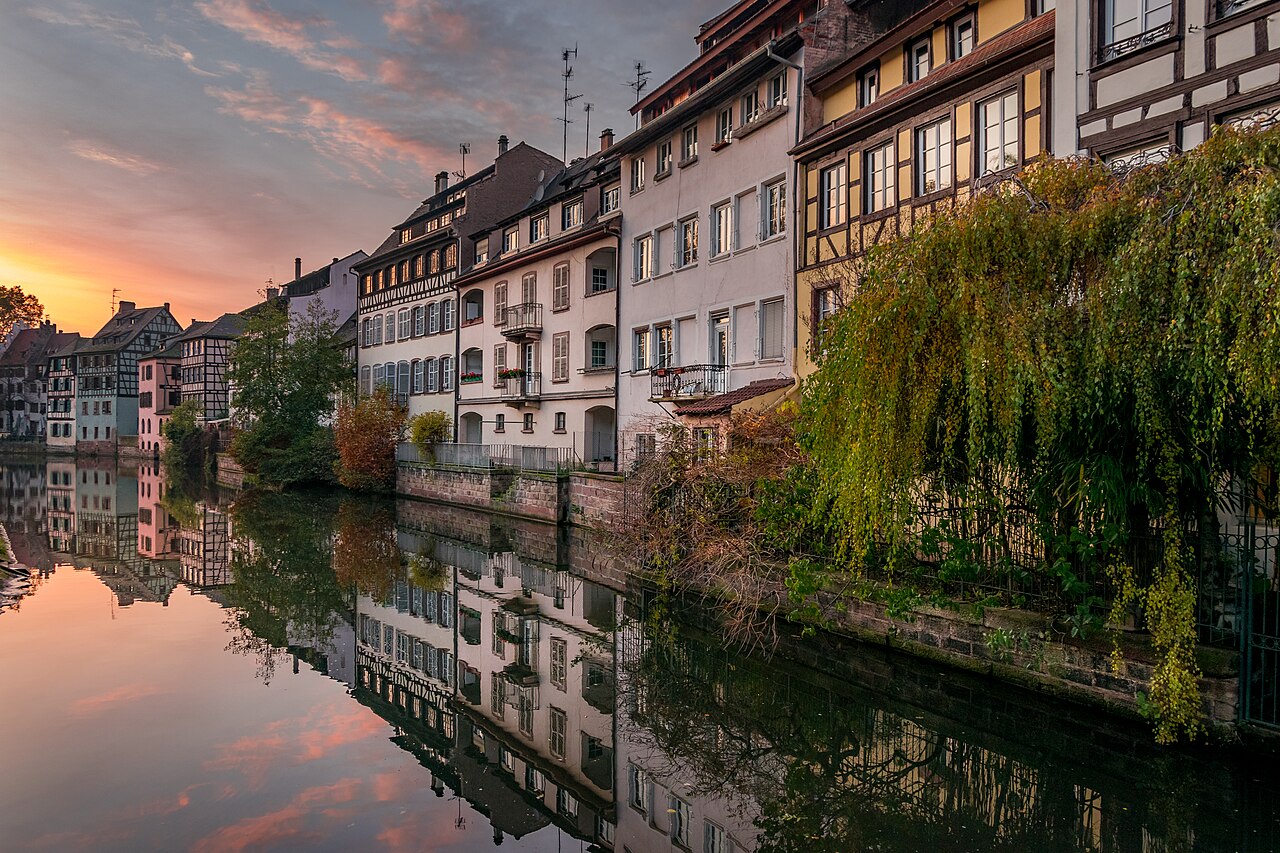
Strasbourg rewards travellers who slow down — but it rewards travellers who book the right help even more. The Grande Île is only about a kilometre across, yet it packs in a cathedral that took four centuries to build, a tanners’ quarter that looks like a storybook, two UNESCO-listed districts and, from late November, the oldest Christmas market in France. You can wander it all on your own, and you should. But three kinds of tour genuinely add something here: a local guide who can read the old town like a book, a driver who can string together the Alsace wine villages in a single day, and — in season — a small-group evening walk that threads the Christmas markets after dark, when they are at their best and their busiest.
Never forget a thing before you fly. My free 8-page Travel Planning Checklist walks you through the whole trip — 6 planning timelines, 36 checks, from booking windows to travel-day basics. One email, no spam, unsubscribe anytime.
Disclosure: This post contains affiliate links. If you book through one of these links, I may earn a commission at no extra cost to you.
This guide compares the three tours worth your money in Strasbourg in 2026, explains honestly what each one does better than going it alone, and flags who should skip each one. If you are planning the trip itself, start with my Strasbourg in 3 Days itinerary, which slots all three of these tours into a first-timer’s schedule.
At a Glance: The 3 Best Tours in Strasbourg
- Best overall: the small-group walking tour with a local guide — the fastest way to understand the Grande Île, Petite France and the cathedral quarter in one morning.
- Best day trip: the Alsace towns and Haut-Koenigsbourg Castle tour — a castle, three wine villages and Colmar in one day, with castle admission included.
- Best in season (27 November – 24 December): the Christmas markets by night walk — maximum six people, mulled wine in hand, after the day-trip crowds have gone.
1. Strasbourg Walking Tour with a Local Guide — Best Overall
Strasbourg’s old town is dense with detail that is easy to walk straight past: the 1467 timbers of Maison Kammerzell on the cathedral square, the covered bridges and defensive towers of Petite France, the point where the city flips from French to unmistakably Germanic architecture — sometimes on the same street. A good local guide turns a pretty stroll into a story, and that is exactly what this small-group walk does.
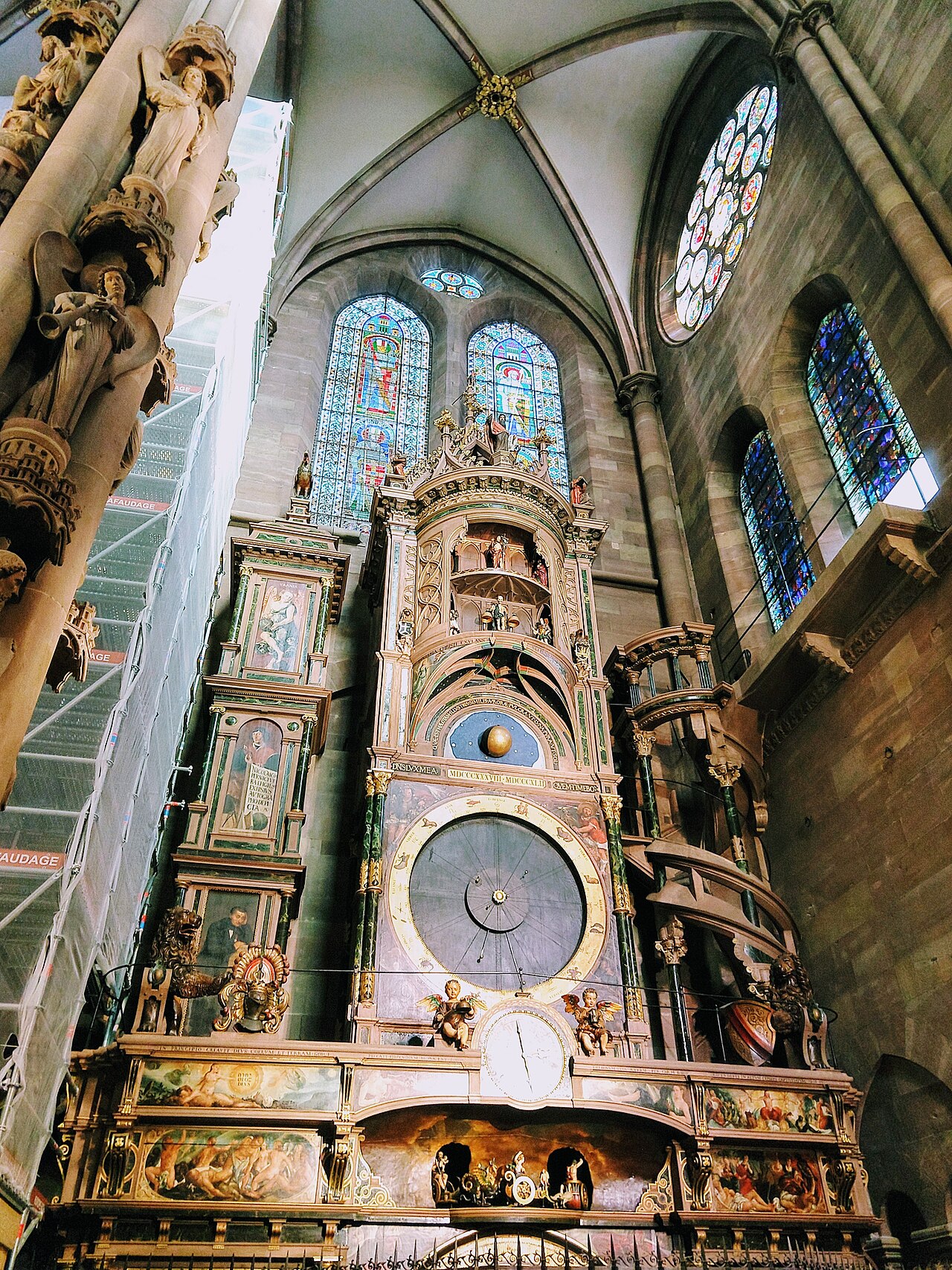
The route covers the essential Grande Île: the cathedral quarter, where you will want to be inside before the astronomical clock’s apostles parade at 12:30 (arrive for the film at noon, with tickets bought on the day), the lanes of Petite France where tanners, millers and fishermen once worked the channels of the Ill, and the squares that host the city’s famous markets in December. Expect honest local recommendations along the way — where the tarte flambée is actually good, which winstubs the locals still use, and which museums are worth your limited days (note that the Alsatian Museum is closed for renovation until 2028, so any guide who tries to send you there is working from an old script).
Why book it: it is the highest-rated walking option in the city, in a small group with a live guide rather than an audio app, and it costs less than most big-city walking tours. Do it on your first morning and the rest of your trip gets better — you will navigate the Grande Île confidently for the rest of your stay.
Skip it if: you have already spent several days in Strasbourg, or you strongly prefer exploring entirely at your own pace with a good guidebook.
Check prices and availability for the Strasbourg walking tour with a local guide
2. Alsace Towns and Haut-Koenigsbourg Castle Day Trip — Best Day Trip
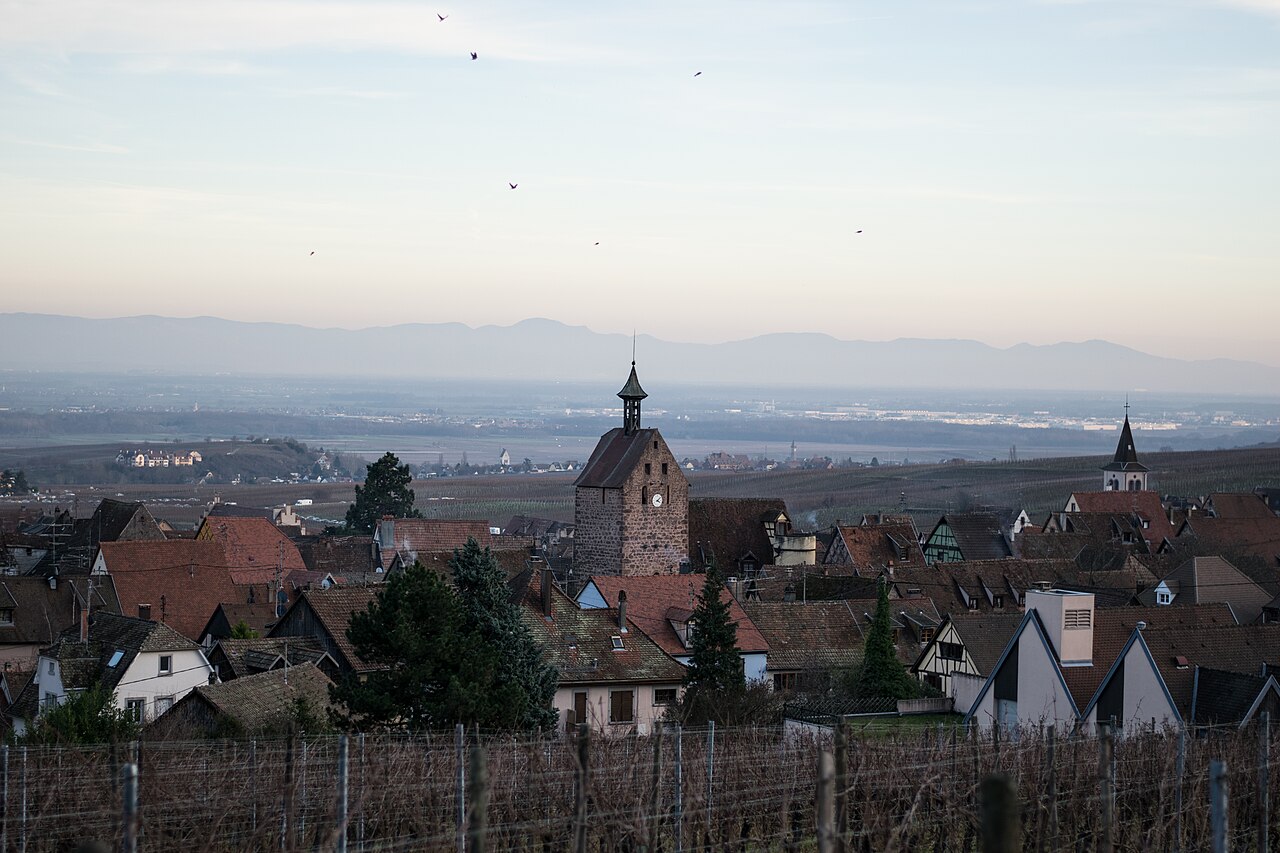
Strasbourg is the capital of Alsace, but Alsace itself is the countryside beyond the city: vineyard villages of half-timbered houses and geranium-filled window boxes, strung along the foothills of the Vosges. Seeing it properly by public transport takes careful planning and most of a weekend. This full-day trip compresses it into one well-built day, with four stops.
The headline stop is Haut-Koenigsbourg, a 12th-century fortress rebuilt in the early 1900s that commands the plain from 755 metres — on a clear day you can see from the Black Forest to the Alps. Crucially, castle admission is included in this tour’s price, which is not true of every competitor. From there the route drops into Riquewihr, regularly called one of the most beautiful villages in France and barely changed since the 16th century, then Kaysersberg, another wine village with a ruined castle of its own, and finally Colmar, whose Little Venice canal quarter is the most photographed corner of Alsace.
A practical honesty note: this is a driver-led day with an audio guide in 12 languages, not a fully guided tour with a historian on board. For most travellers that trade-off is right — the villages reward wandering, eating and tasting more than lecturing, and the logistics (mountain roads, village parking, four sets of directions) are exactly what you are paying to hand over. Wine lovers should pace the tastings: Riquewihr and Kaysersberg pour generously, and Colmar still lies ahead.
Why book it: four stops that would take two days by train and bus, castle entry included, and hotel-day logistics handled. It pairs perfectly with a city-focused first day in Strasbourg.
Skip it if: you are renting a car anyway — the Alsace wine route is a joy to drive yourself — or if slow travel in one village appeals more than highlights in four.
Check prices and availability for the Alsace towns and Haut-Koenigsbourg Castle day trip
3. Strasbourg Christmas Markets by Night — Best in Season
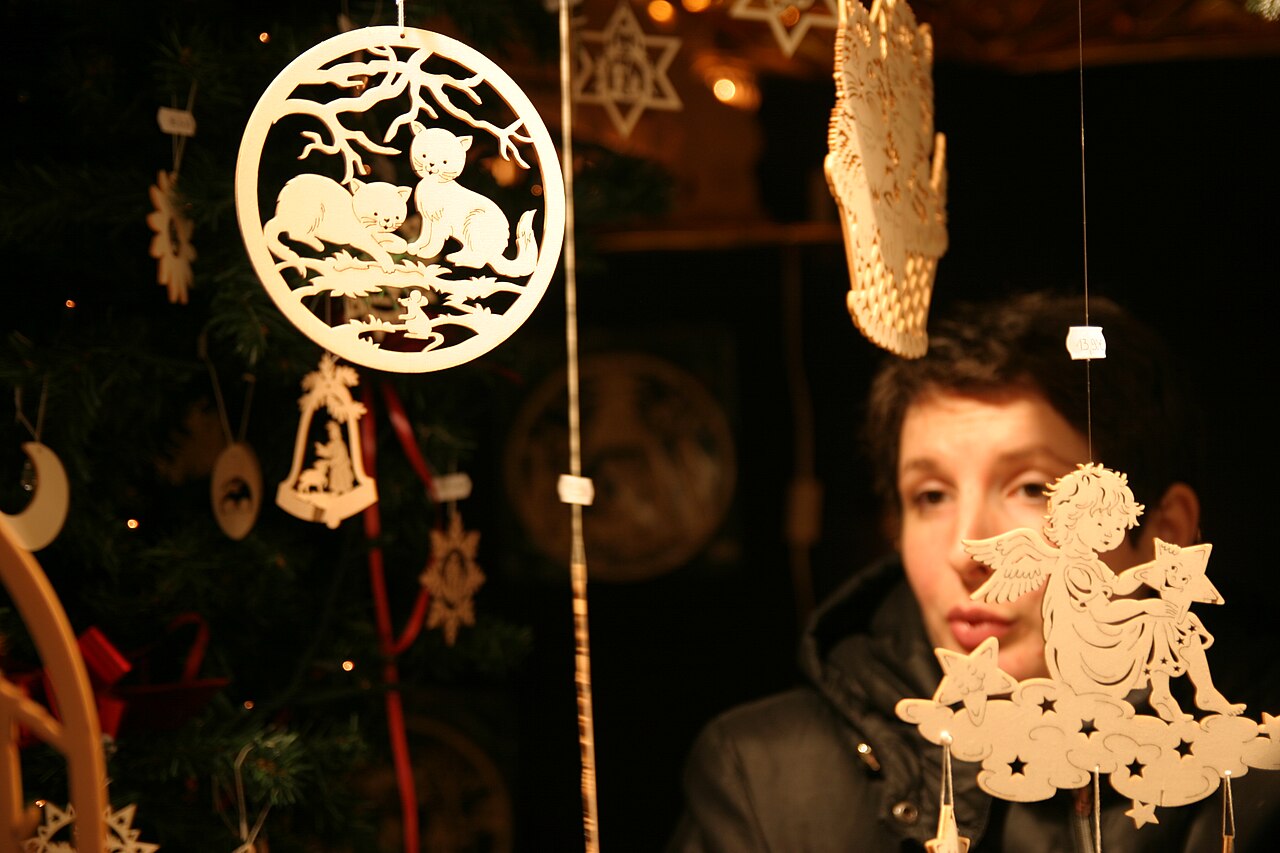
From 27 November to 24 December 2026, Strasbourg becomes the Capitale de Noël: eight markets across the Grande Île, open daily from 11:00 to 21:00 (from 14:00 on opening day, and until 18:00 on Christmas Eve). The Christkindelsmärik on Place Broglie has run since 1570, the Great Christmas Tree towers over Place Kléber, and the cathedral quarter glows. It is magical — and, on December weekends, intensely crowded.
This is where a tiny evening group earns its fee. Capped at six people, the night walk threads the markets after dark with a local guide who knows which stalls are the real artisans and which are reselling imports, where the best vin chaud (mulled wine — a cup is included) is poured, and how to move between Place Broglie, the cathedral quarter and Place Kléber without fighting the slowest crowds head-on. You will taste the season properly too: bredele biscuits, mannele brioche on St Nicholas weekends, and tarte flambée from the market chalets.
Visiting for the markets? My guide to Europe’s 10 Best Christmas Markets puts Strasbourg in context, and this Christmas markets data study shows what December hotel prices actually do in the city — book rooms early, because Strasbourg in December is one of Europe’s great sellers-out.
Why book it: the highest-rated seasonal walk in the city, a genuinely small group, and local knowledge that is hardest to replicate on your own precisely when the city is at its busiest.
Skip it if: you are visiting outside the market season (it does not run), or you are travelling in a large group of your own and can split a private guide instead.
Check prices and availability for the Strasbourg Christmas markets by night tour
Free and Cheap Alternatives Worth Knowing
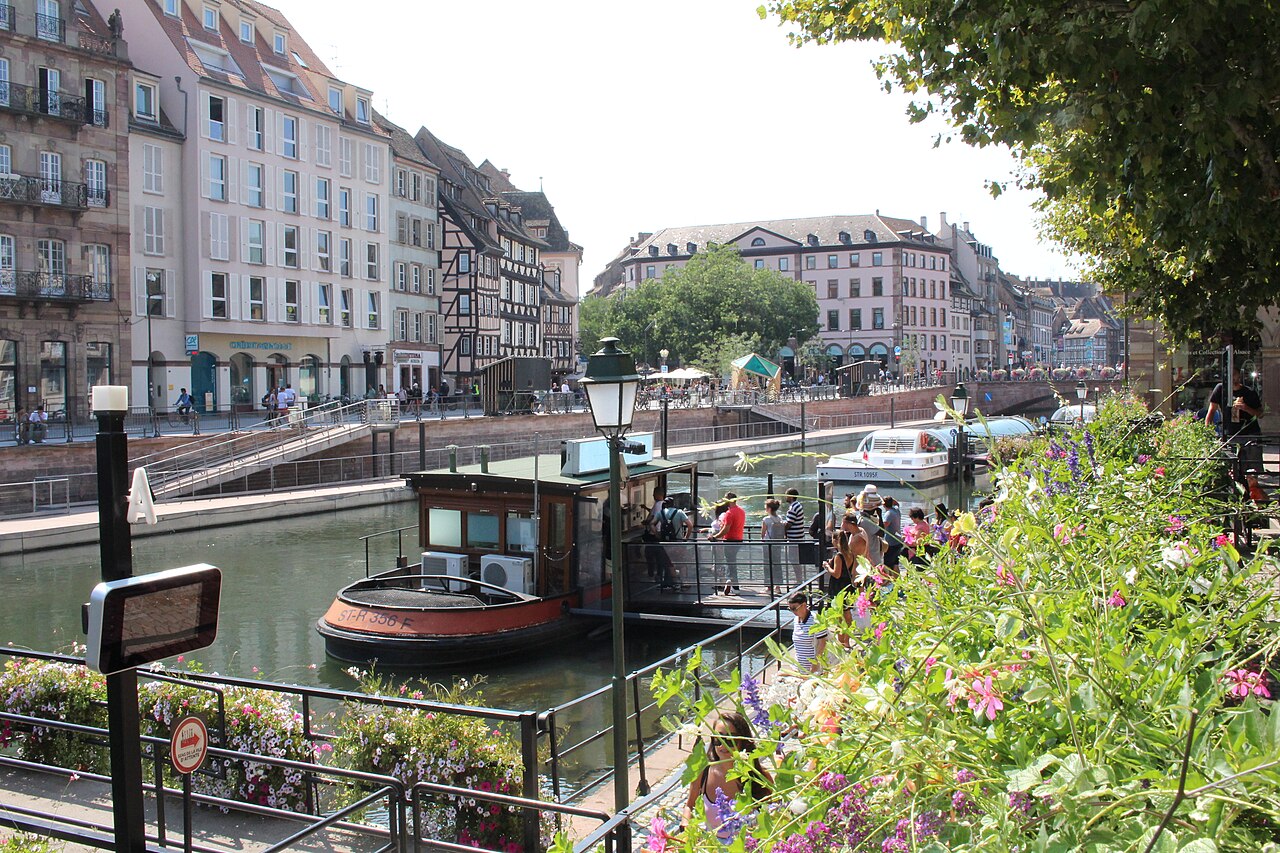
Not everything in Strasbourg needs a ticket. The Batorama boat trip — around 70 minutes on the long route, out to the European Quarter and back — is the best-value overview in the city and a fine substitute if walking tours are not your thing; book the first sailing of the day in summer and in December. The Barrage Vauban’s rooftop terrace is free and gives you the classic postcard view over the Ponts Couverts and Petite France. The cathedral platform (332 steps, 66 metres) costs a few euros and repays them at sunset. And the European Parliament’s hemicycle visits are free with original ID and advance booking — just not on Sundays, when it is closed.
How to Choose (and When to Book)
- First morning in the city: the walking tour. Everything else on your trip builds on it.
- Three days or more, no car: add the Alsace day trip. It is the single best use of a third day.
- Visiting 27 November – 24 December: the night markets walk is the seasonal essential — book it first, because groups of six sell out on December weekends.
- Booking window: the day trip and the night walk both warrant booking one to two weeks ahead in peak season; the walking tour is usually safe a few days out, except in December.
Strasbourg is a city that gives more the more you understand it. Walk it with a local, give one day to the wine villages and the castle, and — if you are lucky enough to be here in December — see the markets by night with a mulled wine in hand. Those three bookings, and you have done the capital of Alsace properly.