
Ask anyone who’s driven Iceland’s Ring Road what surprised them most, and half will say the waterfalls — and the other half will say the hotels. Not because the hotels are bad, but because Route 1’s 1,332 kilometers are strung with small towns, farm stays, and a handful of proper hotels, and in summer the good ones book out months ahead. Where you sleep genuinely shapes the trip: pick your overnights well and you’ll trade long backtracking drives for short hops, wake up next to the sights instead of racing to them, and end each day somewhere with a hot tub under the midnight sun.
Planning a trip? Get our free Travel Planning Checklist:
Disclosure: This post contains affiliate links. If you book through one of these links, I may earn a commission at no extra cost to you.
This guide maps out exactly where to sleep on a classic circuit — town by town, with real hotel picks — plus when to book and how the seasons change the plan. If you haven’t mapped the driving days yet, my Iceland Ring Road in 7 Days itinerary lays out the full route day by day; this guide is its companion for the “where do I sleep” half.
The strategy: sleep where the sights are
The classic mistake is booking one base — usually Reykjavik — and day-tripping. Don’t. The Ring Road rewards a moving overnight: sleep somewhere new each night so driving days stay short and sights stack up. Aim for six or seven overnights on a 7-day loop, and book June–August stays months ahead; many rural properties have fewer than 30 rooms. Shoulder season (May, September) gives you more choice and often better rates. Winter is a different animal — I’ll cover it below.
Night 1: Reykjavik — the Golden Circle base
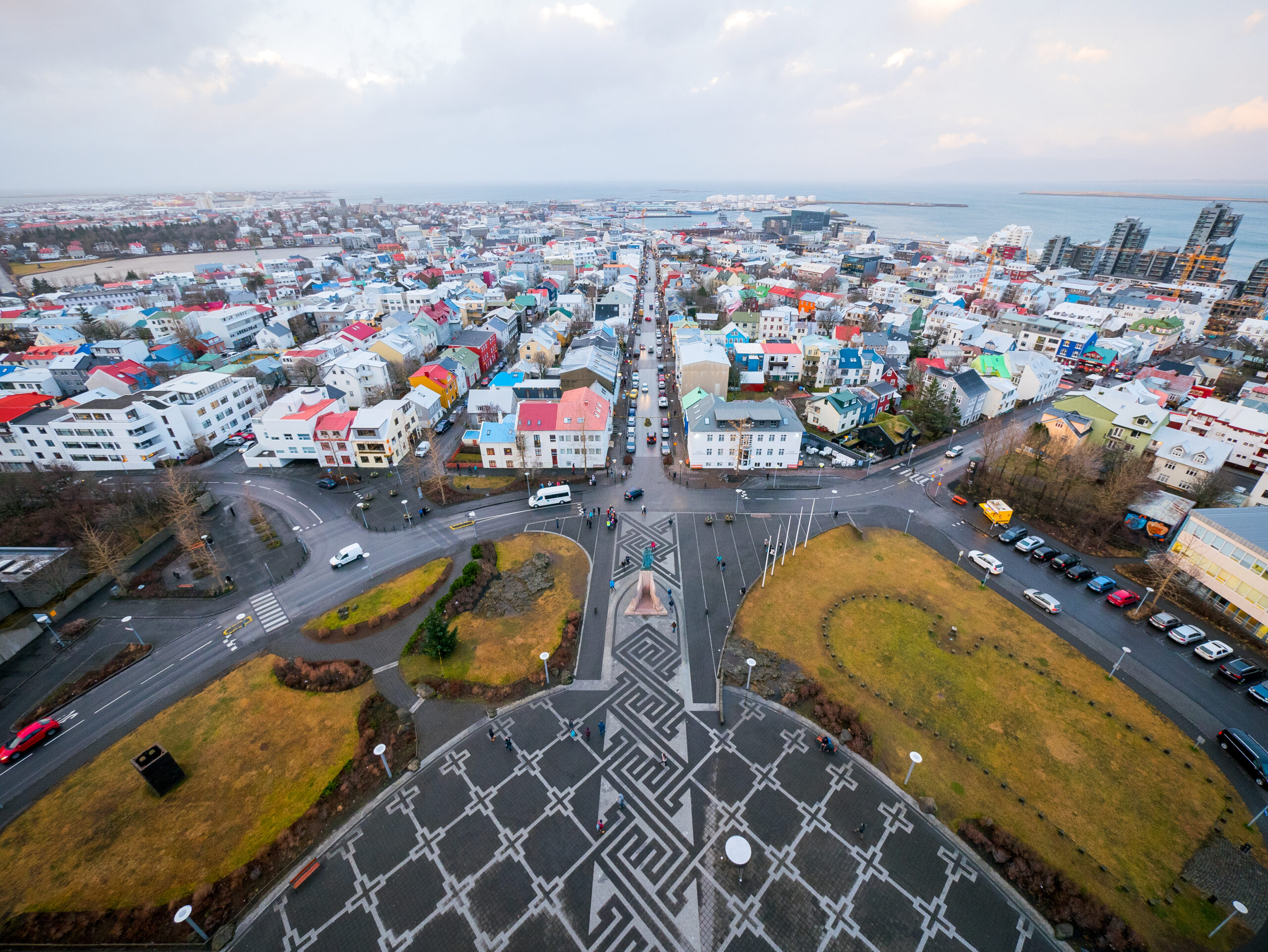
Start in the capital, where Iceland’s biggest hotel cluster lives. Stay near the Old Harbour, Laugavegur, or Hallgrímskirkja and you’re walking distance to restaurants, tour pickups, and the Sun Voyager sculpture. At the top end, The Reykjavik EDITION sits by the Harpa concert hall with a 9.6 guest rating — the splurge night before the road takes over.
Reykjavik is also the natural base for the Golden Circle — Þingvellir, the erupting Strokkur geyser, and Gullfoss — a separate 230-kilometer loop most drivers do as a half-day detour at the start or end. If you’d rather not self-drive it, this guided Golden Circle day tour from Reykjavik covers Þingvellir, Strokkur, and Gullfoss plus the Friðheimar tomato farm and Kerið crater, with pickup included.
Night 2: The south coast — Selfoss, Hella, or Vík
Day two’s drive heads for the south coast waterfalls, and the smart move is to sleep past them, not before. Hotel Selfoss is a solid mid-range base in a real town — and shaves the best part of an hour off the next morning’s drive. Push further to Hótel Kría in Vík if you want to wake up near the black sand beach: 73 rooms, breakfast included, and a 9.4 rating make it one of the south coast’s most-booked beds — reserve early.
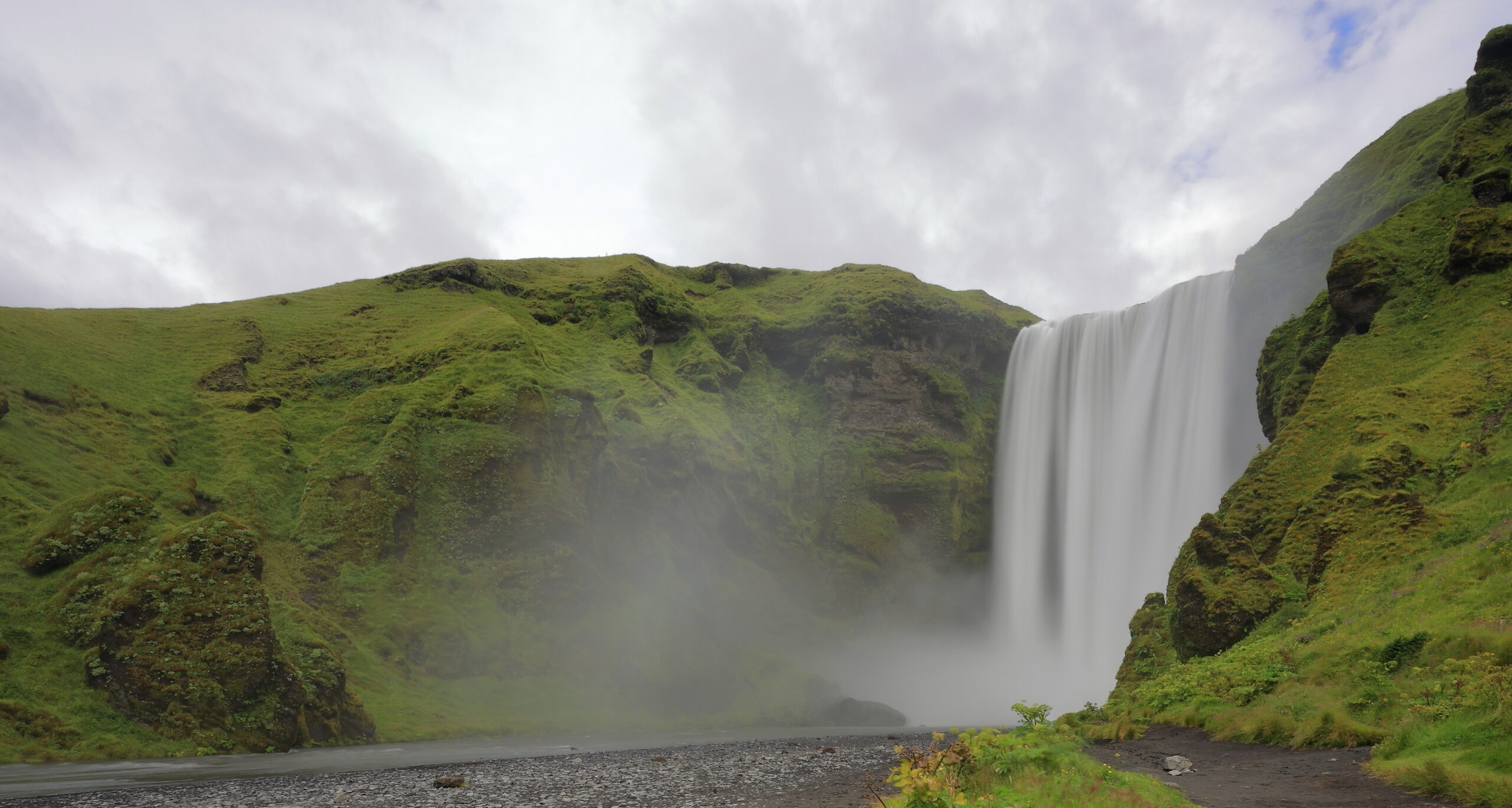
Either way, you’re positioned for the two big waterfalls. Seljalandsfoss is the graceful ribbon you can walk behind (bring a rain jacket — you will get soaked), and Skógafoss is the opposite beast: 60 meters tall, 25 meters wide, with near-permanent rainbows on sunny days.
Night 3: Kirkjubæjarklaustur — glaciers on the doorstep
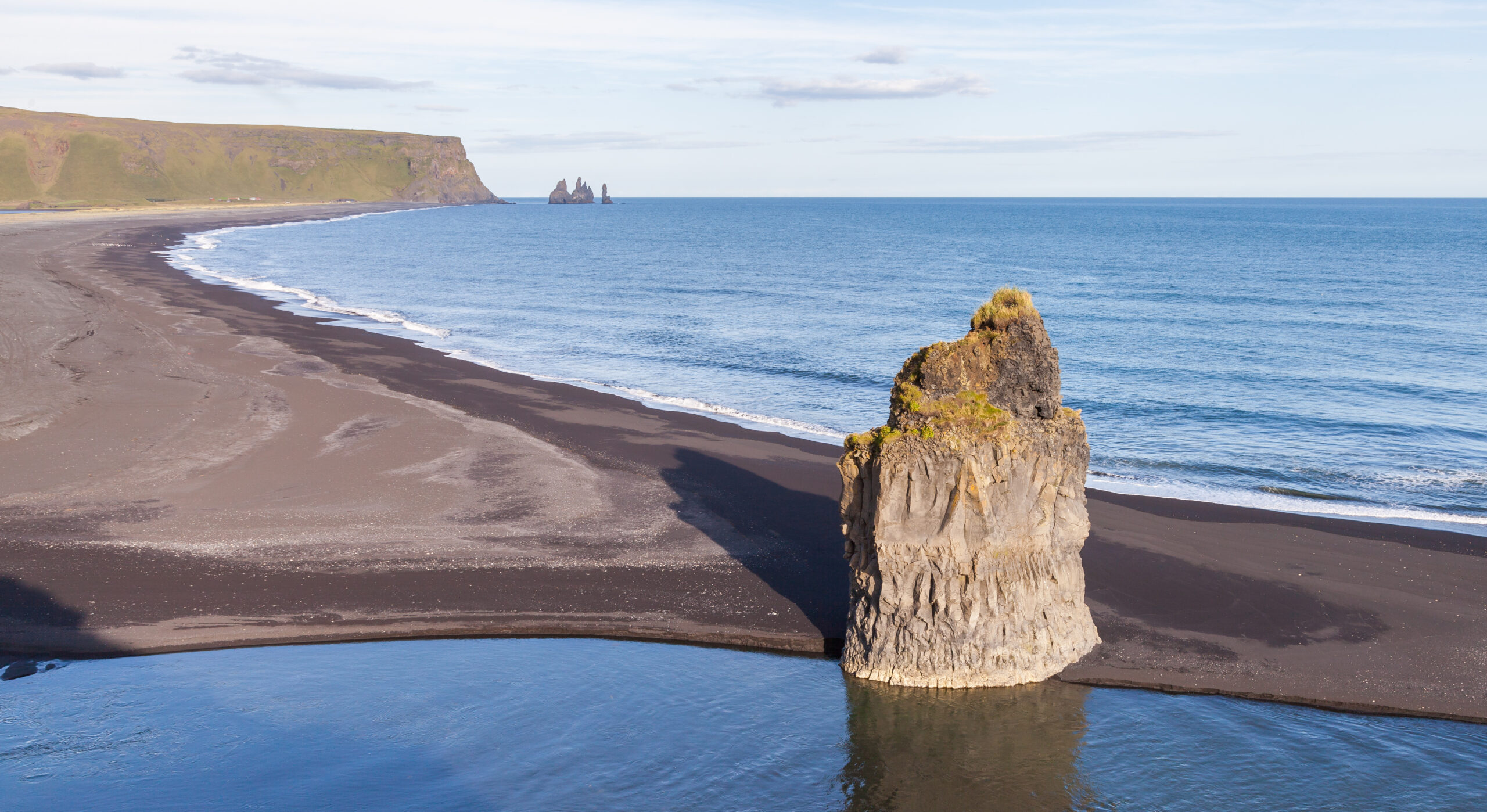
If Vík is full — and in summer it often is — sleep 70 kilometers east in Kirkjubæjarklaustur: quieter, usually cheaper, and closer to Skaftafell and the Vatnajökull glacier zone. Fosshotel Núpar sits in a lava field with glacier views, putting you half an hour from Skaftafell’s trailheads. This stretch is also where Reynisfjara’s basalt columns and sea stacks demand a stop — admire the sneaker waves from a safe distance; they’re genuinely dangerous.
Night 4: Höfn — the glacier lagoon gateway
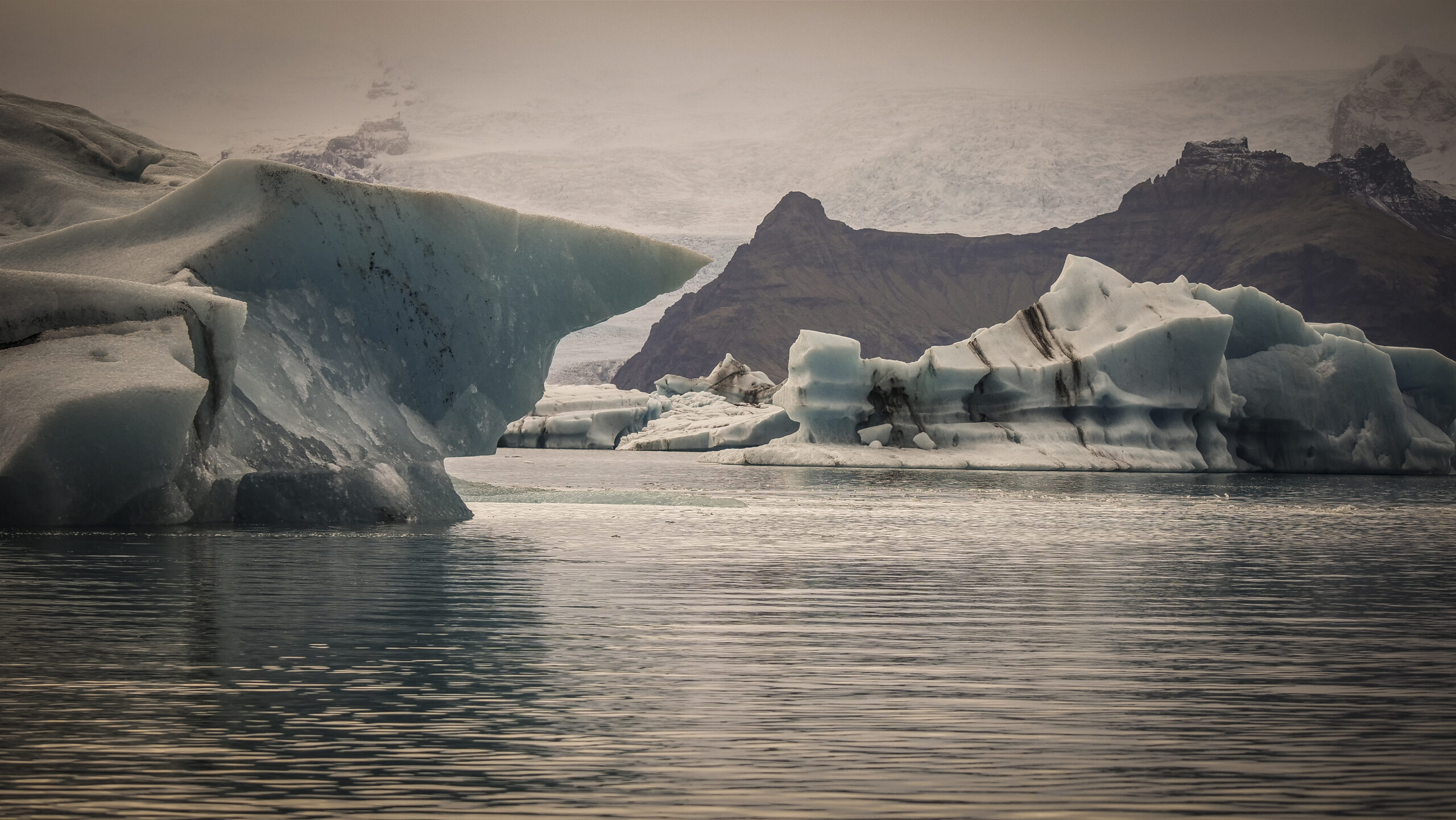
The drive east ends at the trip’s crown jewel: Jökulsárlón, where icebergs calve off Breiðamerkurjökull and drift through milky-blue water to Diamond Beach, where the surf tosses them onto black sand like scattered jewels. Hotel Höfn is the natural overnight — a seafront base in the friendly fishing town famous for langoustine (order it grilled with garlic butter), two hours closer to the lagoon than Vík, which means sunrise at the icebergs without a 5 a.m. alarm.
Visiting between November and March? This is your window for the blue ice caves under Vatnajökull — they only form in winter. This ice-cave tour from Jökulsárlón runs small groups by modified 4×4 to the glacier with helmets and spikes included.
Night 5: Egilsstaðir — the quiet Eastfjords
The Eastfjords are the Ring Road’s exhale: deep fjords, tiny fishing villages, reindeer on the hillsides. There’s deliberately less to tick off here, and that’s the point — pull over for every viewpoint. Egilsstaðir is the region’s logistical hub, and Hérað – Berjaya Iceland Hotels is the town’s top-rated bed (8.8, with free cancellation on selected rates). Fill the tank before the long eastern stretches — fuel gaps out here are real.
Night 6: The north — Mývatn or Akureyri
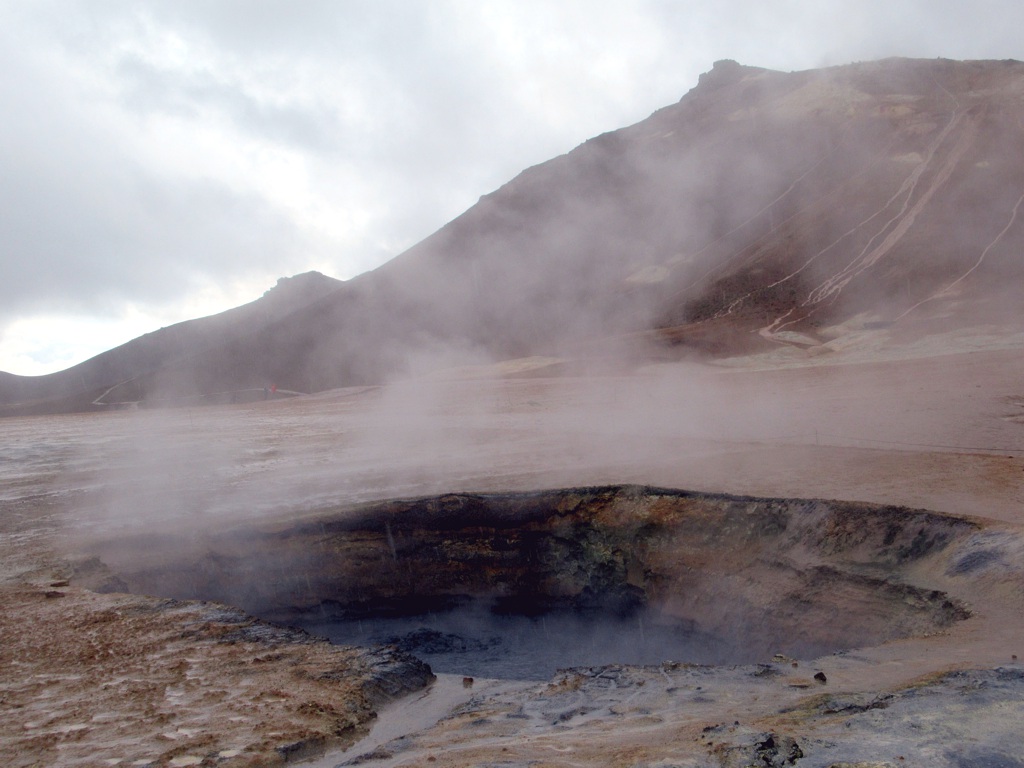
North Iceland is the Ring Road’s other planet. Dettifoss — routinely called Europe’s most powerful waterfall — thunders nearby, and at Hverir, sulfurous steam vents hiss from cracked, ochre earth while mud pots gloop like something alive. Sel Hotel Mývatn puts the geothermal weirdness on your doorstep: 54 rooms, breakfast included, and two hot tubs facing the pseudo-craters.
Prefer a proper town? Push on to Akureyri, the “Capital of the North,” with the best restaurant scene since Reykjavik — Hotel Akureyri sits two minutes from the landmark church with a 9.0 rating. From either base, the detour to Húsavík — Iceland’s whale-watching capital — is an easy add: humpbacks feed in Skjálfandi Bay from May to September with near-guaranteed sightings, and this whale-watching tour from Húsavík runs traditional oak boats with warm overalls and hot chocolate included.
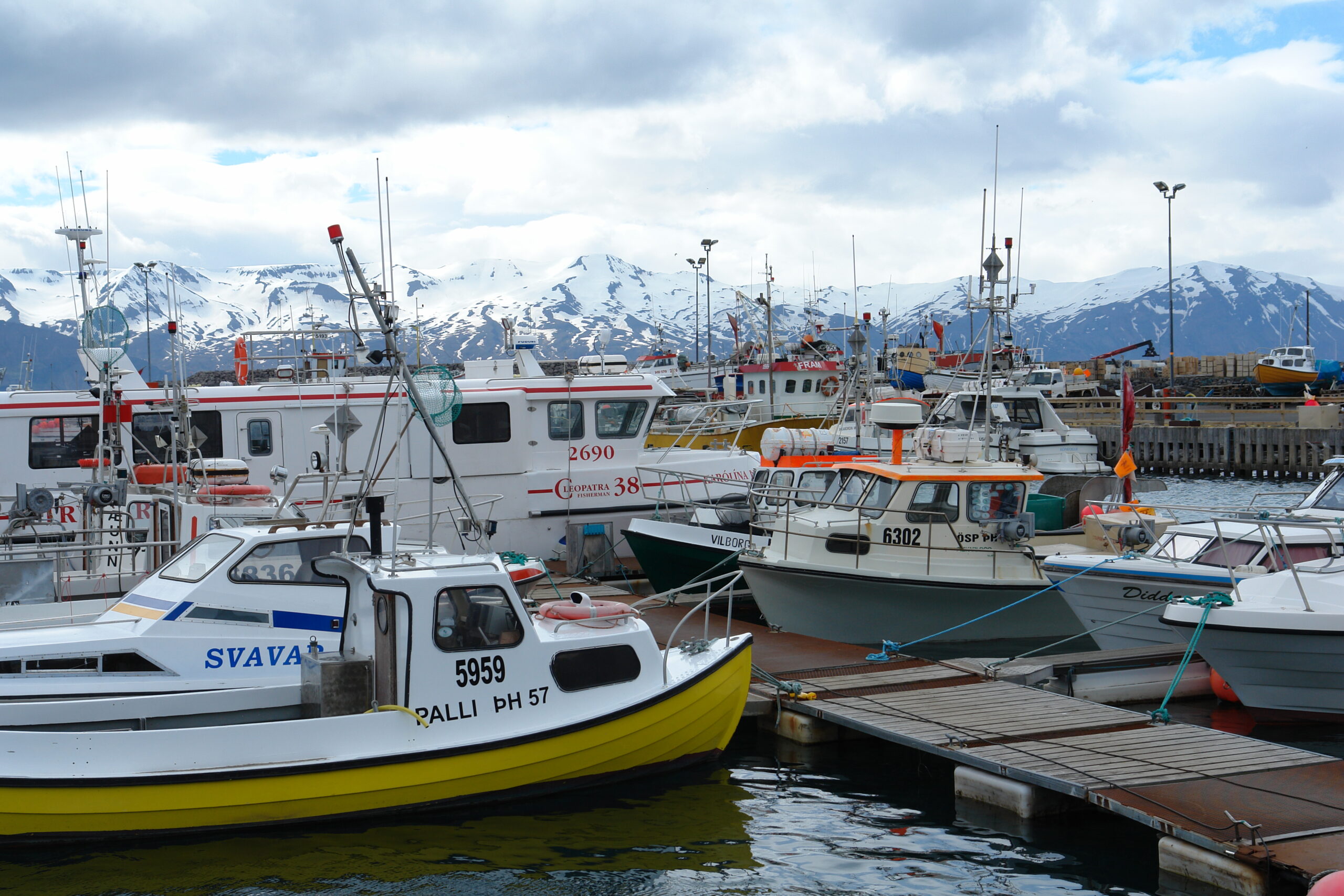
Night 7: Borgarnes — the home stretch
The final leg back to Reykjavik is the longest driving day (nearly 400 kilometers), so break it in Borgarnes, a pleasant fjord-side town about an hour north of the capital. If you skipped the Golden Circle on day one, this is your last clean shot at it before the flight home — otherwise roll into Reykjavik for a final-night dinner. You’ve earned the famous hot dog stand, Bæjarins Beztu Pylsur, a Reykjavik institution since 1937.
Winter stays: what changes
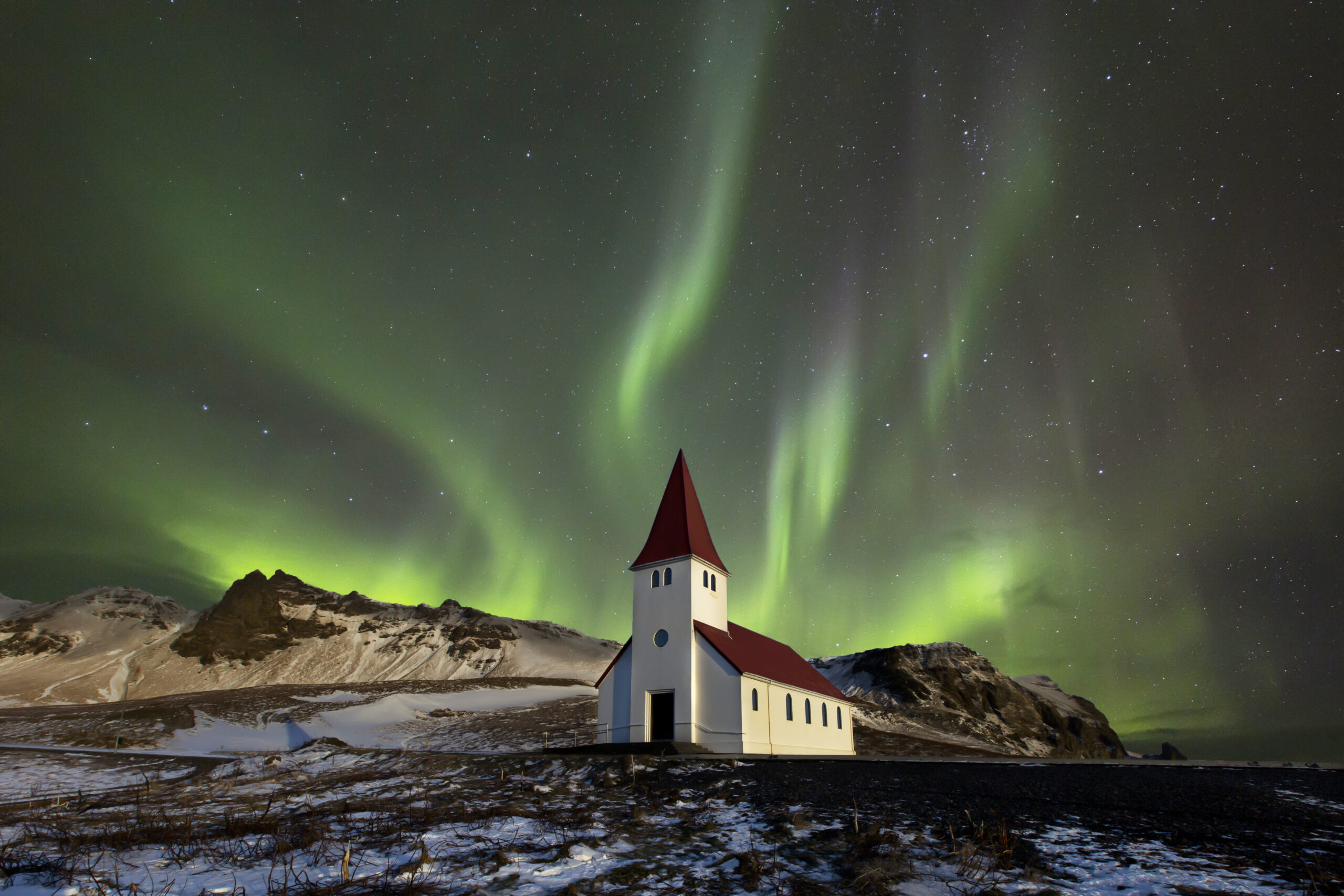
October through March, the Ring Road becomes a serious undertaking — four hours of daylight in December, ice, and storms that can close the road for a day or two, especially east and north. Change your stay strategy with it: book refundable rooms, keep driving days to one or two stops, and choose towns over isolated farm stays in case weather strands you. Winter tires are legally required from November 1, and a 4×4 is strongly recommended. The payoff: the northern lights, best seen away from town lights — properties with aurora wake-up calls around Hella and Kirkjubæjarklaustur earn their keep here. Only attempt a winter loop if you’re comfortable driving in harsh conditions.
Booking tips that actually matter
- Book summer stays 3–6 months ahead. Rural Iceland has a hard capacity ceiling; the good rooms go first. Don’t wing summer accommodation.
- Mix hotels with farm stays and guesthouses. They’re often the most memorable nights — and the cheapest.
- Check cancellation terms. Weather can reshuffle your route; flexible rates are worth the premium in shoulder and winter seasons.
- Expect to pay for breakfast. Many guesthouses include it, hotels often don’t — factor it into comparisons.
Getting around: the rental car
The whole Ring Road is paved, so a standard rental car handles it in summer; in winter, rent a 4×4 and check road conditions every morning on road.is. Get the extra insurance — gravel kicked up by passing trucks chips windscreens with alarming enthusiasm. Booking a rental car in advance is the simplest way to drive the loop at your own pace.
The right bed makes the road
The Ring Road’s magic is that the “in-between” miles are often the best part — and sleeping in the right towns is what makes those miles unhurried instead of frantic. Book the anchor nights early, leave a little slack in the middle, and let the road do the rest. You’ll come home with a camera roll full of impossible landscapes — and a list of small-town guesthouses you’ll be telling people about for years.
For more inspiration beyond Iceland, see my roundup of the best where-to-stay guides, with neighborhood breakdowns and hotel picks city by city.