
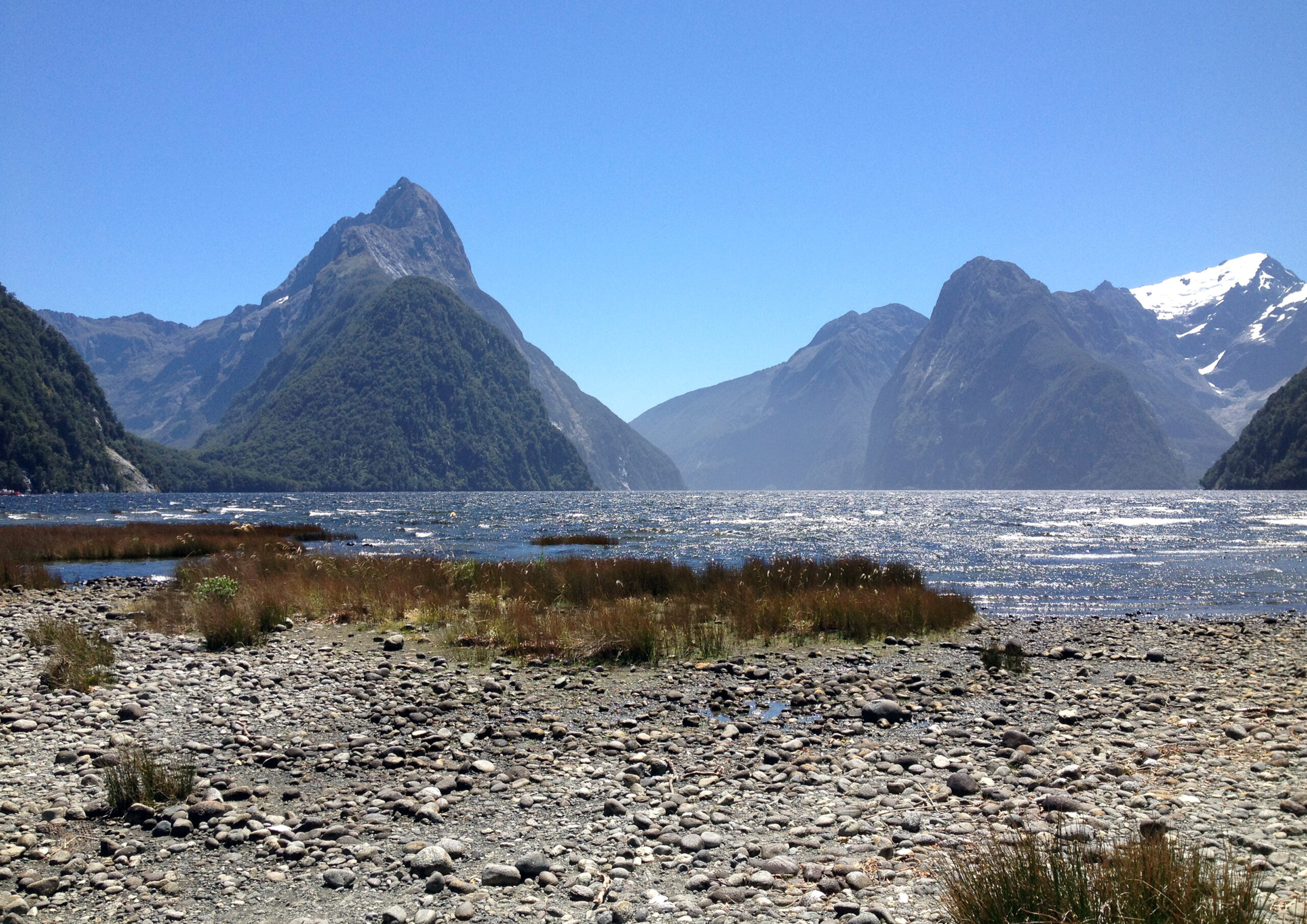
There is a moment, about an hour past Te Anau, when the road narrows into the Eglinton Valley and the mountains close in like the walls of a cathedral, and you finally understand why Rudyard Kipling is said to have called Milford Sound the eighth wonder of the world. Piopiotahi, as it is known in Māori, is the payoff at the end of one of the great drives on earth — a fiord (the local spelling) of black water, thousand-metre cliffs, and waterfalls that appear out of nowhere when it rains.
Never forget a thing before you fly. My free 8-page Travel Planning Checklist walks you through the whole trip — 6 planning timelines, 36 checks, from booking windows to travel-day basics. One email, no spam, unsubscribe anytime.
Here is the honest part first: Milford Sound is remote on purpose. From Queenstown it is roughly four hours of driving each way, plus a two-hour cruise, before you count a single photo stop — a 12 to 14-hour day if you do it properly. Most people underestimate it, rush it anyway, and still call it the highlight of their trip. This guide is about doing it right: the three ways in, how to choose your cruise, the logistics that catch people out, and the honest case for a second fiord when one day is not enough.
Disclosure: This post contains affiliate links. If you book through one of these links, I may earn a commission at no extra cost to you.
The drive: what the day actually looks like
From Queenstown to Milford Sound is about 287 kilometres, and New Zealand’s transport agency clocks the non-stop drive at just over four hours — but that figure allows for zero stops, and you will want stops. Plan on six to seven hours each way with photo breaks, which is why the classic Queenstown day trip runs around 13 hours door to door. From Te Anau, the last real town before the fiord, it is a much kinder 120 kilometres and roughly two hours.
The route runs south around Lake Wakatipu via the winding Devil’s Staircase, through rolling Southland farmland to Te Anau, and then onto the Milford Road — State Highway 94, which the locals will tell you, correctly, is one of the most scenic drives in the country. The second half is the show: Mirror Lakes with their dawn reflections of the Earl Mountains, Lake Gunn, the short forest walk to The Chasm’s sculpted rock, and the Key Summit track for alpine views over tarns.
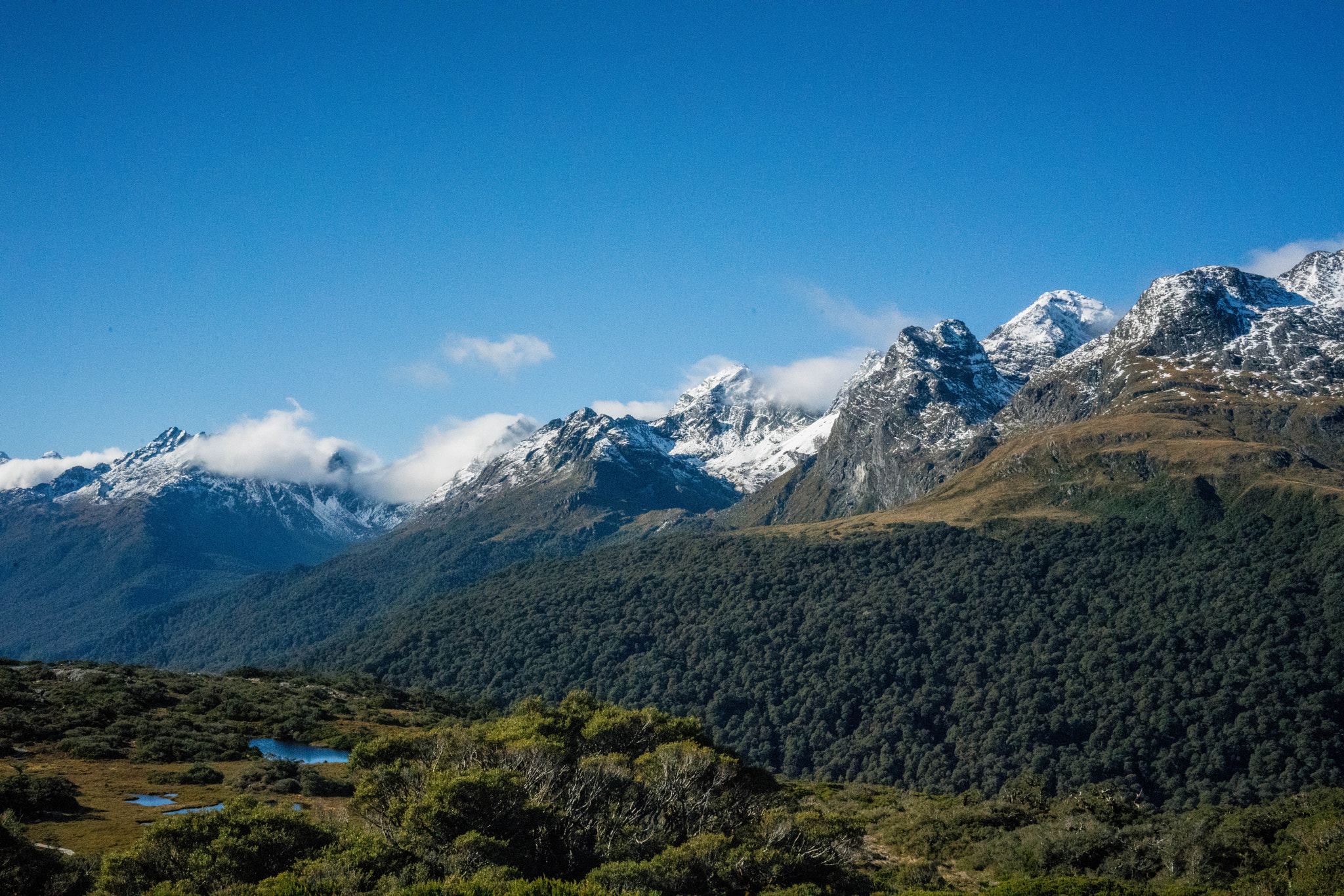
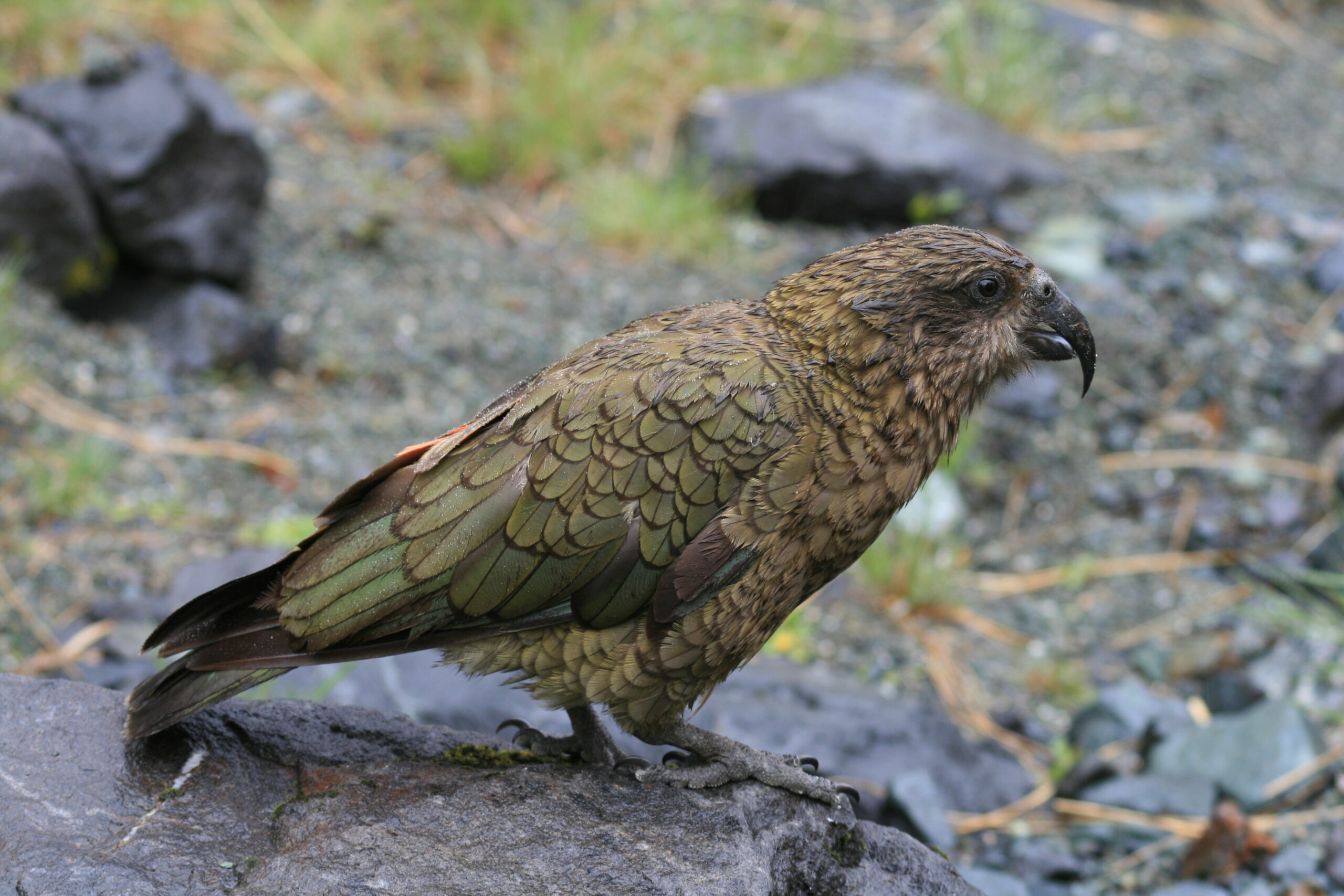
Then comes the Homer Tunnel: 1.2 kilometres of single lane blasted through solid rock, controlled by traffic lights, with sheer avalanche slopes above it. Allow extra time here, especially in winter. And keep your car doors shut at the tunnel car park — the kea, the world’s only alpine parrot, are famously destructive, and they have a particular fondness for rubber window seals.
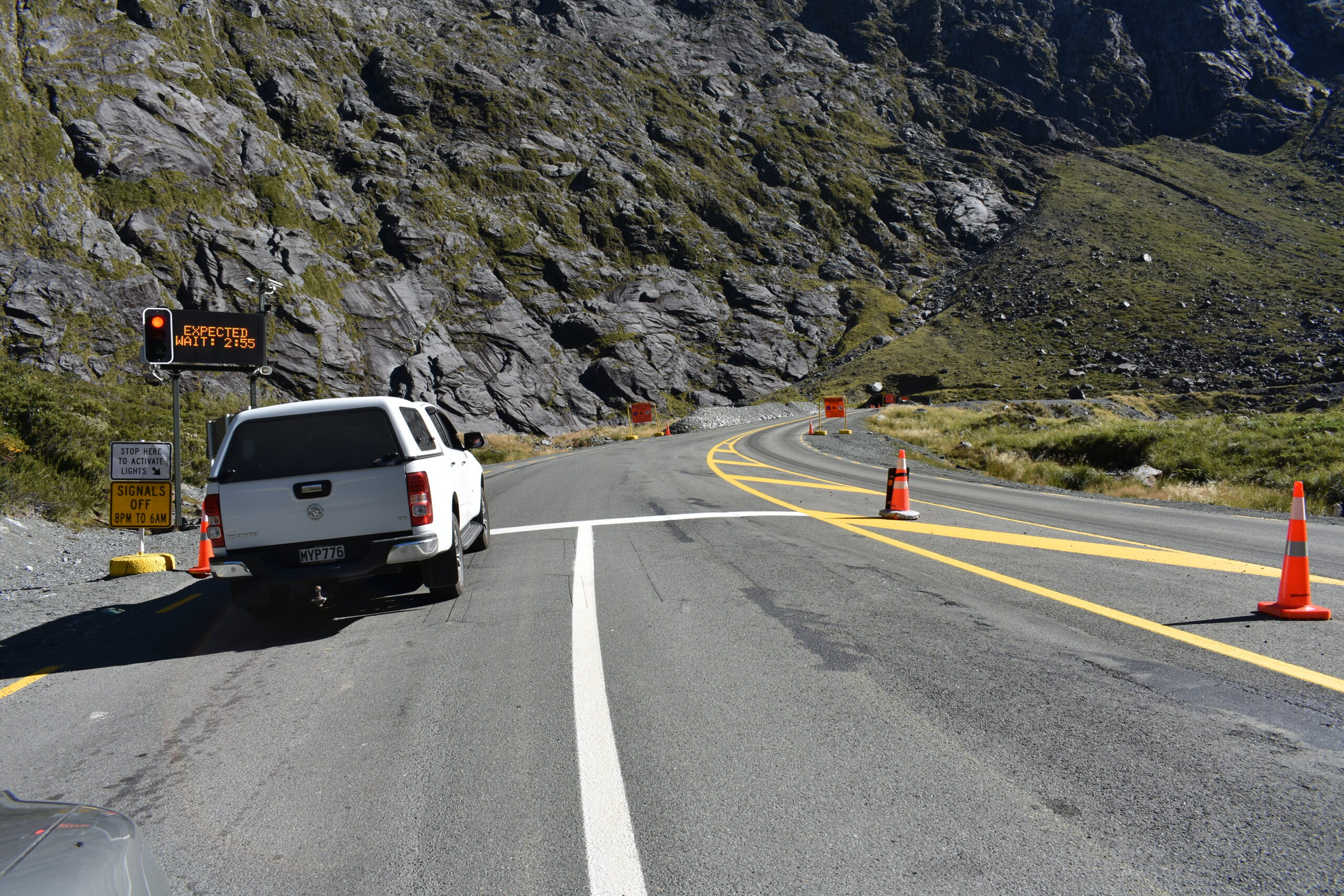
A few logistics that matter. Fill the tank in Te Anau: there is no reliable fuel between there and Milford, only a very limited and expensive bowser at the Sound itself. There is almost no mobile reception along much of the road, so download your maps offline. Winter (roughly May to November) is avalanche season on the Milford Road — carry chains, check the road status before you leave, and know the road can close for avalanche control. And if you can possibly swing it, overnight in Te Anau and do Milford as a relaxed day trip from there instead of the Queenstown mega-day. Your future self will thank you.
Three ways to get there: self-drive, coach, or fly
Self-drive gives you total control: stop at every lake, wait out a rain shower, leave at dawn. The cost is a very long day behind the wheel, paid parking at the terminal, and winter driving stress you did not sign up for. If you do drive it, leave Queenstown by 6am at the latest.
Coach is the honest recommendation for most visitors. You get a glass-roof coach, commentary from a driver who has done the road a thousand times, and you can sleep on the way home. This Milford Sound day tour and cruise from Queenstown pairs the glass-roof coach with a picnic lunch, onboard WiFi, and free cancellation up to 24 hours ahead (from about $197, rated 4.5 from 570+ reviews) — the classic no-stress option. Milford rightly tops our list of the 5 best day trips from Queenstown, and the coach version is how most people actually enjoy it.
Scenic flight is the splurge: about 40 minutes from Queenstown to Milford’s tiny airport, a cruise on the fiord, and a flight back over the Southern Alps. You see the fiord’s scale in a way the road can never show you. It is the most expensive option and the most weather-dependent — flights scrub in bad weather — but on a clear day nothing touches it.
Choosing your cruise
Nearly every Milford cruise runs 90 minutes to a little over two hours, and the route is essentially the same: out past Mitre Peak (1,692 metres of near-vertical rock), under the 146-metre Stirling Falls — boats nose right up to the cascade — and along to the 162-metre Lady Bowen Falls, with fur seals hauled out on the rocks and, if you are lucky, Fiordland crested penguins or bottlenose dolphins.
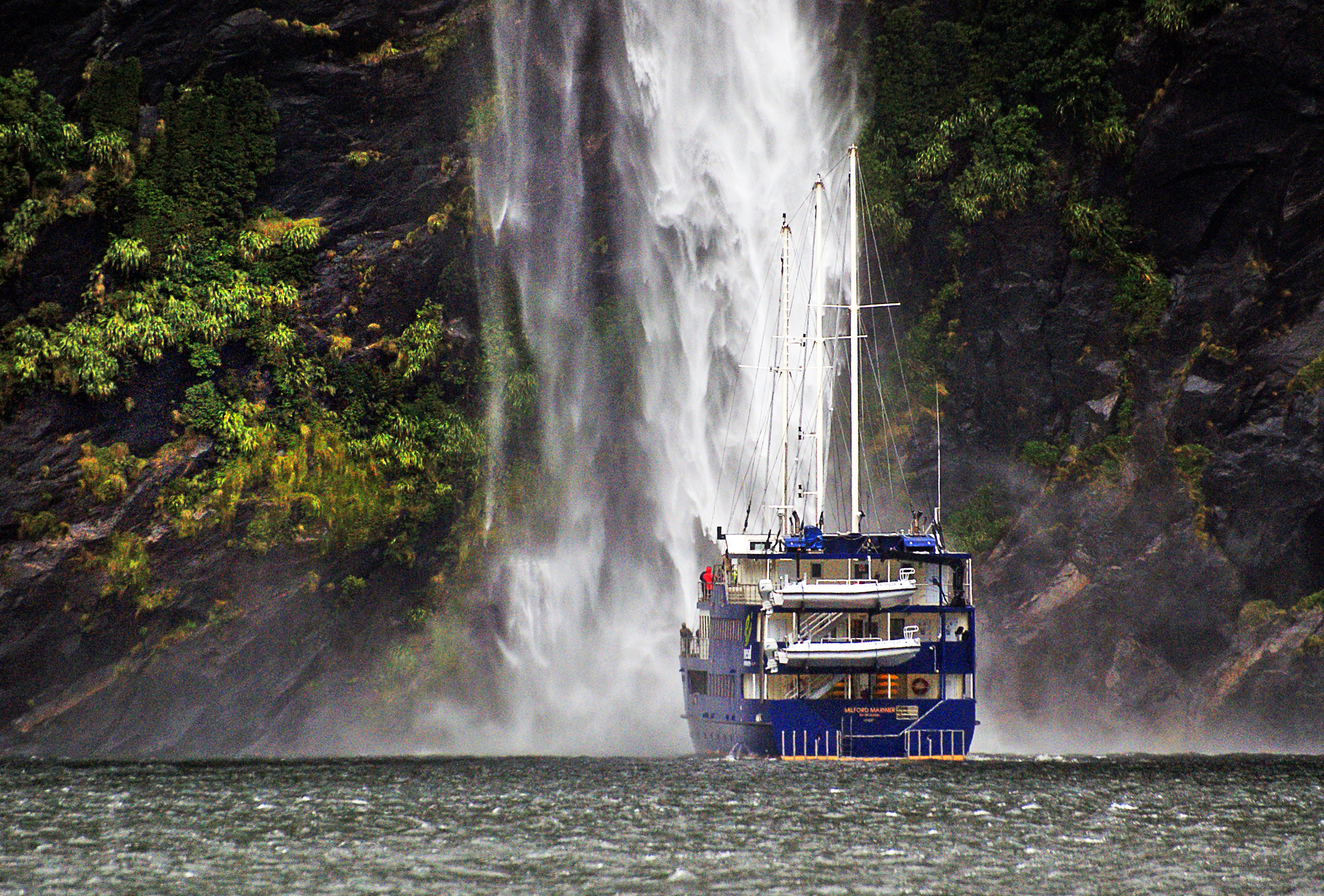
The operators — Southern Discoveries, RealNZ, Mitre Peak Cruises, Cruise Milford — all run solid trips; the real choice is boat size. Smaller vessels (around 60 passengers) get closer to the waterfalls and feel more personal; the bigger boats have more deck space, cafés, and shelter when the weather turns. Book your cruise before you plan the drive, since the departure time anchors the whole day, and in the December-to-February peak, book days ahead.
One counterintuitive tip: rain is a feature, not a bug. Milford Sound gets around seven metres of rain a year — it is one of the wettest inhabited places on earth — and in a proper downpour, hundreds of temporary waterfalls pour off the cliffs. An overcast, drizzly day in the fiord is genuinely spectacular, and it photographs beautifully without harsh shadows. Morning cruises tend to have calmer water and softer light; afternoon cruises catch the sun on the western walls.
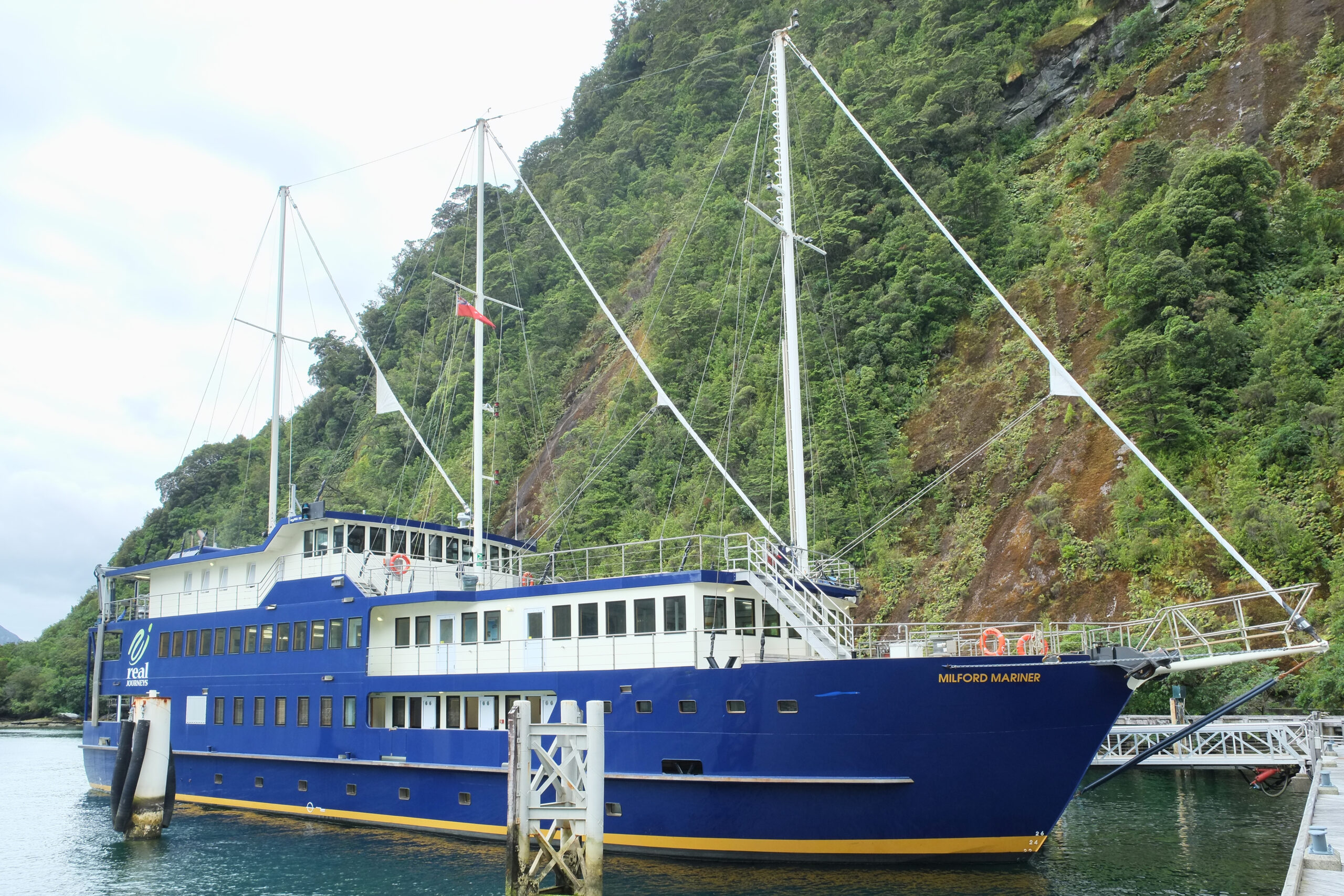
If a day trip feels rushed, consider staying on the water itself: Southern Discoveries runs an overnight cruise aboard the Milford Mariner, anchored in a quiet cove, with kayaking and a fiord that goes silent after the day boats leave. Waking up to mist on black water is a different experience entirely.
Milford Sound or Doubtful Sound?
Every New Zealand itinerary eventually faces this question. The honest answer: Milford is the icon — sheer, dramatic, achievable in a (long) day, and busier for it. Doubtful Sound is ten times larger, far emptier, and has no road access at all: you reach it via a boat across Lake Manapouri and a coach over Wilmot Pass, which is an adventure in itself.
If you have one day, Milford wins — no contest. If you have two days and want the deeper, wilder cut, the Doubtful Sound overnight cruise is one of the great New Zealand experiences: dolphins at the fiord mouth, kayaking in glassy arms, dinner and a night anchored in near-total silence (from about $465, rated 4.8 from 280+ reviews). One caveat, stated plainly: it has a non-refundable cancellation policy, so only book once your dates are firm.
When to go
Summer (December to February) is the warmest and most reliable, with the most cruise departures — and the most crowds, so book ahead. Autumn (March to May) brings settled weather and thinning crowds. Winter (June to August) is quiet and moody, with snow dusting the tops and waterfalls running hard, but the road needs respect: avalanche management, possible closures, shorter days. Spring (September to November) is waterfall season at full blast, with changeable weather.
There is no bad month, only bad preparation. Pick your month for the crowds and the road conditions, not the weather forecast — a rainy day in the fiord will likely be the day you remember most.
The practical stuff nobody tells you
- Sandflies: Milford’s are legendary. Bring strong repellent, cover your ankles, and keep moving — they are worst near water at dawn and dusk, and the bites itch for days.
- Parking: the terminal car park is paid — NZ$10 an hour before 3pm, NZ$5 an hour after, with a 20-minute free period. There is free parking on Deepwater Basin Road, but it is a 20 to 25-minute walk to the terminal, so allow the time.
- Food: the only café is at the visitor terminal and it is priced like it. Pack a picnic and snacks in Te Anau.
- Timing: arrive 30 to 60 minutes before your cruise in summer — parking and check-in take longer than you think, and the terminal is a 10-minute walk from the paid car park.
- Wildlife rules: dogs are banned in Fiordland National Park, even in vehicles. And do not feed the kea, however charming they are mid-vandalism.
If you have more than a day
The fiord is just the doorway. The four-day Milford Track — one of New Zealand’s Great Walks — starts at the head of Lake Te Anau and finishes at the Sound; the walking season runs late October to late April and the huts book out months ahead. If you are weighing it against its famous neighbour, our Milford Track vs Routeburn Track guide breaks down which one suits you.
And if Milford has given you the adventure bug, our New Zealand’s Best Adventures roundup pulls together the country’s top bookable tours, Great Walks, and where-to-stay guides in one place.
You will be tired, probably damp, and already half-planning your return trip before you reach Te Anau. That is the correct response to Milford Sound. The long day is the point — the fiord rewards everyone who makes the effort to reach it, and then makes them promise to come back.