
If New Zealand has one defining export, it isn’t the Sauvignon Blanc or the film scenery — it’s the adrenaline habit. This is the country that invented commercial bungy jumping, runs jet boats through canyons you could high-five from, and expects you to walk four days through Fiordland just to earn a waterfall. This is the third weekly “best of” roundup on the site, and it’s my favorite kind to write: over the past three weeks I’ve published seven deep-dive guides covering New Zealand’s adventure scene from every angle — the experiences, the bookable tours, Queenstown’s greatest hits, the whole South Island, the two great Great Walks, and where to sleep in the two adventure towns that anchor it all. Below is the rundown of the standouts, and each section links to the full guide so you can plan the details.
Planning a trip? Get our free Travel Planning Checklist:
Disclosure: This post contains affiliate links. If you book through one of these links, I may earn a commission at no extra cost to you.
The adventure tours worth booking first
Start with the classics, because classics exist for a reason. My guide to the 12 best thrilling experiences in New Zealand runs the full list of twelve across both islands, and the best bookable adventure tours in New Zealand narrows it to the ones you can lock in online right now. The ones I’d book first:
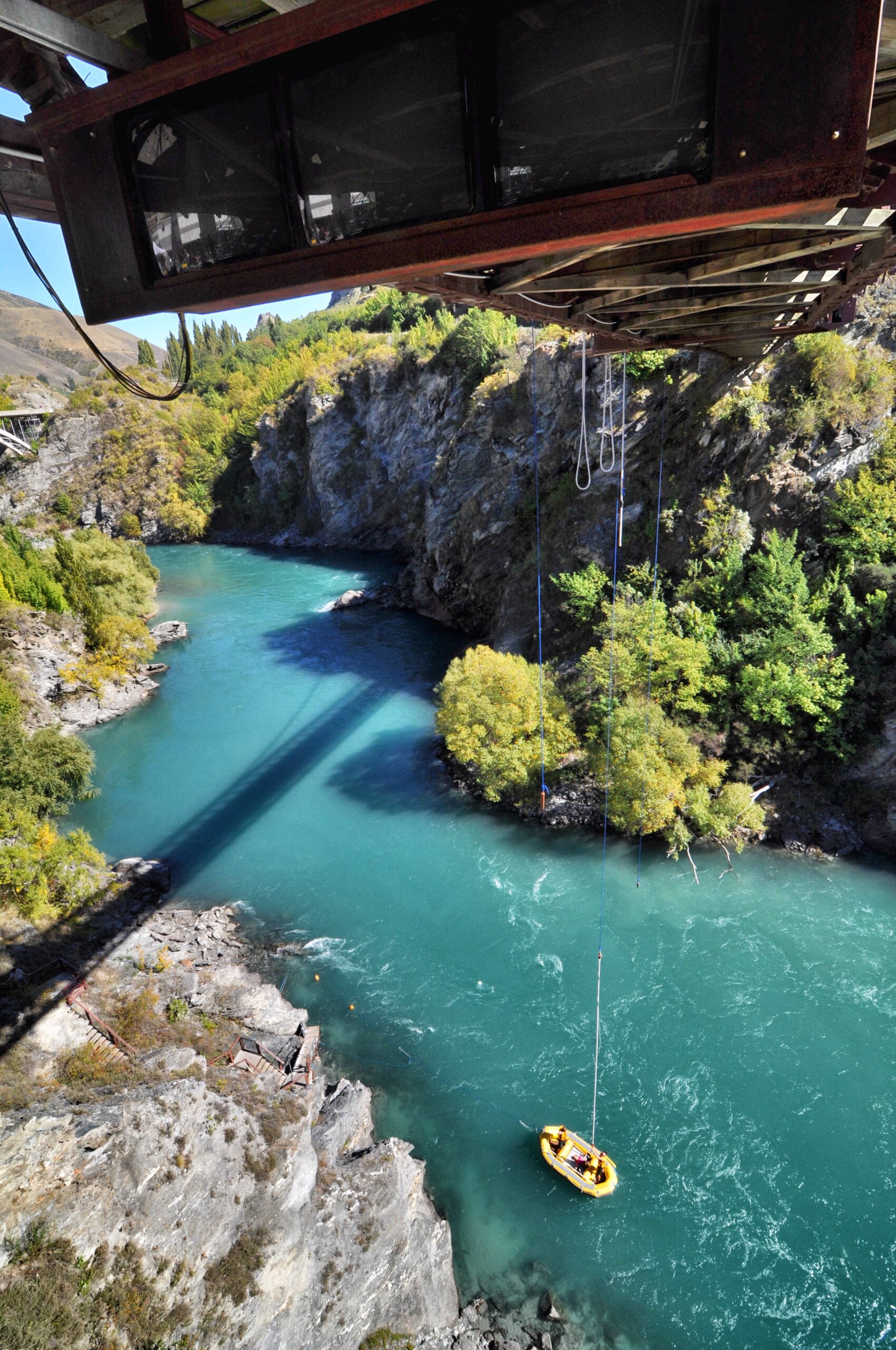
The bungy heritage trail. Everything starts at the Kawarau Bridge outside Queenstown, where commercial bungy jumping was born in November 1988. The 43-metre drop over the turquoise Kawarau River is still the most iconic first jump on earth — from around NZ$320, and the only Queenstown bungy where you can choose your own ending: stay dry, touch the water, or go in to your shoulders.
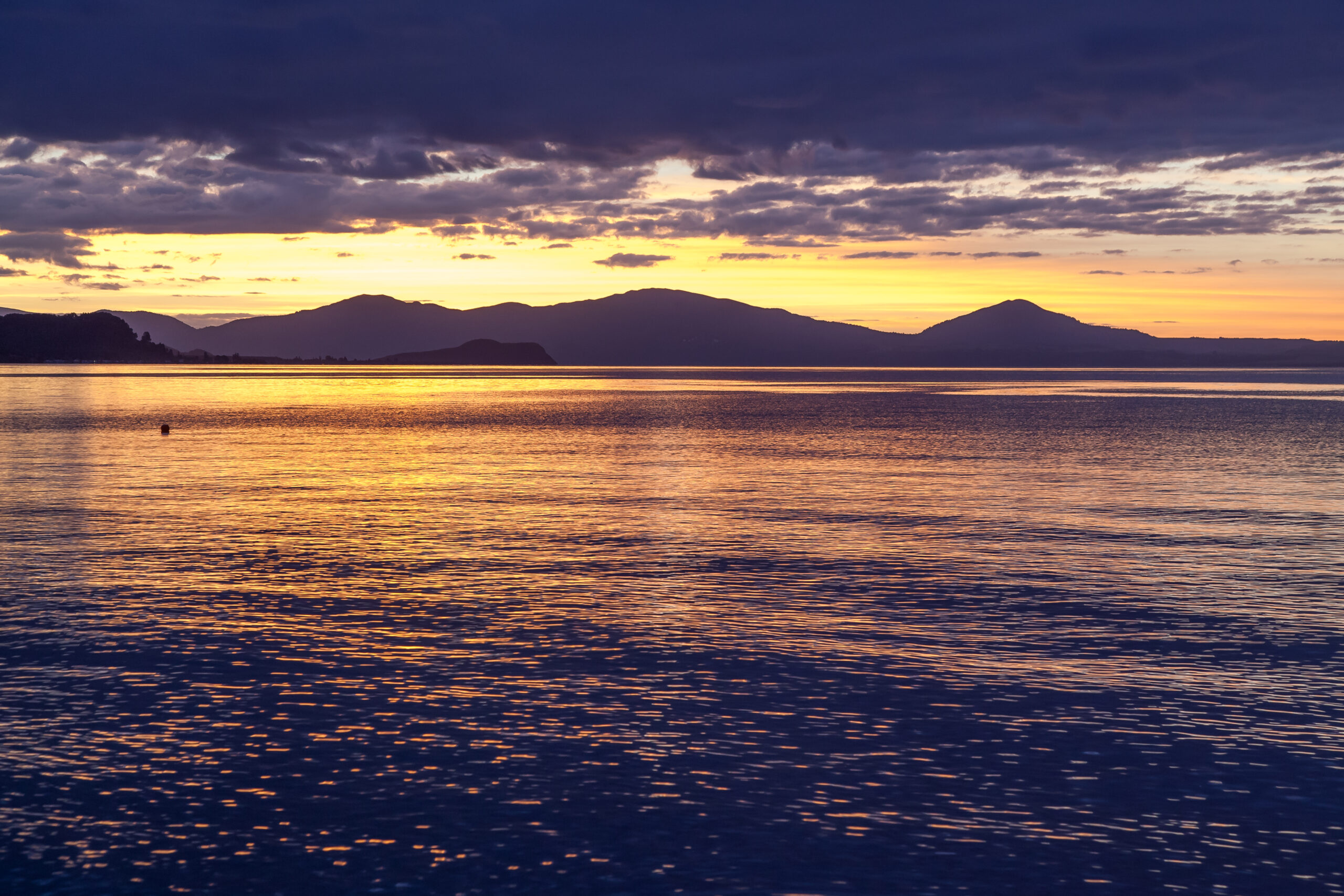
The big freefall. This tandem skydive over Lake Taupō drops you above New Zealand’s largest lake with Tongariro National Park on one horizon and, on clear days, views practically coast to coast. The operator has been running since 1992, with three altitudes — 12,000 ft (NZ$329, about 40 seconds of freefall), 15,000 ft (NZ$379), or 16,500 ft (NZ$529) — and it holds a 5.0 rating from 451 reviews. It’s genuinely weather-dependent, so schedule it early in your trip and confirm 30 minutes before your slot.
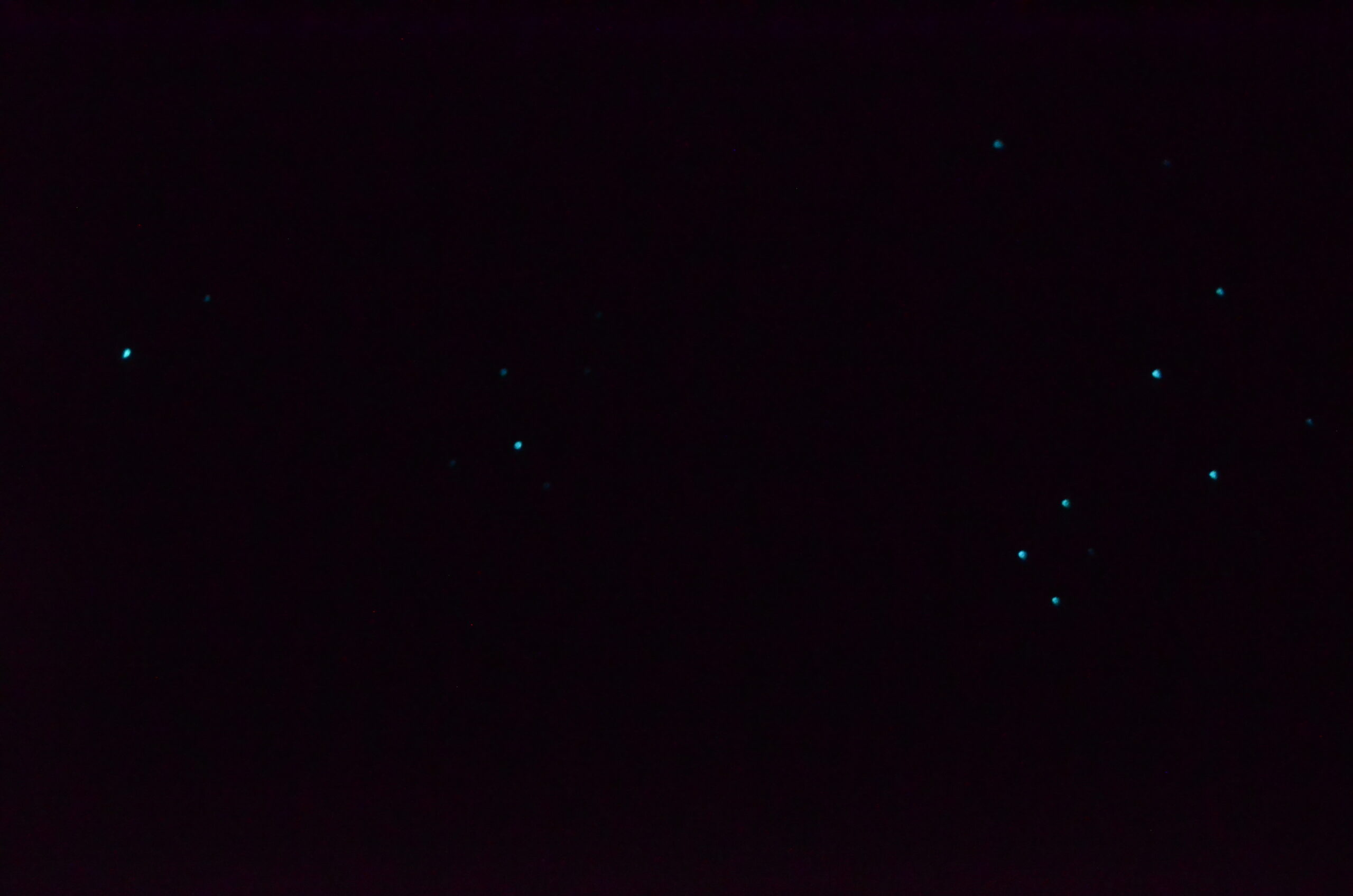
The weather-proof one. Waitomo’s glowworm caves are famous for the gentle boat ride, but the adventurous version is black-water rafting: floating the underground Ruakuri Cave on a tube beneath thousands of glowworms. The Black Labyrinth (3 hours, from NZ$193) includes small waterfall jumps; the Black Abyss (5 hours, from NZ$322) adds a 35-metre abseil and a zipline across a glowworm grotto. Because it’s underground, this is the rare New Zealand adventure that runs rain or shine — the perfect rainy-day backup.
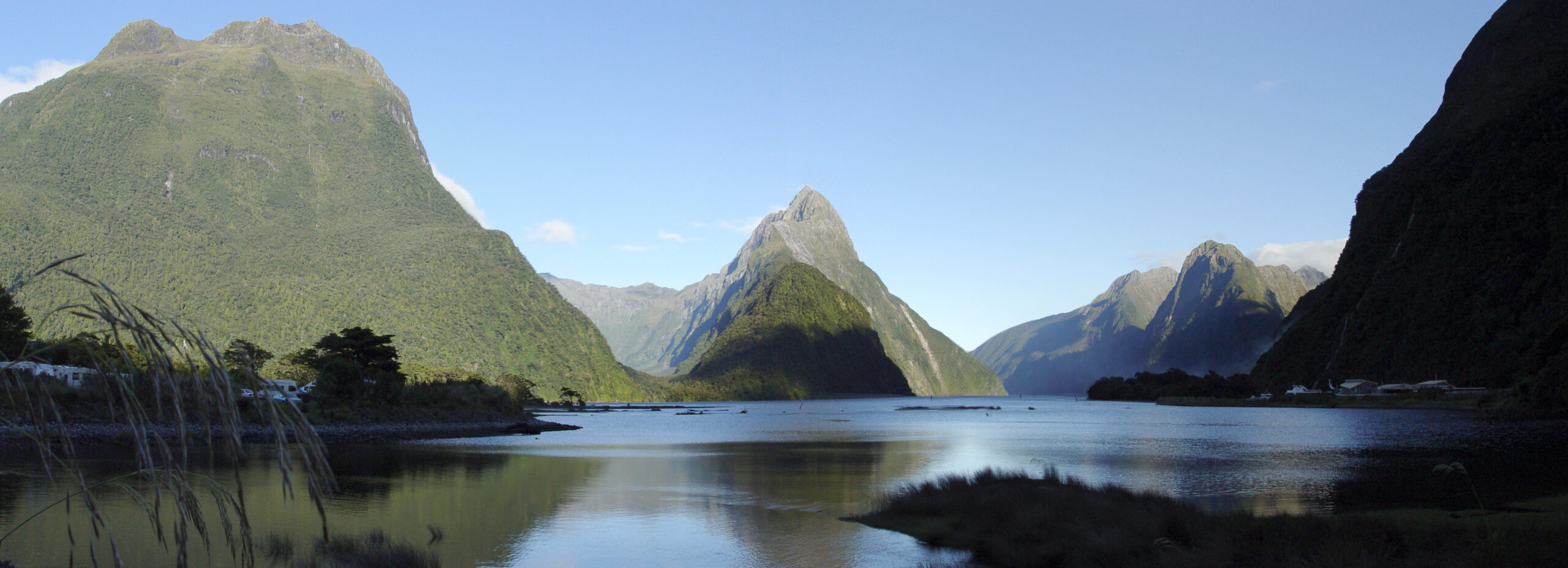
The fiord day trip. This full-day Milford Sound tour from Queenstown bundles the coach journey through Fiordland National Park — a UNESCO World Heritage site — with the classic 2-hour cruise past sheer cliffs, waterfalls that turn ferocious after rain, fur seals, dolphins, and rare Fiordland penguins. It’s about a 13-hour day including the spectacular drive, but it’s the easiest way to do the fiord without driving the 290-kilometre return yourself. For the wilder, quieter fiord, the Doubtful Sound overnight cruise (roughly NZ$700–950 per person twin share, sailing April to mid-May and September to March) remains the move — summer dates sell out weeks ahead.
Ready for the next level? The Nevis Bungy jump is New Zealand’s highest at 134 metres — a full 8.5 seconds of freefall from a cable car suspended over the Nevis Valley. Bungy runs from NZ$395, the giant Nevis Swing (the world’s biggest) arcs 300 metres across the valley next door, and the whole site is reachable only by the operator’s 4WD bus, so book at least 48 hours ahead.
Rounding out the trip: the Franz Josef heli-hike (helicopter onto the ice, from around NZ$900 — book your first available day and stay two nights as a weather buffer), the Shotover Jet’s 360-degree canyon spins, Kaituna River rafting with the 7-metre Tutea Falls, the Tongariro Alpine Crossing, and sea kayaking in Abel Tasman. Queenstown’s own extras — the Skyline Gondola and Luge, fresh off a NZ$300 million upgrade, and the half-day Dart River wilderness trip — are covered in my guide to Queenstown’s top bookable adventure experiences.
Milford Track vs Routeburn Track: the Great Walks face-off
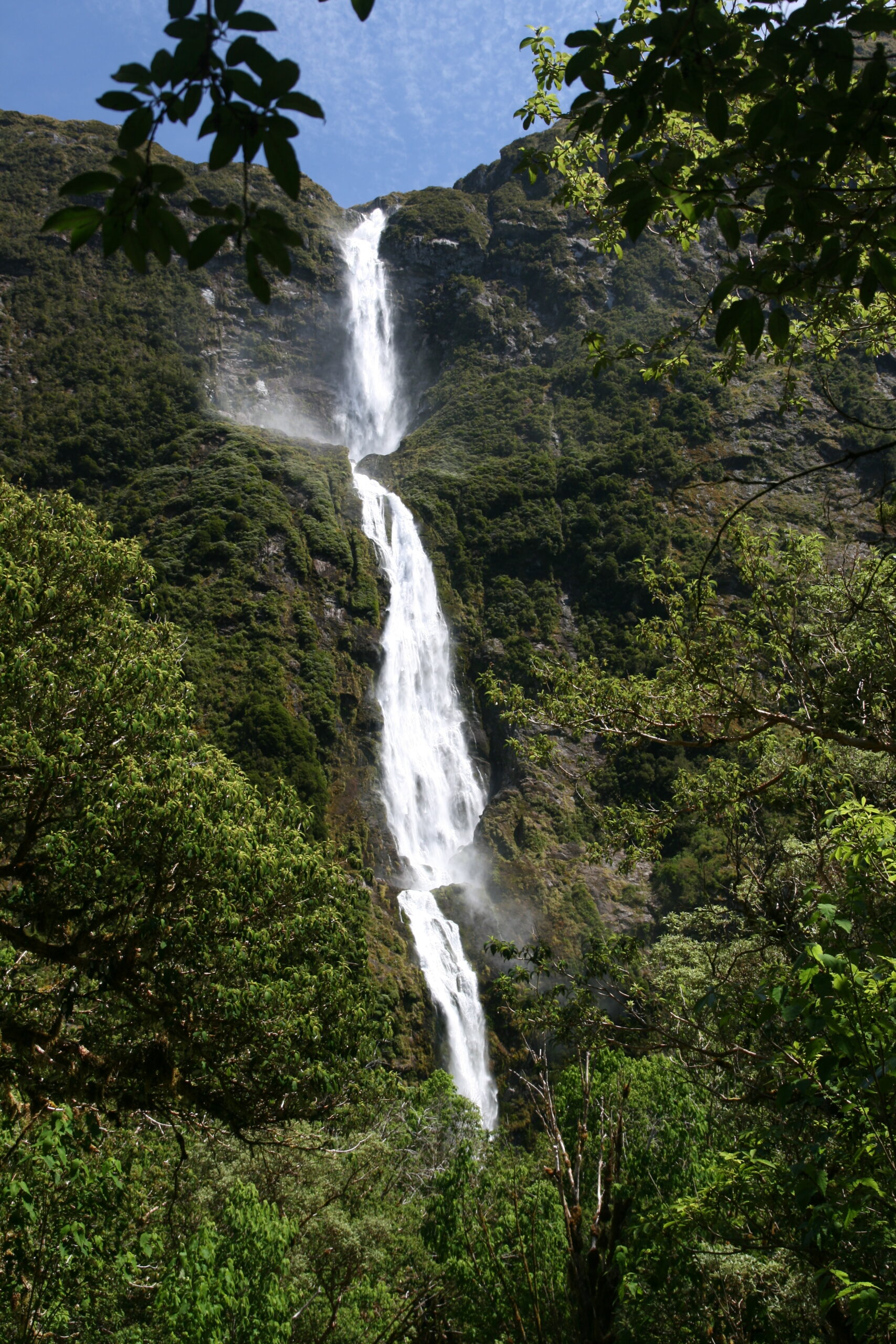
If bungy is New Zealand’s vertical adrenaline, the Great Walks are its horizontal kind. My Milford Track vs Routeburn Track guide pits the two Fiordland legends against each other. The Milford is the one people fly to New Zealand for: 53.5 kilometres over four days from the head of Lake Te Anau to the edge of Milford Sound, crossing the 1,154-metre Mackinnon Pass, with the 580-metre Sutherland Falls thundering down beside the track on day three. It’s the fastest-selling Great Walk — hut nights run NZ$152 per international adult (NZ$456 for three), and the peak summer dates for the 2026/27 season went within hours of the May release.
The Routeburn is the shorter, sharper alternative: 32 kilometres with the highest pass of the two (the Harris Saddle at 1,255 metres), hanging valleys and alpine tarns instead of deep rainforest valleys, two trailheads for directional flexibility, and a friendlier bill — two hut nights at NZ$132 each. It also has the great fallback: if the huts are booked out, the Key Summit side track is one of New Zealand’s best three-hour return day walks. The verdict: pick the Milford for the classic four-day immersion and bragging rights; pick the Routeburn for the best alpine views per kilometre, a tighter schedule, and your statistically better chance of actually getting a hut.
Where to stay: Queenstown and Wanaka
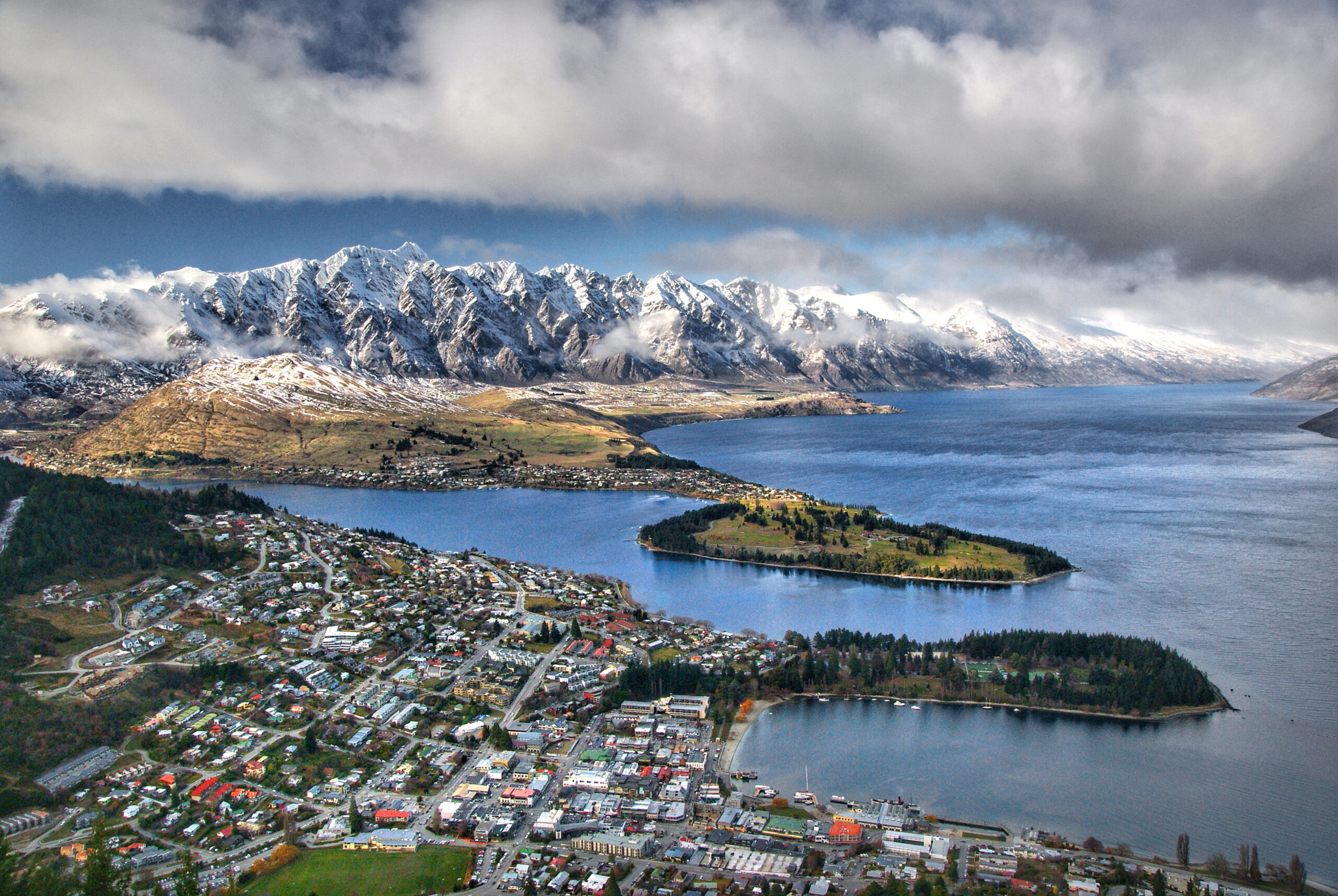
Adrenaline needs a base, and the address matters more here than the activities do. My where to stay in Queenstown guide breaks the town into five areas: central Queenstown for first-timers (walkable, skip the rental car), Frankton Road and the Kelvin Peninsula for lake views and bigger resorts, Frankton for value near the airport, Arrowtown for couples and wine lovers, and Glenorchy for hikers who want to unplug. Hotel picks run from the landmark five-star Eichardt’s Private Hotel on the lakefront and the secluded Rosewood Matakauri lodge down to the best-value Copthorne Lakefront on Frankton Road and the characterful Dairy Private Hotel in a converted 1920s dairy.
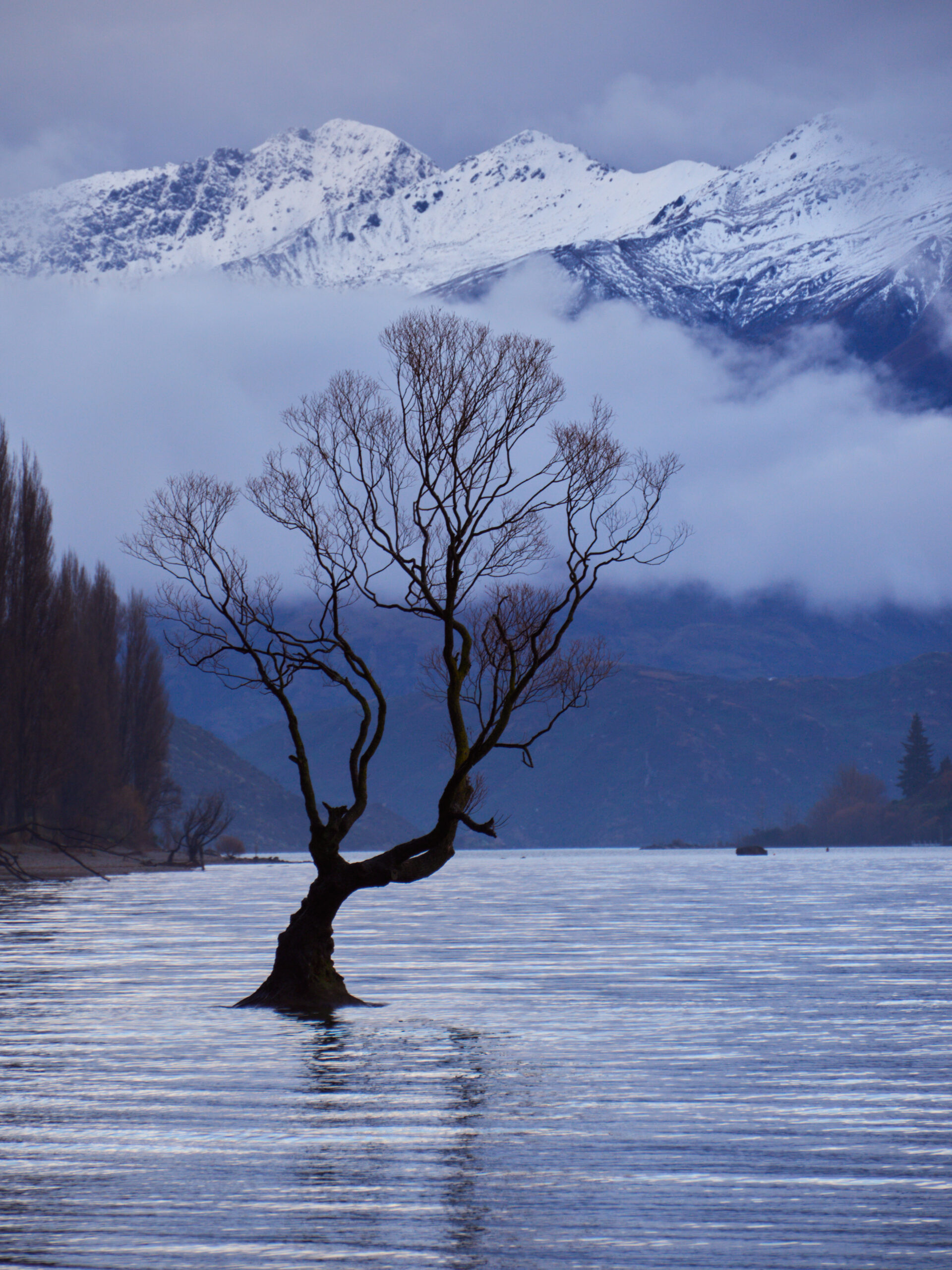
An hour away, Wanaka is the same southern-lakes drama with the volume turned down. My where to stay in Wanaka guide maps the bases: central Wanaka for first-timers (cafés and That Wanaka Tree on foot), the lakefront for views and slow mornings (the Edgewater is the classic splurge), Albert Town for families, Lake Hawea for peace, Glendhu Bay for campers, and Cardrona for ski season. If you’re splitting time between the two towns, the guides are designed to be read as a pair.
Planning logistics: when to go, how far apart everything is, and one timely booking change
The practical stuff lives in my South Island New Zealand adventure guide, but the highlights: summer (November–March) is peak for almost everything — warmest weather, longest days, fastest sellouts. Autumn is the insider’s pick (settled weather, Arrowtown in full colour), winter belongs to skiers and Milford’s moodiest moods (carry chains for the Milford Road), and spring brings the lupins and the year’s first reliable hiking weather.
Distances matter here more than in most destinations. Queenstown to Milford Sound is about 290 kilometres — 4.5 hours of driving each way in good conditions — which is why most self-drivers break the journey in Te Anau, and why the coach-and-cruise day tour is the default for a single-day trip. Queenstown to Franz Josef is about 350 kilometres, best treated as a full driving day with an overnight in Wanaka and the Blue Pools of the Haast Pass on the way. A rental car or campervan is the standard move; the drives are half the experience.
One timely change worth knowing: on October 1, 2026, the Department of Conservation announced that 32 more backcountry huts and hut-side campsites — mostly along busy Te Araroa sections in Canterbury and Nelson/Tasman — are now bookable online for stays from November 1. With this rollout, all of DOC’s serviced huts are bookable online, and from November 1 Backcountry Hut Tickets can be bought online too (paper tickets phase out over 12 months). If your adventure trip is the start of a longer South Island tramping season, the planning just got noticeably easier — full details in my Queenstown adventures guide.
The golden rules across all seven guides: book the headliners the moment your dates are set (Nevis, the heli-hike, the Doubtful Sound overnight all have limited daily capacity), weather-proof your itinerary by scheduling skydives and glacier days early in the trip, and give each big day its own day — jet-boat mornings followed by bungy afternoons are a classic recipe for exhaustion.
Start here
If you’re planning the trip now, read in this order: the 12 best thrilling experiences to pick your headliners, the bookable tours guide to lock them in, the South Island guide to string them into a route, and the two where-to-stay guides to pick your bases. And if you’re torn between the two big walks, the Milford vs Routeburn face-off is the tiebreaker. New Zealand is a small country punching absurdly above its weight — start in Queenstown, end wherever the road takes you.