The South Island is where New Zealand’s adventure reputation was built — and it is still the part of the country that sets the global standard. Commercial bungy jumping was born on the Kawarau Bridge outside Queenstown in 1988. Fiordland’s sounds are among the wildest coastlines on the planet. And on the West Coast, glaciers spill out of the Southern Alps to within a few hundred metres of sea level.
Planning a trip? Get our free Travel Planning Checklist:
This guide covers the South Island’s greatest hits for adventure travellers: Queenstown, Wanaka, Milford Sound and Fiordland, and the Franz Josef and Fox glaciers — with the real logistics (distances, drive times, seasonal timing) you need to actually plan the trip. It is the geographic deep-dive companion to our New Zealand Adventures: The 12 Best Thrilling Experiences in NZ rundown.
Disclosure: This post contains affiliate links. If you book through one of these links, I may earn a commission at no extra cost to you.
Queenstown: The Adventure Capital
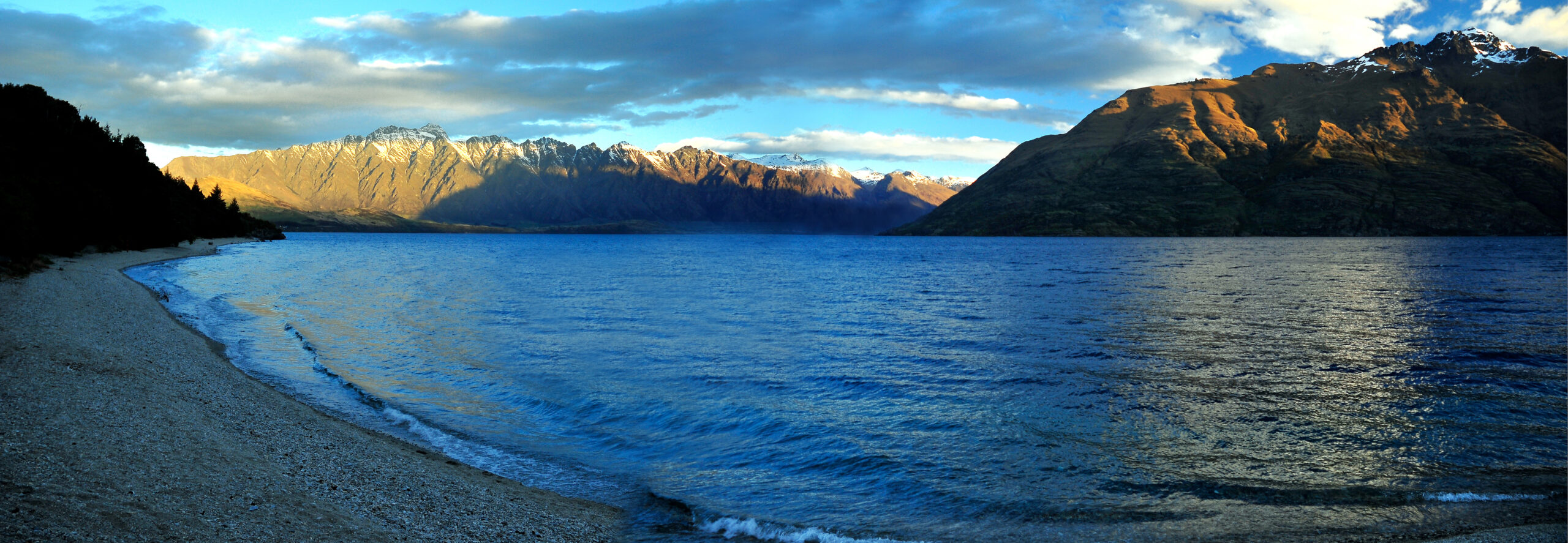
Queenstown packs more adrenaline per square kilometre than anywhere else in New Zealand. The headline acts need no introduction: the Kawarau Bridge bungy (the world’s first commercial bungy site, 43 metres over the turquoise Kawarau River, jumping since November 1988) and the Nevis Bungy — New Zealand’s highest at 134 metres, delivering a full 8.5 seconds of freefall. Then there is the Shotover Jet, blasting through sheer-walled canyons at up to 90 km/h with signature 360-degree spins in water barely knee-deep.
Between the big tickets, ride the Skyline Gondola 450 metres up Bob’s Peak for the best view in town and the luge track back down (go at sunset). Cruise the 80-kilometre-long Lake Wakatipu on the TSS Earnslaw, a 1912 coal-fired steamship that still runs daily. And take a half-day side trip to Arrowtown, the beautifully preserved gold-mining town 20 minutes away — its historic Chinese settlement and riverside walks are the calm counterpoint to Queenstown’s buzz. Full prices and booking details for all the Queenstown thrills are in our 12 best NZ experiences guide, and every one of the big tours is bookable online right now.
Wanaka: The Quieter Thrill
An hour from Queenstown, Wanaka is the South Island’s adventure town with the volume turned down — same mountains, half the crowds. The drive itself is an event: the Crown Range Road, New Zealand’s highest sealed road, zigzags over the pass between the two towns (the lower, gentler alternative via the Kawarau Gorge adds about 30 minutes).
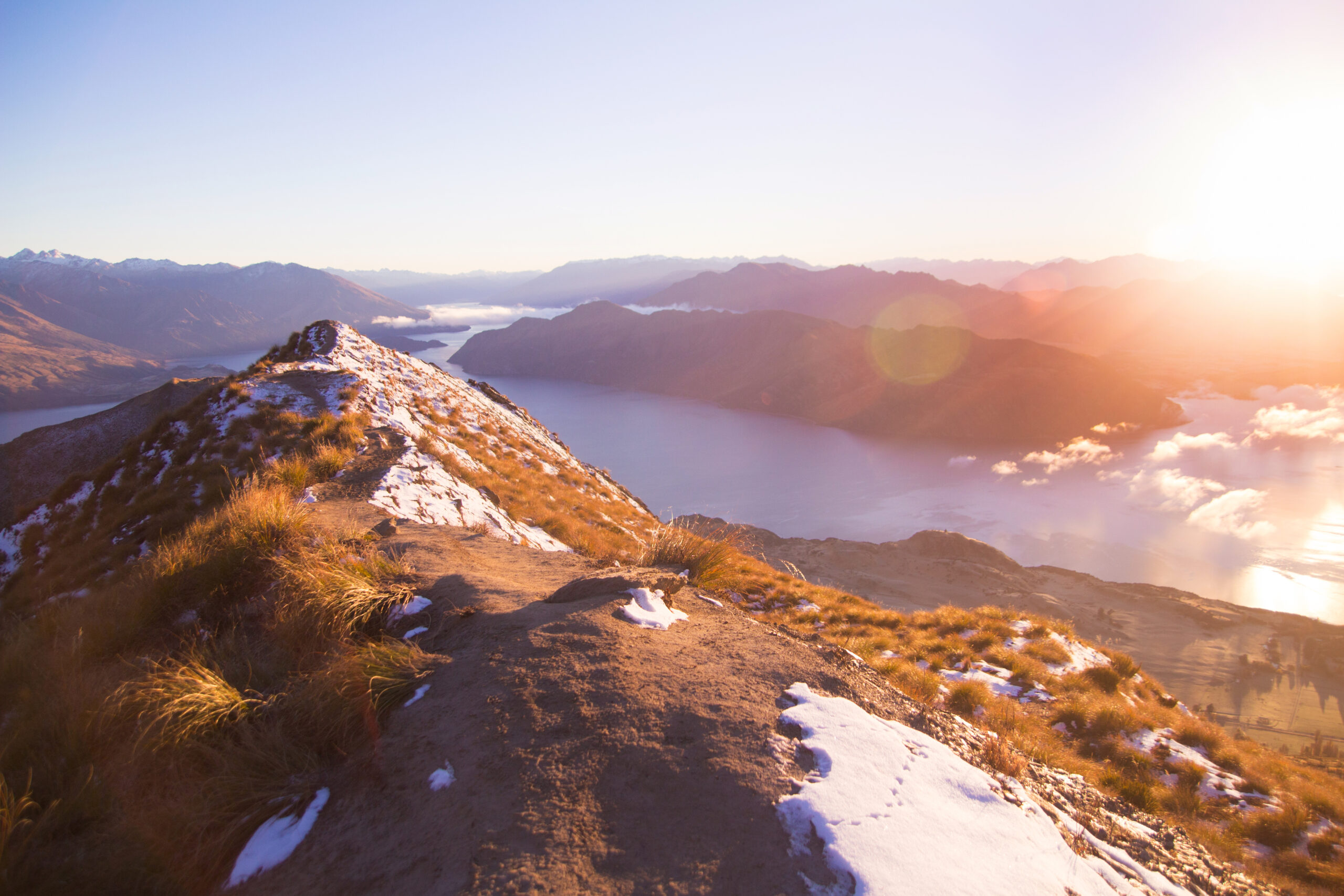
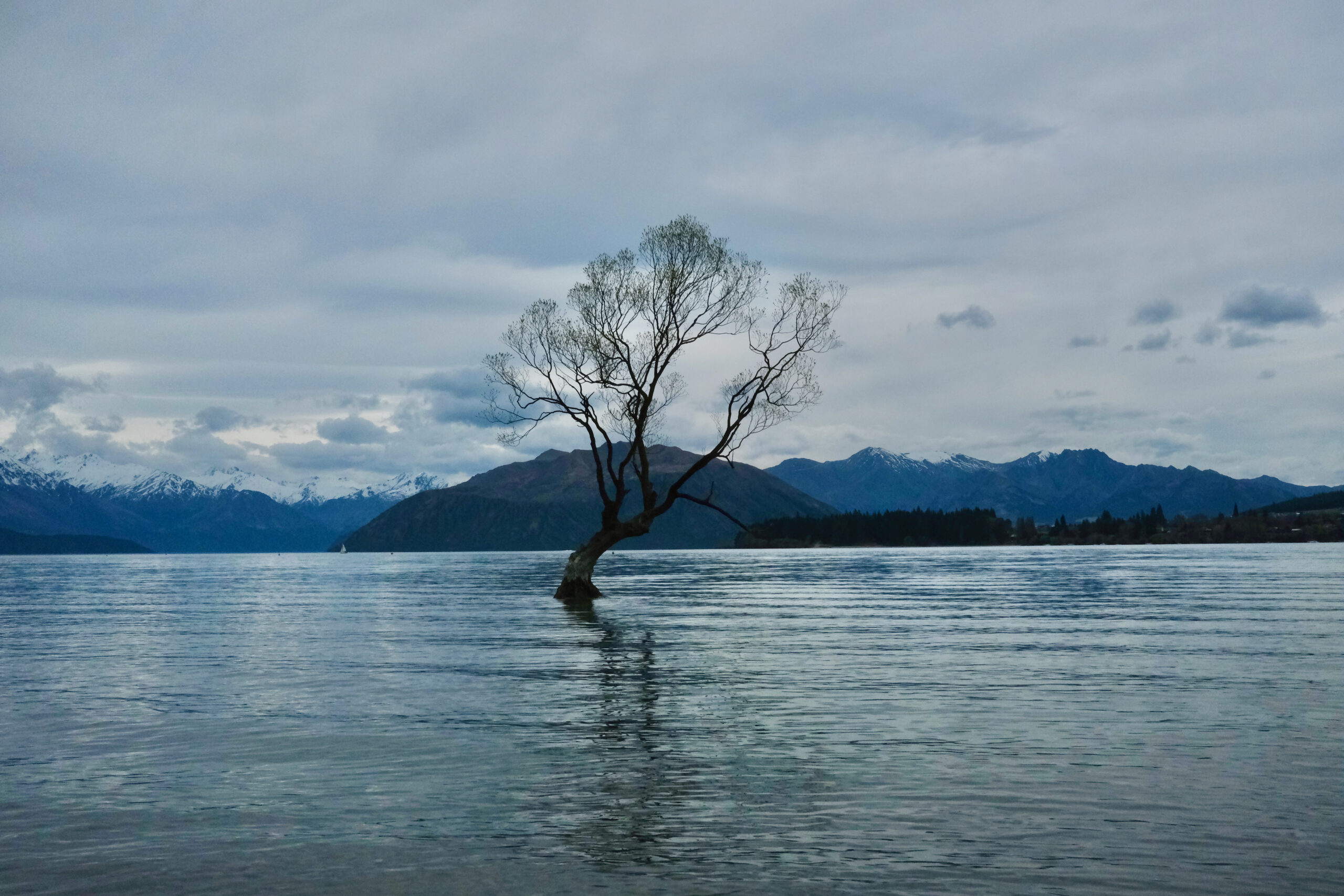
Wanaka’s signature challenge is Roy’s Peak: a 16-kilometre return climb to 1,578 metres, taking five to six hours, with the classic ridgeline view over Lake Wanaka and Mt Aspiring beyond. Start before dawn for sunrise at the summit. The gentler icons are the lakefront itself — That Wanaka Tree, the lone willow standing in the shallows, is New Zealand’s most photographed tree — and the easy lakeside trails. In winter, Wanaka becomes a ski base for Cardrona and Treble Cone, while Queenstown skiers head to Coronet Peak and The Remarkables.
Milford Sound & Fiordland
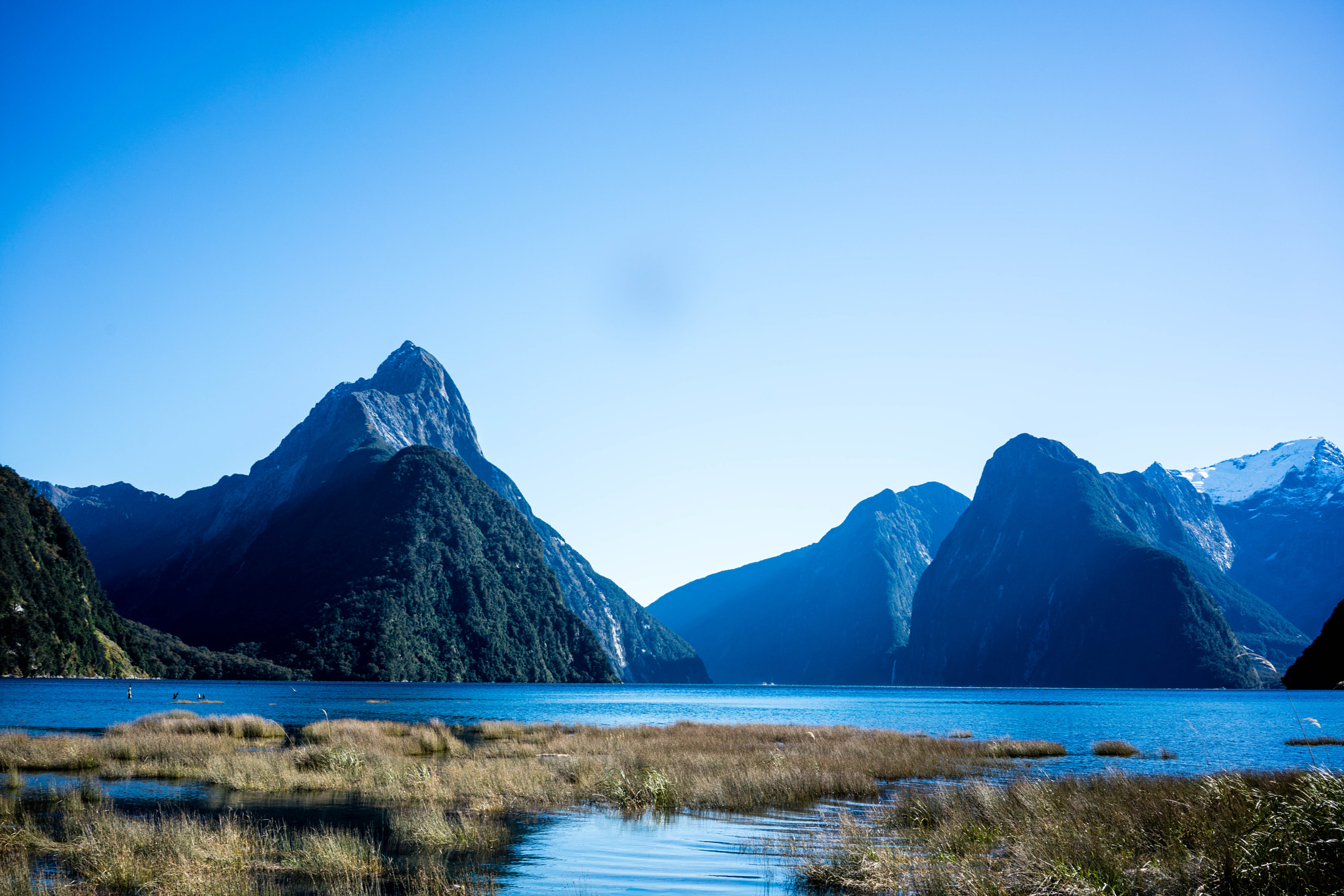
Milford Sound is not close to Queenstown, whatever the brochures imply — and that is exactly why you should plan it properly. The numbers: Queenstown to Milford Sound is about 290 km, roughly 4.5 hours of driving each way in good conditions, with no stops. Add a 2-hour cruise, scenic stops, and the drive back, and it is a 12–14 hour day. Most self-drivers break the journey in Te Anau (172 km, about 2 hours 15 minutes from Queenstown), leaving a relaxed 2-hour drive up the Milford Road the next morning.
The Milford Road itself (SH94) is half the experience: the Mirror Lakes, the dramatic Homer Tunnel (1.2 km through solid granite), and avalanche-prone stretches that demand chains in winter (June–August) — check conditions before you go, and note the last fuel is at Te Anau, 120 km out. On the water, the classic 2-hour cruise sails beneath Mitre Peak (1,692 m) past waterfalls that turn ferocious after rain — Milford is genuinely at its most dramatic in wet weather. Sea kayaking and small-boat nature cruises get you closer to the seals and Fiordland penguins. Serious trampers: the Milford Track, 53.5 km over four days from Te Anau Downs to Sandfly Point, is New Zealand’s most famous multi-day hike and books out months ahead.
If you would rather not drive it yourself, this full-day Milford Sound tour from Queenstown bundles the coach, the cruise, and lunch into one booking — the easiest way to do the fiord in a single long day.
Doubtful Sound: The Wilder Fiord
Milford gets the postcards; Doubtful Sound gets the wilderness. About three times longer than Milford, far quieter, and reachable only by tour — there is no road in, so every trip combines a cruise across Lake Manapouri with a coach ride over Wilmot Pass. The definitive way to do it is the overnight cruise: sail the full length of the sound with fur seals, bottlenose dolphins, and penguins, kayak from the anchorage, and wake to dawn on water so still it doubles the mountains.
Expect roughly NZ$700–950 per person twin share, with three-course dinner, breakfast, and a nature guide aboard. Overnight sailings run approximately April to mid-May and September to March (nothing in winter), and summer dates sell out weeks ahead. This Doubtful Sound overnight cruise holds a 4.8-star rating from 281 reviews — book the moment your dates are fixed.
Franz Josef & Fox Glaciers
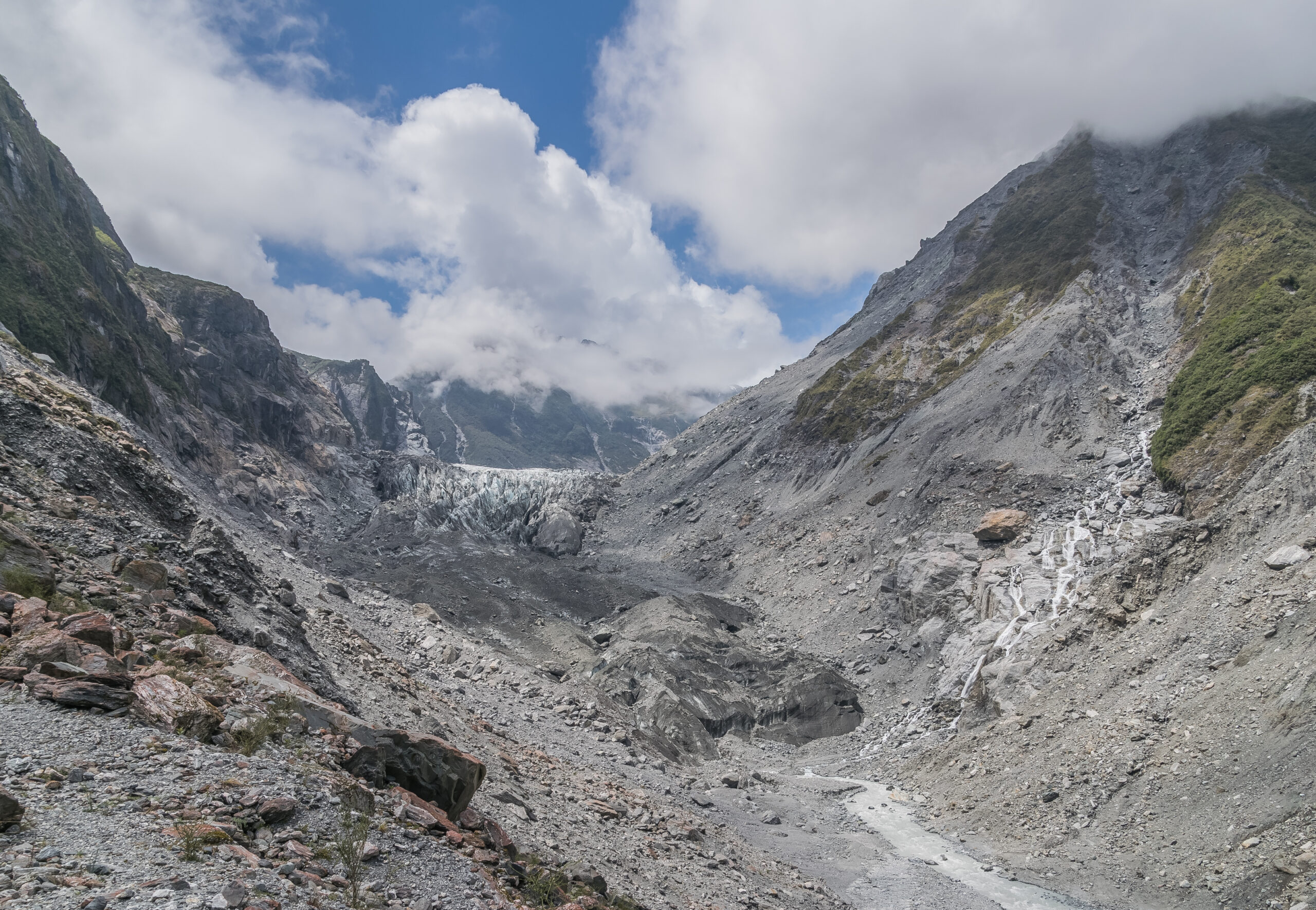
On the West Coast, two of the world’s most accessible glaciers tumble out of the Southern Alps. Franz Josef Glacier is the famous one: about 12 km long, descending from nearly 3,000 metres to just 240 metres above sea level — one of the steepest, fastest-moving glaciers anywhere. The only way onto the ice is the heli-hike: a helicopter flight to the glacier’s Pinnacles area, then a guided walk through ice caves, crevasses, and blue-ice seracs in small groups, all gear provided. It is genuinely weather-dependent, so book your first available day and stay two nights as a buffer. This small-group Franz Josef heli-hike holds a Badge of Excellence at 4.6 stars.
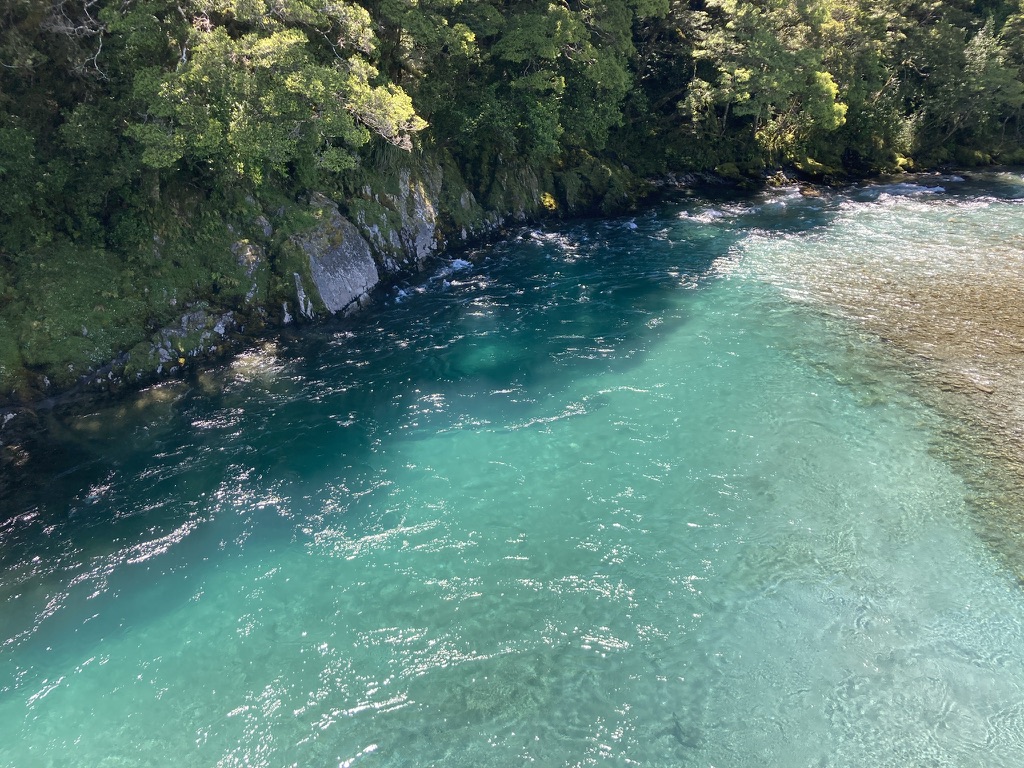
Twenty-five kilometres south, Fox Glacier is the quieter sibling — and its free valley walks and the mirror views of Lake Matheson cost nothing. Getting there is a pilgrimage: Queenstown to Franz Josef is about 350 km, roughly five hours point-to-point, but treat it as a full driving day — overnight in Wanaka on the way and allow at least eight hours with stops. The Haast Pass section alone justifies the trip: the Blue Pools, a 15-minute forest walk to glacier-fed pools of impossible turquoise, and Fantail Falls are both minutes off the highway.
When to Go
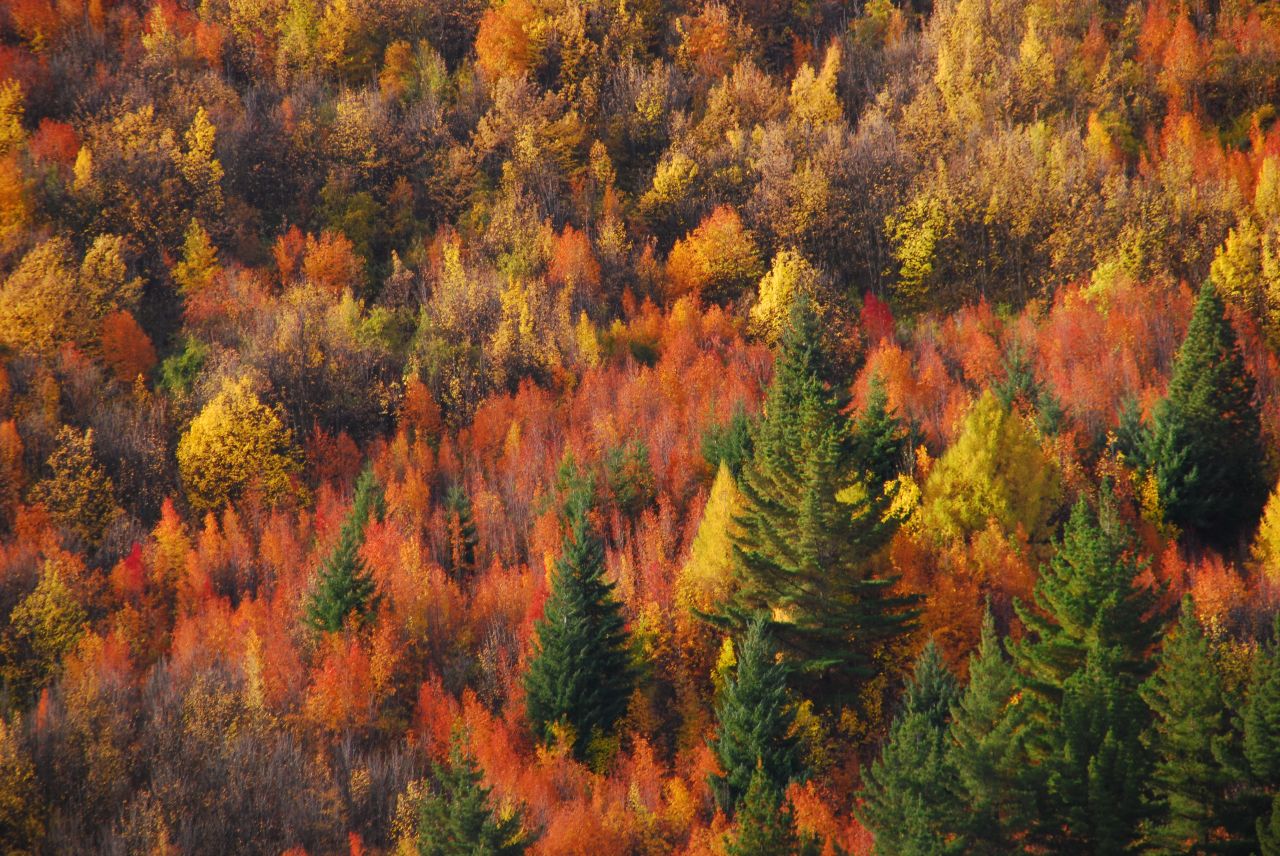
Summer (November–March) is peak for almost everything: warmest weather, longest days, and the fastest sellouts on bungy, heli-hikes, and overnight cruises. Autumn (March–May) is the insider’s pick — settled weather, thinner crowds, and Arrowtown’s hillsides in full red-and-gold colour. Winter (June–August) belongs to skiers, but it is also Milford’s moodiest season; just carry chains for the Milford Road and expect some tour cancellations. Spring (September–November) brings lupins along the roadsides and the year’s first reliable hiking weather.
Two Ways to Do It
The 3-day Queenstown base: Day 1 — Skyline Gondola, luge, and a Kawarau bungy. Day 2 — full-day Milford Sound (coach tour or self-drive via Te Anau). Day 3 — Shotover Jet in the morning, Arrowtown and the TSS Earnslaw in the afternoon.
The 7-day South Island loop: Queenstown (2 nights) → Te Anau and Milford Sound (2 nights) → Wanaka and Roy’s Peak (1 night) → Franz Josef and Fox glaciers (2 nights). That is roughly 1,000 km of some of the finest driving on Earth — and every kilometre earns it.
Plan the Whole Trip
This guide covers the South Island’s greatest hits, but the adventure does not stop here. Read our New Zealand Adventures: The 12 Best Thrilling Experiences in NZ (2026 Guide) for the full countrywide rundown — Tongariro, Waitomo, Taupō and more — and when you are ready to lock dates in, our Best Bookable Adventure Tours in New Zealand (2026 Guide) has every headliner with real prices and live booking links. Start in Queenstown, end wherever the road takes you.