
Tallinn is compact enough that you can walk across its centre in half an hour — and yet where you stay changes the whole trip. Sleep inside the medieval walls and you wake up to church bells, cobbles and a Town Hall Square that has been a market place since the Middle Ages. Sleep ten minutes north in Kalamaja and your mornings start with wooden houses, a food hall and the city’s creative quarter. Sleep by the sea in Kadriorg and the palace park becomes your evening walk. This guide matches each area to the traveller it suits, with honest hotel picks in each — including the trade-offs nobody puts in the brochure, starting with this one: Tallinn’s Old Town streets are cobbled, so wherever you book, take a taxi or a Bolt ride to the door rather than dragging a wheeled case from the tram stop.
Never forget a thing before you fly. My free 8-page Travel Planning Checklist walks you through the whole trip — 6 planning timelines, 36 checks, from booking windows to travel-day basics. One email, no spam, unsubscribe anytime.
Disclosure: This post contains affiliate links. If you book through one of these links, I may earn a commission at no extra cost to you.
The short answer: which area fits you?
First visit, short trip: the Old Town (Vanalinn) — every main sight on foot, the Christmas Market on your doorstep in season. Best value and local life: Kalamaja and Telliskivi, by the Balti Jaam station. Business, spas and skyline views: the city centre (Kesklinn) towers just east of the walls. Quiet, green and romantic: Kadriorg, by the palace and the sea. Beach days: Pirita, a short bus ride further along the bay. Estonia charges no tourist tax on accommodation, so the rate you see is the rate you pay. If you are still shaping the trip itself, my Tallinn in 3 Days itinerary shows how these areas fit together day by day.
Old Town (Vanalinn): best for first-timers
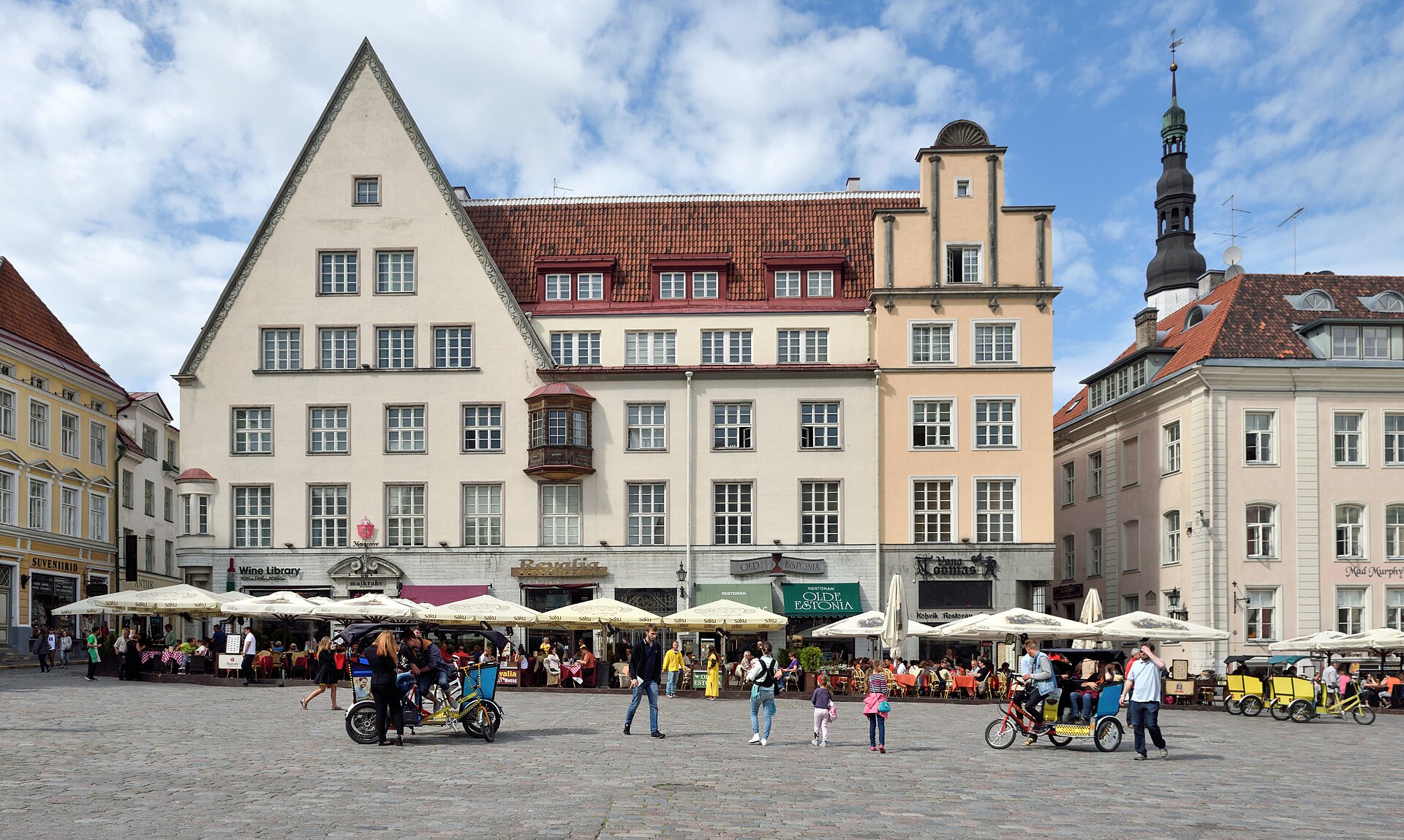
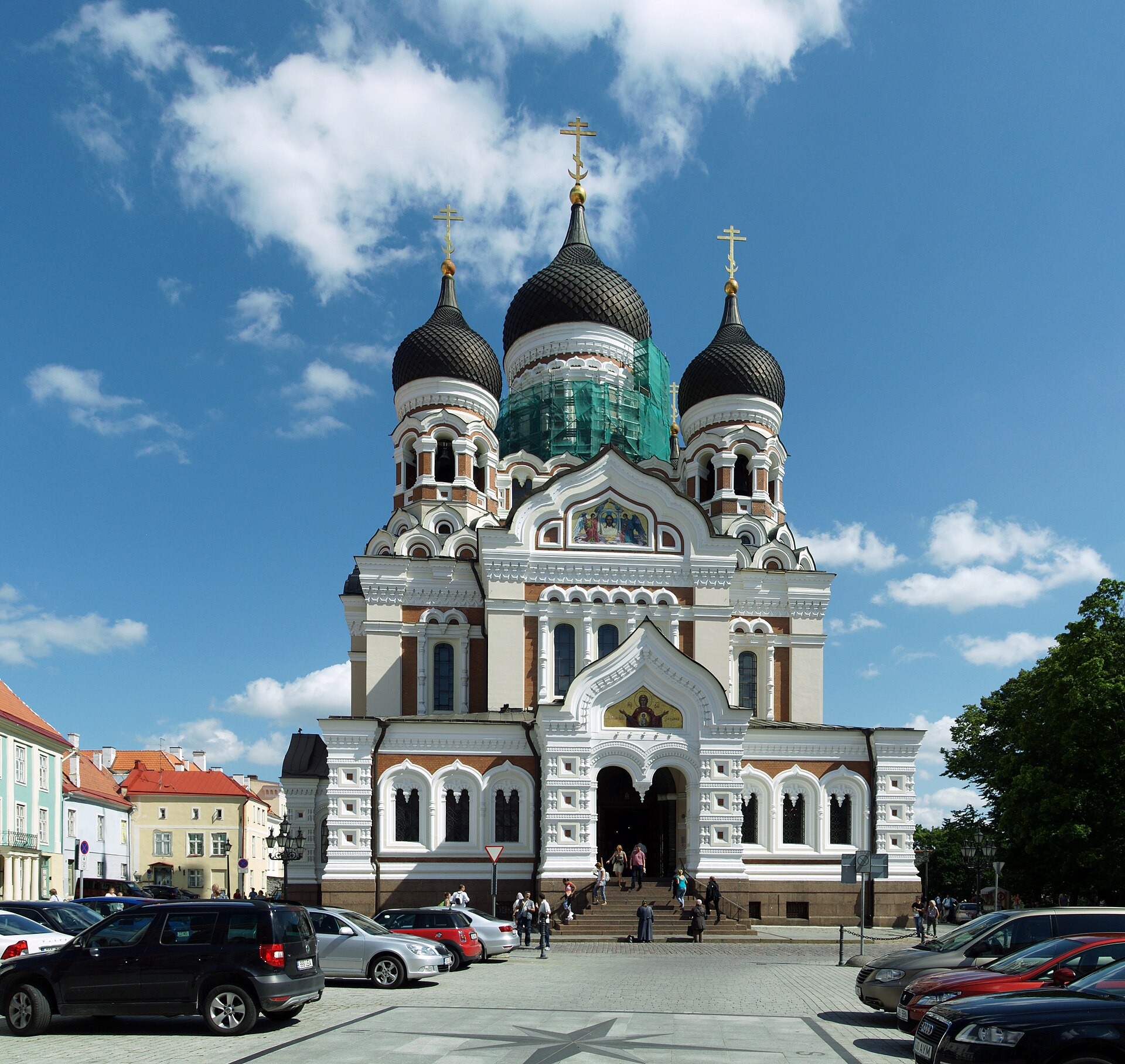
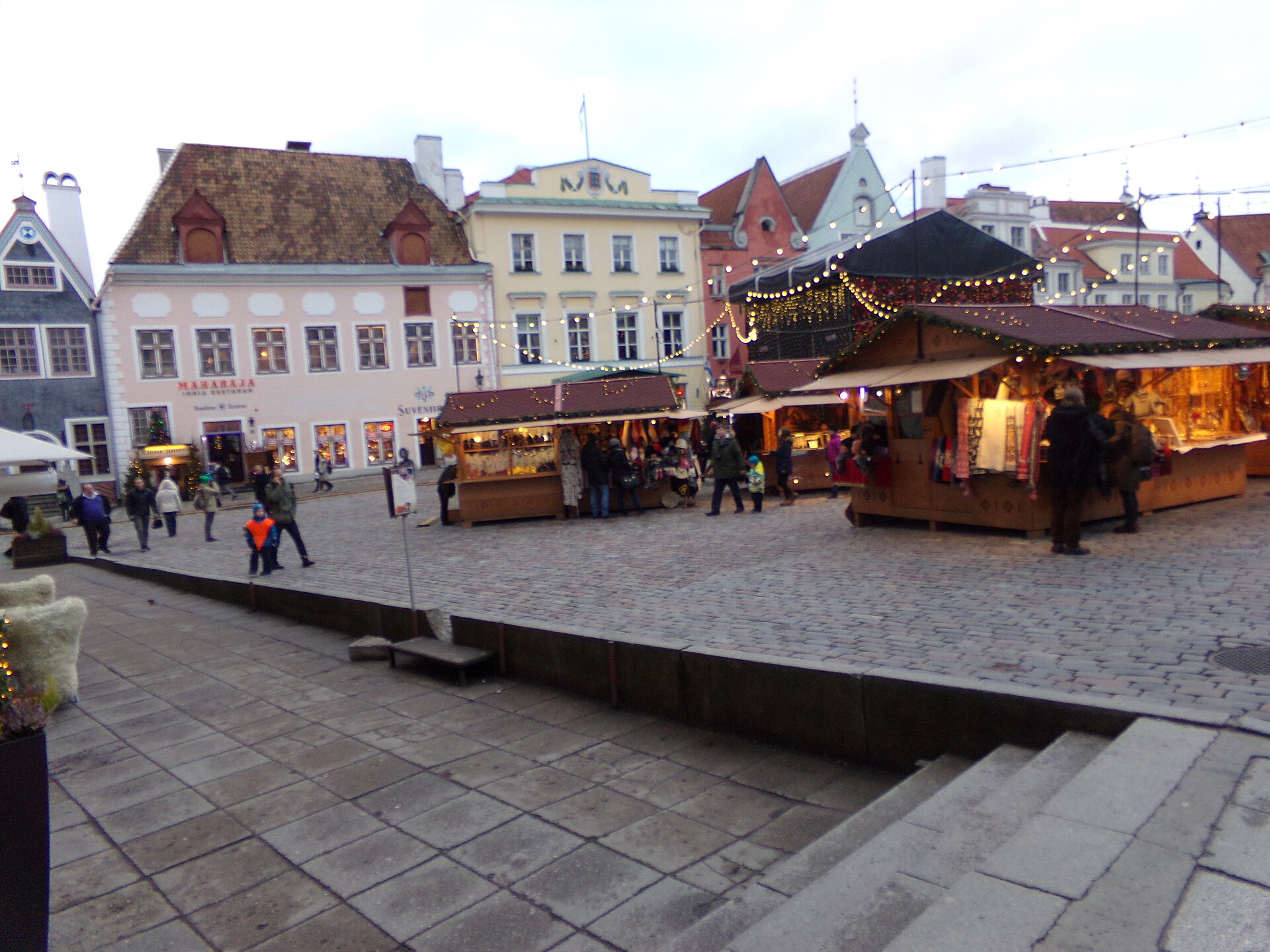
Tallinn’s Old Town has been a UNESCO World Heritage Site since 1997, and it is one of the best-preserved medieval town centres in northern Europe — most of its street network and buildings date from the 13th to 16th centuries. Staying inside the walls means the Alexander Nevsky Cathedral, Toompea Castle, the viewing platforms and dozens of restaurants are all within a ten-minute stroll, and in winter the Christmas Market on Town Hall Square (running 20 November 2026 to 6 January 2027) is quite literally your front garden. The costs are literal too: Old Town rooms carry a premium, streets can be lively late on summer weekends, and cobbles are unkind to heels and suitcase wheels.
The landmark luxury pick is Hotel Telegraaf, Autograph Collection, a five-star hotel in the 1878 former telegraph office on Vene Street, a couple of minutes from Town Hall Square, with a spa and the Tchaikovsky restaurant. For old-stone atmosphere, the Schlössle Hotel occupies 13th- and 14th-century merchants’ houses about 100 metres from the square — small, quiet and about as medieval as a hotel with good plumbing can be. A step down in price but not in location, the Rixwell Collection Savoy Boutique Hotel sits on Suur-Karja Street at the Old Town’s southern edge, handy for Freedom Square and the tram to the airport. The Three Sisters Hotel, in a 14th-century merchant house near the northern gate, and the grand Hotel St. Petersbourg are also worth checking for splurge stays inside the walls.
Old Town is also where a guide earns their fee: the lanes all look alike by design, and the stories are the point. The guided Old Town historical walking tour (4.9/5 from over 1,600 reviews) covers the Upper and Lower Town in about two hours, and the Estonian food, drinks and history tour adds three dishes, dessert and local drinks to the same streets — an efficient way to learn what to order for the rest of your trip.
City centre (Kesklinn): best for comfort, spas and views
Immediately east and south of the walls, Kesklinn is modern Tallinn: glass towers, the Rotermann Quarter’s converted warehouses, theatres, malls and the Viru tram hub, where the airport tram (line 4) gets you to the terminal in about 20 minutes. You trade medieval atmosphere for space, spas, parking and — in the towers — the best views in the city, back across the Old Town rooftops to the Baltic.
The classic address is the Swissôtel Tallinn, occupying the top floors of the Tornimäe towers with a spa and the Horisont restaurant looking over the bay. The Radisson Collection Hotel and the Nordic Hotel Forum, both a short walk from Viru Gate, are strong alternatives with pools — a real consideration in a Baltic winter. History buffs should know the Original Sokos Hotel Viru hides a former KGB radio room on its top floor, now a small museum reached by guided tour. Kesklinn is the practical pick if you are combining Tallinn with work, arriving late, or travelling with a car.
Kalamaja and Telliskivi: best for local life and value
North of the Old Town, past the Balti Jaam station and its excellent market hall, Kalamaja is Tallinn’s oldest suburb — a grid of colourful wooden houses built for railway and factory workers, now the city’s most likeable residential quarter. Inside it, the Telliskivi Creative City fills a former industrial complex with design shops, galleries, cafés and some of the city’s best-value restaurants. Staying here puts you a 10–15 minute walk from Town Hall Square, on tram lines 1, 2, 5 and 6, and in the middle of the Tallinn locals actually live in.
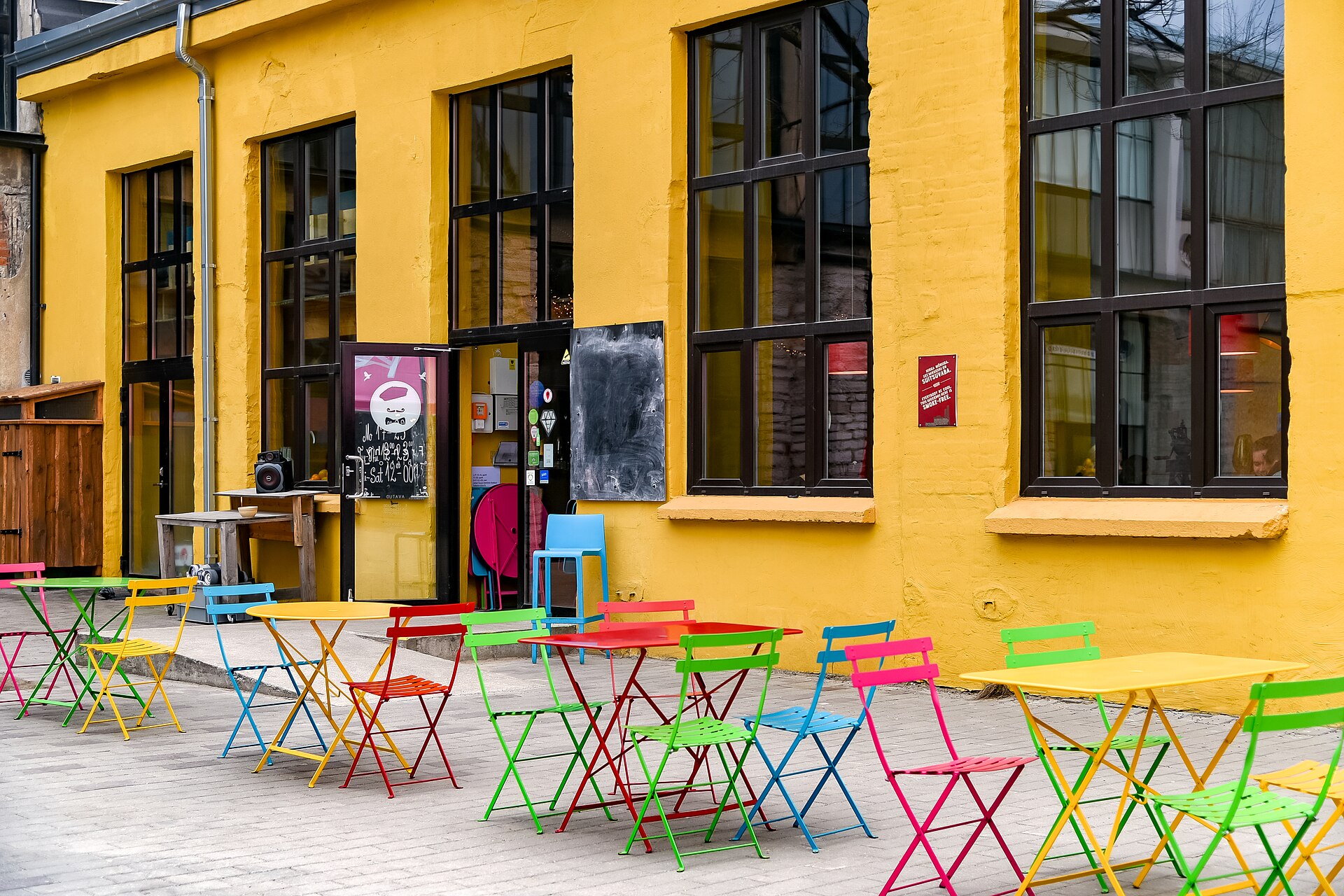
Hotels are thinner on the ground than in the centre — this is apartment and guesthouse territory — but the Hestia Hotel Ilmarine, in a former factory building near the Seaplane Harbour museum, and the budget-friendly Go Hotel Shnelli, directly by Balti Jaam station, are the practical bases. Kalamaja suits repeat visitors, families who want space for the money, and anyone whose ideal evening is a craft-beer bar in a converted depot rather than a hotel lounge. It is also the best base for the Seaplane Harbour (Lennusadam), whose vast 1930s hangars hold a submarine, icebreaker and seaplane — allow half a day.
Kadriorg and Pirita: best for quiet, parks and the sea
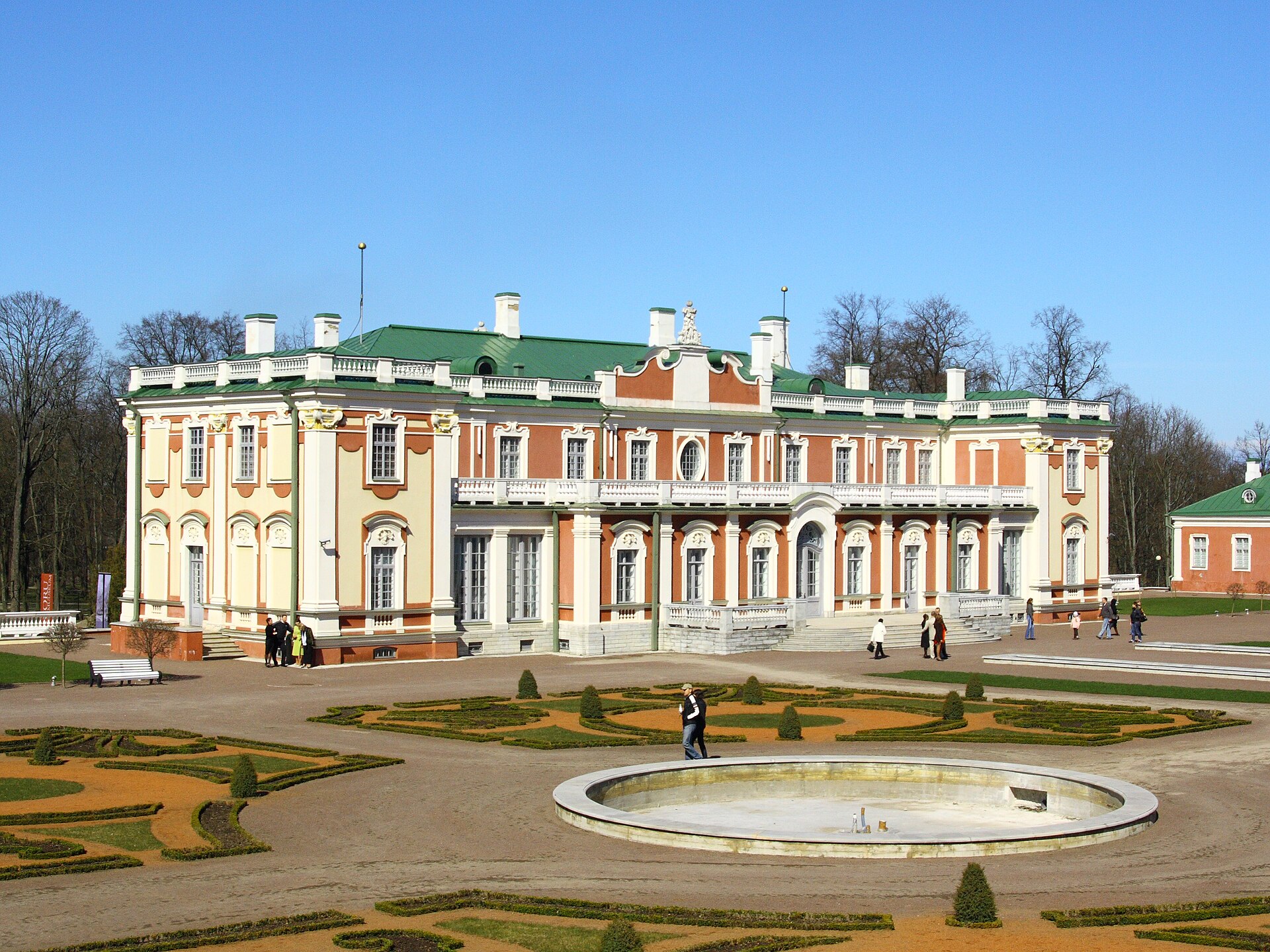
East of the centre, Kadriorg is Tallinn’s green drawing room: a palace and park laid out for Peter the Great from 1718, avenues of wooden villas, the KUMU art museum and the presidential palace, all a 25-minute walk or a short tram ride (lines 1 and 3) from the Old Town. Accommodation here is mostly small guesthouses and apartments rather than big hotels, which is exactly its charm — this is the area for a slow second trip, a summer visit, or anyone who wants to start the day with a run under the lindens. Continue along the bay to Pirita for the sandy beach, the marina built for the 1980 Olympic sailing regatta and the Pirita promenade, the city’s favourite sunset walk.
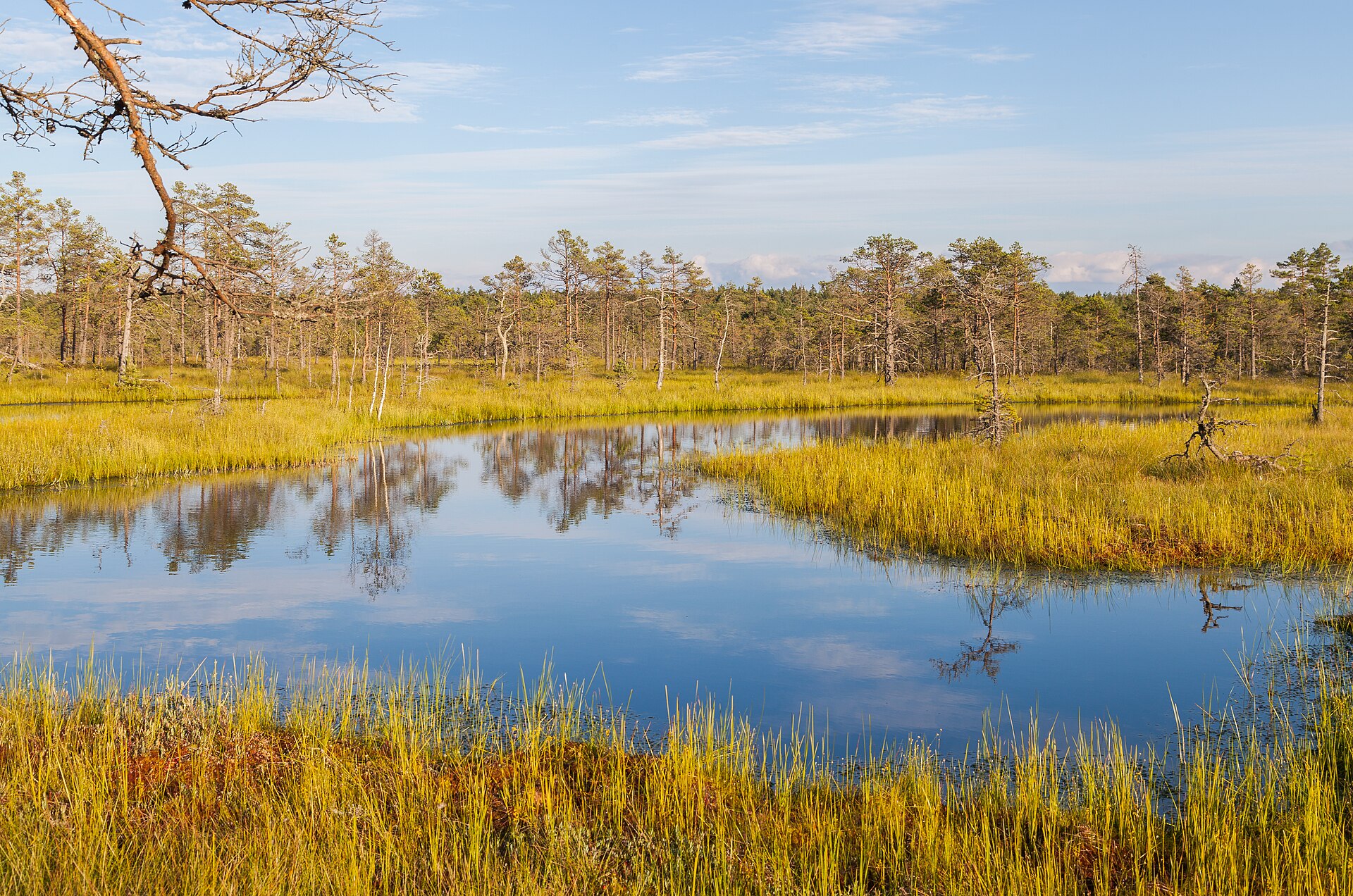
Kadriorg is also the natural jumping-off point for Estonia’s countryside. The full-day Lahemaa National Park tour from Tallinn (4.86/5 from nearly 1,000 reviews) strings together Jägala Waterfall, the Viru Bog boardwalk, manor houses at Palmse and Sagadi and the fishing villages of the north coast — the single best day out of the city, and much easier with the driving done for you.
Practical tips for booking Tallinn
Book the Old Town early for December. The Christmas Market fills the centre; the same applies, less fiercely, to midsummer weeks around Jaanipäev (23–24 June). Mind the cobbles. In the Old Town, confirm your hotel’s vehicle access point before arrival — several lanes are pedestrianised. Trams make everywhere central. With lines radiating from Viru and Balti Jaam, even Pirita is about 20 minutes by bus, so do not overpay purely for a Town Hall Square address unless the atmosphere is the point. Winter is dark, summer barely sleeps. In late December Tallinn gets roughly six hours of daylight — a hotel spa is not a luxury, it is a strategy; in late June it never truly gets dark, so check for blackout curtains. Travelling on to another Christmas-market city afterwards? My guide to where to stay in Strasbourg applies the same area-by-area logic to France’s Capital of Christmas, and the Strasbourg in 3 Days itinerary pairs with it.
The bottom line
For a first, short trip, stay in the Old Town and let the medieval city do the work — Telegraaf for luxury, Schlössle for atmosphere, the Savoy Boutique for location at a gentler price. For value and local character, base in Kalamaja and walk in. For space, spas and views, take a Kesklinn tower. And wherever you sleep, give Tallinn at least one evening outside your hotel’s own neighbourhood: this is a city that rewards crossing its own borders, preferably on foot, ideally ending at a viewing platform as the light goes down over the bay.