
New Zealand runs on flipped seasons — Christmas barbecues on the beach, skiing in July — and the month you pick changes the trip more than almost any other decision. Come in February and you’ll get warm, settled weather for the Great Walks, long beach evenings, and wine regions at harvest. Come in July and you’ll get powder days at Coronet Peak, snow-dusted alpine towns, and some of the darkest skies on the planet for stargazing.
Never forget a thing before you fly. My free 8-page Travel Planning Checklist walks you through the whole trip — 6 planning timelines, 36 checks, from booking windows to travel-day basics. One email, no spam, unsubscribe anytime.
Neither version is better — they just unlock completely different holidays. This guide breaks New Zealand down month by month, with the real logistics: which months the ski fields run, when the Great Walks tracks are open, the whale watching windows in Kaikōura, and when to book before the crowds (or the prices) get you.
Disclosure: This post contains affiliate links. If you book through one of these links, I may earn a commission at no extra cost to you.
The Short Answer: When to Go, by Goal
Start with what you want most, because no single month does everything:
- Hiking the Great Walks: November through April — the tracks’ main season, when huts and campsites are fully serviced. Compare the two most famous in my Milford Track vs Routeburn Track guide.
- Skiing and snowboarding: late June through September — Queenstown and Wanaka’s fields run roughly mid-June to early October.
- Beaches and water activities: December through March — warmest seas and the longest, laziest evenings.
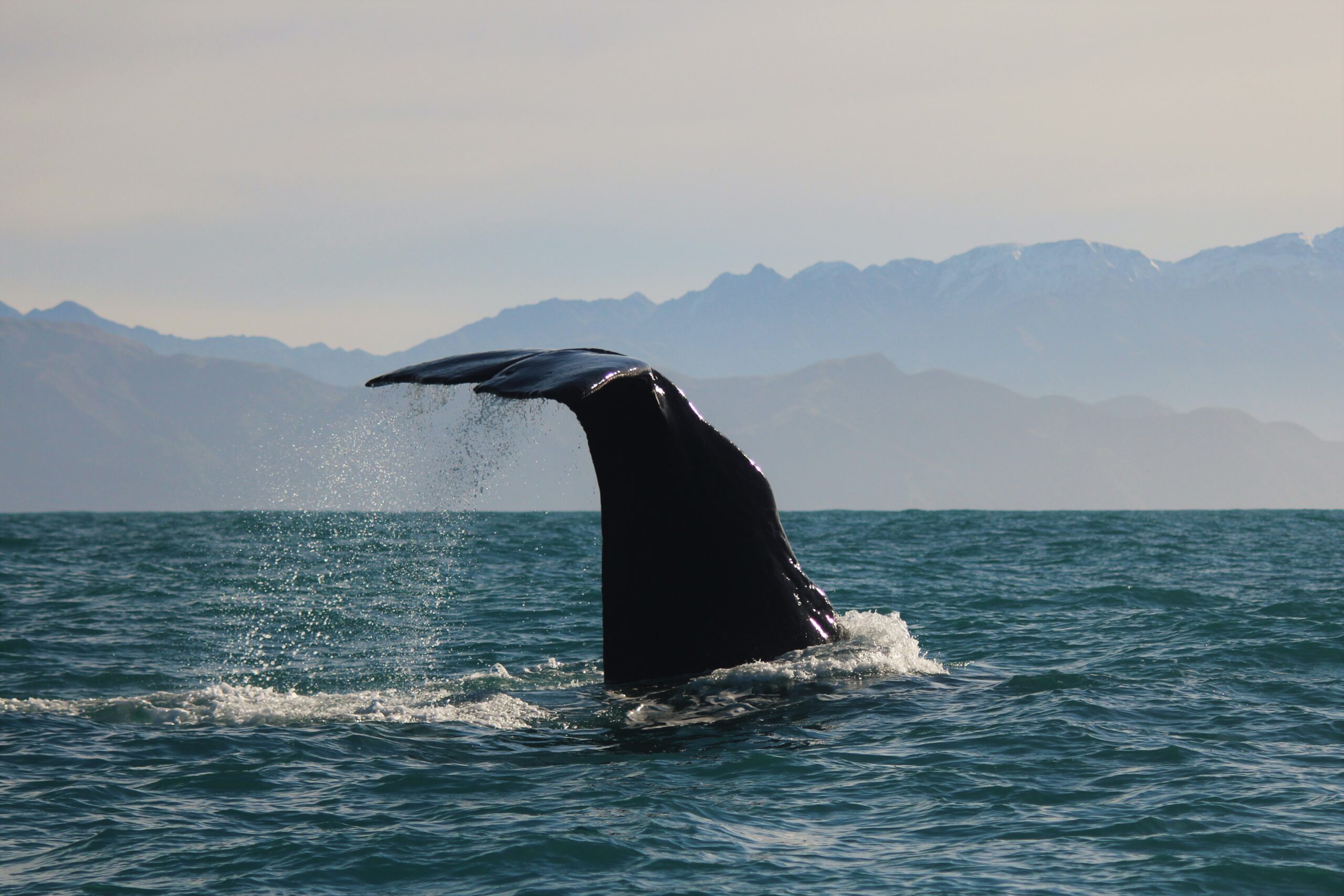
- Whale watching in Kaikōura: year-round for resident sperm whales, with migrating humpbacks peaking June through August.
- Southern lights (Aurora Australis): March through September — dark, clear winter nights, best from Stewart Island, Dunedin, and Tekapo.
- Fewer crowds and lower prices: March to May and September to October — the shoulder seasons that experienced travelers quietly keep.
Summer in New Zealand (December–February): The Peak Season
Summer is when New Zealand shows off. Temperatures average 20–30°C (68–86°F) in the warmest regions, daylight stretches toward 9pm and beyond, and the whole country moves outdoors — beaches in the Bay of Islands, kayaking in Abel Tasman, and the Tongariro Alpine Crossing under blue skies. This is the season the travel brochures are photographed in, and it delivers.
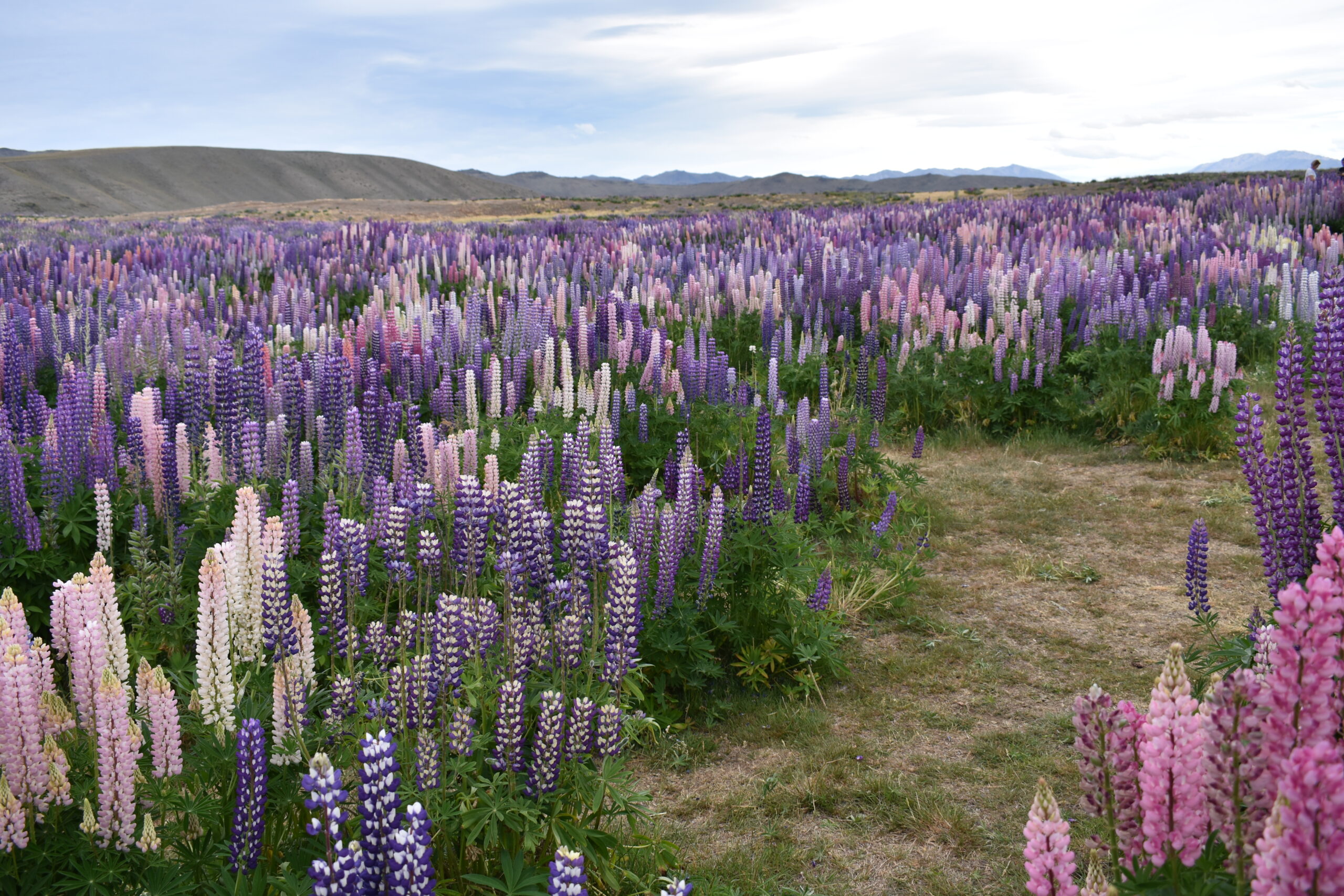
December starts warm and relatively calm, then the country shifts gear around the 20th when Kiwi school holidays begin. Lupins bloom across the Mackenzie Country (mid-November to December is peak), making Lake Tekapo look almost unreal. January is the hottest, driest, and busiest month — accommodation prices peak and the most popular experiences sell out, so this is the month that punishes late planners most. February keeps the warmth with slightly thinner crowds; it’s also when the wine harvest begins in Marlborough, and sea temperatures are at their most inviting.
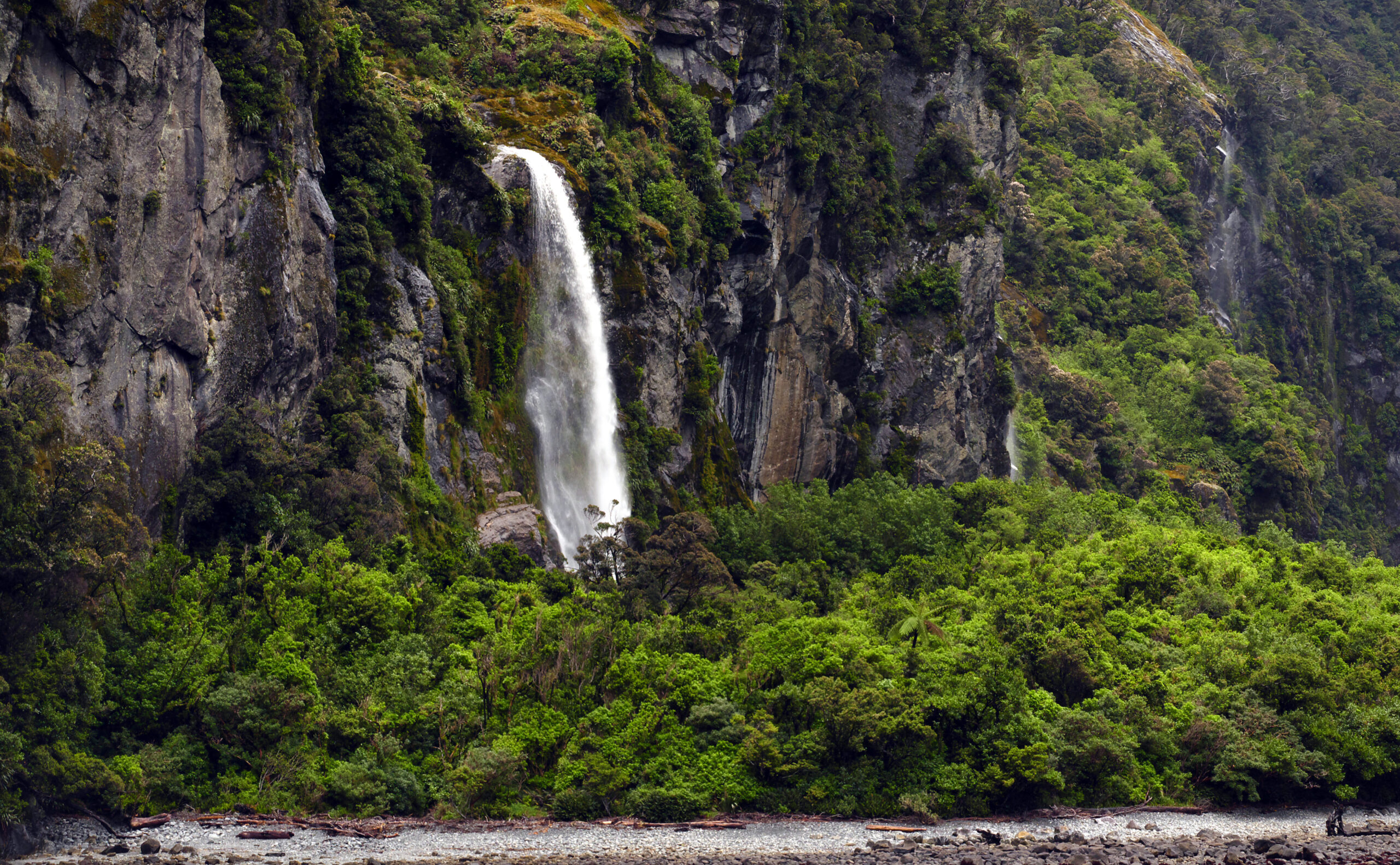
Fiordland runs year-round, but summer gives you the longest, calmest days for the drive in. Milford Sound’s waterfalls are actually most dramatic after rain (this is one of the wettest places in the country), and the classic move is a coach-and-cruise day so someone else handles the 4-hour alpine road: the Milford Sound day tour with scenic cruise from Queenstown bundles the drive, the photo stops, and the cruise in one long day.
The honest trade-off of summer: it’s the most expensive season and the most crowded. If you’re set on the Christmas–New Year stretch, book accommodation and key tours six months out — Queenstown and Wanaka in particular fill fast. Arriving in early December or late February gets you 90% of the summer for meaningfully less money.
Autumn in New Zealand (March–May): The Sweet Spot
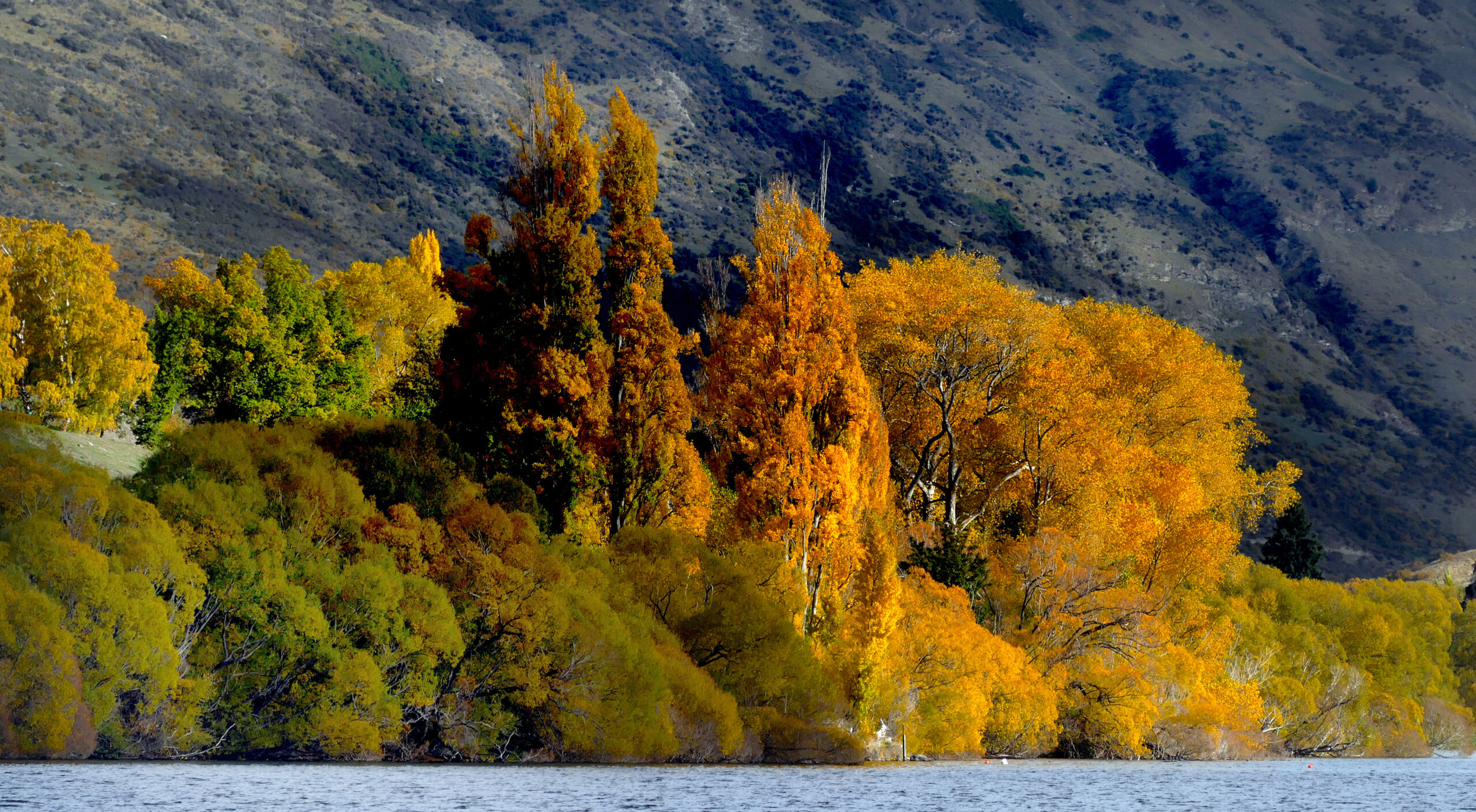
Ask well-traveled Kiwis when they’d visit and a striking number say autumn. The summer crowds have gone home, the weather stays settled and warm through March, and Central Otago puts on one of the great autumn shows on earth — Arrowtown and the Gibbston Valley turn gold and crimson in April. Hotel rates drop, rental cars get cheaper, and the light turns that soft golden color photographers chase.
March is arguably the single best-balanced month in the calendar: warm days, warm seas, harvest festivals in the wine regions, and the Great Walks tracks still fully open. April brings peak autumn color to Central Otago and the first proper chill to the South Island evenings — pack layers. Anzac Day (April 25) creates a domestic travel bump, so avoid that long weekend if you dislike crowds. May is quiet and often a bargain, but the Great Walks season winds down (most tracks close by early May) and the first snow starts dusting the high peaks.
Autumn is also prime road-trip season. New Zealand is a driving country — long, scenic, gloriously empty highways — and shoulder-season roads are at their most relaxed. If you’re planning a self-drive loop, sorting a rental car for your New Zealand road trip early locks in the best choice of vehicles before the summer rush returns.
Winter in New Zealand (June–August): Ski Season and Hot Pools
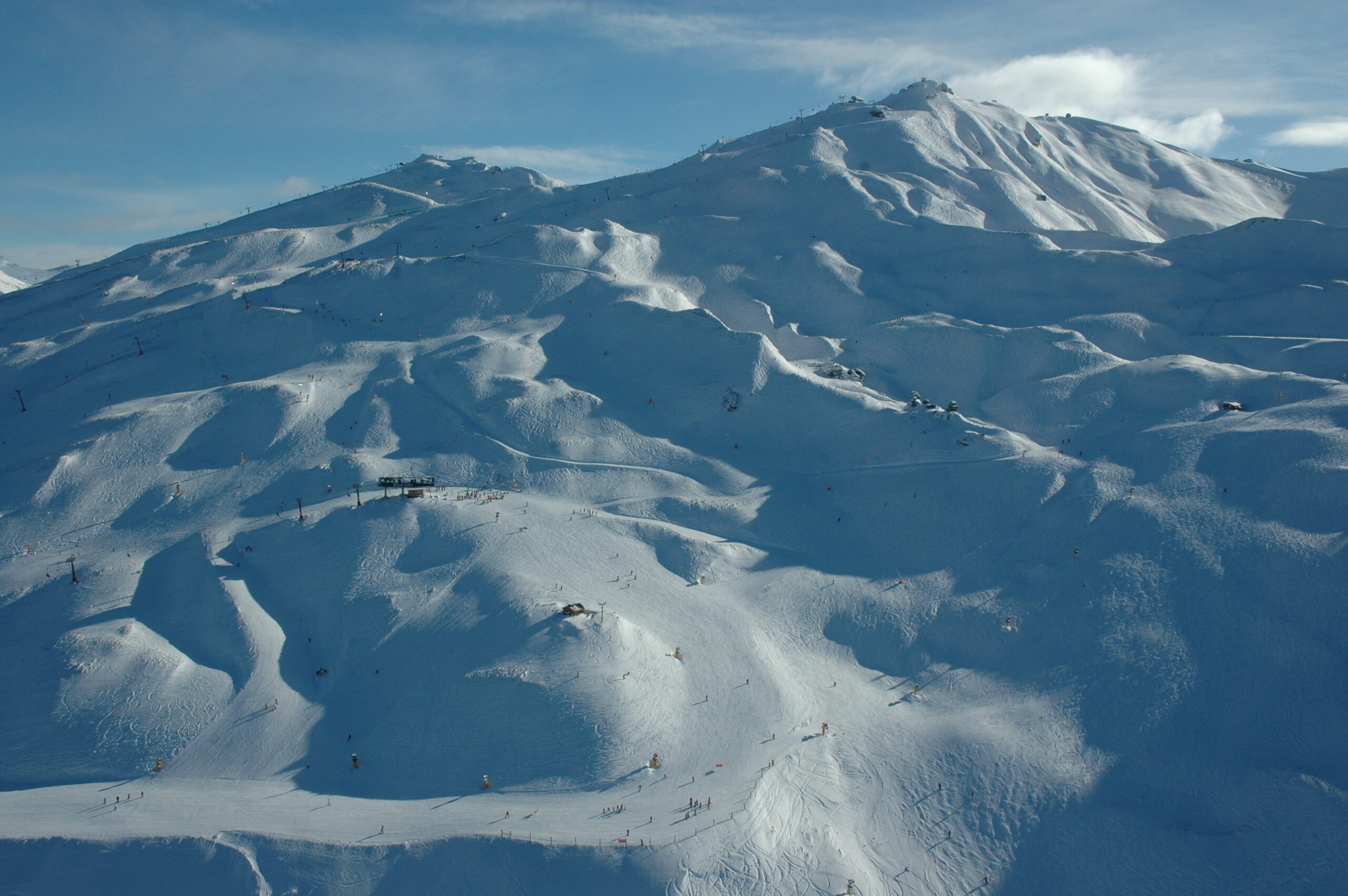
Winter splits the country in two. The South Island turns into a proper alpine destination — Queenstown and Wanaka fill with skiers, the Southern Alps go white, and après-ski means hot pools and pinot noir. The North Island stays milder (think 10–15°C days in Auckland), with Rotorua’s geothermal steam looking its most atmospheric in the cool air.
The 2026 ski season runs roughly mid-June to early October: Coronet Peak opened June 13 and runs to October 4, The Remarkables runs to October 11, and Mt Hutt near Christchurch runs mid-June to mid-October, with Wanaka’s Cardrona and Treble Cone opening in late June. July is the heart of it — deepest snow, busiest slopes, and New Zealand school holidays making Queenstown lively. August keeps the snow with slightly longer days and is the peak month for humpback whales passing Kaikōura.
Winter has real advantages beyond skiing. Accommodation outside the ski towns is at its cheapest, the night skies are at their darkest (Tekapo’s Dark Sky Reserve and Stewart Island are world-class for the Aurora Australis from March through September), and you can soak in Hanmer Springs’ thermal pools while snow falls around you. The caveats: daylight is short (sunset around 5–5:30pm in midwinter), alpine roads can close after snow, and the Great Walks tracks are largely off-limits without serious alpine experience. If you’re skiing, my guide to where to stay in Queenstown breaks down which neighborhoods put you closest to the slopes.
Spring in New Zealand (September–November): Lupins, Lambs, and Early Tracks
Spring is New Zealand waking up, and it’s wonderfully photogenic — cherry blossoms in Christchurch’s Botanic Gardens, newborn lambs in every second paddock, waterfalls running full after winter snowmelt. It’s also the most unpredictable season: you can get four seasons in a day, so pack for all of them.
September is still wintry in the south but brings the first blossoms and the year’s lowest prices — a genuine budget window if you don’t mind mixed weather. October is when it turns: daylight saving starts in late September, the Great Walks season begins (late October for most tracks), and gardens hit full bloom. November is the spring sweet spot — reliably mild, the famous Russell lupins start flowering around Lake Tekapo from mid-November, and the summer crowds haven’t arrived yet.
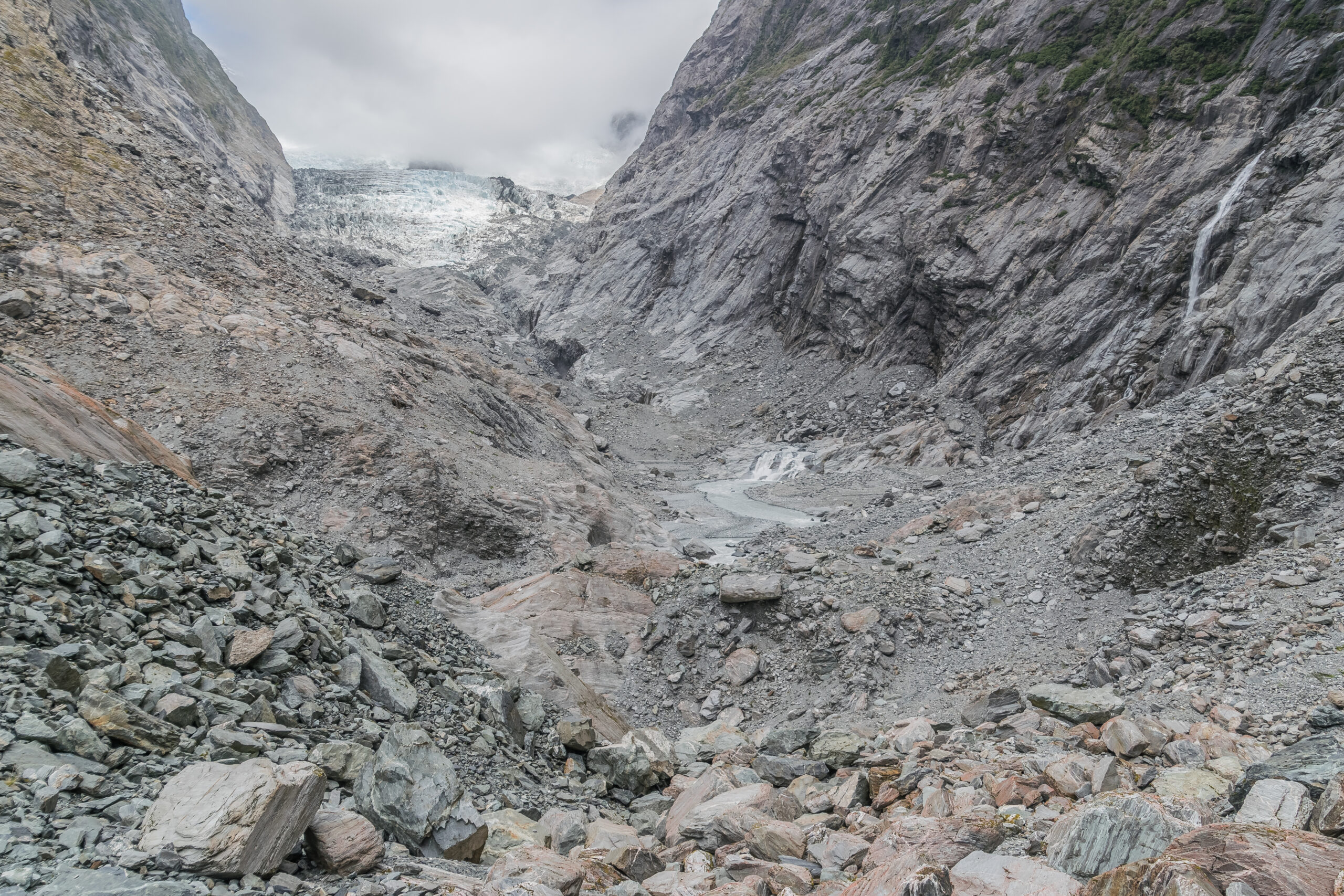
Spring is my pick for the West Coast glaciers. The helicopter flight and guided glacier hike at Franz Josef runs year-round, but October through April gives you the best odds of clear flying weather — and the heli-hike is the only way to actually walk on the ice, since the glacier’s retreat ended unguided terminal-face access years ago.
The Best Month for Your Trip, by Interest
If you’re planning around one specific experience, here’s the cheat sheet:
- Multi-day hiking: November–April. The Great Walks huts are serviced, the alpine passes are snow-free, and daylight is generous. November and March dodge the January–February hut crowds.
- Adrenaline activities: December–March for the full menu — the Shotover River jet boat ride runs year-round, but summer water levels and long evenings make it the classic season.
- Whale watching: Kaikōura’s resident sperm whales are there all year, but June–August adds migrating humpbacks and the year’s calmest seas for the boat ride out.
- Wine regions: February–April for harvest season in Marlborough and Central Otago — tasting rooms are at their liveliest.
- Stargazing and aurora: March–September. Winter’s long, dark nights are non-negotiable for the Aurora Australis; Tekapo, Stewart Island, and the deep south give you the best odds.
- Budget travel: May, early June, and September–October. You’ll trade some weather certainty for the year’s lowest accommodation and activity prices.
Practical Booking Tips for 2026
Three logistics points that catch people out. First, Great Walks bookings sell out fast — the Department of Conservation typically opens bookings around mid-year for the following season, and Milford Track huts can vanish within hours. If a multi-day hike is the point of your trip, set a calendar reminder and book the moment the window opens. Second, the Christmas–New Year fortnight is New Zealand’s domestic peak: Kiwis travel too, so Queenstown, Abel Tasman, and the Coromandel book out months ahead and prices spike — early December or late January gives you the same weather with half the competition. Third, check your entry requirements early: visitors from visa-waiver countries (including the US, UK, and EU) need an NZeTA approved before travel, not on arrival.
One more: New Zealand rewards the unhurried. Distances look short on the map and drive long in reality — winding, often single-lane roads through mountains. Build buffer days into a South Island loop, and don’t try to “do” both islands properly in under two weeks. If you’re flying in internationally, my Auckland in 3 Days itinerary is the natural starting point before you head south.
What I’d Actually Book
If I were planning one New Zealand trip and could pick any month, I’d take late November: spring wildflowers and lupins just starting, the Great Walks season open, long evenings back on the clock, and prices still sane before the December surge. Second choice: March — warm seas, harvest season, golden Central Otago, and the crowds gone.
What I’d skip: the December 27–January 10 window, unless you genuinely love paying peak prices to share viewpoints with everyone else. And I’d never plan a hiking-focused trip for June–August without being very honest with myself about what “winter tramping” actually involves — it’s a different sport.
Whenever you go, New Zealand’s weather will surprise you at least once. Pack the rain jacket in January, the sunscreen in July, and you’ll be ready for the country that does all four seasons — sometimes before lunch.