
When you go to Iceland matters more than almost anywhere else in Europe. Visit in June and you’ll have nearly 24 hours of daylight to drive the Ring Road, hike rainbow-striped highland valleys, and watch puffins wheeling over sea cliffs. Visit in December and you’ll have four hours of twilight, a sky that might erupt into green aurora, and glaciers you can walk inside.
Planning a trip? Get our free Travel Planning Checklist:
Neither version is better — they just unlock completely different trips. This guide breaks Iceland down month by month, with the real logistics: daylight hours, temperatures, which roads are open, and the exact windows for the experiences people actually fly here for — the northern lights, natural ice caves, puffins, whale watching, and the midnight sun.
Disclosure: This post contains affiliate links. If you book through one of these links, I may earn a commission at no extra cost to you.
The Short Answer: When to Go, by Goal
Start with what you want most, because no single month does everything:
- Northern lights: late September through mid-March — dark skies are non-negotiable, and aurora activity peaks in the long winter nights.
- Midnight sun and road trips: June through August — all roads open, including the highland F-roads, with 20+ hours of daylight.
- Natural ice caves: November through March — glaciers freeze hard enough for guides to run safe cave tours.
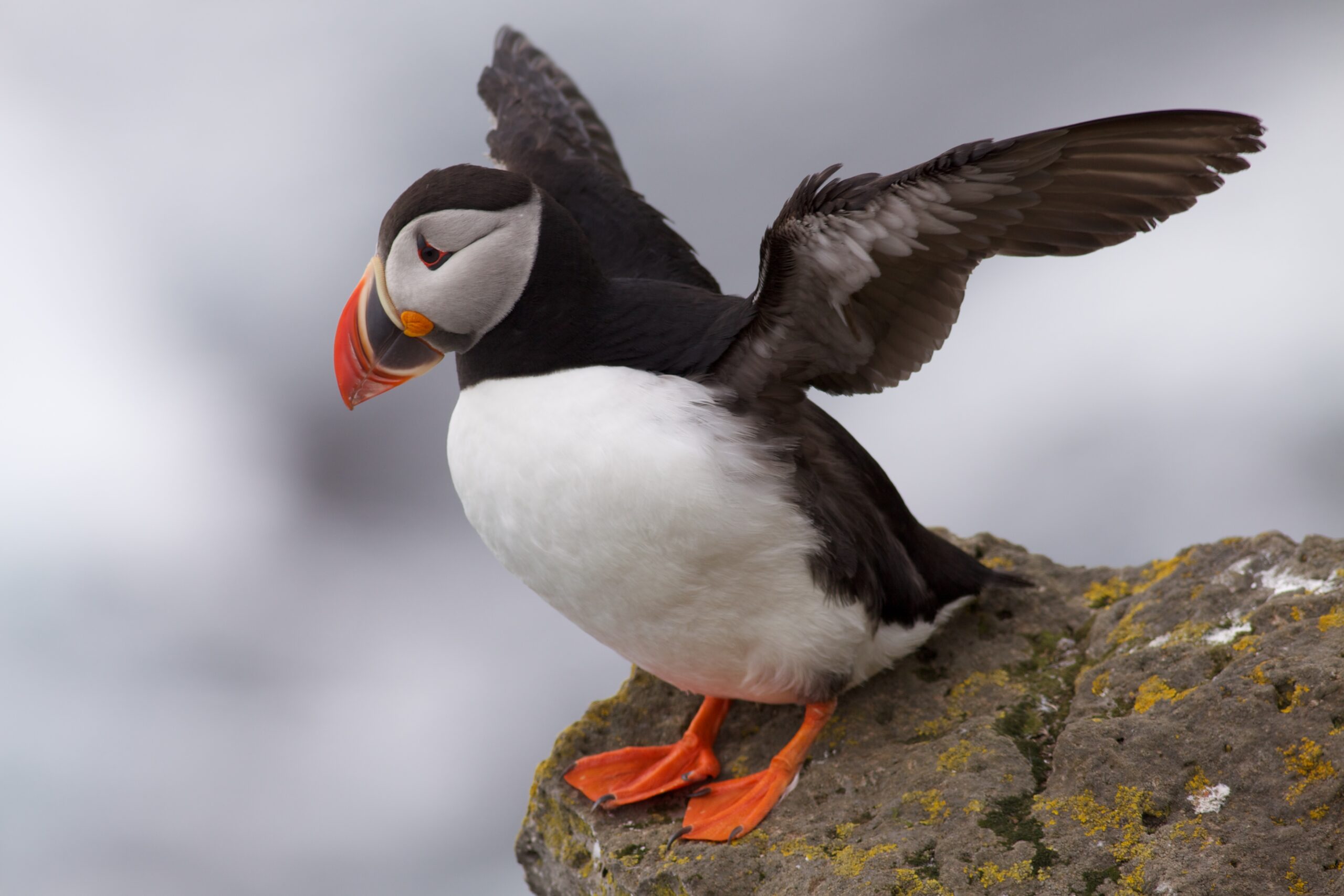
- Puffins: mid-May through mid-August — the birds nest on sea cliffs at Látrabjarg and Dyrhólaey, then leave.
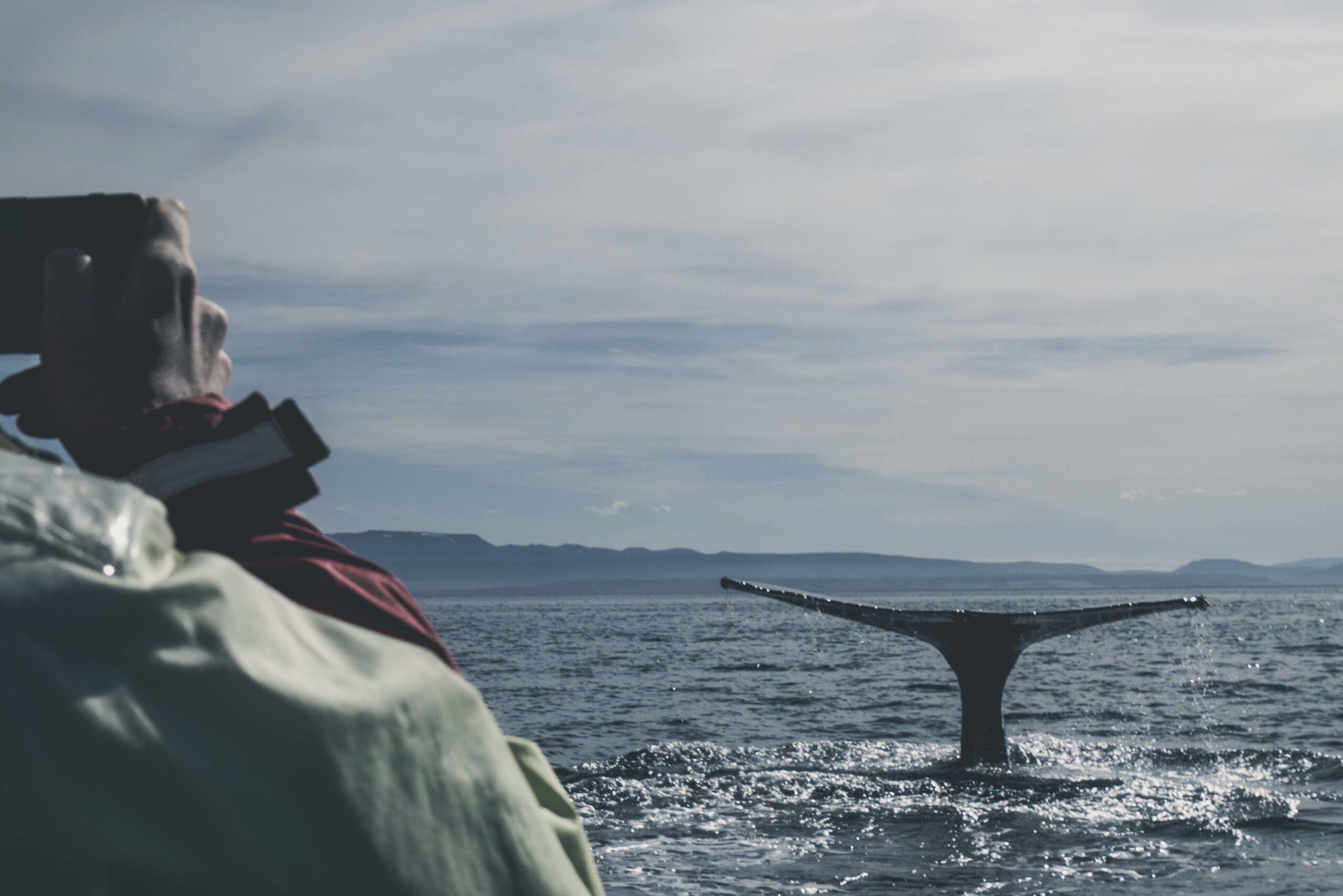
- Whale watching: April through October, with the highest odds of multiple species in summer.
- Fewer crowds and lower prices: late April to May, and September to October — the shoulder seasons that savvy travelers keep to themselves.
Winter in Iceland (November–March): Northern Lights and Ice Caves
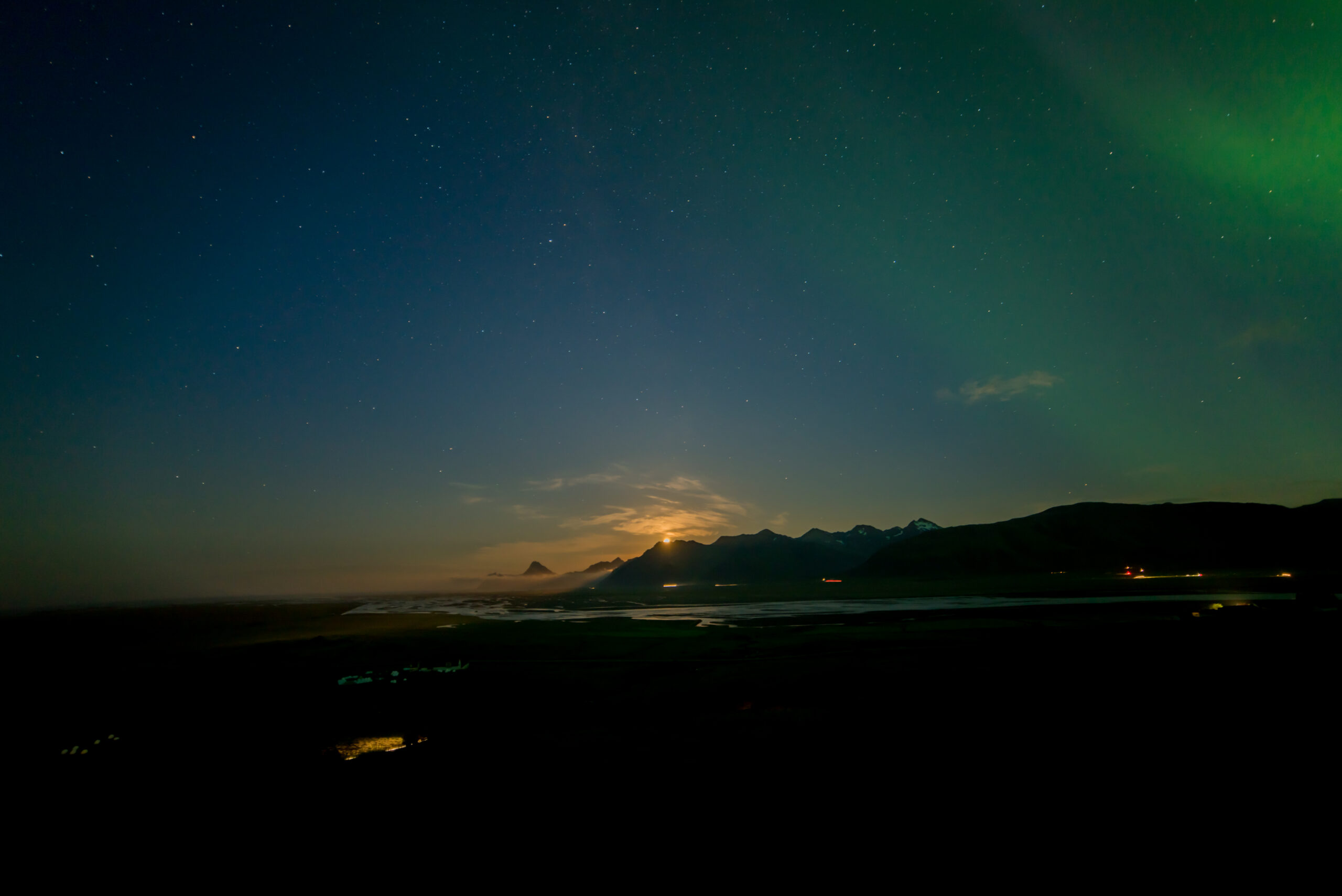
Winter is when Iceland shows its moody, cinematic side. Daylight shrinks to about 4–5 hours in December and January, climbing to 10–12 by March. Average temperatures hover around -2 to 3°C (28–37°F) — cold, but not the deep freeze many expect, thanks to the Gulf Stream. This is the season of the northern lights hunting tour from Reykjavík: professional guides check the cloud cover and aurora forecasts each afternoon and drive away from the city’s light pollution to give you the best possible chance.
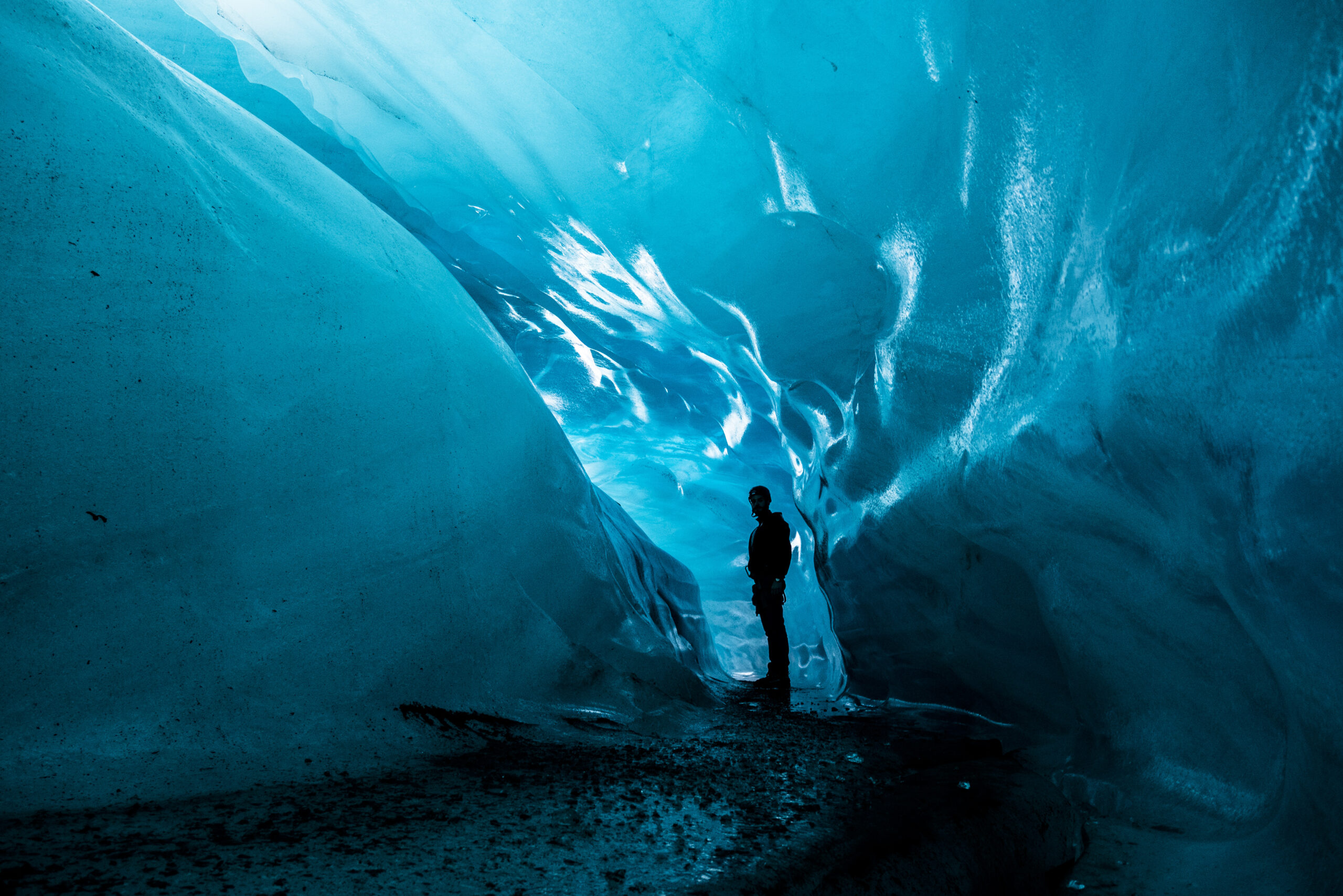
Winter also unlocks the one experience you can’t have any other time: natural ice caves. Each autumn, guides scout Vatnajökull glacier for new formations, and from November through March small-group tours head inside. The famous Vatnajökull ice-cave tour from Jökulsárlón runs through these translucent blue chambers with helmets and crampons included — but book early, because winter departures sell out.
Plan winter driving conservatively. The Ring Road stays open all year, but snow, ice, and sudden storms are normal from November onward — check the road conditions at road.is daily, keep daylight driving windows short, and don’t attempt the interior. On the plus side, flights and hotels are at their cheapest, and soaking in a hot lagoon while steam rises into the dark is one of the great winter pleasures. If your winter itinerary involves driving, grabbing a rental car with winter tires in advance is worth doing early — the good cars go first.
Spring in Iceland (April–May): Waterfalls at Full Power and Value Season
April is Iceland’s awkward teenager of a month — snow one day, sunshine the next — but by May the country genuinely starts to wake up. Days stretch to 13–17 hours, temperatures climb to 4–9°C (39–48°F), and the snowmelt swells the waterfalls to their most powerful. Gullfoss, Seljalandsfoss, and Skógafoss are at their thundering best, and the first lupine buds start greening the lowlands.
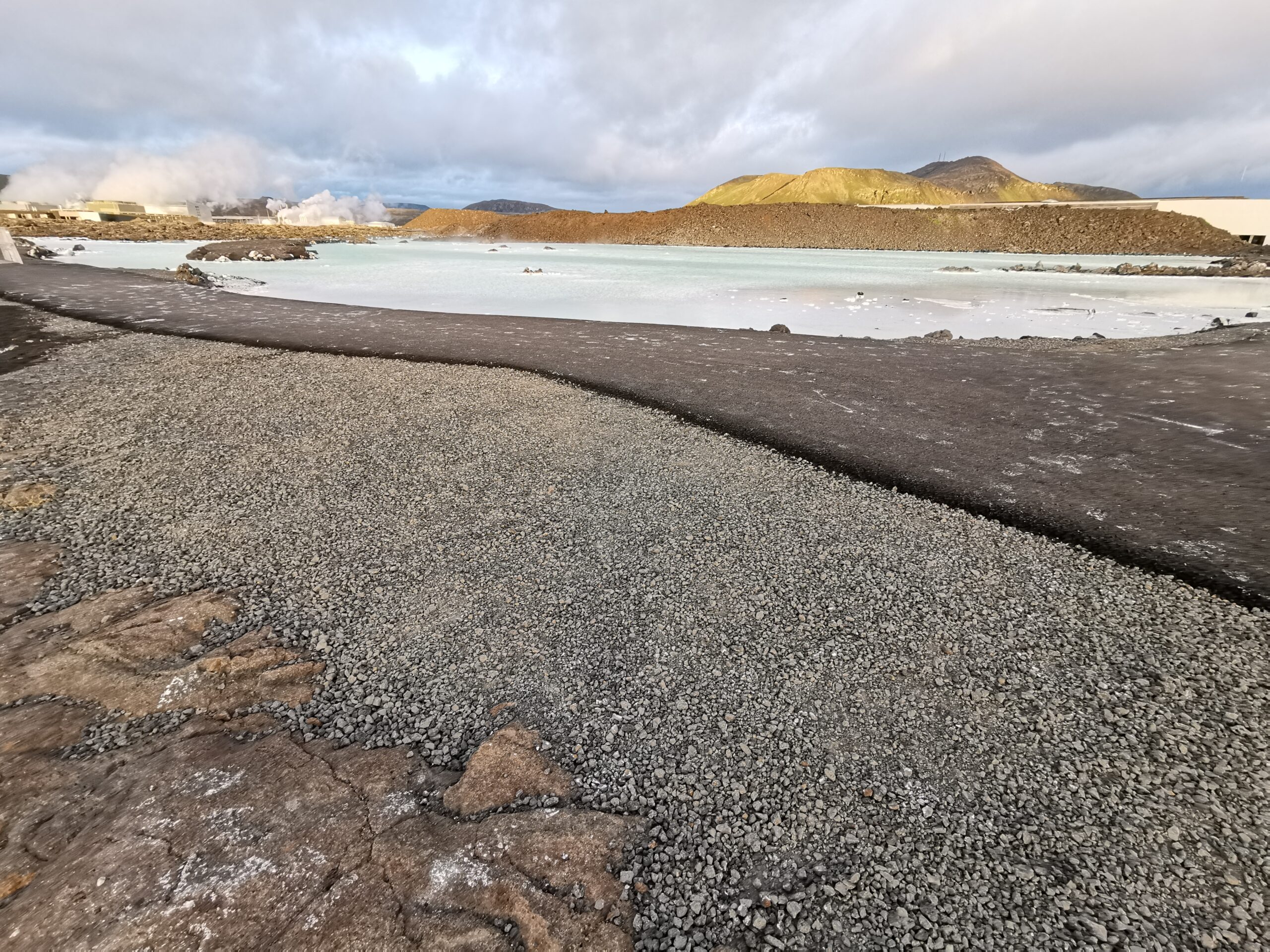
This is the sweet spot for value. Summer prices haven’t kicked in, crowds are thin, and the highland roads are still closed — so keep your route to the Ring Road and the south coast. Puffins start arriving at nesting cliffs in May, the whale watching season begins in Húsavík and Reykjavík in April, and you still have a last shot at the aurora in early April before the nights get too bright.
Summer in Iceland (June–August): Midnight Sun and Full Access
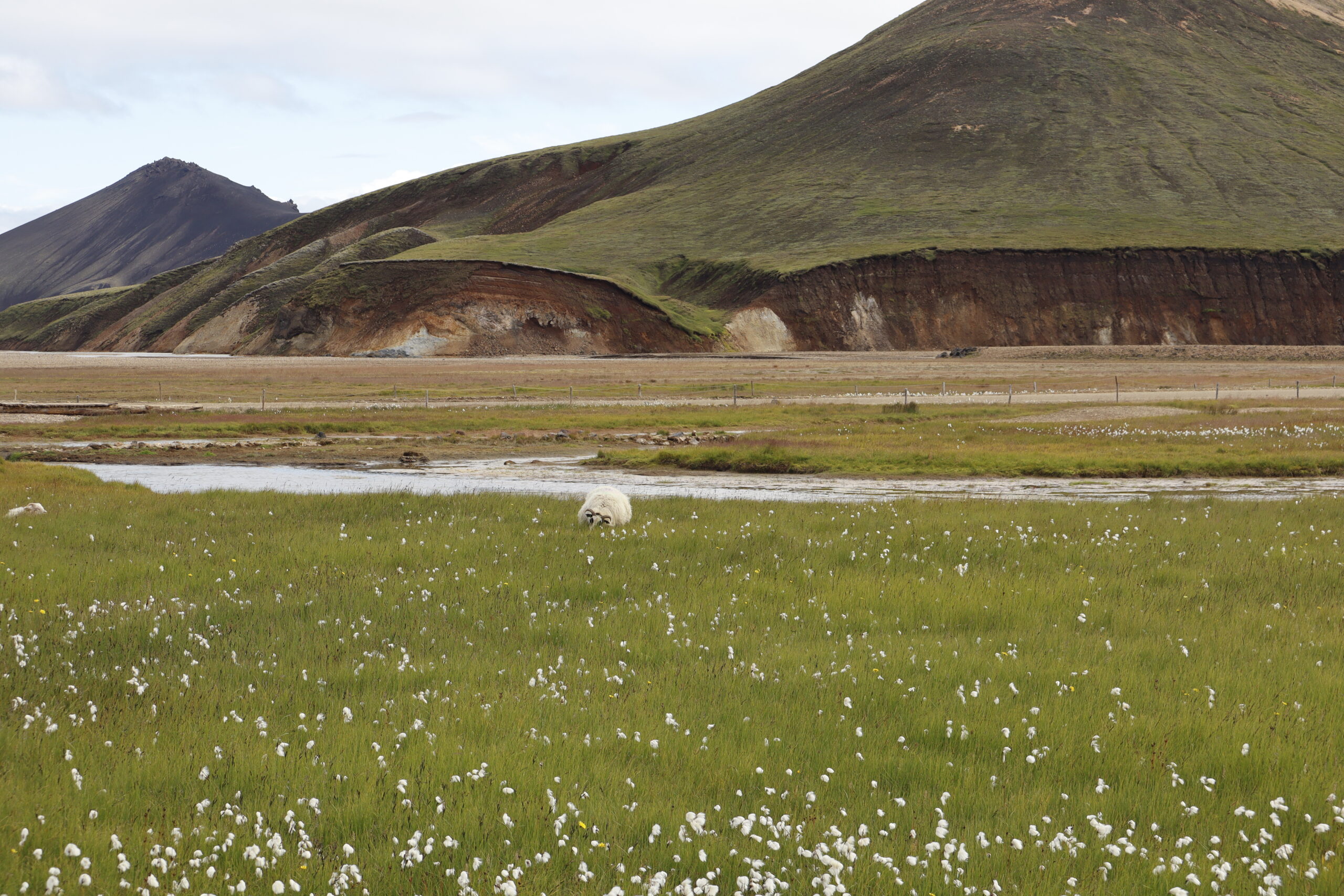
Summer is when Iceland goes all-in. The sun barely sets around the solstice (June 21 brings nearly 24 hours of light), temperatures average 7–13°C (45–55°F) with July the warmest month, and every road on the island is open — including the highland F-roads that lead to Landmannalaugar’s rhyolite mountains, usually from mid-to-late June depending on snow. Multi-day hikes like the Laugavegur trail, highland river crossings, and the Westfjords’ bird cliffs are all summer-only territory.
Wildlife is at its peak too. Puffin colonies are active and photogenic from mid-May through mid-August, and summer is when a traditional whale watching tour with Gentle Giants in Húsavík gives you the best odds of seeing humpbacks feeding in Skjálfandi Bay. The trade-off: this is peak season. July is the busiest month of the year, hotel prices hit their ceiling, and the most popular tours and campsites need booking months ahead — see our 7-day Ring Road itinerary for how to structure the classic loop, and our where-to-stay guide for the route for base towns along the way.
Autumn in Iceland (September–October): Aurora Returns, Crowds Fade
Ask experienced Iceland travelers for the sleeper pick and many will say September. Roads are mostly still open, the highlands put on their russet autumn colors, crowds have thinned, prices drop — and late in the month, darkness returns enough for the first northern lights of the season. It’s the one window where you can hike a glacier in daylight and chase aurora at night.
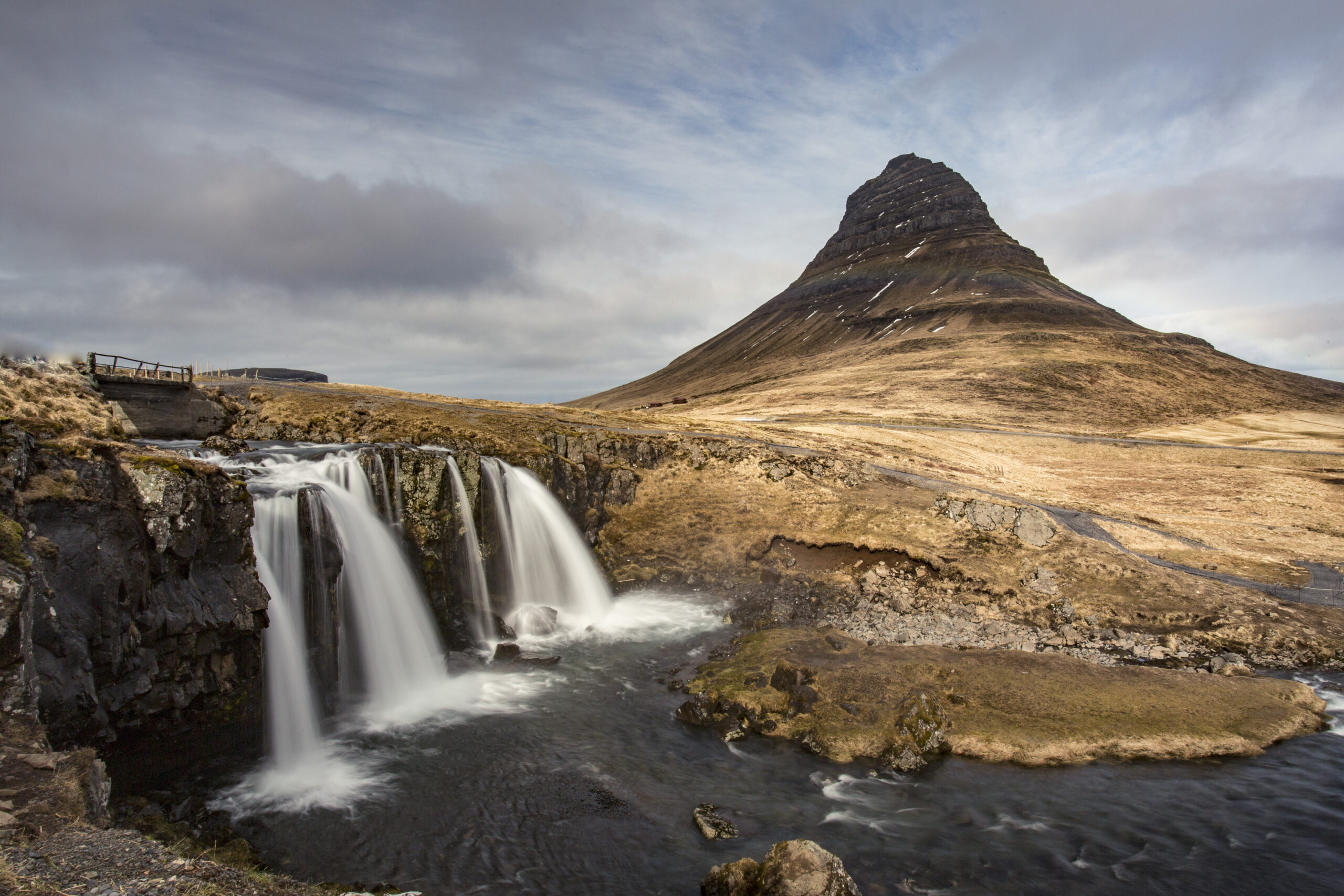
October keeps the aurora odds climbing — dark evenings are fully back — but it’s more of a gamble. Daylight drops to 8–11 hours, temperatures fall to 2–6°C (36–43°F), the F-roads start closing, and winter tires become advisable later in the month. Treat October as the start of winter-trip planning: shorter drives, flexible schedules, and a close eye on the weather forecast.
What to Book When: A Practical Timing Cheat Sheet
A few booking realities that catch first-timers out: ice-cave tours and July accommodations sell out months ahead, so winter ice-cave slots and peak-summer hotels deserve the earliest bookings. Book your aurora tour for the first night of your trip — if the weather cancels it, you get rebooked or refunded and still have other nights to try. And don’t over-schedule winter days: with 4–5 hours of daylight, two stops is a full day. Pair this guide with our Reykjavík in 3 days itinerary if you’re building a longer trip, and pick your season honestly — the best time to visit Iceland is the month that matches the trip you actually want.