
Riga looks easy to wander on your own — and for an hour, it is. Then the questions start. Why does that guildhall wear an astronomical clock? Why do the apartment blocks north of the Old Town scream, literally, with stone faces? And how do you reach a red-brick castle in a forest valley without spending your day decoding bus timetables? That is where the best tours in Riga earn their money: they turn a beautiful but layered city into a story you can actually follow.
Never forget a thing before you fly. My free 8-page Travel Planning Checklist walks you through the whole trip — 6 planning timelines, 36 checks, from booking windows to travel-day basics. One email, no spam, unsubscribe anytime.
Disclosure: This post contains affiliate links. If you book through one of these links, I may earn a commission at no extra cost to you.
I have picked three tours that cover Riga in the order I would do them myself: the Old Town first, the Art Nouveau streets second, and the castles of the Gauja Valley as your day trip. Together they pair perfectly with our Riga in 3 Days itinerary, which slots each one into a first-timer’s plan, and with our guide to where to stay in Riga if you are still choosing a base.
1. Riga Old Town Walking Tour — the essential first morning
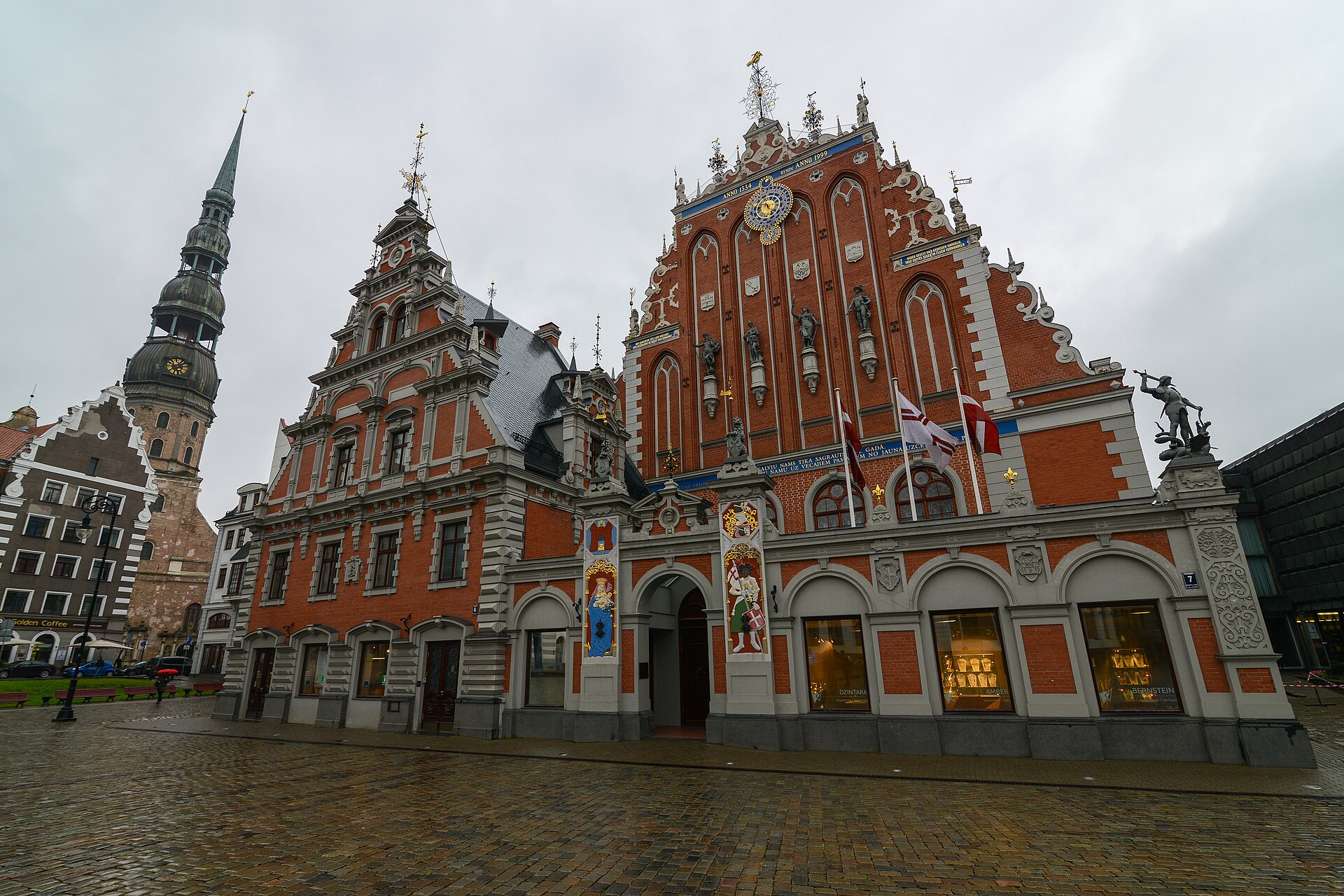
Start where Riga started. Vecrīga, the Old Town on the right bank of the Daugava River, was founded in 1201 and is now a UNESCO World Heritage Site — a compact maze of cobbled lanes, guild halls and church spires you can cross on foot in about twenty minutes. Crossing it is easy. Understanding it is the tour’s job.
A small-group Old Town walking tour with a local guide runs for about two hours and covers the sights that matter most: the House of the Black Heads on Town Hall Square, first built in the 14th century for a brotherhood of unmarried merchants, destroyed in the Second World War and rebuilt in the 1990s; Riga Cathedral, founded in 1211 and the largest medieval church in the Baltic states, famous for its enormous 19th-century organ; Līvu Square; and the Three Brothers on Maza Pils iela, a row of merchants’ houses spanning the 15th to 17th centuries.
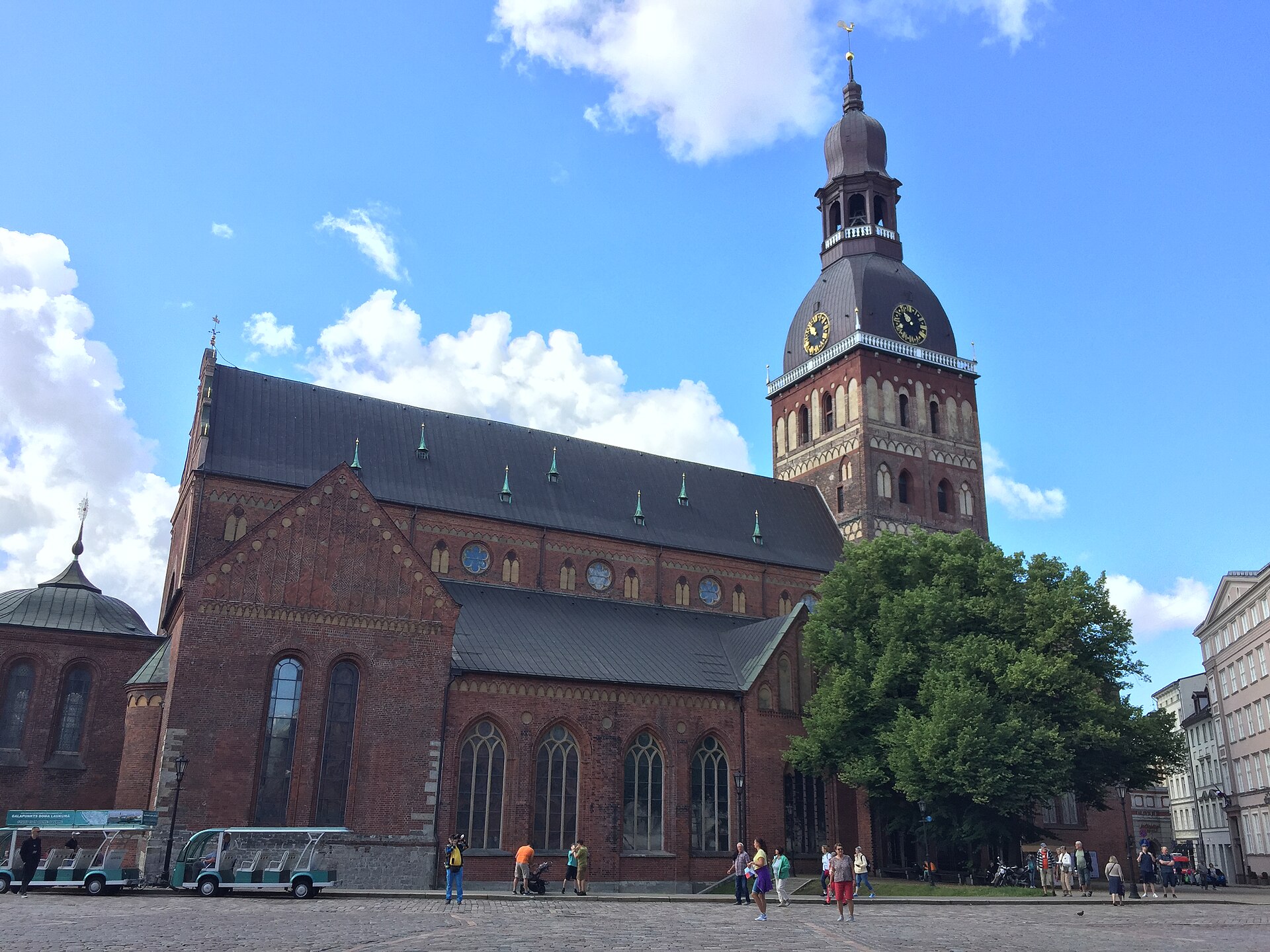
What you are really paying for is the layering in between: Hanseatic merchants, Swedish kings, Russian tsars and Soviet occupation all left marks within the same few streets, and none of it is obvious from the cobbles alone. A good local guide also points you at what to eat for the rest of the trip — grey peas with bacon, rye bread in every form, smoked fish, and a cautious first taste of Riga Black Balsam, the herbal liqueur made here since the 18th century.
Who it suits: first-timers, history lovers, and anyone with only a day or two in the city. Practical tip: book it for your first morning. The Old Town orients everything else, St Peter’s Church tower — its spire rises 123 metres, with a lift to the viewing platform — makes far more sense once you know what you are looking at, and the granite cobbles are kinder in comfortable shoes.
2. Art Nouveau Walking Tour — Riga’s second city, decoded
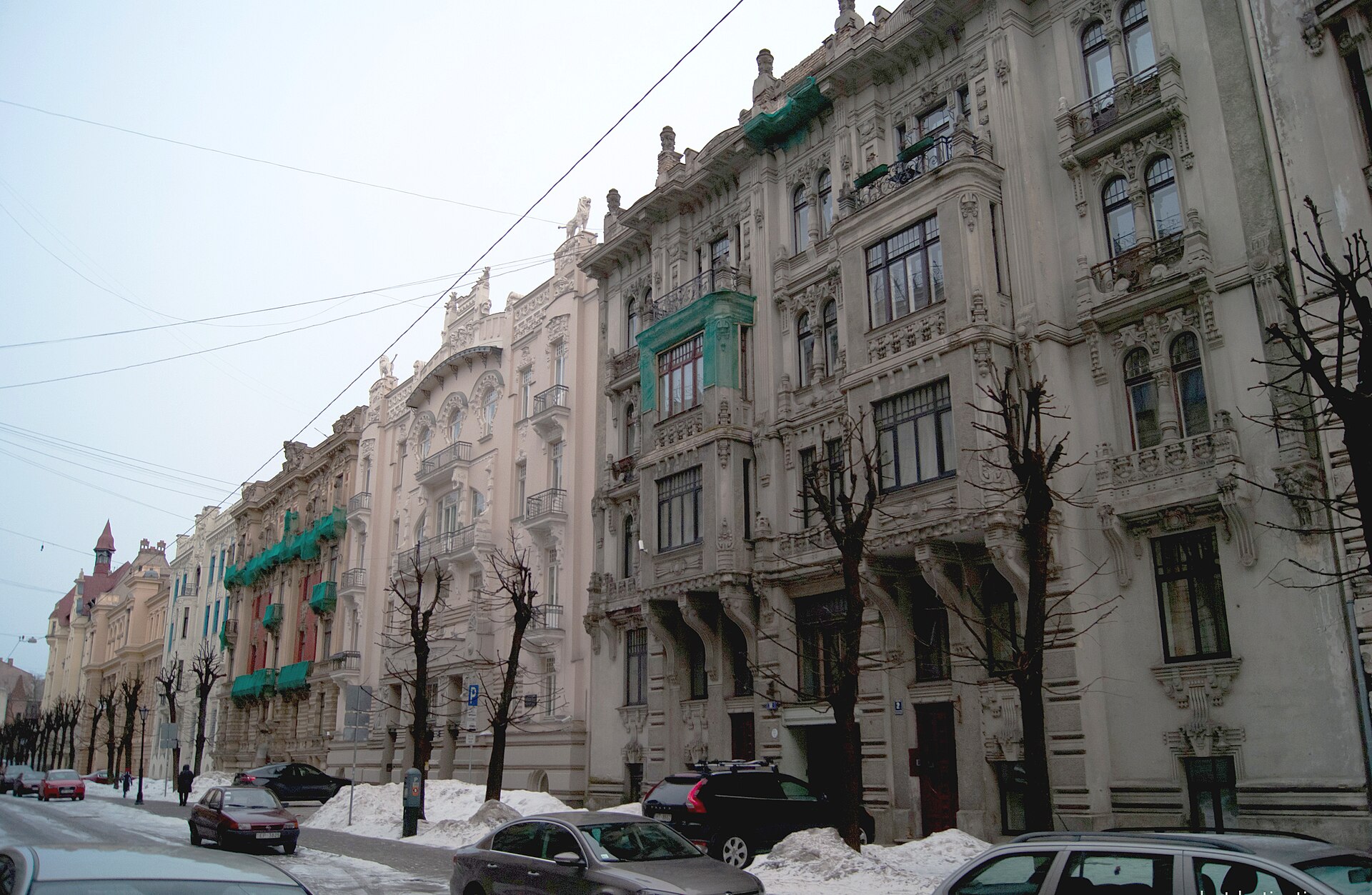
A fifteen-minute walk north of the Old Town, Riga changes completely. Around 1900 a booming port economy filled the streets beyond the boulevard ring with Art Nouveau apartment blocks — roughly a third of the buildings in the centre date from this burst, the finest concentration in Europe. UNESCO inscribed the Historic Centre of Riga in 1997 for exactly this pairing of medieval core and Art Nouveau suburbs.
The showpiece street is Alberta iela. Almost every building is a set piece, most designed by Mikhail Eisenstein, whose facades swarm with screaming masks, sphinxes, peacocks and oversized female figures. Number 12 houses the Riga Art Nouveau Museum, set in the restored 1903 apartment of architect Konstantīns Pēkšēns — the spiral staircase alone justifies the visit. From there the walk continues down Elizabetes iela and Strēlnieku iela, where the style calms into the cleaner, more geometric National Romantic variant.
You can walk that loop self-guided in about ninety minutes, and many people do. But this is the one Riga sight where a guide changes the experience most. A dedicated Art Nouveau walking tour lasts about two hours and decodes the symbolism you would otherwise walk straight past — what the masks, lions and peacocks meant, who commissioned these buildings, and why a Russian imperial port became the unlikely capital of Jugendstil.
Who it suits: architecture and photography lovers, and second-day visitors ready to go beyond the Old Town postcards. Practical tip: go in the morning, when the light hits the Alberta iela facades and the embassy-quiet streets are at their calmest. Several Riga museums close on Mondays, but the facades never do — this tour works any day of the week.
3. Sigulda and Turaida Day Trip — castles in the Gauja Valley
By day three, leave the city. About 53 kilometres northeast of Riga, the Gauja River valley is Latvia’s oldest national park: sandstone cliffs, dense forest, and a cluster of medieval castles spread along the river. It is the classic Riga day trip — and the one where a tour saves you the most friction, because the sights are strung out and rural transport is thin.
The circuit covers the ruins of Sigulda Castle, Gutmanis Cave — the largest cave in the Baltics, its walls carved with centuries of visitors’ inscriptions and tied to the legend of the Rose of Turaida — and the red-brick Turaida Castle across the river, whose tower view over the wooded valley is the best in the region. A guided Sigulda and Turaida day tour from Riga strings all three together in six to seven hours, with transport and entry tickets handled, so your only job is the walking and the stories.
Independent travellers can do it too: trains run from Riga Central Station to Sigulda in about an hour, then it is walking and local buses between sites. That works well in summer with long daylight; in winter, or with children, the guided version’s door-to-door logistics are worth it.
Who it suits: anyone staying three days or more, castle lovers, and travellers who want countryside without hiring a car. Practical tip: wear proper walking shoes — the valley paths between the castles are woodland trails, not city pavements — and bring a layer for the Turaida tower even in summer.
How to choose — and how to book
If you can only book one tour, make it the Old Town walk: it is the foundation everything else builds on. If architecture is your thing, the Art Nouveau tour is Riga’s most distinctive experience — no other European capital does this style at this scale. And if your trip runs to three days, the Sigulda and Turaida day trip is the day you will talk about afterwards.
Book a day or two ahead in summer and around the December Christmas market on Dome Square, when the Old Town fills up; in the quieter months, a day’s notice is usually enough. Free cancellation on these tours makes it low-risk to lock in your first morning early and adjust later. Prices change with season and group size, so check the live pages for your dates.
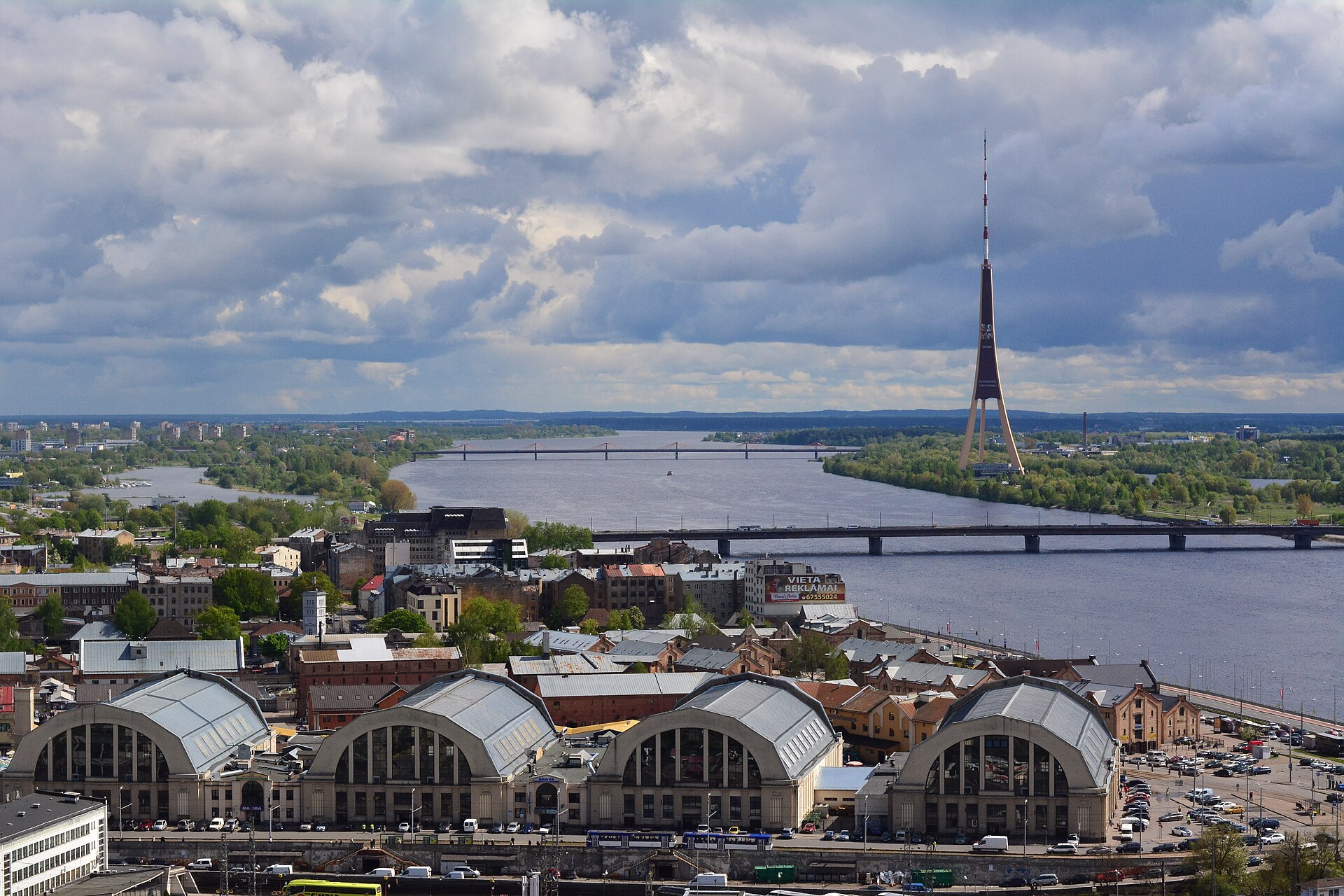
However you mix them, give Riga this much structure: one guided morning in the Old Town, one slow look up at the Art Nouveau facades, and one day in the forest castles of the Gauja. The rest of the city — the Central Market’s Zeppelin-hangar pavilions, the canal parks, the Daugava sunsets — fills in beautifully around them.