
Riga is the Baltic capital that gives you two cities for the price of one. Inside the Daugava’s right bank sits Vecrīga, a UNESCO-listed medieval old town of cobbled lanes, guild halls and church spires you can cross on foot in twenty minutes. Wrapped around it is a 19th-century boulevard ring and, just beyond, the Quiet Centre — home to the finest concentration of Art Nouveau buildings in Europe, with more than a third of central Riga’s buildings built in the style. Where you stay decides which Riga you wake up in: the medieval one, the grand boulevard one, or the calm, café-lined one locals actually live in. This guide matches each area to the traveller it suits, with honest hotel picks and the trade-offs included.
Never forget a thing before you fly. My free 8-page Travel Planning Checklist walks you through the whole trip — 6 planning timelines, 36 checks, from booking windows to travel-day basics. One email, no spam, unsubscribe anytime.
Disclosure: This post contains affiliate links. If you book through one of these links, I may earn a commission at no extra cost to you.
The short answer: which Riga area fits you?
First visit, short trip: the Old Town (Vecrīga) — every main sight on foot and the Christmas market on Dome Square in season. Best all-round value and spas: Centrs and the Boulevard Circle, five minutes from the Old Town with bigger, calmer hotels. Architecture fans and light sleepers: the Quiet Centre around Alberta iela. Local life and river views: Āgenskalns and the left bank across the Daugava. Riga adds a small municipal fee of around €1 per person per night to hotel bills (under-18s are exempt), so the rate you see is close to — but not quite — the rate you pay. Travelling the Baltics in one trip? My guide to where to stay in Tallinn applies the same area-by-area logic to Riga’s northern neighbour, and the two capitals pair beautifully in a single week.
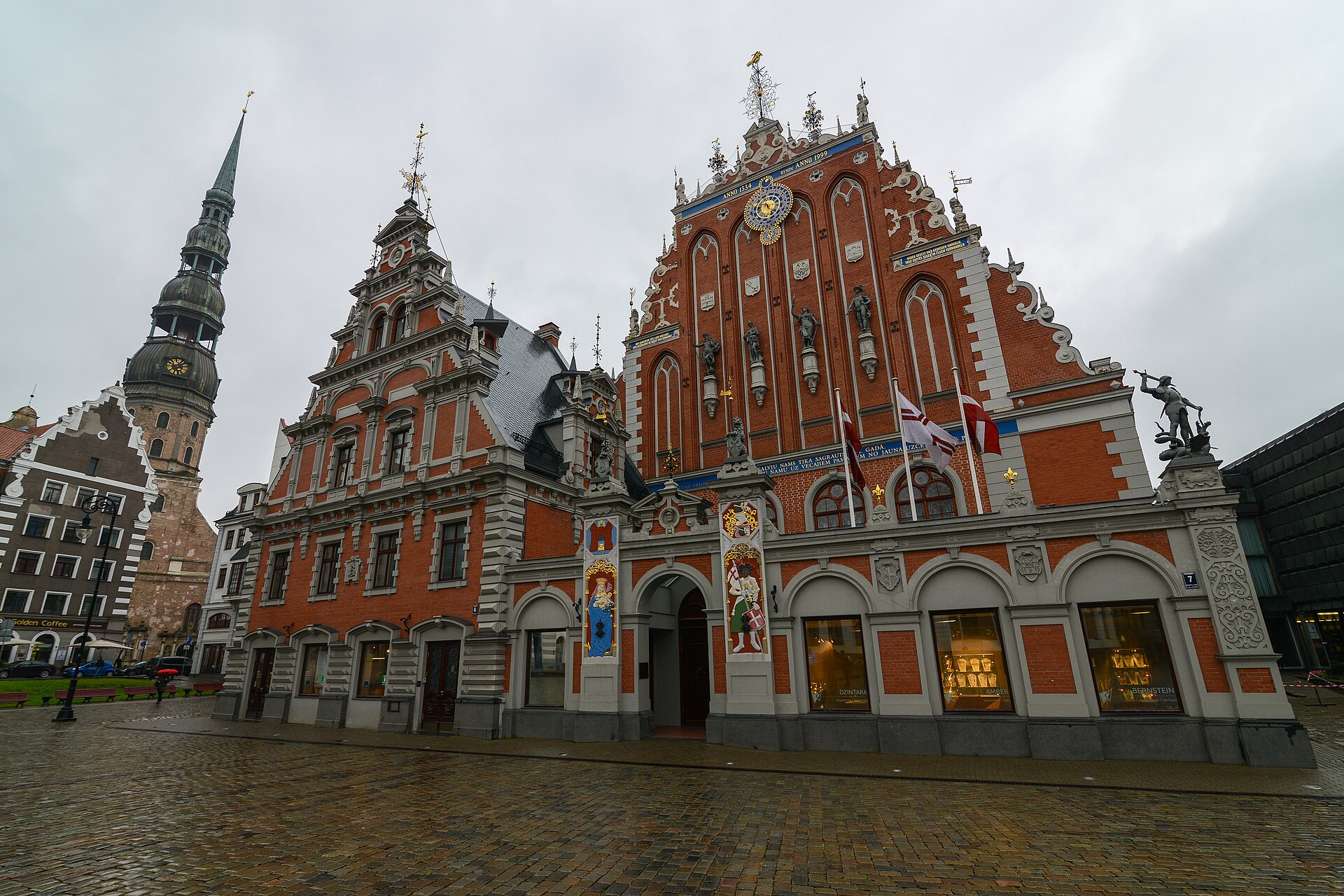
Old Town (Vecrīga): best for first-timers
Vecrīga is Riga’s medieval core, founded in 1201 and now a UNESCO World Heritage Site. Within a few cobbled streets you get the House of the Blackheads on Town Hall Square, the vast brick Riga Cathedral — the largest medieval church in the Baltics — St Peter’s Church with its lift-up-the-spire viewing platform, the Three Brothers houses and the Swedish Gate. Staying here means sightseeing starts at your front door, and in December the Christmas market on Dome Square is your evening stroll. The honest trade-offs: granite cobbles are rough on wheeled luggage and heels, and a few streets around Līvu Square stay loud late on weekends. Ask for a courtyard-facing room and you will sleep fine.
The Old Town pick I would book first is Neiburgs Hotel, a family-owned design hotel in a 1903 Art Nouveau building on Jauniela, one of the Old Town’s prettiest lanes. Its apartment-style suites come with kitchenettes and floor-to-ceiling windows — rare breathing room in the medieval core — and the street sits just far enough from the bar circuit to stay quiet. For a classic grand-hotel splurge, the Grand Palace Hotel occupies an 1877 former bank on Pils iela near Riga Castle; it is a member of The Leading Hotels of the World and the Old Town’s most traditional five-star address. The Pullman Riga Old Town is the modern alternative: a five-star built into an 18th-century former stable on Jēkaba iela, with a pool and spa — a genuine asset in a Baltic winter — a few minutes’ walk from Dome Square and the Freedom Monument. The tiny Dome Hotel, in a 400-year-old townhouse beside the cathedral, is also worth checking for a boutique splurge. On the Old Town’s river edge, the Wellton Riverside SPA Hotel gives you Old Town access at a gentler price, with a spa and views across to the National Library.
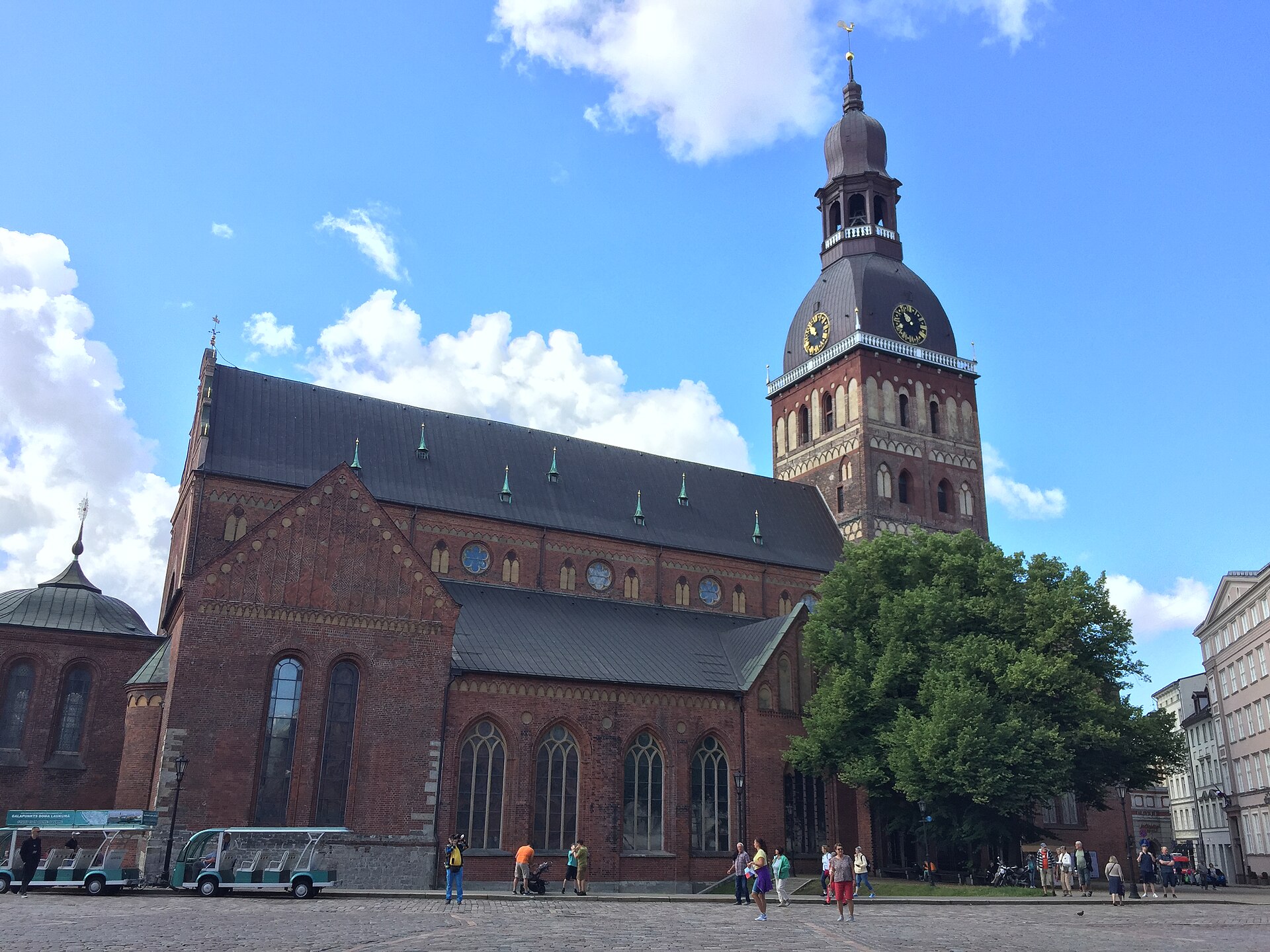
Old Town streets reward a guide on day one — the lanes were designed to confuse invaders, and the stories are the point. This guided Old Town walking tour (4.7/5 from more than 1,450 reviews, around two hours, free cancellation) covers Town Hall Square, the cathedral, St Peter’s, the guild halls and the Swedish Gate, and points you at what to eat for the rest of the trip.
Centrs and the Boulevard Circle: best for comfort, spas and value
Immediately north and east of the Old Town, a ring of grand boulevards — the Boulevard Circle — separates Vecrīga from the wider centre. This is Riga at its most spacious: parks along the City Canal, the Freedom Monument, the Latvian National Opera, the main train and bus stations, and the city’s biggest and best-equipped hotels. You trade medieval atmosphere for space, spas and lower prices — equivalent rooms typically run noticeably cheaper here than inside the walls — while the Old Town stays a five-minute walk away.
The standout is the Grand Poet Hotel and Spa by Semarah, a 168-room five-star on Raiņa bulvāris facing Bastejkalns Park, with an indoor pool, spa and one of the city’s most stylish restaurants; park-view rooms look straight over the canal green belt to the Freedom Monument. Across from the National Opera, the Grand Hotel Kempinski Riga is the international-luxury option, with a spa and rooftop views over the Old Town rooftops. For a reliable upper-midrange base near the stations and the Art Nouveau streets alike, the Radisson Blu Latvija Conference & Spa Hotel adds a skyline bar whose panorama — Old Town spires in front, Daugava behind — is worth the stay on its own.
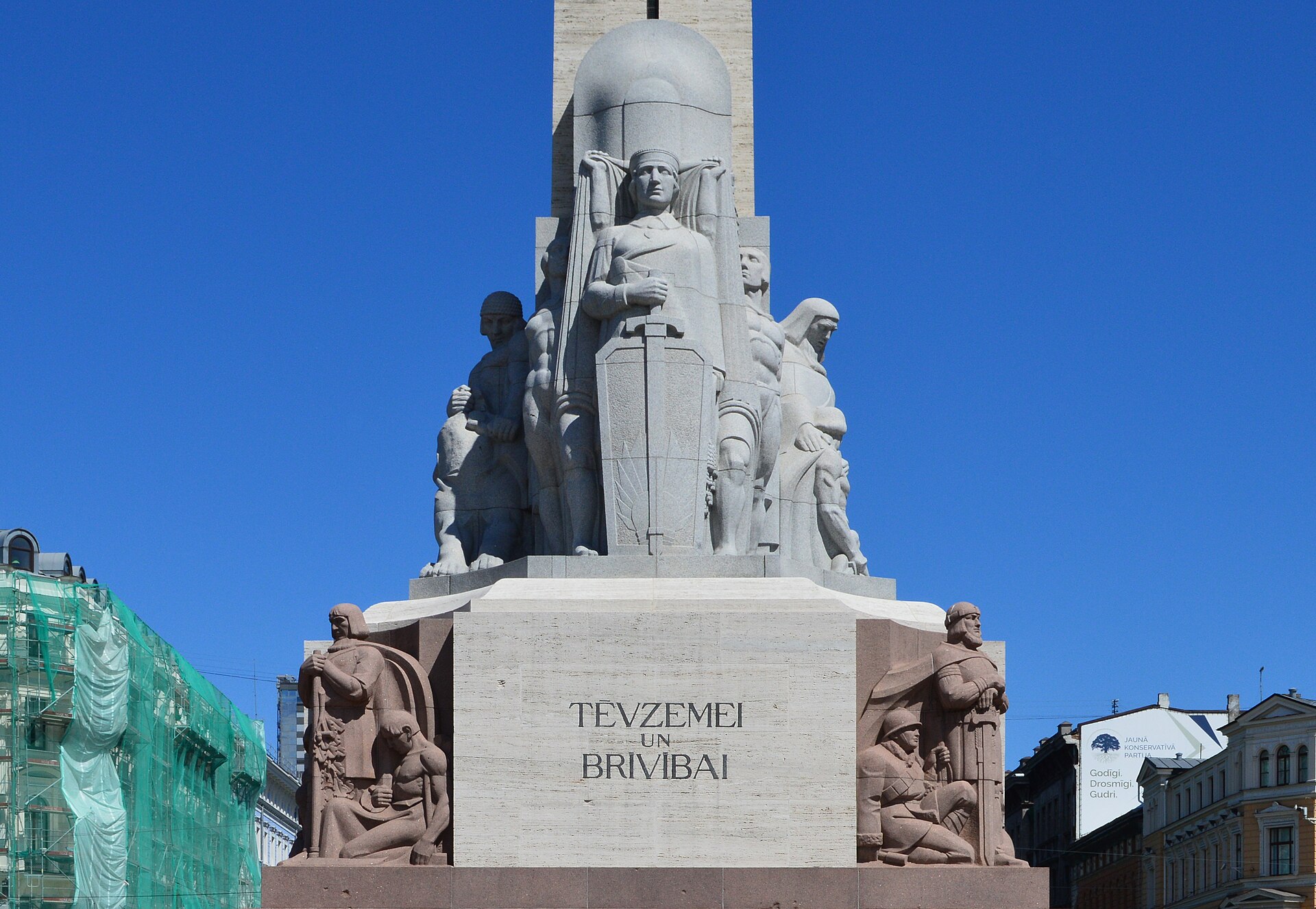
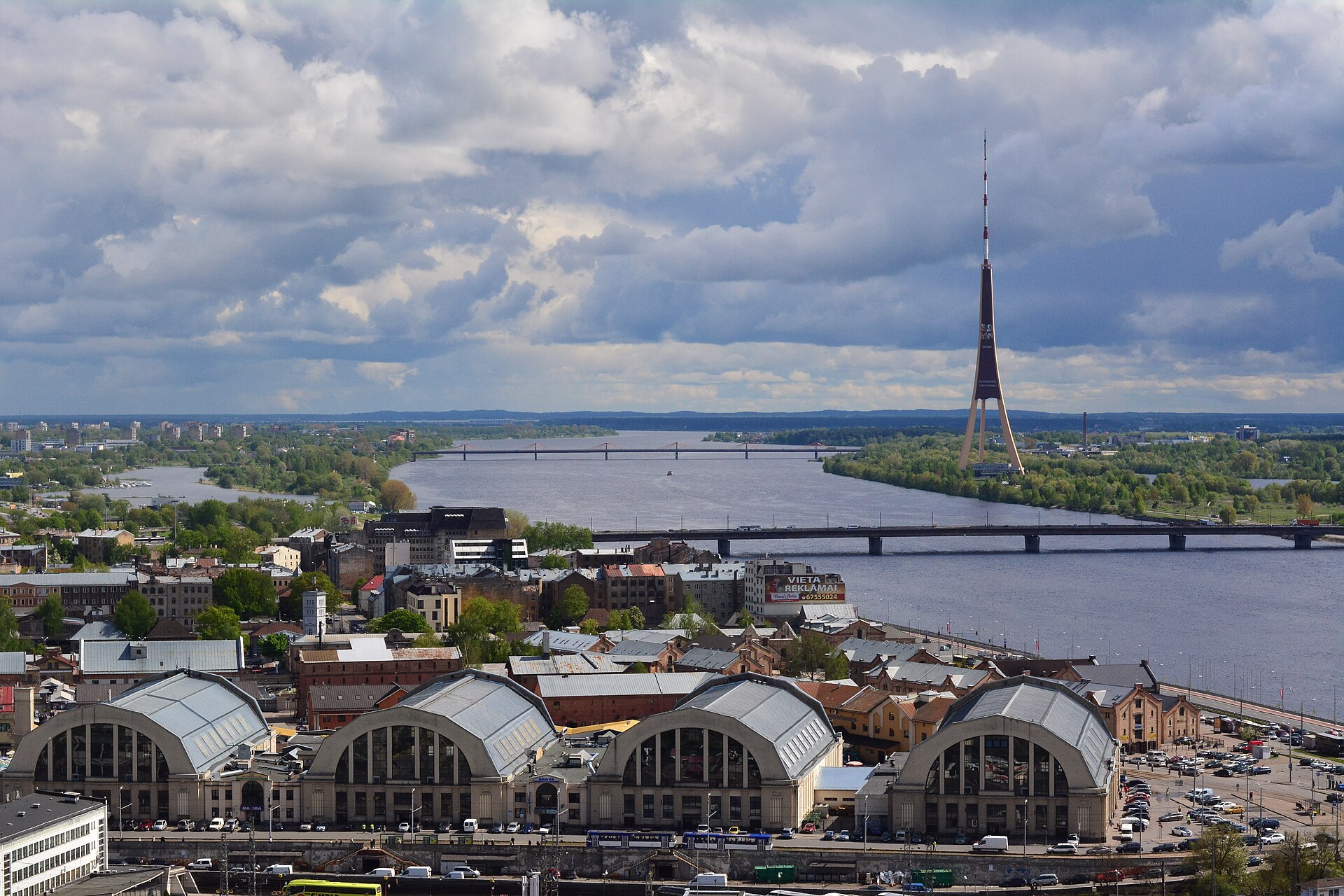
Centrs is also home to Riga’s great food sight: the Central Market, housed in five enormous former Zeppelin hangars beside the bus station and still one of the largest markets in Europe. Graze it solo, or book this Central Market Latvian food tour (4.7/5 from over 500 reviews), which works through some 20 tastings — smoked fish, rye bread, cheeses, pickles and local drinks — with the context that turns a market hall into a history lesson.
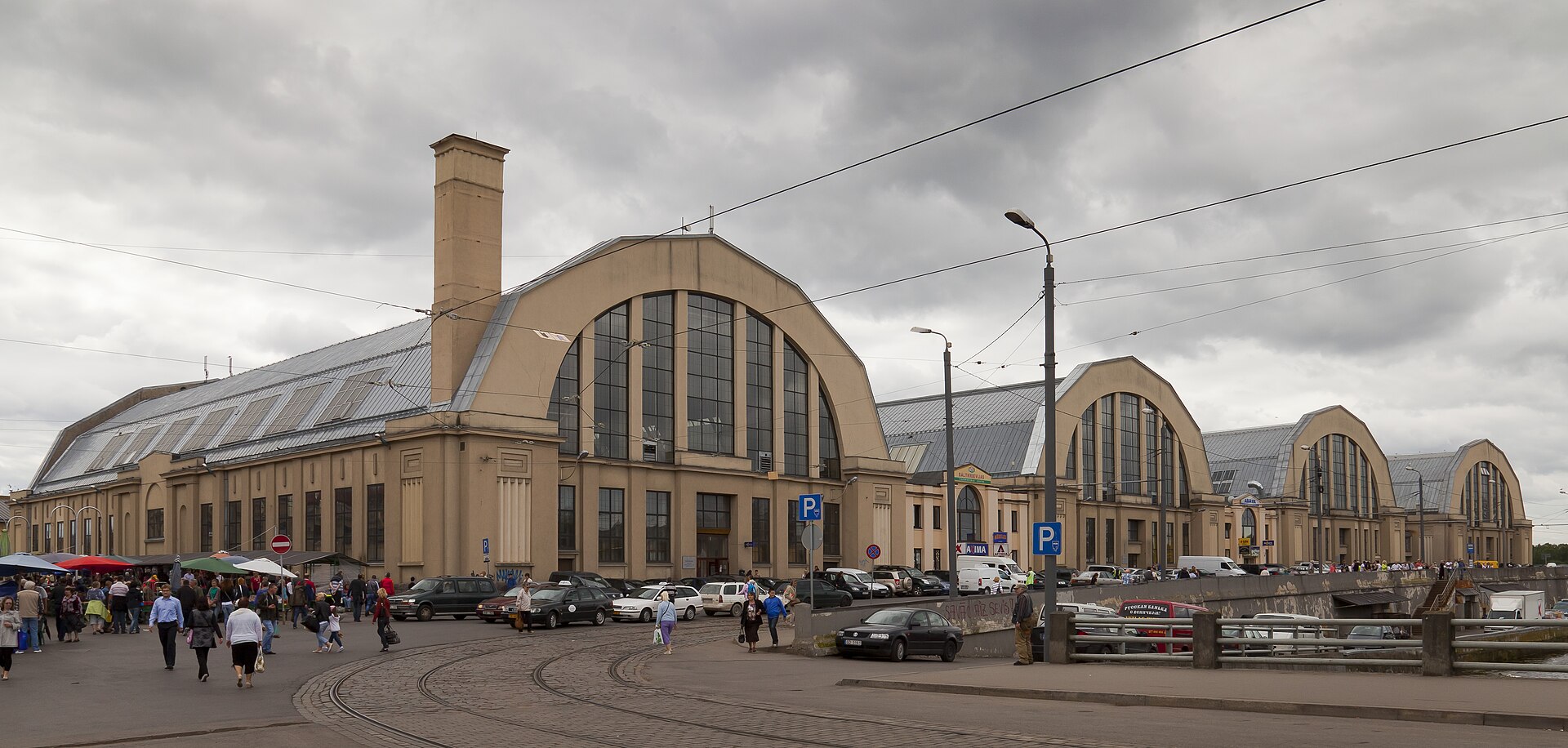
The Quiet Centre: best for Art Nouveau and calm
Ten to fifteen minutes’ walk north of the Old Town, the Quiet Centre (Klusais centrs) is the Riga I would choose for a second trip — and the one photographers should choose for a first. Around Alberta iela and Elizabetes iela, whole streets were built in a fever of Art Nouveau design in the early 1900s, many by Mikhail Eisenstein: facades stacked with sphinxes, masks, peacocks and screaming faces. It is an embassy district — tree-lined, residential, full of chef-run bistros — and evenings here are genuinely quiet. The Riga Art Nouveau Museum, inside architect Konstantīns Pēkšēns’ own apartment on Alberta iela, is the essential primer before you wander.
Hotels are fewer and smaller here, which is part of the appeal. The A22 Hotel is the neighbourhood’s design pick — a boutique five-star in a restored Art Nouveau building, all clean lines and calm, an easy stroll from both Alberta iela and the Old Town edge. Staying here also puts Riga’s best-value serious restaurants on your doorstep; this is where Rigans book for occasions, not where tour groups are fed.
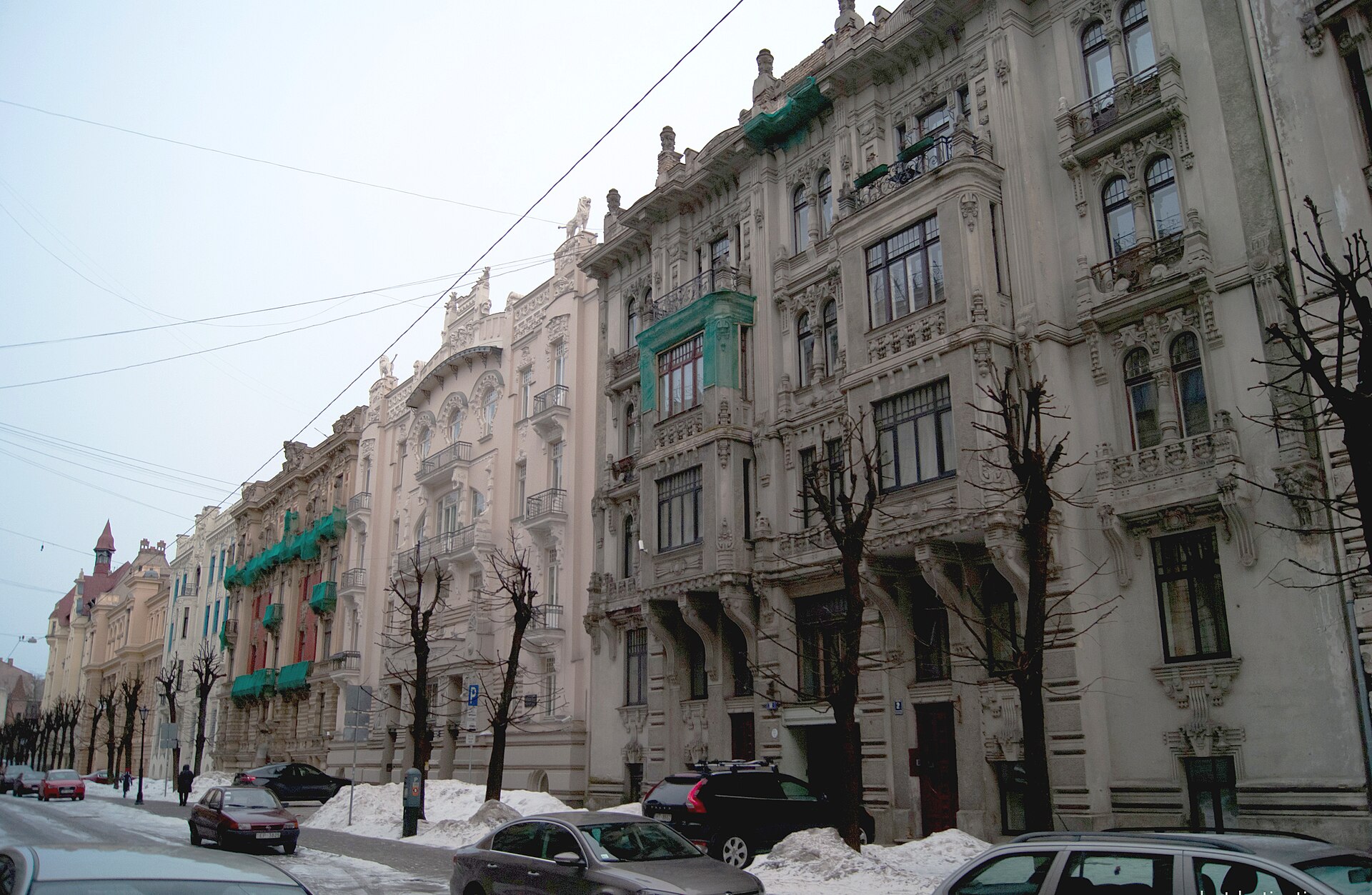
To read the facades properly, take this Old Town & Art Nouveau tour with a local guide (4.7/5 from over 340 reviews, two hours, small groups). It strings the medieval core and the Art Nouveau highlights into one walk, pointing out the decorative details — and the stories of the people who commissioned them — that most visitors stroll straight past.
Āgenskalns and the left bank: best for local life and river views
Cross the Daugava by the Akmens or Vanšu bridge and Riga changes key. Āgenskalns is a district of painted wooden houses, a beloved market hall and the Kalnciema Quarter, whose Saturday farmers’ and craft market fills a courtyard of restored wooden buildings with Latvian food and design. It is the least touristy base in the city, prices drop accordingly, and trams cross the bridge to the Old Town in about fifteen minutes. What you give up is doorstep sightseeing; what you gain is the feeling of living in Riga rather than visiting it, plus the city’s best sunset view — the Old Town skyline across the water.
The left bank’s full-service option is the Radisson Blu Hotel & Spa, Daugava Riga, on Ķīpsala facing the Old Town across the river: almost every room frames that postcard skyline, there is a pool and spa, and a shuttle and the tram keep the centre close. It suits travellers arriving by car (parking is far easier on this bank), families who want space, and anyone who would rather look at the Old Town than sleep in its weekend noise.
Practical tips for booking Riga
Mind the cobbles. Vecrīga’s granite setts are beautiful and brutal on suitcase wheels; take a taxi or a Bolt ride from the station or airport to your hotel door. Riga International Airport is only about 10 km from the centre — bus 22 runs to the Old Town edge in roughly half an hour, and a Bolt takes 15–20 minutes. Book ahead for December and midsummer. The Dome Square Christmas market fills the Old Town in December, and the weeks around Jāņi (23–24 June), Latvia’s midsummer holiday, are the year’s other peak. Winter is dark, summer barely sleeps. In late December Riga gets about six hours of daylight — a hotel pool or sauna is a strategy, not a luxury; in late June, check for blackout curtains. Everything central is walkable. Even the left bank is a tram ride away, so do not overpay purely for a Town Hall Square address unless the atmosphere is the point. Combining Riga with its Baltic neighbours? My Tallinn in 3 Days itinerary shows the natural next stop north, and if a Christmas-market trip is forming, my guide to where to stay in Strasbourg applies the same area-by-area logic to France’s Capital of Christmas.
The bottom line
For a first, short trip, stay in the Old Town and let medieval Riga do the work — Neiburgs for space and quiet, the Grand Palace for classic luxury, the Pullman for a pool. For spas, space and value, take the Boulevard Circle and the Grand Poet. For architecture and calm, choose the Quiet Centre. And for local life with the skyline as your wallpaper, cross the river to Āgenskalns. Wherever you sleep, give Riga one slow morning looking up: this is a city whose best museum is its own streets, and it is free.