
Tallinn is the rare capital where three days feels exactly right. One day belongs to the walled Old Town, a UNESCO World Heritage Site since 1997 and one of the best-preserved medieval town centres in northern Europe. One day belongs to the wooden streets and former factories just beyond the walls. And one day belongs to the palace park by the sea — or, if you time it right, to a national park of bogs, manors and fishing villages an hour east. This itinerary keeps each day walkable, leaves your evenings free, and works in any season. Visit in late November or December and you get a bonus: one of Europe’s prettiest Christmas markets, in the very square where your first day begins.
Never forget a thing before you fly. My free 8-page Travel Planning Checklist walks you through the whole trip — 6 planning timelines, 36 checks, from booking windows to travel-day basics. One email, no spam, unsubscribe anytime.
Disclosure: This post contains affiliate links. If you book through one of these links, I may earn a commission at no extra cost to you.
Day 1: The Old Town — Lower Town First, Then Toompea
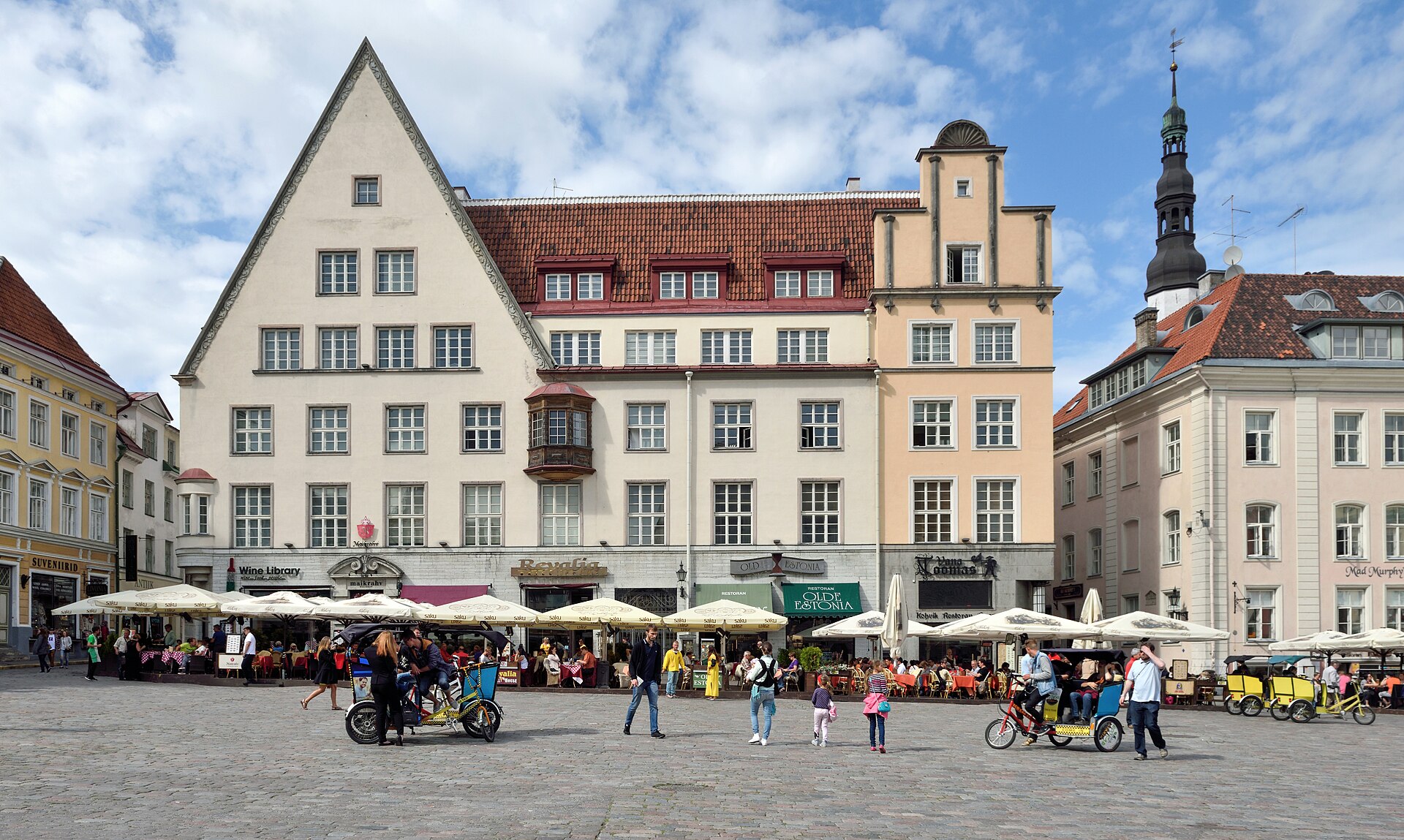
Start at Viru Gate, the twin-towered entrance on the eastern side of the walls, and walk up Viru Street to Town Hall Square (Raekoja plats). The Gothic Town Hall, completed in 1404, is the oldest surviving town hall in northern Europe, and the square around it has been the city’s marketplace for centuries. Look in at the Town Hall Pharmacy on the corner — it has traded since at least 1422 and is often called one of the oldest continuously operating pharmacies in Europe. From the square, follow Pikk Street north past the grand guild houses and the Three Sisters merchant houses to St Olaf’s Church, whose spire made it one of the tallest buildings in the world in the 16th and 17th centuries.
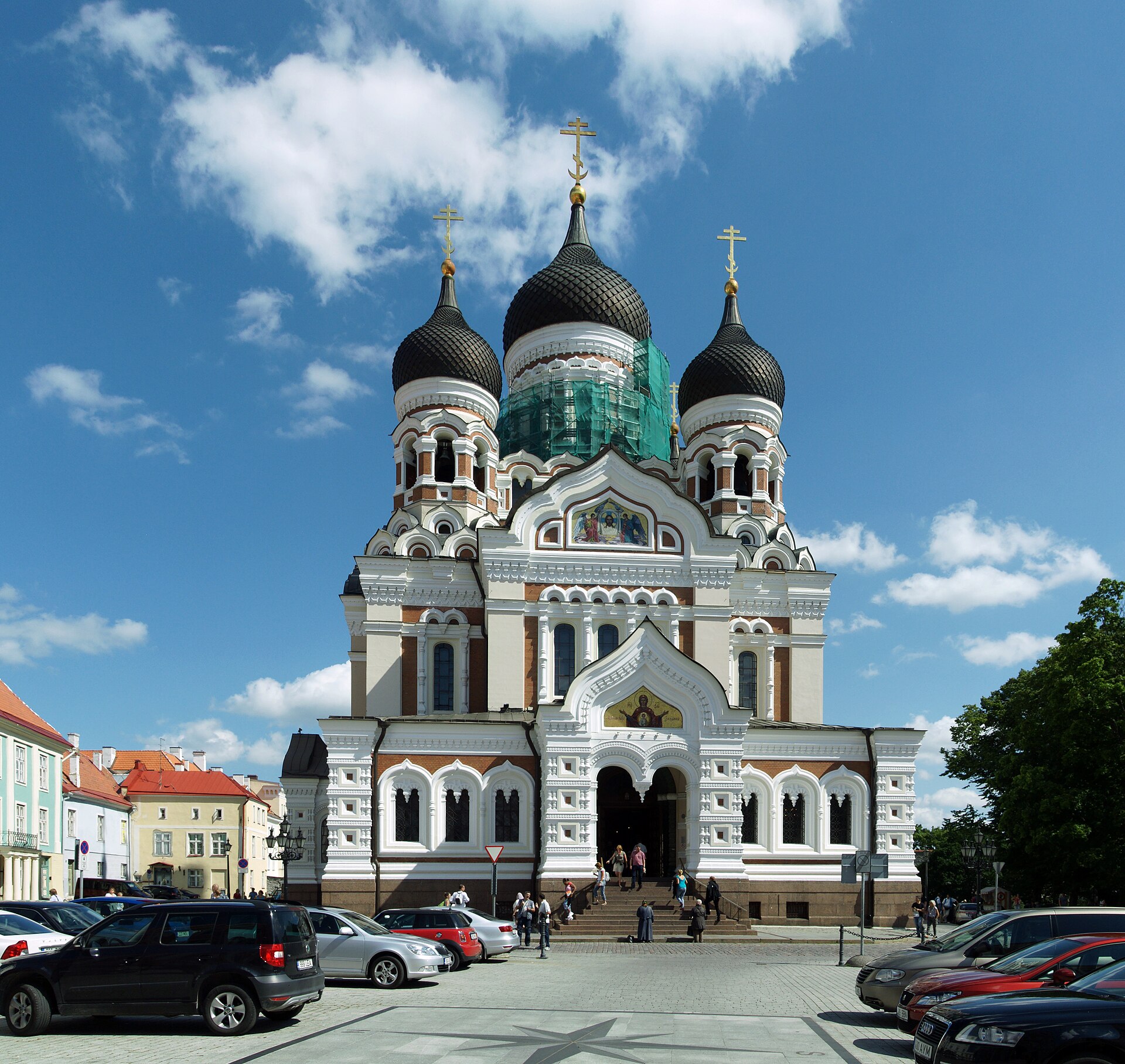
Then climb to Toompea, the limestone hill that was always the seat of power while the lower town ran trade. You can go up the Short Leg (Lühike jalg) or the Long Leg (Pikk jalg) — legend says they are the two legs of the city itself. On top, the onion-domed Alexander Nevsky Cathedral, finished in 1900, faces Toompea Castle, home to Estonia’s parliament, the Riigikogu. Finish the circuit at the Kohtuotsa and Patkuli viewing platforms, which look over the red rooftops of the lower town to the harbour and the Baltic beyond. Go early — by 9am you will mostly have the cobblestones to yourself, and the morning light on the limestone is the best of the day.
If you would rather have the stories told to you, a guided walk is the smartest two hours you can spend on day one. This guided Old Town historical walking tour covers both towns in about two hours in a small group, with free cancellation — an easy way to get your bearings before exploring solo.
Day 1 Evening: The Christmas Market, If You Are Here in Winter
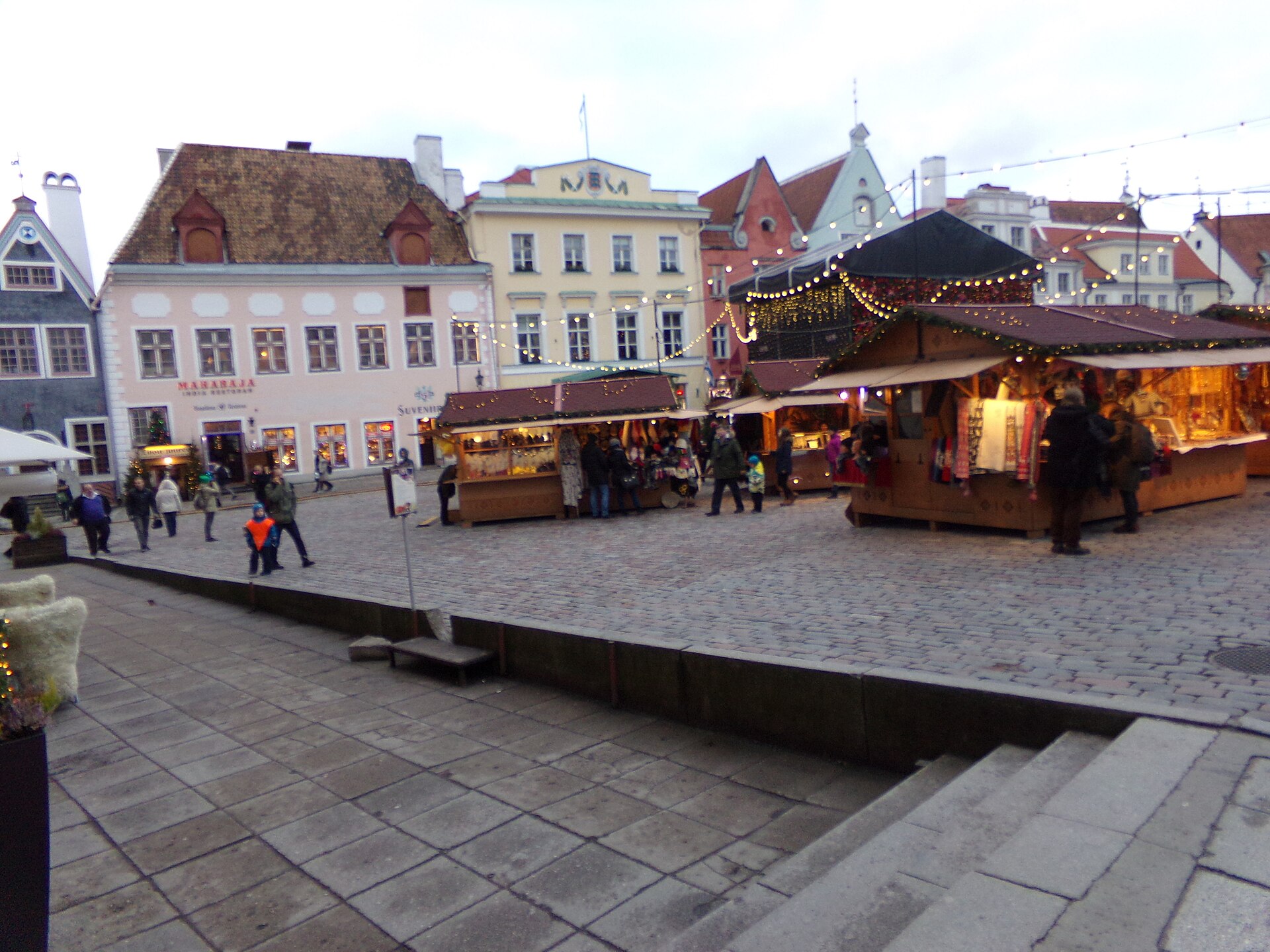
From 20 November 2026 to 6 January 2027, Town Hall Square hosts the Tallinn Christmas Market, open daily from 10am to 8pm, with hot drinks served until 10pm — and until 11pm on Fridays and Saturdays. Tallinn tradition holds that the Brotherhood of Blackheads set up a tree on this square in 1441, which would make it the first public Christmas tree in Europe; whether or not the claim survives scrutiny, the setting needs no embellishment. A ring of wooden stalls sells Estonian knitwear, juniper-wood crafts and gingerbread, and the food is properly local: black pudding, sauerkraut and hot spiced drinks. Because the market runs past New Year, it pairs naturally with a winter city break — and if markets are your thing, compare it with the Alsace version in my Strasbourg in 3 Days itinerary, where France’s oldest market takes over an entire island.
Day 2: Kalamaja, Telliskivi and the Seaplane Harbour
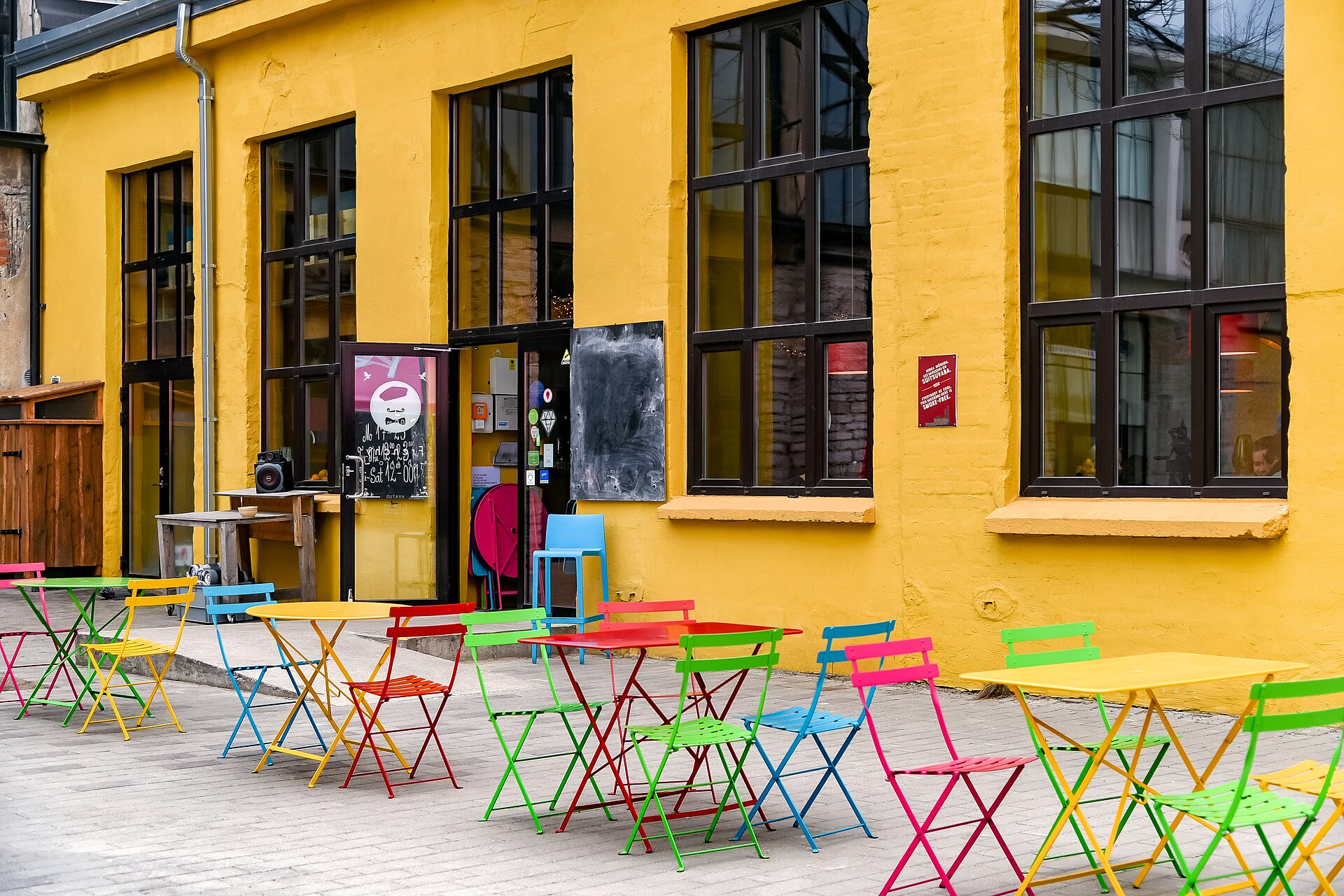
Day two moves northwest, behind Balti Jaam, the main railway station. Kalamaja was a fishermen’s and workers’ district, and its streets of painted wooden houses from the late 19th and early 20th centuries are now some of the most sought-after addresses in the city. Wander them slowly, then dive into Telliskivi Creative City, a complex of converted Soviet-era factory buildings holding independent cafés, design shops, vintage stores and street art — with a popular flea market on weekend mornings. Across the tracks, the Balti Jaam Market (Balti Jaama Turg) is the place to graze: Estonian cheese, smoked fish, rye bread and pickles, all under one industrial roof.
Continue north to the waterfront. At Noblessner, a former submarine shipyard has become a handsome seaside district of restaurants and galleries. Just along the coast sits the Seaplane Harbour (Lennusadam), the Estonian Maritime Museum’s vast 1916–17 seaplane hangars, where you can walk through the 1930s submarine Lembit and climb aboard the icebreaker Suur Tõll. It is one of the most impressive museum buildings in the Baltics, and an easy half-day even in bad weather. Food lovers can swap the museum afternoon for this Estonian food, drinks and history tour, which tastes its way through Hanseatic, peasant and Soviet-era dishes in about two hours.
Day 3: Kadriorg Palace, Kumu and the Pirita Shore
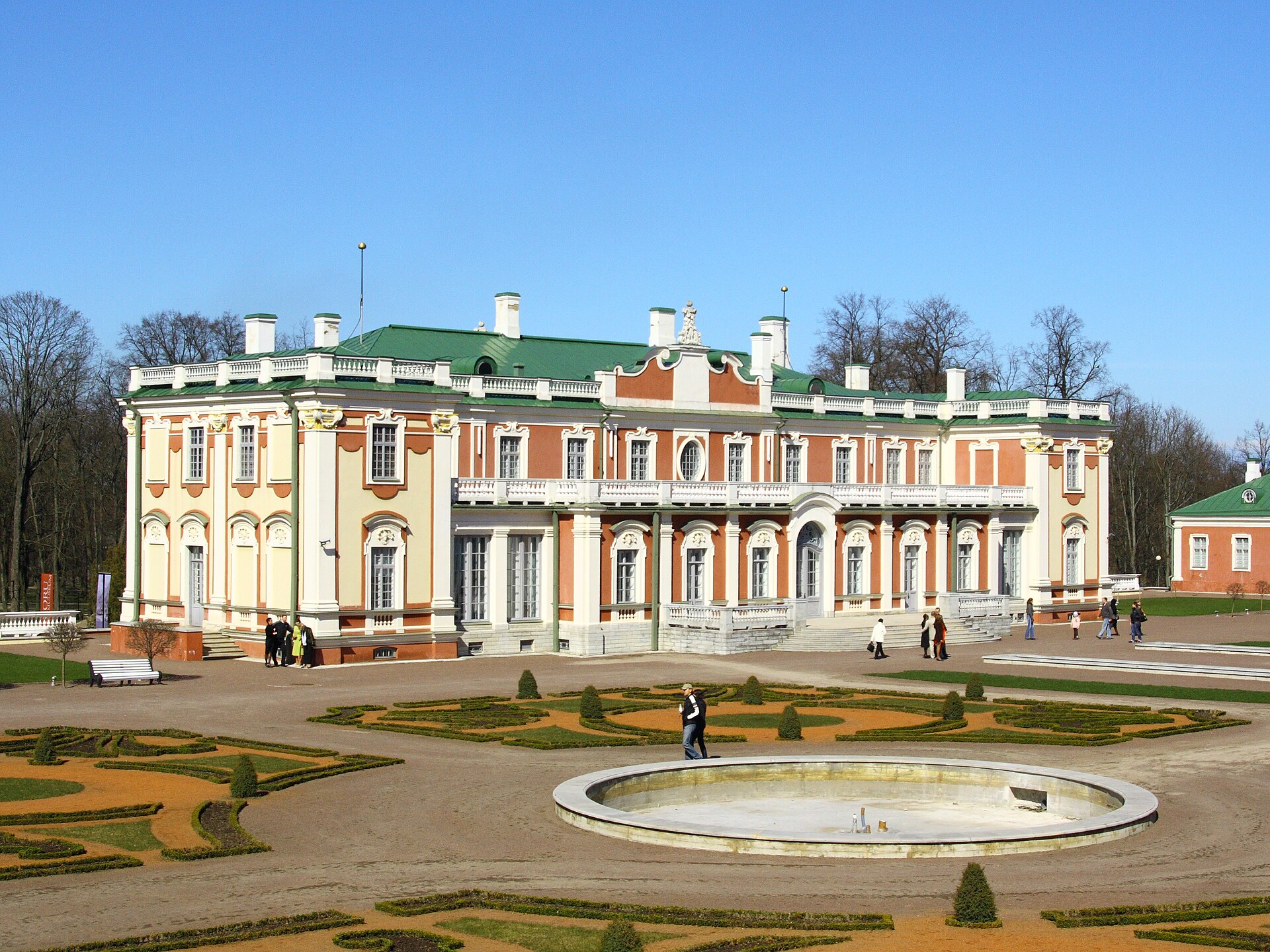
Use your final day to head east and slow down. Kadriorg Park, about 2km from the Old Town on tram 1 or 3, was laid out from 1718 around the baroque palace Peter the Great built for his wife Catherine. The palace now houses the Kadriorg Art Museum, the branch of the Art Museum of Estonia devoted to older European and Russian art, and the park itself — swan pond, formal gardens, tree-lined avenues — is free and open at all hours. Note that both Kadriorg and Kumu are closed on Mondays, so swap days if your third day falls on one.
At the park’s eastern edge stands Kumu, opened in 2006 as the main building of the Art Museum of Estonia and the country’s national gallery, covering Estonian art from the 18th century to today — including a Soviet-era floor that explains this country better than any textbook. If the afternoon stays clear, continue east to Pirita: a long sandy beach backed by pines, the ruins of St Bridget’s Convent, and the Tallinn Song Festival Grounds, where mass singing helped carry Estonia’s Singing Revolution. It is a gentle, local-feeling end to the trip. Travellers collecting the quieter corners of familiar cities will also enjoy my guide to Edinburgh’s hidden gems beyond the Royal Mile.
The Day Trip Worth Taking: Lahemaa National Park
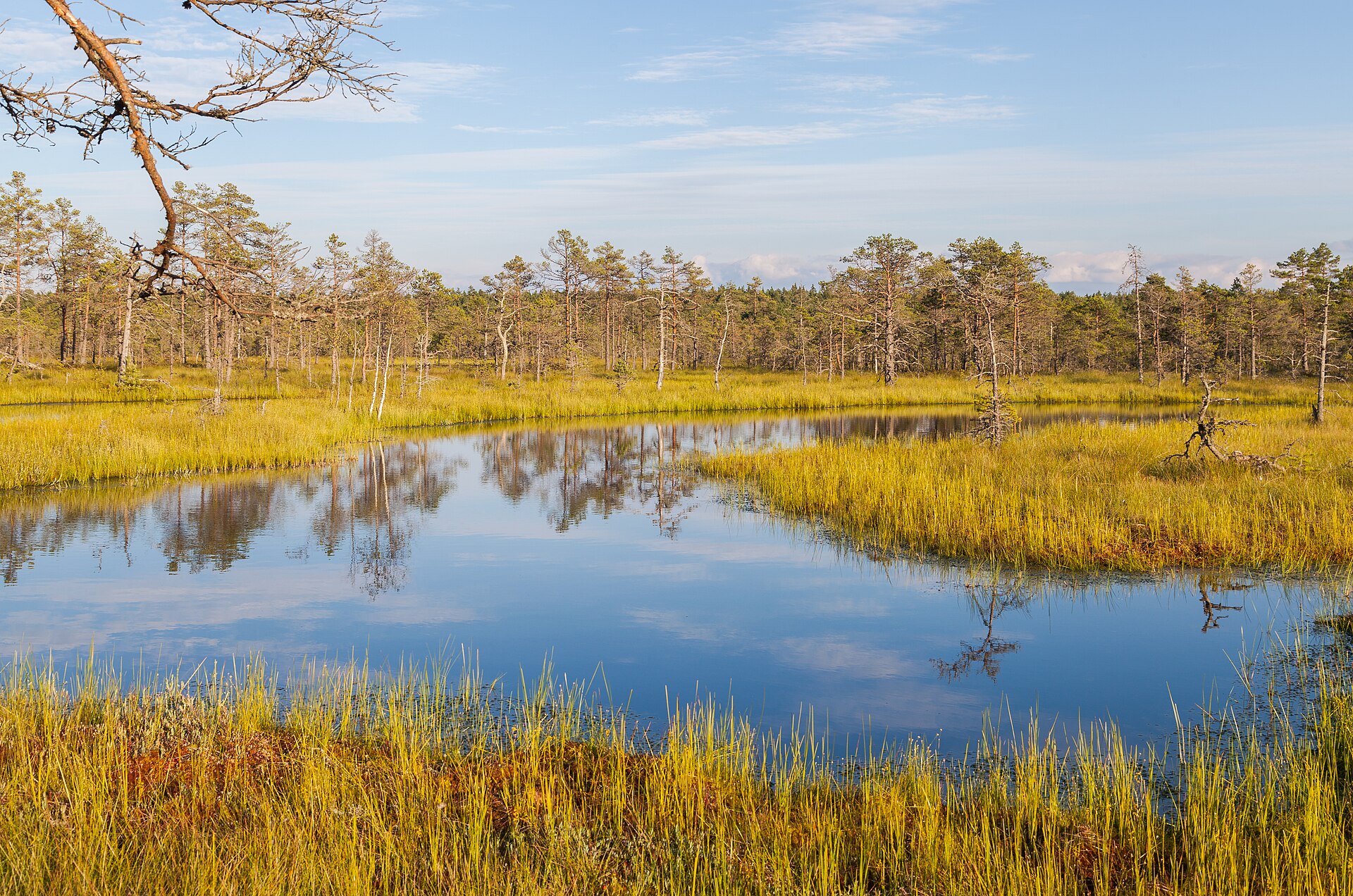
If you have a fourth day — or want to trade the Kadriorg day for wild country — go to Lahemaa, Estonia’s oldest and largest national park, about an hour east of Tallinn. A good day there strings together four completely different landscapes: Jägala, the widest natural waterfall in Estonia; the Viru Bog, crossed on a wooden boardwalk past dark pools and stunted pines; a Baltic German manor estate such as Sagadi or Palmse; and a fishing village like Altja or Käsmu on the northern coast. Doing it by public transport is possible but slow, so most visitors book a small-group tour. This Lahemaa National Park full-day tour from Tallinn covers the waterfall, the bog walk, a manor and a coastal village in about eight hours. Book it for your sunniest forecast day, and bring waterproof shoes — the bog is beautiful in the rain, but it is still a bog.
Getting Around and Practical Tips
Tallinn’s centre is compact: the Old Town is entirely walkable, and trams cover Kadriorg and the station district. Public transport uses a smartcard or contactless payment; a one-hour ticket costs around €2, and multi-day options such as the five-day ticket (about €11) suit a three-day stay. The airport is only about 4km from the centre — tram 4 and bus 2 both run into town in roughly 20 minutes. Ferries cross to Helsinki in about two hours, which makes Tallinn an easy add-on to a Finnish trip, or vice versa. For more northern-Europe city breaks built the same way, my guide to the best tours in Strasbourg shows how guided days can anchor a short itinerary there, too.
Money and timing: Estonia uses the euro, cards are accepted almost everywhere, and English is widely spoken. Museum Mondays are the main planning trap — Kadriorg, Kumu and several others close — so put museums on other days. In winter, daylight is short (the sun sets before 4pm in December), which argues for early starts in the Old Town and cosy museum afternoons; in summer, the long white evenings reverse the logic entirely.
Where to Stay for 3 Days in Tallinn
For a first visit, stay inside or just outside the Old Town walls: the Rotermann Quarter, between the Old Town and the harbour, is modern, well-connected and a five-minute walk from Town Hall Square, while Kalamaja suits travellers who prefer a local neighbourhood with great cafés. Book the Old Town itself if the Christmas market is your main event — stepping out of your hotel straight into the lights is worth the small premium in December.
Three days in Tallinn gives you a medieval capital, a creative waterfront city and a palace by the sea — three trips in one, none of them rushed. Start early, eat the rye bread, and save one evening for the viewing platforms at dusk, when the spires turn black against the Baltic sky.