
Riga is the Baltic capital that gives you two cities for the price of one — and three days is exactly enough to enjoy both. On the right bank of the Daugava River sits Vecrīga, the medieval Old Town: a UNESCO-listed maze of cobbled lanes, guild halls and church spires you can cross on foot in twenty minutes. Wrapped around it is a second Riga of grand boulevards and the finest concentration of Art Nouveau buildings in Europe. Add a morning inside one of the continent’s biggest markets and a day trip to castles or the seaside, and you have a city break that feels far bigger than it is.
Never forget a thing before you fly. My free 8-page Travel Planning Checklist walks you through the whole trip — 6 planning timelines, 36 checks, from booking windows to travel-day basics. One email, no spam, unsubscribe anytime.
Disclosure: This post contains affiliate links. If you book through one of these links, I may earn a commission at no extra cost to you.
This itinerary keeps each day in one cluster, so you spend your time looking up at facades instead of backtracking across town. It pairs naturally with our guide to where to stay in Riga, which breaks down the Old Town, the Quiet Centre and the neighbourhoods beyond the canal.
Day 1: The Old Town — Guild Halls, Spires and 800 Years of History
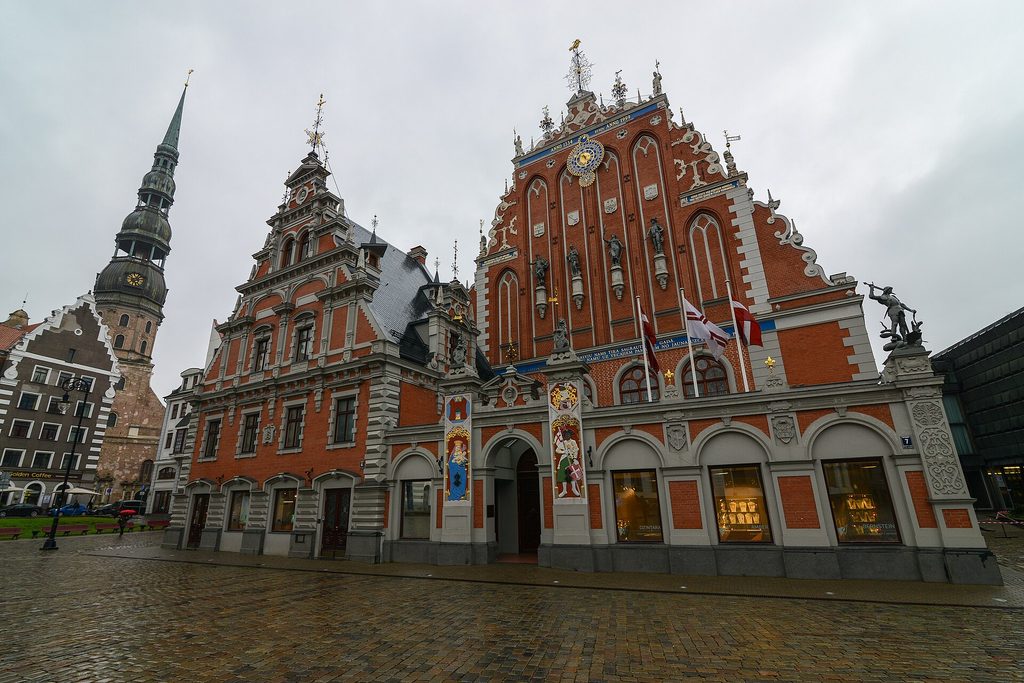
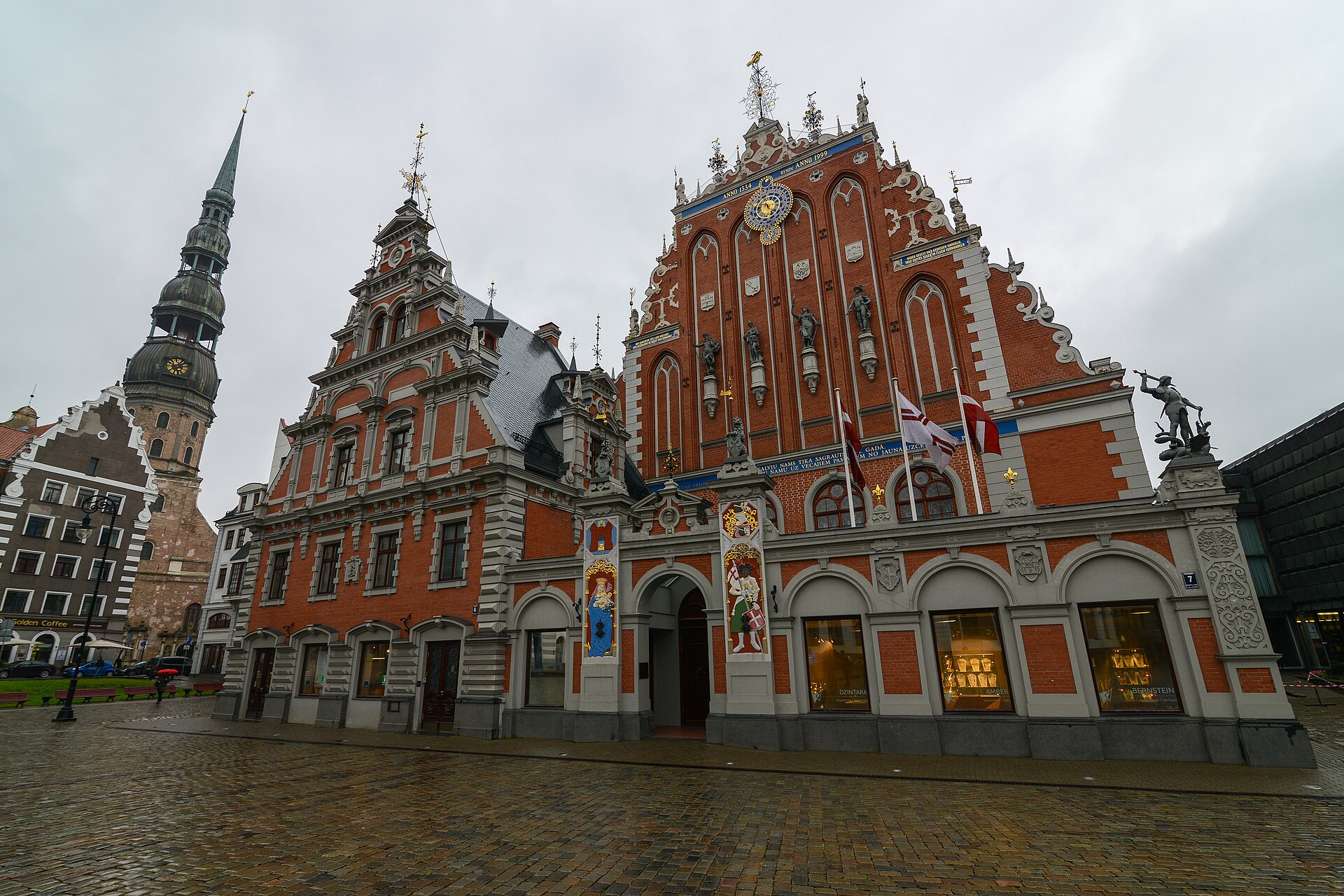
Start at Rātslaukums, Town Hall Square, in front of the House of the Black Heads. This ornate guildhall — first built in the 14th century for a brotherhood of unmarried merchants, destroyed in the Second World War and rebuilt in the 1990s — is Riga’s postcard image, all statues, astronomical clocks and coats of arms. Go inside if you can: the celebration halls and medieval cellars are worth the ticket.
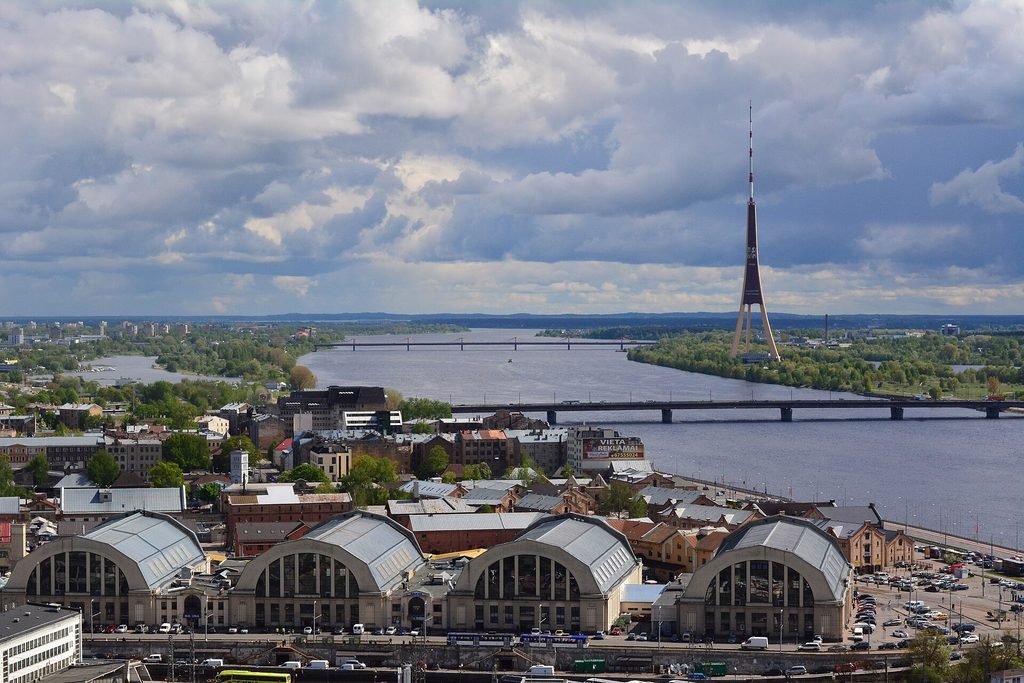
From the square, St Peter’s Church is a two-minute walk. Its 123-metre spire is the Old Town’s landmark, and the lift up the tower gives you the view that makes sense of the whole city — red roofs below, the Daugava curving away, and the market pavilions lined up along the riverbank. Do this early, before tour groups arrive.
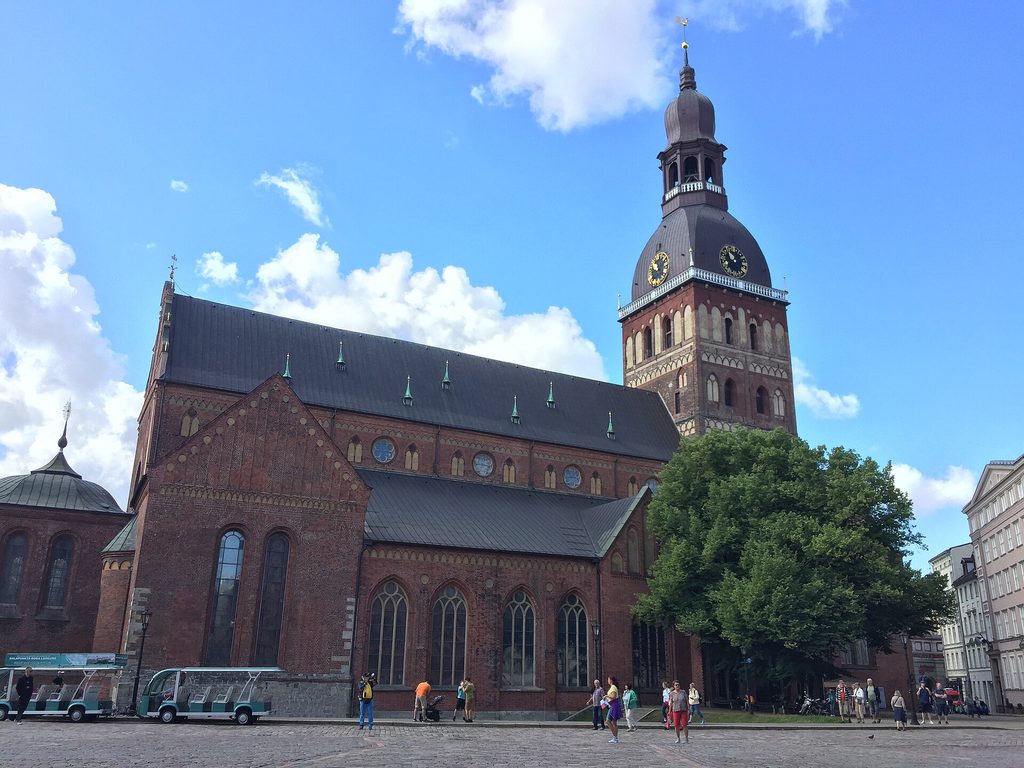
Spend the rest of the morning wandering without a strict route. The essential stops are Riga Cathedral (Rīgas Doms), founded in 1211 and the largest medieval church in the Baltic states, famous for its enormous 19th-century organ; the Three Brothers on Maza Pils iela, a row of merchants’ houses spanning the 15th to 17th centuries; the Swedish Gate, the only surviving city gate; and the Cat House on Meistaru iela, whose two black cats were placed on the roof, legend says, as an insult to the guild that rejected its owner.
The Old Town rewards a guided start. A small-group Old Town walking tour with a local guide covers the Black Heads house, the cathedral, Līvu Square and the Three Brothers in two hours, and the stories — Hanseatic merchants, Swedish kings, Soviet occupation — turn pretty streets into a readable city. Book it for your first morning and the rest of the trip falls into place.
Evening: eat in the Old Town, then walk the canal-side Bastejkalns park as the lights come on. Latvian food is hearty — grey peas with bacon, rye bread everything, smoked fish — and a taste of Riga Black Balsam, the herbal liqueur made here since the 18th century, is the traditional nightcap.
Day 2: Art Nouveau Riga and the Central Market
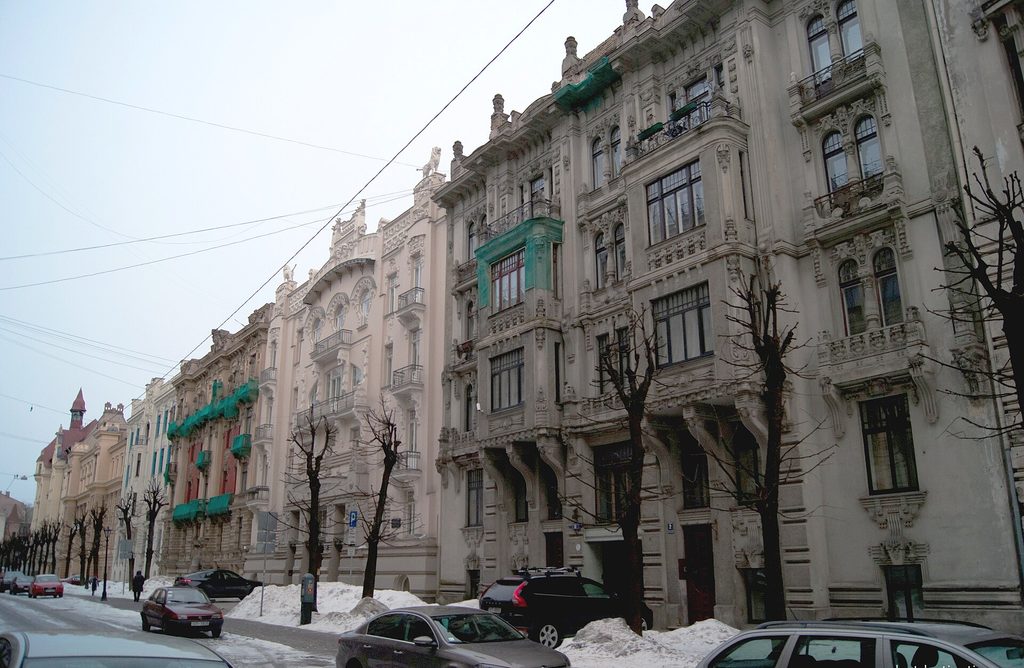
Riga’s second city begins a fifteen-minute walk north of the Old Town. Around 1900, a booming port economy filled the streets beyond the boulevard ring with Art Nouveau apartment blocks — roughly a third of the buildings in the centre date from this burst, more than in any other European city. The Historic Centre of Riga was inscribed by UNESCO in 1997 for exactly this pairing of medieval core and Art Nouveau suburbs.
Walk Alberta iela first. Almost every building on this short street is a showpiece, most of them designed by Mikhail Eisenstein, whose facades swarm with screaming masks, sphinxes, peacocks and oversized female figures. Number 12 houses the Riga Art Nouveau Museum, set in the restored 1903 apartment of architect Konstantīns Pēkšēns — the spiral staircase alone justifies the visit. Continue down Elizabetes iela and Strēlnieku iela, where the style calms into the cleaner, more geometric National Romantic variant.
If architecture is your thing, a dedicated Art Nouveau walking tour decodes the symbolism you would otherwise walk straight past, and explains why a Russian imperial port became the unlikely capital of Jugendstil. Otherwise, the self-guided Alberta–Elizabetes loop takes about ninety minutes.
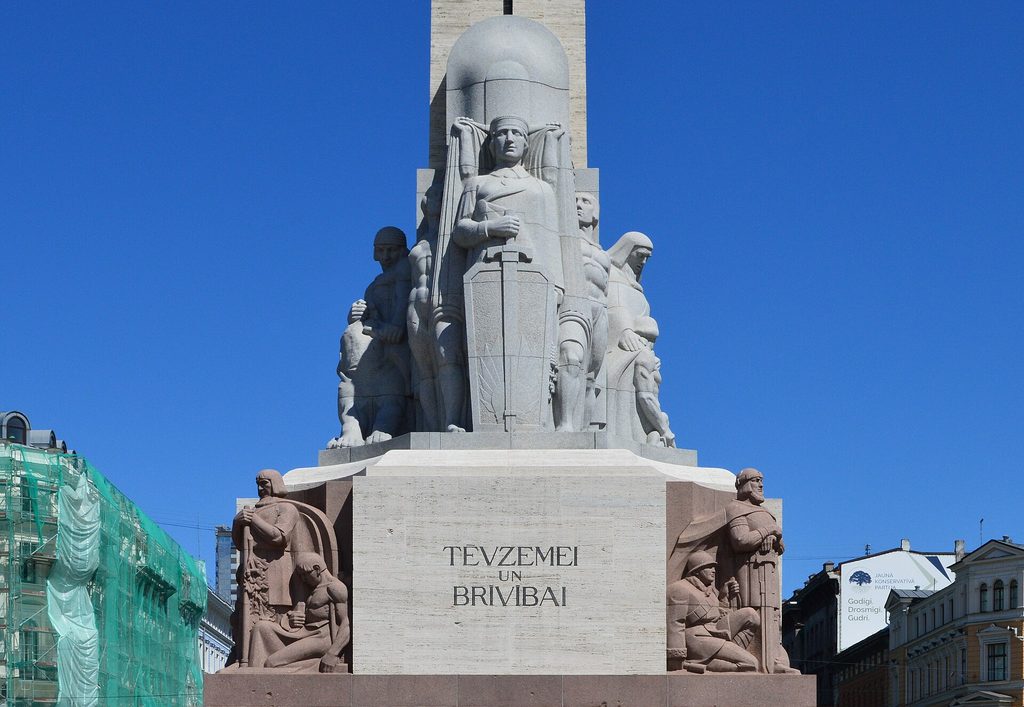
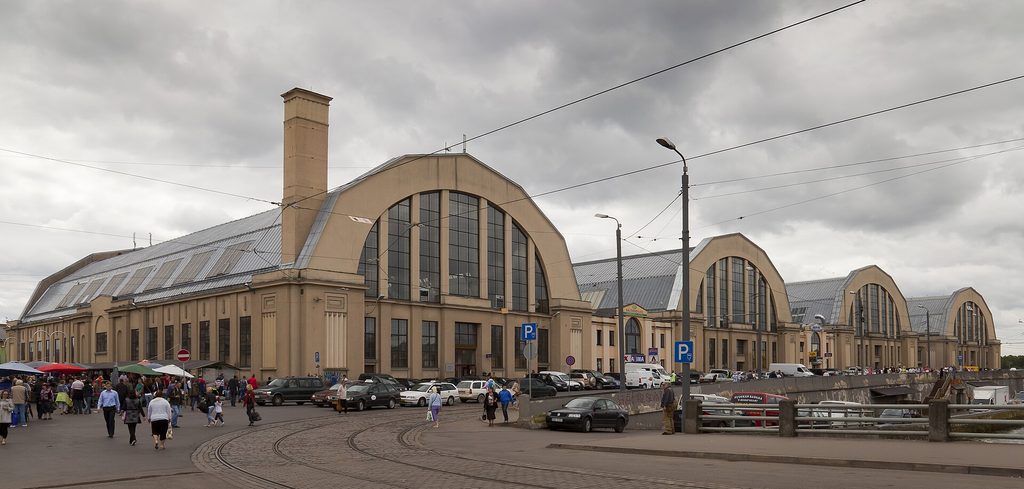
Afterwards, cross to the Freedom Monument — the 42-metre column topped by a copper figure holding three stars, unveiled in 1935 and the symbolic heart of Latvia — then continue south to Riga Central Market. Opened in 1930, the market fills five vast pavilions built from reused First World War Zeppelin hangars: one each for meat, fish, dairy, vegetables and gastronomy. Graze your way through — rye bread, caraway cheese, smoked sprats, pickled everything — and note that market mornings are liveliest, so swap this to the start of the day if you prefer.
A practical warning: several Riga museums close on Mondays. If Day 2 falls on a Monday, swap it with Day 3 — the market and the Art Nouveau streets work any day of the week.
Day 3: Castles in the Gauja Valley — or the Beach at Jūrmala
Your third day is a choice between forest and sea, both under an hour from the centre.
Option A — Sigulda and Gauja National Park. About 53 km northeast of Riga, the Gauja River valley is Latvia’s oldest national park: sandstone cliffs, dense forest and a cluster of medieval castles. The classic circuit covers the ruins of Sigulda Castle, Gutmanis Cave — the largest cave in the Baltics, its walls carved with centuries of visitors’ inscriptions and tied to the legend of the Rose of Turaida — and the red-brick Turaida Castle across the river, whose tower view over the valley is the region’s best. A guided Sigulda and Turaida day tour from Riga strings all three together with transport and entry tickets handled, which matters because the sights are spread out. Independent travellers can take the hourly train to Sigulda (about an hour) and walk or bus between sites.
Option B — Jūrmala. In summer, do what Rigans do: take the train 25 km west to Jūrmala, a 32-kilometre strip of pine forest, wooden Art Nouveau villas and white-sand Baltic beach between the sea and the Lielupe River. Trains from Riga Central Station run every 20–40 minutes in season and reach Majori, the liveliest stop, in about half an hour. Swim, walk the Jomas iela pedestrian strip, and be back in Riga for dinner.
Getting There and Getting Around
Riga International Airport (RIX) is about 10 km southwest of the centre; bus 22 runs to the Old Town edge in around 30 minutes and is the best-value arrival. The centre itself is flat and walkable — Old Town to Alberta iela is fifteen minutes — and trams, trolleybuses and buses cover everything else on a rechargeable e-ticket. Riga uses the euro, and English is widely spoken in the centre.
Travelling the Baltics as one trip? Riga pairs perfectly with its neighbours: see our Vilnius in 3 Days itinerary for Lithuania’s capital to the south, and our Tallinn in 3 Days itinerary for Estonia’s medieval old town to the north — the three capitals link by comfortable intercity bus in about four hours each.
When to Go and What It Costs
Late spring to early autumn (May to September) brings the longest days and the Jūrmala option; December brings a Christmas market to Doma Square and a cosier, snow-dusted Old Town, at the price of very short days. Riga remains one of Europe’s better-value capitals: a budget of roughly €45–60 a day covers a hostel or budget hotel share, market lunches, public transport and one paid sight, while mid-range travellers should allow €90–130. Museum prices and opening days change, so check official sites before fixing your order of days.
Three days in Riga leaves most visitors planning a return — usually for the day trip they didn’t pick. Start with the Old Town, give the Art Nouveau streets their own morning, and let the market feed you. The rest is wandering.