
Vilnius rewards wandering — until you realise how much you are walking past without noticing. A plain doorway was once part of the Jewish quarter known across Europe as the Jerusalem of Lithuania. A quiet church holds a miraculous icon that pilgrims have visited for centuries. And twenty-eight kilometres west, a red-brick castle rises straight out of a lake. The best tours in Vilnius are the ones that join those dots for you: a guided walk that reads the Old Town properly, a half-day out to Trakai that handles the logistics, and — weather willing — a balloon flight over a capital that still lets balloons drift across its skyline. Here are the three worth booking, plus the honest advice on when each one earns its money and when you are better off going it alone.
Never forget a thing before you fly. My free 8-page Travel Planning Checklist walks you through the whole trip — 6 planning timelines, 36 checks, from booking windows to travel-day basics. One email, no spam, unsubscribe anytime.
Disclosure: This post contains affiliate links. If you book through one of these links, I may earn a commission at no extra cost to you.
The short answer
If you book only one tour, make it the Old Town walking tour — two and a half hours on your first morning will change how you see every street for the rest of the trip. If you have a second half-day, give it to Trakai Castle, ideally on a guided trip that also stops at the Paneriai Memorial, because the two places together tell Lithuania’s story far better than either does alone. And if you are celebrating something, the hot-air balloon flight over Vilnius or Trakai is the splurge people talk about for years. Everything below expands on those three picks, in the order I would book them. If you are still shaping the trip itself, start with my Vilnius in 3 Days itinerary, which shows exactly where these tours slot into a first visit.
1. The Old Town walking tour with snacks — start here
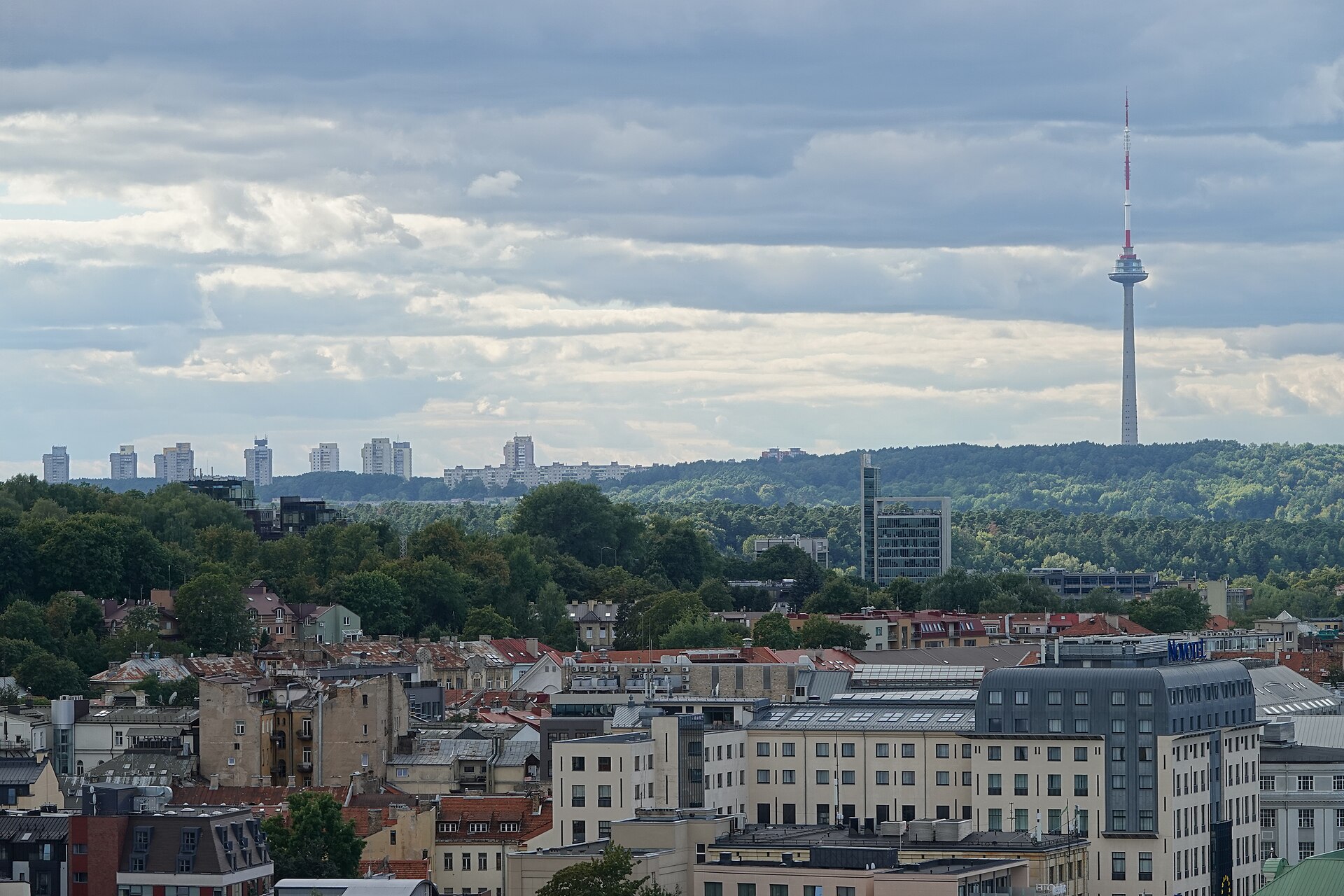
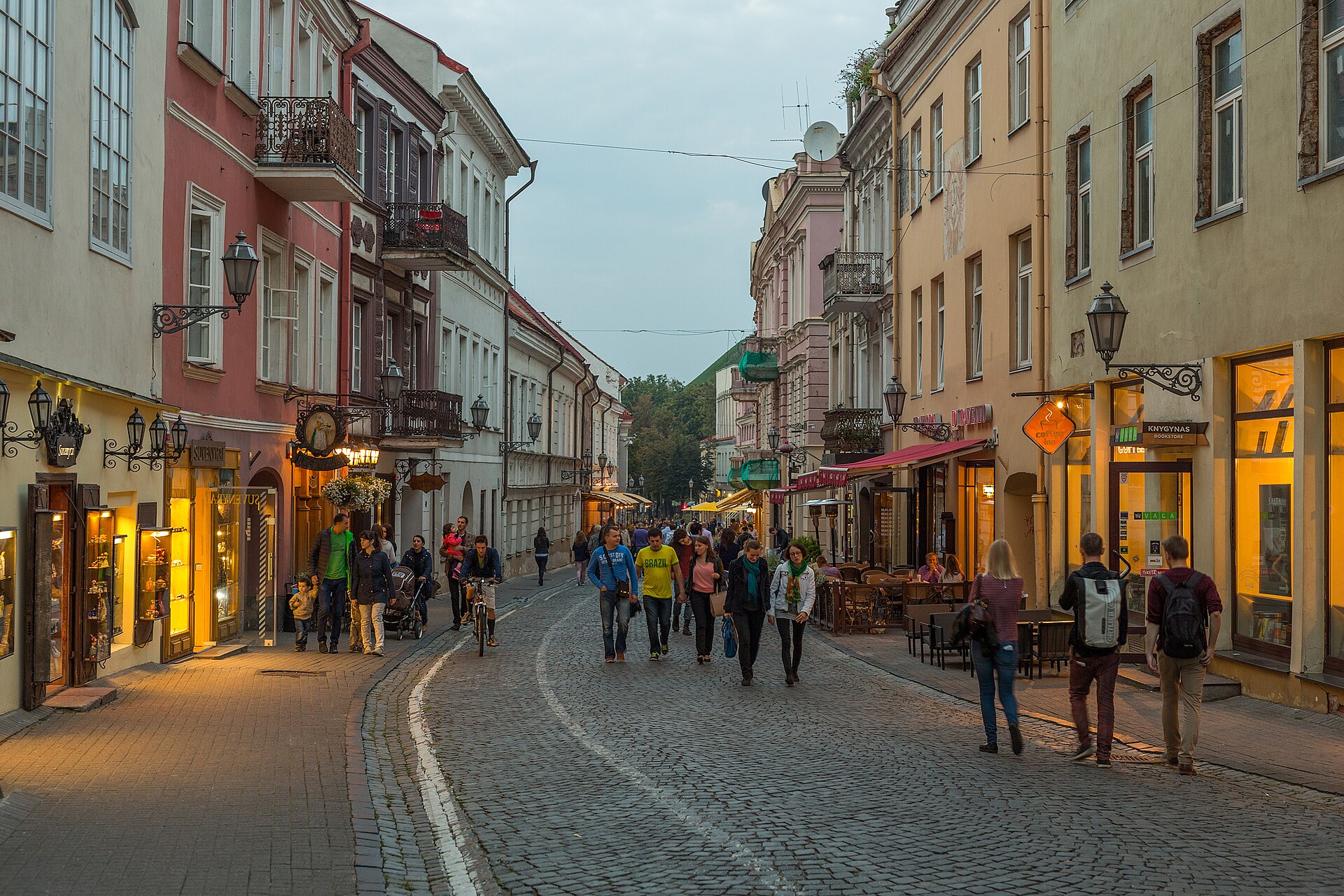
Vilnius Old Town is one of the largest surviving medieval old towns in northern Europe: 352 hectares, inscribed by UNESCO in 1994, with Gothic, Renaissance, Baroque and neoclassical buildings standing side by side along a radial medieval street plan. That scale is precisely the problem for a self-guided visitor. You can cross the centre in twenty minutes and see almost nothing, because the interest is in the layers — the university courtyards hidden behind a single archway, the Literatų Street wall of tributes to writers, the remnants of the old Jewish quarter, and the Gate of Dawn, the only surviving gate of the city wall, with its chapel holding a revered icon of the Virgin Mary.
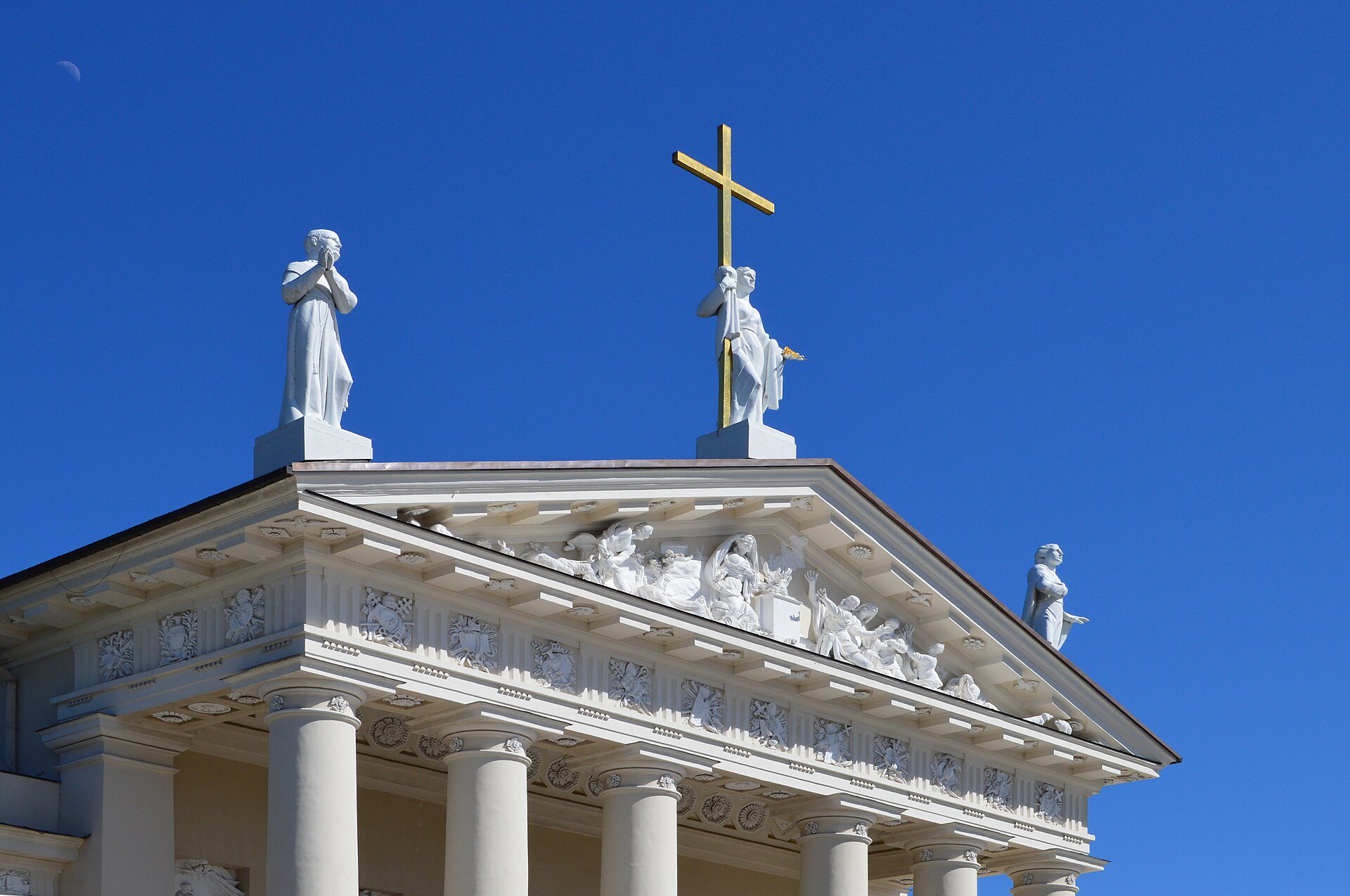
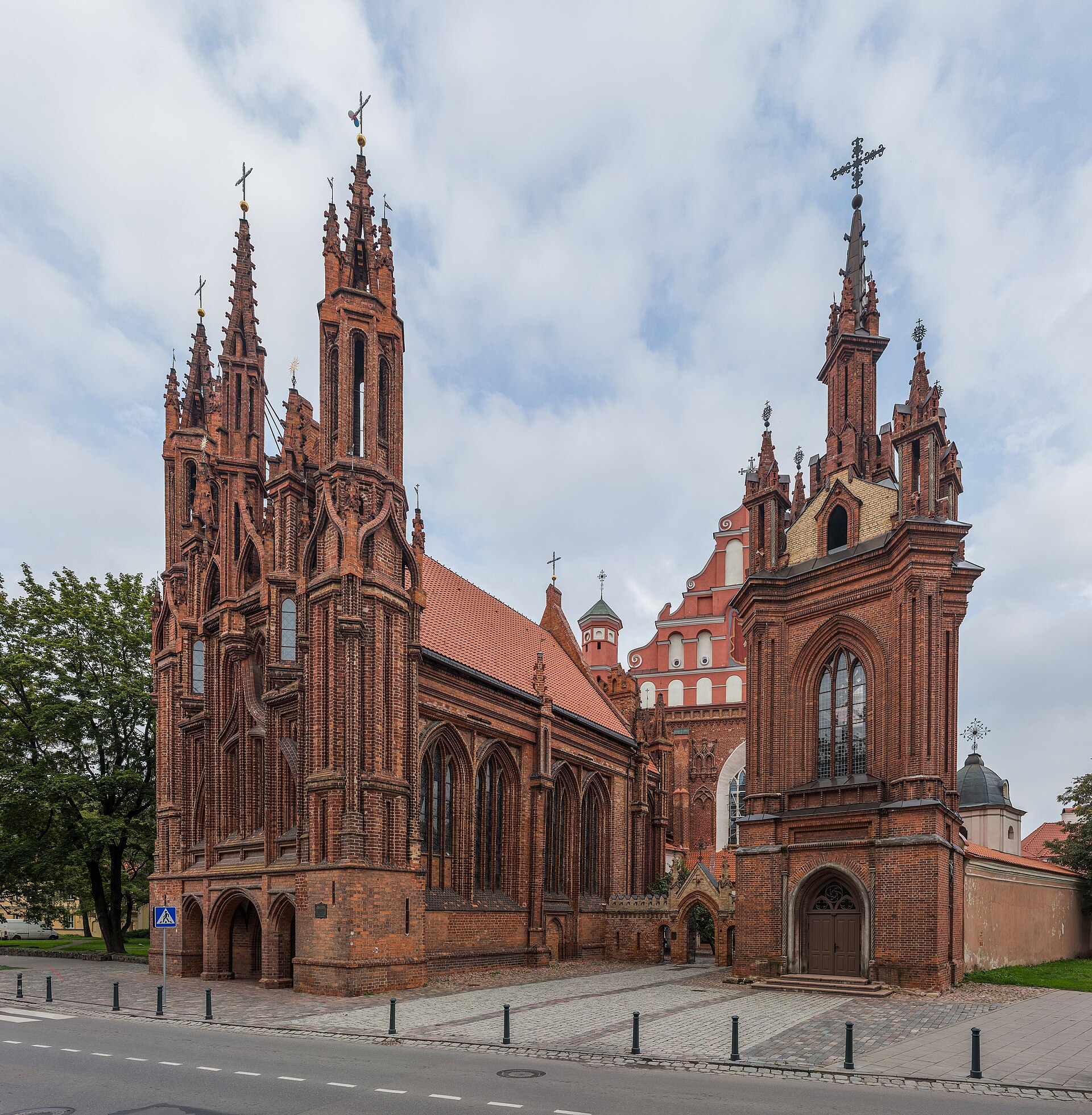
The Vilnius Old Town walking tour with snacks covers that ground in about two and a half hours, starting at Cathedral Square in front of the Gediminas monument. The route takes in the Presidential Palace, Vilnius University — founded in 1579 and still occupying a large part of the Old Town with its thirteen courtyards — St Anne’s Church, the flamboyant red-brick Gothic church built with dozens of different brick types around 1500, and Pilies Street, the Old Town’s café-lined main artery. Midway, there is a stop to taste seasonal Lithuanian snacks — traditional cheese, cured meats, dark bread and something sweet, depending on the season.
Why guided, rather than a free map? Three reasons. First, context: a local guide connects the founding legend of Grand Duke Gediminas and his dream of the iron wolf to the tower that still carries his name above the city. Second, access to stories you cannot photograph — what Soviet-era life was like here, and how the city rebuilt its identity after 1990. Third, orientation: after this walk, the rest of your stay gets easier, because you know which streets lead where and which sights deserve a return visit. Book it for your first morning, wear proper walking shoes for the cobbles, and base yourself nearby — my guide to where to stay in Vilnius breaks down the Old Town against quieter Užupis and the modern centre.
2. Trakai Castle and the Paneriai Memorial — the essential half-day out
Trakai is the day trip almost every Vilnius visitor takes, and rightly so. The island castle on Lake Galvė, 28 kilometres west of the capital, was a residence of the Grand Dukes of Lithuania in the 14th and 15th centuries, fell into ruin, and was rebuilt in the 20th century into the country’s most recognisable landmark — red brick towers, a wooden footbridge, and water on every side. The town adds its own layer: Trakai is home to the Karaim (Karaite) community, brought here centuries ago, whose wooden houses with three windows facing the street and whose kibinai pasties still define a local lunch.
You can reach Trakai independently by train or bus in about half an hour, and on a sunny summer day that is a perfectly good plan. The guided version earns its price by pairing the castle with somewhere most independent visitors miss: the Paneriai Memorial, in the forest southwest of Vilnius, where up to 100,000 people — the great majority of them Jews from Vilnius and the surrounding region — were murdered during the Second World War. It is a sobering, essential stop, and visiting with a guide who can explain what happened there, before continuing to the castle to learn about the Grand Duchy at its height, gives the day a depth a castle-only trip cannot match.
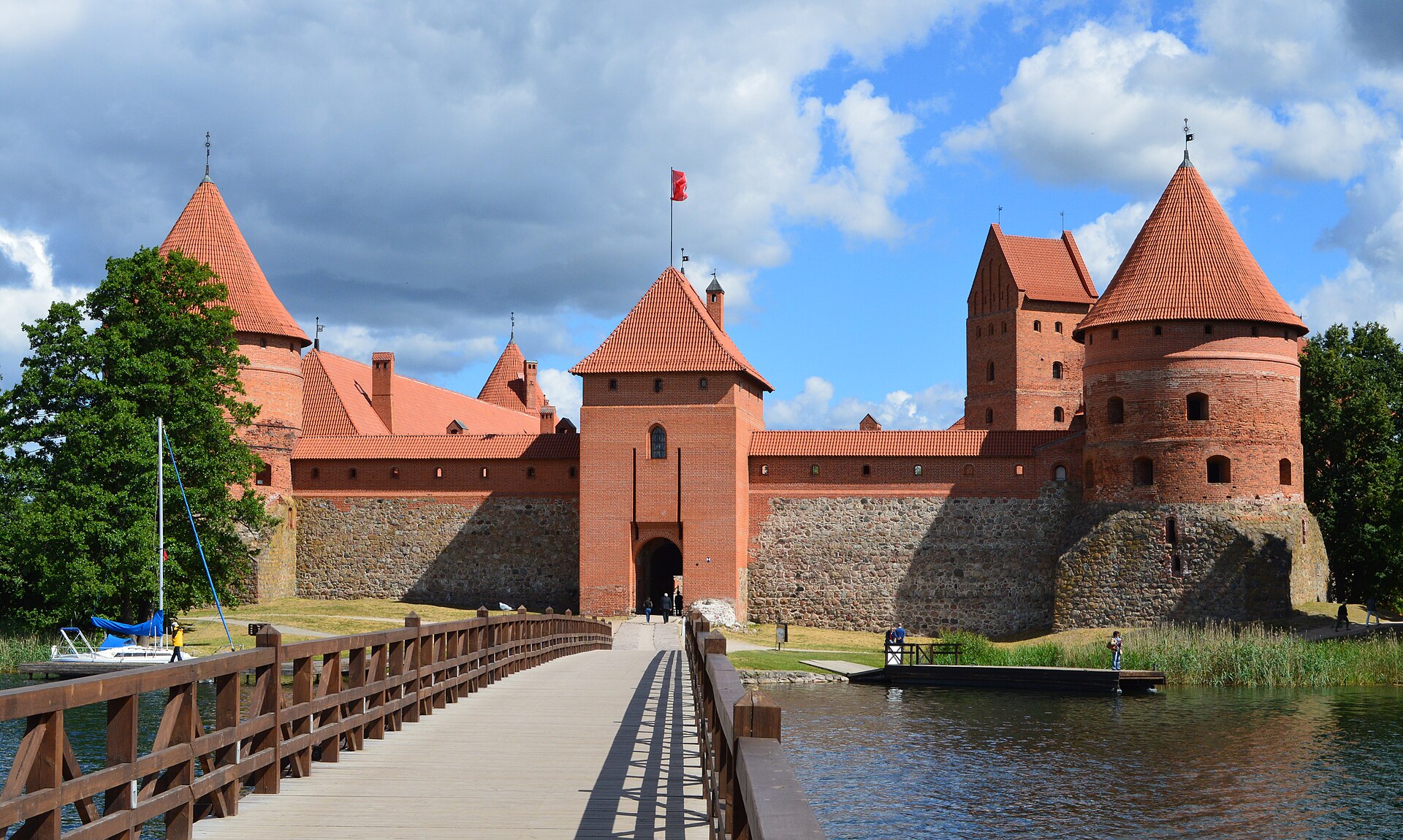
The half-day trip to Trakai Castle and the Paneriai Memorial runs about five to six hours with hotel pickup, a guided castle visit and free cancellation. Two practical notes from the castle itself: from October to May it closes on Mondays (and on Tuesdays as well in December and January), when tours visit from the outside only — so check your day before booking. And leave time afterwards in Trakai town for a boat out on Lake Galvė in season, or at least a plate of kibinai with a castle view.
3. The hot-air balloon flight — the splurge that defines the trip
Vilnius is one of very few European capitals where hot-air balloons regularly fly over the city centre — Lithuanians take ballooning seriously, and on a calm morning or evening the sky above the Old Town fills with them. When airport traffic and wind direction allow, flights drift over the Baroque rooftops and church spires of the UNESCO-listed centre. When they do not, the fallback is arguably just as good: flying over Trakai, with the island castle below you in the middle of its lakes.
The hot-air balloon flight over Vilnius or Trakai takes about four hours door to door, with hotel pickup, a flight of roughly 45 to 60 minutes, live commentary from the pilot, and the traditional Champagne toast after landing. It is weather-dependent in the truest sense — if conditions cancel your flight, you are offered another date or a refund — so book it early in your stay, not on your last morning, to leave a second chance. Children must be over 120 centimetres tall, and the flight is not suitable during pregnancy. It costs far more than the other two tours on this page combined; it is also the one travellers describe unprompted, months later, when you ask what they remember about Lithuania.
What about the Hill of Crosses?
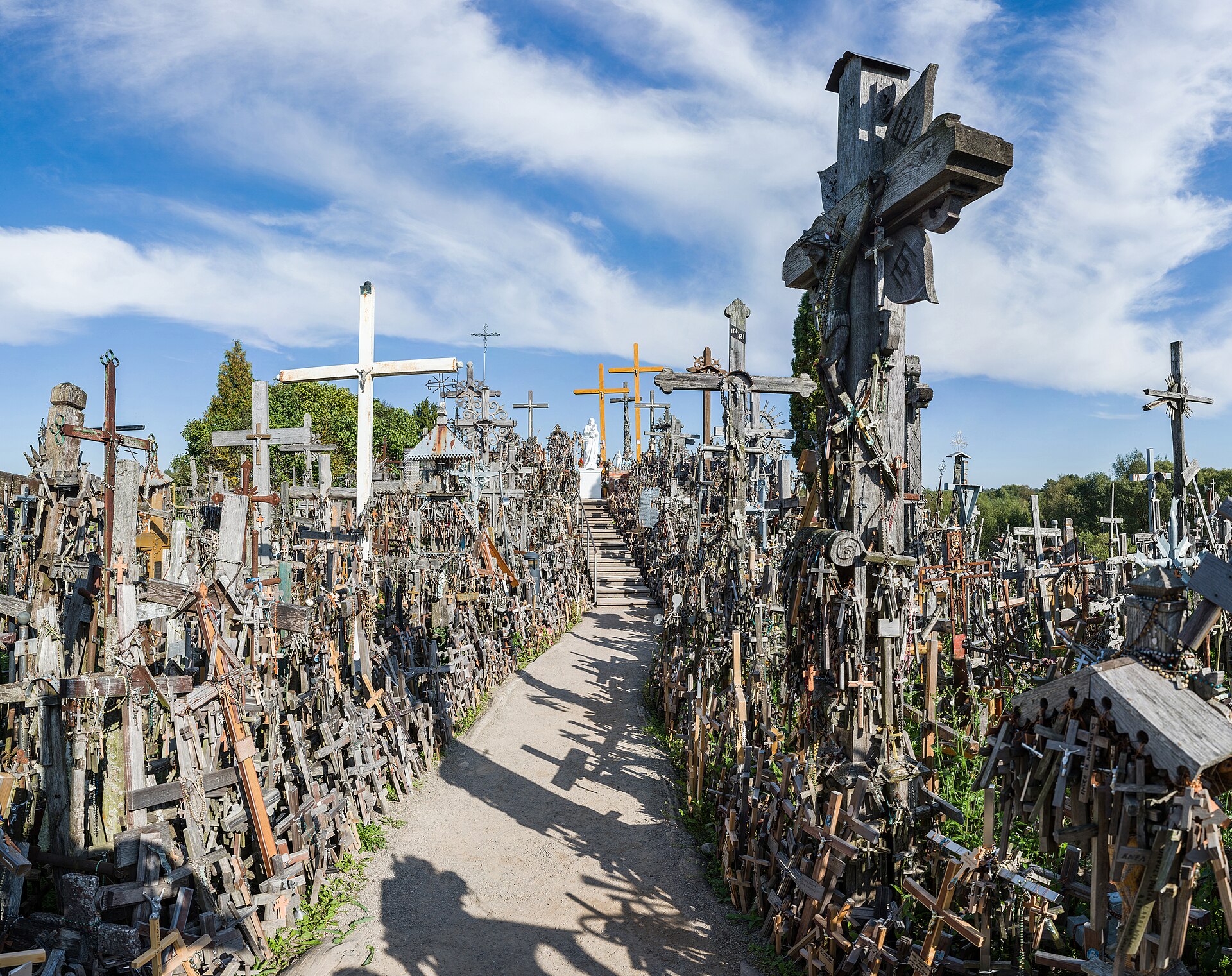
The other famous excursion from Vilnius is the full-day trip north to the Hill of Crosses near Šiauliai, where pilgrims have placed crosses since the 19th century — today they number well into six figures, densely covering a small hill in a sight that is part shrine, part symbol of national resilience under Soviet rule, when the hill was repeatedly bulldozed and repeatedly rebuilt. It is a powerful place. I have left it off the top three for one honest reason: at roughly nine hours return, it consumes a whole day, and on a first three-day visit Trakai plus the Old Town give you more variety for your time. With four or five days in Lithuania, or on a return trip, promote it to the list — ideally combined with the drive toward Riga, the way many Baltic itineraries do it.
How to choose — and how to book smart
First morning, tight budget: the Old Town walking tour. It is the cheapest of the three and multiplies the value of everything else you do. Half a day spare, history matters to you: Trakai with Paneriai — just mind the castle’s winter closing days. A milestone trip, or a gift: the balloon, booked early in the stay with a backup day in hand. In all three cases, free cancellation is your friend in a Baltic winter: weather shifts fast, and booking a cancellable rate costs nothing extra on these tours.
A final piece of context for multi-city trips: Vilnius is the third of the Baltic capitals most travellers visit in sequence, and its tours have a different flavour from its neighbours — less medieval pageantry than Tallinn, less Art Nouveau grandeur than Riga, more Baroque, more layers of faith and memory. If your route runs north to south, my guide to the best tours in Riga makes a useful comparison point for how the two cities reward guided time differently.
The bottom line
Vilnius does not demand tours the way some capitals do — its centre is compact, walkable and safe to explore alone. What the right tour buys you here is not access but understanding: the story behind a courtyard, the memorial in the forest before the castle on the lake, the whole chessboard of red roofs seen from a balloon basket at dawn. Book the walking tour for day one, Trakai for day two or three, and the balloon whenever the weather gods and your budget agree — and Vilnius will stay with you long after the cobbles do.