
Dubrovnik has a way of making you want to stay put. The Old Town is compact enough to cross in fifteen minutes, the Adriatic is right there, and every sunset over the city walls looks like it was staged for your benefit. But some of the best experiences of a Dubrovnik holiday start at the city gates. Within a few hours’ drive sit two countries, a medieval bridge rebuilt from wartime rubble, a fjord-like bay ringed by mountains, and an island the Venetians fought over for centuries. If you have five days in the city, spend at least two of them on the road.
Planning a trip? Get our free Travel Planning Checklist:
Disclosure: This post contains affiliate links. If you book through one of these links, I may earn a commission at no extra cost to you.
These are the five day trips I’d actually vouch for, ranked by how much they add to a Dubrovnik visit. If you’ve already sorted where to stay in Dubrovnik, read this as your excursion shortlist.
1. Mostar & Kravice Waterfalls, Bosnia & Herzegovina
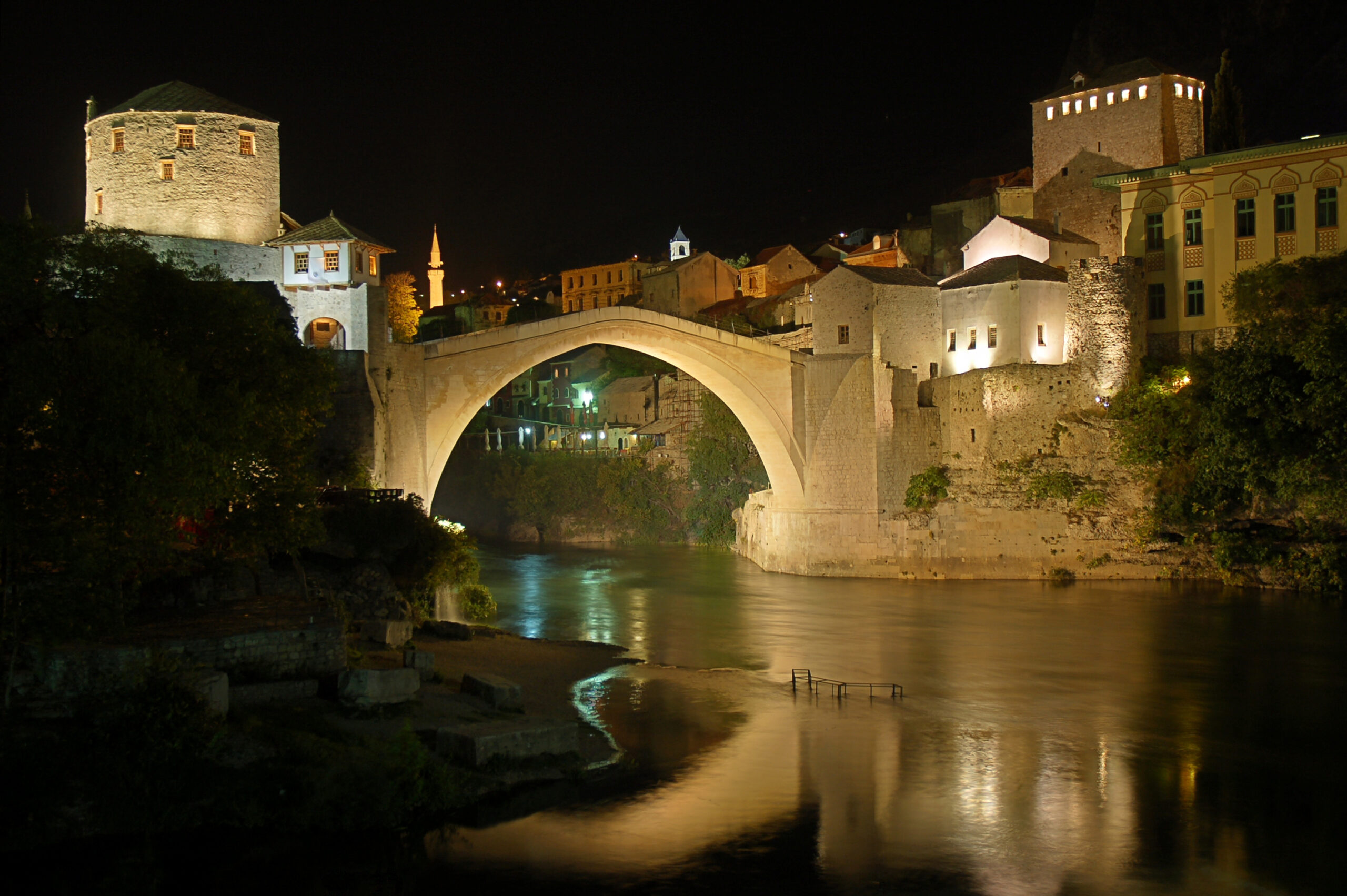
This is the single most popular day trip from Dubrovnik, and for good reason: in one long day you cross into a second country and see two of Bosnia & Herzegovina’s icons. Mostar’s Stari Most — the graceful single-arch Ottoman bridge over the Neretva — was destroyed in the 1993 war and rebuilt stone by stone, reopening in 2004. It is now a UNESCO World Heritage site, and the old bazaar streets around it are some of the most atmospheric in the Balkans.
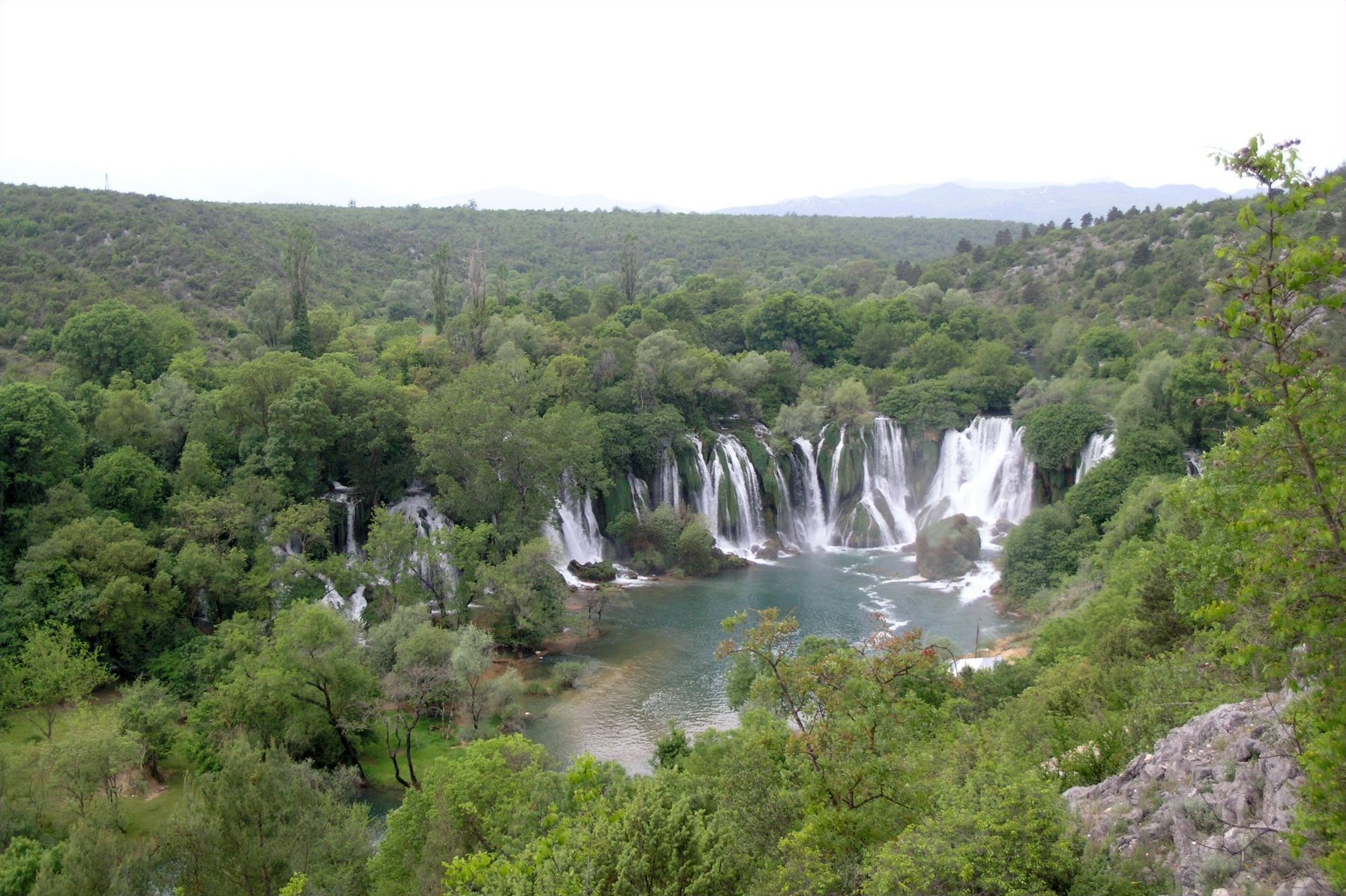
The Kravice Waterfalls, about an hour from Mostar on the Trebižat River, are the trip’s surprise highlight: a wide semicircular cascade where you can swim beneath the falls in summer. Entrance runs about €10 per person, so a tour with fees included saves you the faff of cash on the day.
Practical notes: bring your passport — you will cross two border checkpoints (the coffee stop in Neum, Bosnia’s tiny coastal corridor, is a trip rite of passage). Euros are widely accepted in Mostar, but carry small notes and coins; many vendors don’t take cards. Expect an 11–12 hour day.
For a well-reviewed option that handles the border logistics and hotel pickup, this Mostar & Kravica Waterfalls day trip from Dubrovnik (4.8★ from over 2,400 reviews) includes a guided walk of Mostar’s Old Town with a local guide, free time for lunch, and swim time at the falls — from about $35 per person.
2. Bay of Kotor & Perast, Montenegro
Two hours south of Dubrovnik, the coastline folds into one of the most dramatic bays in Europe. The Bay of Kotor looks like a fjord — mountains plunge straight into still, dark water — and it is dotted with towns that were Venetian outposts for centuries. Perast is the prettiest of them: a single street of baroque palaces with no cars, facing the two small islands in the bay.
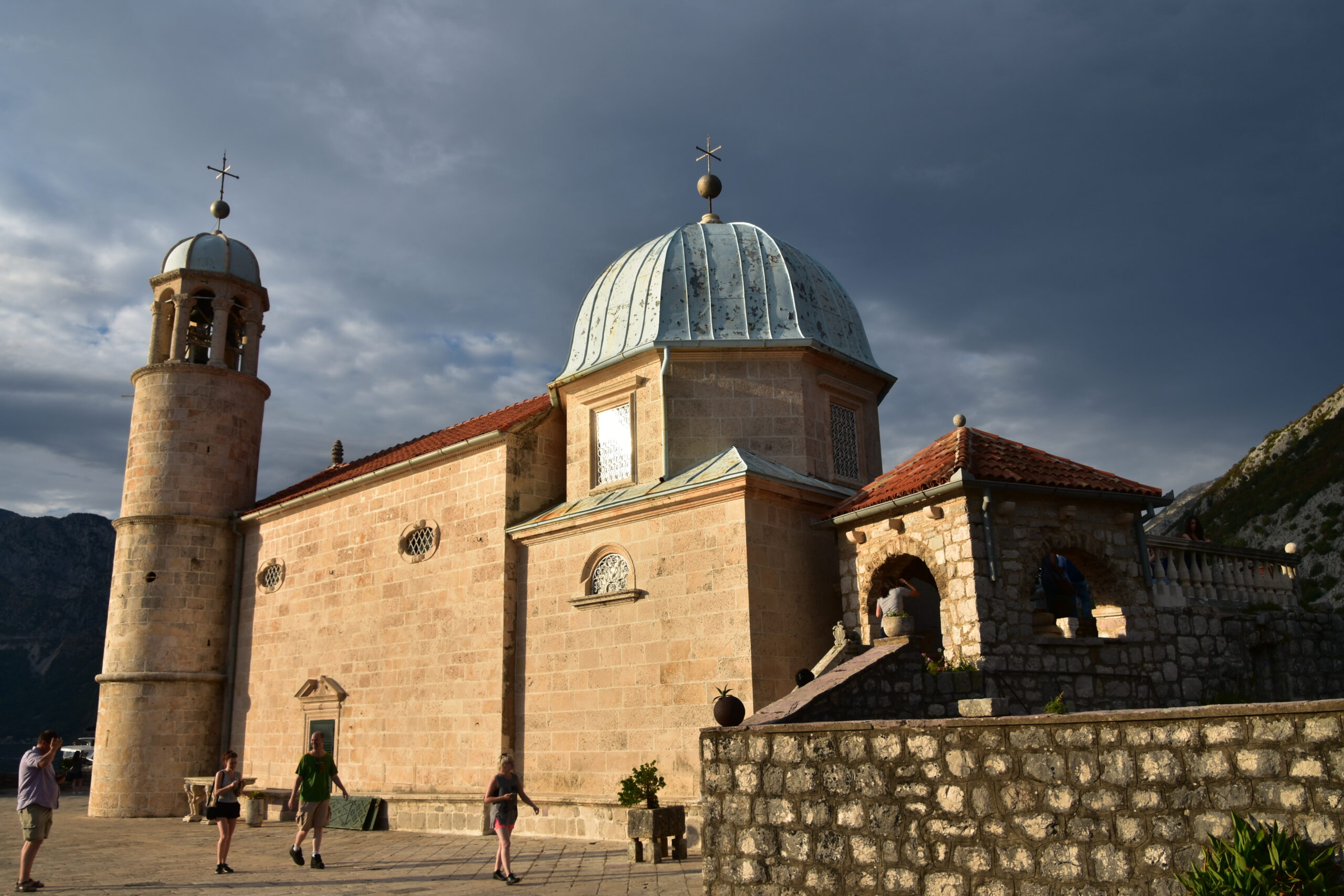
The essential stop is Our Lady of the Rocks (Gospa od Škrpjela), the artificial island with the blue-domed church and its small museum, reached by a short boat ride from Perast. Then comes Kotor itself: a UNESCO-listed old town wrapped in 4.5 km of walls climbing the mountainside. If your legs are willing, the hike up the walls is the best view in Montenegro; if not, the cathedral, maritime museum, and cats of Kotor (yes, the town has a feline fan club) fill an afternoon happily.
Practical notes: passport required — Montenegro is not in the EU or Schengen, so border queues in summer can be long; early departures help. There’s a small tourist tax (around €3) to enter Kotor, and boat trips to the island church cost extra on most tours.
This Montenegro day trip from Dubrovnik with a Kotor Bay cruise (4.4★, 600+ reviews) covers Perast with a guided walk, an optional boat cruise to Our Lady of the Rocks, a guided tour of Kotor, and 2.5 hours of free time — an 11-hour day with pickup included.
3. Korčula Island & Ston
This is the trip for people who like their history with a glass of wine. The day starts in Ston, home to the longest town walls in Europe — 5.5 km of 14th-century fortifications built to protect the salt pans, which are still harvested today and rank among the oldest active saltworks in the world. Ston is also oyster country: the Mali Ston bay farms some of the Adriatic’s best, and tasting them minutes from the water is half the point of stopping.
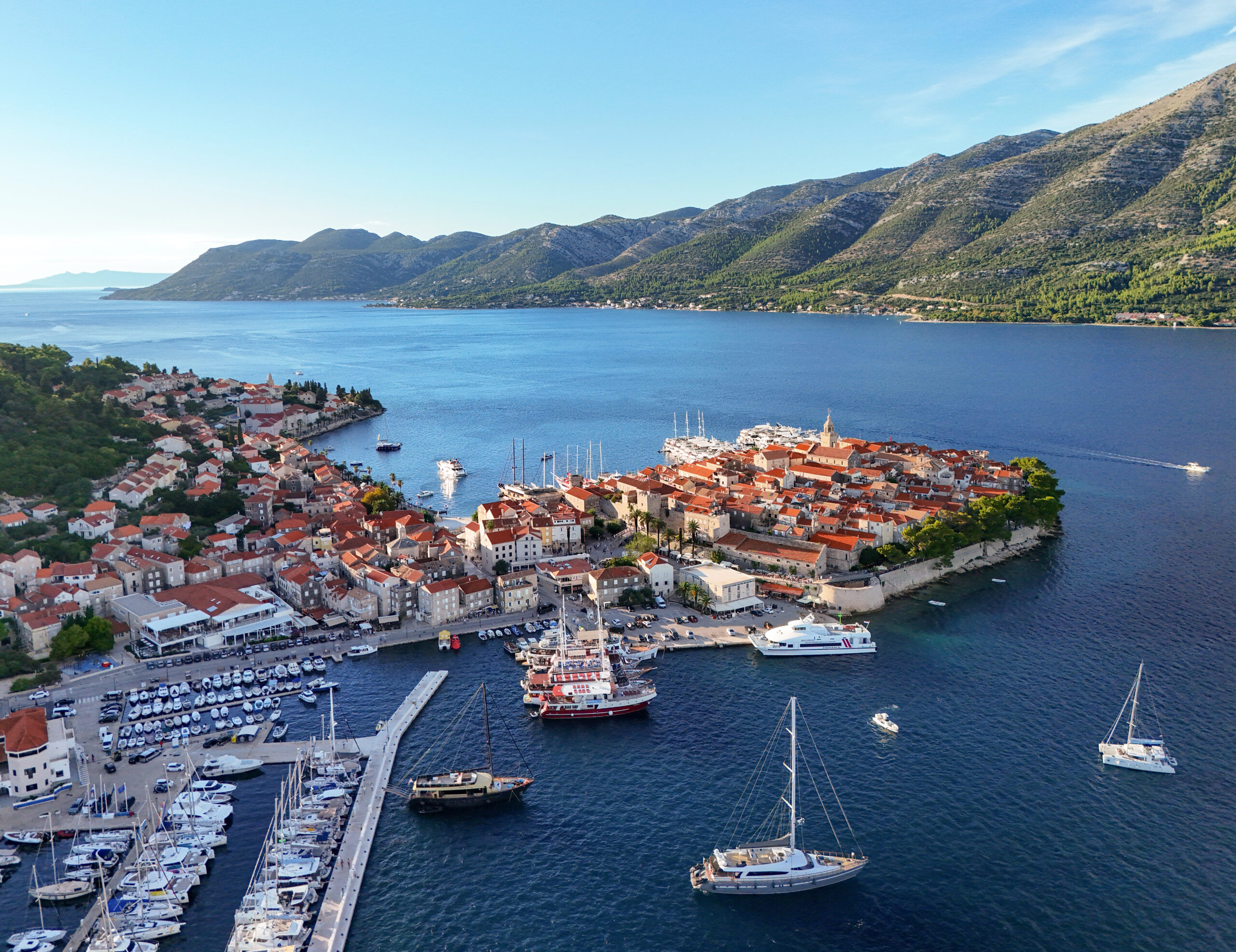
From Orebić, a 15-minute ferry crosses the channel to Korčula Town, a walled mini-Dubrovnik on its own peninsula. It claims Marco Polo as a native son (Venetians dispute it; Korčulans don’t care), and its herringbone street plan — designed to catch sea breezes while blocking the bura wind — is a marvel of medieval urban planning. Climb St. Mark’s bell tower, find a konoba for lunch, then head back through the Pelješac peninsula, where the steep Dingač and Postup slopes produce Croatia’s most celebrated reds from the Plavac Mali grape.
Practical notes: it’s about an hour to Ston and another 45 minutes to Orebić, so this is a full 10–11 hour day. Bring swim gear in summer — there’s usually beach time near Korčula.
The easiest way to do it is this Ston and Korčula Island day trip with wine tasting, which bundles the walls, the ferry crossing, free time in Korčula Town, and a stop at a Pelješac winery — the wine tasting is included in the price.
4. Lokrum Island (half-day, do it yourself)
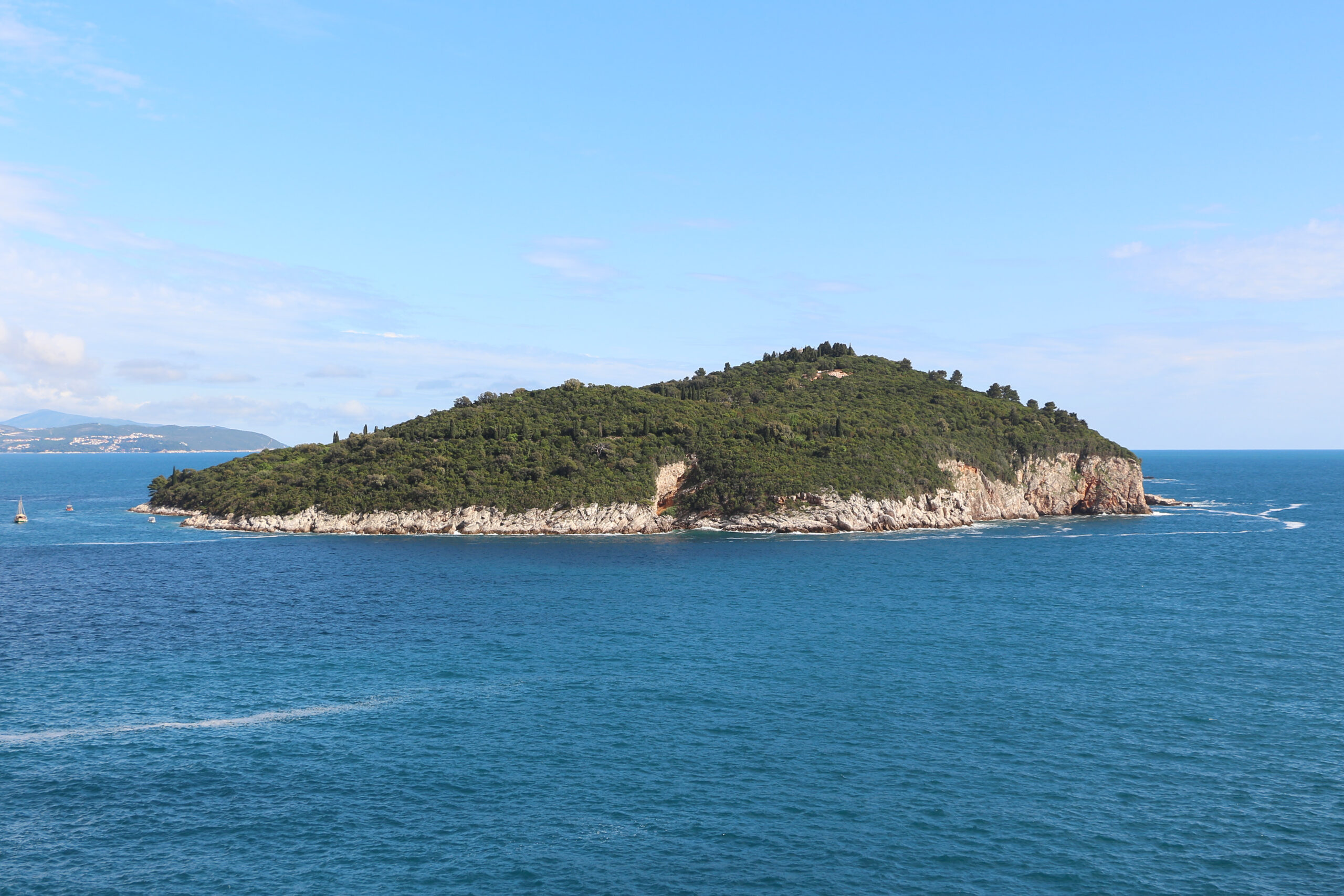
You don’t need a tour for this one — and that’s the point. Lokrum is the forested island sitting 600 meters off the Old Town, and it is Dubrovnik’s pressure valve: when the Stradun is packed and 35°C, locals take the 15-minute ferry and spend the afternoon here instead. The official boat runs from the Old Port roughly every 30 minutes, April through October, and the €30 adult ticket includes both the round trip and entry to the nature reserve.
The island packs a lot into a small footprint: the ruins of a Benedictine monastery (whose cloister holds the original Iron Throne from Game of Thrones), the saltwater “Dead Sea” lake (Mrtvo More) for calm swimming, free-roaming peacocks, a botanical garden, and Fort Royal at the 96-meter summit for panoramic views back toward the city. Allow 3–5 hours, bring water shoes for the rocky swim spots, and don’t miss the last boat back — overnight stays are forbidden, and yes, there’s a legend about why.
5. Cavtat & the Konavle Valley (half-day, do it yourself)
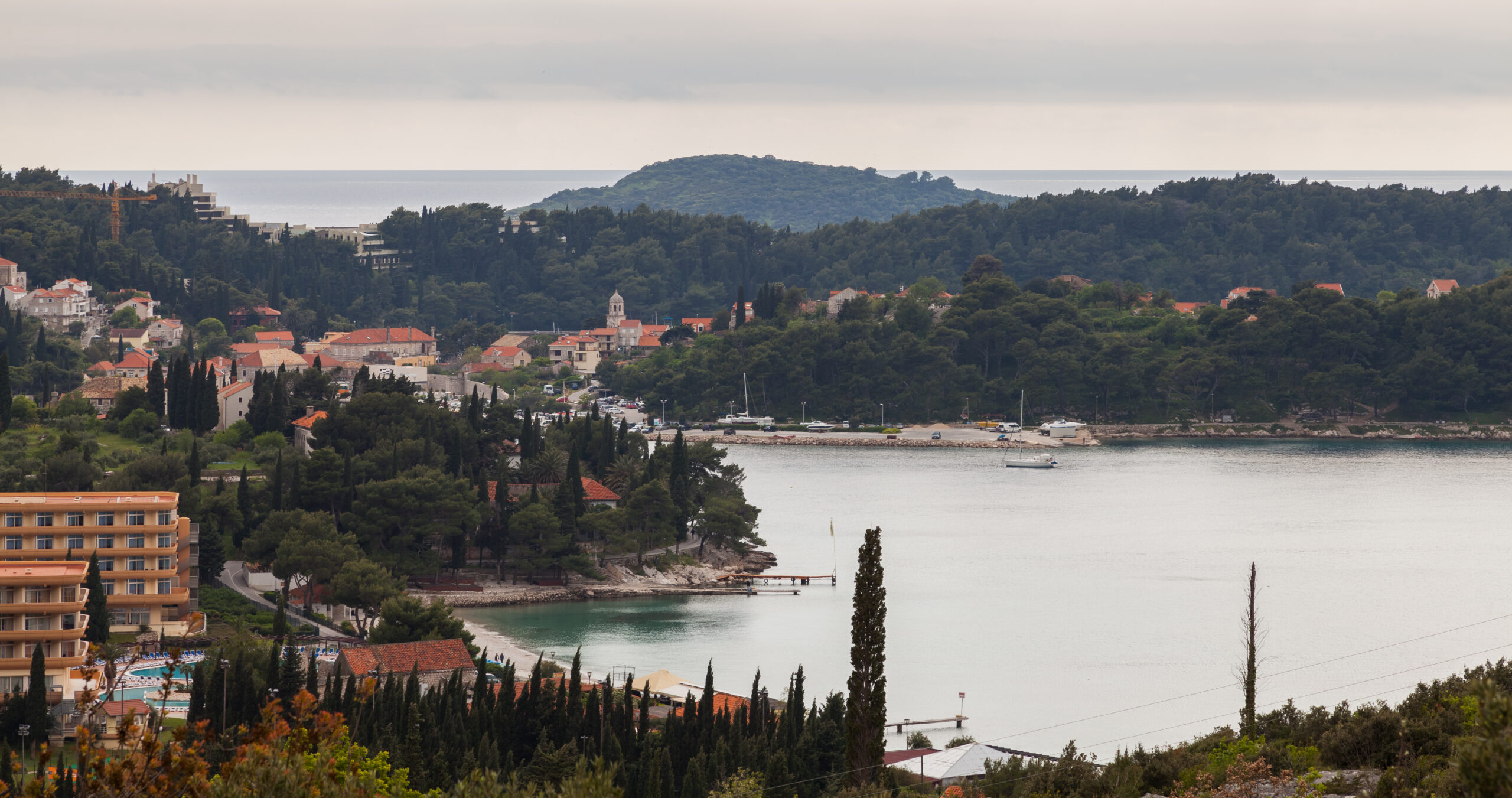
Twenty kilometers south of Dubrovnik, Cavtat is the day trip for when you want the Adriatic without the crowds. This was the original Greek and Roman settlement of the area (ancient Epidaurum), and today it’s a gentle waterfront town with a palm-lined promenade, a couple of excellent small museums, and swimming coves that the Old Town crowds never reach. Bus 10 runs from Dubrovnik in about 40 minutes, or take the seasonal boat for the scenic option.
Pair it with the Konavle Valley behind it — the fertile countryside between Cavtat and the Montenegrin border, where family wineries pour local Malvasija and Plavac Mali alongside prosciutto, cheese, and olive oil. A winery lunch in Konavle followed by an afternoon in Cavtat is one of the most underrated half-days on this coast.
Practical tips for Dubrovnik day trips
- Passports are non-negotiable for Mostar and Montenegro. Check visa requirements for Bosnia & Herzegovina and Montenegro well before your trip — some nationalities need them even for a day.
- Book the big two ahead in summer. Mostar and Montenegro tours regularly sell out in July and August; morning departures also get you through border crossings faster.
- Base yourself smart. If day trips are a big part of your plan, choosing the right Dubrovnik neighborhood matters — Gruž (near the port and bus station) and Lapad make early pickups far less painful than the Old Town’s stairs.
- Season matters. Lokrum’s ferries don’t run in winter, Kravice swimming is a summer activity, and the cross-border tours run year-round but with reduced frequency off-season.
- Bring cash. Border-area coffee stops, the Kravice entrance on some tours, Kotor’s tourist tax, and island boat rides are often cash-only.
Dubrovnik rewards the traveler who stays in town — but it rewards the traveler who leaves it, too. Two countries, a waterfall swim, a fjord, a walled island, and a wine valley are all within a day’s reach. Pick two, book the cross-border ones early, and save Lokrum for the day you need a break from the crowds.