
Tokyo is the largest city on the planet, and it does not ease you in gently: your first morning is a wall of neon, a river of commuters, and seventeen places you want to be at once. The good news is that Tokyo rewards a plan more than almost any city I know — its trains run to the minute, its neighborhoods each have a distinct personality, and a little structure turns the overwhelm into the best three days of your year.
Planning a trip? Get our free Travel Planning Checklist:
The catch: Tokyo’s biggest experiences now run on timed tickets that sell out — teamLab Planets and Shibuya Sky both punish spontaneity. So this itinerary keeps one zone per day, books the big tickets ahead, and leaves room to wander. Let’s go.
Disclosure: This post contains affiliate links. If you book through one of these links, I may earn a commission at no extra cost to you.
How this Tokyo itinerary works
Each day stays in one part of the city, and every stop sits on the JR Yamanote Line loop or a single subway ride — so you spend your time in Tokyo, not under it.
- Day 1 — Old Tokyo: Asakusa’s temples and market streets in the morning, Ueno’s museums and food alleys in the afternoon.
- Day 2 — The west-side icons: Meiji Shrine and Harajuku by day, Shibuya at golden hour, Shinjuku after dark.
- Day 3 — Choose your Tokyo: digital art at teamLab Planets, a Mt Fuji day trip, or a slow food-and-gardens day in the city.
Day 1: Old Tokyo — Asakusa and Ueno
Start where Tokyo started: Asakusa, the old entertainment district that still feels like a small town the metropolis grew up around.
Morning: Senso-ji before the crowds
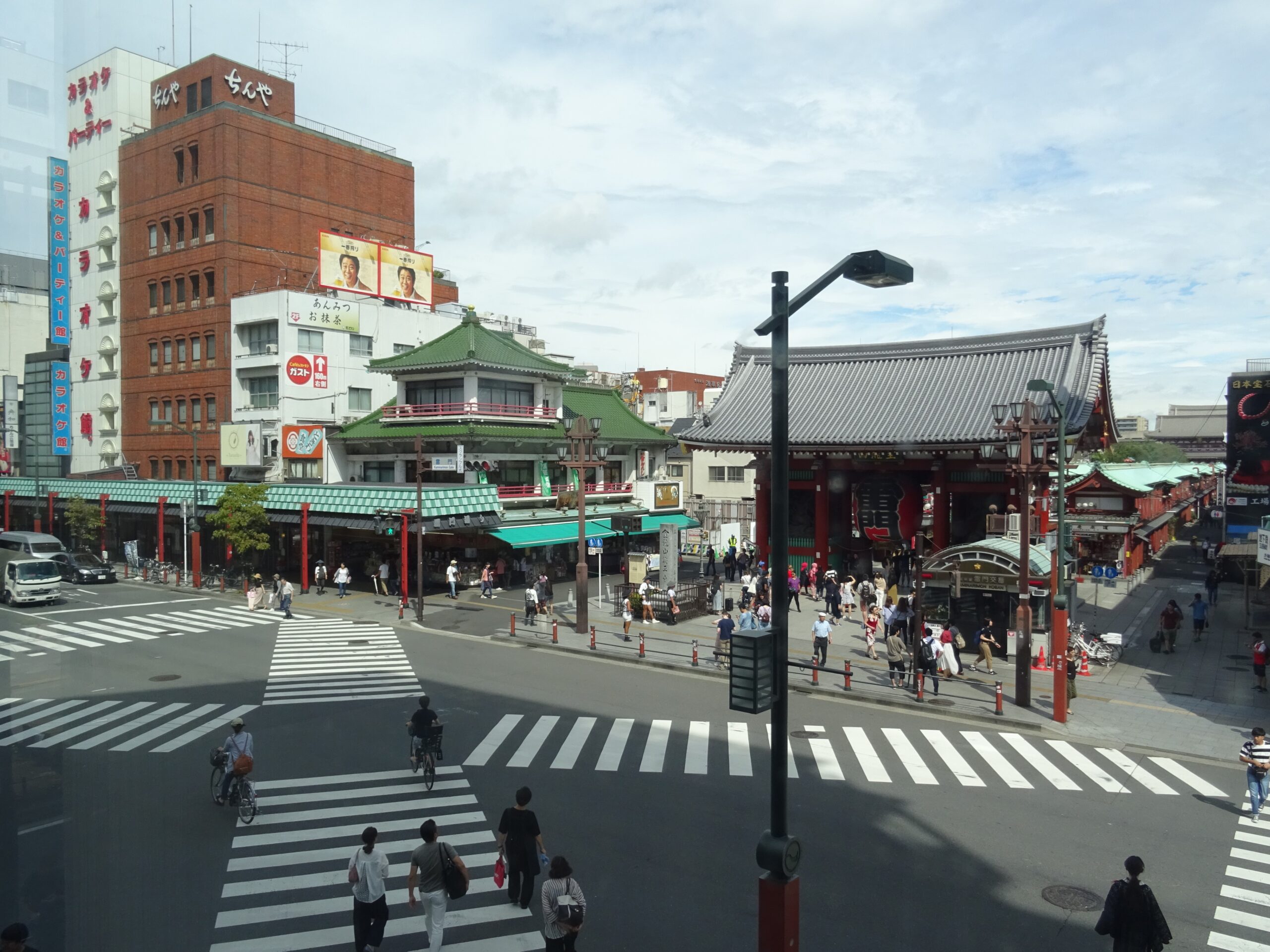
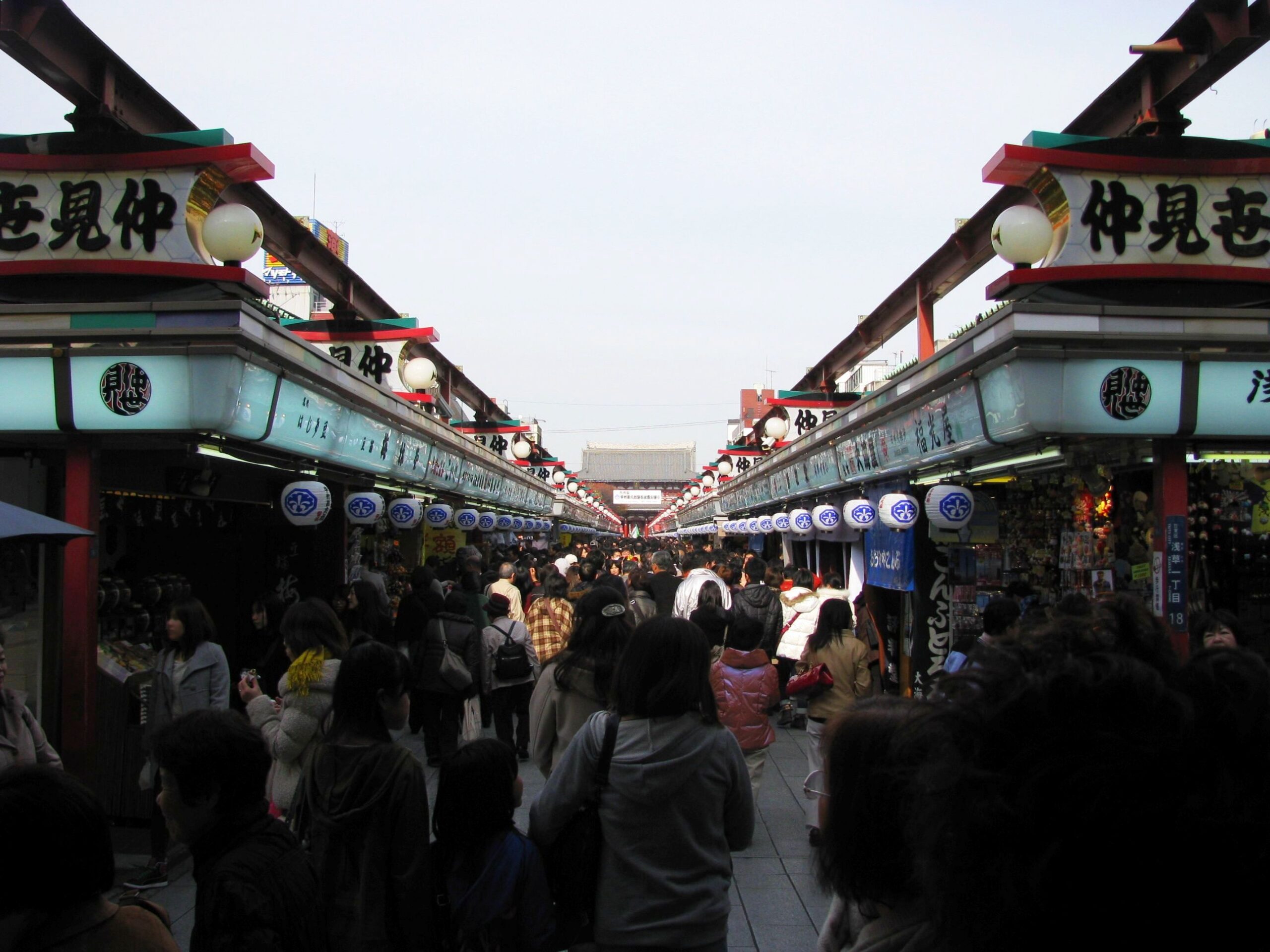
Senso-ji, founded in 628, is Tokyo’s oldest temple — free to enter and the most visited spiritual site on earth. Beat the crowds: arrive by 8am to walk under the Kaminarimon (Thunder Gate) and its giant red lantern in near-solitude. The Nakamise shopping street leading to the temple wakes through the morning; this 250-meter lane has fed pilgrims for centuries, so grab a grilled ningyo-yaki cake as your second breakfast. Give the grounds an unhurried hour afterward: the incense at the main hall, the five-story pagoda, the omikuji fortune slips — draw a bad one, tie it to the rack, walk away lighter.
Afternoon: Ueno Park and Ameya-Yokocho
Two stops away, Ueno Park is Tokyo’s museum quarter: the Tokyo National Museum holds the world’s largest collection of Japanese art, and the park also has a science museum and zoo. Pick one museum — two hours is the sweet spot before fatigue sets in.
As afternoon fades, walk ten minutes to Ameya-Yokocho, the market street under the tracks between Ueno and Okachimachi — born as a postwar black market, now a gloriously chaotic half-mile of fishmongers and snack counters. This is your dinner hunt: grilled scallops on a stick, a bowl of standing sushi, candied strawberries for the walk. Eat where the office-worker line is longest.
Day 2: The west-side icons — Harajuku, Shibuya, Shinjuku
Day two is the Tokyo of the postcards, done in geographic order.
Morning: Meiji Shrine
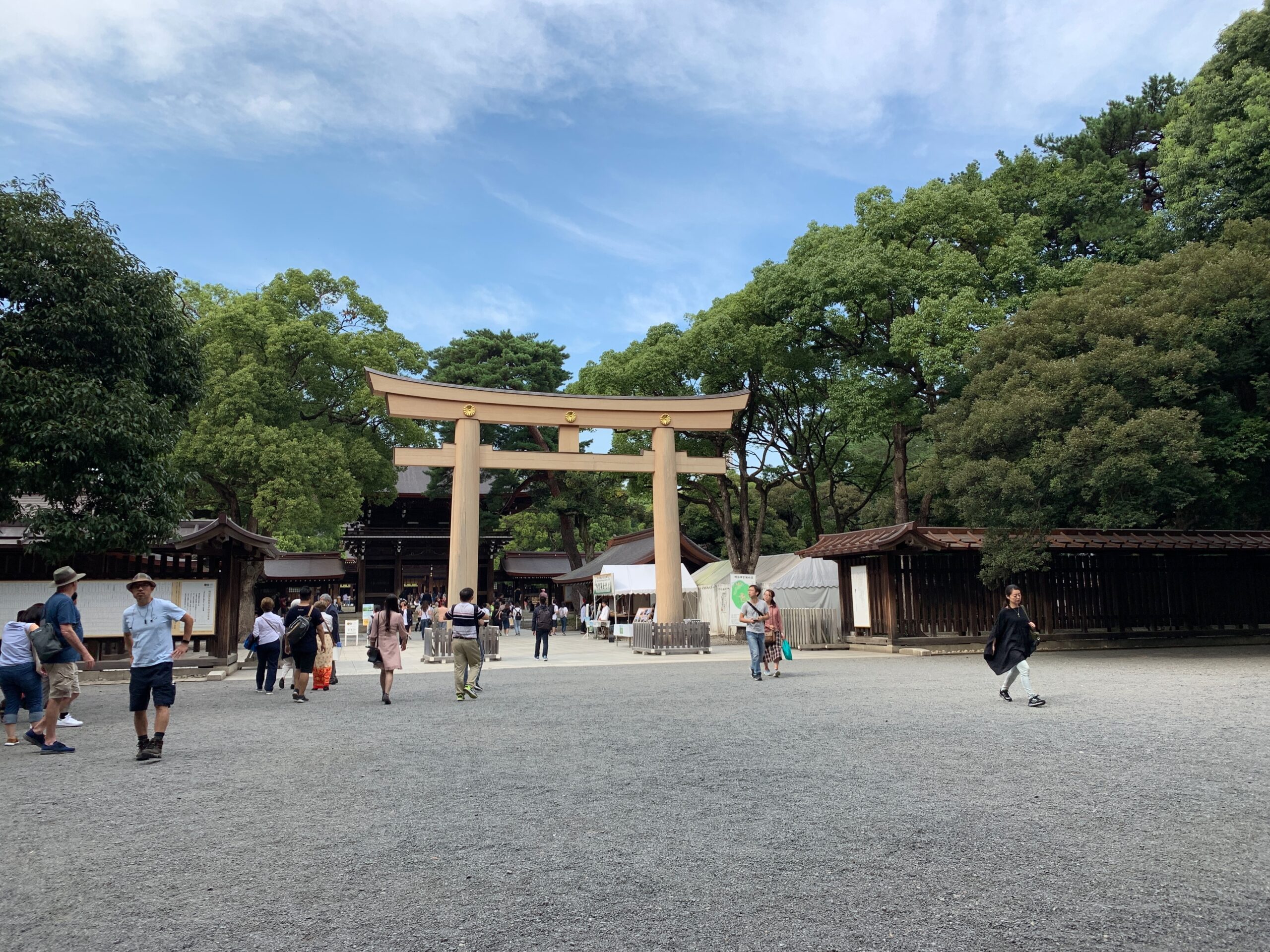
Begin at Meiji Shrine, set in a planted forest of 100,000 trees that swallows the city noise in seconds. Entry is free; gates open at sunrise and close at sunset. Enter from Harajuku and walk the long gravel approach under towering torii gates — before 9am you may catch a Shinto wedding procession crossing the courtyard.
Midday: Harajuku and Takeshita Street
Step out of the forest into Takeshita Street’s beautiful chaos — touristy, loud, and worth twenty minutes for a crepe the size of your forearm. The back streets of Ura-Harajuku hide the actually interesting vintage and designer shops.
Afternoon: Shibuya
Two stops down the Yamanote Line: pay respects at the Hachiko statue, then cross the scramble — up to 3,000 people per light cycle, the busiest crossing on earth. Watch one cycle from above, then cross it yourself.
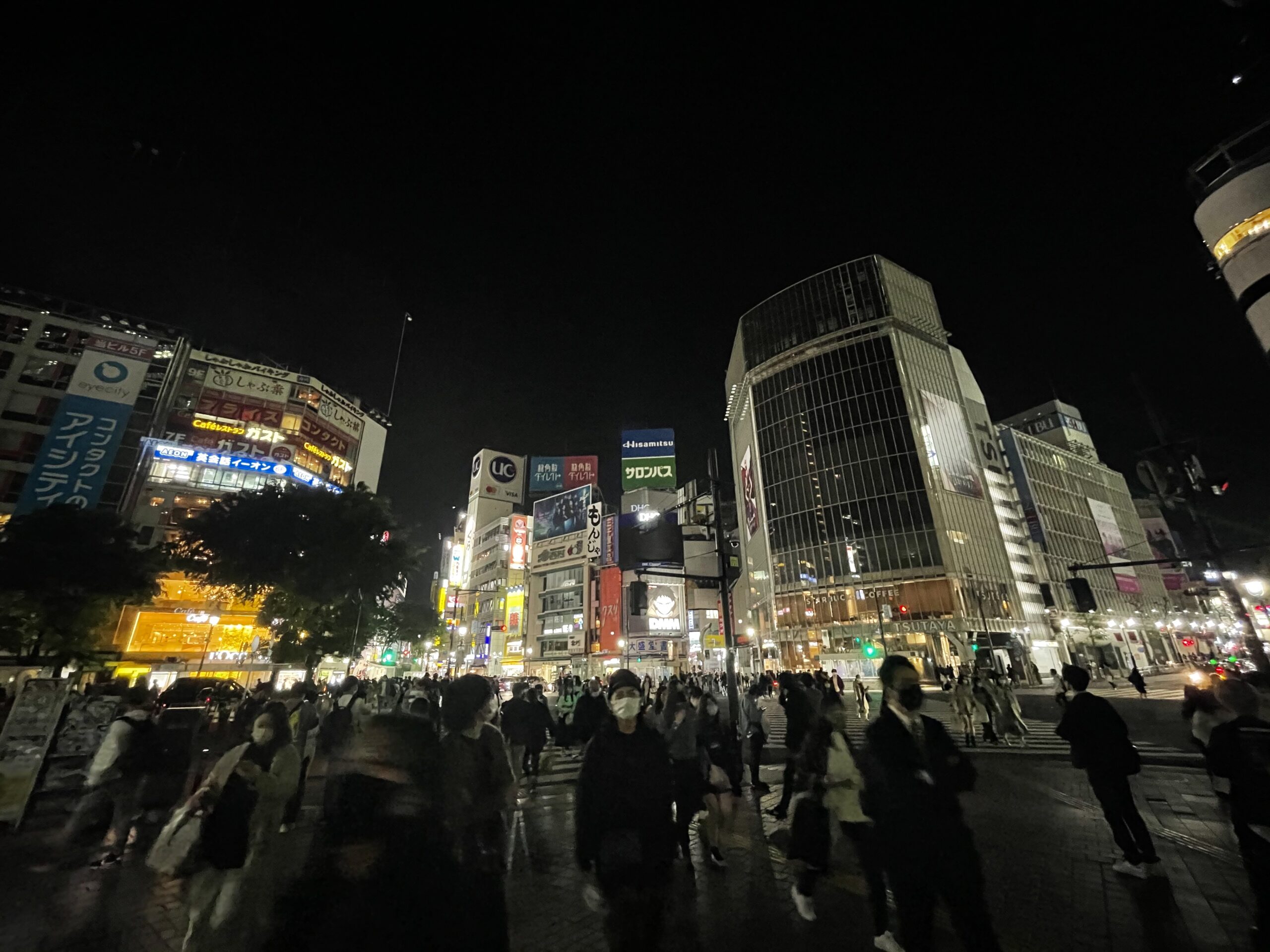
Then go up: Shibuya Sky, the open-air rooftop atop Shibuya Scramble Square, is Tokyo’s best viewpoint — no glass between you and the city. Book ahead online (about ¥2,700 for daytime slots, ¥3,400 after 3pm) and aim for the hour before sunset to watch the city flip from day to neon; sunset slots sell out weeks ahead in busy seasons.
Evening: Shinjuku after dark
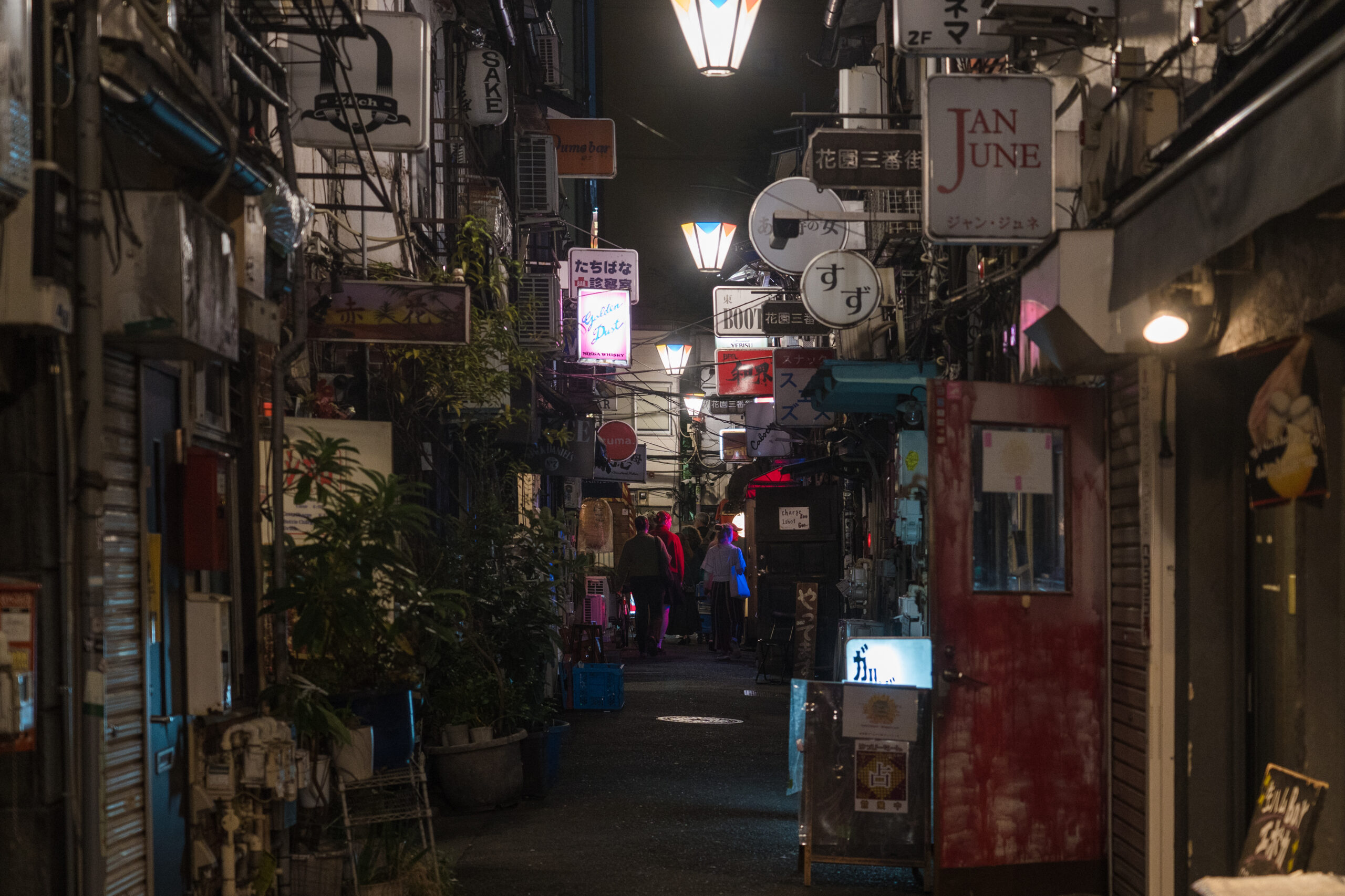
End the day in Shinjuku. Start at the Tokyo Metropolitan Government Building — its 45th-floor observatories are free and open late, and the south tower is the sunset pick. Then dive into Omoide Yokocho, a lantern-lit alley of six-seat yakitori joints barely changed in seventy years. Point at what looks good; it will be good.
Finish in Golden Gai: six alleys of 200 closet-sized bars, many seating under ten. Some charge a cover for non-regulars — ask before sitting — or take the easy route with a Shinjuku evening food tour, where a local guide handles the izakayas and the ordering. It is the difference between peeking at the alleys and drinking in them.
Day 3: Choose your Tokyo
By day three, follow your own curiosity — pick the option that made you book the flight.
Option A: teamLab Planets and the bay
teamLab Planets in Toyosu is the immersive digital-art museum where you wade barefoot through water full of light-koi and rooms of floating orchids — unlike anything else in Tokyo. Entry is timed and capacity-controlled, so it sells out days ahead: adult tickets run about ¥3,200–3,600 depending on the slot, and you should book a week or two out (a month in peak season). Lock in a teamLab Planets fast-track entry ticket before you fly and aim for a morning slot. Pair it with Odaiba’s waterfront across the bay for a natural half-day.
Option B: Mt Fuji and Hakone
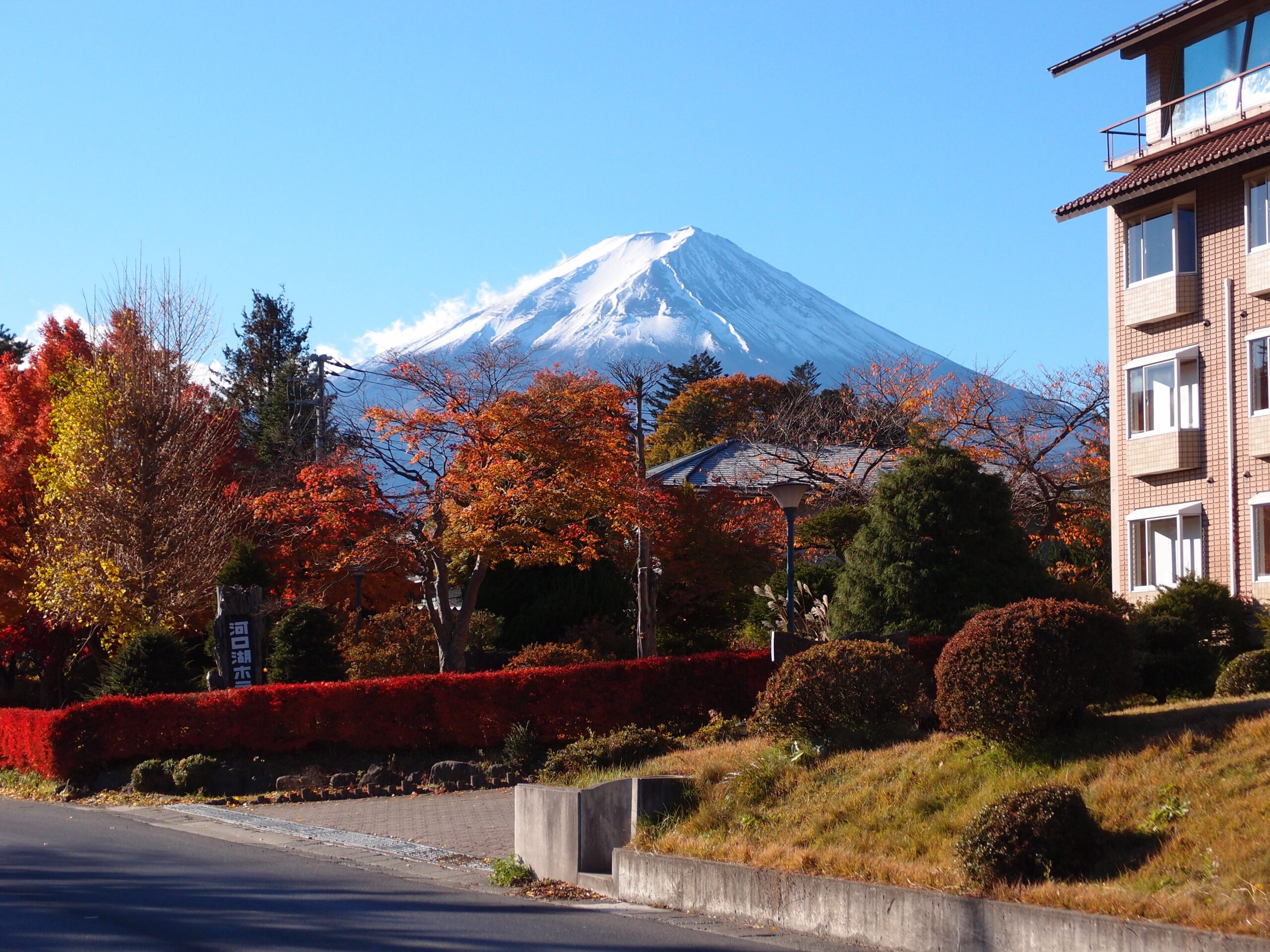
The classic day trip first-timers regret skipping. The easy version: drive to the Fuji 5th Station, loop through Hakone — Owakudani’s volcanic valley, the Lake Ashi cruise — then ride the shinkansen back to Tokyo. A Mt Fuji and Hakone 1-day bus tour with bullet-train return handles the fiddly connections. One honest warning: Fuji is famously shy — clear winter mornings are best, summer often hides it. Check the forecast the night before; Hakone is worth the day regardless.
Option C: Tsukiji, Ginza, and the palace gardens
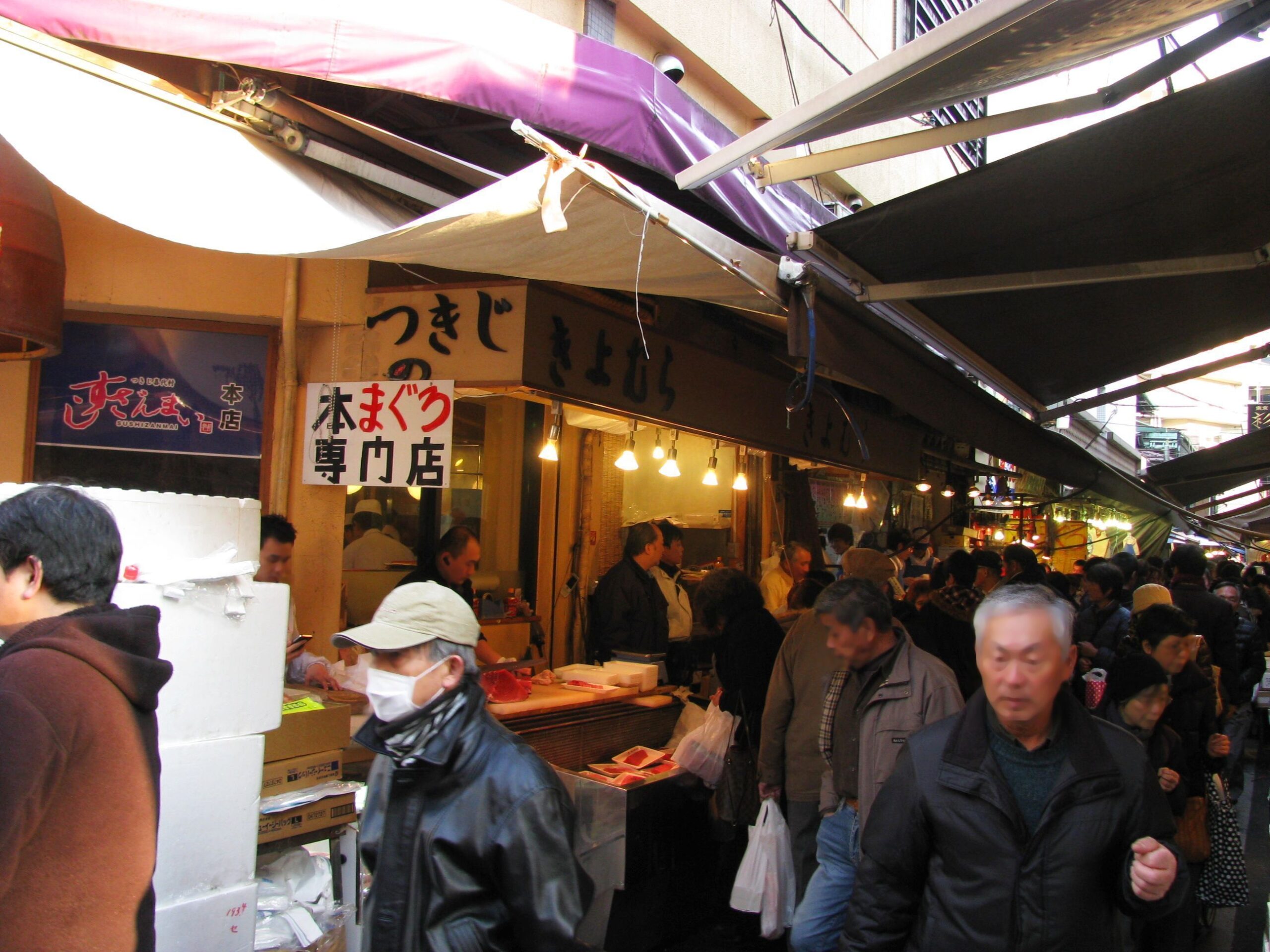
For city-stayers: start at the Tsukiji outer market, the street-food labyrinth left behind when the wholesale market moved to Toyosu in 2018. Go between 8 and 10am — stalls wind down by early afternoon, and the market rests Sundays and holidays. Graze tamagoyaki skewers and tuna sashimi cups, walk fifteen minutes to Ginza’s gleaming department stores, then finish at the Imperial Palace East Gardens (free; closed Mondays and Fridays), where old Edo Castle foundations sit in manicured calm.
Getting around Tokyo
Tokyo’s transit looks intimidating and behaves beautifully. Get a Suica or Pasmo IC card (physical or on your phone) and tap through trains, subways, buses, even convenience stores. The JR Yamanote Line is your best friend — a loop connecting nearly every stop in this itinerary, with trains every few minutes. Google Maps gives accurate real-time directions down to the platform and car.
Skip the Japan Rail Pass for this trip: the 7-day pass costs ¥50,000 since the October 2023 price hike and only pays off with long-distance shinkansen rides. Airports: from Narita, the Narita Express reaches Tokyo Station in about an hour (the Keisei Skyliner is fastest into Ueno); from Haneda, the Tokyo Monorail or Keikyu line takes 15–30 minutes.
Where to stay for this itinerary
Base yourself on the Yamanote loop and this itinerary runs itself. Shinjuku is the best all-rounder for first-timers; Shibuya puts you in the energy; Asakusa trades nightlife for old-Tokyo atmosphere and honest prices. For the full breakdown with hotel picks at every budget, read our guide to where to stay in Tokyo.
Extending your trip: Kyoto by shinkansen
Have more than three days? Add Kyoto: the Nozomi shinkansen runs Tokyo to Kyoto in about 2 hours 15 minutes, city center to city center, and the contrast — Tokyo’s electric future against Kyoto’s ancient temples — is Japan’s best one-two punch. Our Kyoto in 3 Days itinerary picks up where this one leaves off, and our guide to where to stay in Kyoto sorts the neighborhoods.
The bottom line
Three days in Tokyo is not enough to see it all — nothing is, in a city this size — but it is exactly enough to understand it. One day for the old city, one for the neon icons, one for whatever pulled you here in the first place. Book the two timed tickets the week you book your flight, stay on the Yamanote loop, and leave unscheduled time every afternoon. Tokyo rewards the planner, but it converts the wanderer — the side street you duck into on a whim becomes the story you tell for years.