
Almost every visitor to Phuket books the same three days out — the Phi Phi Islands, Phang Nga Bay and an elephant sanctuary — and almost every visitor faces the same problem: for each one, there are a dozen tours that look identical in the listings and feel completely different on the day. The gap between a great Phi Phi trip and a miserable one is rarely the islands. It is the departure time, the boat size and whether the park fee was included in the price you compared. This guide compares the real options head-to-head, so you can book the version that suits you — not just the cheapest thumbnail.
Never forget a thing before you fly. My free 8-page Travel Planning Checklist walks you through the whole trip — 6 planning timelines, 36 checks, from booking windows to travel-day basics. One email, no spam, unsubscribe anytime.
If you are still shaping the trip itself, start with my Phuket in 3 days itinerary, which shows how these tours slot into a first visit, and my guide to where to stay in Phuket — every tour below picks up from the main beach areas, but journey times to the piers vary a lot by base.
Disclosure: This post contains affiliate links. If you book through one of these links, I may earn a commission at no extra cost to you.
Phi Phi Islands: Early-Bird vs Standard Departure
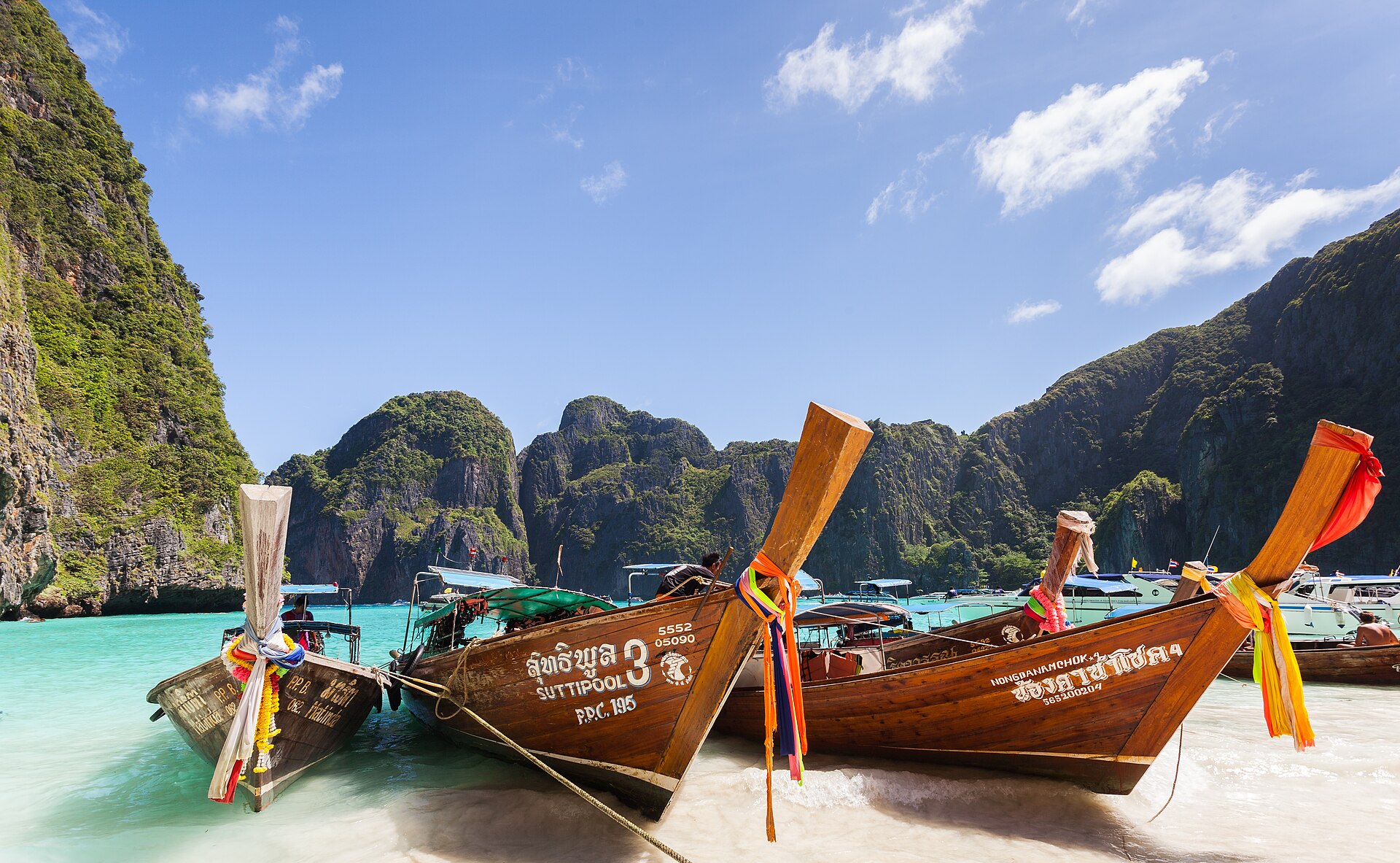
This is the single most consequential choice in Phuket tours. The standard Phi Phi speedboat day leaves after breakfast, reaches Maya Bay — the beach from The Beach — late morning, and shares it with dozens of other boats. The early-bird version picks you up around 5am, crosses in the dawn light and steps onto Maya Bay shortly after it opens, often with a fraction of the crowd. Everything else — Pileh Lagoon’s emerald swimming hole, Monkey Beach, snorkelling stops, a beach lunch — is broadly the same on both. You are paying, or not paying, for the first two hours.
My pick for most people is the early bird. The Phi Phi Islands Early Bird Tour from Phuket runs 8–9 hours with Siam Adventure World, is rated 4.6 from more than 1,800 reviews, and — unusually — includes the national park fee in its roughly $121 price, along with a light breakfast, lunch on Bamboo Island, snorkelling gear and hotel pickup. It is also, reviewers consistently note, the only Phi Phi trip that climbs to the Phi Phi Don viewpoint. Free cancellation up to 24 hours ahead and reserve-now-pay-later make it easy to lock in early and change your mind if the weather turns.
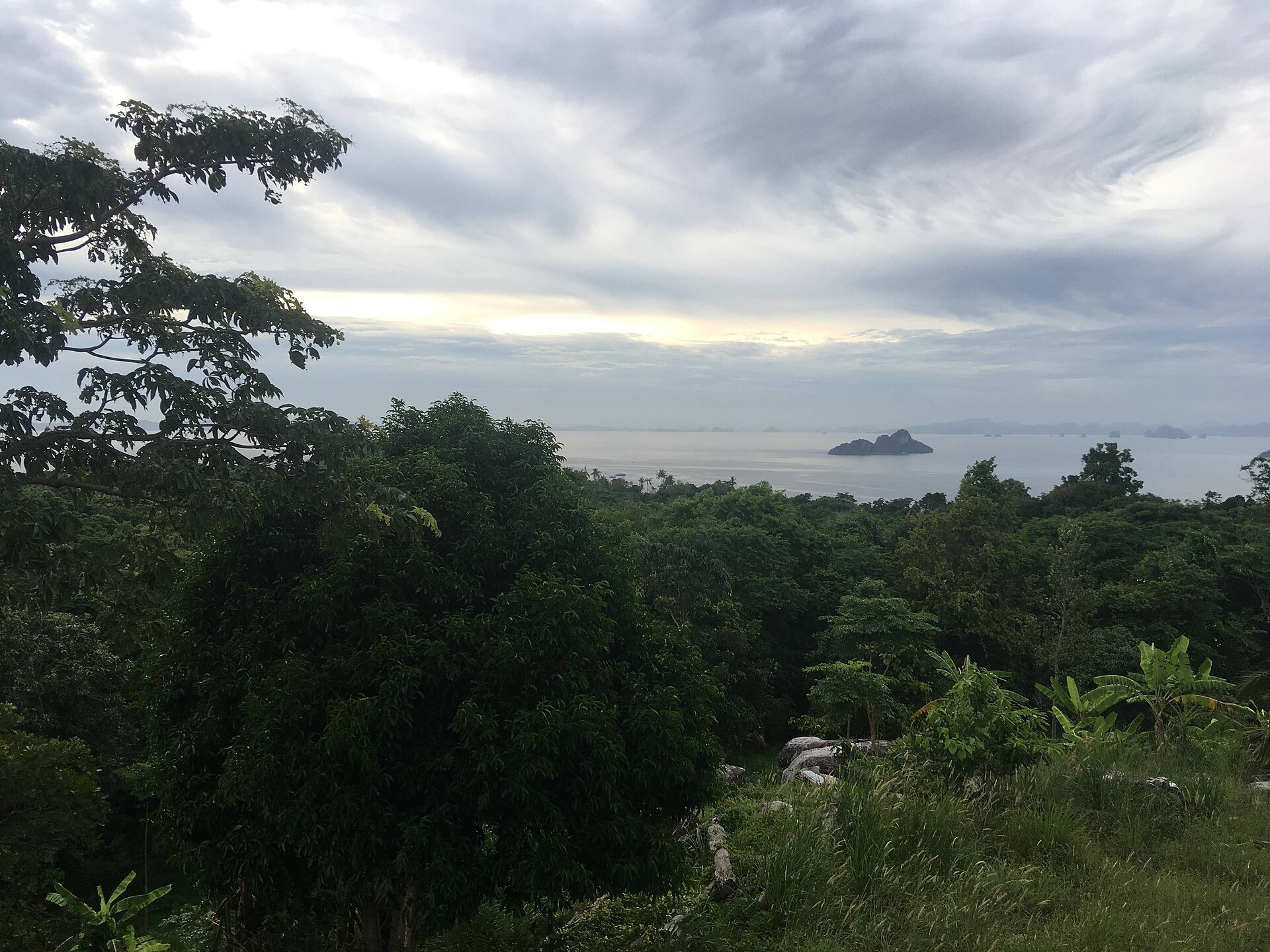
Choose the standard departure instead if the 5am alarm genuinely ruins the day for you, or if budget rules: the well-reviewed standard speedboat trips — the V. Marine tour in my itinerary is a good example, rated 4.8 from over 3,500 reviews at around $85 — run the same route a few hours later. Just budget honestly: on most standard tours the 400-baht park fee is paid in cash on the day, which closes much of the apparent price gap, and Maya Bay at noon is a queue, not a cove. At the premium end, small-group sunrise trips capped at 18 guests (Simba Sea Trips’ is rated 4.9) cost $160 or more; you are paying for space on the boat and polish, not different scenery.
Three Phi Phi facts worth knowing before you book any version. Swimming is not allowed at Maya Bay itself — you wade ankle-deep and take photos; the swimming happens at Pileh Lagoon and the snorkelling stops. Maya Bay usually closes for around two months in the August–September wet season for ecosystem recovery, so autumn trips route differently. And life jackets are now mandatory for swimming and snorkelling inside the national park unless you hold a diving certification — expect it, whatever the brochure photos show.
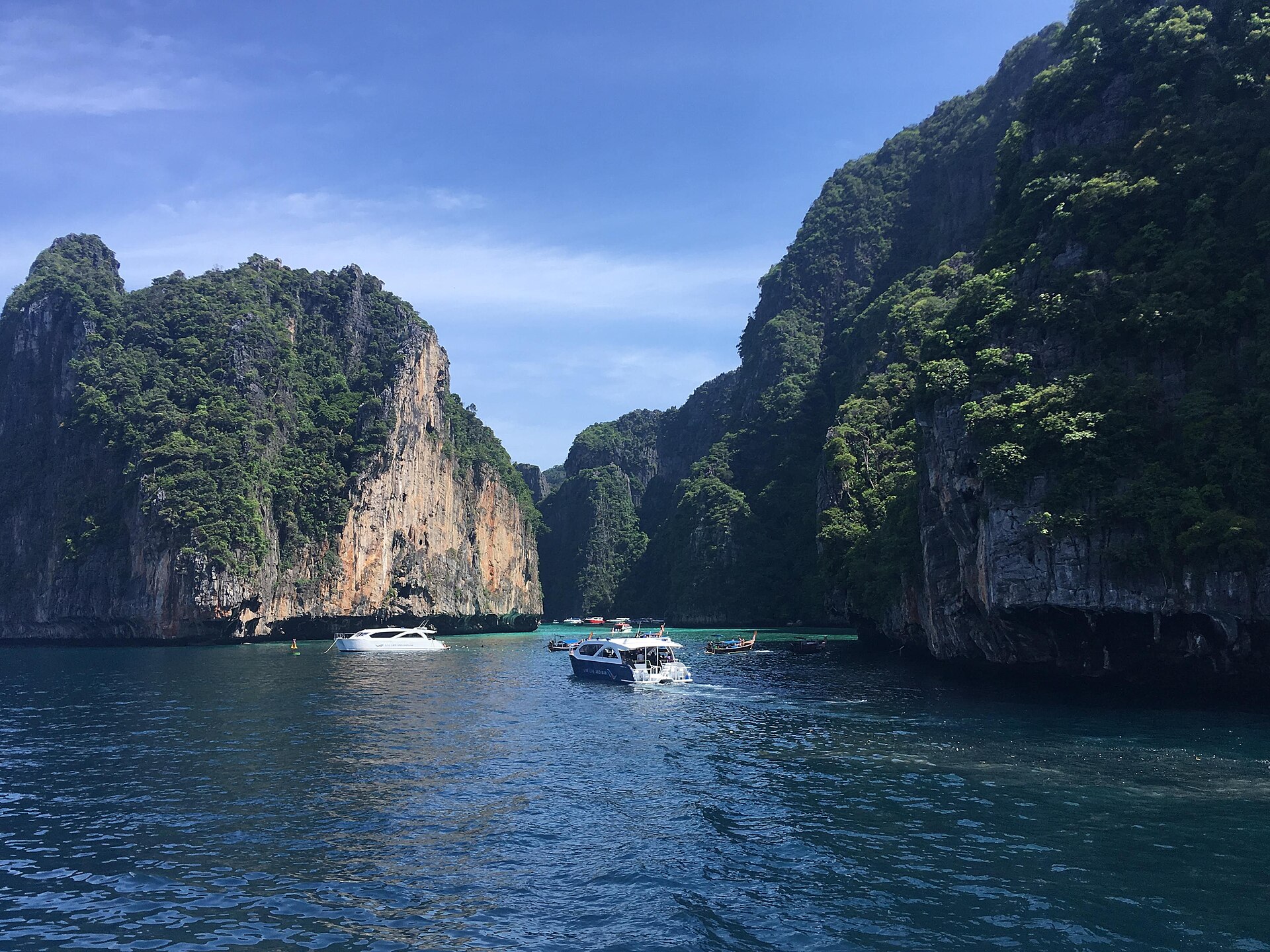
Phang Nga Bay: Big Boat and Canoes vs Speedboat vs Starlight
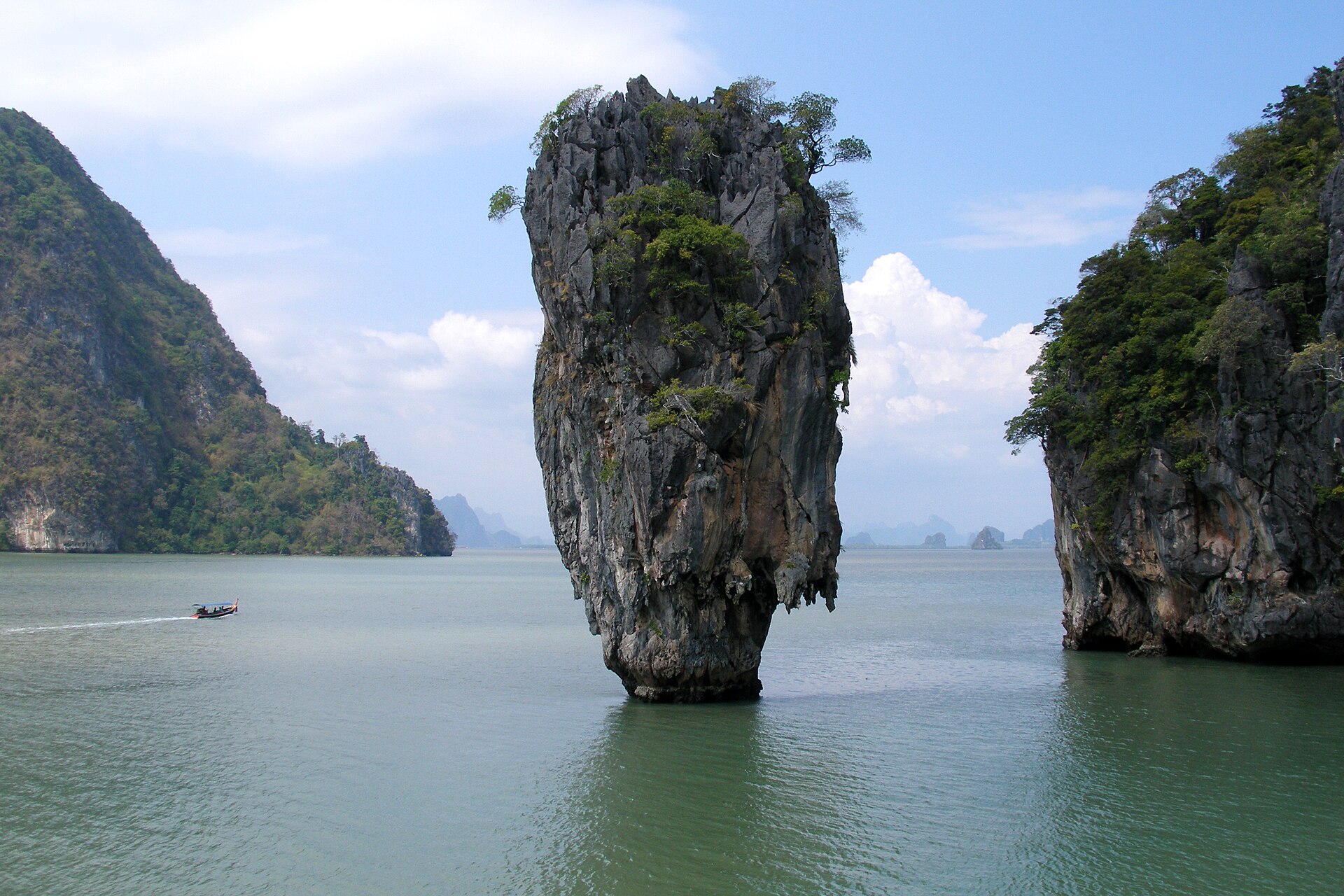
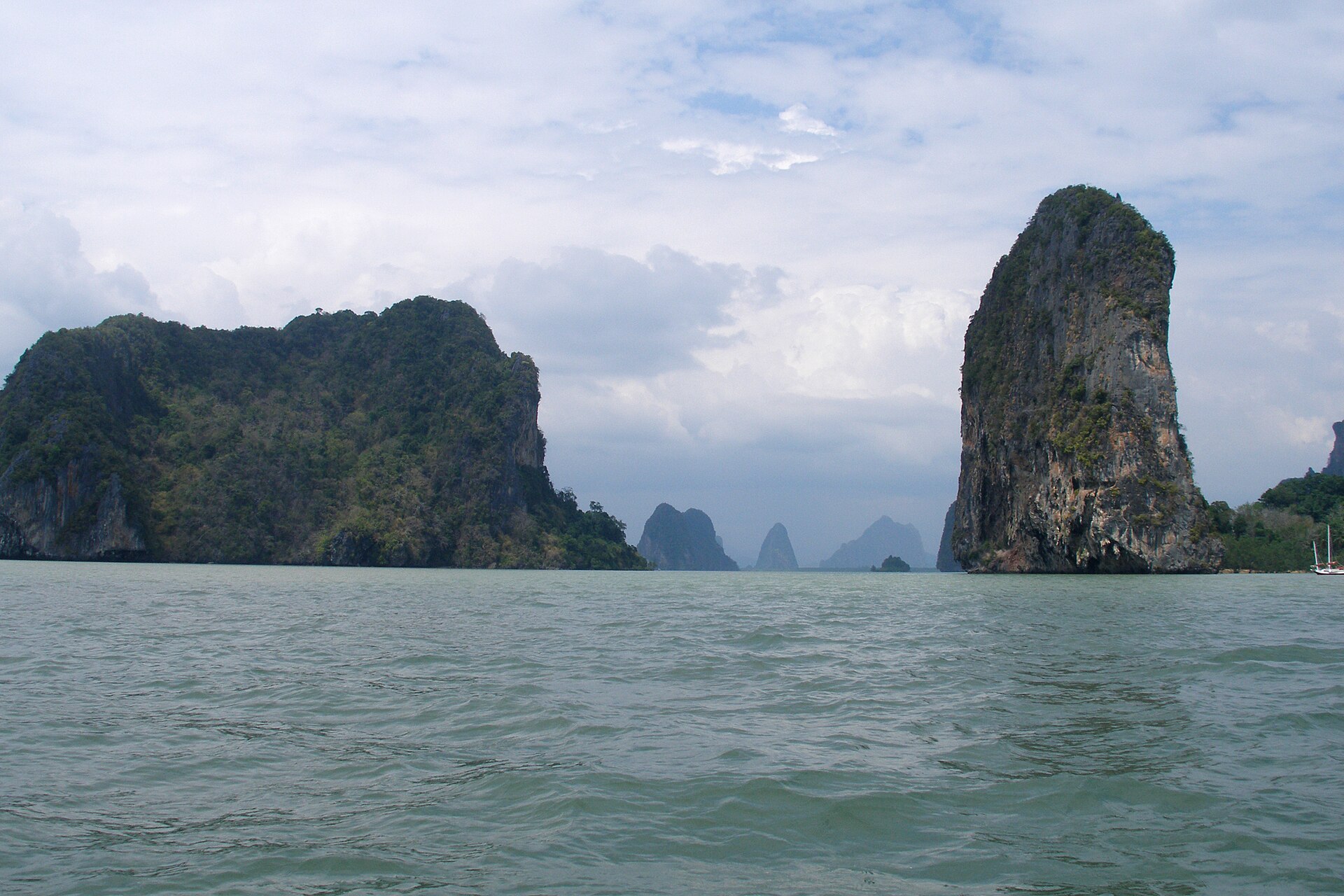
Phang Nga Bay is Phuket’s other great boat day, and the contrast could not be sharper: where Phi Phi is beaches and snorkelling, this is a flooded limestone forest — sheer karst islands, hidden lagoons inside hollow islands, and the famous leaning rock of Ko Tapu, better known as James Bond Island since The Man with the Golden Gun. The three formats suit three different travellers.
The classic, and my recommendation for first-timers and families, is the big-boat tour with guided sea canoeing. The Phang Nga Bay canoeing and James Bond Island tour is rated 4.9 from more than 5,400 reviews at around $96: a comfortable escort boat does the cruising while a paddler takes you into the caves and lagoons of Panak and Hong islands — you sit, photograph and marvel rather than paddle. It is the calmest water day out from Phuket, which makes it the right choice for anyone nervous about speedboats or travelling with younger kids. The 300-baht park fee is extra, and free cancellation runs to 24 hours before.
Speedboat versions of the same bay cost less — around $59 on the main listings — and reach James Bond Island faster, but you trade away the canoe time that makes this bay special, and the ride can be rough outside the calmest months. The connoisseur’s option is John Gray’s Hong by Starlight: a later start, canoeing the lagoons by day and returning through a cave after dark to see bioluminescent plankton, with two meals included. It is magical and priced like it (around $138 and up), but read the fine print before booking — at least one major listing sells it as non-refundable, and its review base is far smaller than the classic tour’s. My honest take: do the classic canoe day on a first trip, and save Starlight for a return visit.
Elephants, Ethically: What “Observation-Only” Really Means
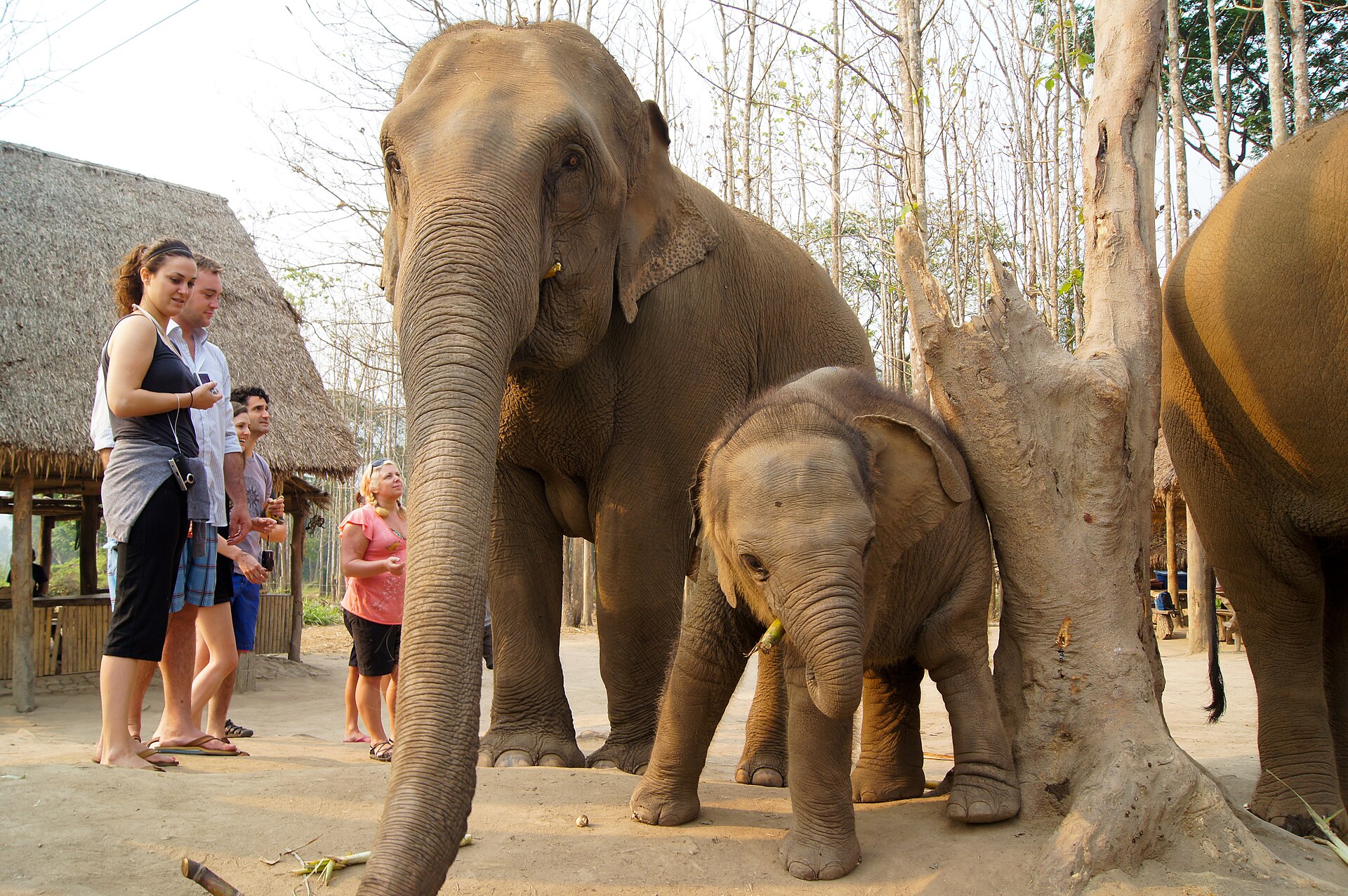
Phuket has dozens of elephant venues and the word “sanctuary” on a sign guarantees nothing. The honest spectrum runs like this: riding camps at one end; hands-on venues in the middle, which have dropped riding but still offer feeding, mud spas and bathing with the elephants; and genuinely hands-off reserves at the other end, where you watch elephants forage, dust-bathe and socialise, and the animals are free to walk away from you. Welfare guidance from organisations such as World Animal Protection favours that last, observation-led model — and it is the only kind I recommend.
The clearest example on the island is the Phuket Elephant Nature Reserve half-day adventure: a fully hands-off, independently audited sanctuary (SGS and ACES audits, per the operator) where a 3.5-hour visit means a jungle observation walk with a guide, preparing enrichment food that staff then offer, a dung-paper recycling demo, a Thai cooking demonstration and a vegetarian lunch — around $89, rated a perfect 5.0 albeit from a still-small base of 37 reviews. No riding, no bathing, no touching; transfers can be added at checkout, and cancellation is free to 24 hours ahead. Whatever venue you choose anywhere in Thailand, apply the red-flag test: if the listing promises riding, shows, or bathing with the elephants, it is not the ethical experience it claims to be, however the photos are staged.
Booking Timing and Practical Advice
When to book. In high season (December to February), the good Phi Phi early-bird boats and small-group tours sell out two to three days ahead; book those first, as soon as your dates are fixed. Phang Nga’s big boats have more capacity and can usually wait until you arrive. Elephant reserves run small groups — book a day or two ahead. Where a listing offers free cancellation to 24 hours and pay-later, use it: book early, then watch the marine forecast.
Weather honesty. From May to October the Andaman Sea is rougher, speedboat days get bumpier and tours cancel more often; the big-boat Phang Nga day and the elephants are your wet-season-proof options. If a Phi Phi trip matters most to you, schedule it early in your stay so a cancelled day can be rebooked rather than lost.
Money and kit. Carry cash for park fees where they are not included (400 baht for Phi Phi, 300 baht for Phang Nga), reef-safe sunscreen, a dry bag for your phone on canoe days, and motion-sickness tablets if speedboats trouble you — the Phi Phi crossing takes about an hour each way. Pickups run from all the main areas covered in my stay guide, but from Mai Khao or the far south, add serious transfer time to that 5am start.
So, Which Tours Should You Book?
If you book only two, make it the Phi Phi early bird — it is the famous day, done at its best — and the Phang Nga canoe day, which shows you a landscape unlike anywhere else in Thailand. Add the elephants if animals matter to you, and choose the hands-off version: watching a rescued elephant ignore you completely, entirely on its own terms, is a better memory than any photo of riding one. For how all three fit alongside Big Buddha, Wat Chalong and the Old Town, see the 3-day Phuket itinerary, and for the full regional picture — Bangkok, Chiang Mai, Bali and beyond — browse the roundup of my best Southeast Asia guides. Book the early starts, read the park-fee fine print, and Phuket’s big three will earn their reputation.