
There are road trips you drive to get somewhere, and there are road trips you drive because the road is the somewhere. Scotland’s North Coast 500 is firmly the second kind — a 516-mile loop that starts and ends at Inverness Castle, launched in 2015, and has become one of the great driving routes of the world. Single-track roads through the Torridon mountains, white-sand beaches that look airlifted from the Caribbean, sea stacks on Britain’s wild northern edge, and a mountain pass that will test your nerves in the best possible way.
Planning a trip? Get our free Travel Planning Checklist:
This is the 5-day version — the realistic minimum, honestly a little rushed, but entirely doable with early starts and a willingness to keep moving. Seven to ten days is the relaxed version. I’ve built the days around real mileages and drive times, the stops that earn their place, and the practical stuff (single-track etiquette, where fuel gets scarce, when the midges will eat you alive) that separates a great NC500 from a stressful one.
Disclosure: This post contains affiliate links. If you book through one of these links, I may earn a commission at no extra cost to you.
How this 5-day NC500 itinerary works
The official route runs clockwise from Inverness: west to Applecross, up the west coast through Gairloch and Ullapool to Durness, along the north coast to Thurso and John o’ Groats, then back down the east coast through Wick, Dunrobin and Dornoch to Inverness. The bare driving time for the loop is roughly 13–16 hours, which is exactly why five days is the minimum — you need time to stop. Each day below mixes one substantial driving leg with two or three stops, and I flag where a detour is optional so you can trim if you fall behind.
Day 1: Inverness to Applecross (95 miles, ~3 hours)
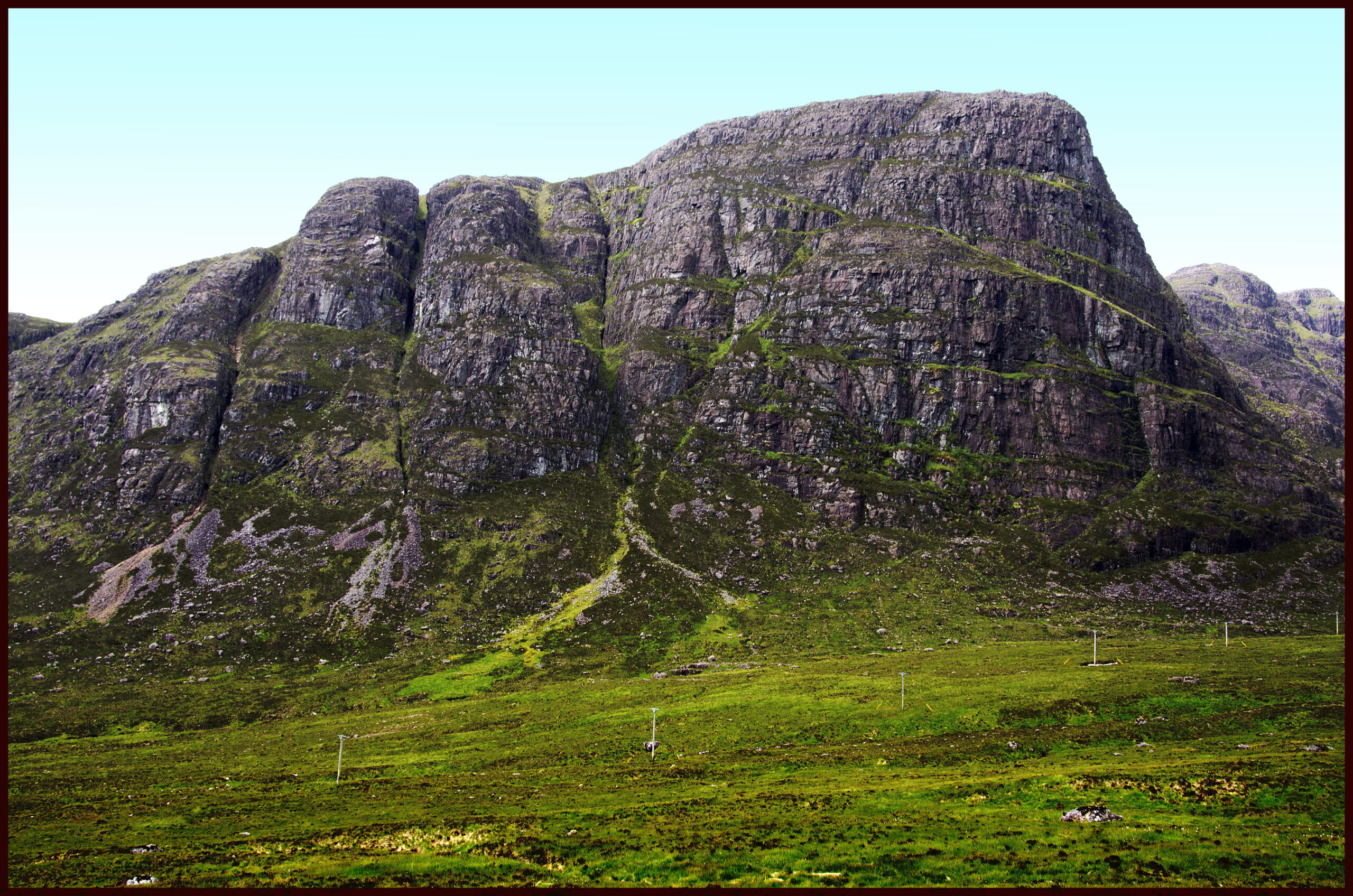
Photo: brian gillman, CC BY 3.0, via Wikimedia Commons
Morning option: Loch Ness and Urquhart Castle. Before the loop really begins, swing 20 minutes east of Inverness to Loch Ness. The 13th-century ruins of Urquhart Castle — dramatic tower, loch-side battlements, the works — are the single best stop on the loch, and this half-day cruise from Inverness pairs a Loch Ness cruise with Urquhart Castle admission (4.7 stars, ~2,300 reviews, from ~US$76) if you’d rather not self-drive it. Urquhart is open year-round (closed Christmas Day and Boxing Day), adult admission is about £14 online or £16 at the gate, and summer tickets genuinely sell out — book ahead.
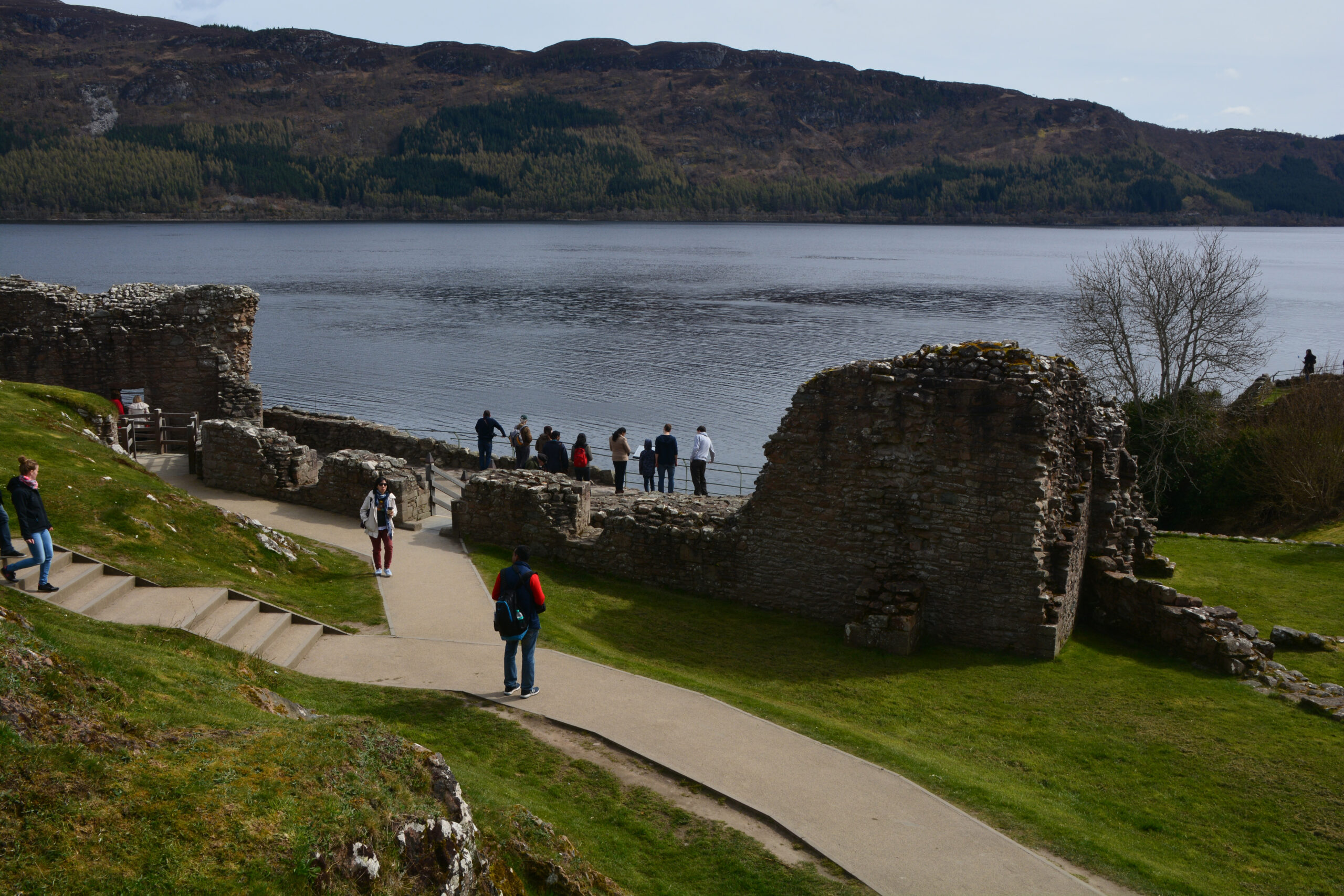
Photo: Lewis Clarke, CC BY-SA 2.0, via Wikimedia Commons
The main event: Bealach na Bà. The west leg of Day 1 climbs over the Applecross peninsula via the Bealach na Bà — “Pass of the Cattle” — the most dramatic road in Britain. It’s paved but single-track, climbing to 626 meters with hairpin bends and gradients that demand full attention. It closes in wintry weather and is stressful for nervous or learner drivers — but the view from the top, over Skye and the Inner Hebrides, is the NC500’s signature moment. If you’re in a motorhome larger than a small camper conversion, skip it: the official advice routes you over the A832 instead. Overnight in Applecross village, famous for its inn and some of the best seafood on the route.
Day 2: Applecross to Gairloch (65 miles, ~2.5 hours)
Today is the Torridon day. The road north from Applecross threads through some of Scotland’s most ancient, brooding mountain scenery. This is a lighter driving day on paper, but build in stops: the viewpoint pull-outs along Loch Torridon, the short walk up to the Coulin viewpoint, and a coffee stop in Kinlochewe before the final push to Gairloch. Gairloch itself is a crofting village strung along a bay with a genuinely lovely beach — walk the coast path in the evening light. The mileages are modest, but the roads are slow; trying to rush this day misses the point of it.
Day 3: Gairloch to Ullapool (60 miles, ~2 hours)
The shortest leg of the trip, and deliberately so — Ullapool deserves an afternoon. It’s the biggest settlement you’ll see between Inverness and Durness: a proper fishing port with whitewashed cottages along the harbor, an excellent chip shop, and some of the finest seafood restaurants on the whole route. Book dinner ahead in summer. If you’re up for a short detour on the way north, the Corrieshalloch Gorge — a mile-deep, forest-lined gorge with a Victorian suspension bridge over the Falls of Measach — is a 1–2 hour stop with a short loop walk; entry to the reserve is free, with a payable car park (check current rates with the National Trust for Scotland before you go). Overnight in Ullapool, and fill your tank — fuel gets thin north of here.
Day 4: Ullapool to Durness (95 miles, ~3 hours)
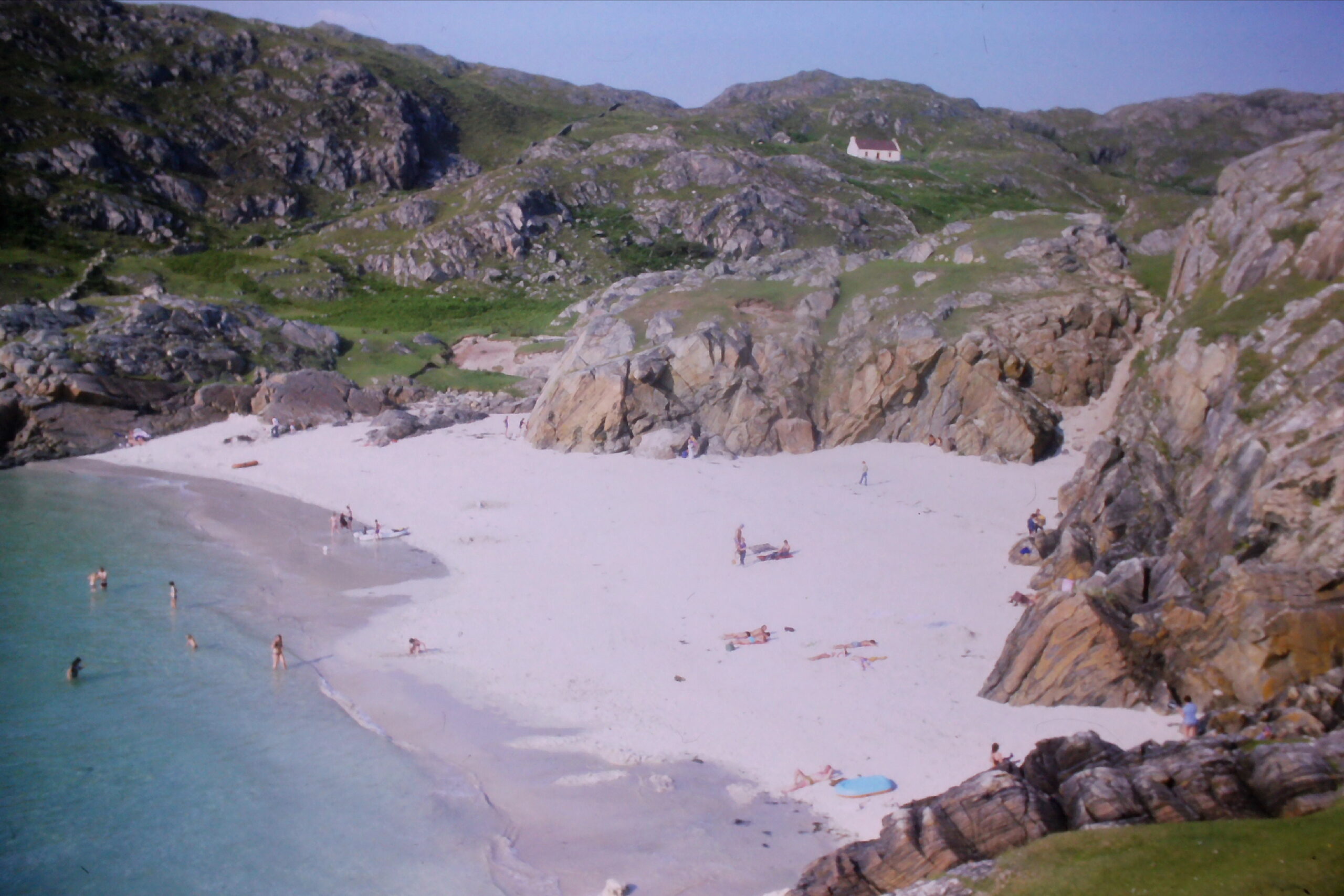
Photo: Tom Law (deceased), CC BY-SA 2.0, via Wikimedia Commons
This is the Assynt day, and it’s the one that breaks first-time visitors’ expectations of Scotland: turquoise water, white-sand beaches, and mountains rising straight out of the moor like islands. Stop at Knockan Crag for the short geology trail, the skeletal ruins of Ardvreck Castle on Loch Assynt, and Achmelvich Beach, which looks like it belongs several thousand miles south. The scenic Assynt routing adds distance — worth it, but large motorhomes must skip the B869 Drumbeg Road here and take the A894 instead.
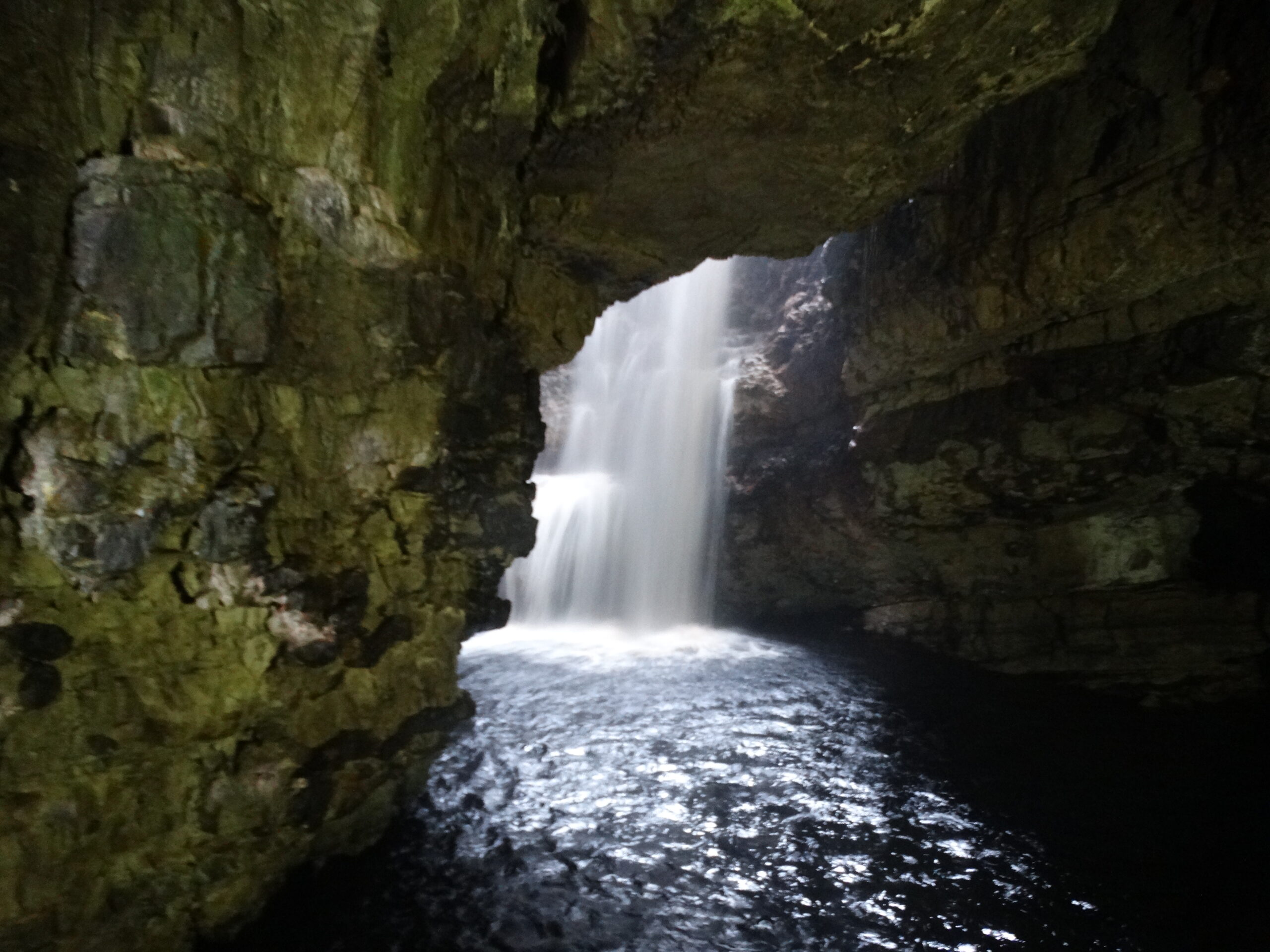
Photo: Colin Park, CC BY-SA 2.0, via Wikimedia Commons
End the day in Durness, at the edge of the known world, and walk into Smoo Cave — a vast sea cave with a waterfall crashing through its roof. Viewing the outer chamber is free; the guided boat tour into the inner chambers is seasonal, weather- and water-dependent, and runs around £15 per person when it’s operating. The main cave is accessible year-round in daylight. If you want the truly wild Scotland experience, the 7-km-each-way walk to Sandwood Bay starts near here — allow 4–5 hours return, bring everything you need, and know that “no facilities” means exactly that.
Day 5: Durness to John o’ Groats and Wick, then back to Inverness
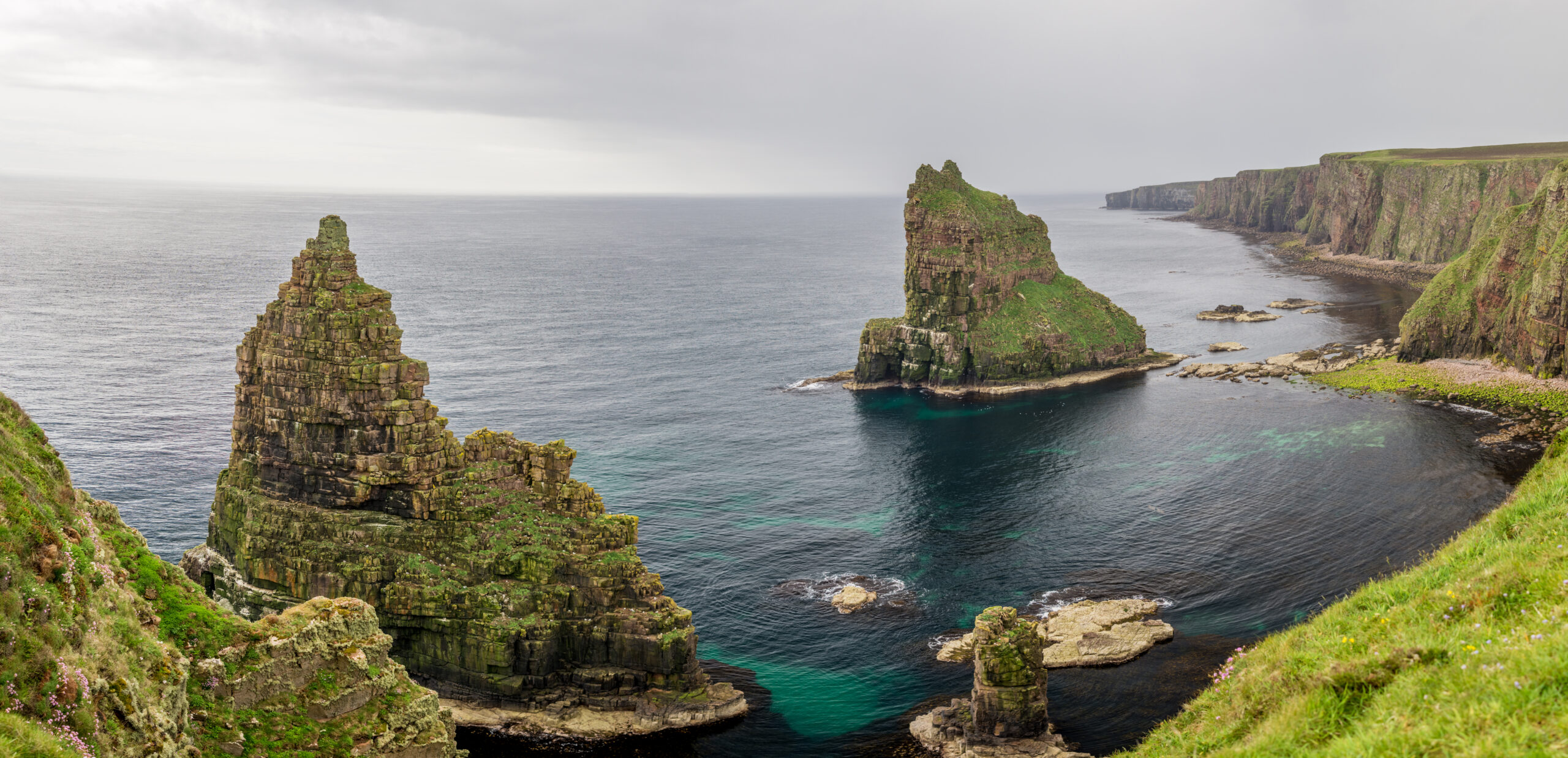
Photo: Adam Court, CC BY 2.0, via Wikimedia Commons
The north coast is the emptiest, windiest, and — in the right light — most haunting stretch of the whole route. Budget a long day: Durness to John o’ Groats is about 85 miles and 3 hours, and the return from Wick to Inverness is another ~110 miles. Two facts worth knowing: John o’ Groats is the famous endpoint and a mandatory photo stop, but it is not mainland Britain’s northernmost point — that’s nearby Dunnet Head, quieter and wilder. And the sea stacks at Duncansby Head, just east of John o’ Groats, are one of Scotland’s great underrated sights — go at golden hour if you can.
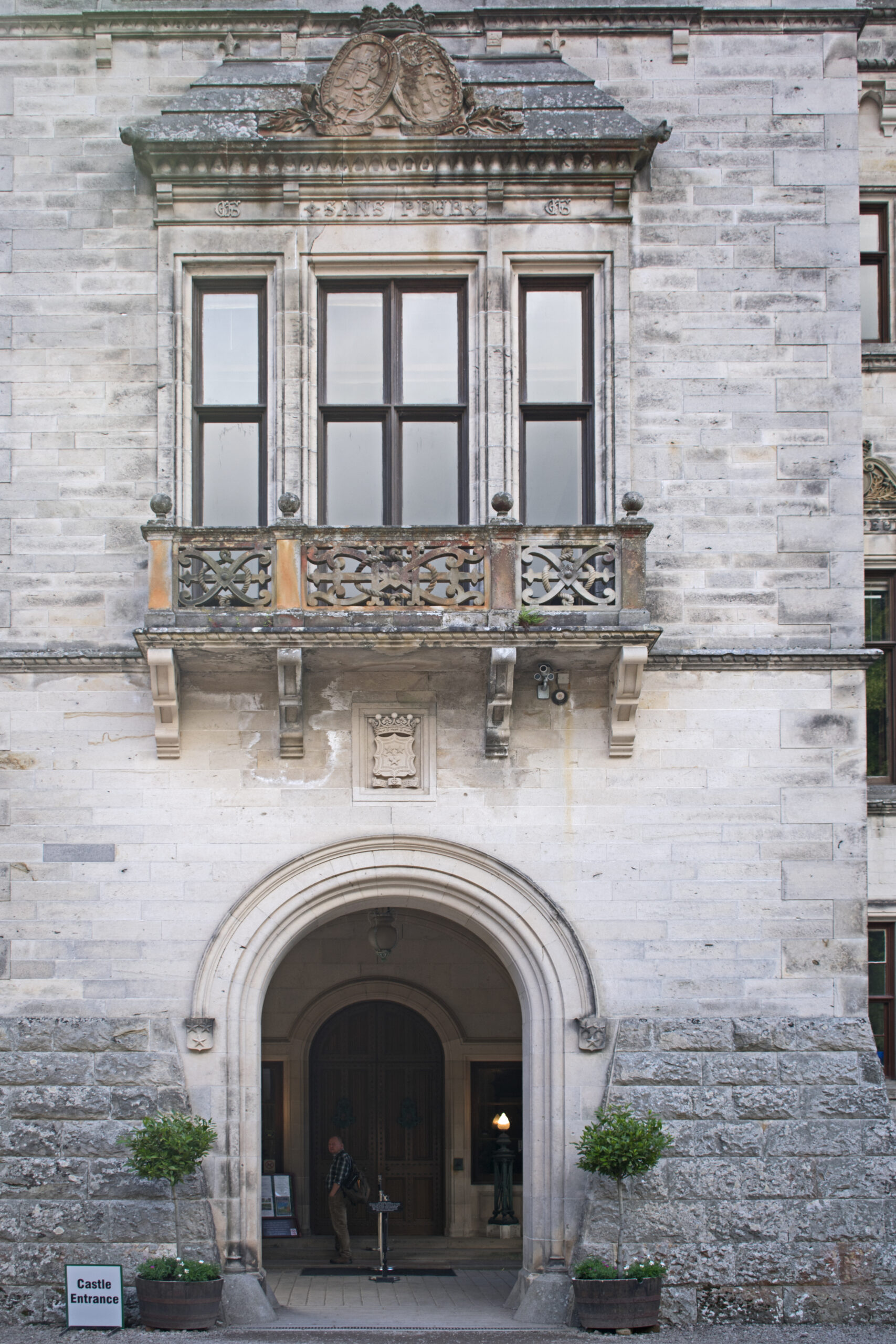
Photo: Ymblanter, CC BY-SA 4.0, via Wikimedia Commons
On the run back down the east coast, stop at the Whaligoe Steps — hundreds of steep stone steps zigzagging down a cliff to a tiny natural harbor (free, donation-supported, tiny car park, no facilities, and genuinely hazardous in strong wind or wet conditions). Then Dunrobin Castle near Golspie: a fairy-tale French-château-looking pile that’s one of the Highlands’ best castle visits. It’s open daily April through October (adult admission ~£16), includes falconry displays at 11:30 and 2:30 when weather allows, and deserves 2–3 hours. If you’d rather let someone else handle the longest driving day of the trip, this 11-hour John O’Groats and Far North day tour from Inverness (4.7 stars, from ~US$85) covers Loch Fleet, Dunrobin, Wick and John o’ Groats with a local guide.
Worth the detour: Isle of Skye and Eilean Donan Castle
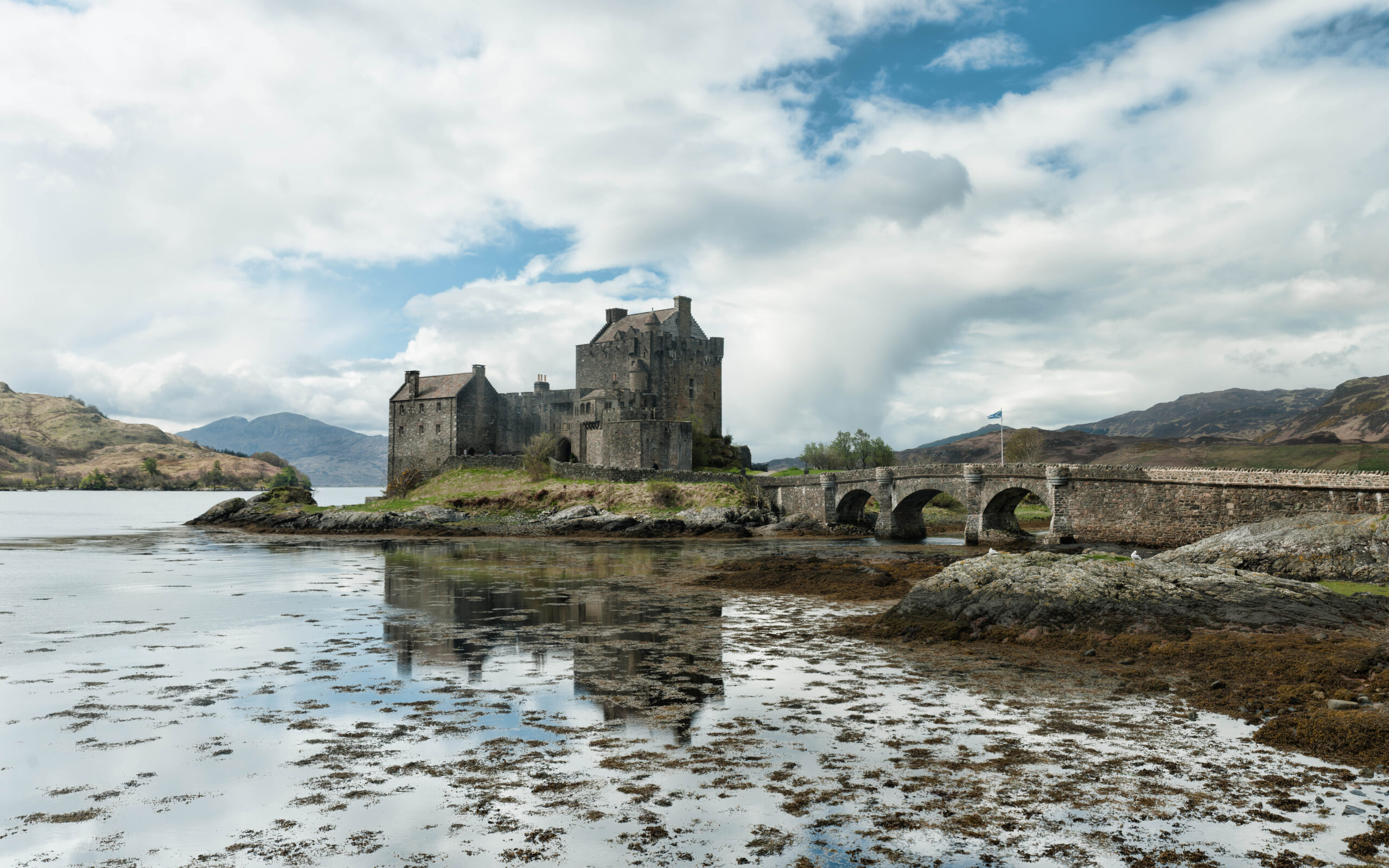
Photo: Alexbrn, CC BY-SA 4.0, via Wikimedia Commons
Strictly speaking, Skye is not on the NC500 — it’s a side trip off the west coast — but this itinerary’s Day 1 passes within reach of it, and Eilean Donan Castle is the most photographed castle in Scotland for a reason. The castle sits on its own tidal island where three sea lochs meet; it’s open February through December with seasonal hours, adult admission is £13, and tickets are sold on the day of visit only. Skye itself rewards at least a full day: the Quiraing’s otherworldly landslips — the pinnacles and terraces below look like a fantasy novel, the Old Man of Storr, and Portree’s pastel harbor. If you have a sixth day, take it here. If you’d rather see it guided, this 12-hour Isle of Skye and Eilean Donan Castle day tour from Inverness (4.9 stars, ~2,200 reviews, from ~US$99) does the whole thing in one long day with a small group.
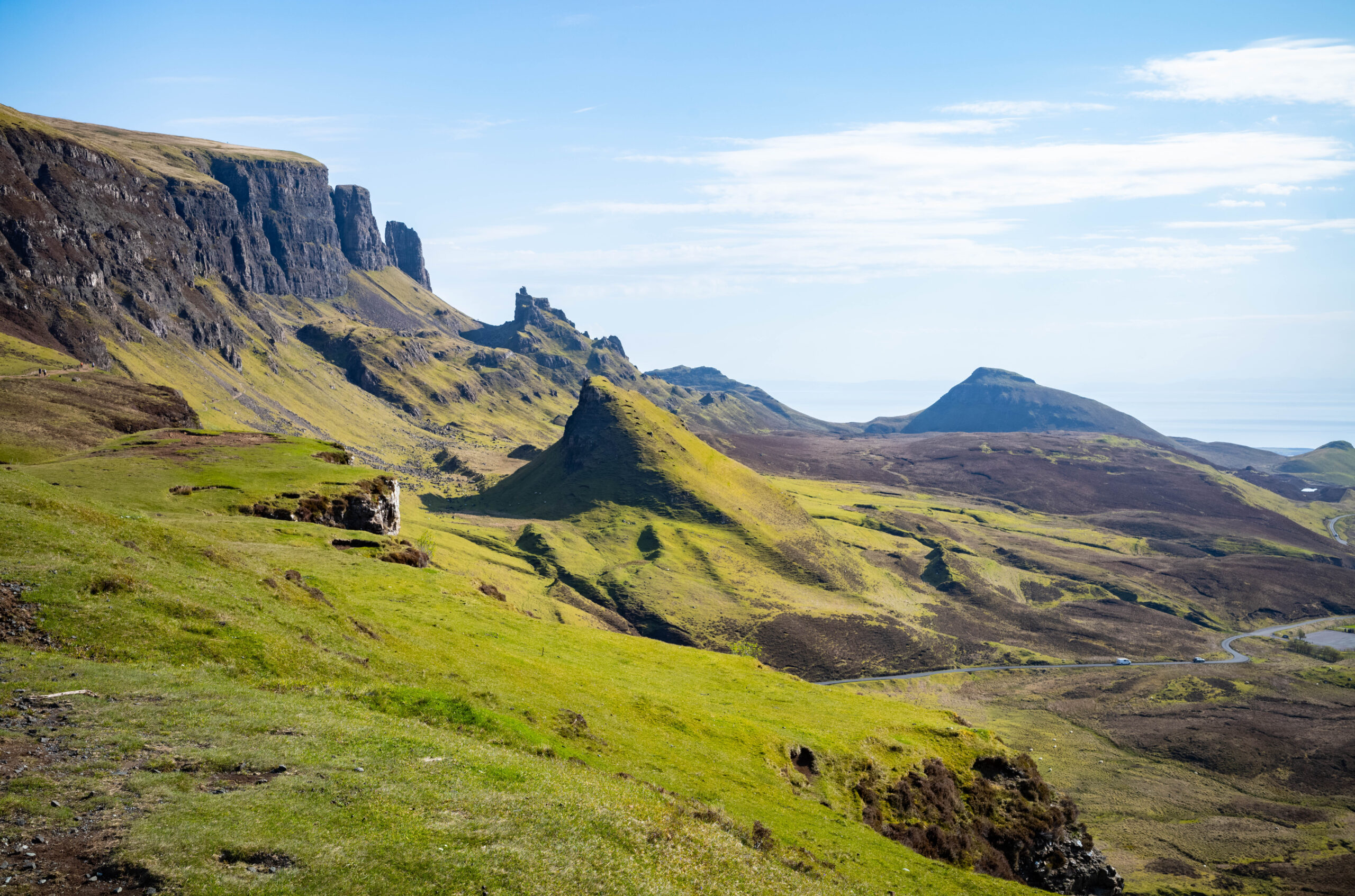
Photo: rboed*, CC BY 2.0, via Wikimedia Commons
Driving the NC500: what to know before you go
Single-track etiquette is everything. Large stretches of the route are single-track. Pull into passing places on your left; if the passing place is on your right, stop opposite it so the oncoming vehicle can use it. Never park in a passing place, let faster local traffic overtake, and be prepared to reverse to the nearest bay — confidently reversing is the single most useful NC500 skill. Motorhomes must be comfortable reversing several hundred yards and should never travel in convoy.
Fuel and food are real logistics. Stations thin out dramatically north of Ullapool. Fill up in the larger settlements and don’t let the tank drop below half. The same goes for food — many village cafés and restaurants keep short seasonal hours and book out, so don’t assume you’ll just find dinner at 8pm in October.
Timing: May, June, or September. That’s the sweet spot for daylight, weather and (relatively) thinner crowds; July and August are the busiest months. Winter brings short days, storms, ice and snow, and possible closures of the Bealach na Bà. One more seasonal reality: midges, roughly late May to early September, worst in calm, damp conditions around dawn and dusk. Pack repellent and a head net and stop complaining — they’re part of the Highlands tax.
Motorhomes and EVs. If your motorhome is larger than a standard small-camper conversion (roughly 16–18 feet), the official NC500 guidance is explicit: do not attempt the Bealach na Bà (take the A832) and do not attempt the B869 Drumbeg Road (take the A894). Driving an EV? There’s no official NC500 charging guidance — plan every charge in advance, check live charger status on the day, and keep a generous battery buffer. This is general guidance, not route-specific advice.
Getting there and renting a car
Inverness Airport is the natural start point and the closest airport to the route. If you’re flying into Edinburgh or Glasgow instead — both work, and plenty of drivers combine the NC500 with a city break — it’s roughly a 3–4 hour drive north to Inverness (Glasgow to Inverness Airport is about 165 miles and a little over 3 hours). If you’re adding a few days in the capital first, my 3-day Edinburgh itinerary is the natural companion piece.
This is one trip where the rental car matters as much as the route. Book something comfortable for long single-track days — small cars handle the passing places better, and a manual is fine if you drive one at home. Compare rental car prices at Inverness Airport on Booking.com and book the car for the full loop — five days is short enough that pickup and drop-off at Inverness is the simple, cheap option. Automatic cars sell out first in summer, so book early.
If you have more time, the Orkney Islands are the classic add-on: NorthLink Ferries runs Scrabster (near Thurso) to Stromness in about 90 minutes, and Pentland Ferries runs Gills Bay to St Margaret’s Hope in about an hour. Check schedules and fares when you book — they’re seasonal and they do sell out.
The bottom line
The North Coast 500 earns its reputation. It’s not the easiest trip you’ll ever plan — the logistics are real, the weather is Scottish, and at least one single-track encounter will raise your heart rate. But 516 miles of castles, sea stacks, beaches that shouldn’t exist at this latitude and the Bealach na Bà at golden hour is a concentration of “best of” driving that very few routes on earth can match. Five days is the minimum. Don’t do it in four.