
The Algarve is Portugal’s sunniest coastline — 200 kilometers of golden cliffs, hidden coves, and fishing villages turned resort towns along the country’s southern edge. But where you stay here matters more than in most beach destinations. The Algarve isn’t one place: Lagos buzzes with backpackers and boat tours, Albufeira parties until dawn, Tavira dozes in Moorish-tiled calm, and Sagres feels like the edge of the world. Pick the wrong base and you’ll spend your holiday in traffic on the N125; pick the right one and the region’s best beaches, caves, and seafood are on your doorstep.
Planning a trip? Get our free Travel Planning Checklist:
Disclosure: This post contains affiliate links. If you book through one of these links, I may earn a commission at no extra cost to you.
Which Algarve Town Is Right for You?
Short on time? Here’s the quick version:
- Lagos — best overall base for first-timers: old town charm, dramatic cliffs, boat tours, and nightlife without the chaos.
- Albufeira — best for nightlife and big resorts: the liveliest town, with huge beaches and the region’s biggest hotel scene.
- Tavira — best for authenticity: the prettiest town in the eastern Algarve, Moorish, mellow, and wonderfully local.
- Carvoeiro — best for families and couples: a postcard fishing village wrapped around cliff-backed coves.
- Vilamoura — best for golf and marina luxury: polished, upscale, and built around one of Europe’s largest marinas.
- Faro — best for a city base near the airport: real Portuguese city life 15 minutes from arrivals.
- Sagres — best for surf and wild scenery: dramatic, windswept, and gloriously untouristy.
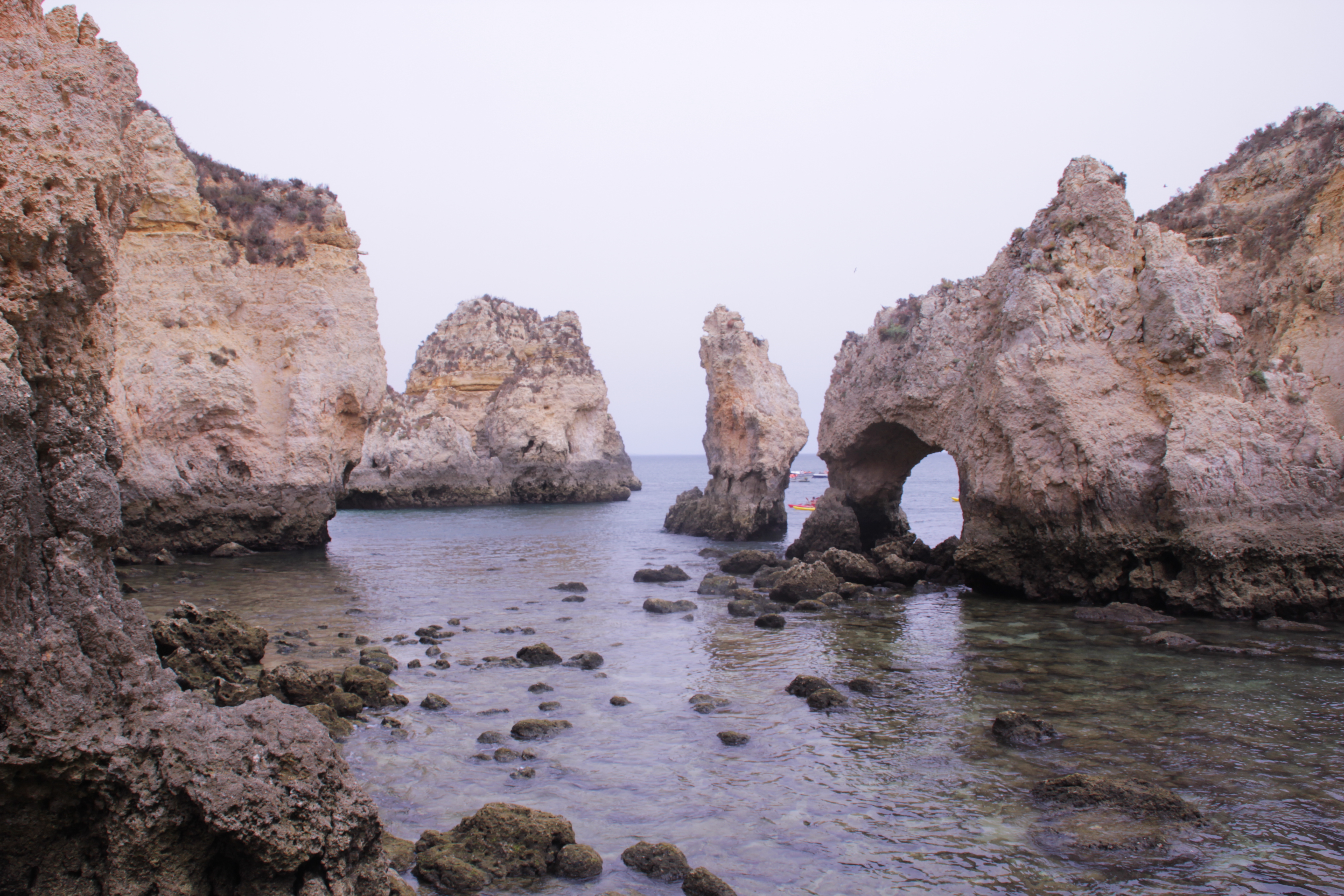
Lagos: Best Base for First-Timers
Lagos is the Algarve town I’d recommend to almost anyone visiting for the first time. Its walled old town is genuinely lovely — cobbled lanes, a 17th-century slave-market-turned-museum, and squares packed with restaurants — and it’s ringed by the region’s most spectacular coastline. Ponta da Piedade, the headland of honeycomb sandstone cliffs and sea arches just south of town, is the single most beautiful spot on the Algarve coast. From the marina, boats leave constantly for the grottos, and Lagos is also the handiest base for day trips west to Sagres or east to the Benagil Cave.
For a splurge with a view, Cascade Wellness Resort sits on the clifftop above Ponta da Piedade — a five-star wellness resort where every room faces the Atlantic and the sunsets are absurd. In the old town itself, Casa Mãe is the boutique pick: a design-led hideaway tucked inside the old city walls with a farm-to-table restaurant and saltwater pools, yet steps from the historic center’s bars. For understated beachside comfort, Hotel Vivenda Miranda pairs a quiet garden setting with easy walks to both the old town and Meia Praia’s long sandy beach.
Albufeira: Nightlife and Big Resorts
Albufeira is the Algarve’s party capital and its biggest resort town — love it or skip it, but know what it is. The old town around the marina is actually charming, with whitewashed lanes and cliff-top viewpoints, but “The Strip” (Avenida Sá Carneiro) is wall-to-wall bars and clubs. What Albufeira does better than anywhere else in the region is big, polished beach resorts, and its beaches — Praia da Falésia’s red cliffs, São Rafael’s rock pools — are genuinely superb.
The standout splurge is Pine Cliffs Hotel, a Luxury Collection resort on the cliffs above Falésia Beach with a golf course, nine restaurants, and a Roman-style spa — the Algarve’s most complete five-star package. For food lovers, Vila Joya is legendary: a Relais & Châteaux hideaway whose two-Michelin-star restaurant is one of Portugal’s best tables, set in subtropical gardens above the sea. A smart mid-range five-star is Epic Sana Algarve Hotel, with direct Falésia beach access and a huge spa, often at friendlier rates than its clifftop neighbors.
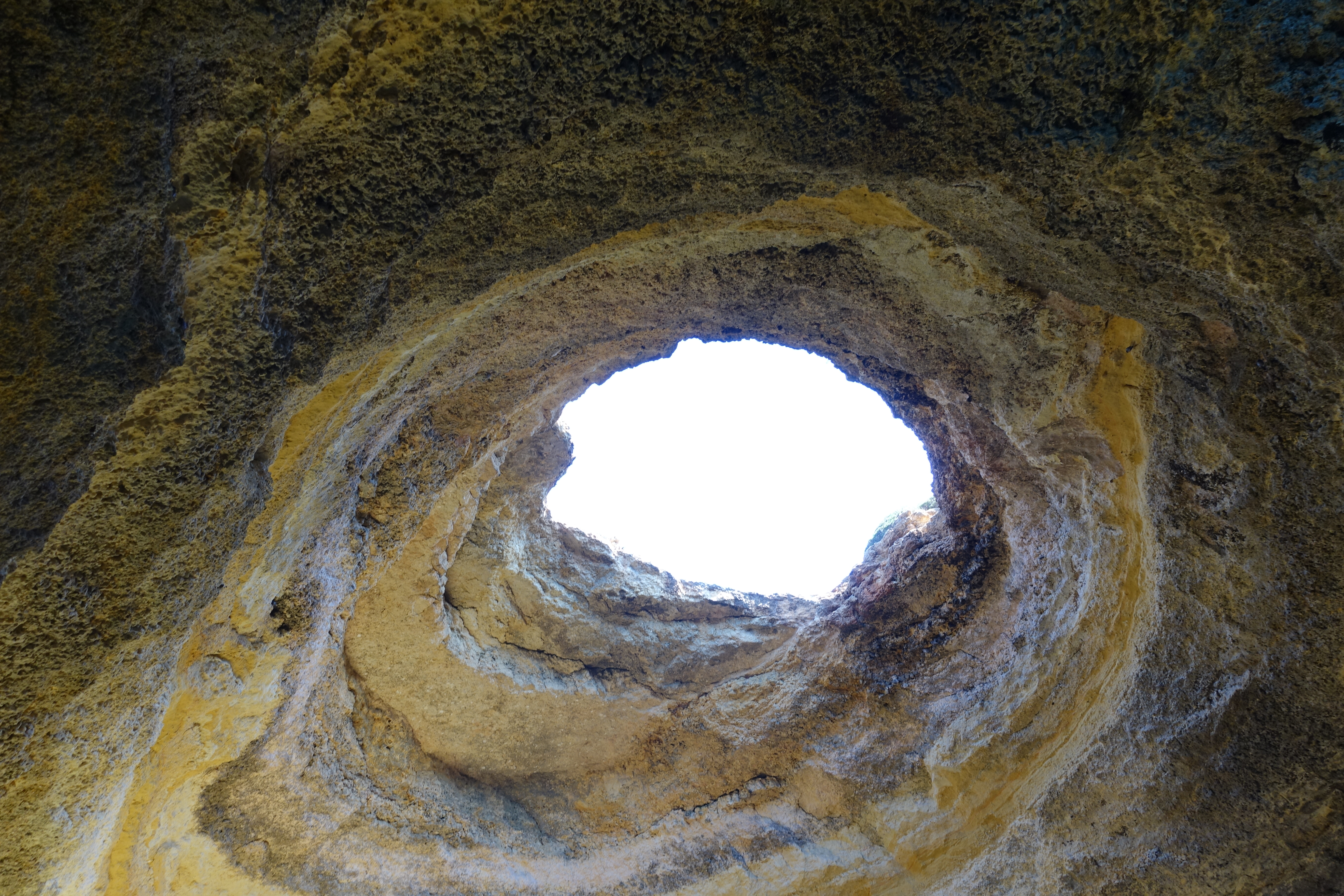
Albufeira is also the easiest place to book the Algarve’s signature excursion: the small-group dolphins and Benagil Cave boat tour leaves from the marina with a marine biologist on board, combining the famous sea cave with wild dolphin spotting in one trip.
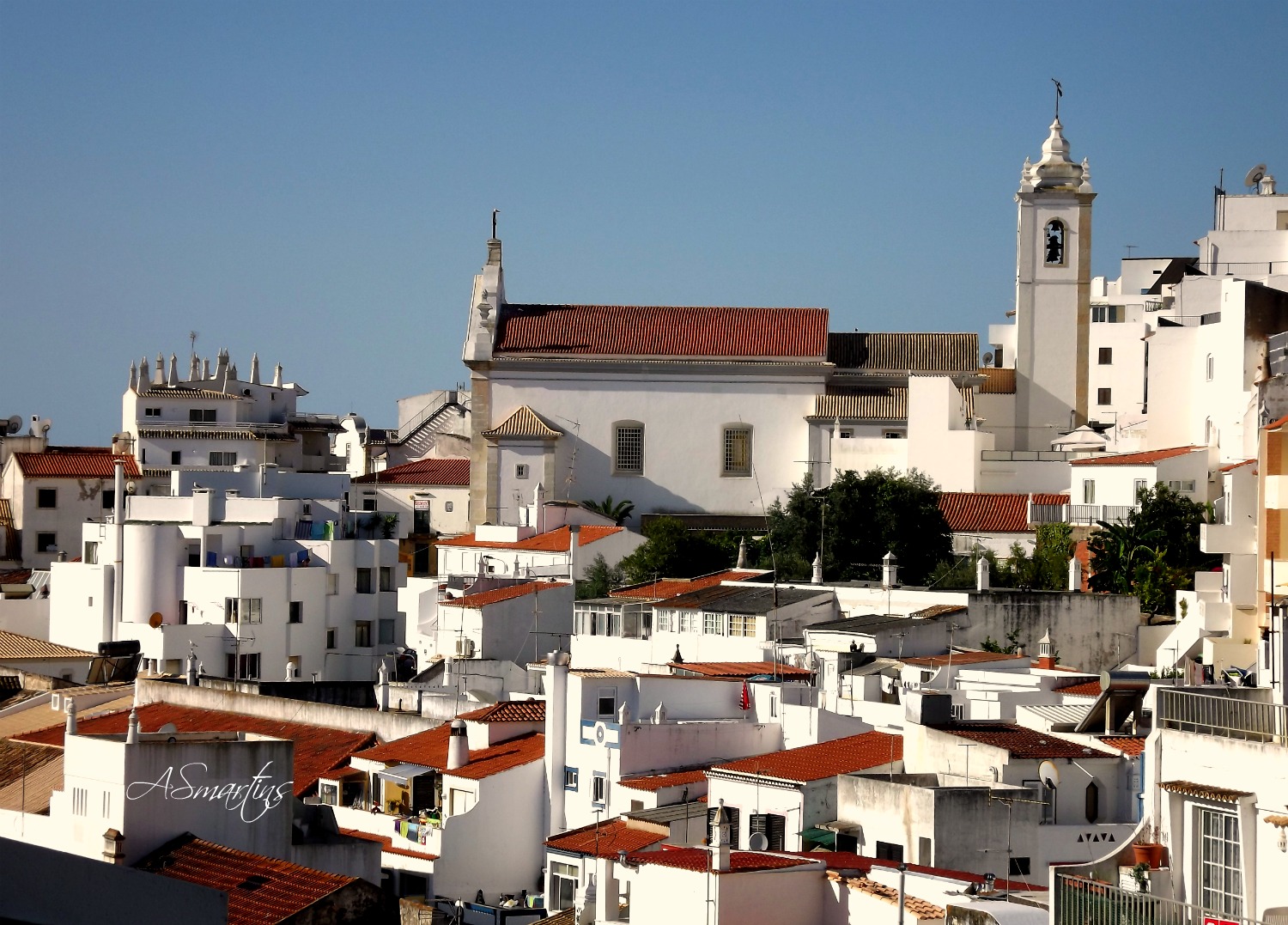
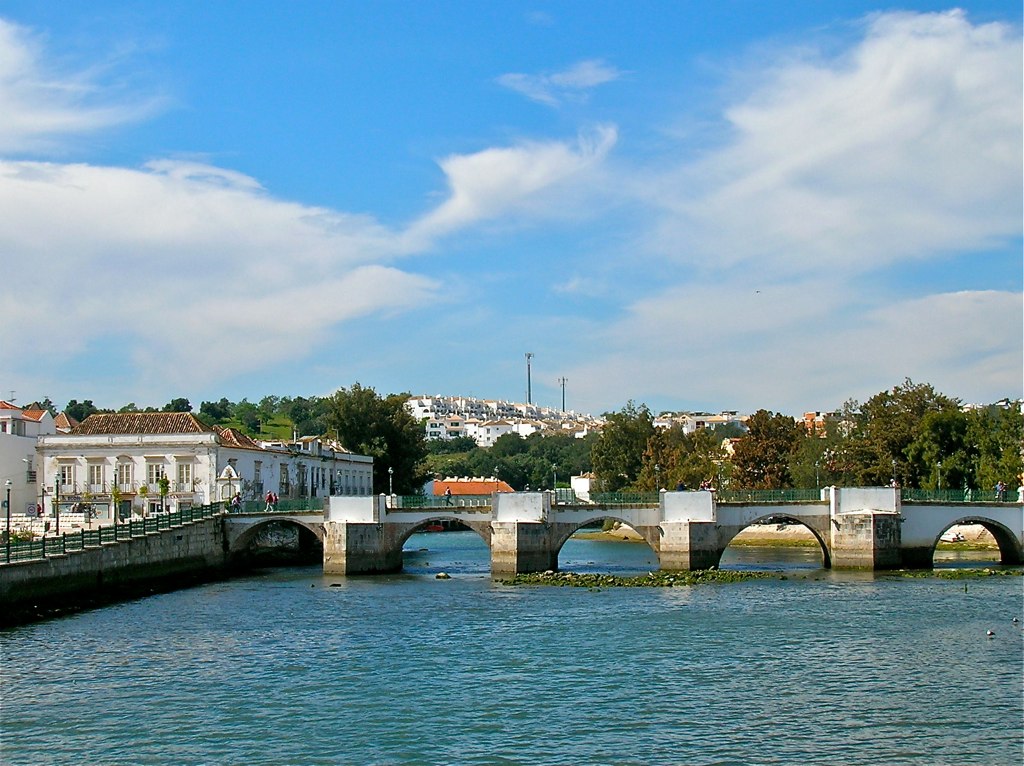
Tavira: Authentic Eastern Algarve
If the western Algarve feels built for visitors, Tavira feels built for itself — and that’s exactly its appeal. Straddling the Gilão River in the east, it’s a handsome Moorish-flavored town of tiled churches, a ruined castle with garden views, and the graceful “Roman” bridge (actually medieval). The beaches are on Ilha de Tavira, a barrier island reached by a short ferry, with calm shallow water and far fewer crowds than the central coast. Tavira is also the gateway to the Spanish border and the Ria Formosa’s eastern lagoons.
Sleep somewhere with history: the Pousada Convento de Tavira occupies a 16th-century convent next to the Misericórdia church, with cloisters, a pool, and one of the best breakfast terraces in the region. Newer and plusher, Palácio de Tavira is the town’s first five-star hotel — an 18th-century noble residence restored with rooftop plunge pools overlooking the terracotta rooftops and church spires.
Carvoeiro: Families and Romantic Cliff Coves
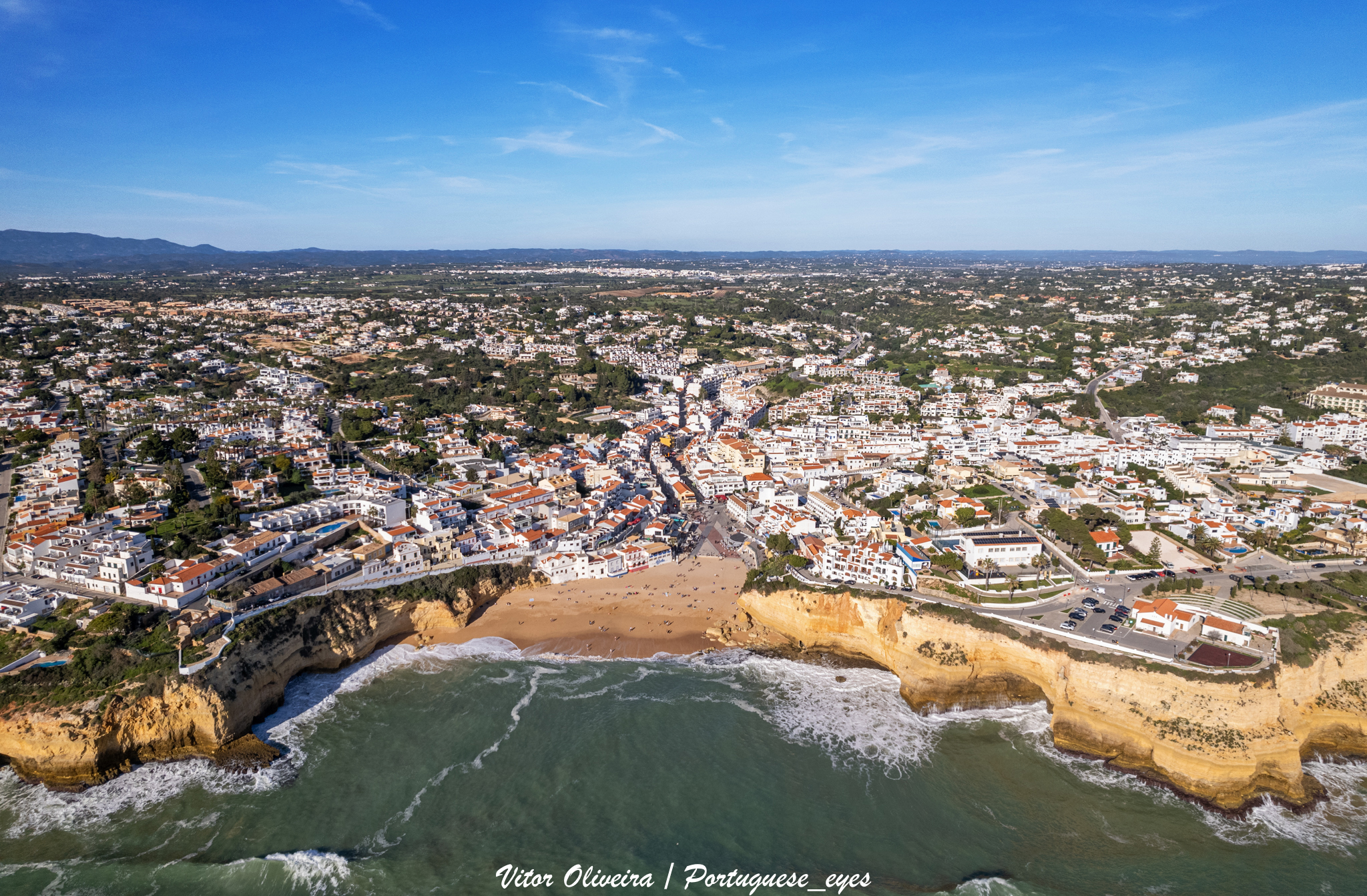
Carvoeiro is the Algarve village that looks like the postcards: whitewashed cottages spilling down to a pocket beach, fishing boats bobbing in a natural cove, and the honeycombed limestone of Algar Seco to walk at sunset. It’s quieter and more village-like than Lagos or Albufeira, which makes it a favorite for families and couples — and it’s the closest base to the Benagil Cave and Praia da Marinha, the beach many call Portugal’s most beautiful.
The landmark stay is Tivoli Carvoeiro, a four-star resort built right into the cliffs above Vale Centeanes beach, with sea-view rooms, a clifftop pool, and the Sky Bar for sunset cocktails. From here, the two-hour Benagil and sea caves boat tour from nearby Portimão is the essential day out — small boats slip inside the famous grotto and a dozen other caves along the coast to Praia da Marinha.
Faro: City Base Near the Airport
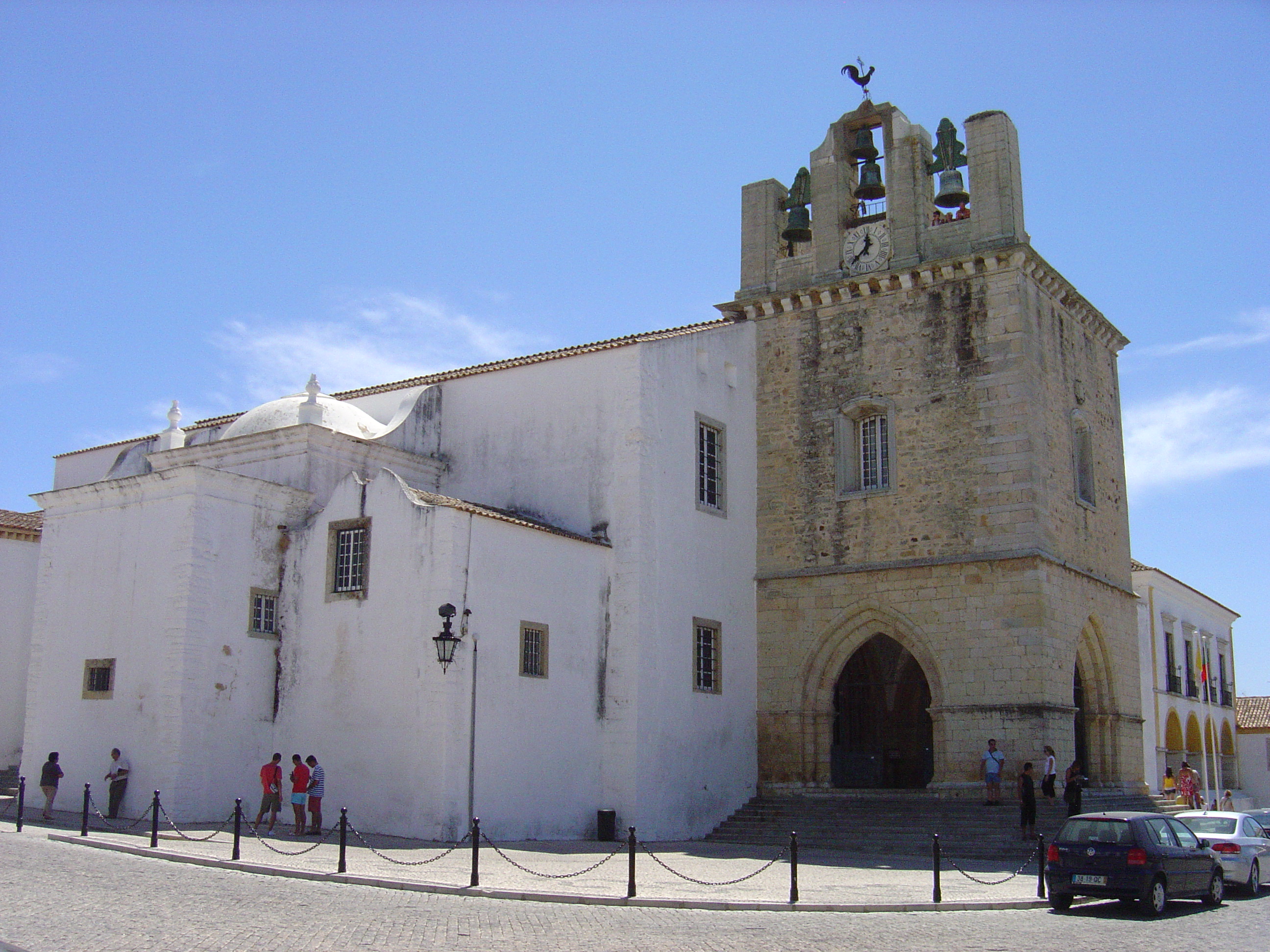
Most visitors blow straight through Faro on the way from the airport, which is a mistake. The Algarve’s capital is a real working city with a gorgeous walled old town (the Vila Adentro), a bone chapel that rivals Évora’s, and excellent seafood restaurants where you’re eating next to locals, not tourists. It’s 15 minutes from Faro Airport by taxi, on the train line to Lagos, and the departure point for boat trips into the Ria Formosa lagoon — making it the smartest one- or two-night base at either end of your trip.
Stay at Hotel Faro, right on the marina with a rooftop pool and bar overlooking the Ria Formosa — the sunset views over the lagoon are worth the room rate alone, and the old town is a five-minute stroll.
Sagres and the Wild West
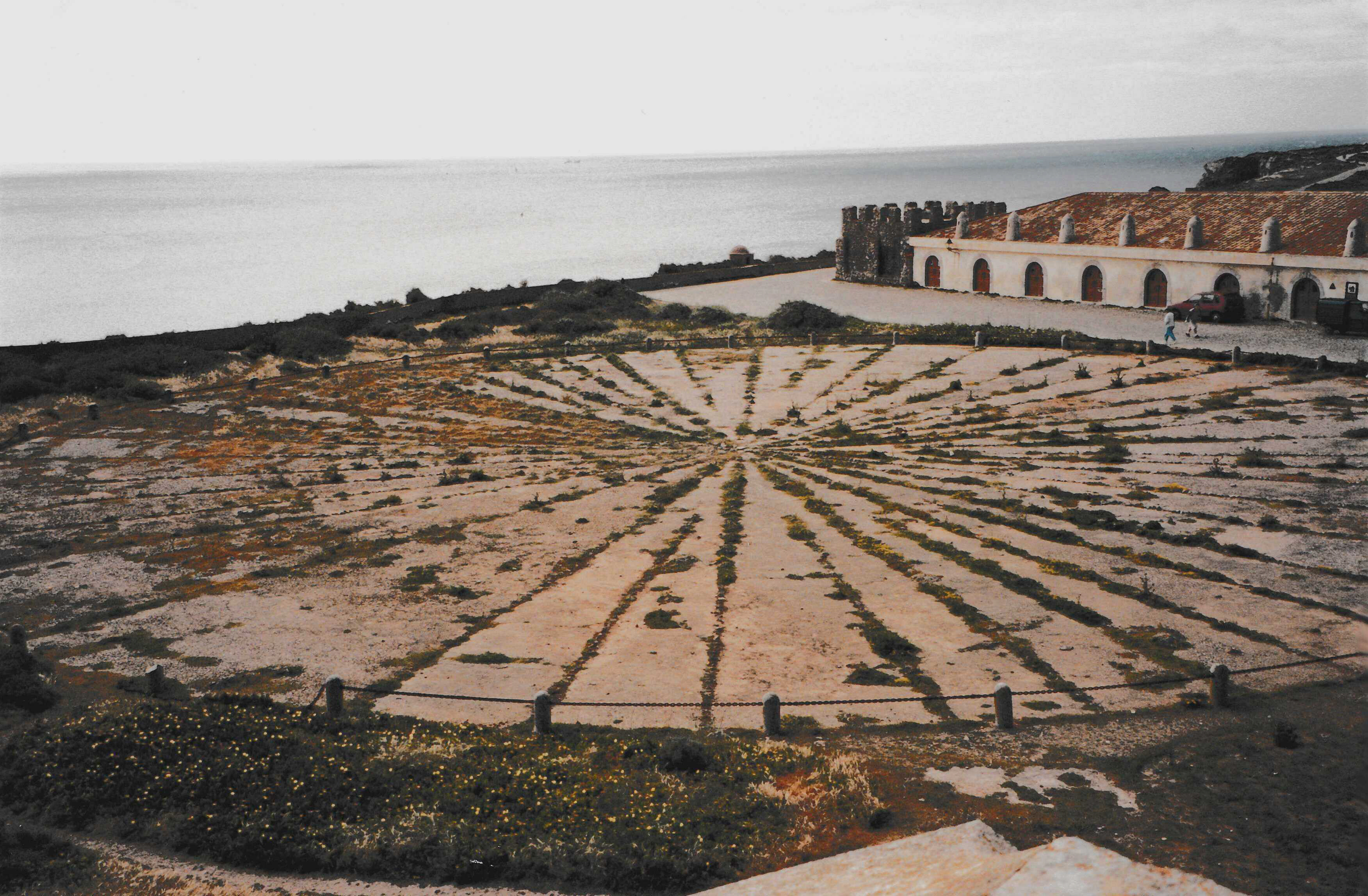
At the Algarve’s southwestern tip, Sagres is where the cliffs get higher, the wind gets stronger, and the crowds disappear. This is surf country — consistent Atlantic swells, a laid-back board-shorts culture — and history country too: Henry the Navigator’s fortress juts over the sea at the “end of the world,” and Cabo de São Vicente’s lighthouse marks Europe’s southwesternmost point. Stay here if you want dramatic scenery and empty beaches over nightlife.
The definitive stay is Martinhal Sagres, a clifftop family resort with hotel rooms and village-style houses, kids’ clubs, and some of the region’s best sunset views. Nearby Alvor, a low-key fishing village with a superb lagoon beach, suits travelers who want quiet: Pestana Alvor Praia sits directly on Praia dos Três Irmãos with a golf course attached.
Vilamoura: Golf and Marina Luxury
Vilamoura is the Algarve’s polished playground: a purpose-built resort around one of Europe’s largest marinas, lined with yacht bars, seafood restaurants, and five championship golf courses within minutes. It lacks the historic charm of Lagos or Tavira, but if your trip revolves around golf, sailing, or an easy luxury base with everything walkable, nothing else in the Algarve does it better.
The Anantara Vilamoura Algarve Resort is the golfer’s five-star, set among orange groves on the Victoria golf course with a destination spa. Families and golf groups also rate the Hilton Vilamoura, whose cascading pools wind through tropical gardens a short walk from the marina.
Practical Tips for the Algarve
Rent a car. This is the single biggest trip-quality decision. The Algarve’s best beaches and villages are spread along 200 kilometers, and while trains and buses connect the main towns, you’ll miss the coves and viewpoints without your own wheels. Book ahead in summer — rental fleets sell out.
When to go: May, June, and September are the sweet spot — warm seas, open beach restaurants, and hotel rates well below the August peak. July and August bring the biggest crowds and highest prices; winter is mild and excellent for golf and hiking, though many beach businesses close.
How long: Five to seven days lets you settle into one base (Lagos is my pick) with day trips to Benagil, Sagres, and Tavira. The Algarve also pairs beautifully with a few days in Lisbon — fly into one, out of the other, and see my where to stay in Lisbon guide for the city half of the trip. Heading north instead? Porto in 3 days makes a superb second stop.
The one tour to book: whatever else you do, get on the water. The Benagil Caves and dolphin-watching cruise from Portimão — with a marine biologist narrating — is the Algarve experience that justifies the whole trip, and morning departures get the calmest seas.
However you split your time, the Algarve rewards the traveler who picks a base with intention. Choose your town for the trip you actually want — cliffs and culture in Lagos, barefoot luxury in Albufeira, slow mornings in Tavira — and the rest of the region unfolds from there.