
Venice is the only city in the world where your choice of hotel comes with a logistics puzzle: no cars, no real streets, and more than 400 bridges between you and dinner. Pick the right neighborhood and Venice unfolds like a dream — step out of your hotel onto a quiet canal, watch the morning light hit the water, and walk to St. Mark’s before the day-trippers arrive. Pick wrong and you’ll be hauling a suitcase over stepped bridges every morning, or paying for a location you only sleep in.
Planning a trip? Get our free Travel Planning Checklist:
Disclosure: This post contains affiliate links. If you book through one of these links, I may earn a commission at no extra cost to you.
Below are the seven areas that matter for visitors, with honest pros and cons, realistic price expectations, and a hand-picked hotel in each — plus the practical details (vaporetti, luggage, the day-tripper fee) that actually change how you plan.
The Short Version: Best Venice Neighborhood by Traveler Type
- First-time visitors: San Marco — the postcard center, steps from St. Mark’s Square
- Best overall balance: Dorsoduro — art, quieter canals, easy walks everywhere
- Foodies and local atmosphere: Cannaregio — cicchetti bars, the Jewish Ghetto, residential calm
- Easy arrivals and departures: Santa Croce — closest to Piazzale Roma, the train station, and the airport buses
- Quiet value near the center: Castello — local Venice, 10 minutes’ walk from San Marco
- Resort-style stay: Giudecca — pools, spas, and the best sunset views in the city
- Beach days: Lido — Venice’s seaside island, ideal in summer
Why You Should Stay Overnight (Not Day-Trip)
If you’re on the fence about staying the night versus visiting on a day trip, here’s the argument that settles it. Venice now charges day-trippers an access fee on 60 high-traffic days between April 3 and July 26, 2026 — €5 per person if booked in advance, €10 last-minute, for entry between 8:30am and 4:00pm. Overnight guests in registered accommodation are exempt from the fee (you register for a free exemption voucher instead), and you already contribute through the city’s nightly lodging tax.
Beyond the money, overnight is when Venice becomes Venice. The crowds that flood San Marco between 10am and 4pm drain away by evening, and the city belongs to the people who sleep there: empty fondamenta at dawn, cicchetti and an ombra of wine at a bacaro at 7pm, the Grand Canal glittering from a vaporetto on your ride “home.” Day-trippers never see any of that.
1. San Marco — Best for First-Time Visitors
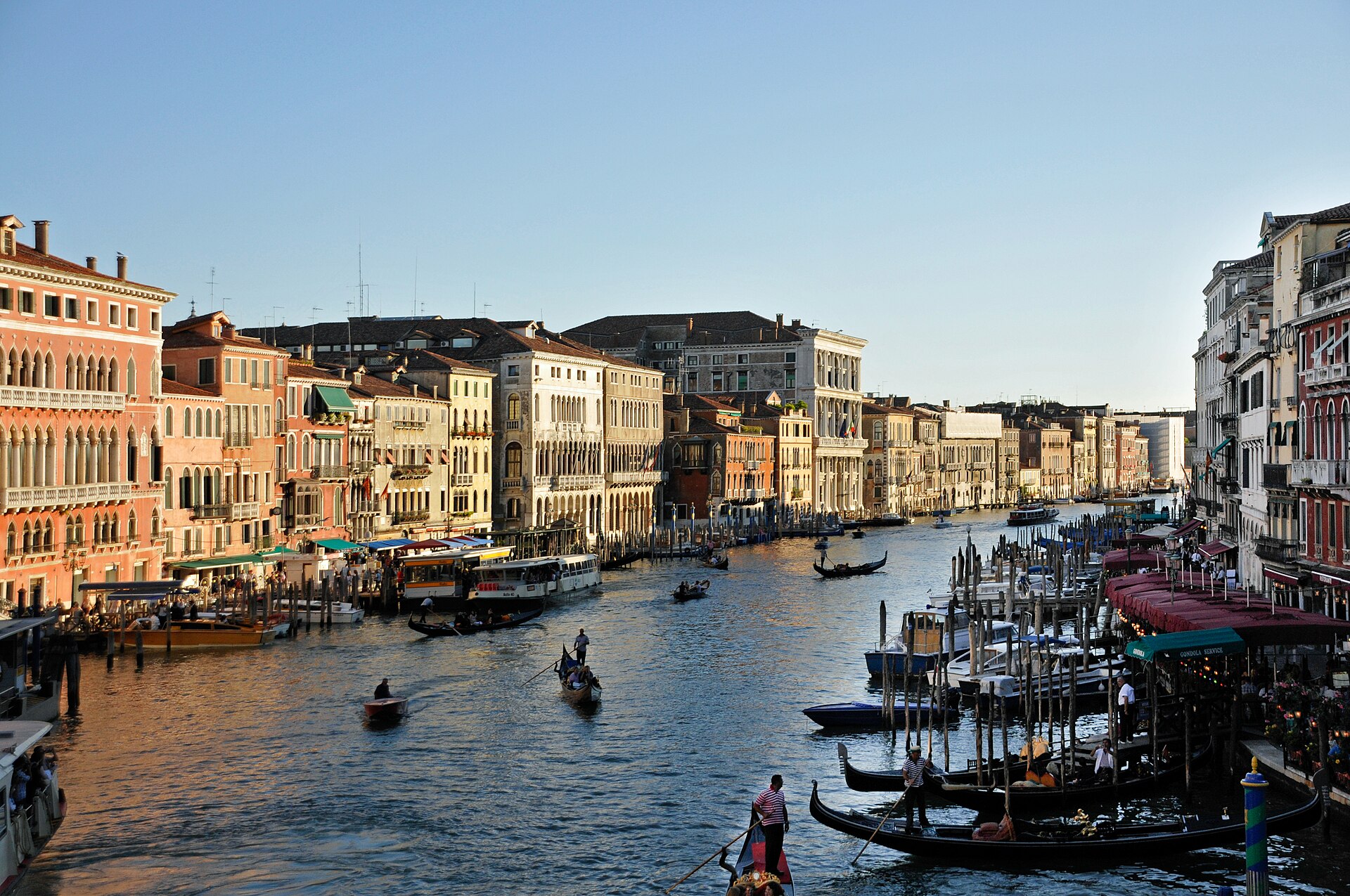
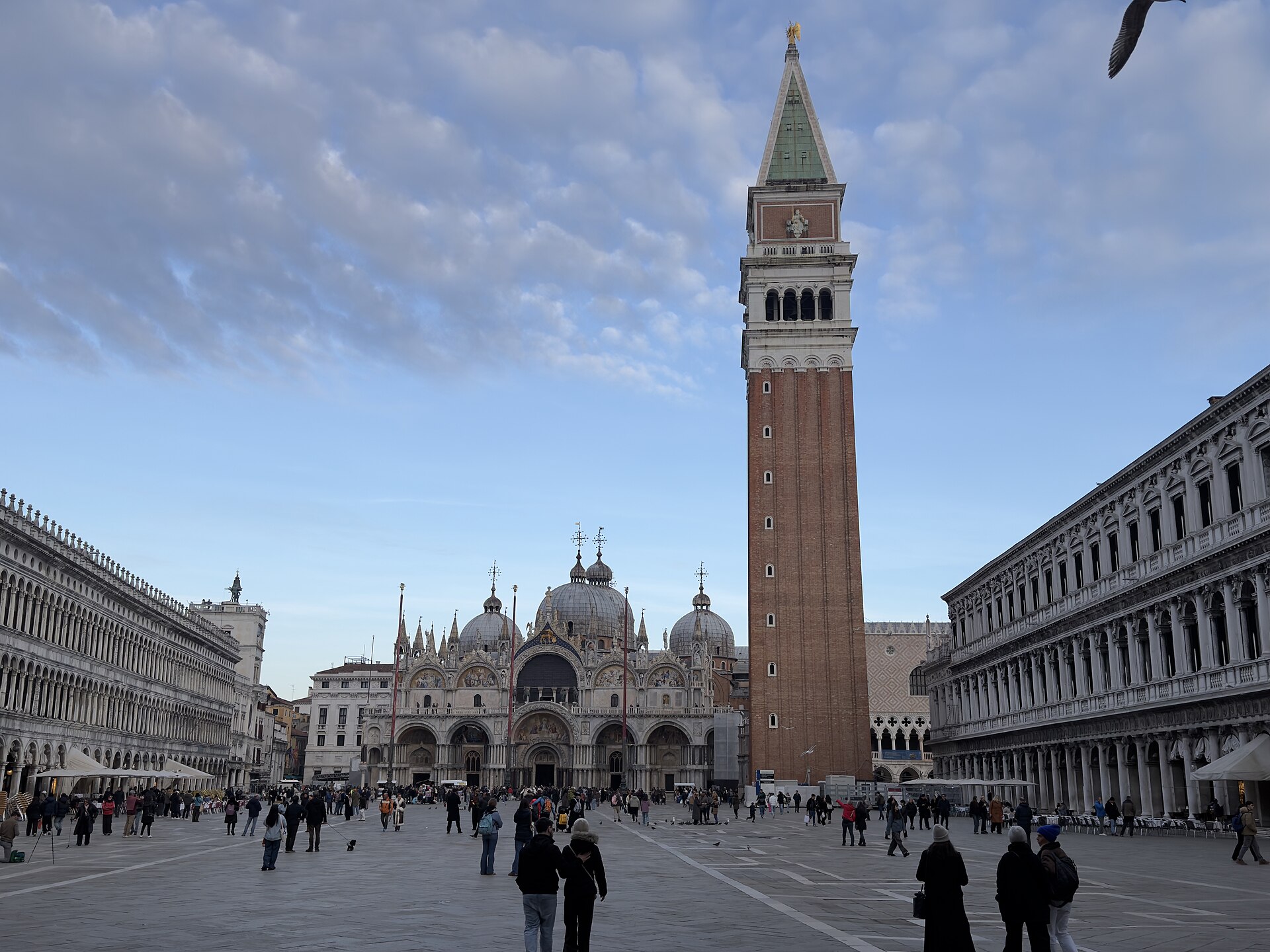
San Marco is Venice’s beating heart: St. Mark’s Square, the Doge’s Palace, the Basilica, La Fenice opera house, and the highest concentration of grand hotels on the Grand Canal. For a first visit of one or two nights, nothing beats stepping out of your hotel and being there — the sights, the water, the whole postcard.
The trade-offs are real: this is the most expensive sestiere (expect €250–600+ per night in season for the big-name hotels), the streets around the square are packed midday, and many of the mid-range options are dated. But if you want Venice at maximum intensity with minimum logistics, San Marco delivers.
Hotel pick — splurge: The Gritti Palace is the grand dame of Venetian hotels — a 15th-century palazzo on the Grand Canal, minutes from St. Mark’s, with Murano chandeliers, antiques, and one of the great terraces in the city. If the budget stretches, this is the stay people remember for decades.
Hotel pick — classic luxury: Hotel Danieli sits right on the Riva degli Schiavoni waterfront, a short stroll from the Doge’s Palace. Its Gothic palazzo facade and soaring lobby are landmarks in their own right.
Staying here puts you steps from the meeting point for the classic first-day combo: a private tour covering St. Mark’s Basilica, the Doge’s Palace, and a gondola ride knocks out the three must-dos with skip-the-line access in a single morning.
2. Cannaregio — Best for Local Atmosphere and Foodies
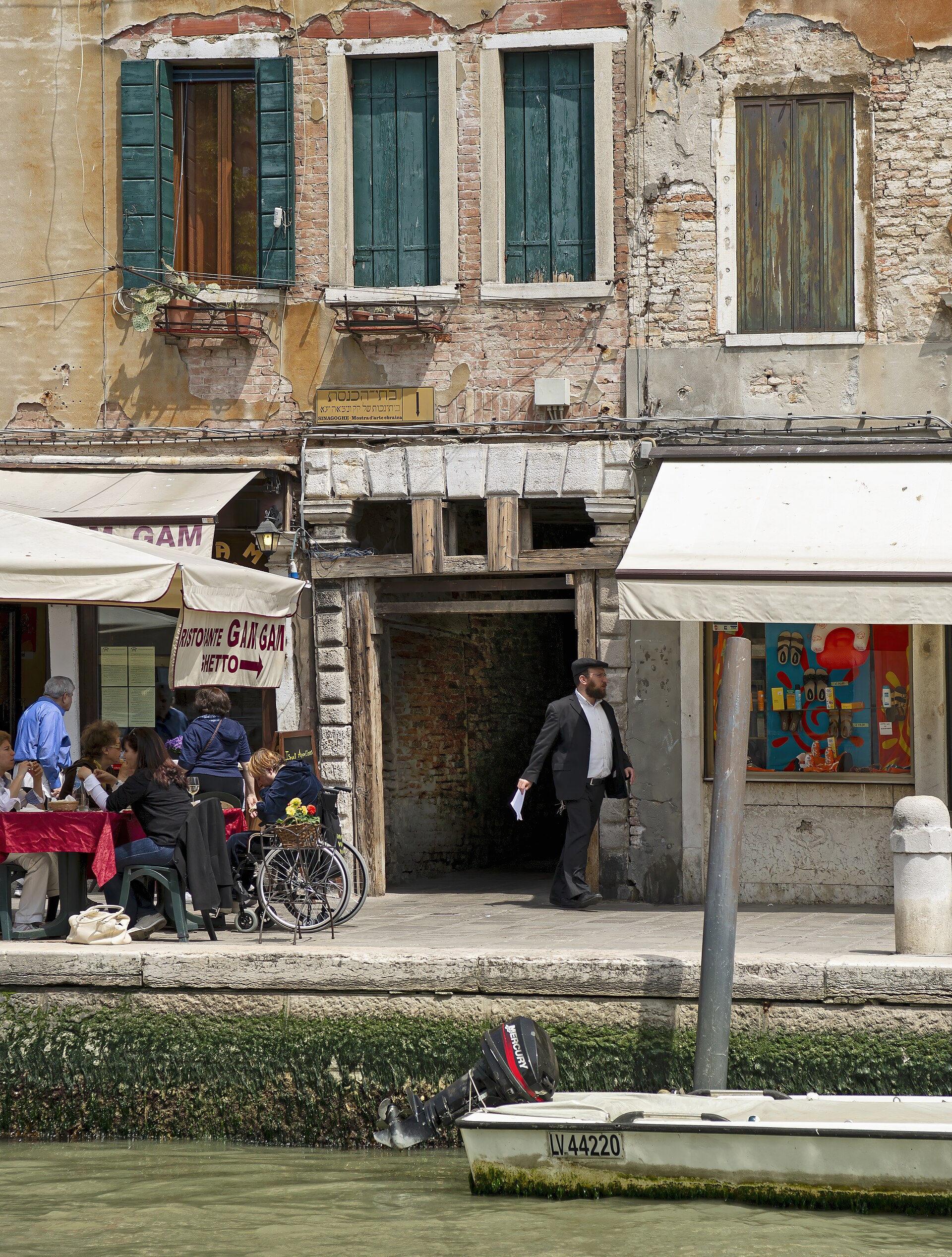
Cannaregio is Venice’s largest and most residential sestiere, stretching from the train station up to the northern lagoon. This is where Venetians actually live: laundry strung across canals, neighborhood bacari, the historic Jewish Ghetto, and the long Strada Nova shopping street. Prices run €120–250 per night — noticeably kinder than San Marco — and the 20-minute stroll to St. Mark’s along the waterfront is one of the city’s great walks.
It’s the best base for eating well. The fondamenta around the Ghetto and the streets near Ponte delle Guglie are dense with cicchetti bars where locals stop for small plates and a glass of wine standing at the counter. To find the best of them without the tourist-trap roulette, a guided cicchetti food-hopping tour through the neighborhood’s taverns and family-run shops is money well spent on your first night.
Hotel pick: Ca’ Sagredo Hotel is a 15th-century Grand Canal palazzo with frescoed suites and a rooftop terrace — old-Venice romance at prices well below the San Marco flagships.
3. Dorsoduro — Best Overall for Couples and Art Lovers
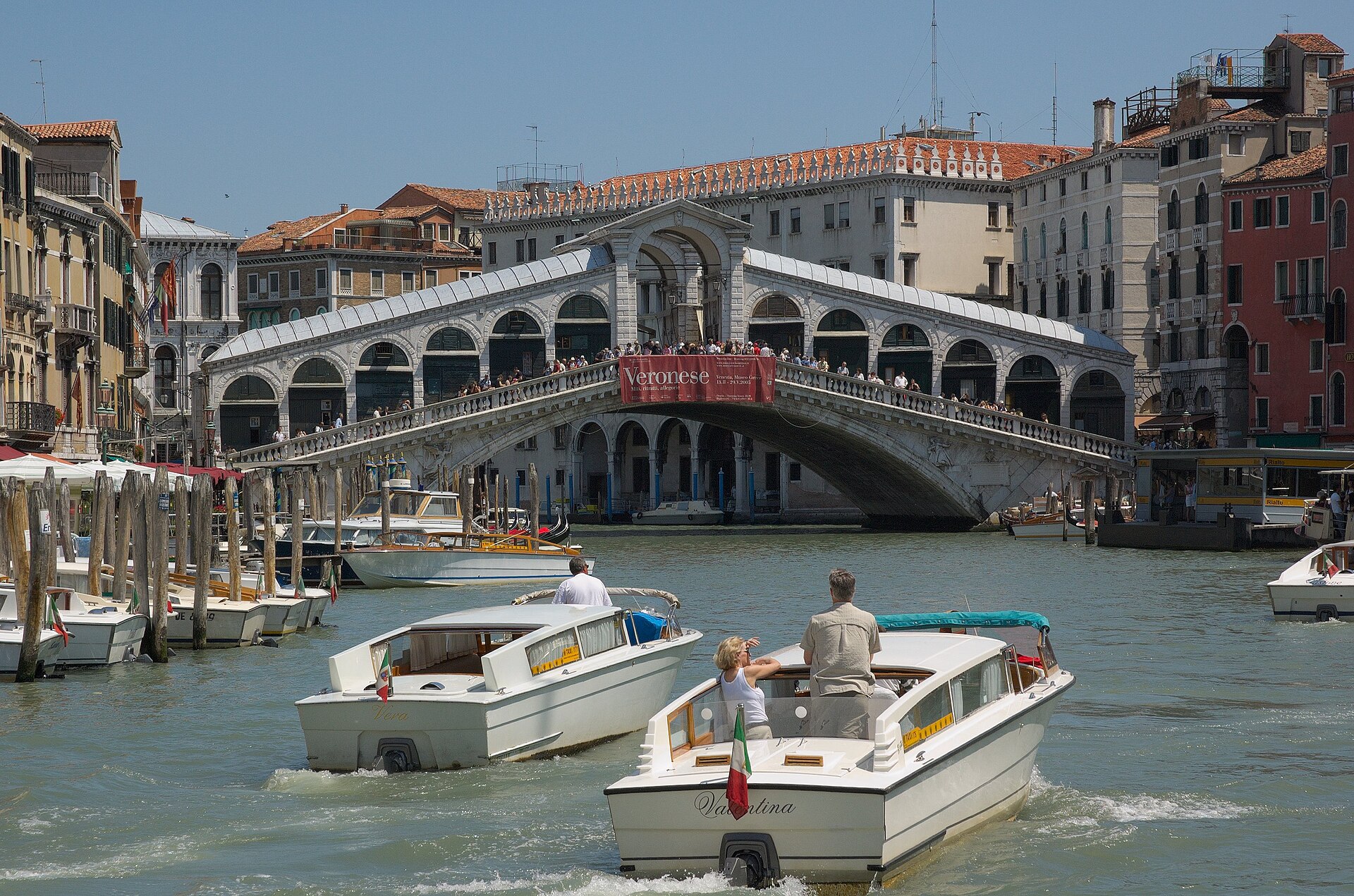
Dorsoduro sits across the Grand Canal from San Marco (a short hop over the Accademia Bridge), yet feels like a different city: university students, art galleries, the Peggy Guggenheim Collection and the Gallerie dell’Accademia, and Campo Santa Margherita — one of the liveliest squares in Venice after dark. The Zattere waterfront promenade, facing Giudecca across the water, is made for sunset walks.
It’s central without the chaos, romantic without the San Marco price tag (€150–300 per night for quality options), and genuinely walkable to everything that matters.
Hotel pick: Ca’ Pisani Hotel is a design-forward boutique hotel near the Accademia — all dark woods, Fortuny fabrics, and a hammam-style spa. Stylish, quiet, and adults will love the rooftop deck.
4. Santa Croce — Best for Easy Arrivals and Departures
Santa Croce won’t win beauty contests, but it wins on pure practicality. It borders Piazzale Roma — where the airport buses arrive and the only place cars can reach in Venice — and sits a flat 10-minute walk from Santa Lucia train station. If you’re arriving late, leaving early, or traveling with heavy luggage, staying here saves you a vaporetto ride and several bridge crossings with a suitcase.
Prices are among the friendliest on the main islands (€100–200 per night), and the area around Campo San Giacomo dell’Orio has a genuine neighborhood feel most tourists never see.
Hotel pick: Hotel Antiche Figure is a well-run 3-star on a quiet canal near Piazzale Roma — clean, friendly, and a fraction of the Grand Canal prices a few bridges away.
5. Castello — Best Quiet Value Near the Center
Castello is the Venice that guidebooks skip: the largest sestiere, stretching east from San Marco to the Arsenale and the Biennale gardens. The streets get quieter and more local with every block, prices drop (€120–220 per night), and you’re still only 10–15 minutes on foot from St. Mark’s. The waterfront Riva degli Schiavoni walk into San Marco at sunrise — empty, golden, the lagoon on your left — is worth the stay alone.
It’s ideal for repeat visitors and anyone who wants to feel like a temporary local rather than a tourist.
Hotel pick: Hotel Gabrielli sits right on the Riva waterfront with lagoon-view rooms and a rooftop terrace, pairing a prime location with prices well under the San Marco palazzi.
6. Giudecca — Best for Resort-Style Stays and Views
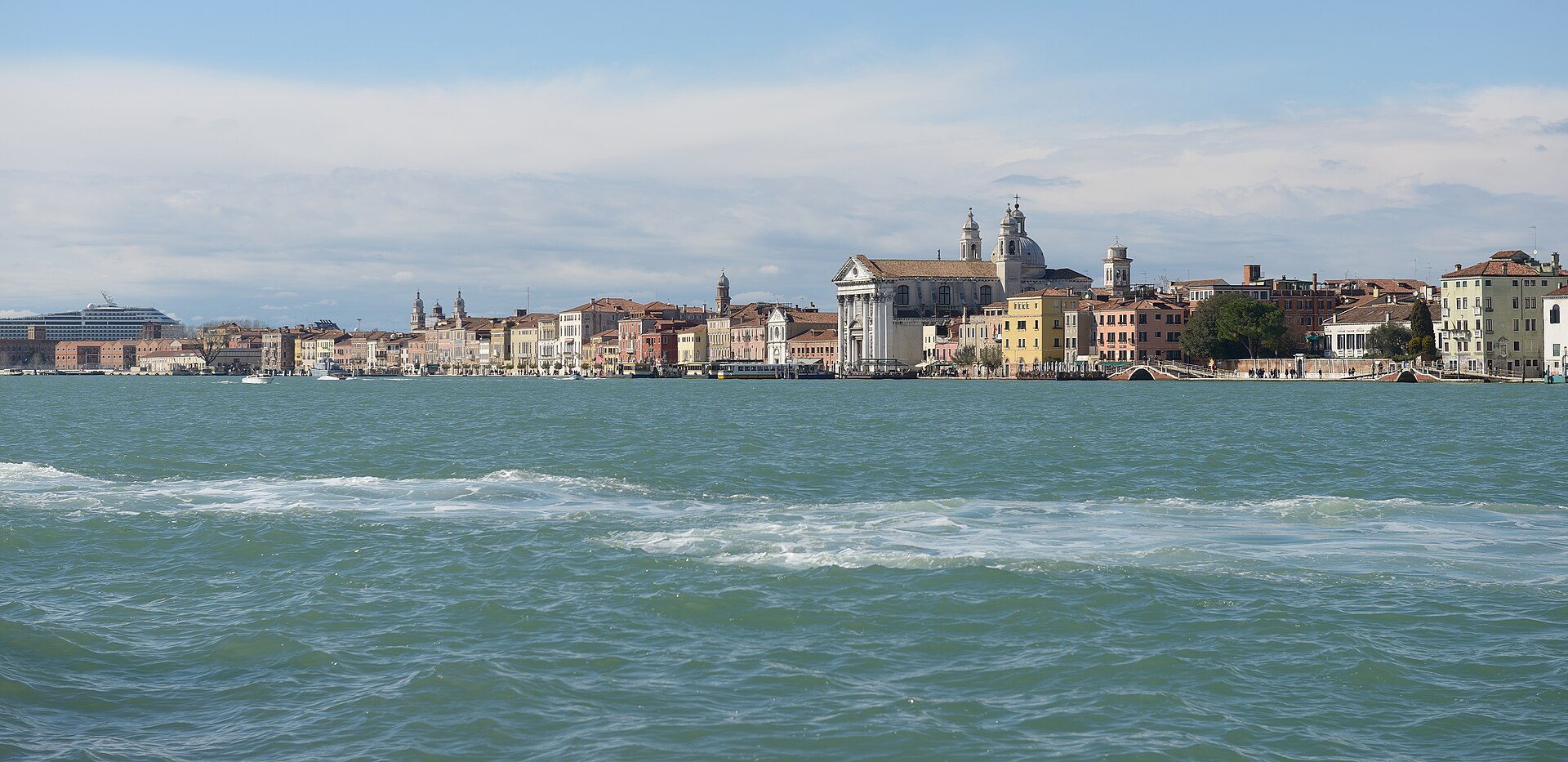
Giudecca is the long island facing San Marco across the water — technically its own world, connected by a 5-minute vaporetto ride. What it lacks in walk-everywhere convenience it makes up for in space: this is where Venice’s big resort hotels live, with swimming pools, spas, gardens, and rooftop terraces that the cramped main islands can’t fit. The views back across the water to San Marco and San Giorgio Maggiore at sunset are, frankly, better than anything you’ll get in San Marco.
It’s the smart luxury play: 5-star facilities at 4-star prices (€150–350 per night), genuine quiet at night, and the vaporetto ride to St. Mark’s becomes part of the experience rather than a chore.
Hotel pick: Hilton Molino Stucky Venice occupies a converted 19th-century flour mill — the largest building on the island — with a rooftop pool overlooking the entire lagoon. It regularly offers the best value-to-wow ratio in Venice.
7. Lido — Best for Beach Days
The Lido is Venice’s seaside escape: a long, thin barrier island with actual beaches, bike paths, and a laid-back resort feel that’s a world away from the stone lanes of the center. In summer, it’s the only place in Venice where you can swim in the sea in the morning and be at St. Mark’s by vaporetto in 15 minutes. It also hosts the Venice Film Festival each September.
The trade-off is distance — you’re committing to vaporetto rides for every dinner in the center — so it suits longer, slower trips (3+ nights) or dedicated beach holidays rather than whirlwind sightseeing.
Hotel pick: Hotel Excelsior Venice Lido Resort is the grand old beach palace — private beach, Moorish-style architecture, and the Film Festival’s unofficial headquarters.
Practical Tips for Staying in Venice
Pack light, then pack lighter. Venice has no cars and no porters on every corner. Your luggage travels by foot, over stepped bridges (most have no ramps), and possibly up several flights of stairs in a 500-year-old building. A carry-on-sized bag is a genuine quality-of-life upgrade here.
Learn the vaporetto math. The ACTV water buses are how you’ll move when your feet give out. If you’ll ride more than a couple of times a day, a 24-, 48-, or 72-hour pass pays for itself fast — buy it at the airport, the train station, or any vaporetto stop.
Gondolas have fixed official rates — around €90 for 30 minutes during the day, more in the evening. Agree on the price and duration before you board, and don’t haggle with licensed gondoliers; instead, book a combo tour that bundles a gondola ride with skip-the-line entry to the Doge’s Palace and St. Mark’s Basilica — it usually works out cheaper than piecing it together yourself.
Budget for the extras. Venice adds a city lodging tax per person per night (a few euros, collected by your hotel), and restaurant cover charges (coperto) of €2–5 per person are normal. Coffee costs triple if you sit down at a table on St. Mark’s Square versus drinking it standing at the bar — order “al banco” like a local.
Watch the water. Acqua alta (high water) peaks from November to December; the city publishes tide forecasts, hotels lend out wellies, and raised walkways appear in St. Mark’s. It’s part of the experience, not a reason to cancel — just pack waterproof shoes.
Getting there: from Marco Polo Airport, the Alilaguna shared water bus is the budget pick, the airport bus to Piazzale Roma plus vaporetto is the middle ground, and a private water taxi is the splurge — the fastest and by far the most memorable arrival in travel.
The Bottom Line
For a first visit, stay in San Marco if the budget allows and Dorsoduro if you want the best all-around experience for the money. Cannaregio is the pick for food lovers and longer stays, Santa Croce for painless arrivals, Castello for quiet value, Giudecca for resort-style luxury with a view, and the Lido when the beach is the point. Wherever you land, stay overnight — Venice after the day-trippers leave is a different city, and it’s the one worth traveling for.
If Venice is part of a bigger Italy trip, my Florence where-to-stay guide and Rome where-to-stay guide cover where to base yourself in those cities the same way.