
New Zealand is two islands, about 1,600 kilometres of mountains, fjords, lakes and coastline, and one of the easiest countries in the world to plan badly by underestimating distance. First-timers land in Auckland, drive six hours on day one, and spend the whole trip watching the scenery through a windscreen. This guide fixes that. It is the planning-first starting point for the whole country — the regions explained, the best time to go, how to actually get around, and where to stay — with every one of our in-depth New Zealand guides linked in the section where you will need it.
Never forget a thing before you fly. My free 8-page Travel Planning Checklist walks you through the whole trip — 6 planning timelines, 36 checks, from booking windows to travel-day basics. One email, no spam, unsubscribe anytime.
One thing the search data tells us honestly: travellers are hungry for New Zealand adventure advice, but a trip here is won or lost on logistics, not adrenaline. So this pillar stays practical. If you only read three things, make them the best-time section, the where-to-stay section, and “What I’d skip” near the end.
Disclosure: This post contains affiliate links. If you book through one of these links, I may earn a commission at no extra cost to you.
New Zealand at a Glance
New Zealand (Aotearoa) splits into the North Island — warmer, more volcanic, home to Auckland and most of the population — and the South Island — bigger mountains, bigger lakes, far fewer people. Almost every classic first trip does both: a few days around Auckland, then the Queenstown-Lakes and Fiordland corner of the South Island, which is exactly where most of our guides concentrate.
- Currency: New Zealand dollar (NZD). Cards are accepted almost everywhere; carry a little cash for rural honesty-box stalls and some DOC campsite fees.
- Driving: On the left. Roads are mostly two-lane and winding — a 200 km day can honestly take three hours.
- Entry: Most visa-waiver visitors (including from the US, UK and EU) need an NZeTA before travel, plus the International Visitor Conservation and Tourism Levy — check the current fees on the official Immigration New Zealand site before you book, as they change.
- Time needed: Seven days is a one-island trip. Ten to fourteen days is the comfortable both-islands minimum.
Best Time to Visit New Zealand
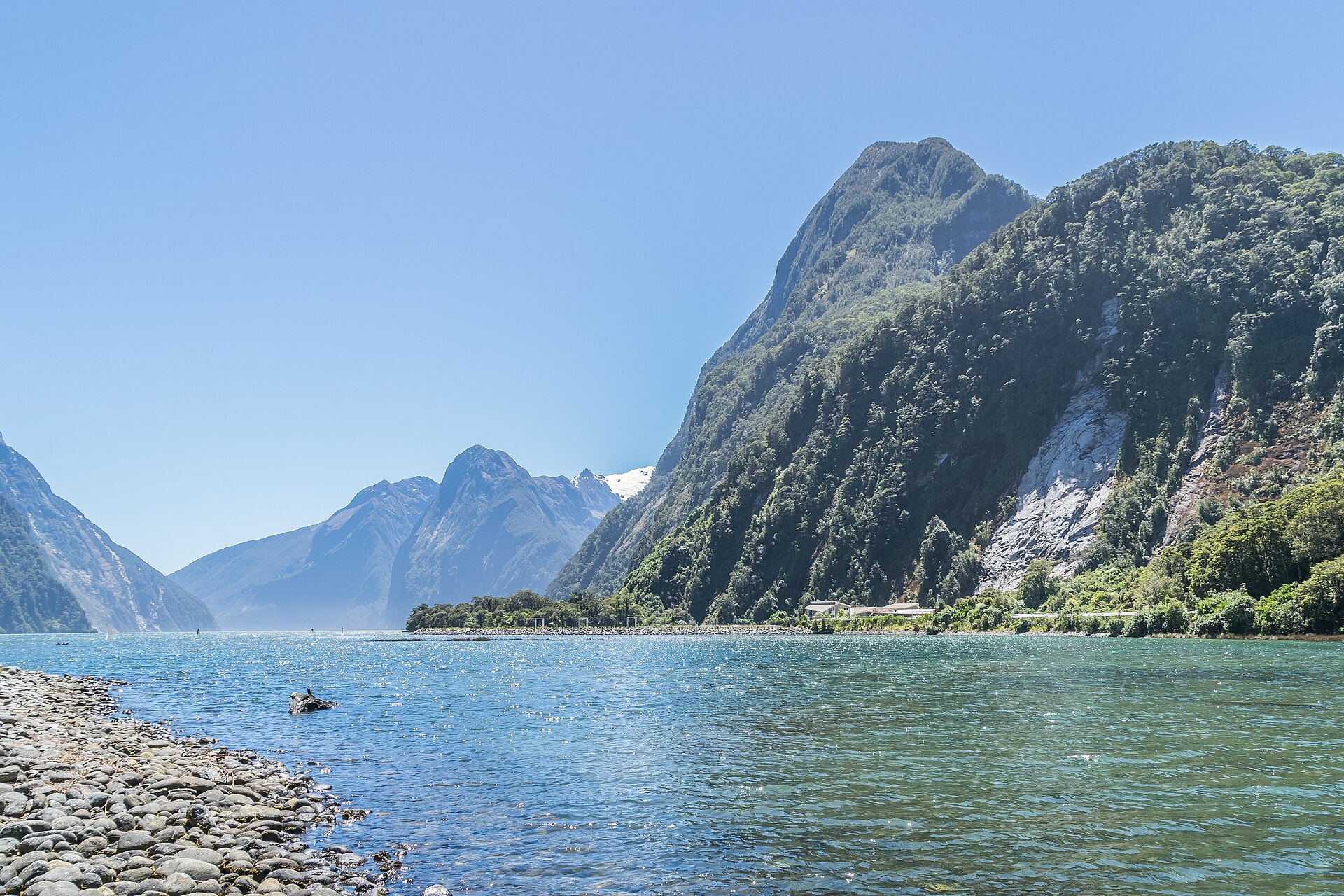
December to February is summer: warmest weather, longest days, highest prices, and Great Walks and Milford Sound at their busiest. March to April is my favourite window — settled weather, autumn colour around Wanaka and Arrowtown, and fewer crowds. Winter (June to August) belongs to the ski fields around Queenstown and Wanaka, and spring (September to November) brings lambs, waterfalls running hard in Fiordland, and shoulder-season prices.
For the full month-by-month breakdown — rainfall, temperatures, school-holiday traps and when each region is at its best — read The Best Time to Visit New Zealand: A Month-by-Month Guide (2026). Book summer accommodation and Great Walks huts months ahead; in shoulder season you can leave more to chance.
Auckland and the North Island
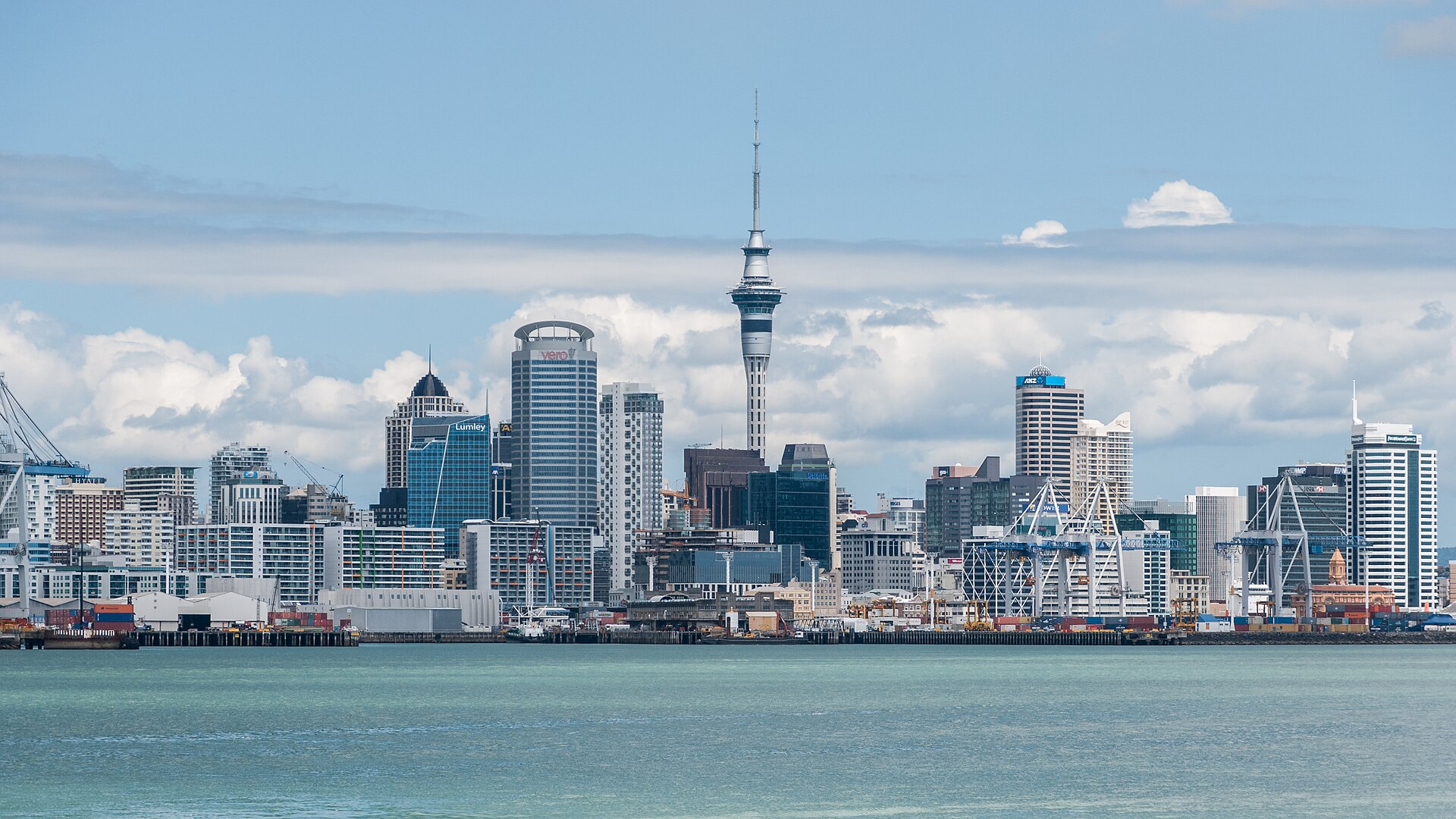
Most international flights land in Auckland, and it deserves more than an overnight. Give it two or three days: the harbour, Waiheke Island’s wineries, the black-sand west coast beaches, and a food scene that does the Pacific properly. Our Auckland in 3 Days: The Perfect Itinerary for First-Timers (2026) lays out a realistic day-by-day plan that groups sights by neighbourhood so you are not crossing the city repeatedly.
Where you base yourself changes the trip: the CBD and Viaduct suit short stays without a car, while Ponsonby and Grey Lynn are better for cafés and a local feel. The full neighbourhood-by-neighbourhood breakdown, with hotel picks at each budget, is in Where to Stay in Auckland: Best Neighborhoods and Hotel Picks (2026 Guide) — start there before you book anything.
Queenstown-Lakes and the South Island
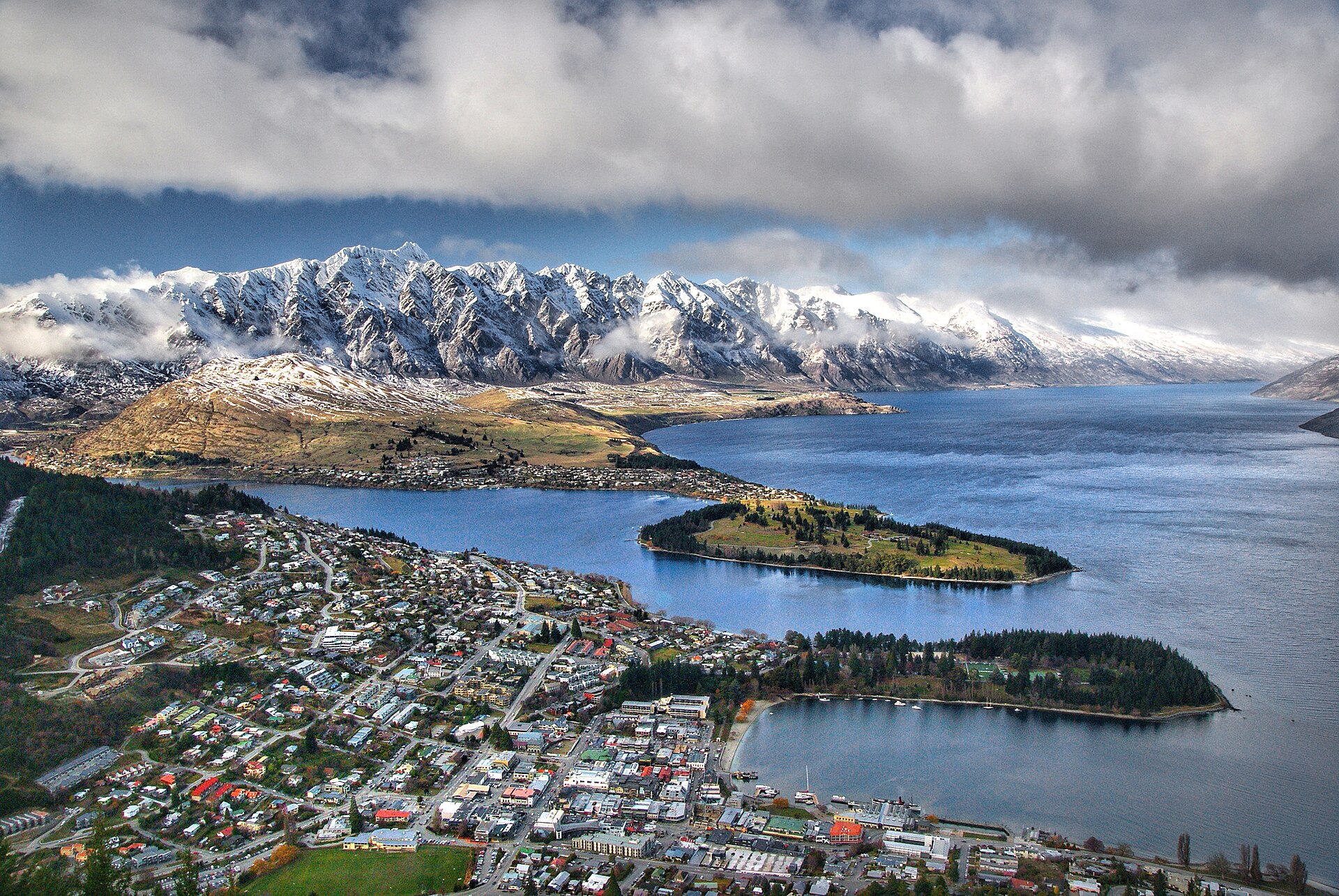
The South Island is the New Zealand of the postcards, and Queenstown-Lakes is its headline act: Lake Wakatipu, the Remarkables, and a small resort town that punches far above its weight. The best single orientation is our South Island New Zealand Adventure Guide: Queenstown, Milford Sound & Beyond (2026), which maps how Queenstown, Milford Sound and the wider region fit together.
Queenstown itself rewards slow mornings and one big activity a day, not three. When you are ready to choose those activities, Best Adventure Tours in Queenstown: Top Bookable Experiences (2026) compares the bookable options honestly, and The 5 Best Day Trips from Queenstown (2026 Guide) covers the escapes — Glenorchy, Arrowtown, Wanaka and beyond — with real drive times so you can judge what fits a day.
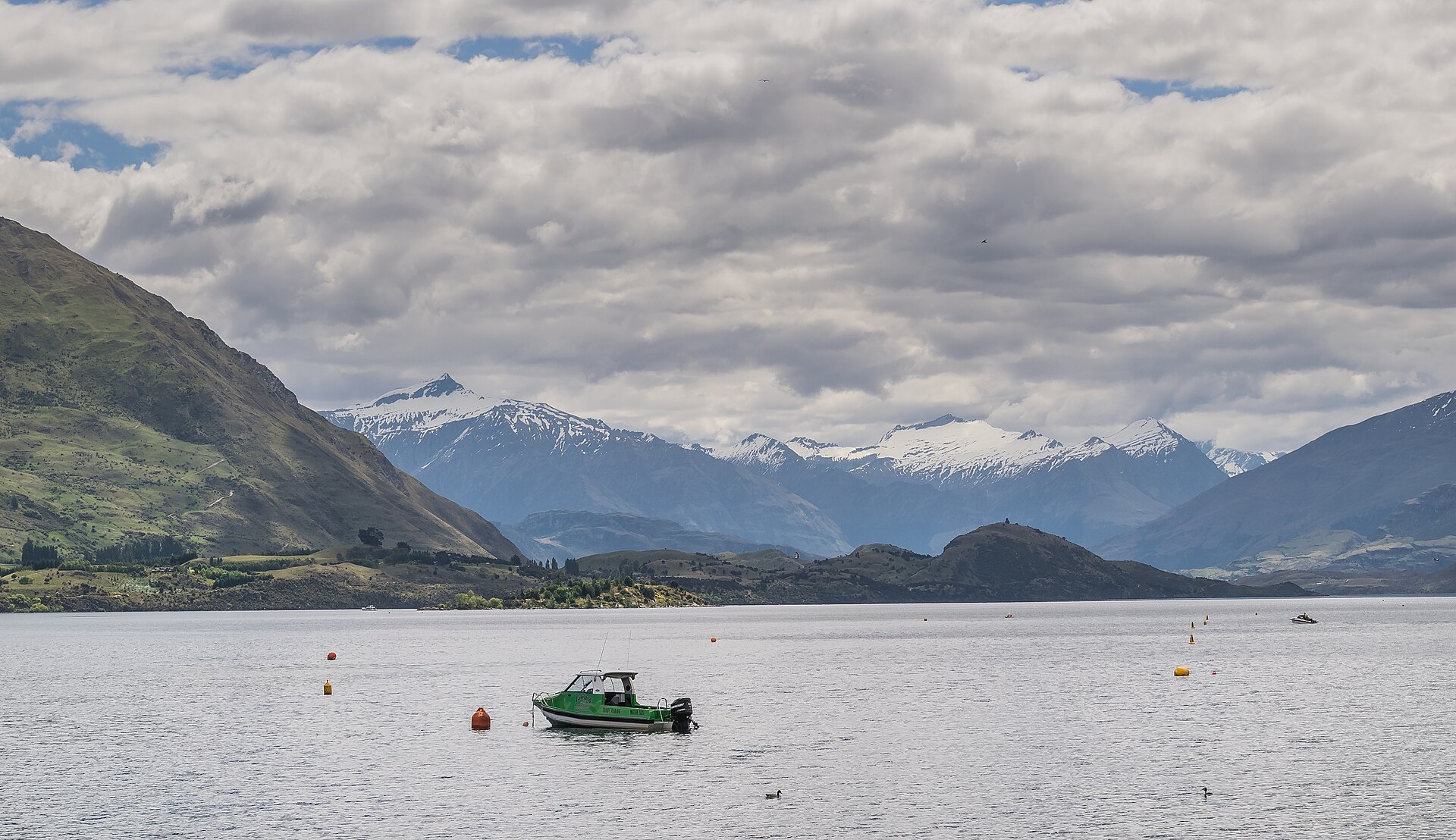
And do not skip Wanaka, an hour over the Crown Range. It is Queenstown’s calmer sibling: the famous lone tree, lakeside walks, and a main street of genuinely good cafés. It works both as a day trip and as a base in its own right.
Milford Sound, Fiordland and the Great Walks
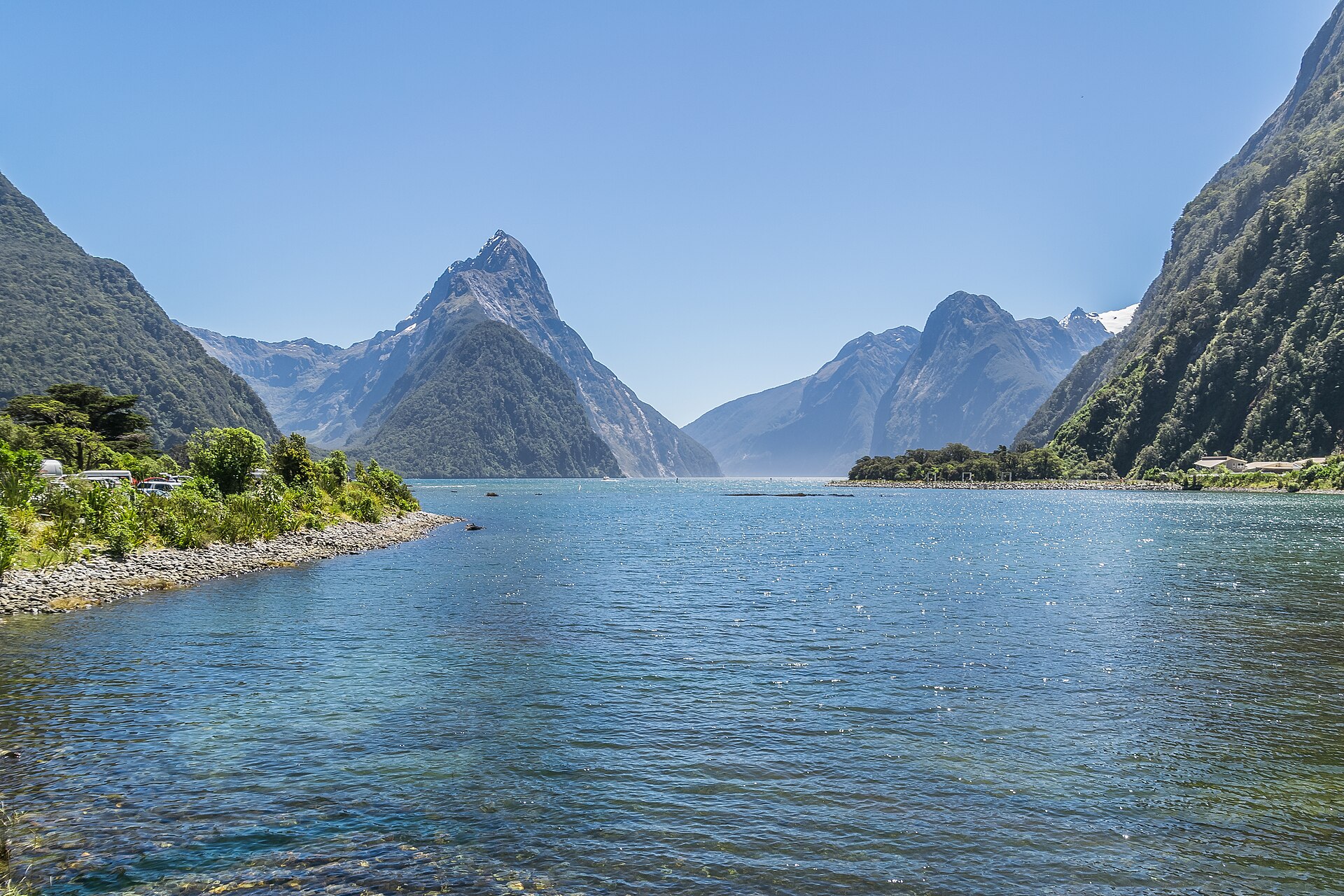
Milford Sound is the South Island’s non-negotiable day out — sheer fiord walls, waterfalls that multiply after rain (Fiordland gets a lot of it), and a road in that is half the experience. It is roughly a four-hour drive each way from Queenstown, which is why planning matters: Milford Sound in One Day: The Complete Planning Guide (2026) covers the drive-versus-coach-versus-fly decision, cruise timings, and what it all typically costs, so you can pick the version that suits your budget and your tolerance for mountain roads.
For walkers, this is Great Walks country. The Milford Track is New Zealand’s most famous multi-day hike and its hut bookings sell out fast for the summer season; the Routeburn Track is shorter, more flexible, and arguably just as scenic. If you are choosing between them, Milford Track vs Routeburn Track: Which New Zealand Great Walk Should You Choose? (2026) compares distance, difficulty, cost and booking rules side by side. Book huts through the Department of Conservation (DOC) the moment your dates are fixed — this is the one part of a New Zealand trip that cannot be left late.
Adventures and Tours: Where the Country Earns Its Reputation
Queenstown gave the world commercial bungy jumping, and adventure is still the country’s headline act — jet boats, skydiving, canyon swings, glacier hikes and white-water rafting, mostly concentrated in the south. Because there is a lot of it, we keep one dedicated roundup for the experiences themselves: New Zealand’s Best Adventures (2026): The Ultimate Roundup gathers the standout tours, Great Walks and bases in one place. Start there for inspiration, then go deeper with the specialist guides below.
- Adventure Tourism in New Zealand: 12 Best Thrilling Experiences, Tours & Prices (2026) — the original list of the twelve biggest thrills, with what each one typically costs.
- New Zealand Adventure Tours: Best Prices & Where to Book Online (2026) — the practical booking companion: which tours are genuinely bookable online and where the best prices sit.
- Top 10 Adventure Activities In New Zealand — our earlier top-ten overview, still a handy quick shortlist if you are short on time.
A budgeting rule of thumb: adventure activities are the line item that surprises people. A single premium experience — a skydive, a heli-hike, a jet boat plus bungy combo — can run to several hundred New Zealand dollars, so pick one or two headline thrills and let the free scenery do the rest. The walks, lakes and lookout points that make New Zealand famous mostly cost nothing.
Where to Stay in New Zealand: The Three Bases That Matter Most
Most first trips sleep in three places: Auckland at the start, Queenstown for the adventure south, and Wanaka as the slower counterpoint. Each has a dedicated guide with neighbourhood maps in words, honest pros and cons, and hotel picks — these are the pages to book from.
- Auckland: Where to Stay in Auckland: Best Neighborhoods and Hotel Picks (2026 Guide) — CBD convenience versus Ponsonby character, and which suits a short first stop.
- Queenstown: Where to Stay in Queenstown: Best Neighborhoods and Hotel Picks (2026 Guide) — lakefront premiums versus Frankton value, and why being walkable matters in a town where parking is scarce.
- Wanaka: Where to Stay in Wanaka (2026): Best Areas and Hotel Picks — the relaxed base for Roy’s Peak, Lake Wanaka and the road to Mount Aspiring National Park.
Expect Queenstown to be the most expensive bed of the trip in peak summer and ski season; Wanaka, an hour away, often undercuts it while feeling half as busy. Booking the Queenstown nights first, then fitting the rest of the route around them, is the order that works.
Sample Routes: 7, 10 and 14 Days
- 7 days (one island, done properly): Auckland 3 days, fly to Queenstown, Queenstown 3 days with a Milford Sound day, Wanaka 1 day. No car needed in Auckland; rent one from Queenstown airport.
- 10 days: Add a second Wanaka night, a slower Milford day (stay Te Anau the night before instead of doing it as a Queenstown return), and a spare weather day in Queenstown — Fiordland rain cancels plans, and a buffer day saves the trip.
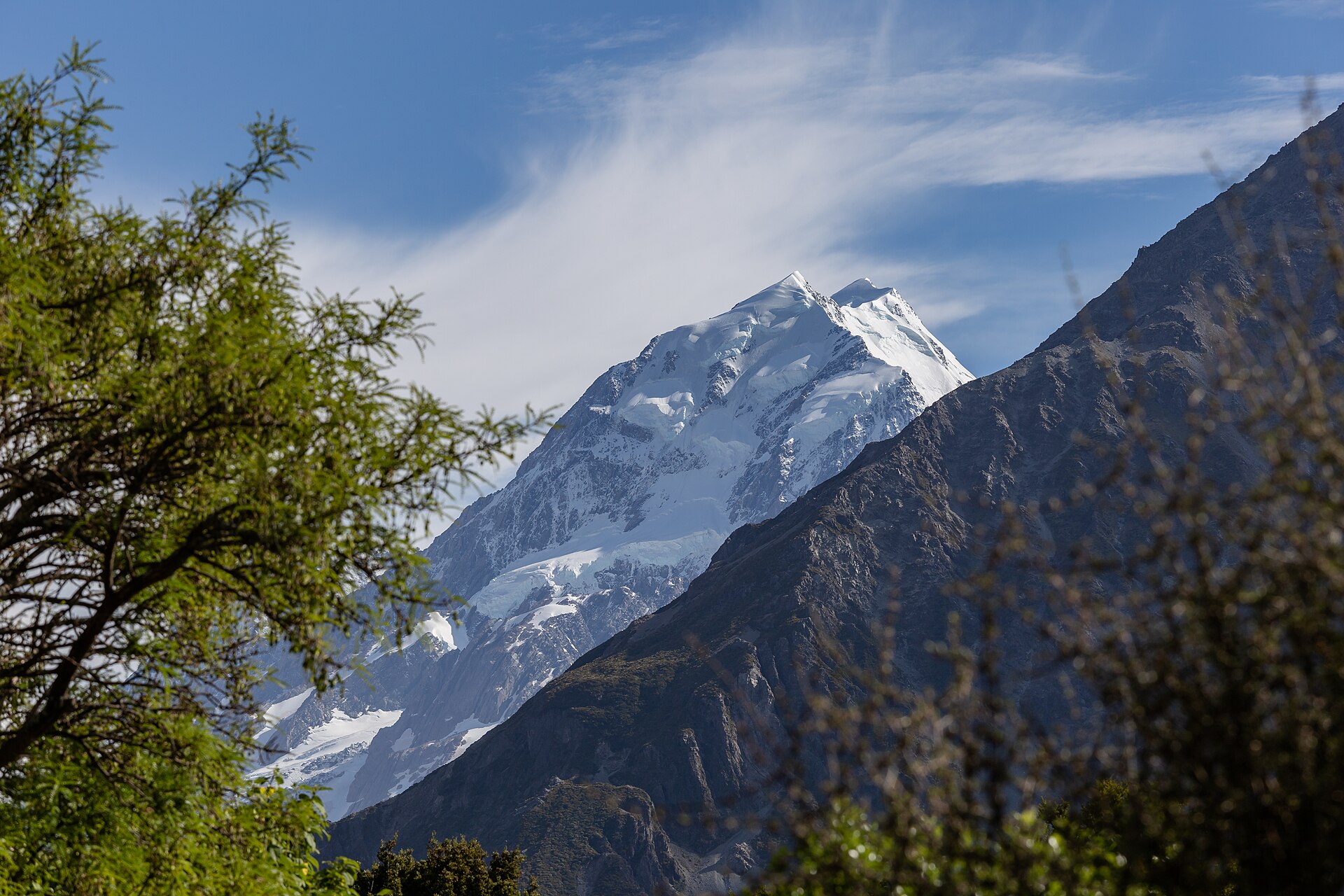
- 14 days: Add Aoraki / Mount Cook between Wanaka and Christchurch, and finish with a flight home from Christchurch or back to Auckland. This is the version where a Great Walk (booked months ahead) also fits.
Getting Around and Practical Tips
Renting a car is how most visitors cover the South Island, and typical daily rates run from around NZ$60–90 for a compact car in shoulder season to NZ$120 or more in peak summer — book early for December and January. One-way fees, gravel-road exclusions and the long, winding distances are the catches; never plan more than about four hours of driving in a day. Domestic flights (Auckland–Queenstown is about two hours) are the single best time-saver on a short trip, and InterCity buses cover the main tourist routes cheaply if you would rather not drive on the left.
Three more practical notes. First, weather changes fast in the mountains and Fiordland — pack a waterproof layer even in summer, and check road conditions in winter. Second, download offline maps: coverage drops out in exactly the scenic places you are driving to. Third, respect the DOC rules on the Great Walks and freedom camping; the fines are real, and the system only works because visitors follow it.
What I’d Skip
- Skip doing Milford Sound as a same-day self-drive return from Queenstown in winter. Eight-plus hours of mountain driving in short daylight is the trip’s most common regret. Take the coach, fly one way, or sleep in Te Anau.
- Skip trying to “do” both islands in seven days. You will remember the transfers, not the places. One island done well beats two done at speed.
- Skip booking adventure combos before you arrive in summer. Weather cancels Fiordland and alpine activities constantly; book the must-dos, keep one flexible day, and fill it once forecasts are clear.
- Skip the cheapest lakefront-adjacent motel in Queenstown without checking parking. “Near the lake” is not the same as walkable, and paid parking quietly eats the saving.
Plan Your New Zealand Trip
Start with the best time to visit New Zealand to fix your dates, base yourself using the Queenstown where-to-stay guide, and fill the days from the New Zealand adventures roundup. New Zealand rewards planners — and every guide linked above exists to make the planning the easy part. Safe travels.