
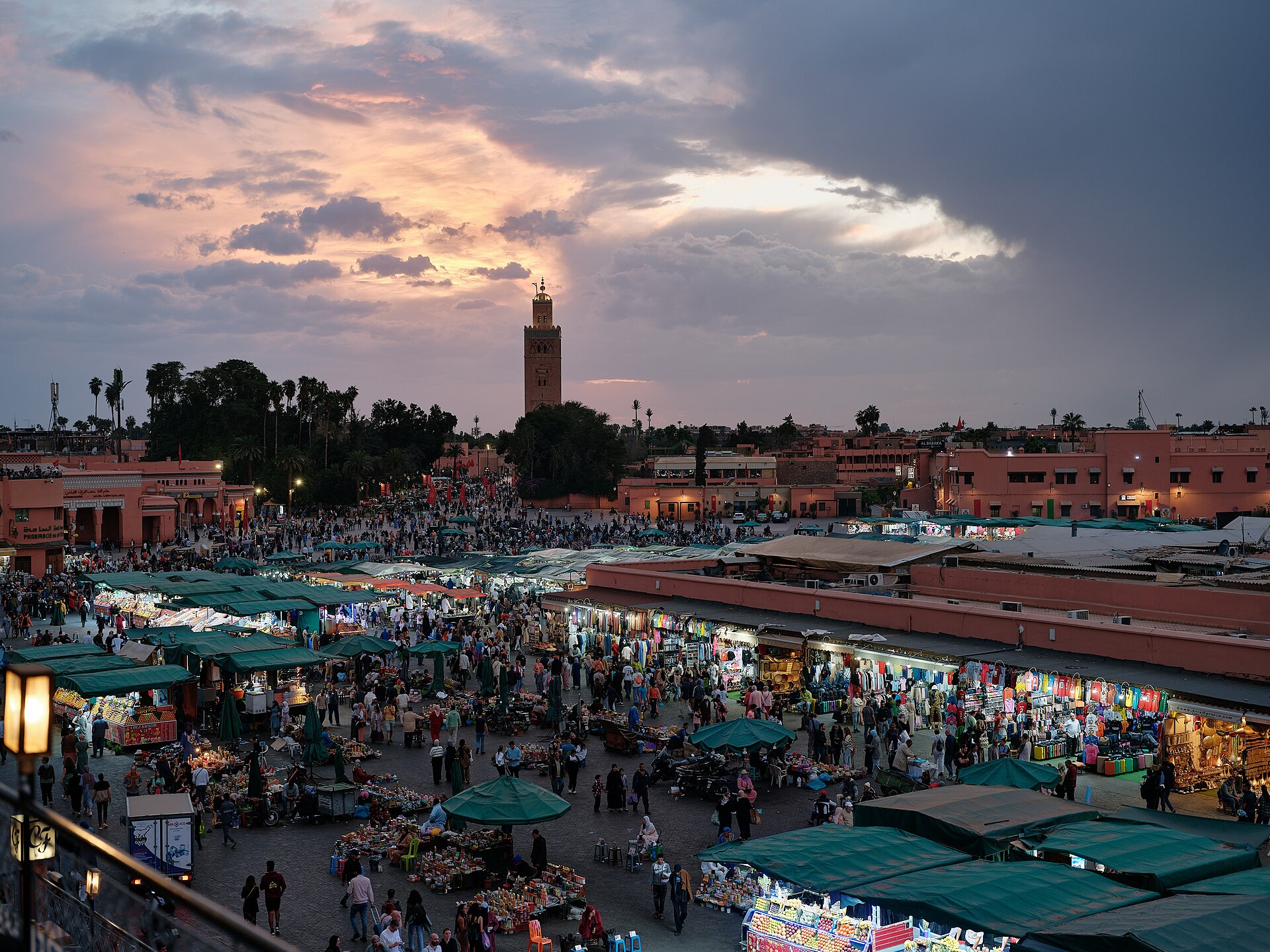
Marrakech rewards travellers who learn its rhythm. Sightsee in the cool of the morning, retreat to a shaded courtyard while the afternoon heat builds, then head back out as Jemaa el-Fnaa — the great square at the heart of the medina — fills with grill smoke, drum circles, and a thousand dinner stalls. Get that rhythm right and three days is enough: the palaces, the gardens, the souks, and one full day out of the city, with no rushing and no wasted crossings from one end of town to the other.
Never forget a thing before you fly. My free 8-page Travel Planning Checklist walks you through the whole trip — 6 planning timelines, 36 checks, from booking windows to travel-day basics. One email, no spam, unsubscribe anytime.
This itinerary groups each day around one neighbourhood — if you have not booked yet, my Where to Stay in Marrakech guide breaks down the medina, Kasbah, Guéliz, and Palmeraie,.
Disclosure: This post contains affiliate links. If you book through one of these links, I may earn a commission at no extra cost to you.
How This Itinerary Works
Most monuments open at 9am, and the most valuable hour in Marrakech is 9 to 10am, before the tour groups arrive. Entry fees are paid in cash dirhams, so keep small notes handy: the big three on Day 1 cost 100 dirhams each, the Ben Youssef Madrasa is 50 dirhams, and the Majorelle Garden — the one exception, booked online only — is 170 dirhams.
Day 1: Palaces of the Southern Medina and the Great Square
9:00am — Saadian Tombs. Be at the gate when it opens. This royal necropolis in the Kasbah, hidden for centuries and rediscovered only in 1917, is best in the first half hour, before a queue forms at the Hall of Twelve Columns. Entry is 100 dirhams, open daily 9am to 5pm, and the worst queues build between 10am and 1pm. Thirty to forty minutes is enough.
10:00am — El Badi Palace. A short walk away, El Badi is the opposite of the tombs: a vast roofless ruin built between 1578 and 1593 by Sultan Ahmad al-Mansur and later stripped for materials under Moulay Ismail. What remains is scale — a huge courtyard, sunken orange gardens, and ramparts where white storks nest. Entry is around 100 dirhams; an hour is plenty.
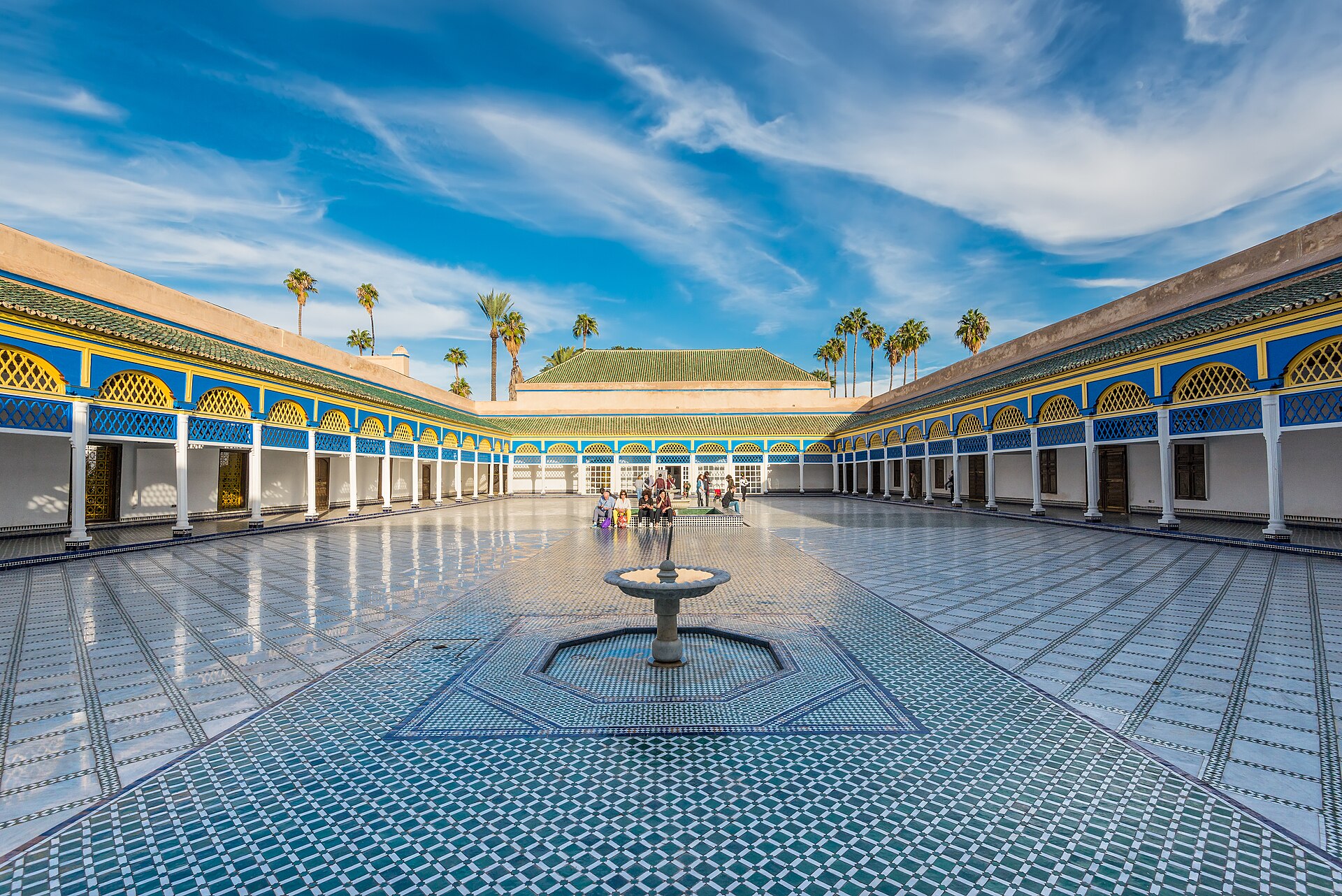
11:30am — Bahia Palace. Finish the morning at the medina’s most beautiful interior. Begun in the 1860s by the grand vizier Si Musa and expanded between 1894 and 1900 by his son Si Ba Ahmed, the Bahia is a maze of painted cedar ceilings, zellige tiles, and quiet courtyards. Entry is 100 dirhams, open daily 9am to 5pm; allow a full hour. Then lunch around Place des Ferblantiers, the tinsmiths’ square by the old Mellah, where simple cafés serve tagines at local prices.
Afternoon — rest. This is not wasted time; it is how the city works. Swim, nap, or take mint tea on your riad terrace while the heat peaks.
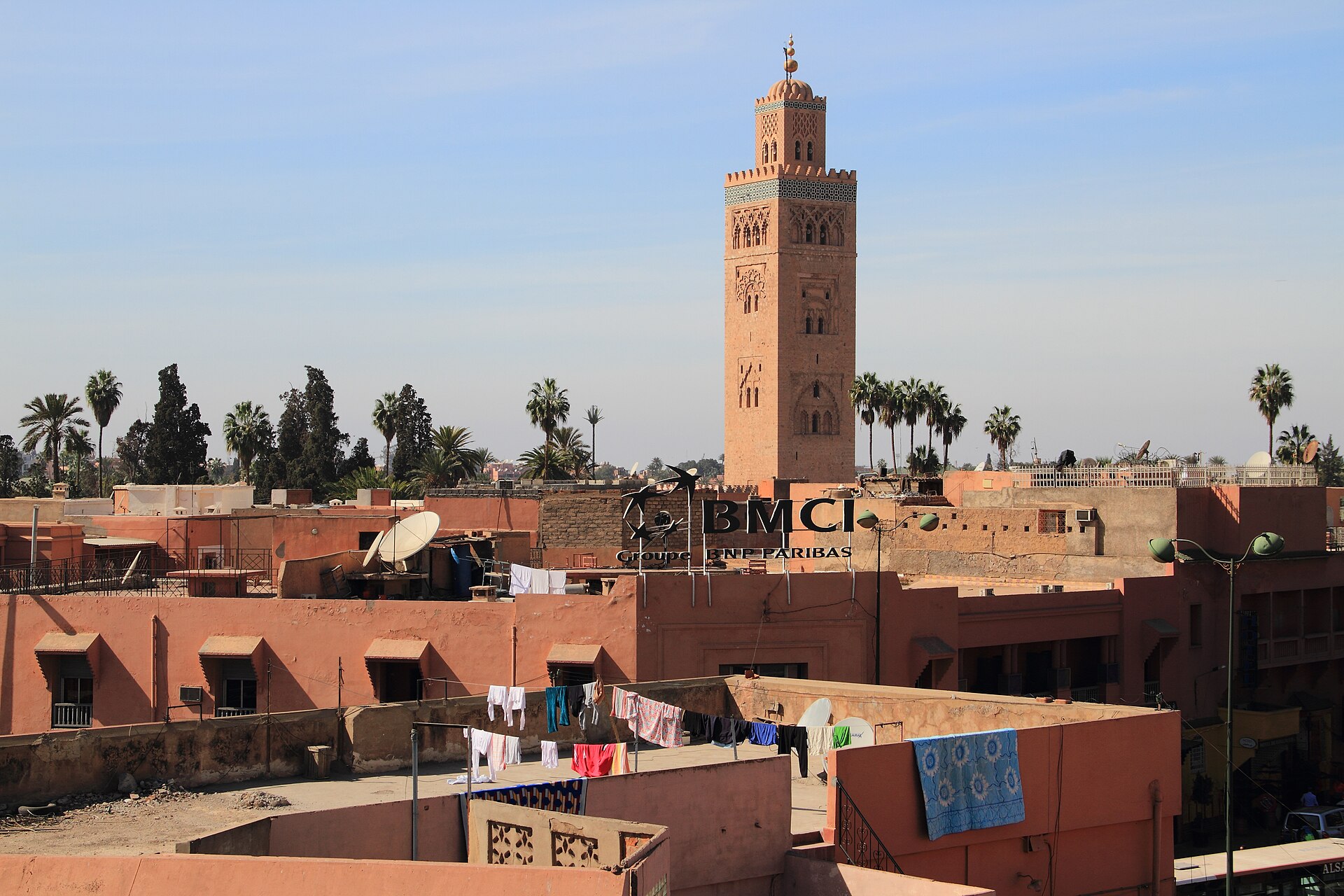
5:00pm — Koutoubia and Jemaa el-Fnaa at sunset. Walk the Koutoubia gardens in the softening light. The mosque is viewed from outside only — entry is restricted to Muslims — but its 12th-century minaret is the landmark you will navigate by all trip. Continue to Jemaa el-Fnaa and watch the transformation from a terrace café: juice carts by day, then row after row of food stalls firing up their grills. Eat in the square — pick a busy stall, agree the price before you sit, and start with grilled meats, harira soup, and flatbread.
Prefer a guide for Day 1? The southern medina is where a good guide earns their fee — the monuments make far more sense with the stories attached, and a guide smooths your first haggling. I compared the same half-day monuments tour on both platforms: GetYourGuide’s Marrakech: Bahia Palace, Saadian Tombs & Koutoubia Mosque tour (4.5/5 from over 3,500 reviews, free cancellation up to 24 hours ahead) covers this route in about three hours.
Day 2: Majorelle Blue, the Madrasa, and the Souks
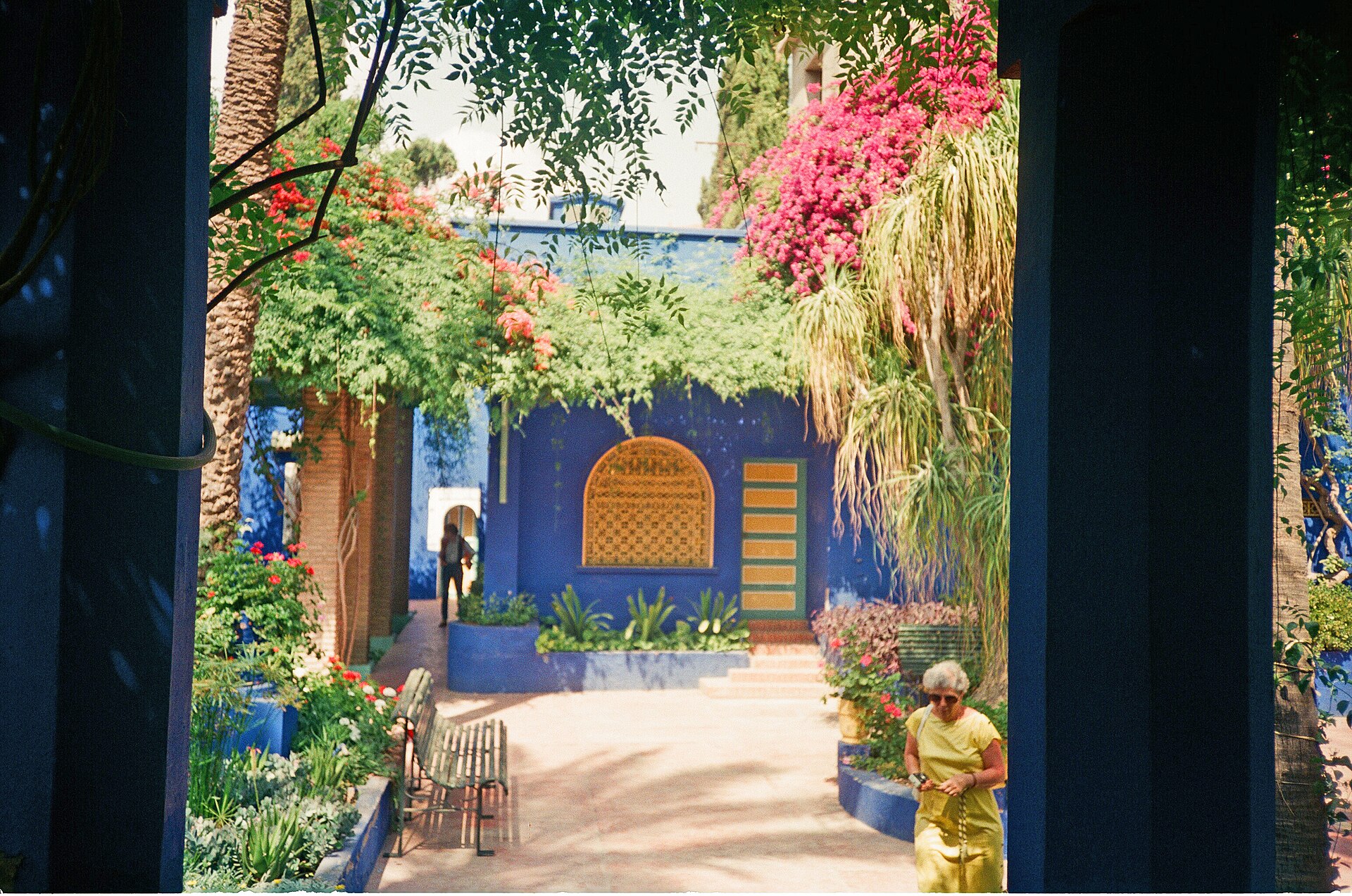
8:30am — Jardin Majorelle, first slot of the day. The most important booking of this trip: Majorelle tickets are sold online only — there is no ticket counter at the gate — and popular slots sell out days ahead, especially on weekends. Book the first entry as soon as your dates are fixed. Adult tickets are 170 dirhams. Inside, the cobalt-blue villa, bamboo groves, cacti, and lily ponds are calmest before 10am. The Berber Museum in the garden is worth the combo ticket, and the Yves Saint Laurent Museum next door pairs naturally with it — note it closes on Wednesdays, so swap Days 1 and 2 if yours falls on one.
Late morning — Guéliz. The garden sits in the modern town, so stay for coffee or brunch in Guéliz, the French-era district of wide avenues and café terraces.
Afternoon — Ben Youssef Madrasa. Back in the northern medina, this 16th-century Islamic college is the city’s other unmissable interior: a courtyard of marble, carved plaster, cedar, and tile in perfect balance, ringed by tiny student cells. Entry is 50 dirhams and it stays open until 7pm, so go mid-to-late afternoon for warm light and thinner crowds. Allow an hour.
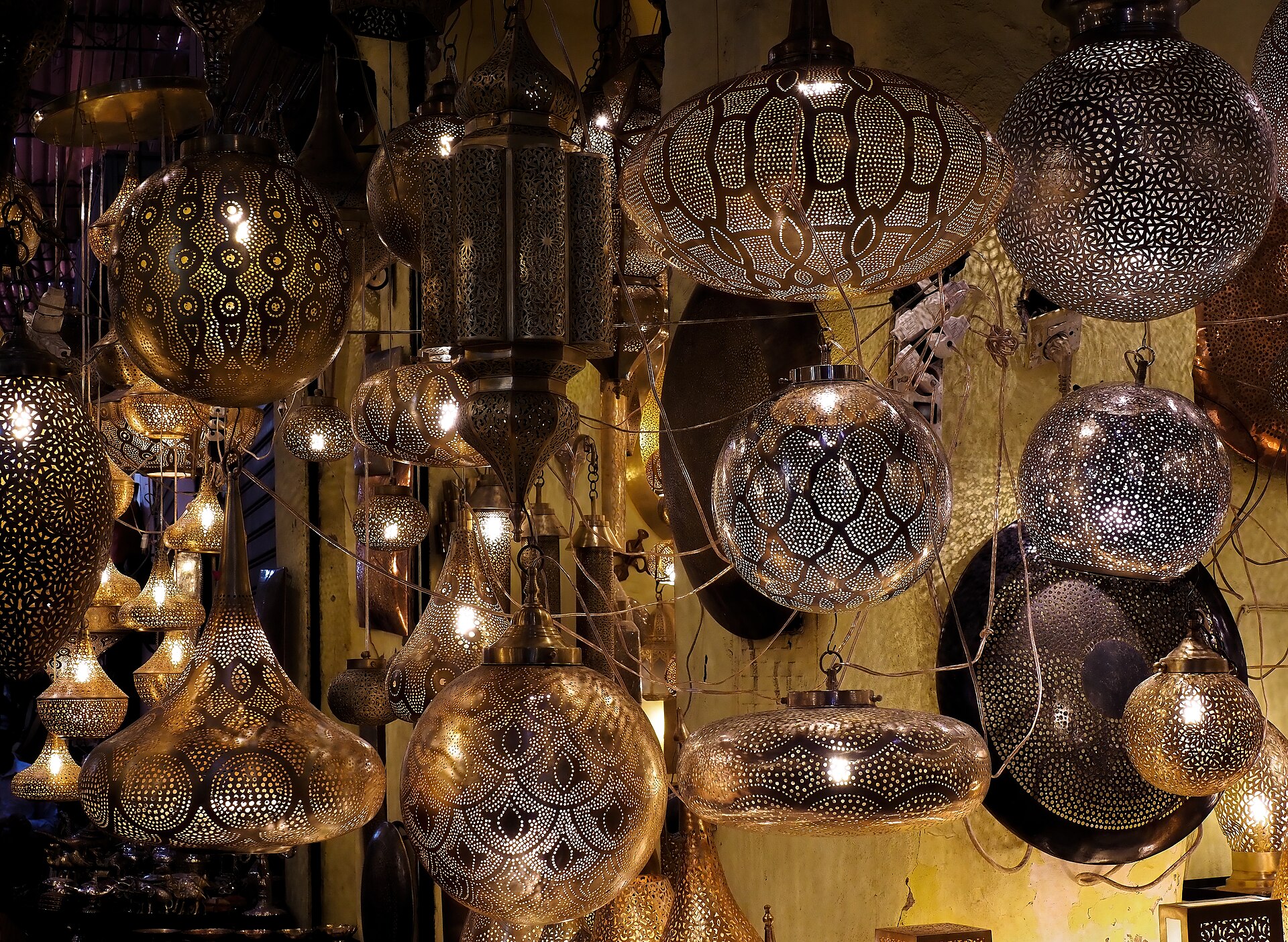
Late afternoon — the souks. The madrasa sits at the edge of the souk network, so step straight in: Souk Semmarine’s main artery, then the specialist alleys — lanterns in the metalworkers’ souk, leather, dyed wool, mountains of spices. Haggling is expected and meant to be good-humoured: offer well below the asking price, smile, meet in the middle, and never start a negotiation you would not happily finish. End with dinner on a rooftop terrace above the medina, the minaret lit and the Atlas Mountains gone purple in the distance.
Day 3: Choose Your Day Out — the Atlas Foothills or the Agafay Desert
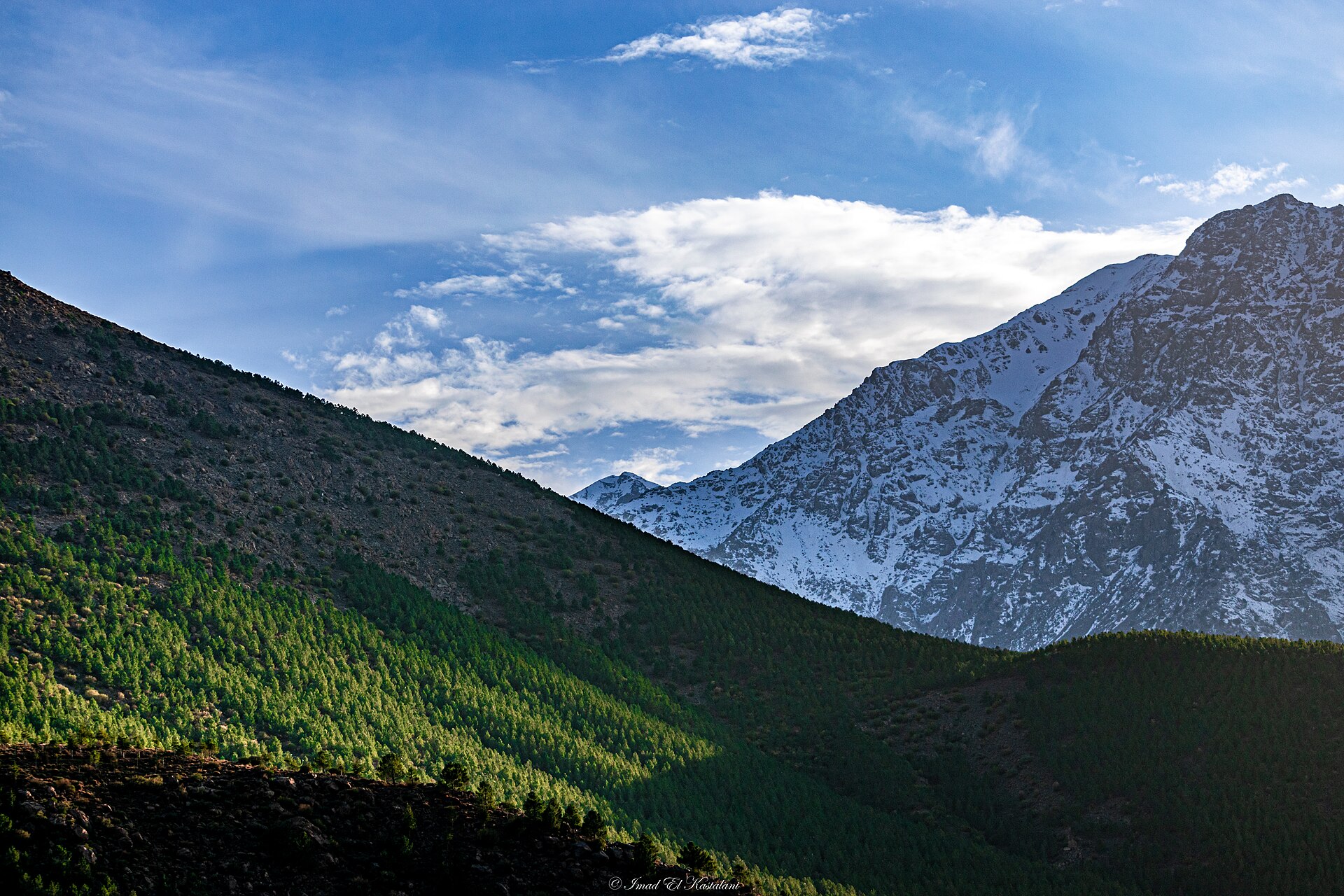
On your last day, get out of the city — the landscape around Marrakech is half the reason to come. Two excellent, very different options, with the leading tours compared for both:
Option A (my pick for most first-timers): the Ourika Valley. It cuts into the High Atlas foothills about 60 kilometres south: Berber villages, argan-oil cooperatives, and at Setti Fatma a path past a series of waterfalls. The tour I would book is Viator’s Ourika Valley Day Trip from Marrakech — rated 4.9 across nearly 4,800 reviews, about 8 hours with hotel pickup, a local guide for the waterfall walk, and free cancellation up to 24 hours ahead. Wear sturdy shoes and bring a layer; the mountains run cooler than the city. The classic alternative is Imlil, the trailhead village under Mount Toubkal about 65 kilometres and 90 minutes away — I compare Imlil, Ourika, and the other routes in my 5 Best Day Trips from Marrakech guide.
Option B (the late-start day): Menara, then Agafay at sunset. Sleep in, take a slow morning in the Menara Gardens west of the medina, and save your energy for the desert. The Agafay, about 40 minutes away, is a rocky, moon-pale desert rather than Sahara dunes, and at golden hour it glows. GetYourGuide’s Agafay Desert sunset camel ride and dinner show (4.6/5 from over 6,200 reviews, free cancellation up to 24 hours ahead) is the version to book: mid-afternoon pickup, a camel ride as the light turns, then dinner and live music under the stars.
Getting There and Getting Around
Marrakech Menara Airport is only about 5–6 kilometres from the centre, a 15–20 minute drive. The calm way in is the official prepaid taxi kiosk outside the terminal: roughly 110–130 dirhams in the daytime to Jemaa el-Fnaa and the central medina, more at night, paid before you ride so there is nothing to negotiate. The budget option is Bus 19, about 30 dirhams, running via Guéliz to Jemaa el-Fnaa in 30–40 minutes. One warning: cars cannot reach most riad doors. Agree a meeting point with your riad in advance — many will send someone to walk you in from the nearest gate.
Days 1 and 2 are designed to be walked. For Majorelle and Guéliz hops, use petit taxis — insist on the meter, or agree the fare before you get in.
When to Go and What to Budget
The cooler months from October to April are Marrakech at its best — warm days, clear Atlas views, evenings cool enough for a jacket — and mid-October, with the summer heat broken, is close to ideal. Entry fees for the sights here total under 550 dirhams per person across all three days (about 300 on Day 1, 170 for Majorelle, 50 for the madrasa), before tours, food, and shopping. Keep small notes and coins handy; many ticket desks, stalls, and taxis cannot change large bills.
The Bottom Line
Day 1, the palaces and the square. Day 2, the blue garden, the madrasa, and the souks. Day 3, out of the city — waterfalls in the Atlas foothills or camels in the Agafay at sunset. Follow the morning-sights, afternoon-rest, sunset-square rhythm and Marrakech stops feeling overwhelming. Planning another long weekend? The same formula — one neighbourhood a day, first entry of the morning, evenings in the old town — is how I built my Lisbon in 3 Days itinerary, if Portugal is next on your list.