
The northern lights are back. Aurora season in Iceland runs from late August to mid-April, and October sits right in the sweet spot: the nights are already long and dark, the summer crowds have gone, and the Ring Road is still — weather permitting — a realistic drive. If Iceland has been sitting on your list, this is the moment to stop browsing and start planning properly.
Never forget a thing before you fly. My free 8-page Travel Planning Checklist walks you through the whole trip — 6 planning timelines, 36 checks, from booking windows to travel-day basics. One email, no spam, unsubscribe anytime.
This roundup pulls together all eight of our Iceland guides in one place, in the order most travelers actually need them. The money pages come first — where to stay in Reykjavik, where to sleep along the Ring Road, and the Ring Road tours worth booking — because hotels and tours are the decisions that sell out and shape your budget. Then come the itineraries and the practical guides that tie everything together: the 7-day Ring Road route, three days in Reykjavik, how to see the northern lights, when to go, and how to get around.
Disclosure: This post contains affiliate links. If you book through one of these links, I may earn a commission at no extra cost to you.
Start With Where You Sleep
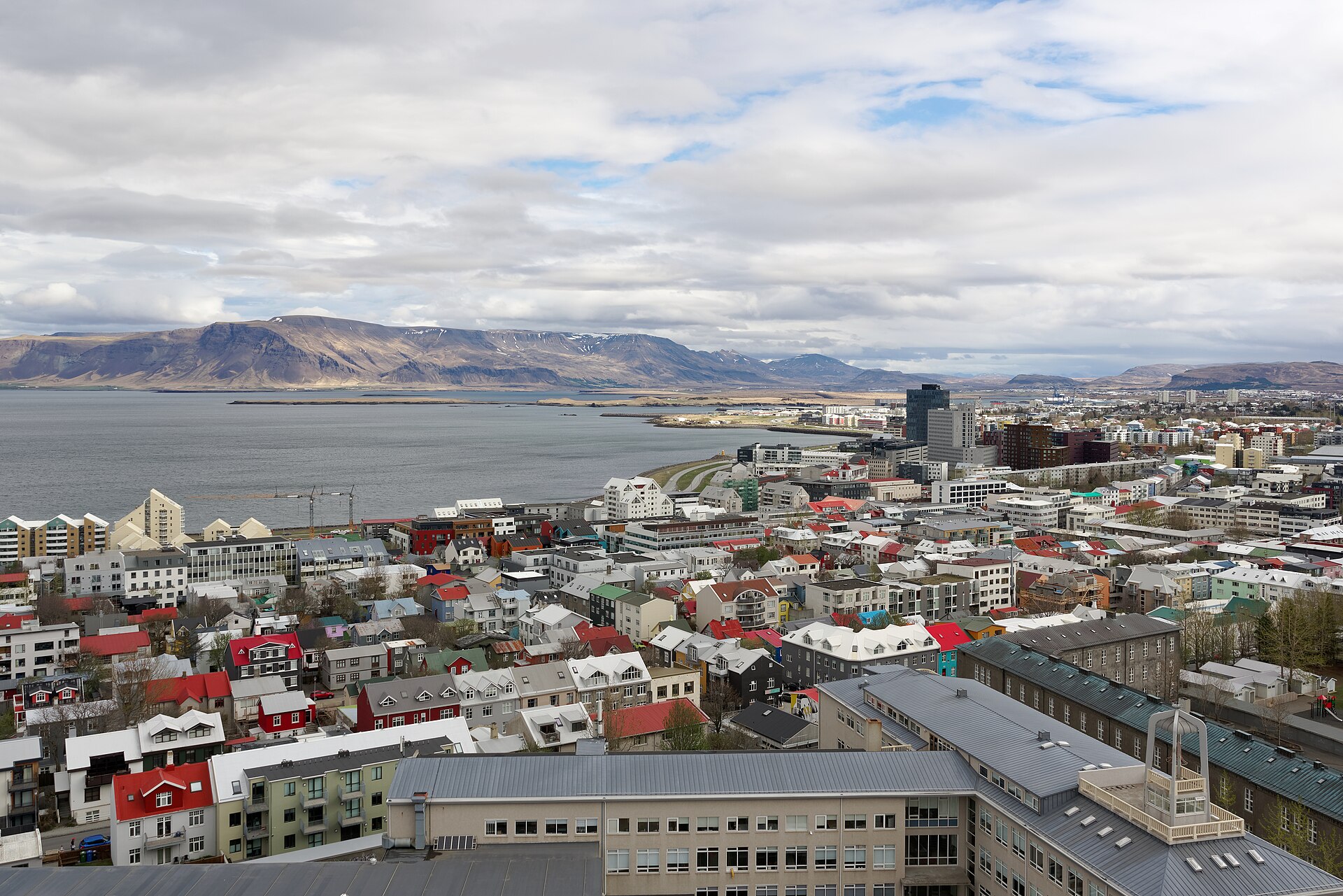
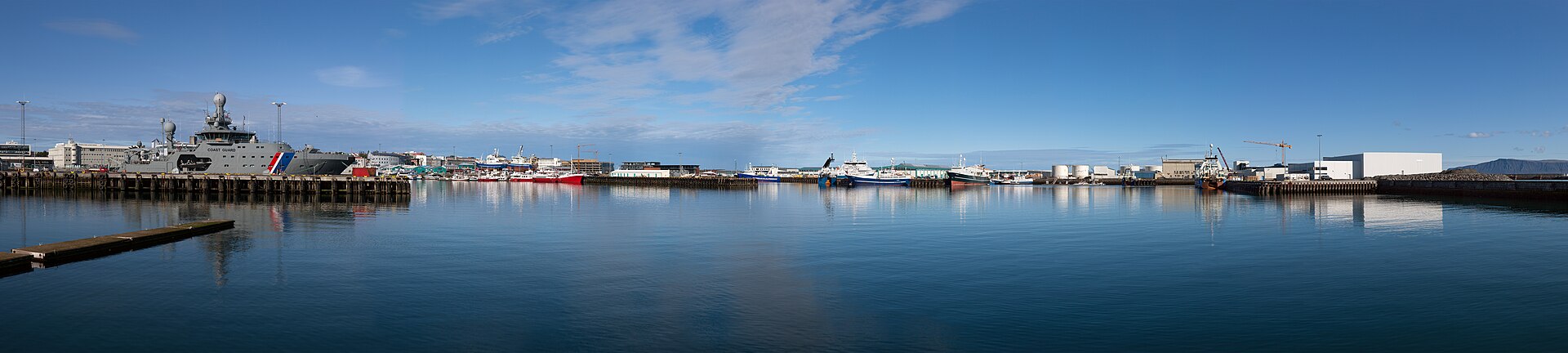
1. Where to Stay in Reykjavik: Best Neighborhoods and Hotel Picks — Almost every Iceland trip starts and ends in the capital, the world’s northernmost capital city, so your Reykjavik base matters more than you might expect. This guide breaks down the neighborhoods that actually work for visitors — the compact, walkable center near Hallgrímskirkja and Laugavegur, the Old Harbor area, and the quieter residential streets beyond — with hotel picks at different budgets in each, so you can match your base to your arrival time, your tour pickups, and how much nightlife you want on your doorstep.
2. Iceland Ring Road: Where to Stay Along the Route — On a Ring Road trip, your overnight stops decide your driving days, and booking the wrong town can add hours of backtracking. This guide walks the whole 1,332 km (828-mile) Route 1 loop stop by stop — the South Coast, the glacier lagoon area, the East Fjords, the Mývatn and Akureyri north, and the west — and tells you which towns are worth a night, which are just fuel stops, and what kind of places to book in each. Read it before you reserve anything: in rural Iceland, good rooms in small towns go first.
The Tours Worth Booking First
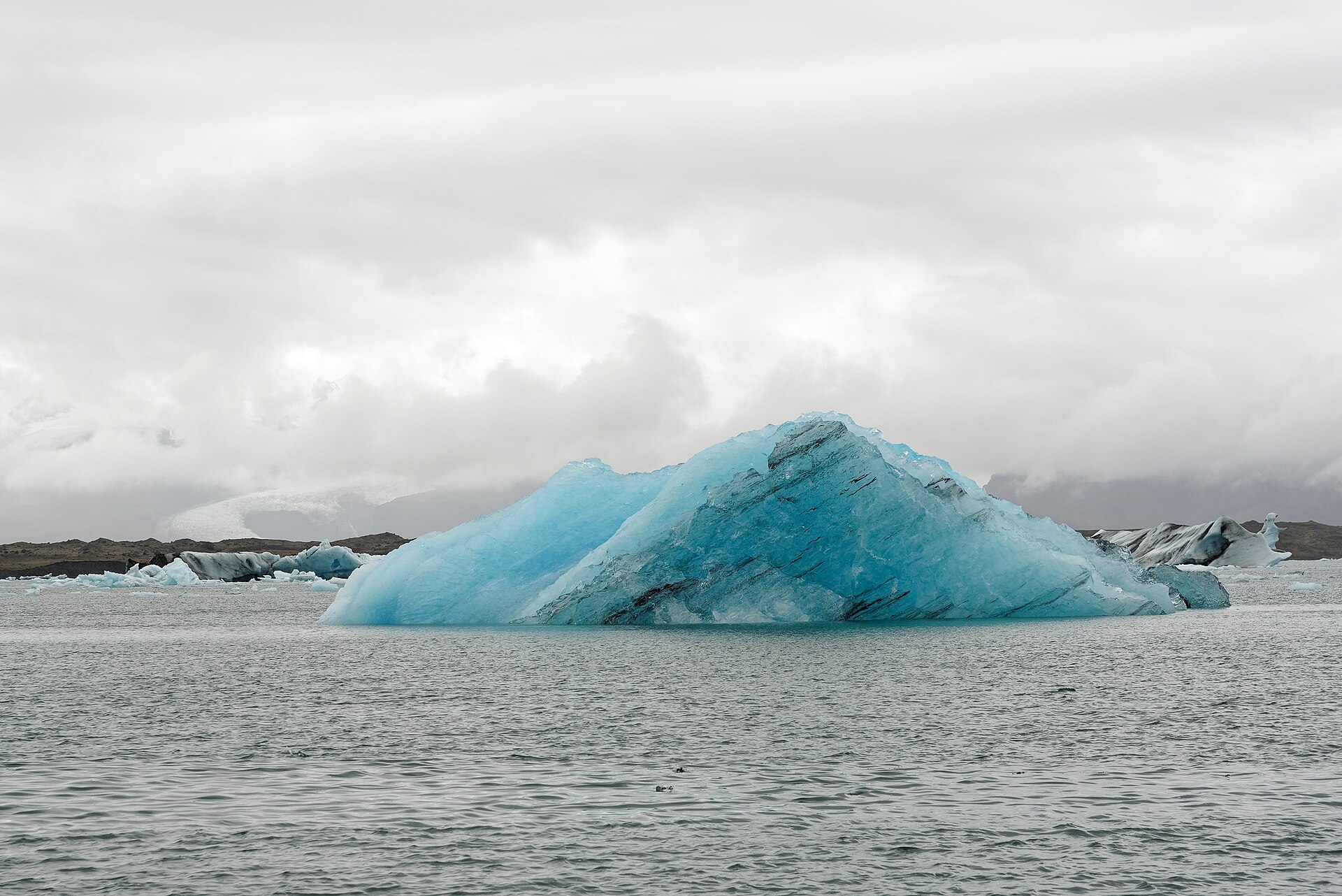
3. Best Iceland Ring Road Tours: Top Bookable Experiences — Not everyone wants to drive, and even confident drivers often hand a few days to the experts. This guide rounds up the bookable experiences that genuinely earn their price along the route, from glacier walks and lagoon trips to northern lights hunts. If you are deciding between driving yourself and joining a tour for part of the trip, start here.
Three classics from that guide are worth flagging right away. A guided northern lights hunt from Reykjavik takes the forecast-reading and night driving off your plate. The Golden Circle classic day tour covers Þingvellir, Geysir, and Gullfoss in one easy day if your time is short. And a full-day Jökulsárlón Glacier Lagoon tour saves you a very long day behind the wheel to the South Coast’s most spectacular stop.
The Itineraries That Tie It Together
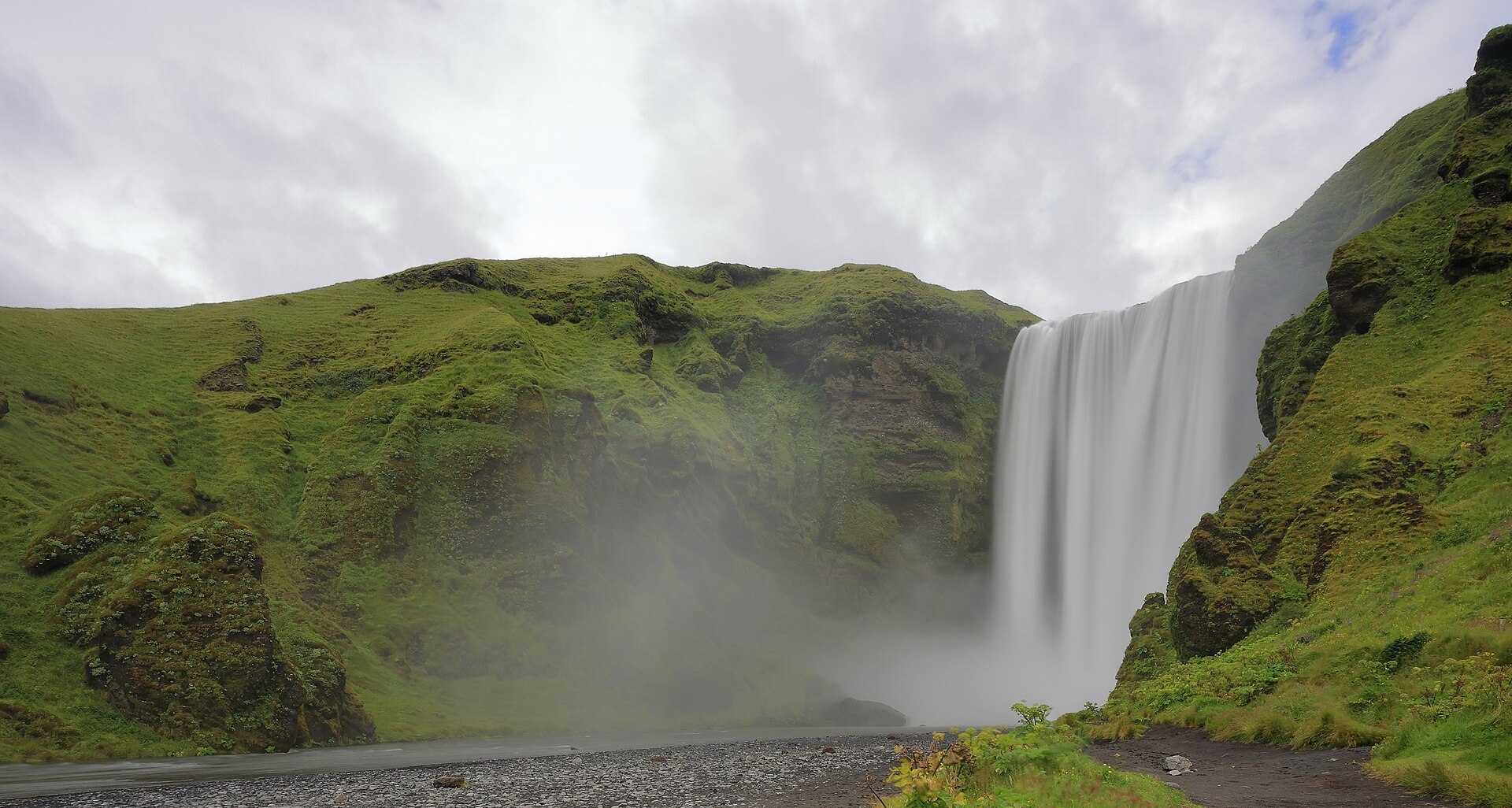
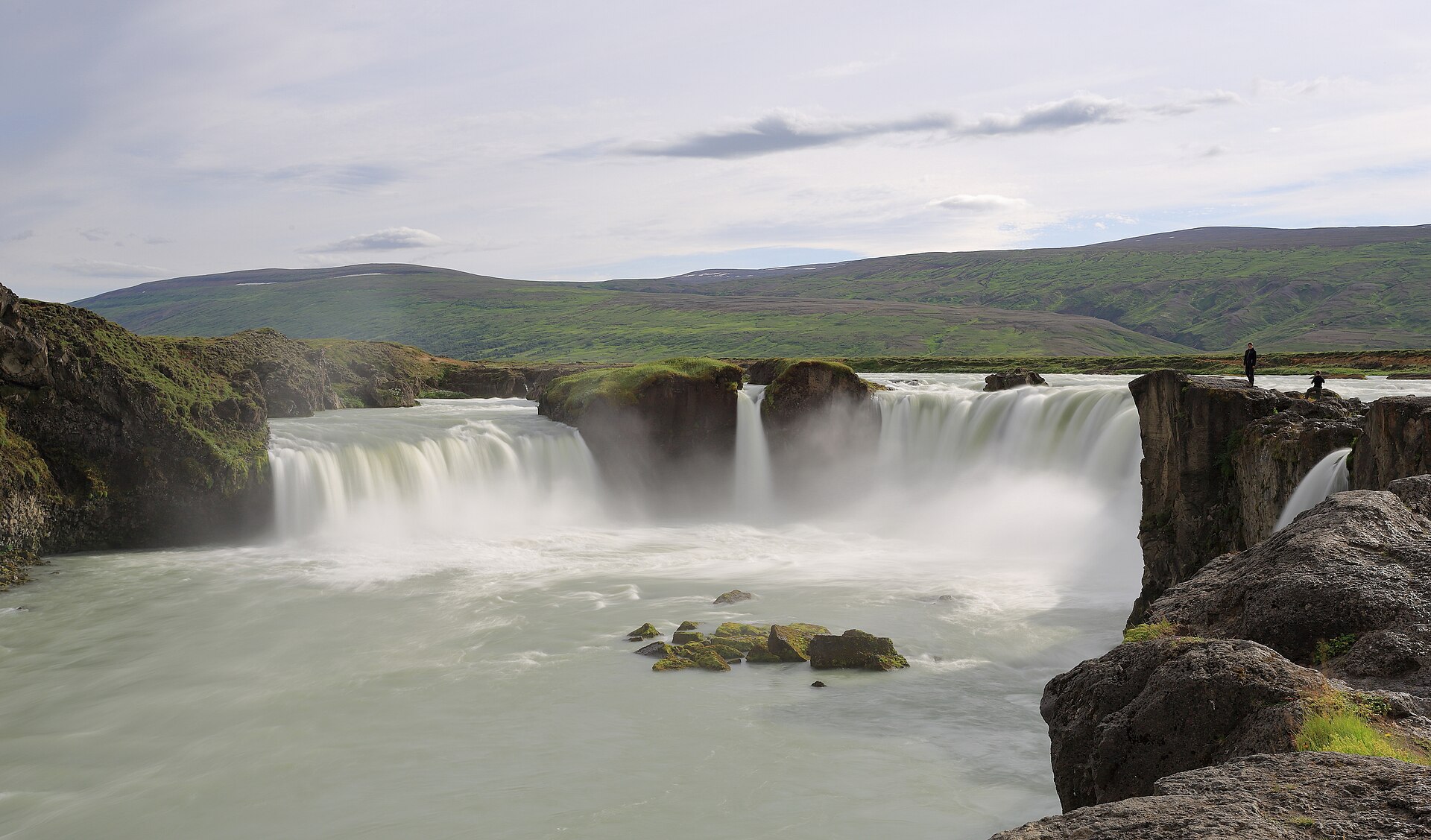
4. Iceland’s Ring Road in 7 Days: The Ultimate Itinerary — Seven days is the realistic minimum for the full loop, and this day-by-day route shows how to pace it: the South Coast waterfalls Seljalandsfoss and Skógafoss, the black beach at Reynisfjara, Jökulsárlón, the East Fjords, Lake Mývatn, and Goðafoss, without turning every day into a marathon drive. Pair it with the where-to-stay guide above and you have a complete, bookable plan.
5. Reykjavik in 3 Days: The Perfect Itinerary for First-Timers — Short on time, or flying in for a long weekend? This three-day plan keeps you based in the capital and layers it sensibly: a day getting oriented in the city itself, a Golden Circle day, and a day for the South Coast or a geothermal soak — plus where the northern lights fit in on an October or winter night. It is also the perfect add-on before or after a Ring Road loop.
Chase the Lights, Pick Your Month
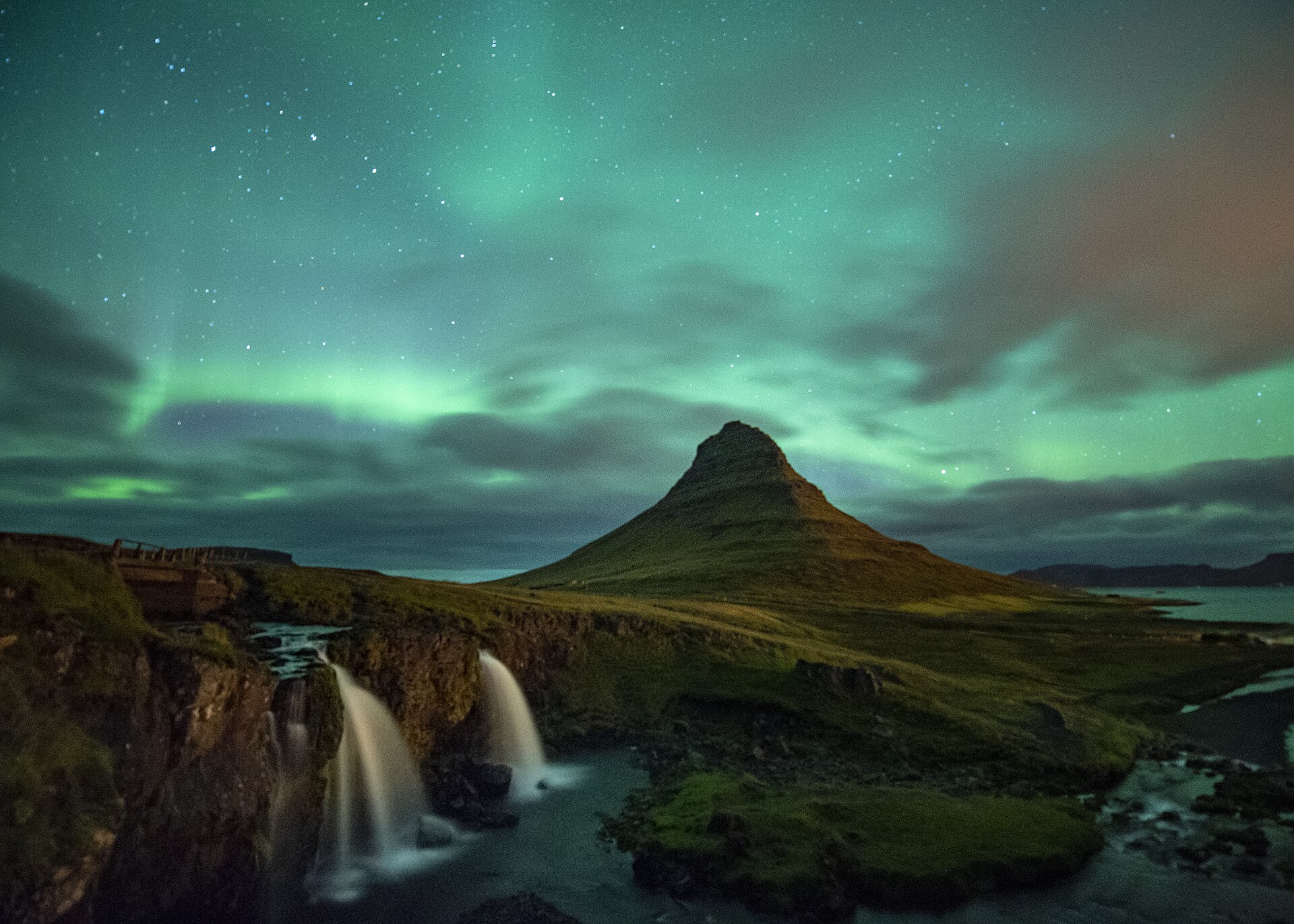
6. How to See the Northern Lights in Iceland: A Complete Guide (2026–2027) — The aurora is never guaranteed, but your odds are a choice. This guide explains the three things that have to line up — darkness, solar activity, and clear skies — how to read the Icelandic forecast, why you should give yourself at least three or four nights in season, and where to go to escape Reykjavik’s light pollution. October through March is prime time, with the best viewing usually between about 9pm and 2am.
7. The Best Time to Visit Iceland: A Month-by-Month Guide — Iceland is really two destinations: the midnight-sun summer of long days, open highland roads, and peak prices, and the dark, aurora-lit winter of ice caves, frozen waterfalls, and serious weather. This month-by-month breakdown helps you match your dates to what you actually want to do, instead of discovering on arrival that the thing you came for is out of season.
Getting Around Without the Stress
8. How to Get Around Iceland: Rental Cars, Buses, and Tours Compared — Outside Reykjavik there is no train network and public buses are built for locals, not sightseeing, so most visitors choose between a rental car, guided tours, or a mix of both. This honest comparison covers the real costs and trade-offs of each — including winter driving, the 90 km/h speed limit on paved rural roads, checking road.is conditions daily, and when a tour is simply the smarter buy.
Three Ways to Use These Guides
The winter aurora trip (4–5 nights): Base yourself in Reykjavik using guide 1, follow the 3-day itinerary in guide 5, and give the northern lights at least three nights using guide 6 — booking one guided hunt and keeping the other nights flexible for clear skies.
The classic Ring Road week (7–10 days): Build your route from guide 4, lock your overnight towns with guide 2, decide car versus tours with guide 8, and book the experiences in guide 3 that you do not want to risk selling out — glacier and lagoon trips above all.
The summer first-timer (5–7 days): Check your month in guide 7 first, then combine Reykjavik (guides 1 and 5) with a self-drive South Coast and Golden Circle loop, saving the full Ring Road for a return trip when you know you will want more.
The Bottom Line
Iceland rewards travelers who plan the bones of the trip early — beds, wheels, and the tours that sell out — and leave the rest loose for the weather. That is exactly what these eight guides are built to do, in order. Start with where you will sleep, book the experiences that matter most, and then let the country do what it does best: surprise you somewhere between a waterfall, a black beach, and a green sky at midnight.