
Tulum stacks a clifftop Maya city, swimmable jungle sinkholes, a vast wild biosphere reserve and a turtle-filled bay into one small town — and three days is exactly enough to do it justice without rushing. This itinerary sequences it the way I would for a good friend: ruins and beach first, a full cenote day second, and one big nature day to finish. Pairing Tulum with time up the coast? My guide to the best day trips from Cancun shows how the two bases fit together.
Never forget a thing before you fly. My free 8-page Travel Planning Checklist walks you through the whole trip — 6 planning timelines, 36 checks, from booking windows to travel-day basics. One email, no spam, unsubscribe anytime.
Disclosure: This post contains affiliate links. If you book through one of these links, I may earn a commission at no extra cost to you.
Day 1: The Tulum Ruins and the Beach Below Them
Start at the reason Tulum exists on the map. The Tulum Archaeological Zone is a walled Maya port city from the 13th to 15th centuries, built on a cliff above the Caribbean — El Castillo, its main pyramid, doubled as a landmark for canoes threading the break in the reef offshore. Arrive for the 8:00am opening (the site closes at 5:00pm and last entry is 3:30pm) and you will have the Temple of the Frescoes and the cliff views nearly to yourself before the day-trip buses land.
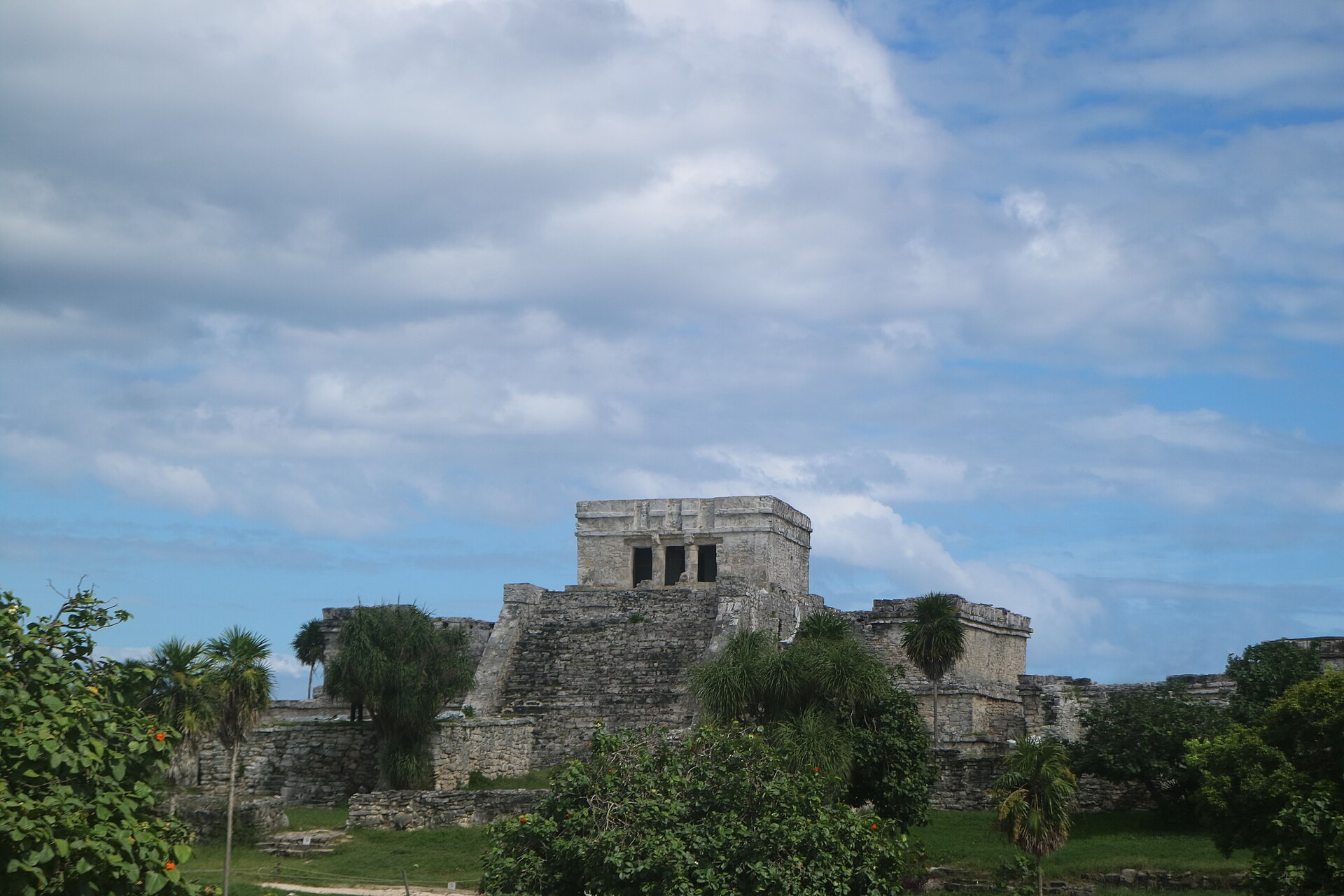
Know the money before you go, because it changed in 2026. A federal fee reform effective 20 July 2026 replaced the old stack of charges with a single unified ticket for the National Park and archaeological zone: 165 pesos for foreign visitors. Entry to the surrounding Parque del Jaguar — with its small museum (closed Mondays), beach trails and free electric shuttles — is a separate 100 pesos for foreign visitors, so budget 265 pesos in cash all-in. Bring a hat and a filled reusable bottle: there is almost no shade inside the walls, and single-use plastic bottles are not allowed in.
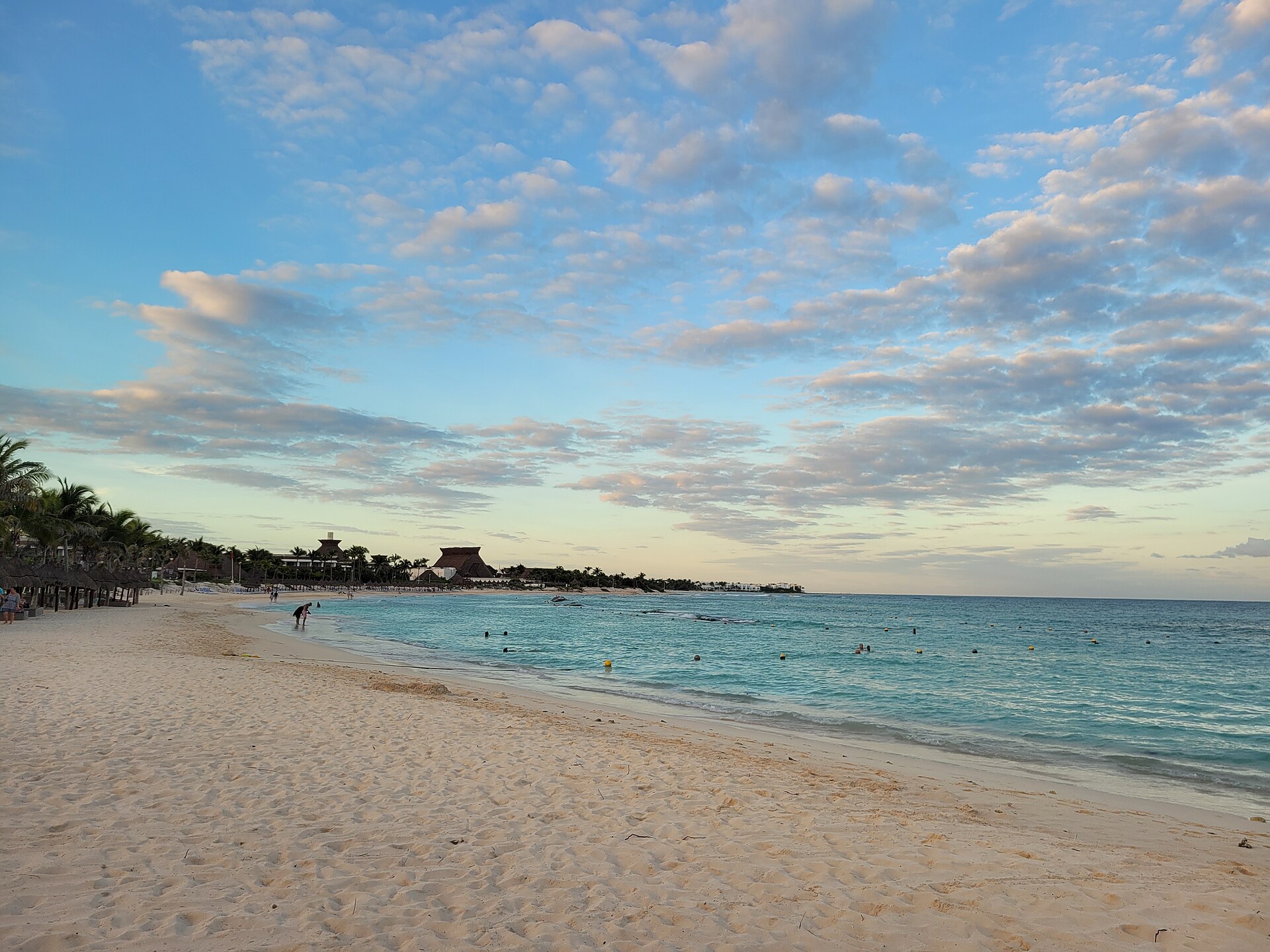
When the heat builds, walk down to the little beach beneath the ruins for a swim, then continue north to Playa Paraíso, the classic stretch of white sand and leaning palms. Spend the afternoon the slow way — swim, find a palapa, order grilled fish — and save your appetite for dinner in town, where the taco stands cost a fraction of the beach road and taste better for it.
Make it easy: based in Playa del Carmen, or coming down just for the day? This Tulum ruins, cenote and turtle snorkel tour from Playa del Carmen pairs a guided ruins walk with a cavern cenote swim and snorkelling with turtles at Akumal, lunch included — three of this itinerary’s highlights in one day (4.8 stars from more than 1,300 reviews).
Day 2: Cenote-Hopping — Gran Cenote, Calavera and Dos Ojos
Day two belongs to the water underground. Cenotes are natural limestone sinkholes filled with cool, glass-clear freshwater, sacred to the Maya — after one swim you will understand why. All three stops sit within about 25 minutes of town, and all are cash country, so hit an ATM in Centro first.
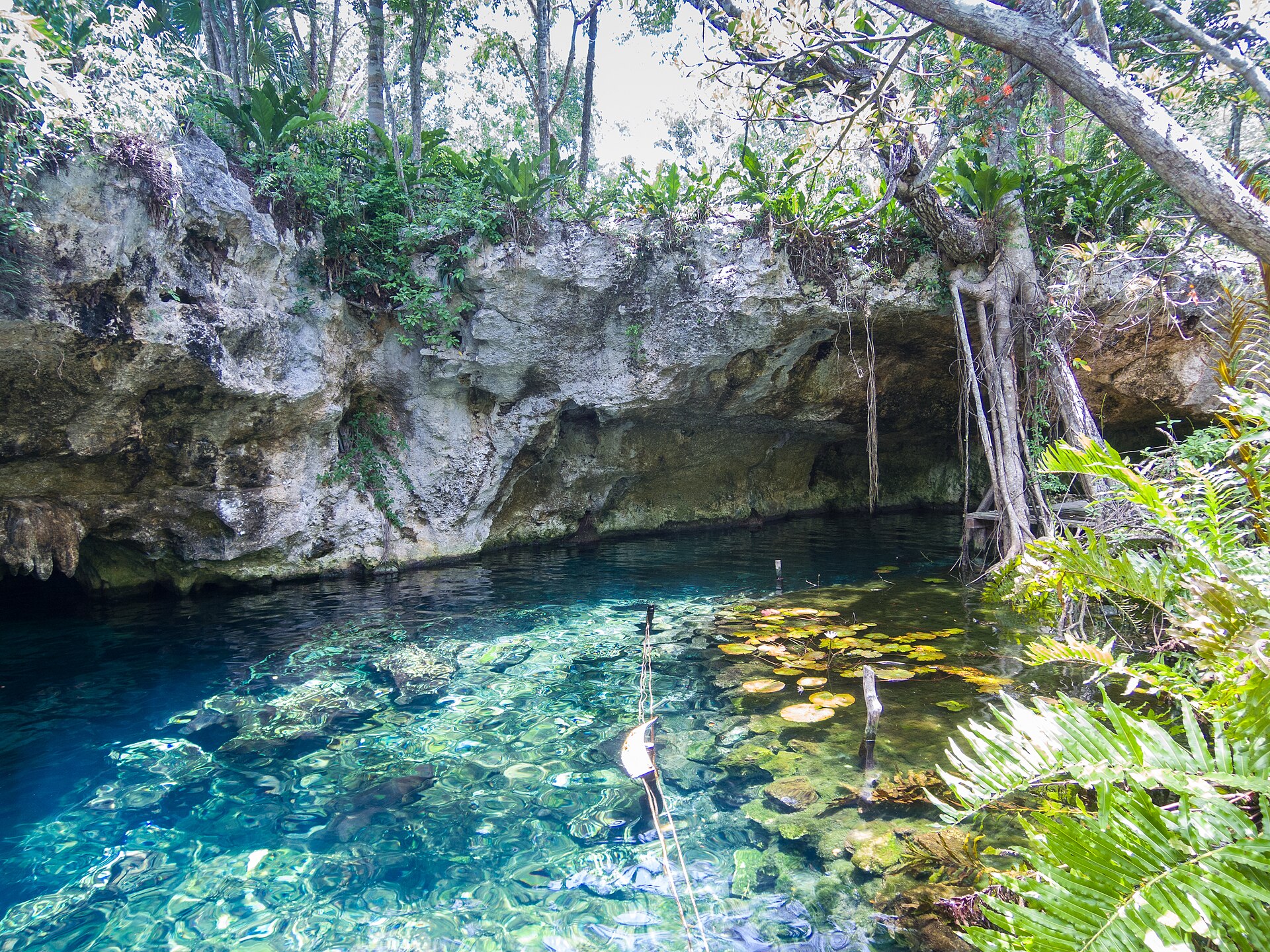
Begin at Gran Cenote, about 5 km out of town on the Cobá road, part of the enormous Sac Aktun cave system. Entry is 500 pesos (cash only); gates run 8:00am to 4:45pm with last entry at 4:15pm — go first thing, when light shafts hit the water before the midday groups arrive. Wooden decks link two open pools through a low cave swim, and a rinse in the mandatory showers comes before every dip.
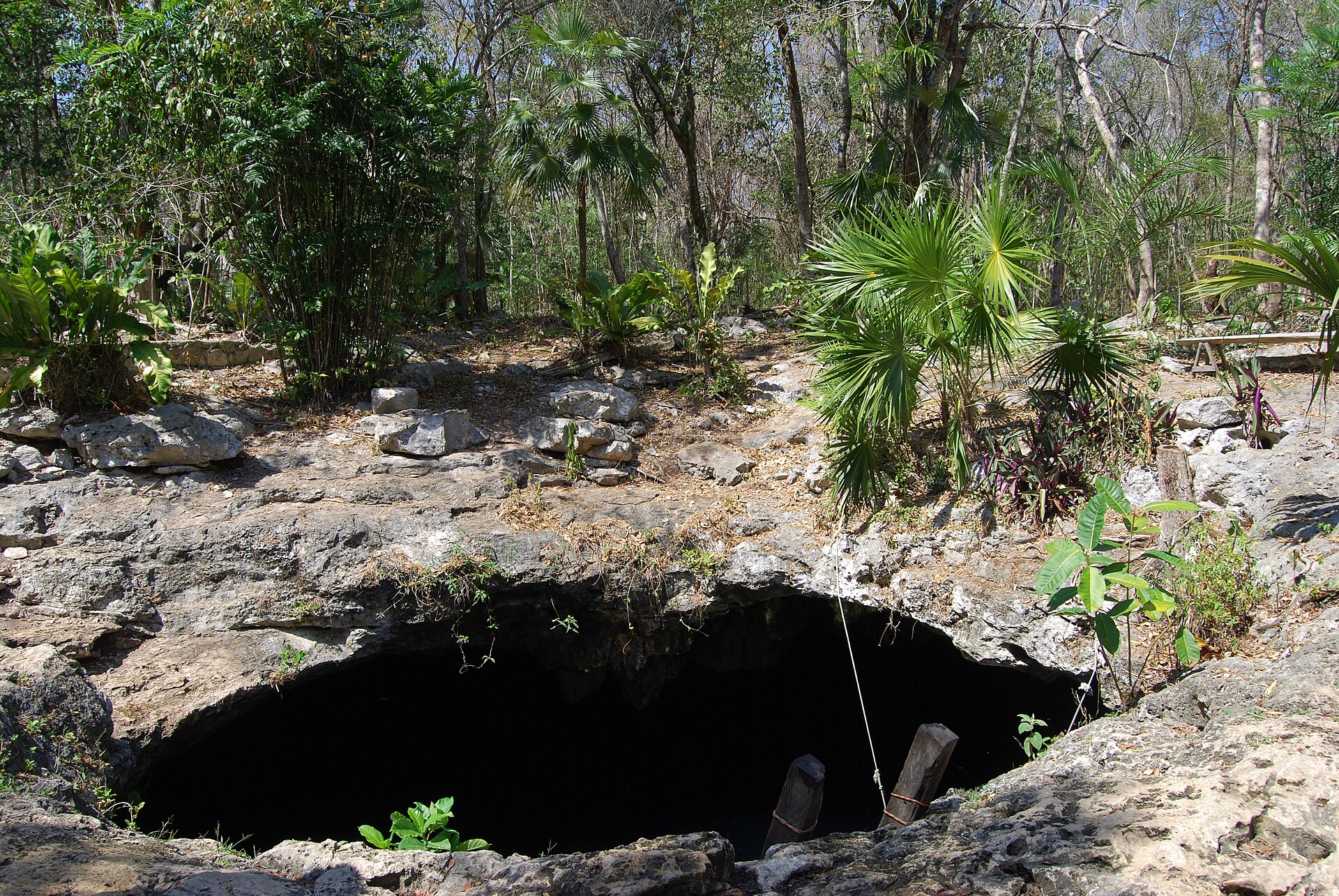
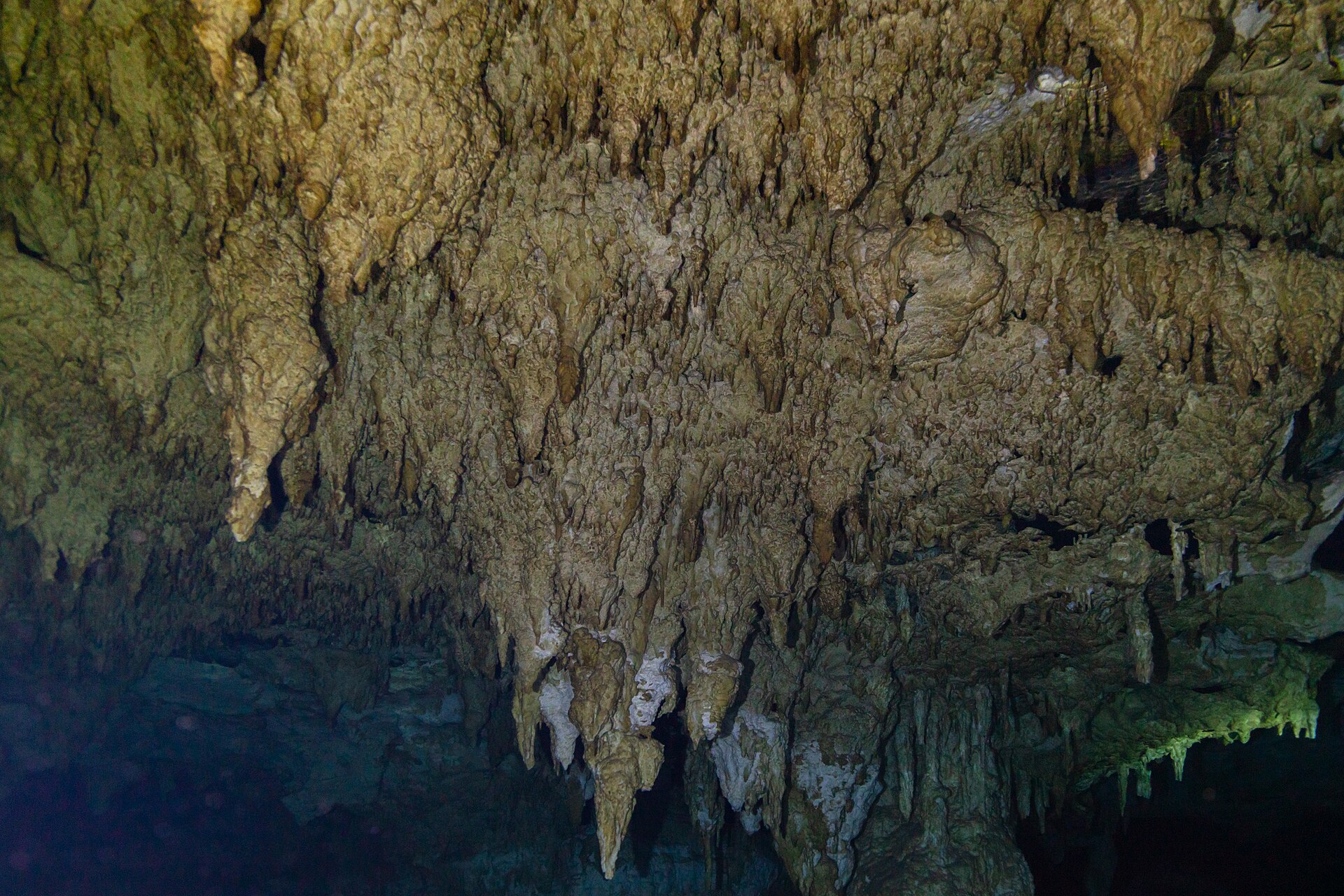
Five minutes back toward town is Cenote Calavera, the “Temple of Doom” — a cavern roofed with three round holes that drop sunbeams onto the water. Entry is 250 pesos (open 8:00am–5:00pm); climb down the ladder, jump or take the rope swing, and look up to see bats circling in the dome. Smaller and moodier than Gran Cenote — exactly the contrast you want.
Finish north on Highway 307 at Cenote Dos Ojos, two neighbouring sinkholes — the “two eyes” — joined by caverns of startlingly blue water. Entry is 350 pesos inside Dos Ojos Park; snorkelling here, drifting over submerged rock gardens in beams of light, is the finest of the three for underwater visibility. Then ride back into town for an easy, early night — and remember the rule everywhere today: shower before you swim, and keep sunscreen for the beach only.
Day 3: Choose Your Big Nature Day
Your last day is a pick-your-adventure — all three options are excellent, and they suit different moods.
Option A: Sian Ka’an Biosphere Reserve (the wild one)
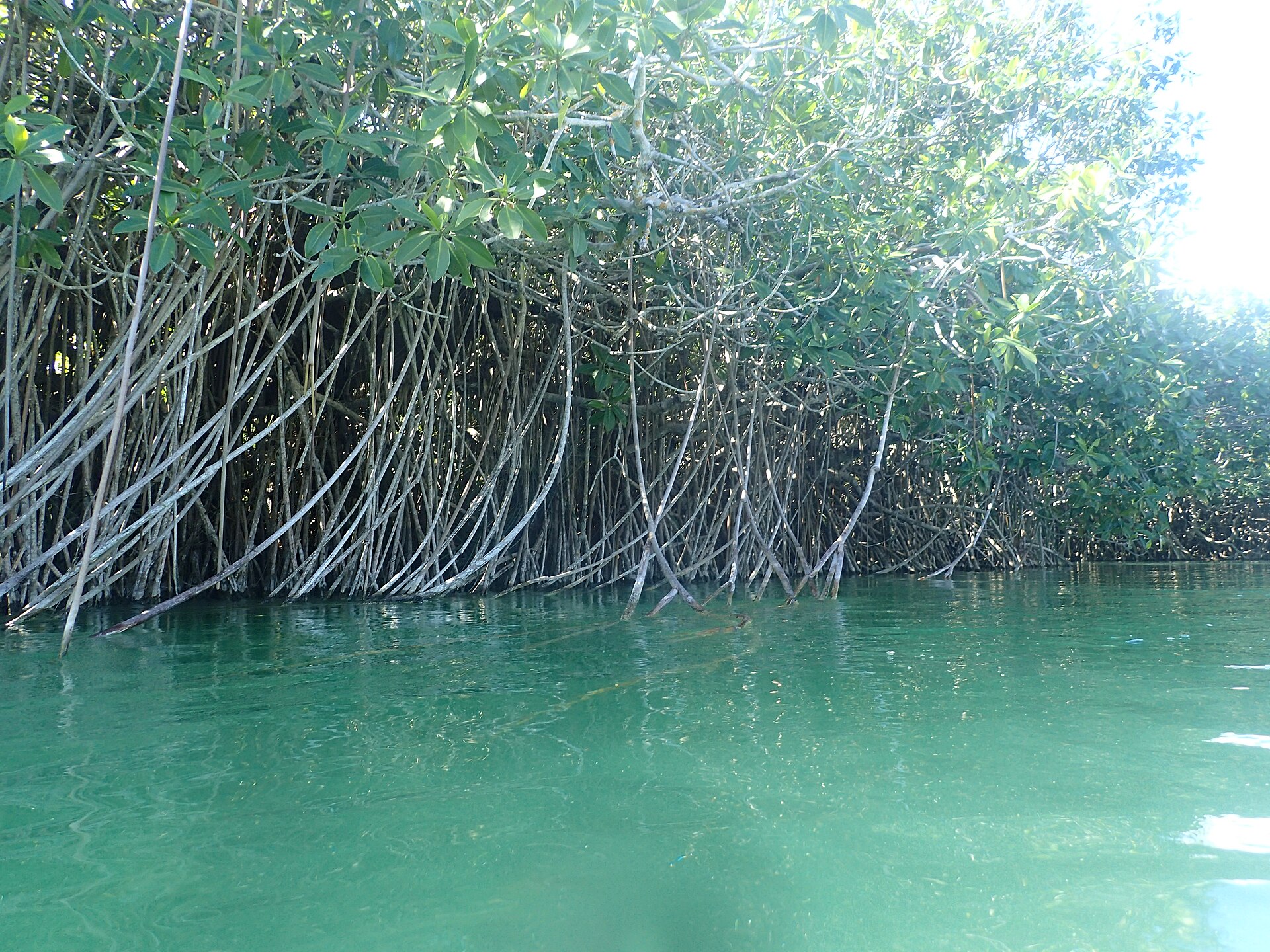
South of the beach road, the hotels simply stop. Sian Ka’an — “where the sky is born” — is a UNESCO World Heritage biosphere reserve of some 5,280 square kilometres of mangrove, lagoon and reef, home to dolphins, manatees, crocodiles, sea turtles and more than 300 bird species. The easy gateway is Muyil, about 20 minutes south, where boats cross the lagoons and you can float down an ancient Maya canal; full boat days continue to Punta Allen and the reef. Do not self-drive the rough dirt road to Punta Allen on a short trip — book the boat instead. This Sian Ka’an boat trip from Tulum includes hotel pickup in town and the hotel zone, a Caribbean lunch at Punta Allen and reef snorkelling when conditions allow.
Option B: Akumal’s Turtles (the gentle one)
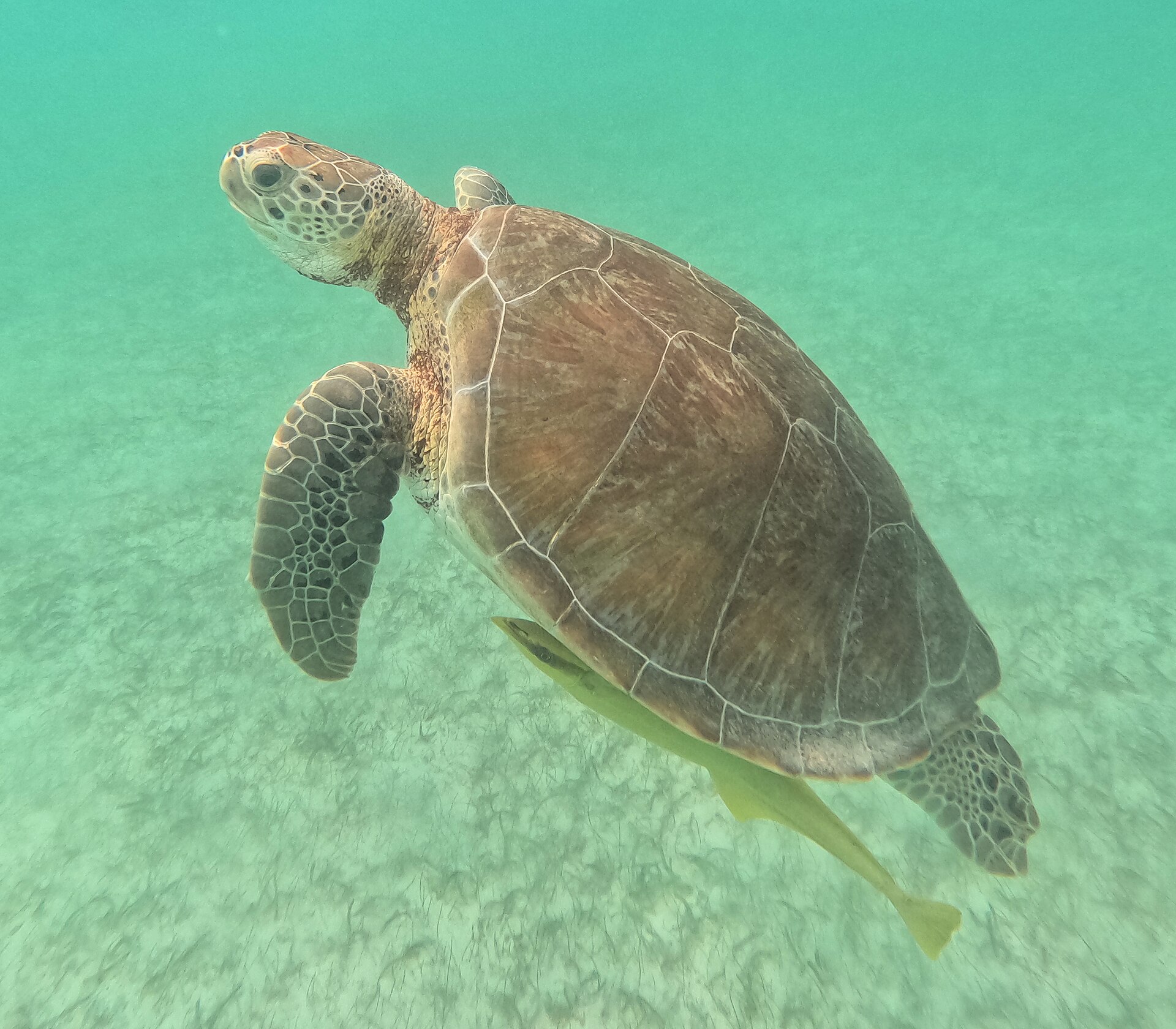
Akumal, 25–30 minutes north by colectivo, means “place of the turtle” — and its calm seagrass bay delivers, with green turtles grazing year-round. Snorkelling here is properly regulated to protect them: you swim the protected circuit with a certified local guide and a life vest, no fins, no touching, no chasing. Float quietly and let the turtles come to you, then pair it with a lazy lunch on Half Moon Bay for the most relaxing day of the three.
Option C: Cobá or Chichén Itzá (the history one)
For one more hit of Maya grandeur, Cobá’s jungle ruins and the towering Nohoch Mul pyramid sit about 45 minutes inland — hire a bicycle at the gate, because the site is gloriously spread out, and check the current climbing rule on arrival. Or go all-in on the icon: Chichén Itzá is a long but rewarding day from Tulum, and this Chichén Itzá full-day tour with a cenote swim and Valladolid handles the drive, guiding and lunch in one booking. Either way, be back for a final sunset swim and dinner in Centro.
Practical Guide: Making Tulum Work
Getting there
Most visitors fly into Cancún International Airport, about 120 km (75 miles) north — 1.5 to 2 hours by road. The budget-friendly default is the ADO bus, which runs directly from the airport terminals to Tulum town; private transfers suit groups and late arrivals. Playa del Carmen is 45–60 minutes north, and cheap, frequent colectivos (shared vans) run the highway all day and will stop at Akumal and the cenote turn-offs if you ask. Planning the wider trip? My Cancun in 3 Days itinerary pairs naturally with these three days for a full week on the coast.
Town vs. beach zone
Tulum is really two places. Centro (the pueblo), inland on the main avenue, has the bus station, the best-value hotels and the restaurants locals eat in. The beach zone is one narrow road south from the ruins junction — public beaches to the north, boutique hotels and beach clubs to the south. They are 10–15 minutes apart by car, or 20–30 by bike. Stay in Centro and cycle to the sand if budget matters; stay on the beach if the trip is a splurge. Splitting the trip with Cancún? See the Cancun where-to-stay guide for the northern base.
Getting around and money tips
Bicycles are Tulum’s unofficial transport system — many hotels include them, rental shops line the main avenue, and there is a paved route toward the beach. Taxis are plentiful but unmetered, so agree the fare before you get in, every time. Carry pesos in small notes: cenotes, the ruins complex, colectivos and parking are all cash-first, and card machines fail often enough that plastic alone is a gamble.
When to come
The sweet spot is the dry season, late November through April — warm, settled weather, the clearest seas and the least sargassum seaweed. May to October brings heat, afternoon downpours and greener jungle; hurricane season runs June to November with the highest risk in September and October, and sargassum peaks in summer. Travelling then is no deal-breaker — cenotes are glorious in any weather — but book the big boat day early in your stay so you can reshuffle if the wind picks up.
The Takeaway
Three days in Tulum works because each day has a different flavour: stone and sea on day one, cool underground rivers on day two, and one great wild or historic finale on day three. Arrive at the ruins at opening, swim the cenotes before the crowds, keep cash in your pocket and a reusable bottle in your bag — Tulum will do the rest. Buen viaje!