
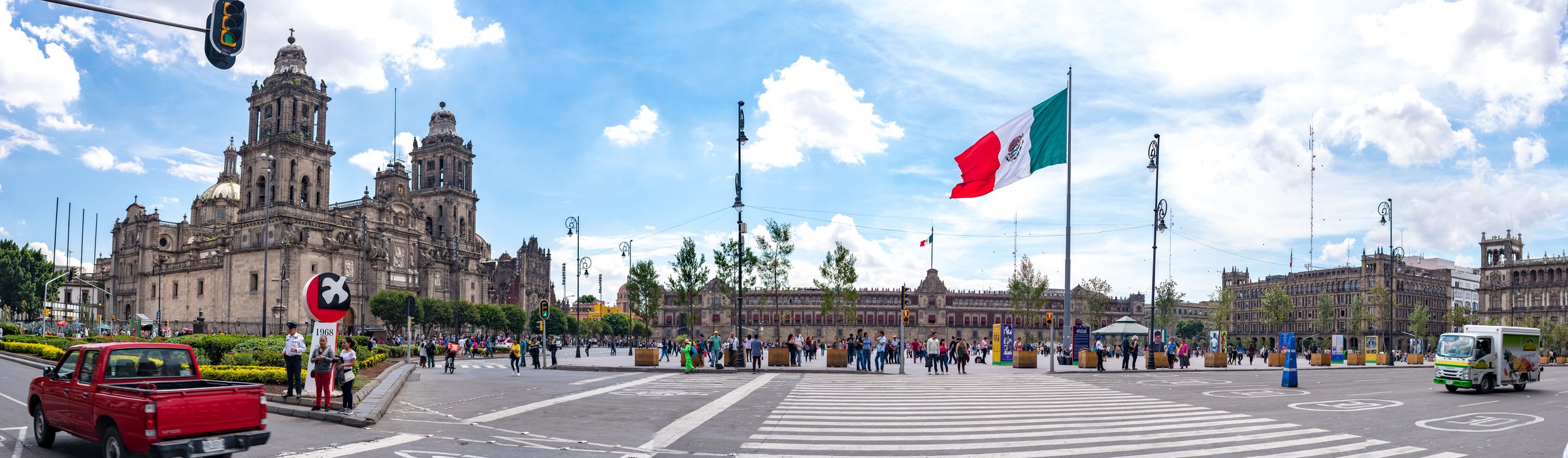
Mexico City doesn’t do anything small. Twenty-two million people in the metro area, a historic center built on an Aztec capital, and neighborhoods that each feel like their own small city — leafy and art-deco here, colonial and quiet there, all-glass corporate towers a few minutes away. Where you stay in CDMX shapes the trip more than in almost any other city: pick the right base and the museums, markets, and mezcal bars come to you; pick wrong and you’ll spend your days in the back of a car watching taillights.
Never forget a thing before you fly. My free 8-page Travel Planning Checklist walks you through the whole trip — 6 planning timelines, 36 checks, from booking windows to travel-day basics. One email, no spam, unsubscribe anytime.
Disclosure: This post contains affiliate links. If you book through one of these links, I may earn a commission at no extra cost to you.
The quick answer: where should you stay?
- First-timers who want it all walkable: Centro Histórico — the Zócalo, cathedral, and major museums on foot.
- Luxury and comfort: Polanco — the safest, quietest, most polished district, beside Chapultepec Park.
- Foodies and young travelers: Condesa or Roma Norte — leafy streets, cafés, and the city’s best restaurant rows.
- Convenience and business travel: Reforma / Juárez — right on the Paseo de la Reforma corridor with easy transit everywhere.
- Slow, cultural stays: Coyoacán — a colonial village-within-the-city, home to the Frida Kahlo Museum.
- Coming for Día de Muertos (Nov 1–2)? Reforma / Juárez and Roma / Condesa put you closest to the Gran Desfile parade route — book early, these sell out.
Centro Histórico: best for first-timers
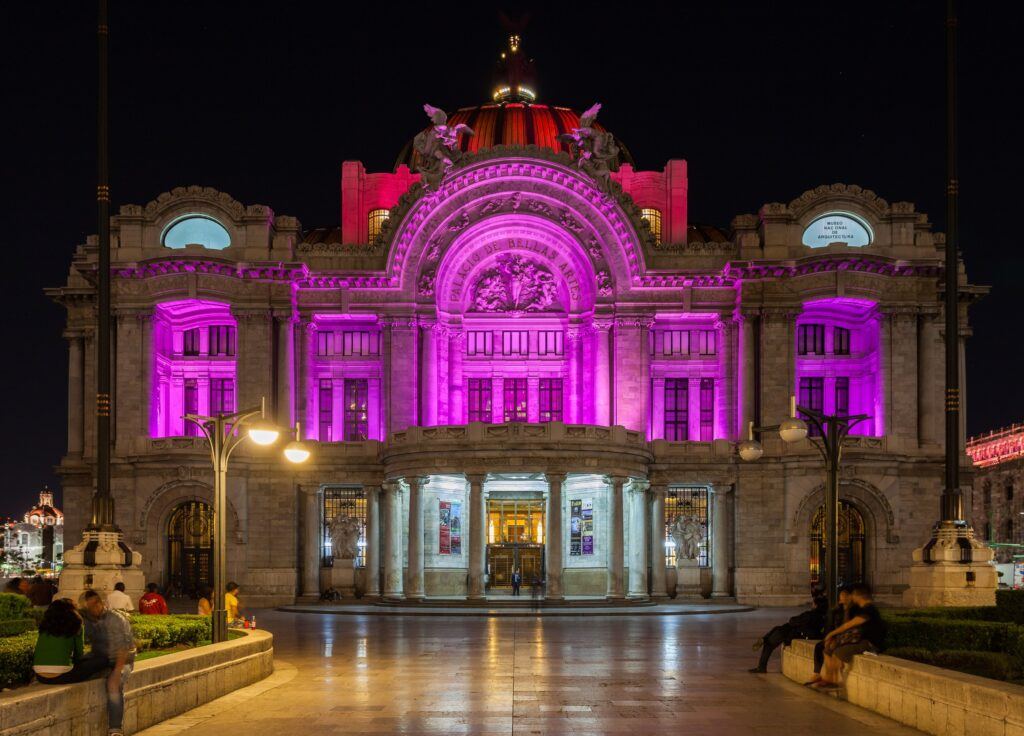
The historic center is where Mexico City started — the Zócalo plaza sits on the site of the Aztec capital Tenochtitlan, and the Metropolitan Cathedral, Palacio Nacional with its Diego Rivera murals, and the Templo Mayor ruins are all within a few blocks of each other. If your trip is about checking off the big sights, nothing beats waking up here and walking out the door into it.
The trade-offs are honest ones: the Centro is the liveliest and noisiest of the tourist districts, especially on weekend nights, and some side streets go quiet late. Choose a hotel on a main avenue near the Zócalo and you’ll be fine.
Hotel picks: Gran Hotel Ciudad de Mexico is the landmark stay — a 19th-century merchant palace with a jaw-dropping stained-glass atrium, right on the Zócalo. Hotel Zocalo Central offers a more contemporary take a block off the plaza, with a rooftop that frames the cathedral at sunset. Downtown Mexico tucks a stylish courtyard hotel into a 17th-century palace — a design-lover’s base in the middle of it all.
Polanco: best for luxury and comfort
Polanco is Mexico City at its most polished — tree-lined streets, the luxury shopping strip of Avenida Presidente Masaryk, and the green expanse of Chapultepec Park with the National Museum of Anthropology on its doorstep. It’s the safest-feeling and quietest of the tourist areas, and the priciest. If comfort is the priority and budget isn’t the constraint, stay here.
Hotel picks: Las Alcobas is the boutique standout — intimate, design-forward, and consistently rated among the city’s best hotels. Presidente InterContinental Polanco is the classic big-name luxury option on Campos Elíseos, with the scale and service you’d expect from a flagship.
Condesa and Roma Norte: best for food and neighborhood life
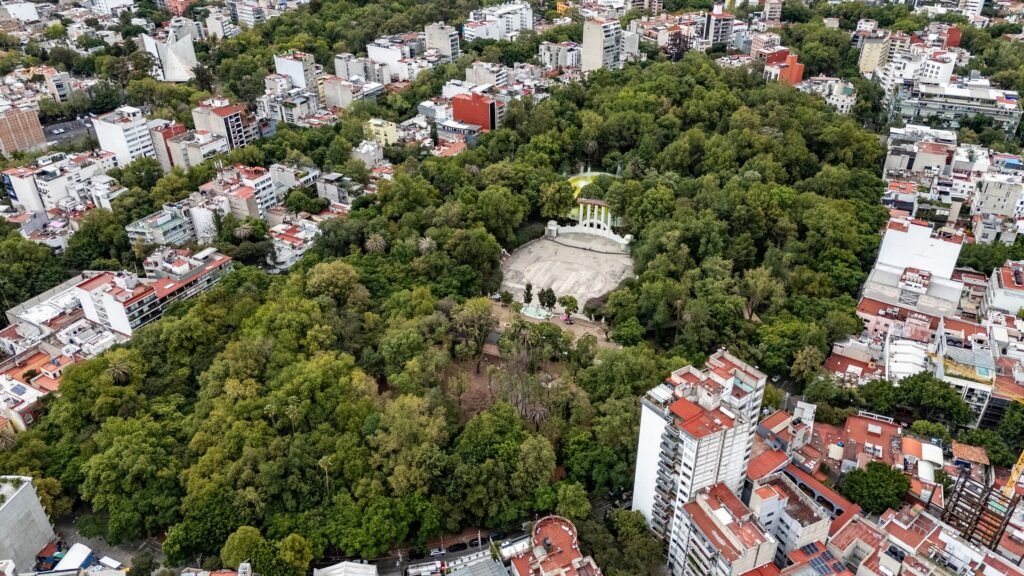
Condesa is the neighborhood people fall in love with — Art Deco buildings, the twin green lungs of Parque México and Parque España, and café-lined streets made for slow mornings. Roma Norte, its edgier sibling, brings the galleries, the Mercado Roma food hall, and some of the city’s best restaurants on Orizaba and Colima streets. Together they’re the most walkable, most restaurant-dense base in the city, and a favorite of younger travelers and digital nomads.
Hotel picks: La Valise Mexico City in Roma Norte is a small, art-filled hideaway with a rooftop that looks over the neighborhood’s rooftops. Nima Local House Hotel in Roma offers apartment-style rooms with kitchens — ideal if you want to live like a local for a week rather than a weekend.
Reforma / Juárez: best for convenience (and the parade)
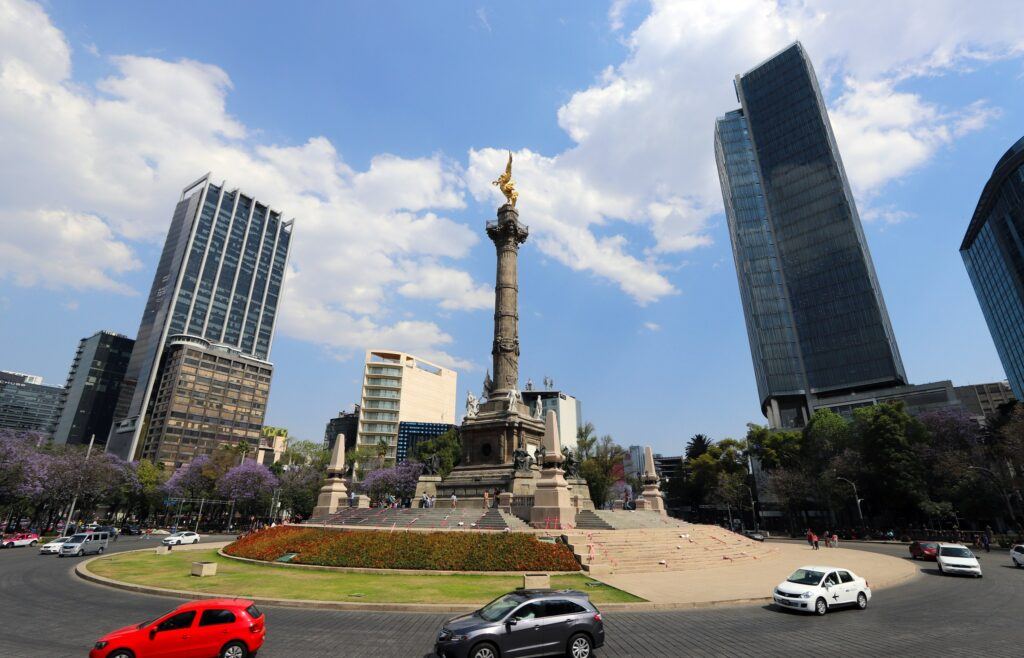
Paseo de la Reforma is Mexico City’s grand boulevard, running from Chapultepec Park past the Ángel de la Independencia toward the historic center. Staying along this corridor means easy Metrobús access, the Alameda Central park, and Zona Rosa’s nightlife a short walk away. It’s the practical choice — corporate and well-connected — and during Día de Muertos season it’s the prime viewing spot, since the Gran Desfile parade marches down Reforma itself.
Hotel picks: Four Seasons Hotel Mexico City hides a hacienda-style courtyard oasis behind its Reforma façade — the city’s most famous luxury address. St. Regis Mexico City brings the brand’s polished service to a tower overlooking the Diana roundabout. Sofitel Mexico City Reforma pairs French flair with some of the best skyline views in town.
Coyoacán: best for a slow, cultural stay
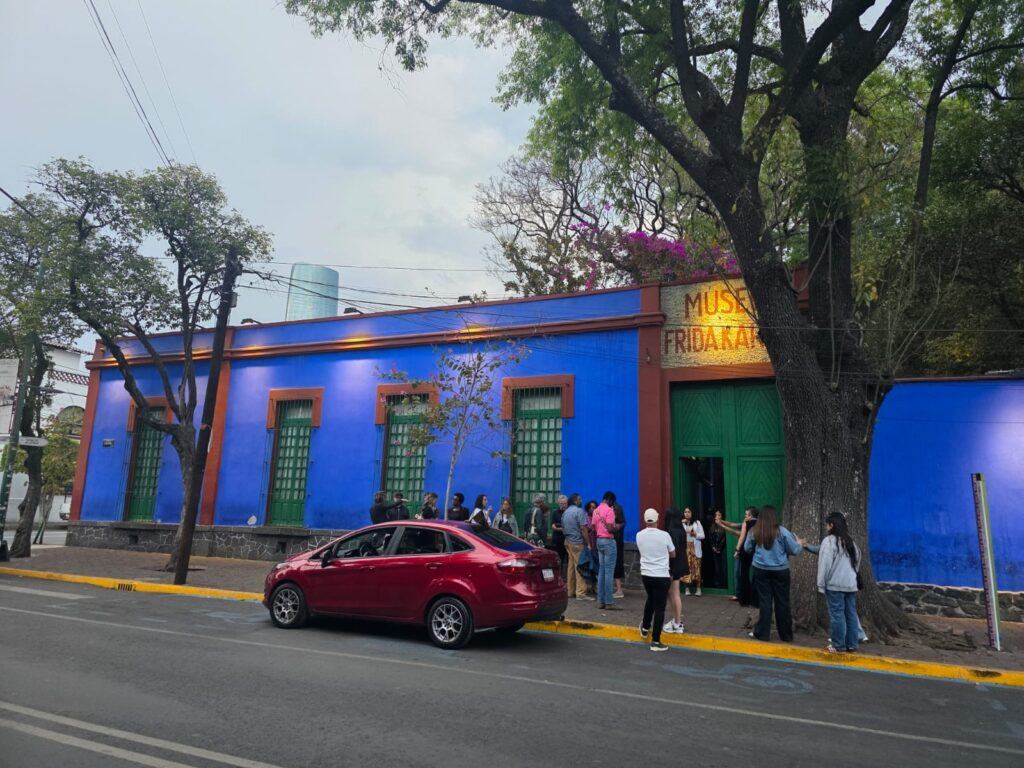
Coyoacán feels like a village that the megacity grew around — cobblestone streets, the Jardín Centenario plaza, market halls, and the unmissable Frida Kahlo Museum (Casa Azul), where advance tickets are essential. It’s the most local-feeling base on this list, and the quietest at night.
The honest trade-off: Coyoacán sits well south of the center, so a sightseeing-heavy short trip means 30–45 minute rides to the Centro. It suits second visits and slow travelers best. For a first trip of three days or fewer, I’d take the Centro or Condesa instead.
Coming for Día de Muertos? Book early
Día de Muertos (November 1–2) is Mexico City’s biggest cultural weekend, and the 2026 edition has a full calendar: the Gran Desfile parade steps off at 2:00 pm on Saturday, October 31, running from the Diana Cazadora roundabout down Paseo de la Reforma to the Zócalo, with the Catrinas procession (Oct 25), the Alebrijes parade (Oct 17), and a monumental ofrenda in the Zócalo (Oct 29–Nov 2) around it. Reforma / Juárez and Roma / Condesa are the best bases for parade access — and they sell out weeks ahead, so lock in your hotel as soon as your dates are firm.
Getting there and around
Mexico City International Airport (AICM) is about 13 km east of the historic center — allow 20–45 minutes depending on traffic. Buy an authorized taxi ticket at the booths inside the terminal (fixed price), grab an Uber from the pickup zone, or take Metrobús Line 4, which runs from the airport through the Centro Histórico toward Roma and Condesa. (Check your ticket carefully — Felipe Ángeles Airport, NLU, is a different airport far north of the city.)
Inside the city, the Metro is one of the largest systems in the Americas and a ride costs just 5 pesos (~US$0.25) on the rechargeable mobility card — it’s the fastest way to beat traffic, though brutally crowded at rush hour. Metrobús runs dedicated-lane buses (Line 1 along Insurgentes is the workhorse). Uber and Didi are cheap and everywhere. One safety rule that matters: don’t hail street cabs — use sitio (base-affiliated) taxis or ride-hailing instead.
Three day trips worth basing yourself here for
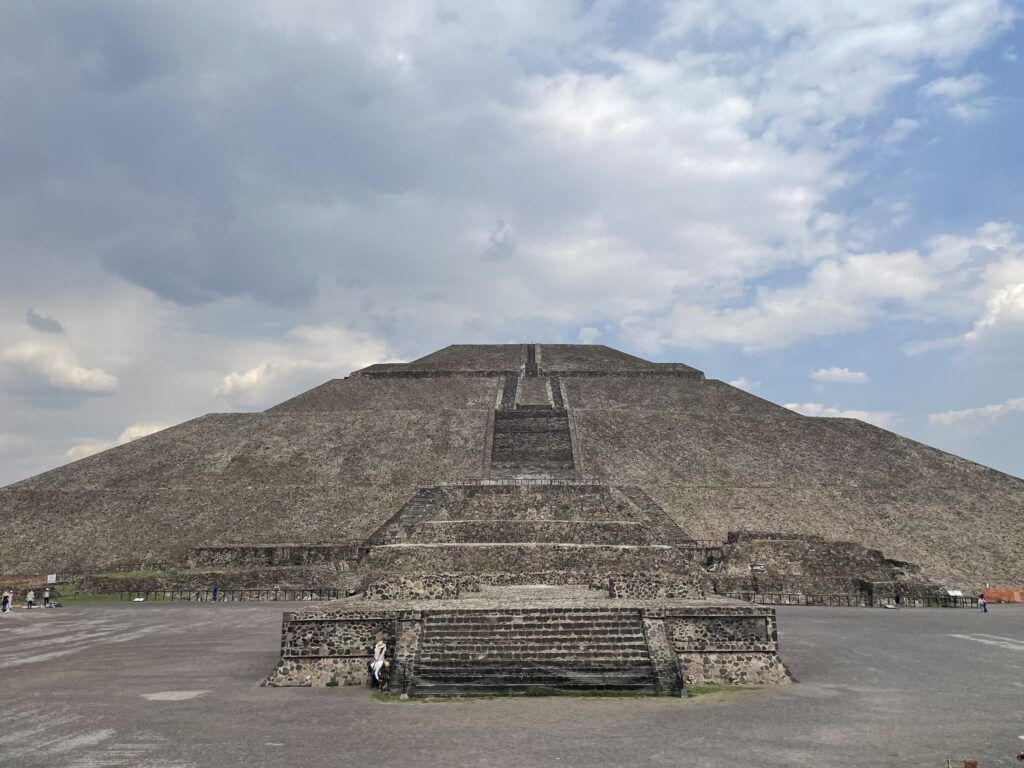
Mexico City rewards a well-chosen base because the day trips are superb. The essential one is Teotihuacan — the Pyramid of the Sun and Pyramid of the Moon, about an hour northeast; go early with a guided tour to beat both the heat and the crowds.
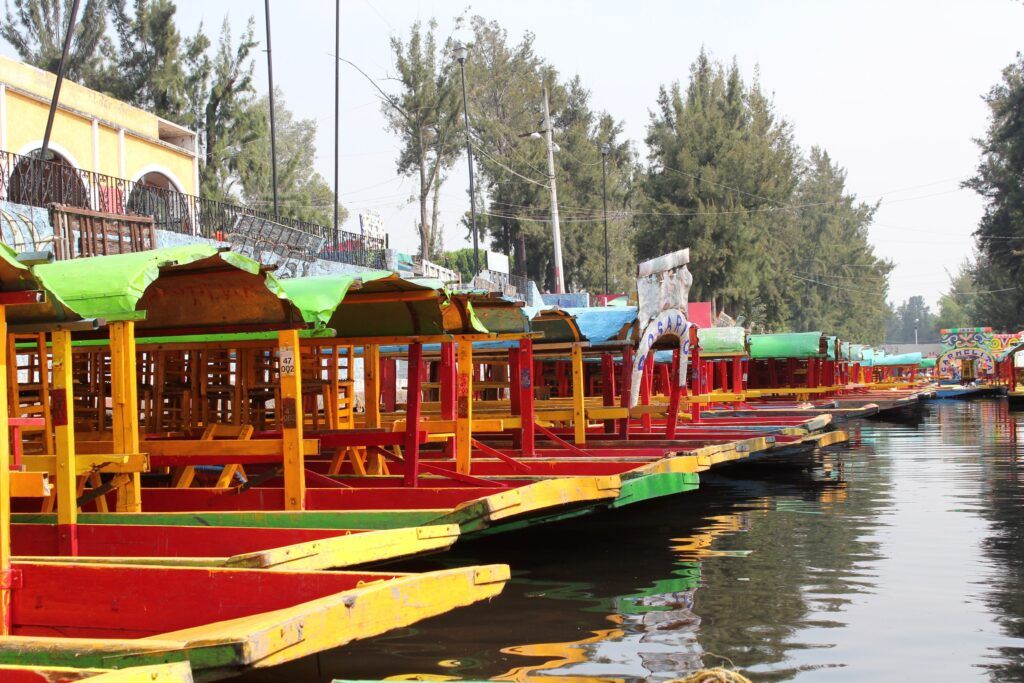
Closer in, pair Xochimilco’s colorful trajineras with the Frida Kahlo Museum in Coyoacán — floating gardens in the morning, Casa Azul in the afternoon. And for something completely different, a lucha libre night at Arena México is pure Mexico City theater: masks, high-flying acrobatics, and a crowd that never sits down.
Practical notes: altitude and safety
Mexico City sits at about 2,240 meters (7,350 feet). Plan a light first day, drink more water than usual, and go easy on alcohol the first night — it hits harder up here, and the sun is stronger too.
On safety: this is a major world capital where millions of visitors travel safely every year, and standard big-city rules cover it. Stay in the well-known neighborhoods above, don’t flash valuables, keep an eye on belongings in crowds (markets, the Metro), and stick to well-trafficked streets after dark. That’s it — no more complicated than Paris or New York.
The bottom line
Match the neighborhood to the trip: Centro Histórico for first-timers, Polanco for luxury, Condesa or Roma for food and nightlife, Reforma for convenience, Coyoacán for a slow cultural stay. Get that choice right and Mexico City opens up — get it wrong and you’ll be spending your vacation in traffic. Once your base is sorted, our Mexico City in 3 Days itinerary shows you exactly how to spend those days.
If your Mexico trip also touches the Caribbean coast, our Cancun where-to-stay guide breaks down the Hotel Zone versus downtown the same honest way — and the Cancun all-inclusive guide sorts the resorts actually worth your money.