
Mexico City is not a place you “cover” in three days — it is one of the largest, oldest cities in the Americas, built on top of the Aztec capital of Tenochtitlan. But three days is enough to understand it. Done in the right order, a first trip gives you the ancient city, the imperial city, the museum city, and the neighborhood city — and leaves you planning a return.
Never forget a thing before you fly. My free 8-page Travel Planning Checklist walks you through the whole trip — 6 planning timelines, 36 checks, from booking windows to travel-day basics. One email, no spam, unsubscribe anytime.
This is the itinerary I would hand a friend: Day 1 in the historic center, where the city began; Day 2 among the great museums of Chapultepec, ending in Condesa and Roma Norte; and Day 3 as a choose-your-own-adventure — Teotihuacan’s pyramids, or Coyoacán and Xochimilco. I have built in the details that make this city easy: which museums close on Mondays, where the altitude will catch you, and what to book weeks ahead.
Disclosure: This post contains affiliate links. If you book through one of these links, I may earn a commission at no extra cost to you.
Before you go: three things to know
Altitude is real. Mexico City sits at about 2,240 meters (7,350 feet) above sea level. Take Day 1 at a gentler pace than you think you need, drink more water than usual, go easy on alcohol the first night — it hits harder up here — and wear sunscreen: the sun is stronger at altitude even on a mild day.
Mondays are museum-closing day. The National Museum of Anthropology, the Templo Mayor, Chapultepec Castle, and the Frida Kahlo Museum all close on Mondays. If your three days include a Monday, make it your Teotihuacan or neighborhood day and save the museums for Tuesday onward.
Base yourself well. For a first trip, stay in Centro Histórico if you want the great sights on foot, or in Condesa, Roma Norte, or along Paseo de la Reforma if you want leafier streets, easier evenings, and a quick ride to everything in this itinerary. I break down the neighborhoods, the trade-offs, and my hotel picks by budget in my Mexico City where-to-stay guide — and if you are pairing the capital with the beach, my Cancun where-to-stay guide does the same job on the Caribbean coast.
Day 1: Centro Histórico — the city in layers
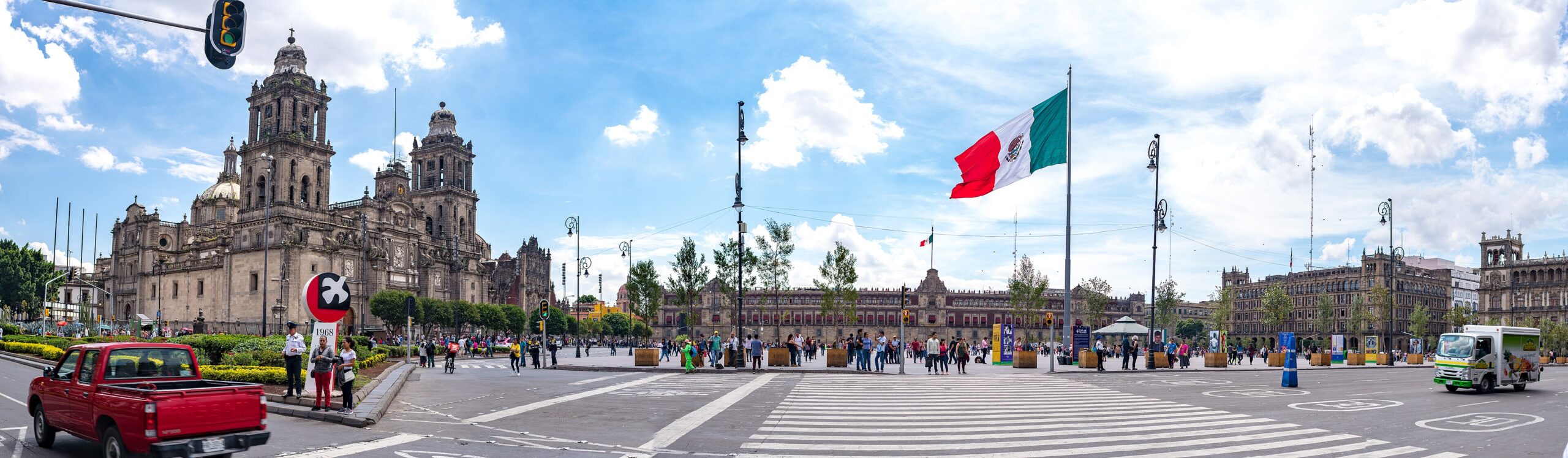
Start early at the Zócalo, formally the Plaza de la Constitución — one of the world’s largest public squares, and Mexico’s ceremonial heart for seven centuries. Everything today is within a short walk, exactly what you want while adjusting to the altitude.
On the square’s east side, step into the Metropolitan Cathedral, built over nearly 240 years on top of the Aztec sacred precinct — Day 1’s whole story in a single building. Beside it, the Templo Mayor makes that story physical: the excavated remains of the Mexica empire’s great twin-shrined pyramid, uncovered in 1978, with an excellent museum of recovered objects. Allow 1.5–2 hours; it is open Tuesday to Sunday, 9am to 5pm, closed Mondays — check current admission on the official INAH site before you go.
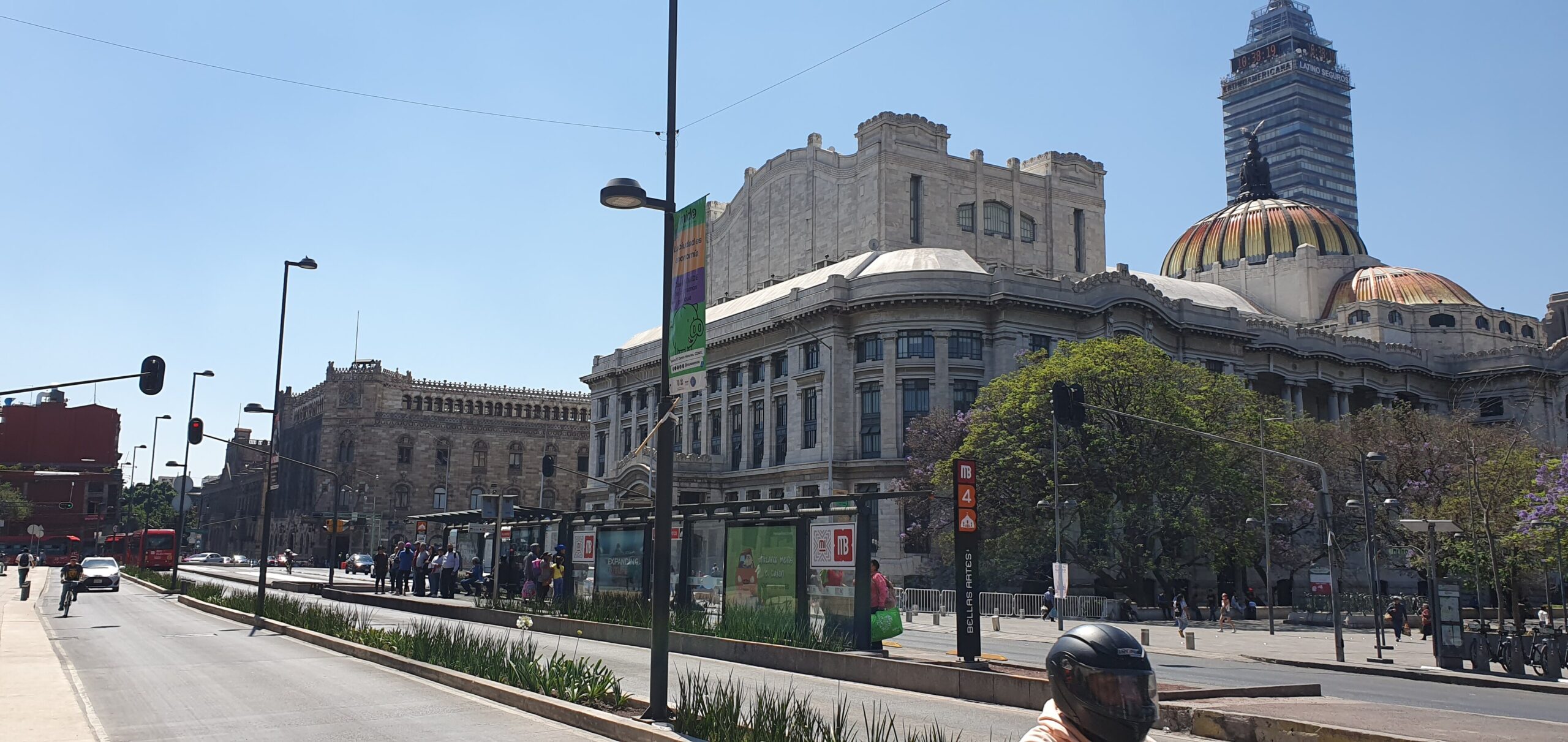
Walk west — pausing at the tiled Casa de los Azulejos — to the Palacio de Bellas Artes, the white-marble palace facing Alameda Central, home to great murals and a Tiffany-glass stage curtain. Finish up the Torre Latinoamericana: this 1950s skyscraper, famous for surviving major earthquakes on its lakebed foundations, gives you the view that makes the city’s scale click, ideally in late-afternoon light. Dinner tonight should be early and close to your hotel — tomorrow is a big museum day.
Day 2: Chapultepec and the great museums
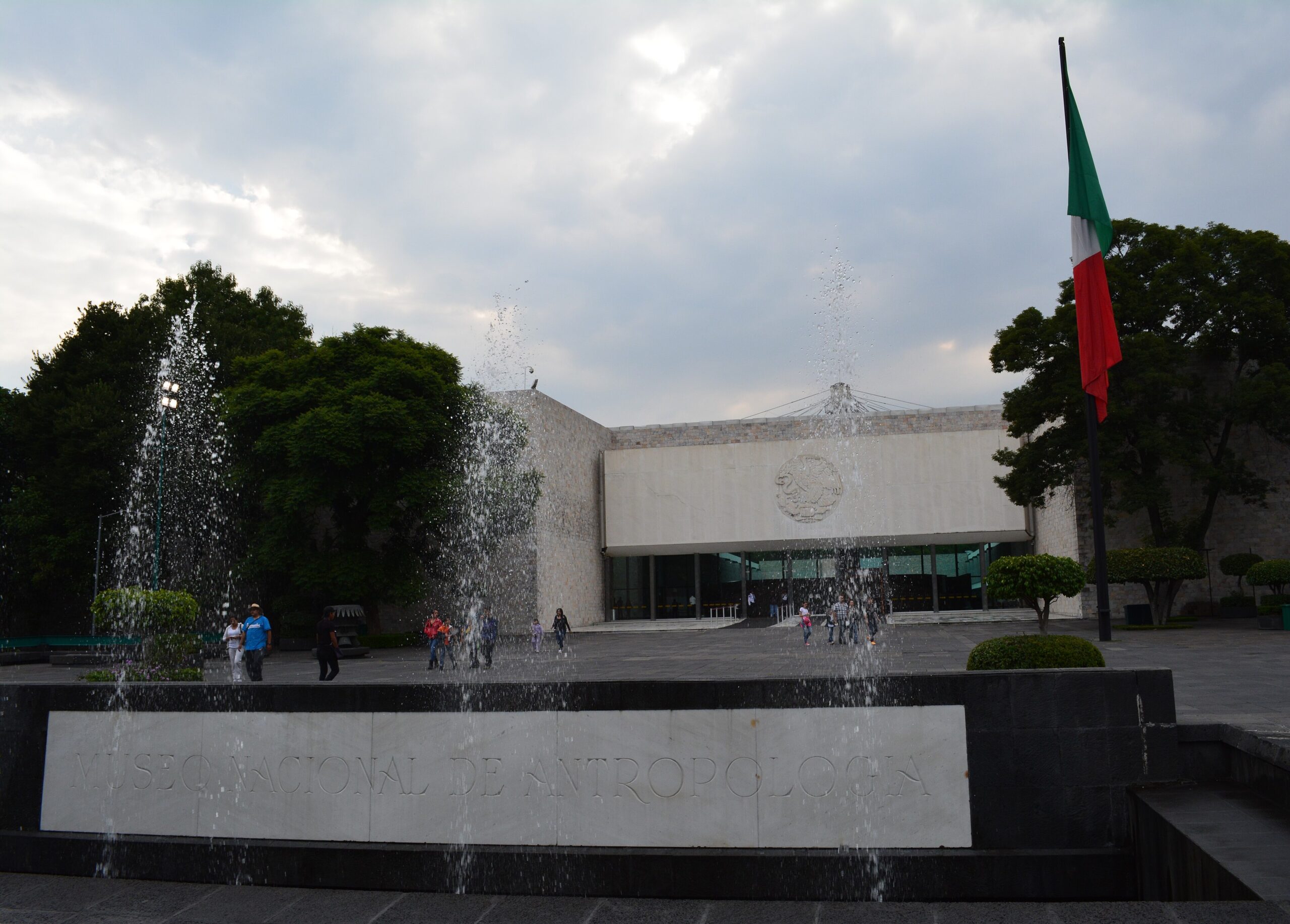
Give the morning to the Museo Nacional de Antropología, on Reforma at the edge of Chapultepec Park — one of the world’s greatest museums, and the best introduction to Mexico’s pre-Hispanic civilizations. It is open Tuesday to Sunday (recent listings show 9am to 5pm–6pm; confirm on the official site), closed Mondays. Do not try to see all of it: go straight to the Mexica (Aztec) hall for the Sun Stone, then the Teotihuacan and Maya halls. Two to three focused hours beats five exhausted ones. Admission listings vary as INAH updates prices, so check the current fee — and note Sundays are free for Mexican nationals and residents, and therefore busiest.
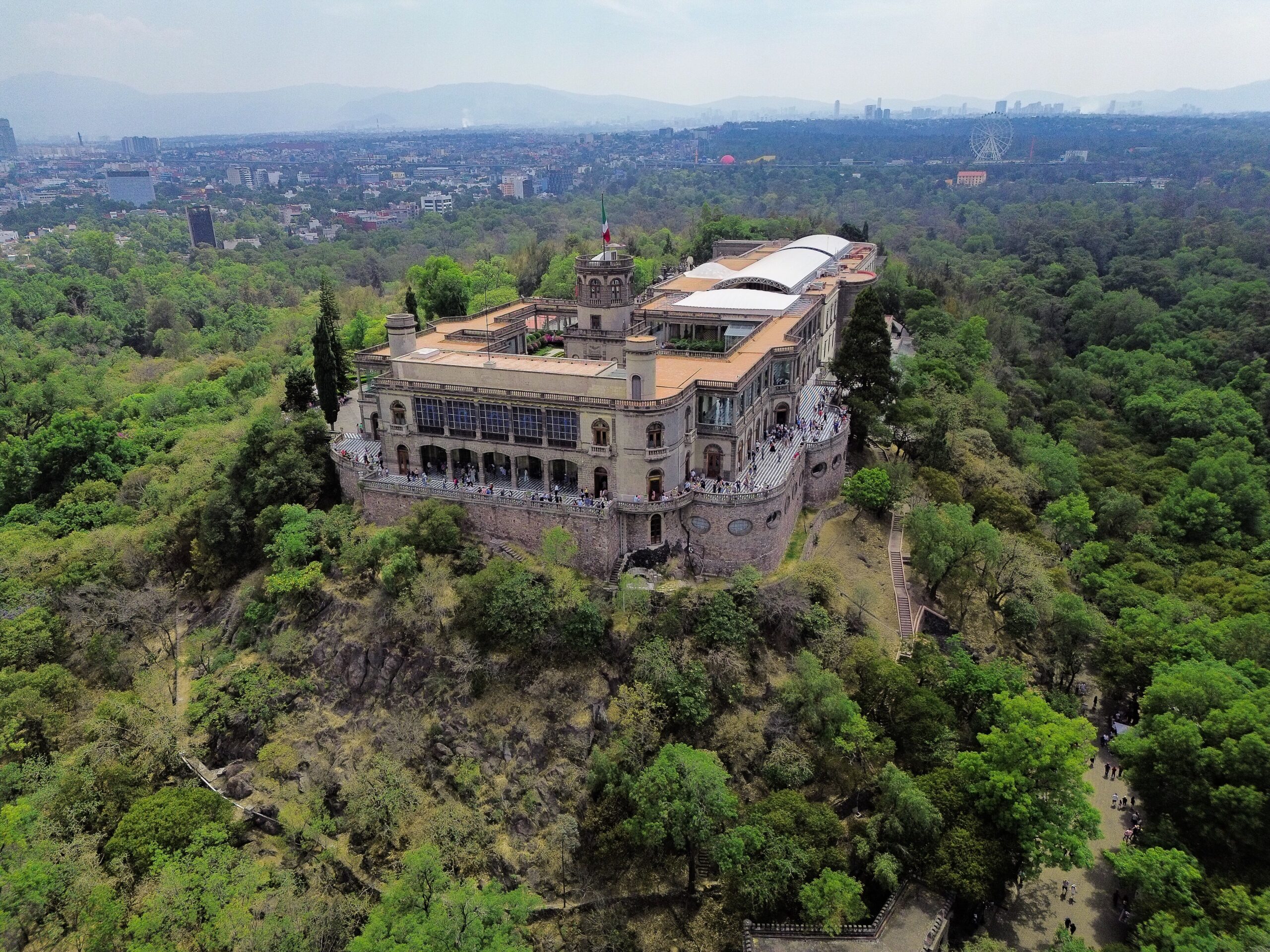
In the afternoon, walk to Chapultepec Castle on the hill above — the only royal castle in North America actually used as a sovereign’s residence (Maximilian and Carlota in the 1860s), now the National Museum of History. Open Tuesday to Sunday, 9am to 5pm, closed Mondays. Buy your ticket at the booth at the bottom of the hill before you climb, and save energy for the terrace, where Reforma runs straight back toward yesterday’s Centro. The uphill walk at altitude is the day’s workout — go slowly and carry water.
Spend the evening in Condesa and Roma Norte, just south of the park. Stroll Parque México, pick a sidewalk table on Amsterdam or Colima, and eat well — this is the city’s best grazing territory. If it is a fight night (Arena México cards traditionally run Tuesdays, Fridays, and Sundays — check the current schedule), a lucha libre night is Mexico City at its most joyful: consider this lucha libre night with tacos and a michelada, which bundles a mask, a wrestler meet-and-greet, and the Arena México show into one easy evening.
Day 3: choose your adventure
Option A: Teotihuacan, the city of pyramids
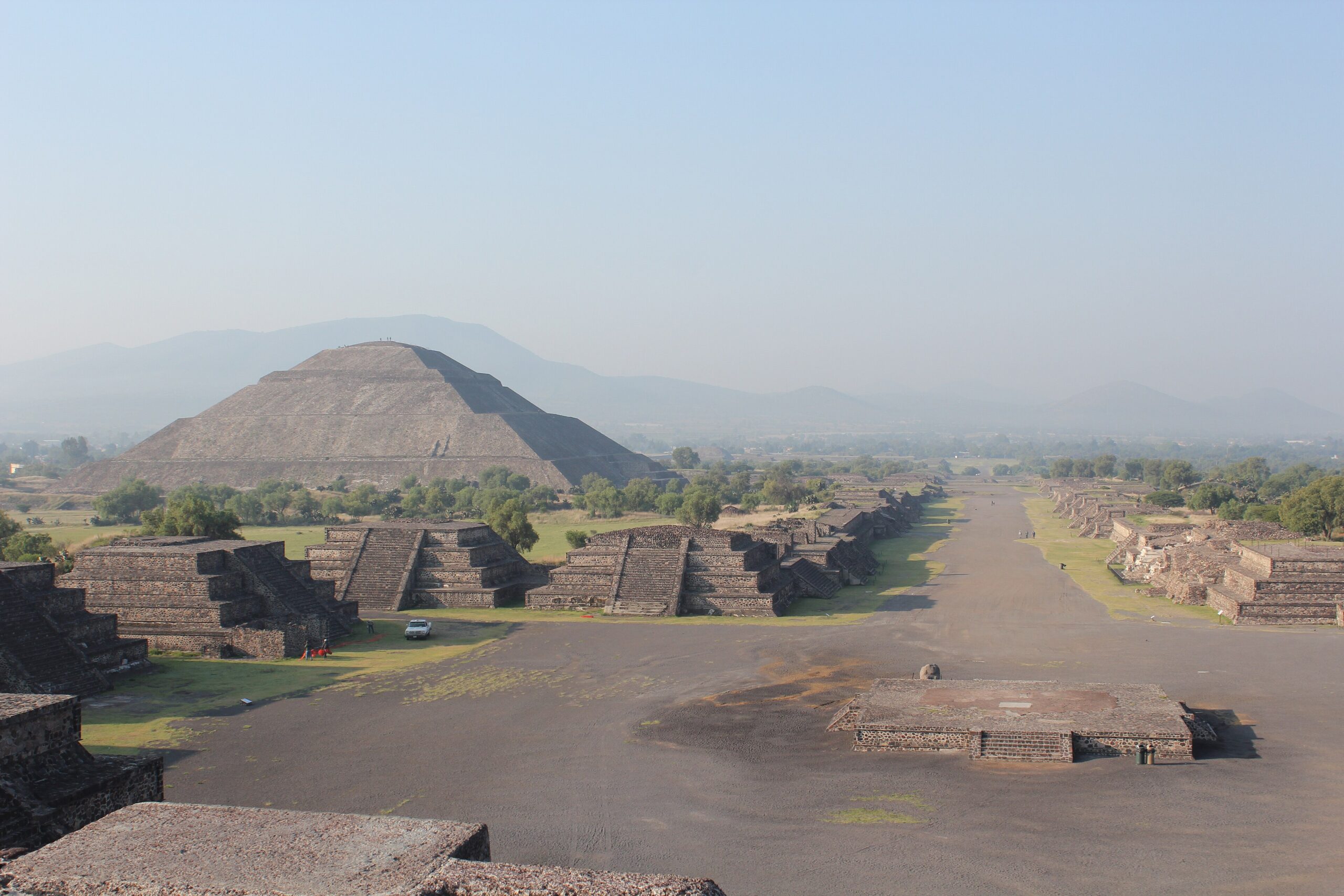
About 40–50 km northeast of the capital — roughly an hour each way — Teotihuacan was one of the largest cities in the ancient world, and its scale still silences people. Walk the Avenue of the Dead between the Pyramid of the Moon and the enormous Pyramid of the Sun. The site is generally open daily from around 9am to 5pm; go early — there is almost no shade and the midday sun at altitude is fierce. Bring a hat, water, and peso cash. The simplest version of this day is a guided tour with transport handled: this Teotihuacan day tour with the Basilica of Guadalupe and lunch pairs the pyramids with Mexico’s most important pilgrimage church on the way back. Independent travelers can ride the bus from Terminal del Norte instead — perfectly doable, just start early.
Option B: Coyoacán, Frida Kahlo, and Xochimilco
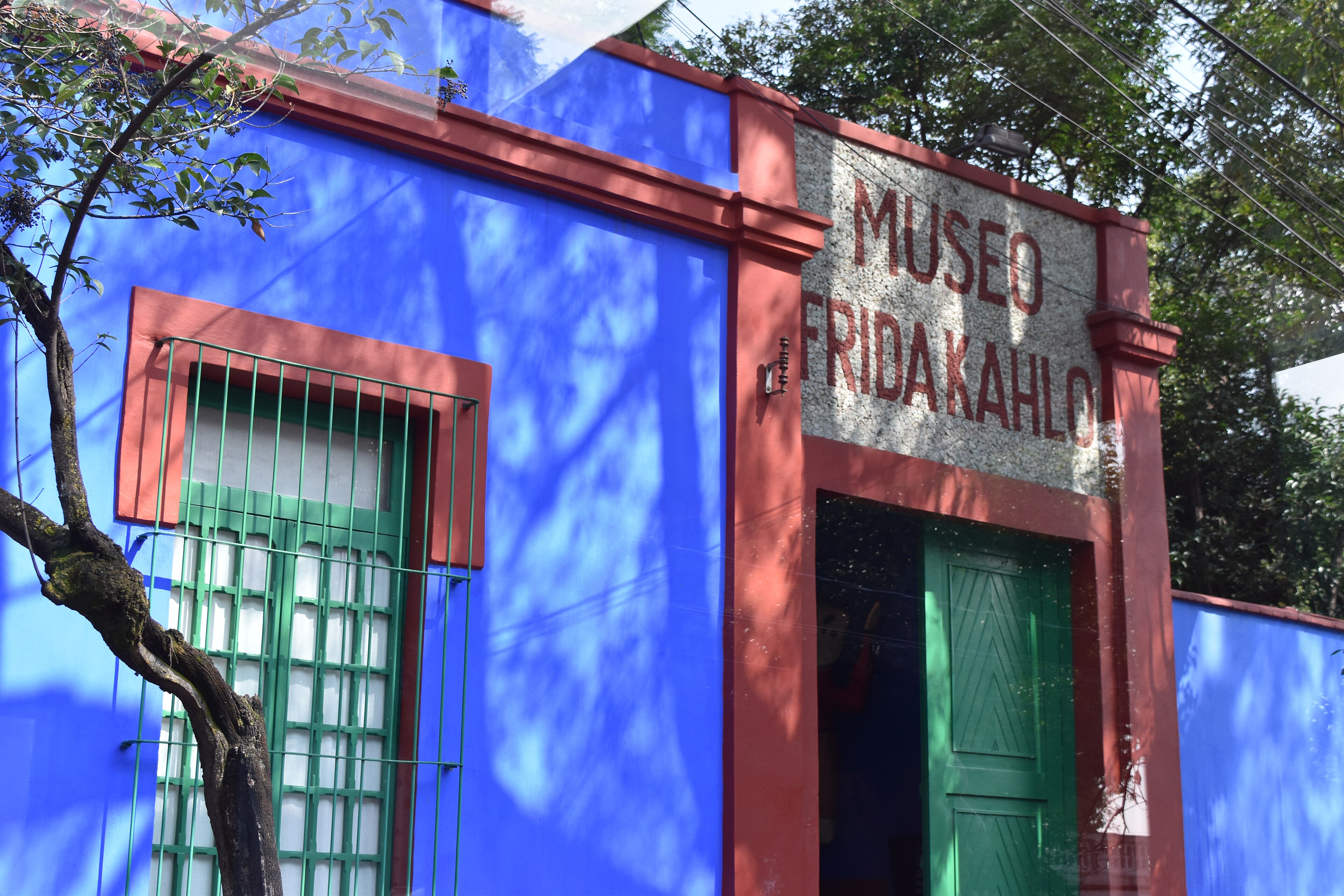
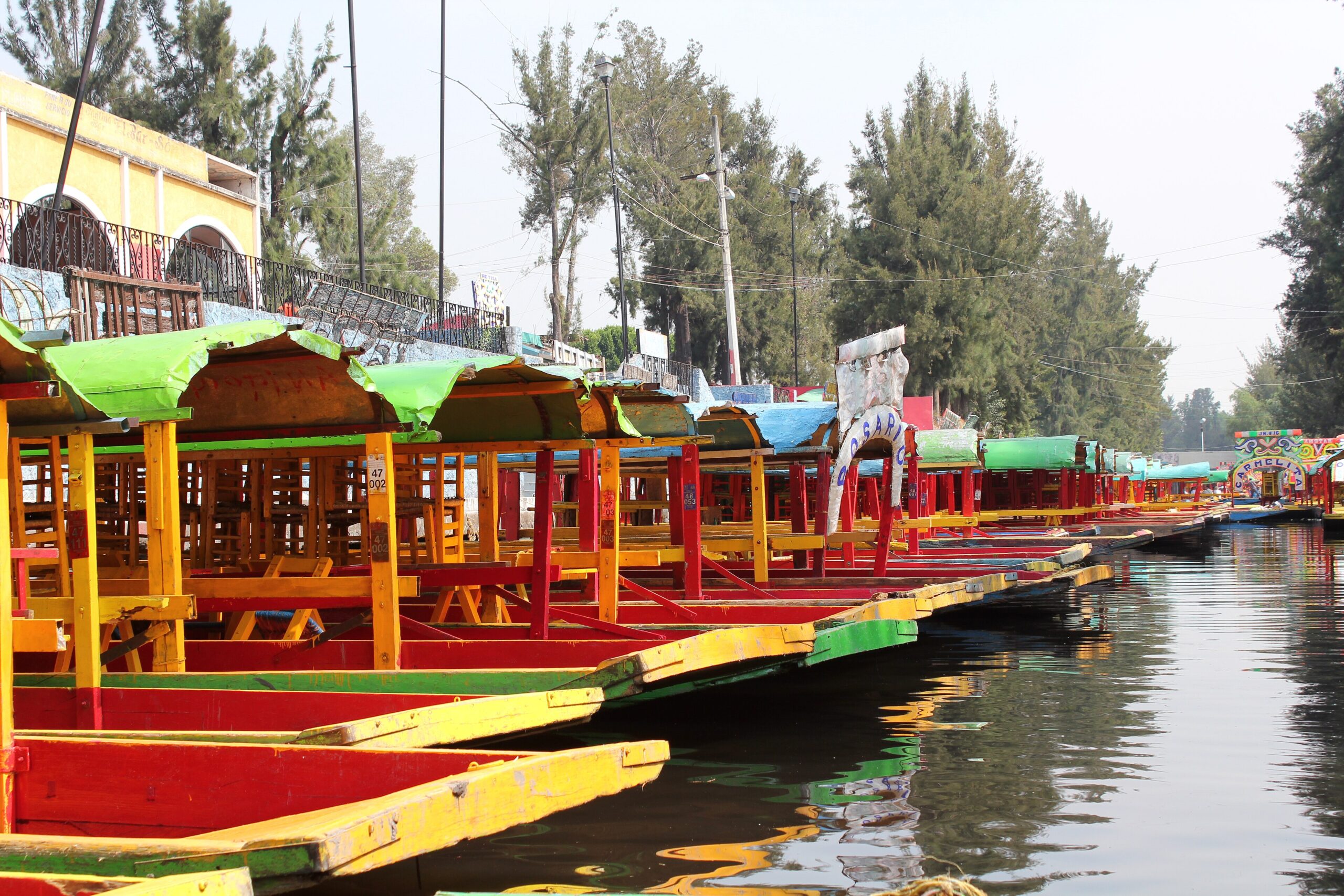
For a slower day, head south to Coyoacán, the colonial “village” inside the city — cobblestone streets, the Jardín Centenario plaza, a market made for snacking, and the Frida Kahlo Museum, the cobalt-blue Casa Azul where Kahlo was born, lived with Diego Rivera, and died. One rule matters most here: book Casa Azul tickets online, in advance. Entry is by timed slot, the museum is closed Mondays (opening later, at 11am, on Wednesdays), and tickets sell out days to weeks ahead. Continue south to Xochimilco, where brightly painted trajinera boats drift the last canals of the Aztec lake system — hire by the boat and agree the price and duration before you board. The two combine naturally on this Xochimilco, Coyoacán, and Frida Kahlo Museum tour, which includes Kahlo Museum entry and a trajinera ride — a real advantage given how fast Casa Azul sells out.
Getting around Mexico City
The Metro is vast and remarkably cheap — a flat 5 MXN per ride on the rechargeable Tarjeta de Movilidad Integrada — and the Metrobús network (standard fare 6 MXN) is often easier for visitors, especially Line 7 along Reforma to the Anthropology Museum. Both get crowded at rush hour; keep belongings in front of you and respect the women-and-children-only Metro cars. Ecobici bike-share suits short hops around Condesa, Roma, and Reforma. For everything else, use rideshare apps (Uber and DiDi are widely used) rather than hailing street cabs, and confirm the plate before you get in.
Best time to go, money, and safety
The dry season, roughly November to April, brings the clearest skies; the rainy season means afternoon downpours rather than ruined days. If you can, come for Día de Muertos: the holiday falls on November 1–2, and the Gran Desfile (Mega Parade) is scheduled for Saturday, October 31, 2026 — book Reforma or Roma/Condesa hotels early, as that weekend sells out. Carry pesos for markets, museums, and small vendors; cards work widely elsewhere. Use ordinary big-city sense: don’t flash valuables, watch your bag in crowds, and use app-based rides after dark.
The bottom line
Day 1 gives you the layers, Day 2 gives you the masterpieces, and Day 3 gives you a choice between pyramids and canals — either way, you leave understanding why people fall for this city. Sequence around the Monday museum closures, respect the altitude, and book the Frida Kahlo Museum before you book almost anything else. If this trip sparks a longer Mexico adventure, my Cancun in 3 Days itinerary is the natural next chapter — same first-timer logic, very different wardrobe. ¡Buen viaje!