
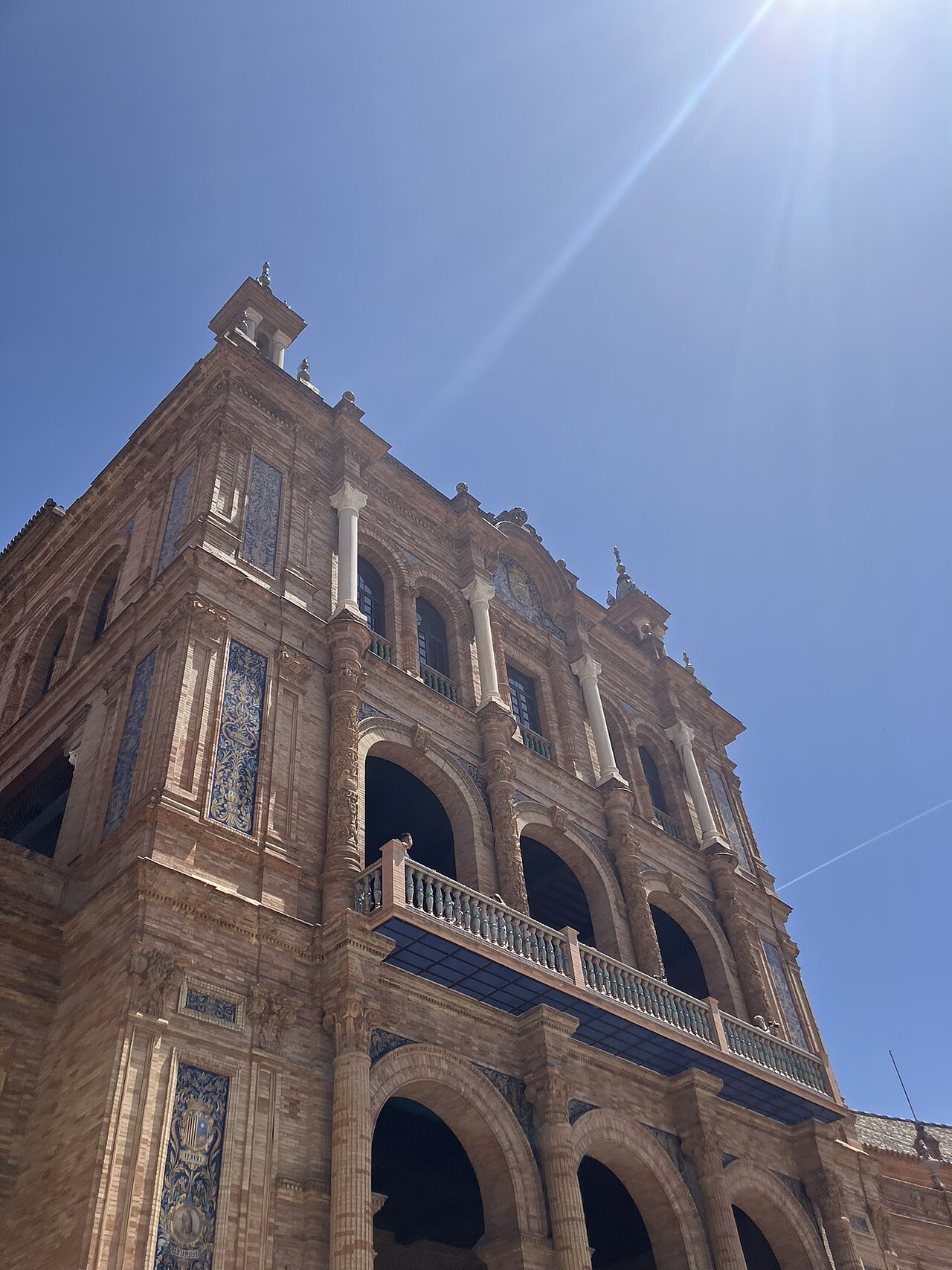
Seville is the kind of city that makes you reconsider your whole itinerary. I planned three days here and immediately understood why people cancel their onward plans — the late-afternoon light on the Plaza de España, the sound of guitar drifting out of a Triana bar, tapas that cost half what they would in Madrid and taste twice as good. But Seville rewards travelers who pick the right neighborhood and punishes those who don’t. Stay in the wrong spot in August and you’re climbing a sun-baked hill to a bus stop; stay in the right one and the city’s best moments walk right up to your door.
Planning a trip? Get our free Travel Planning Checklist:
Here’s the honest, neighborhood-by-neighborhood breakdown of where to stay in Seville — where first-timers should base themselves, where the locals actually go out, and which areas to avoid if you’re a light sleeper or traveling with kids.
Disclosure: This post contains affiliate links. If you book through one of these links, I may earn a commission at no extra cost to you.
The short answer: where should you stay in Seville?
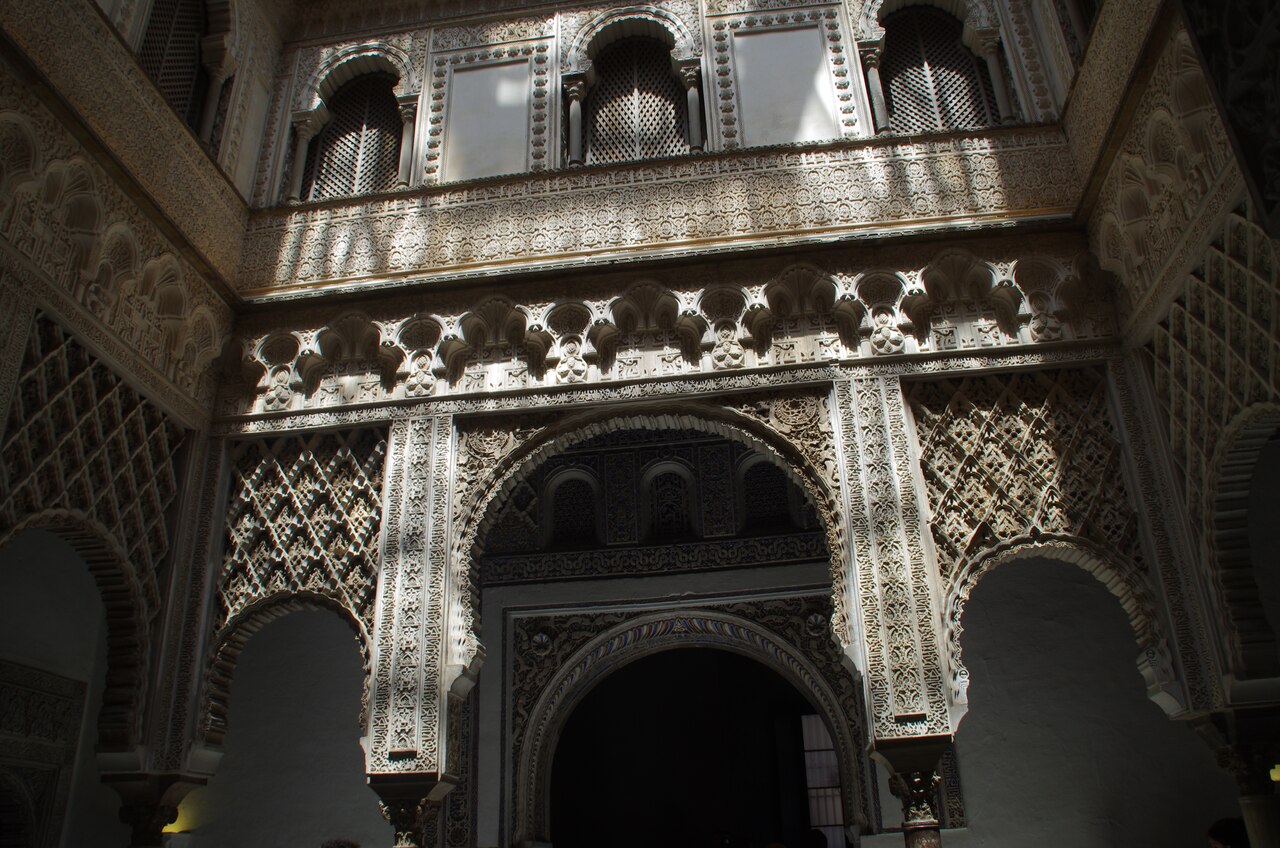
If it’s your first visit, stay in Santa Cruz — the old Jewish quarter wrapped around the Cathedral and the Alcázar. It’s the most atmospheric neighborhood in the city, everything major is walkable, and the lanes genuinely look like the postcards. If Santa Cruz is sold out (it happens, especially during Semana Santa and the Feria de Abril), El Arenal is the best backup: still central, a little calmer, right on the river.
Now, the full breakdown — because “best” depends entirely on what kind of traveler you are.
1. Santa Cruz — best for first-time visitors
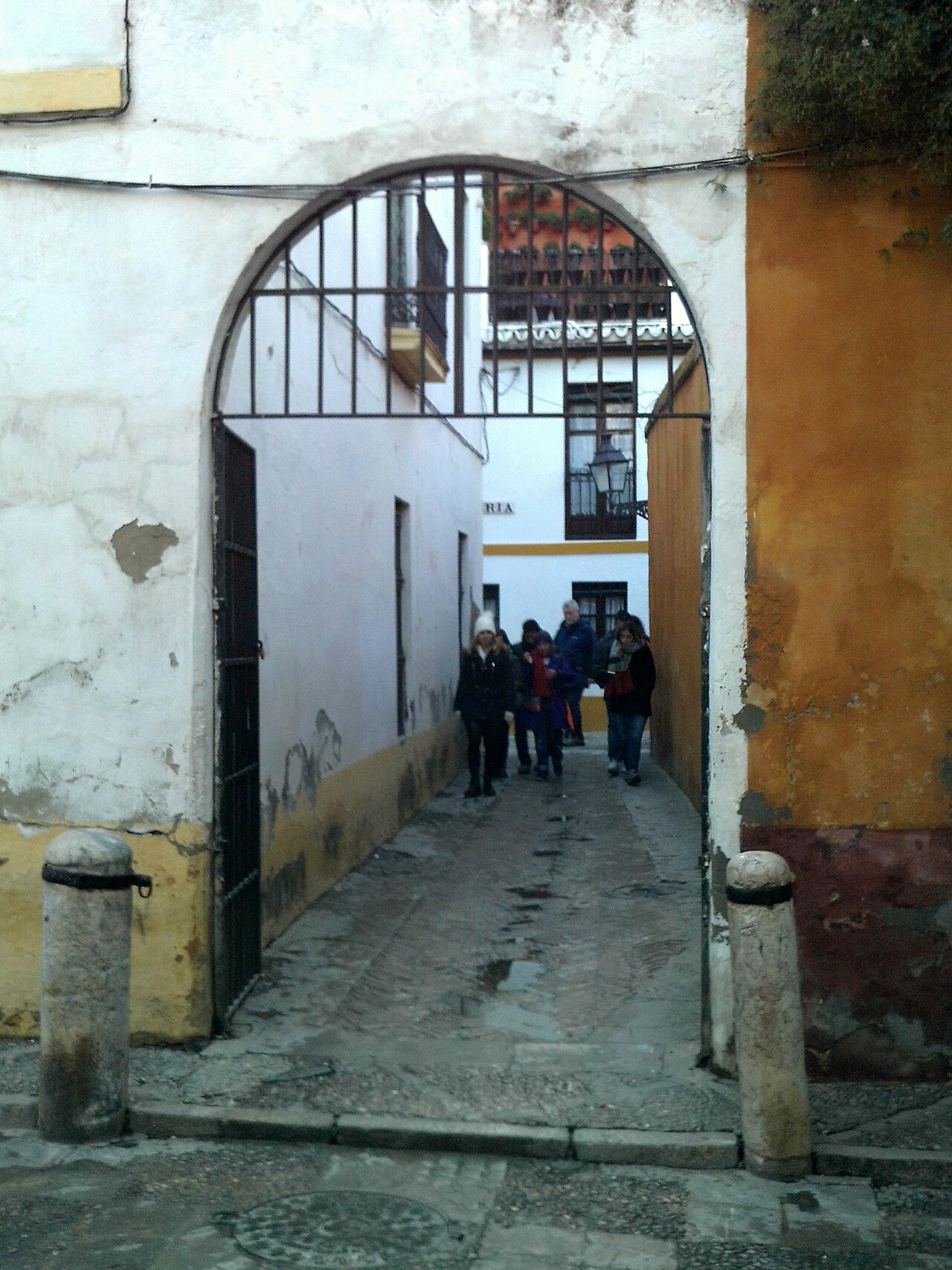
This is the Seville of your imagination: whitewashed lanes barely wide enough for two people, orange trees, hidden plazas, and balconies dripping with geraniums. Santa Cruz sits directly behind the Cathedral and the Real Alcázar — Seville’s two heavyweight sights — which means you can be first through the doors in the morning and back at your hotel for a siesta while the day-trippers melt in the midday heat.
The trade-off: the streets are pedestrian and maze-like, so taxis can’t always reach your door, and some lanes get noisy on weekend nights. Pack light — you may be carrying your bag over cobblestones for the last few hundred meters.
Good hotel picks: Hotel Alfonso XIII is the grand-dame splurge right on the quarter’s edge, Las Casas de la Judería is a charming mid-range maze of connected historic houses, and Hotel Amadeus leans into the music theme with instruments scattered through its courtyards.
2. El Arenal — best for riverside elegance and flamenco nights
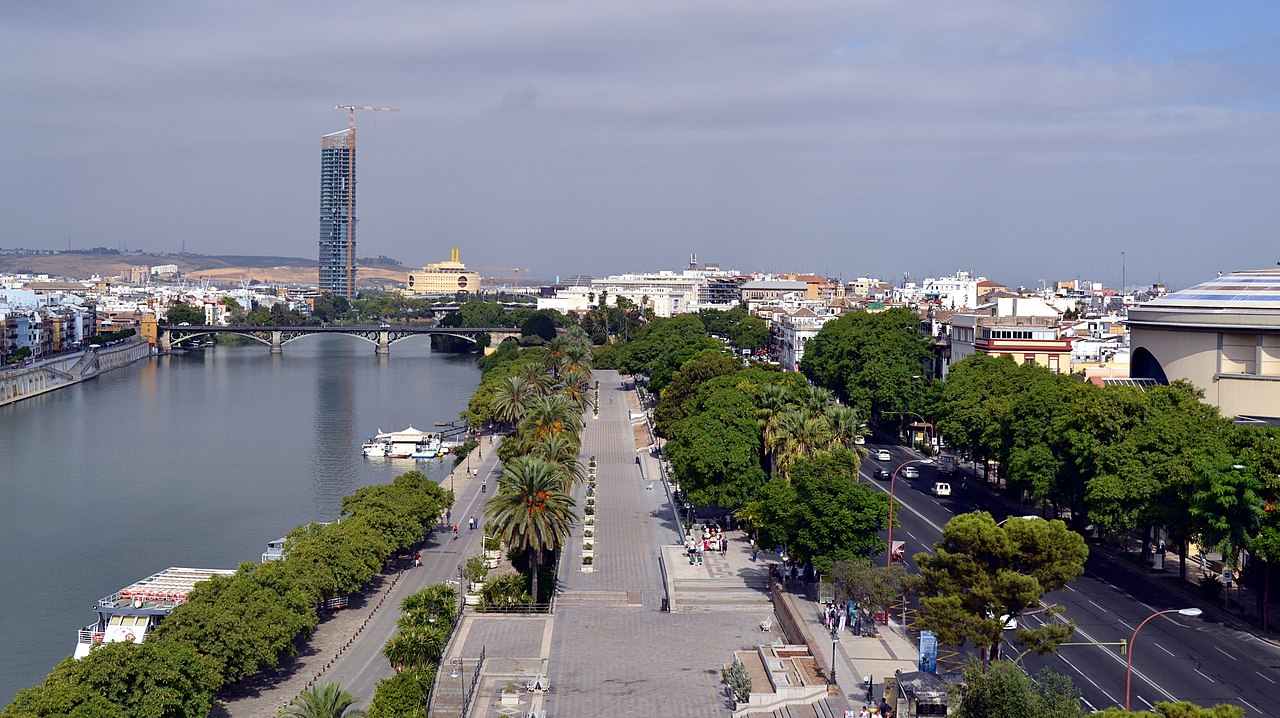
El Arenal was Seville’s old port district, back when this was the richest city in Europe thanks to trade with the Americas. Today it’s an elegant, slightly quieter alternative to Santa Cruz, home to the Maestranza bullring, the opera house, and the Torre del Oro watchtower on the riverbank. The riverside promenade here is one of the city’s best sunset walks.
This is also flamenco territory — the historic Tablao El Arenal is in this neighborhood, and booking an evening show with tapas or dinner is one of the most reliable great nights out in Seville. It’s an easy stumble home afterward if you’re staying nearby.
Good hotel picks: look at the boutique hotels around Calle Arfe and the riverfront — Casas de Adriano is a peaceful, stylish option a short walk from the Cathedral.
3. Triana — best for an authentic, local feel
Cross the Isabel II bridge over the Guadalquivir and you’re in Triana, the working-class riverside barrio where flamenco was born and Seville’s famous ceramics are still made. This is where sevillanos actually eat and drink — Calle Betis along the river is lined with family-run tapas bars, and the Triana Market (in the old castle, no less) is the city’s best food market.
Triana is livelier at night than across the river, a little cheaper, and genuinely local. The catch: it’s a 20–25 minute walk to the Cathedral, so you’ll rely on the short bridge crossing or a quick bus. If you’ve been to Seville before, this is where to stay the second time.
Good hotel picks: Triana House is a warm boutique stay in a late-1700s residence; there are also excellent, good-value apartment-style options around the market.
4. La Alameda — best for nightlife and younger travelers
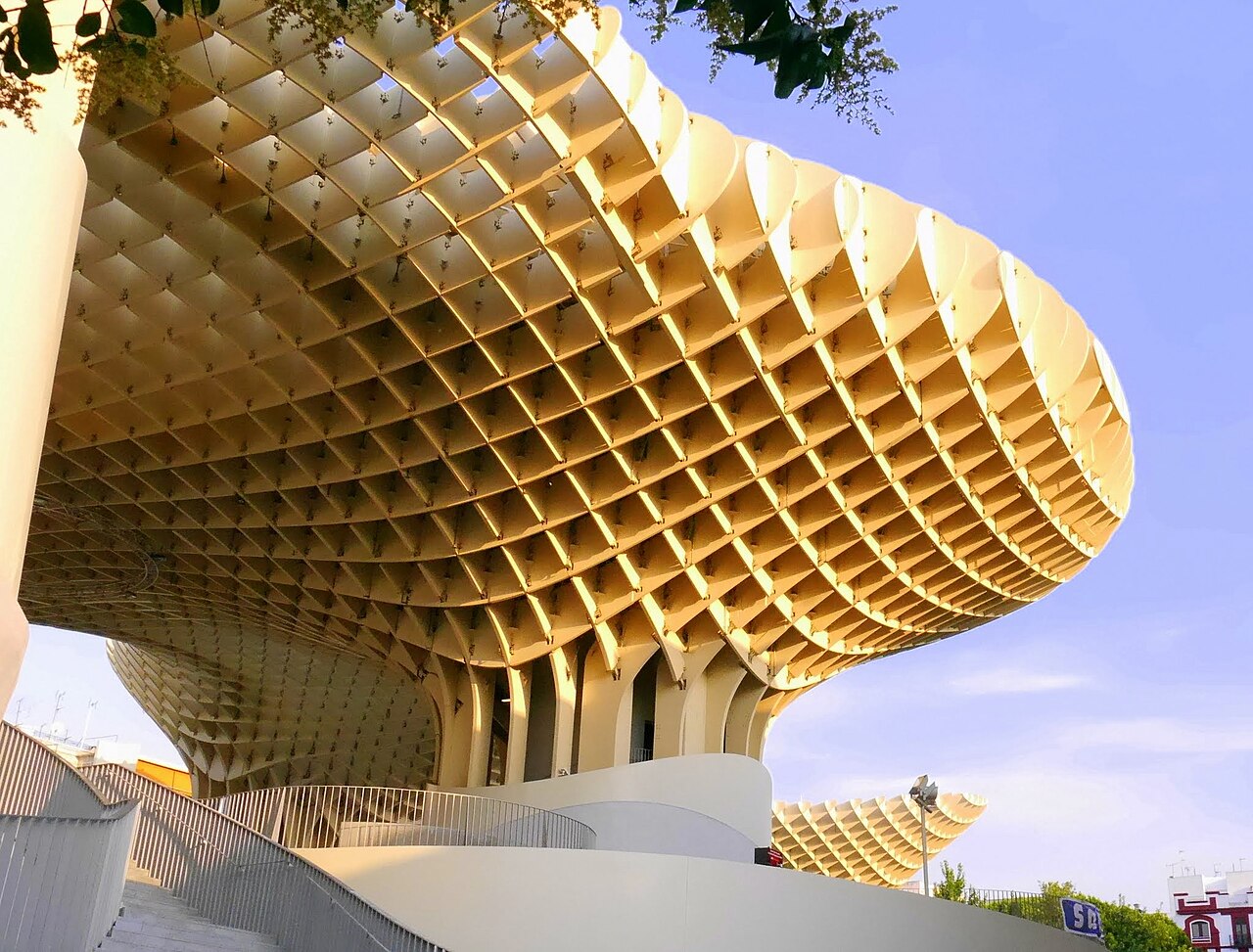
La Alameda de Hércules is Seville’s bohemian quarter — a long, tree-lined square packed with bars, live music, and late-night energy. If your trip revolves around going out, stay here. The crowd skews young and local, the tapas are cheap, and the vibe is unmistakably Sevillian rather than touristy.
Be honest with yourself about noise: this is the loudest neighborhood on this list after midnight. Ask for a room facing an interior courtyard, or pick the slightly calmer streets north of the square. Budget travelers do well here — some of the city’s best-value hotels and hostels cluster around Alameda.
5. El Centro (Alfalfa) — best for shopping and tapas-hopping
El Centro is Seville’s commercial heart, centered on Plaza Nueva and the pedestrian shopping streets around it. The Alfalfa sub-quarter is the city’s tapas ground zero — tiny bars serving espinacas con garbanzos (spinach with chickpeas, a Seville classic) and carrillada (slow-cooked pork cheek) shoulder to shoulder.
This is the most practical base: flat streets (a real consideration in this city), the metro and tram at your doorstep, and easy walks to both Santa Cruz and the river. It lacks the romance of the old quarters, but for a comfortable, do-everything base, it’s hard to beat. Families and travelers with mobility concerns should strongly consider it.
6. La Macarena — best for budget travelers
North of the center, around the Basilica de la Macarena and the old city walls, this is a real, lived-in Seville neighborhood with some of the lowest hotel prices in the central city. You’re 15–20 minutes on foot from the Cathedral, the streets are local, and the tapas bars serve residents rather than tour groups.
It’s less polished than the neighborhoods above — this isn’t where you come for postcard views — but if budget matters more than charm, Macarena delivers the best value-to-location ratio in the city.
Neighborhoods at a glance
- First visit, maximum atmosphere: Santa Cruz
- Elegant and calm, still central: El Arenal
- Local life, flamenco roots, great food: Triana
- Nightlife and younger crowd: La Alameda
- Practical, flat, well-connected: El Centro (Alfalfa)
- Best value: La Macarena
Getting from the airport to your hotel
Seville’s San Pablo Airport (SVQ) is only about 10 km northeast of the center. The EA airport express bus runs into town roughly every 15–20 minutes for a few euros (around €5–6 for a single), stopping at Santa Justa station, Prado de San Sebastián, and near the Torre del Oro — the last of which is the most convenient stop if you’re staying in the historic center. A fixed-rate taxi to the old town runs about €25–35 depending on the time of day, and takes 15–20 minutes. If your hotel is in Santa Cruz, ask the driver how close they can get — many of those lanes are pedestrian-only, so you may walk the last stretch.
Three things to know before you book
Heat is a planning factor, not a footnote. Seville is one of the hottest cities in Europe, and 40°C (104°F) summer days are normal. A hotel with air conditioning and, ideally, a pool or shaded courtyard isn’t a luxury here — it’s trip insurance. If you’re visiting in July or August, plan sightseeing for mornings and evenings and embrace the siesta.
Prices spike hard during festivals. During Semana Santa (Holy Week) and the Feria de Abril (April Fair), hotel rates can double or triple and the good places sell out months ahead. If your dates are flexible, the shoulder seasons — March–May and September–October — give you the best combination of weather, prices, and crowds.
Book Alcázar and Cathedral tickets early. The Real Alcázar is the oldest royal palace still in use in Europe, and the Cathedral is the largest Gothic church in the world — both sell out regularly. They’re the reason most people come to Seville, so don’t leave tickets to the day. A small-group skip-the-line tour covering the Alcázar, Cathedral, and La Giralda is the most efficient way to see all three without losing half a day in queues.
The bottom line
Seville is compact enough that there’s no truly bad choice among these neighborhoods — but there is a right choice for your trip. First-timers: Santa Cruz, full stop. Night owls: La Alameda. Food lovers who want the local version: Triana. Whatever you pick, give the city at least three full days — one for the monuments, one for the neighborhoods, and one for doing gloriously little besides tapas, river walks, and watching the light change over the Plaza de España.
If Seville has you hooked on Spain, it pairs beautifully with the country’s other great city breaks — check out our Barcelona in 3 Days itinerary and Madrid in 3 Days itinerary, or browse the full roundup in our 7 Perfect 3-Day Europe Itineraries guide.