
Introduction
Seville is the kind of city that ruins other cities for you. Not because it is the biggest or the most polished — because it is the most itself. The orange trees lining every street, the flamenco spilling out of Triana doorways, the tiled alcoves of the Plaza de España at golden hour: Andalusia’s capital feels like Spain turned all the way up. Three days is the perfect first visit — long enough for the Alcázar, the Cathedral and Giralda, and at least one glorious side excursion, short enough that every hour counts. This is the itinerary I’d hand a friend.
Planning a trip? Get our free Travel Planning Checklist:
Disclosure: This post contains affiliate links. If you book through one of these links, I may earn a commission at no extra cost to you.
How to Use This Itinerary
Seville’s historic center is compact and almost entirely walkable — the walk from the Cathedral to Plaza de España takes about 15–20 minutes, and you’ll want to do it on foot, because half the joy here is the wandering: shaded alleys in Santa Cruz, riverfront paths along the Guadalquivir, orange-blossom air. Book your two big sights — the Real Alcázar and the Seville Cathedral — in advance with timed tickets, and do everything else on foot. If you’re still deciding where to base yourself, my guide to where to stay in Seville breaks down the best neighborhoods for first-timers.
Day 1: The Cathedral, the Giralda, and Barrio Santa Cruz
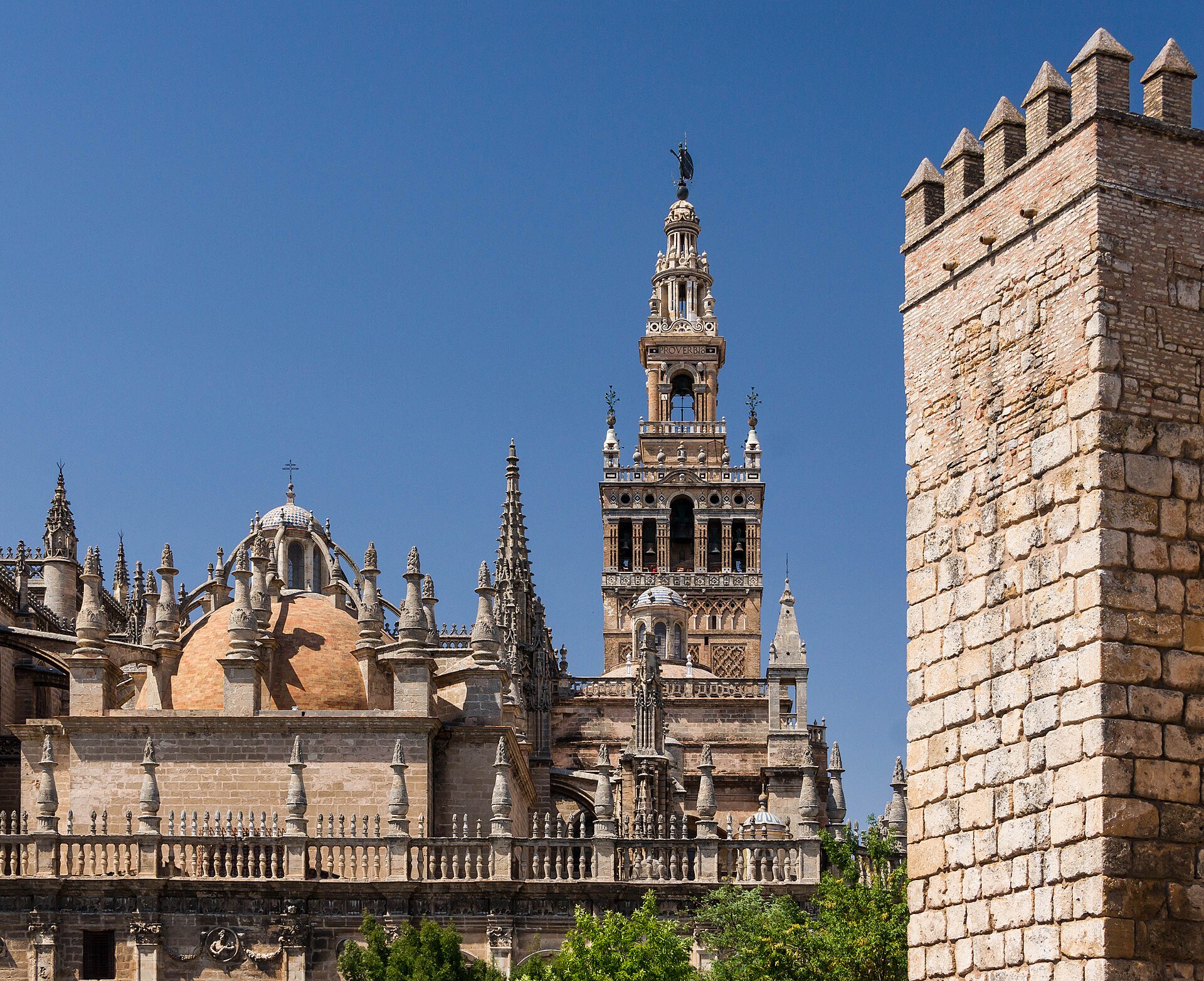
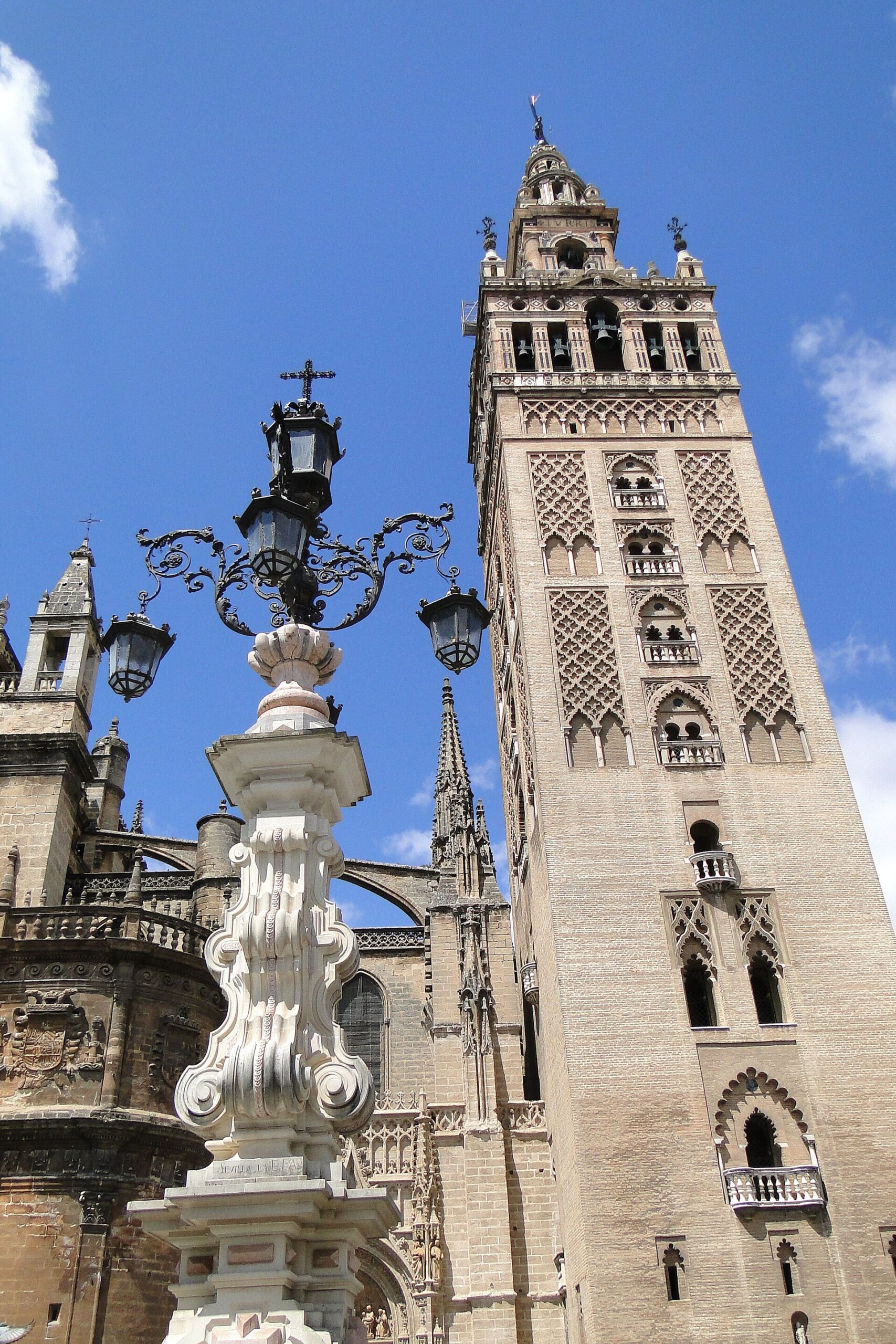
Start big. Seville’s Cathedral is the largest Gothic church in the world by volume, and its bell tower, the Giralda, is the city’s defining silhouette. The Giralda began life as a 12th-century Almohad minaret; after the Reconquista it was crowned with a Renaissance belfry, and you climb it via 34 ramps — built so the muezzin could ride up on horseback — rather than stairs. Climbing the tower is included in the general Cathedral ticket (currently €13 online or €14 at the ticket office, which also covers the Church of El Salvador), but entry is by timed slot, so book online in advance. Note the modest dress code: no shorts, sleeveless shirts, or hats. Give the Cathedral a full two hours. If you’d rather have a guide handle the logistics, this small-group skip-the-line tour covers the Cathedral, Giralda, and Alcázar together in one booking.
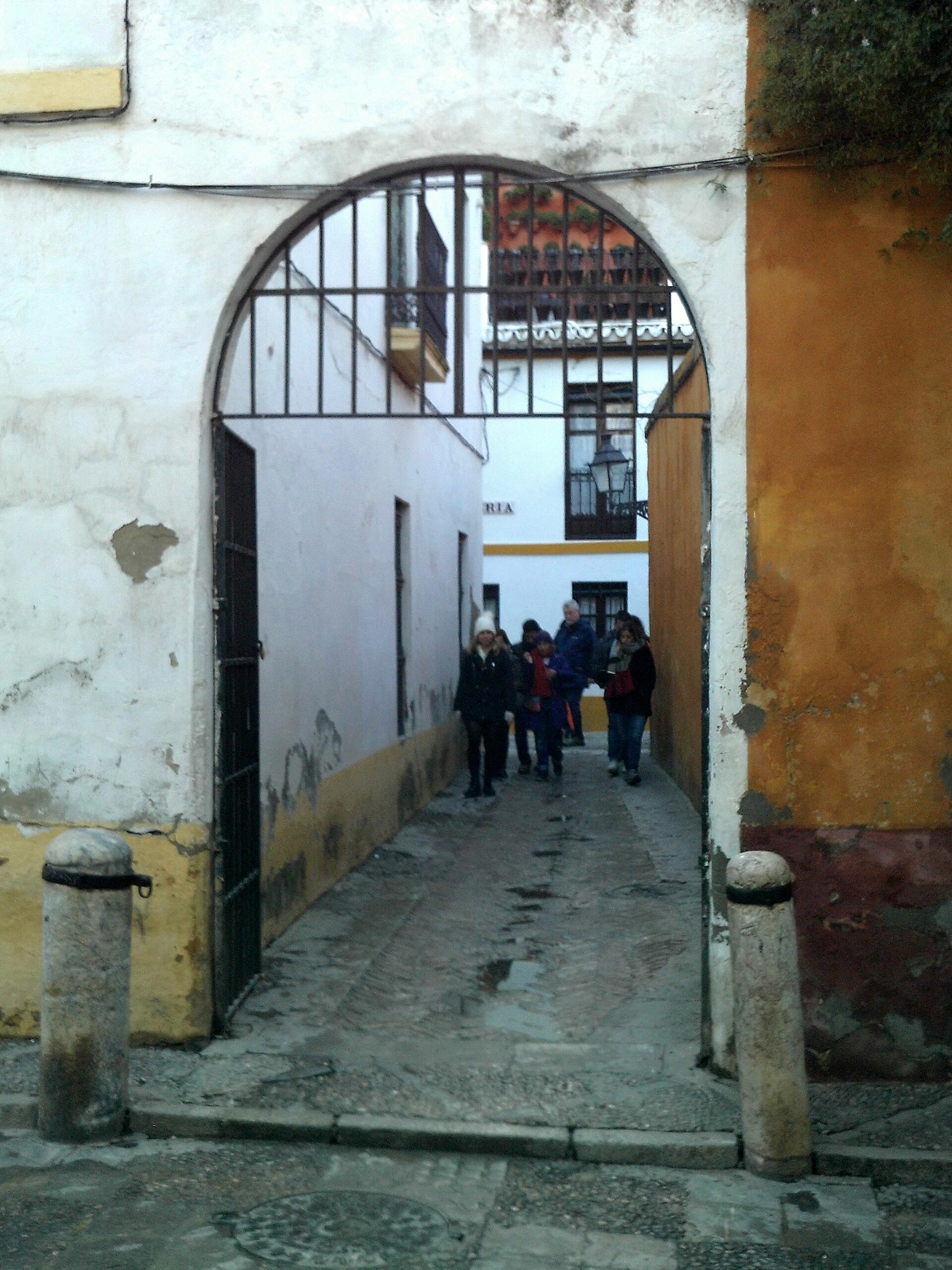
Afterward, get lost on purpose in Barrio Santa Cruz, the old Jewish quarter pressed against the Cathedral’s east side. This is Seville’s prettiest neighborhood — a maze of whitewashed alleys, hidden plazas (Plaza de Doña Elvira, Plaza de los Venerables), and wrought-iron balconies — and it repays slow wandering more than any checklist sight. Go early in the morning or as the light softens in the evening, wear comfortable shoes, and expect to get turned around; that’s the point.
Day 2: The Real Alcázar and Plaza de España
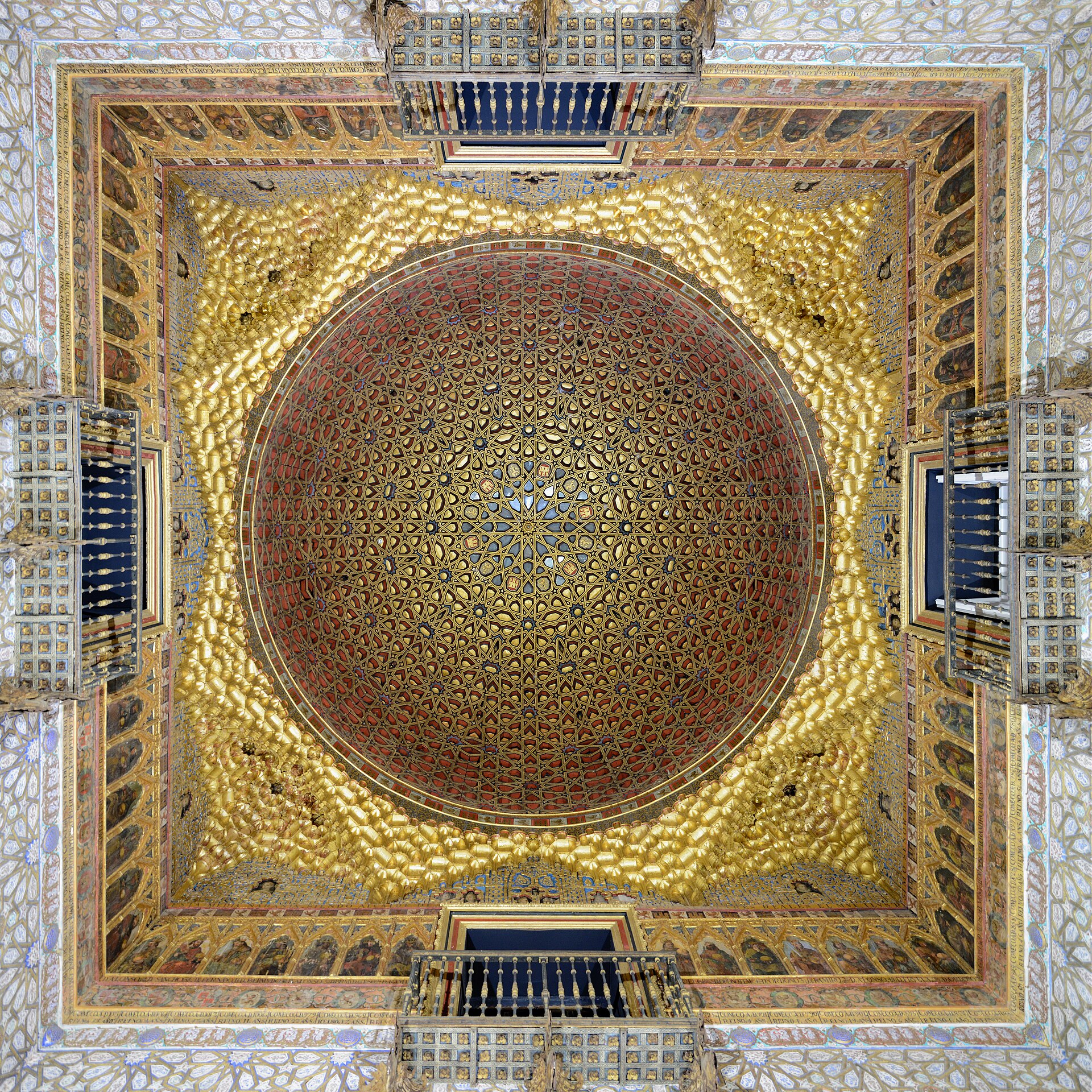
Book the Alcázar for the first morning slot of the day. This is Europe’s oldest royal palace still in use — the Spanish royal family still stays here when they visit Seville — and its Mudéjar core, especially the Patio de las Doncellas with its reflecting pool and carved plasterwork, is the single most beautiful courtyard in Andalusia. The gardens alone deserve an hour: hedge mazes, fountains, peacocks, and the Mercury pond. Tickets (€15.50 plus a €1 online booking fee) are timed and nominative, and they routinely sell out days ahead in high season — book before you travel, and bring the ID that matches the ticket. The palace opens at 9:30; in summer it runs until 19:00, in winter until 17:00.
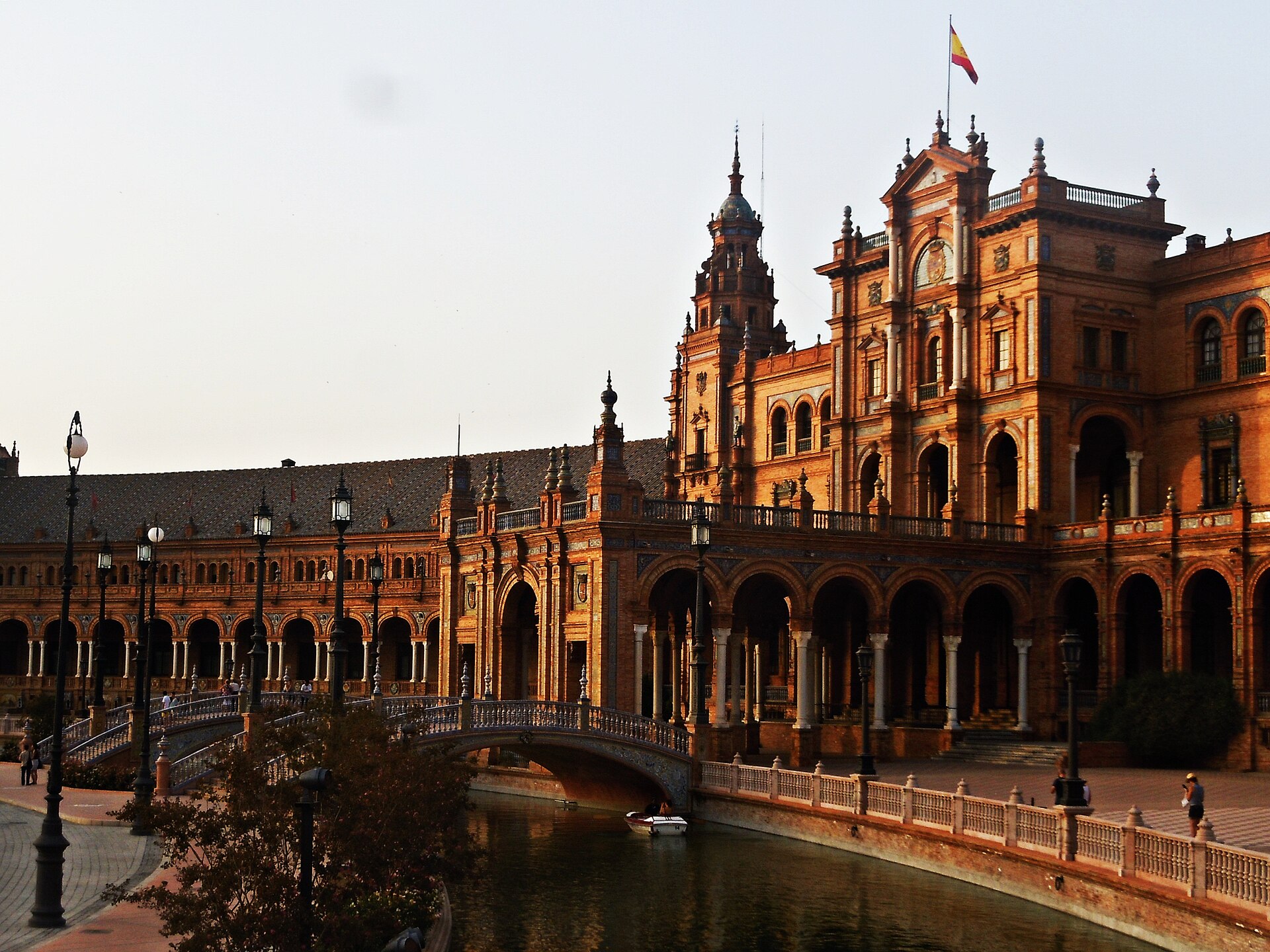
Walk off the wonder in the late afternoon at the Plaza de España, the showpiece built for the 1929 Ibero-American Exhibition by architect Aníbal González. The vast semicircular plaza — brick arcades, four bridges over a canal you can row, and 52 ceramic alcoves representing Spain’s provinces — is free to enter as of 2026 (the city has discussed adding a small entry fee, so check before you go) and at its best in the golden hour before sunset. Then cross into the Parque de María Luisa, Seville’s great green lung — 34 hectares of shaded paths, ponds, and pavilions, free and open all day. Locals come here to jog, picnic, and escape the heat; you should too.
Day 3: Triana, Las Setas, and Flamenco at Night
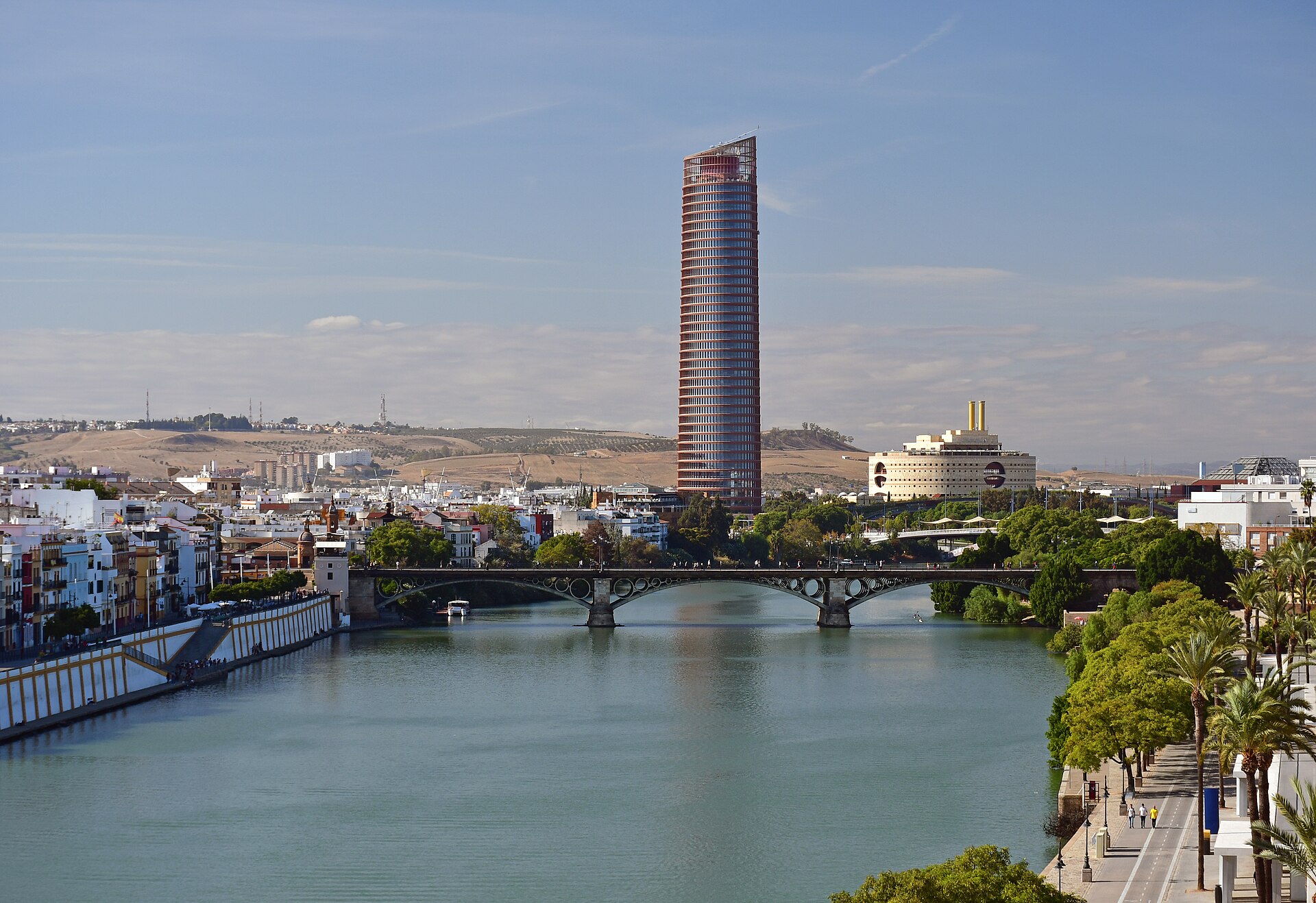
Cross the Isabel II bridge — opened in 1852, the oldest iron bridge in Spain — into Triana, Seville’s proud, working-class quarter across the Guadalquivir: the birthplace of bullfighters, potters, and flamenco artists. Start at the Mercado de Triana at the bridge’s Triana end, browse the ceramics workshops along Calle Betis (Triana’s pottery quarter; the small Cerámica museum is worth a look), and have lunch at one of the river-facing tapas bars. Under the market, the free Museo Castillo de San Jorge covers the site’s Inquisition-era history if you want a somber, fascinating hour. Triana is where Seville eats like Sevillanos eat.
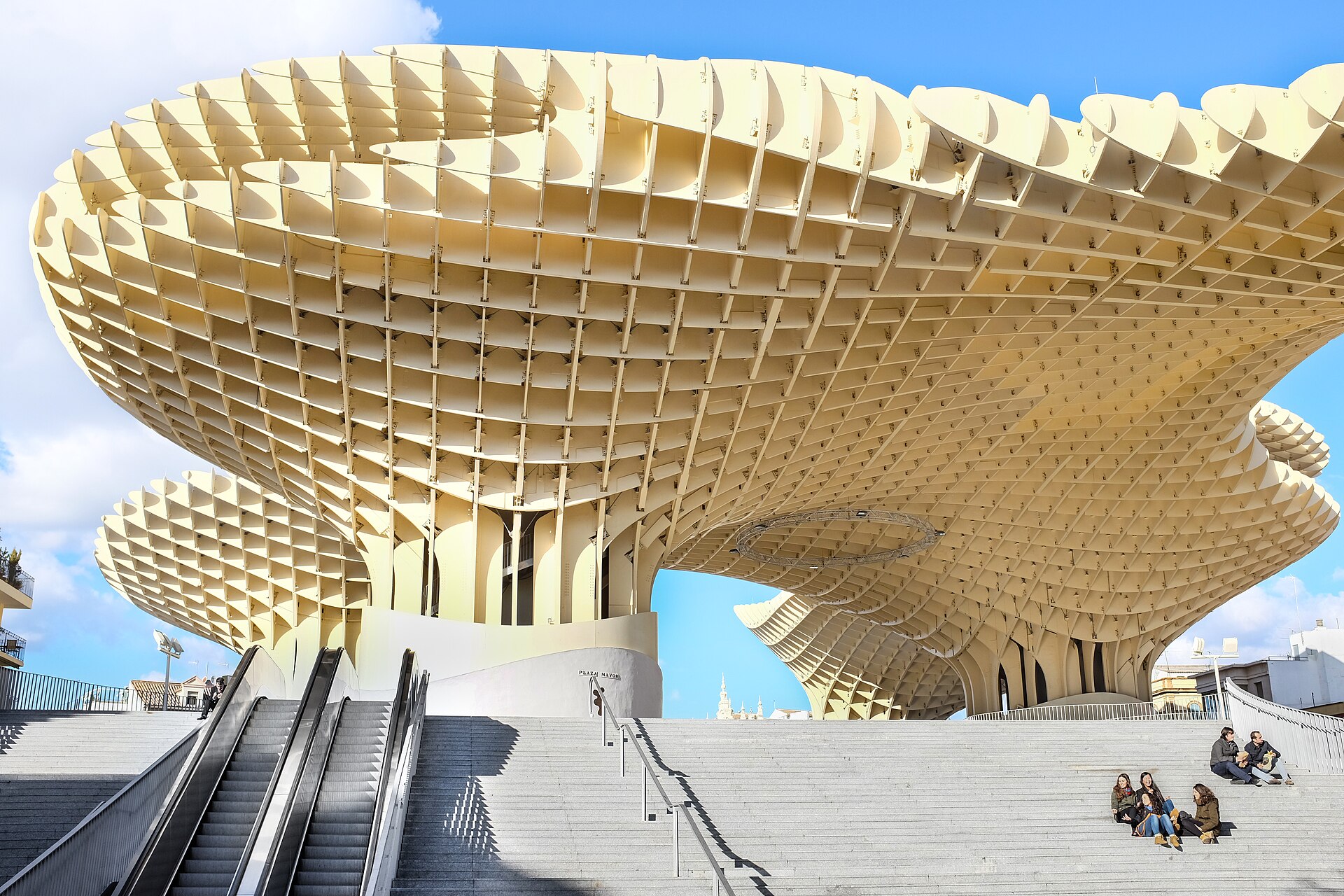
In the afternoon, head to Las Setas — the Metropol Parasol, the world’s largest wooden structure, looming over the Encarnación plaza. Take the elevator to the 360° panoramic walkway 28 meters up for one of the best views in the city (the standard ticket is €16, which includes the walkway, an immersive room, and the evening light show), and time it for sunset if you can — those slots sell out, so book ahead.
End the trip the Seville way: flamenco. Skip the tourist-trap dinner shows and book a proper tablao — the intimate clubs in Arenal and Triana where the audience sits close enough to feel the floorboards shake. Expect to pay roughly €25–55 per person; many shows include a drink and run about an hour. This flamenco show at Tablao El Arenal is one of the city’s most established, with the option to add tapas or dinner. Shows typically start in the early evening — the perfect finale before a late tapas dinner.
Optional: One Easy Day Trip
If you have a fourth day (or want to swap it for Day 3’s afternoon), Córdoba is the obvious move. The high-speed AVE train from Santa Justa takes just 40–47 minutes, with departures roughly every half hour and advance one-way fares as low as €9–25. The Mezquita — a mosque-cathedral with a forest of columns — is one of the wonders of the Islamic world, and the ticket is €15. Ronda’s famous gorge is the other classic, best done by direct bus (about 2 hours each way) rather than the slow train.
What I’d Skip
Don’t waste a morning in line at the Cathedral or Alcázar hoping to buy tickets at the door — both sell timed entries online and the queues are miserable in the heat. Skip the generic hop-on hop-off bus; Seville’s center is flat and walkable, and you’ll see more on foot. And unless you’re a bullfighting enthusiast, the Plaza de Toros tour is skippable — the real Seville is in the tapas bars.
When to Visit Seville
Spring (March–May) and autumn (September–October) are the sweet spots: orange blossoms in spring, warm evenings in fall, manageable crowds — plus the spring festivals, Semana Santa and the Feria de Abril, if you like atmosphere with your trip. Summer is genuinely brutal: July and August highs average 36–38°C and can push past 40°C, and locals flee the city. Winter is mild and crowd-free, though some sights run shorter hours. For a first trip, April or October is hard to beat.
Getting Around Seville
Walk. The historic triangle — Cathedral/Santa Cruz, Alcázar, Plaza de España — is entirely on foot, and the river path to Triana is a lovely stroll across the Isabel II bridge. Seville has a single metro line, but you barely need it for a 3-day itinerary. From Seville Airport (SVQ), the EA Airport Express bus costs €6 single (€8 return), runs every 12–20 minutes from 4:30am to 1am, and stops at Santa Justa and Prado de San Sebastián in about 35 minutes; the official taxi fare is a flat ~€25. If you’re building a longer Andalusia trip, Seville pairs beautifully with Granada and Córdoba — and if you’re planning other long weekends in Europe, my roundup of 7 perfect 3-day Europe itineraries has more ideas in the same format.
Where to Eat in Seville (Quick Tapas Notes)
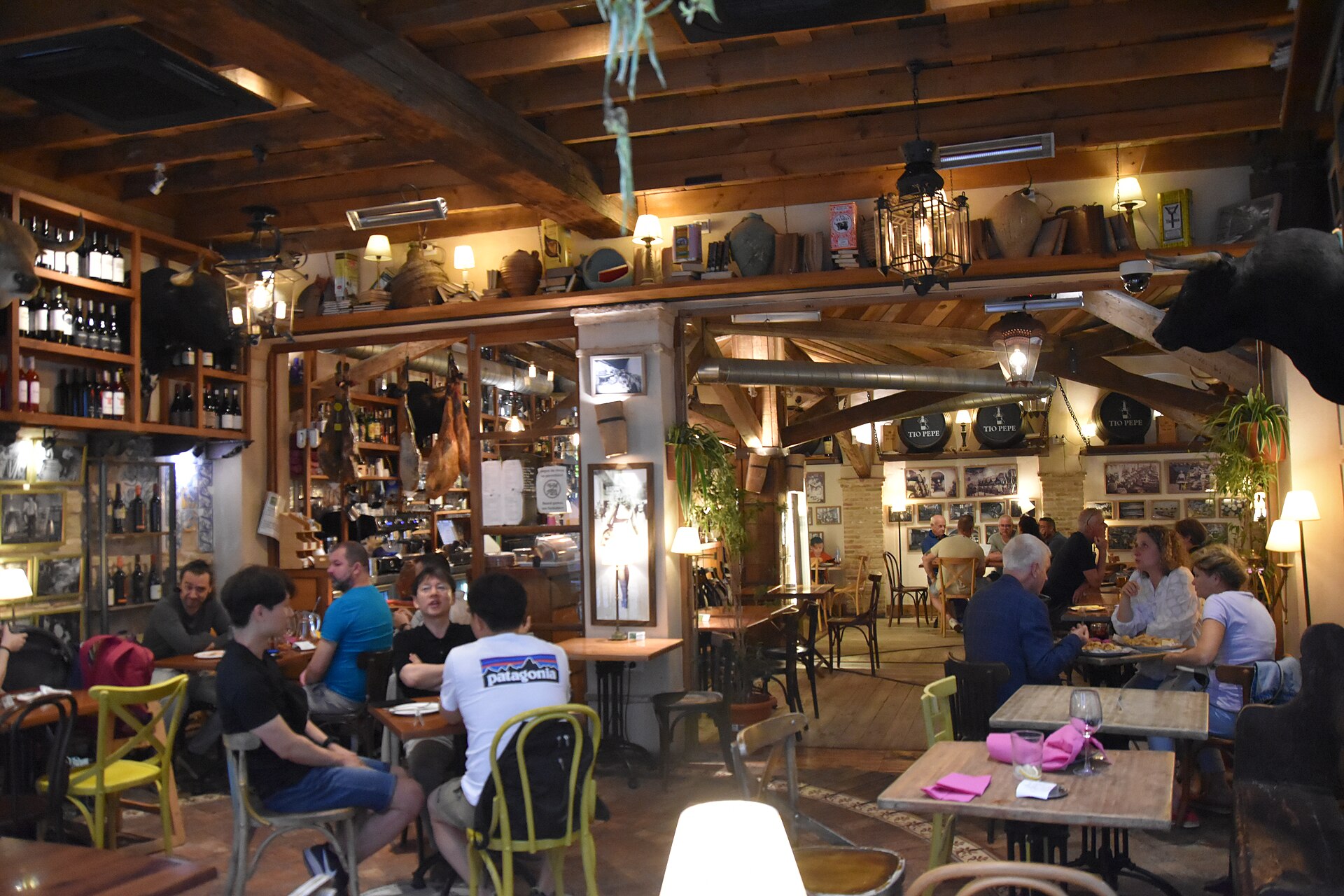
Seville invented the tapas crawl, and the rules are simple: order one or two plates per bar, drink the house wine or a caña (small draft beer), pay, move on. El Rinconcillo, which claims to date back to 1670 and is widely considered the city’s oldest bar, is worth the pilgrimage. Order espinacas con garbanzos (spinach with chickpeas — a Seville classic), salmorejo, and whatever’s on the chalkboard. Lunch runs roughly 1:30–4pm, dinner rarely starts before 9pm. If your next long weekend heads east instead, my Santorini 3-day guide uses the same day-by-day format.
The Bottom Line
Three days in Seville gives you the Alcázar’s carved courtyards, the Giralda’s ramps, the Plaza de España at golden hour, Triana’s tapas bars, and a flamenco night — which is to say, it gives you Seville. Book the two big sights ahead, walk everywhere, and eat late. You’ll leave already planning the return.