
Disclosure: This post contains affiliate links. If you book through one of these links, I may earn a commission at no extra cost to you.
Never forget a thing before you fly. My free 8-page Travel Planning Checklist walks you through the whole trip — 6 planning timelines, 36 checks, from booking windows to travel-day basics. One email, no spam, unsubscribe anytime.
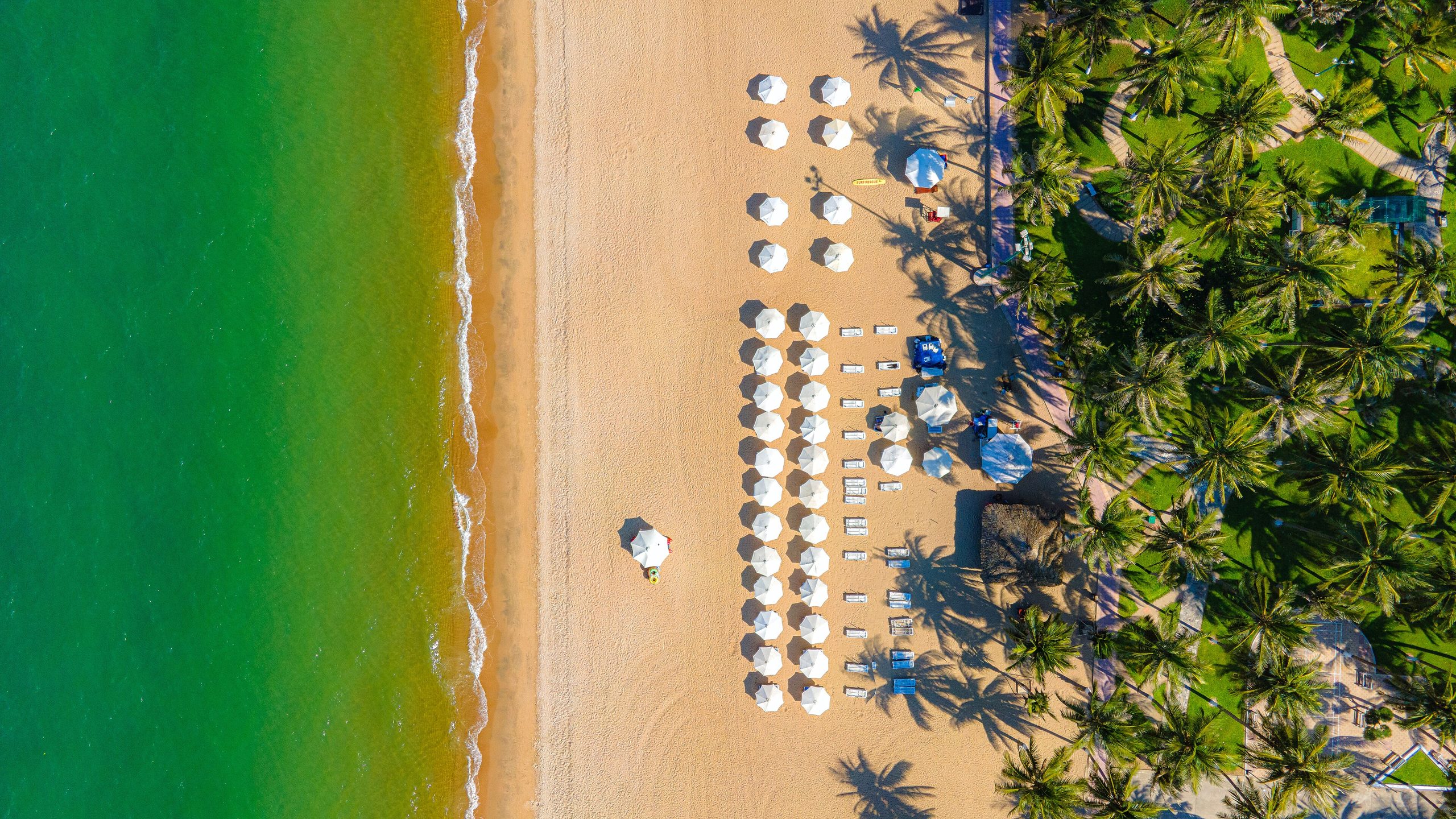
Nha Trang is Vietnam’s original beach city, and it still does the simple things brilliantly: a six-kilometre crescent of sand along Tran Phu Street, a bay scattered with 19 islands, and water warm enough to swim in almost any month you visit. But it is not just a resort strip. North of the Cai River stand the brick towers of Po Nagar, built by the Cham people more than a thousand years ago and still an active place of worship, and the hills inland hide waterfalls and the city’s famous mineral mud baths.
Three days is the sweet spot for a first visit: one day for the city and its temples, one day out on the bay, and one day for waterfalls, mud baths and a theme-park island if you are travelling with kids. Nha Trang also fills the missing link on Vietnam’s classic south-to-north route between Ho Chi Minh City and Da Nang — you will find it in our roundup of the best Vietnam guides, and it pairs naturally with the stops either side of it.
Day 1: Tran Phu Beach, Po Nagar and the City’s Temples
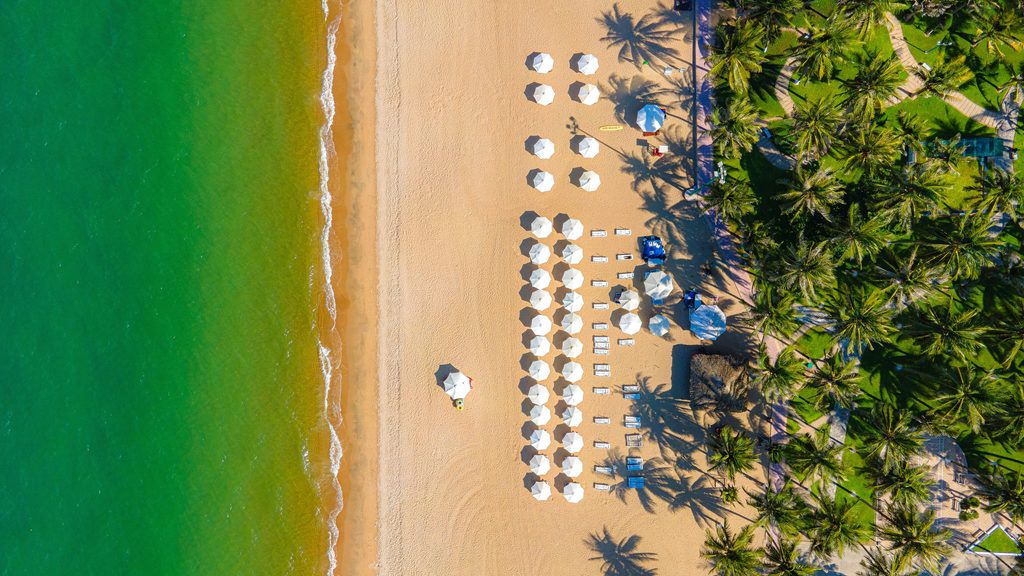
Start the way locals do: on the sand early. Tran Phu Beach is at its best before 9am, when the water is glassy, the promenade belongs to swimmers and tai chi groups, and the heat has not yet built. The city beach shelves gently and is patrolled in the main central stretch — swim between the flags, because the shore break gets rough in the autumn and winter monsoon. Afterwards, claim a beachfront café for Vietnamese iced coffee and a slow breakfast; there is no rush today.
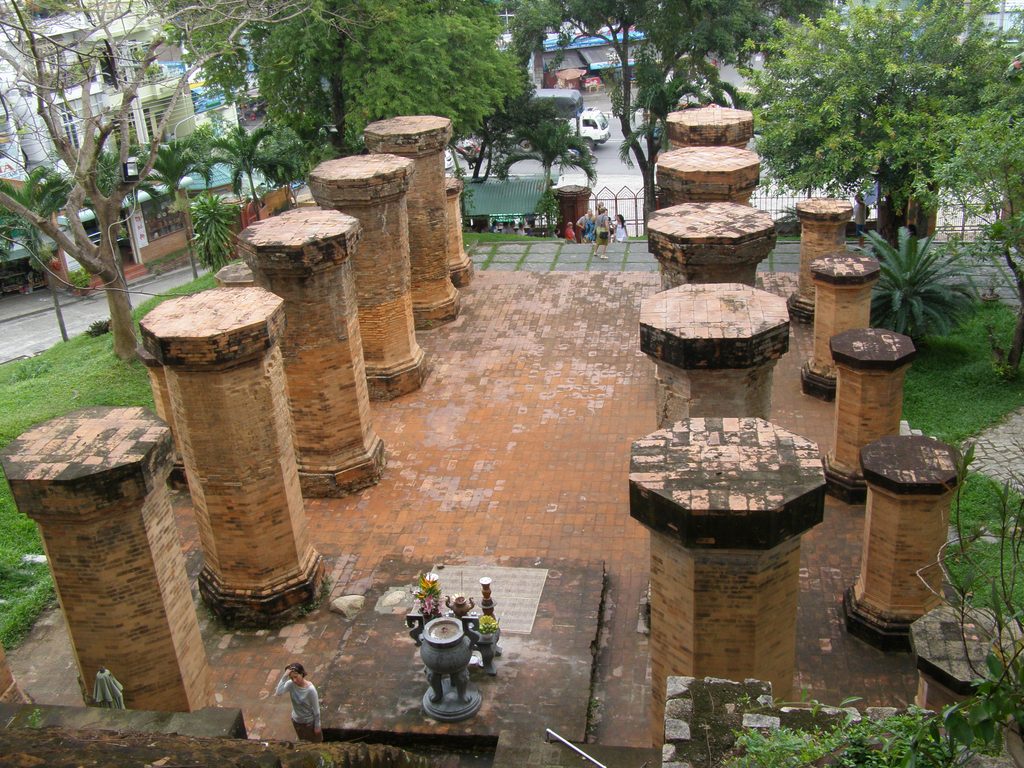
By mid-morning, cross the Cai River to Po Nagar Cham Towers, Nha Trang’s essential cultural sight. Four brick towers survive on a hill above the river, built and rebuilt by the Champa kingdom between the 7th and 12th centuries and dedicated to the goddess Po Nagar, protector of the region. This is a working shrine, not a museum — you will share the incense-filled main tower with local worshippers — so dress modestly (shoulders and knees covered; wraps are available at the gate) and keep voices low. Entry costs only a small fee, and the river views from the terrace explain why the Cham chose this hill. Go before the tour buses peak around late morning.
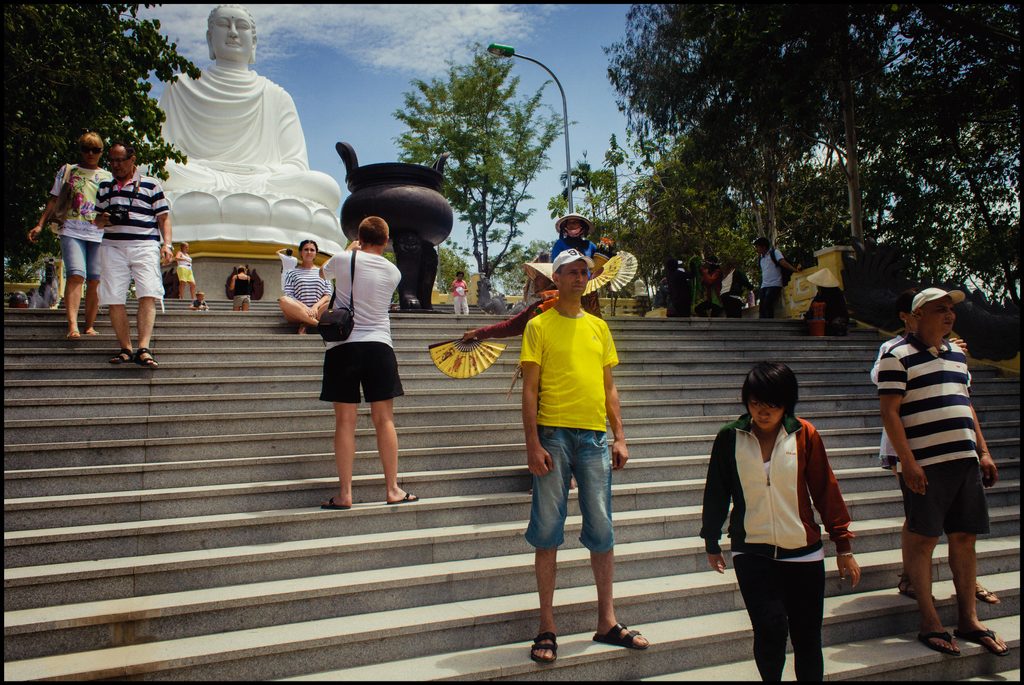
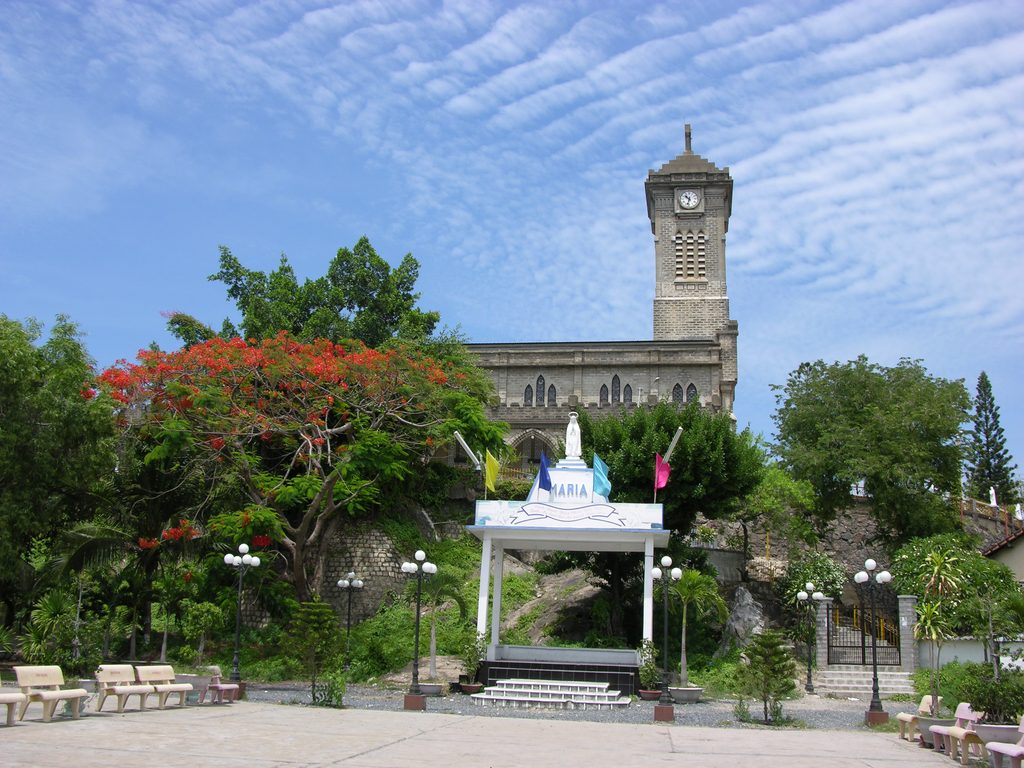
In the afternoon, work through the city’s two other landmark temples. Long Son Pagoda, founded in the late 19th century at the foot of Trai Thuy Hill, is known for the enormous white Buddha seated on the hilltop above it — 24 metres tall and visible from much of the city. Climb the steps past the reclining Buddha for the panorama over Nha Trang’s rooftops to the sea. A short ride away, the Gothic-style Nha Trang Cathedral (Christ the King Cathedral), built of stone in the French colonial era, sits on a small hill on Thai Nguyen Street; it is free to visit outside Mass times. If energy remains, the National Oceanographic Museum near Cau Da port, founded in 1922, is a charmingly old-school aquarium and marine research institute that kids tend to love.
If you would rather not piece the driving together yourself, a private Nha Trang city tour with a mud bath and lunch covers Po Nagar, Long Son, the cathedral and Hon Chong in one outing, then finishes with a soak at I-Resort — a smart way to compress Day 1 if your schedule is tight. Finish the evening at the Nha Trang Night Market near the cultural house on Tran Phu, or do what the city really wants you to do: sit down to grilled seafood at a local restaurant north of the bridge, where prices drop and quality rises.
Day 2: Island-Hopping and Snorkelling in Nha Trang Bay
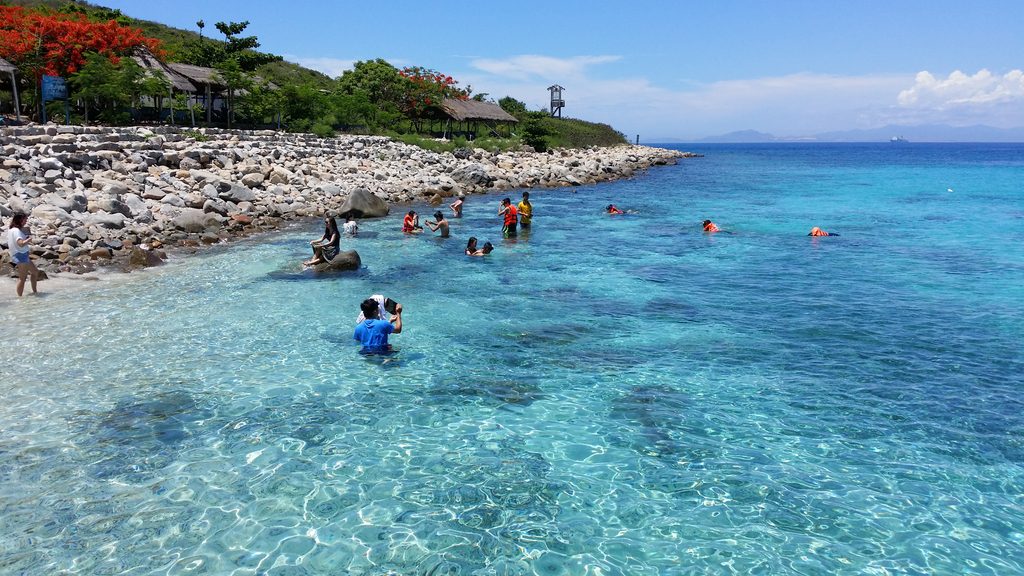
Day 2 belongs to the water. Nha Trang Bay’s islands sit 30 to 60 minutes offshore by boat, and the signature trip heads to Hon Mun, Vietnam’s first marine protected area, about 10 kilometres from Cau Da port. The island takes its name from its dark, ebony-like cliffs — “mun” means black — and the reefs around it are the most biodiverse in the bay. One honest planning note: diving inside Hon Mun’s strictly protected zone was suspended in 2022 to let damaged coral recover, and a pilot reopening from June 2024 covers only selected areas, so ask any operator exactly where you will snorkel or dive before you pay. Reputable trips route snorkellers to the clear, shallow reef spots currently open and to neighbouring islands such as Hon Mot and Hon Tam when conditions require it.
The easiest way to do this day is a booked boat trip with hotel pickup, gear and lunch included. This half-day snorkelling adventure in Nha Trang Bay makes two reef stops around Hon Mun, includes breakfast and a banh mi lunch, and gets you back to the beach by early afternoon — leaving the rest of the day free. Expect warm water, hard and soft coral, and clouds of reef fish; bring reef-safe sunscreen and a dry bag, and skip the trip entirely if the harbour flags rough seas, which happens often from October to December.
Back on land by mid-afternoon, ride north to Hon Chong, the cluster of giant boulders stacked on a small promontory where, legend says, a giant left a handprint in the rock. It is a small stop — 30 minutes is plenty — but the view back across the bay to the city skyline at golden hour is one of Nha Trang’s classic photographs. End the day with the dish the city is proudest of: nem nuong, grilled pork sausage rolled at the table with rice paper, herbs and a warm peanut sauce, followed by a bowl of bun cha ca, the local fish-cake noodle soup.
Day 3: Ba Ho Waterfalls, a Mud Bath and VinWonders
For your last day, head inland. Ba Ho Waterfalls, about 25 kilometres north of the city, is a series of three natural pools fed by a stream tumbling down the hillside — the name literally means “three pools.” Reaching the upper pools involves scrambling over boulders and short ladder-and-rope sections, which is half the fun, and each pool is swimmable. A half-day Ba Ho Waterfall trip with hotel pickup and lunch is the simplest way to go; wear shoes you can climb and swim in, and start early to have the top pool briefly to yourself.

Afterwards, do the most Nha Trang thing of all: sink into a warm mud bath. At Thap Ba Hot Springs and I-Resort, both in the hills north of the river, the ritual runs mud soak, mineral-water rinse, then a float in hot mineral pools — genuinely reviving after two days of salt water and temple steps. Book the last slot of the afternoon and you will float as the light fades. Before dinner, stop at Dam Market, the city’s main market inside a distinctive round, lotus-like building, for dried seafood, fish sauce, mango cakes and coffee to take home; prices here reward friendly haggling.
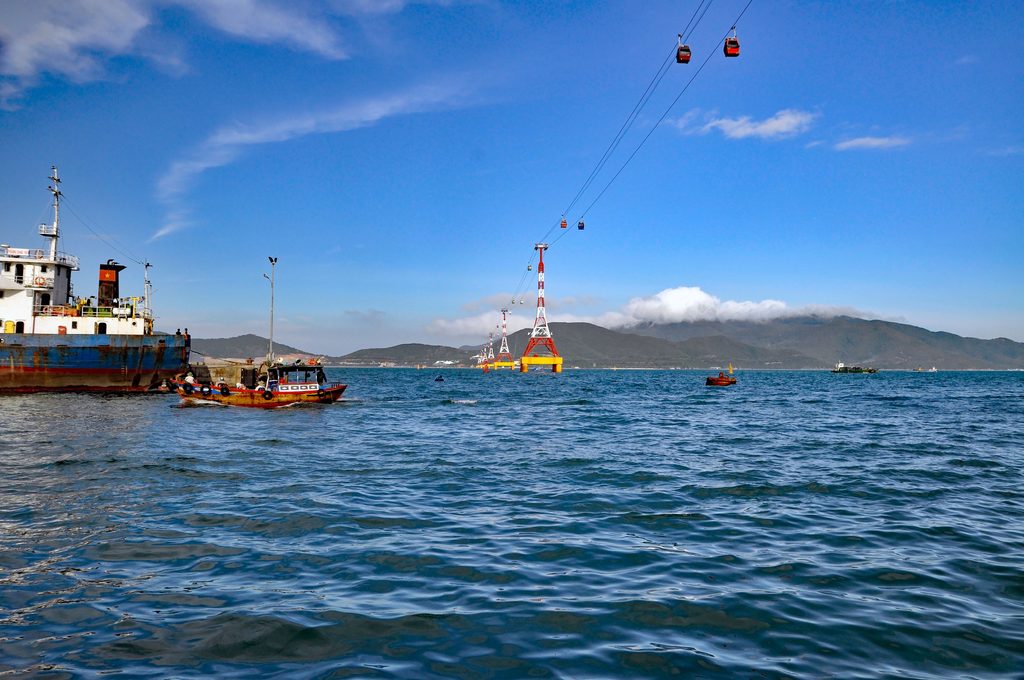
Travelling with children, or simply not a waterfall person? Swap the morning for VinWonders Nha Trang on Hon Tre Island, reached by one of the world’s longest over-water cable cars — the ride across the bay is an attraction in itself — for a full day of rides, a water park and an aquarium. The cable car was closed for maintenance from late October to 10 November 2026 and guests crossed by speedboat instead, so check the current notice if you are travelling around a maintenance window.
Getting to Nha Trang and Around
Most visitors fly into Cam Ranh International Airport (CXR), about 35 kilometres south of the city — allow 45 to 60 minutes by road along the coast. An airport bus runs to the city centre, and taxis and pre-booked transfers cost more but drop you at your hotel door. Nha Trang also sits on Vietnam’s north–south railway and the sleeper buses between Ho Chi Minh City (about 8–9 hours) and Da Nang, so it slots easily into a longer itinerary: our Da Nang in 3 days itinerary is the natural next stop north, and Hue in 3 days follows after that. In town, Tran Phu’s beachfront is walkable, and Grab cars and motorbikes cover everything else cheaply — Po Nagar, the mud baths and the cable car station are all short rides.
When to Visit Nha Trang
Nha Trang runs on a different weather clock from the rest of Vietnam, which is its great advantage: the dry season runs from about January to August, long after the south has turned wet. February to May is the most comfortable window, with calm seas and temperatures before the fiercest summer heat; April to August brings the clearest water for snorkelling and diving. The rainy season runs September to December, with November usually the wettest month — expect cancelled island boats, rough shore break on the city beach and the occasional storm. If you do come in the wet months, keep Day 2 flexible and let the harbour, not your booking, decide when you sail.
Where to Base Yourself
For a first trip, stay on or just behind Tran Phu Street in the city centre: the beach is across the road, restaurants and the night market are walkable, and every tour pickup knows the strip. Travellers who prefer it quieter should look north of the Cai River near Po Nagar and Hon Chong, where the hotels thin out and the seafood is better. A full where-to-stay guide for Nha Trang is coming in this series; for now, a beachfront address between the Sailing Center and the night market puts this whole itinerary within easy reach.
Nha Trang rewards travellers who look past the beach chairs. Give it three days — one for its temples, one for its islands and one for its waterfalls and mud — and you will understand why Vietnamese families have been holidaying here for generations, and why it belongs on every first-timer’s route through the country.