
Istanbul doesn’t need an introduction — the Hagia Sophia, the Blue Mosque, and the Grand Bazaar do their own advertising. But here’s what I’ve learned about this city after years of reading (and dreaming) about it: the Istanbul that stays with you isn’t the one from the postcards. It’s the neighborhood where the houses are painted the color of marzipan, the cistern that glows in the dark under Sultanahmet, the 150-year-old drink shop where locals still line up at midnight.
Planning a trip? Get our free Travel Planning Checklist:
This guide is part of our hidden-gems series — and Istanbul might be the most rewarding city in it. The tourist trail here is so concentrated (Sultanahmet, the Bosphorus cruise, done) that it leaves entire districts and centuries of history sitting in plain sight, practically untouched. Here are ten of the best of them, all verified for 2026.
1. Balat & Fener: the most colorful streets in Istanbul
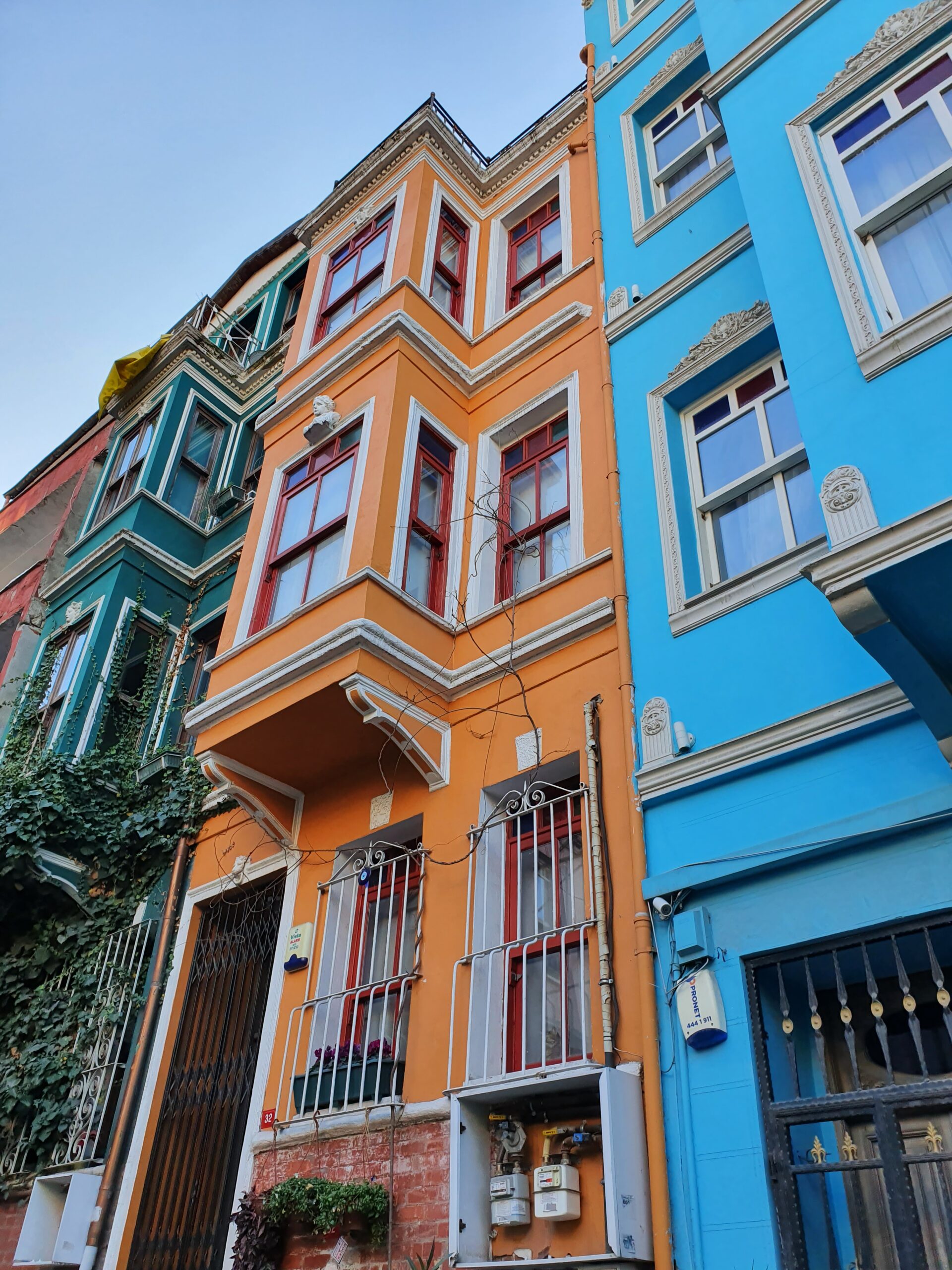
Balat was once the Jewish quarter of old Constantinople; Fener was where Greek Orthodox merchants built their mansions. Today, the two districts spill down the Golden Horn’s western shore as one gloriously scrappy hillside — timber houses painted pink, mint, butter-yellow, and cornflower blue, laundry strung between them, cats parked on every warm step.
Wander uphill past vintage shops and coffee roasters to the Church of St. Stephen of the Bulgars — the “Iron Church,” a functioning church made entirely of cast iron (yes, really) that survived a 2018 restoration and is open to visitors. From Balat’s upper streets you get one of the city’s great free views back across the Golden Horn.
Getting there: Take the T5 tram to the Fener or Balat stops — the modern tramline runs right along the Golden Horn waterfront, which makes this an easy half-day escape from Sultanahmet.
2. Kariye (Chora) Mosque: the best Byzantine mosaics in the world
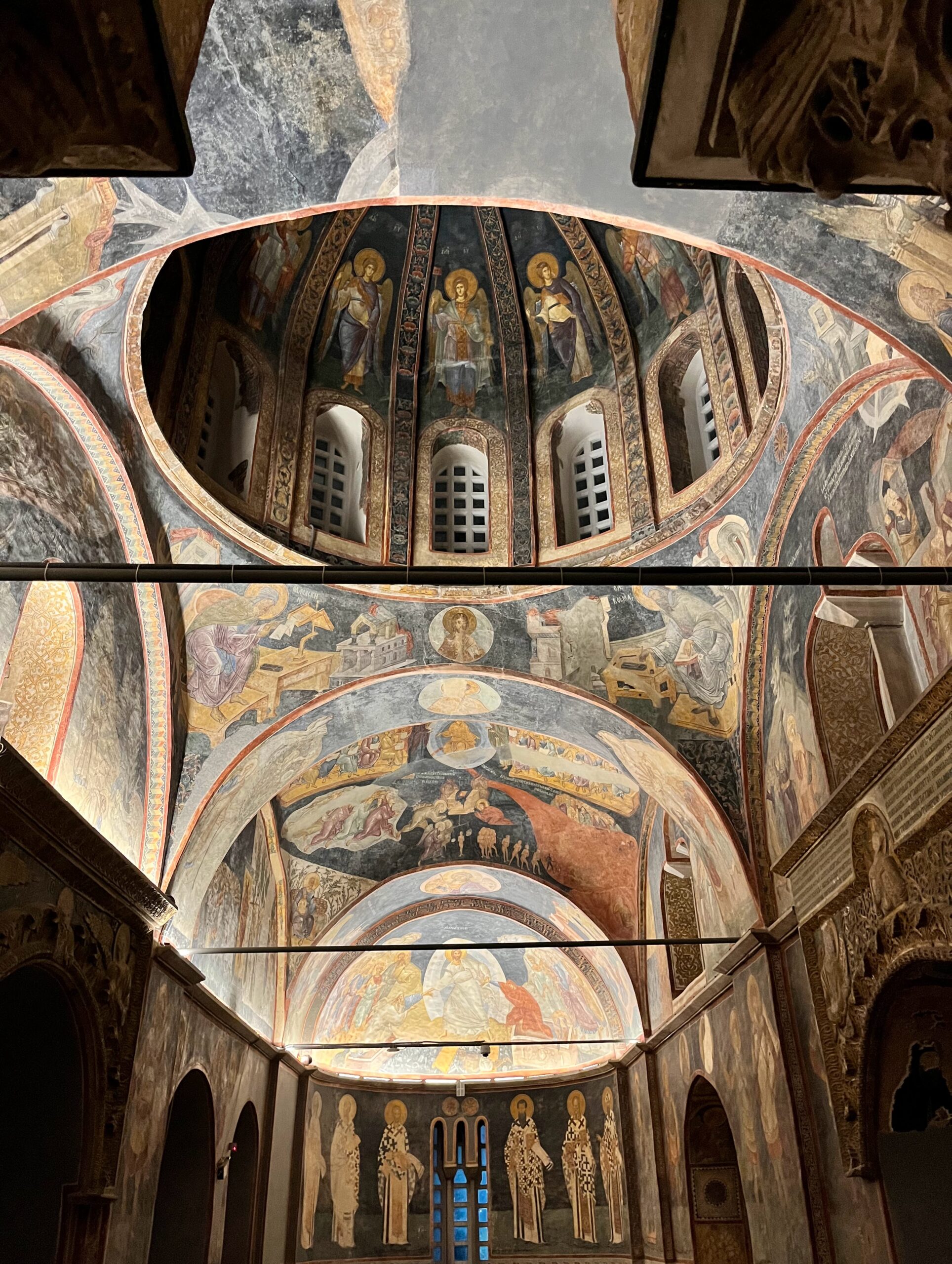
Ask a Byzantine art historian where the single greatest mosaic cycle in existence is, and they’ll send you past the city walls to the Kariye. The former Church of the Holy Saviour in Chora, deep in the Edirnekapı district, holds gold-ground mosaics of staggering beauty — the life of Christ and the Virgin, rendered with a tenderness you won’t find in the better-known churches.
A quick note on 2026 access, because it matters: the Kariye is an active mosque. The main prayer hall is free to enter, but foreign visitors pay €20 for the mosaic gallery section — and it’s worth every cent. Modest dress is required, visits pause around prayer times, and the Museum Pass isn’t accepted here. Hours run roughly 09:00–19:00 in summer.
3. The Theodosius Cistern: the underground cathedral nobody visits
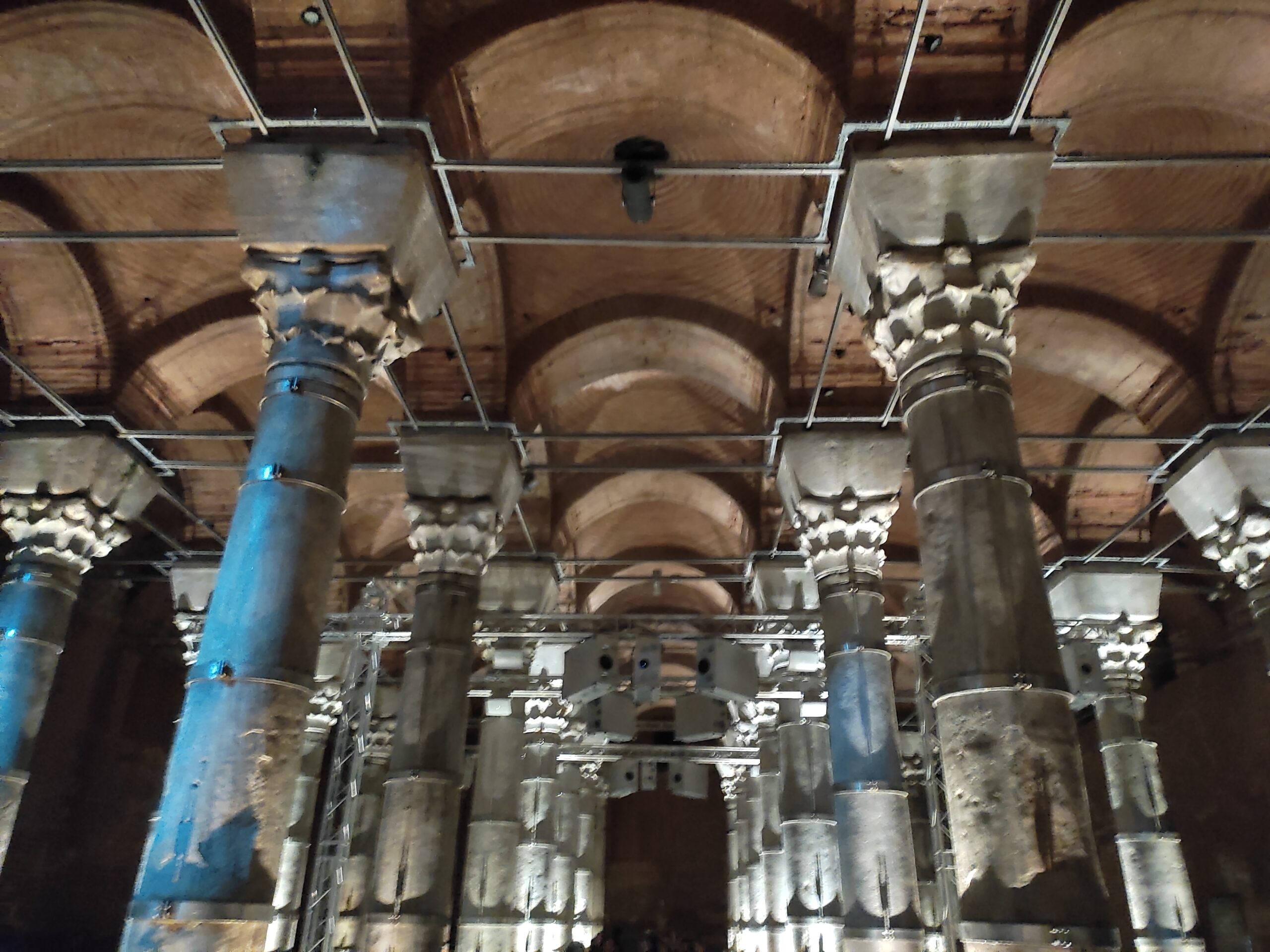
Everyone queues for the Basilica Cistern; almost nobody goes to the Şerefiye Sarnıcı, the Theodosius Cistern — which is a shame, because in some ways it’s the more dramatic of the two. This 5th-century Roman reservoir, with its 32 marble columns rising from shallow water, has been turned into a proper museum space: the hourly light show picks the columns out of the dark in shifting colors, and you can often have a whole corridor to yourself.
Hours & tickets: Open daily roughly 09:00–19:00; the foreign-visitor ticket runs about 900 TL (~€18), and the light show is included. Take the T1 tram to Sultanahmet or Çemberlitaş and walk a few minutes.
4. Büyük Valide Han: coffee with a rooftop view over the Golden Horn
Here’s the deal with Istanbul’s most famous “secret” rooftop: the rooftop itself is closed for safety reasons (confirmed by 2026 visitor reports — do not plan your trip around climbing up there). What is open is the historic han itself and its café terrace, which still delivers one of the great coffee views in the city: the Golden Horn, the domes of the old town, and the ship traffic threading between two continents.
The han sits just off the tourist flow near the Grand Bazaar — a centuries-old caravanserai where craftsmen still work in the courtyards below. Order a Turkish coffee, claim a terrace seat, and let the cruise ships do the performing.
Hours: The han and café are open daily roughly 09:00–19:30.
5. Kadıköy market & Moda waterfront: Istanbul’s food neighborhood
Cross the Bosphorus by ferry and Istanbul changes register. Kadıköy is where Istanbulites actually shop for food: a dense, fragrant market of fish stalls, pickle sellers, cheese counters, and lokantas where the lunch rush is 90% local. The big market days are Tuesday and Friday; the food market itself hums every day.
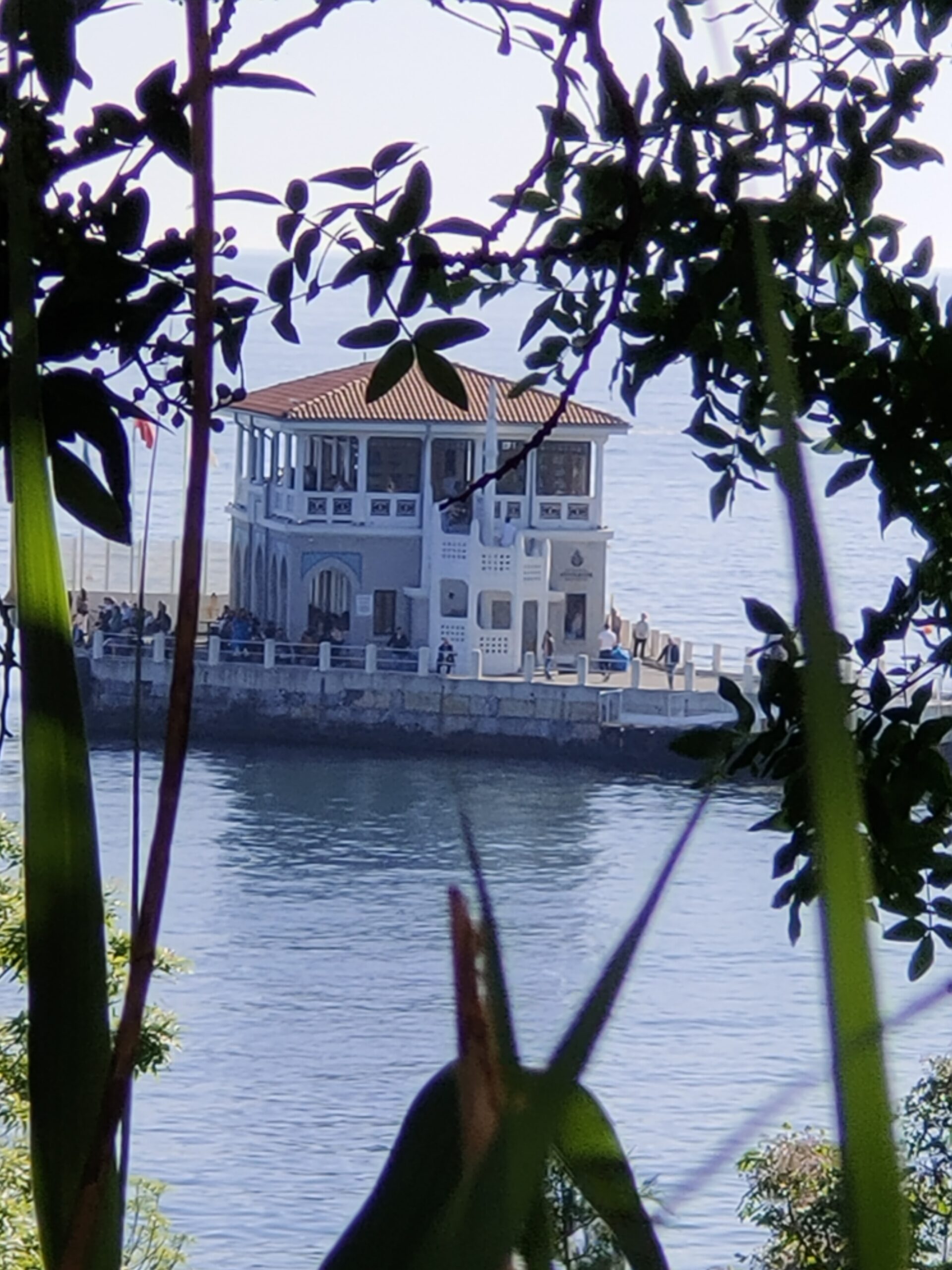
When you’ve eaten enough, walk ten minutes to Moda, the seaside promenade where the whole district seems to come for sunset — çay in a tulip glass, the old pier, and the European skyline across the water.
Getting there: Ferries run frequently from Eminönü and Karaköy to Kadıköy — and the ride itself, at a single Istanbulkart tap, is one of the cheapest thrills in the city.
6. Kuzguncuk: the village that time forgot
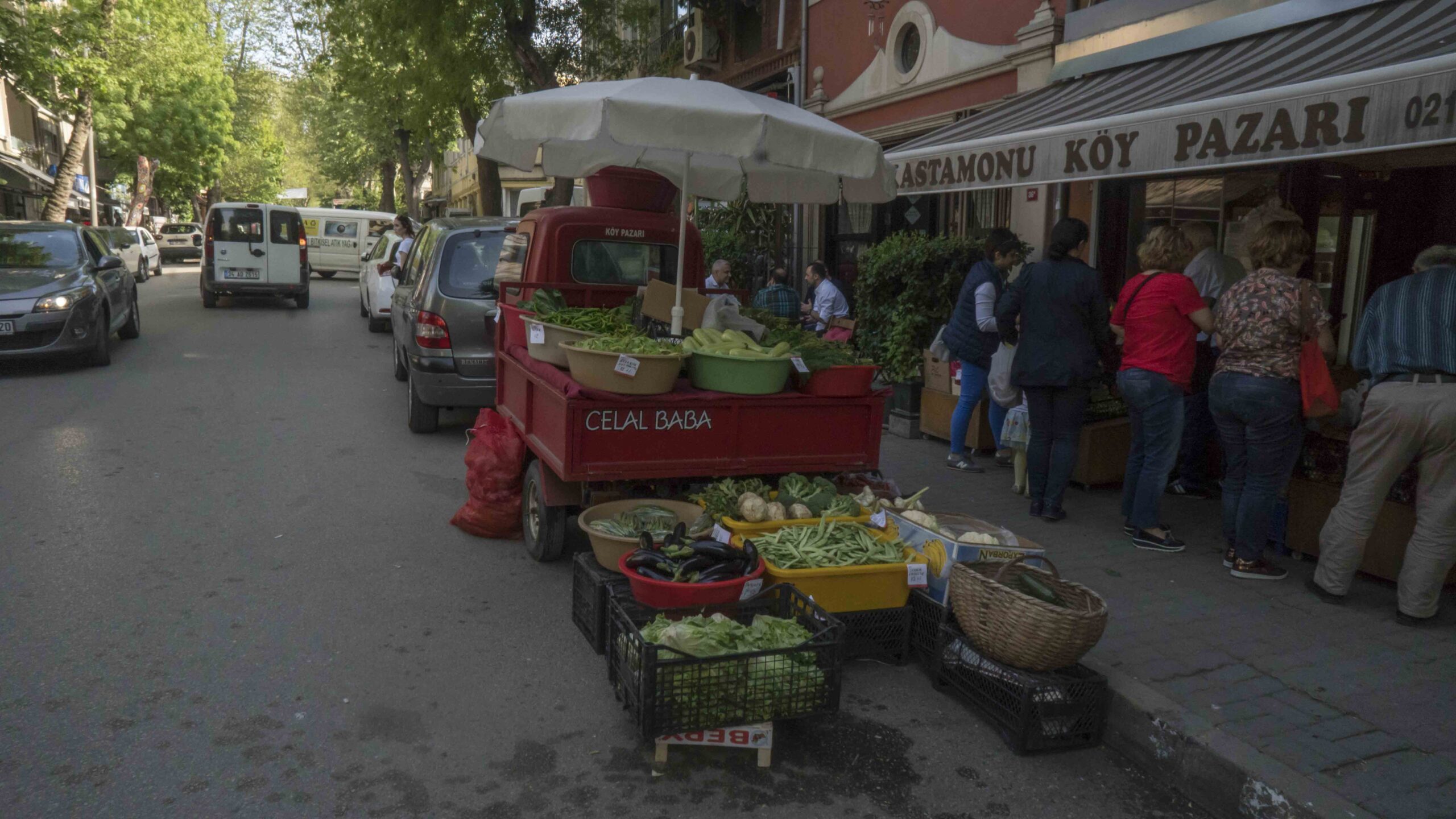
Twenty minutes south of Üsküdar by foot, Kuzguncuk feels like a small Anatolian town that got lost and ended up on the Bosphorus. The main street, İcadiye Caddesi, is lined with the same pastel wooden houses you see in Balat — but quieter, greener, and strung with plane trees. What makes Kuzguncuk special is what’s inside the houses’ shadow: a mosque, an Armenian church, and two synagogues sharing one street, a legacy of the neighborhood’s once-mixed community.
Come on a weekday morning when the only crowds are delivery tricycles. Getting there: ferry to Üsküdar, then about a 20-minute stroll south along the Bosphorus.
7. Pierre Loti Hill & Eyüp: the best cheap view in Istanbul
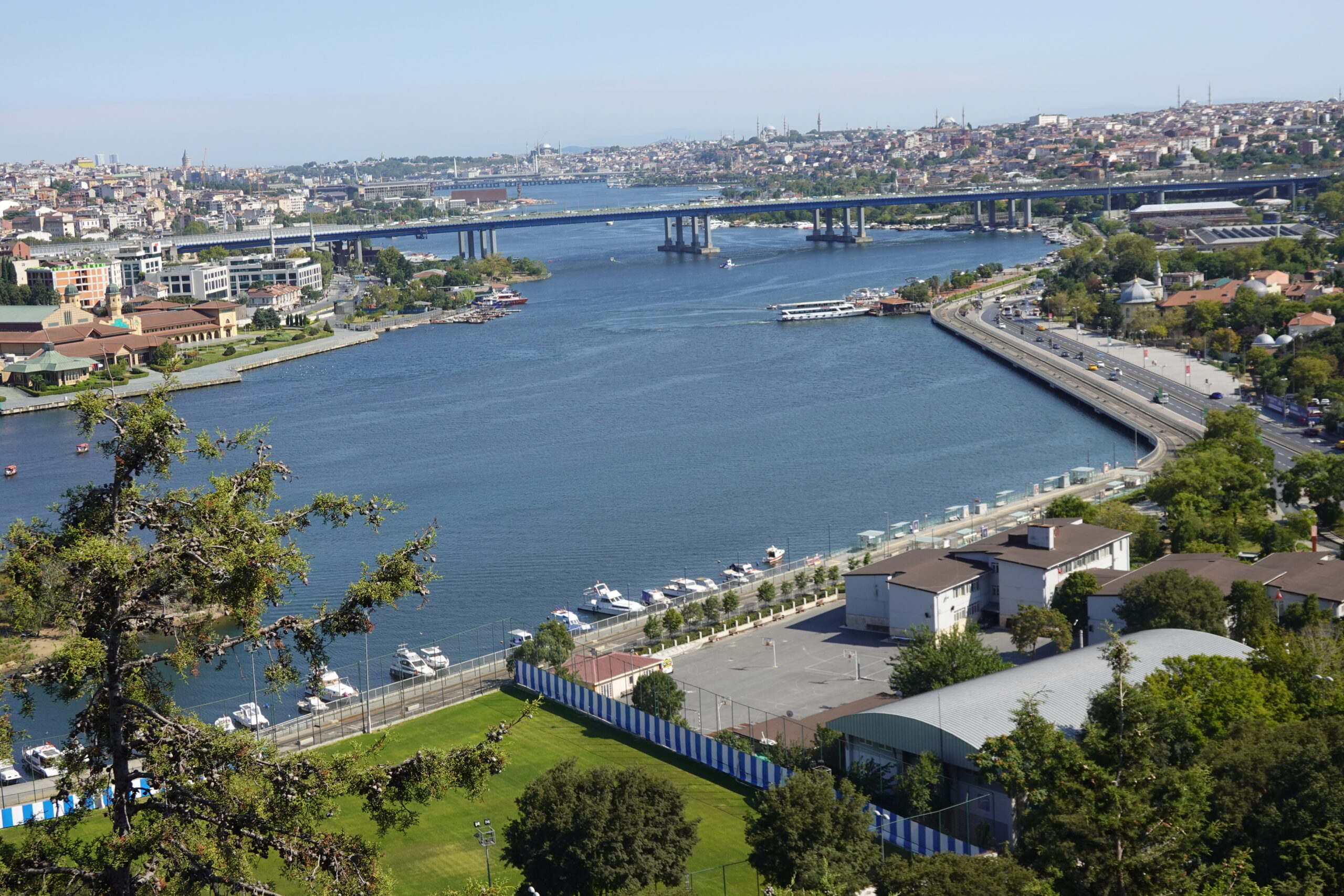
The Golden Horn looks its best from above, and the cheapest way up is the TF2 cable car — one Istanbulkart tap (46.20 TL) from the Eyüp station to the top of Pierre Loti Hill. The viewpoint is free, and the famous café at the top is exactly the place to drink tea while the Horn turns gold at sunset. It was named for the French novelist who used to come here to write; the view hasn’t disappointed anyone since.
Before you ride up, stop at the Eyüp Sultan Mosque at the bottom — one of the holiest sites in the Islamic world, ringed by an Ottoman cemetery that climbs the hill. Getting there: T5 tram to Eyüpsultan Teleferik. The cable car runs roughly 08:00–23:00 in summer and 08:00–22:00 in winter.
8. Vefa Bozacısı: the 1876 drink shop that never closed
Boza — a thick, sweet, lightly fermented drink made from bulgur — is one of Turkey’s oldest street drinks, and Vefa Bozacısı has been serving it from the same shop since 1876, run by the same family the whole time. The marble counter, the brass fittings, the atmosphere of an Ottoman-era pharmacy — nothing about the place has been modernized, and that’s the point.
Order a glass topped with cinnamon and a handful of roasted chickpeas (the traditional accompaniment) and drink it standing at the counter. Hours: daily 08:00–24:00. Take the T1 to Laleli-Üniversite or the M2 to Vezneciler and walk a few minutes.
9. Rumeli Fortress: the Bosphorus stronghold with the big view
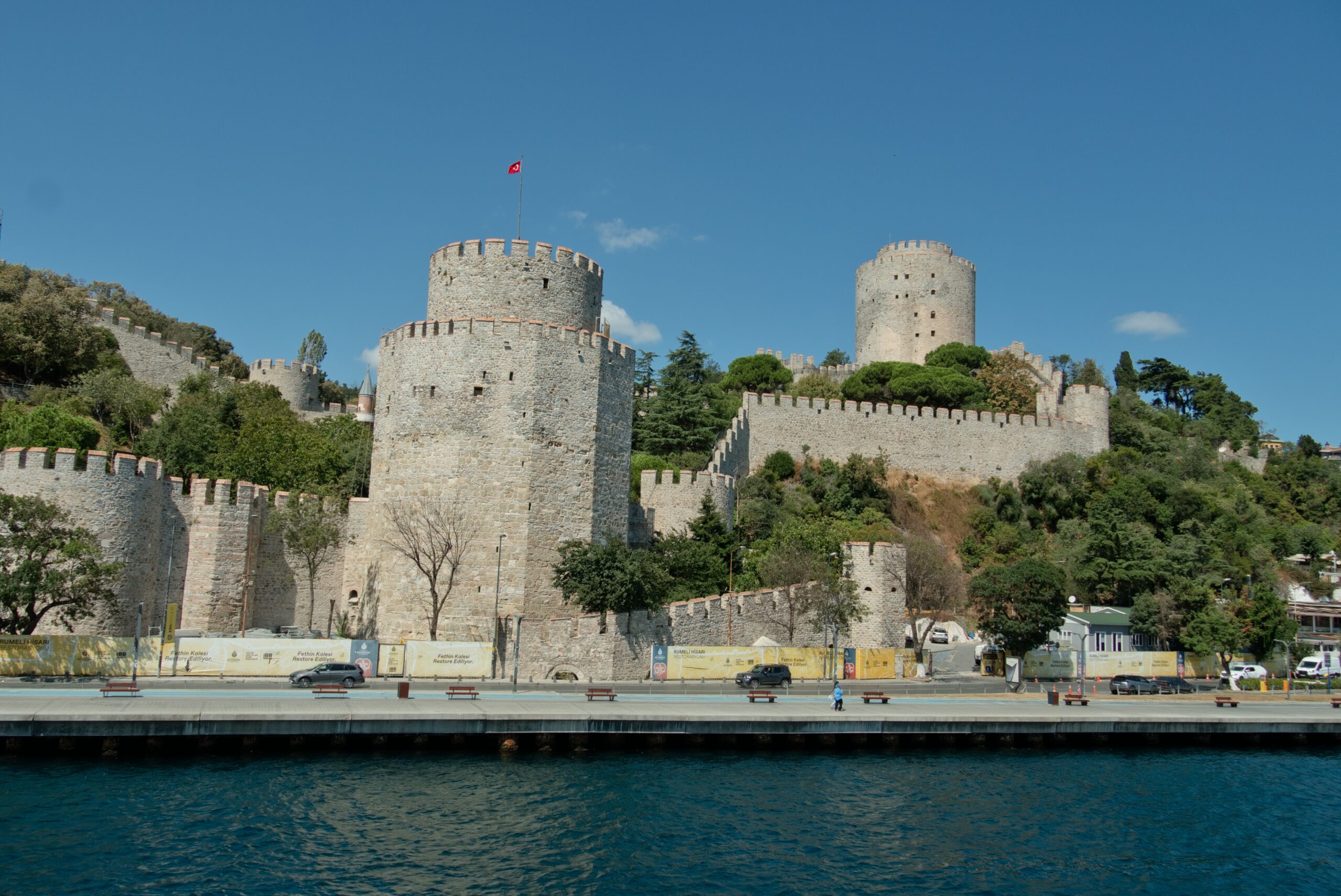
Built in four months in 1452 by Mehmed II as the staging ground for the conquest of Constantinople, Rumeli Hisarı is the great counterpart to the Blue Mosque-era old town — and it gets a fraction of the visitors. The courtyard and ramparts look straight up the Bosphorus at the narrows where Europe and Asia nearly touch.
Two practical notes for 2026: the fortress is closed on Mondays, and an ongoing restoration means the towers and upper walls are frequently roped off (the courtyard and views are open). Foreign visitors pay €6; the Museum Pass is accepted. Summer hours roughly 09:00–19:00, winter 09:00–17:00.
10. Zeyrek & the Molla Zeyrek Mosque: the quietest masterpiece in the old city
The Pantocrator — one of the great Byzantine monasteries, built in 1136 and now the Molla Zeyrek Mosque — sits on a hill above the Golden Horn that most visitors never find. Its restoration is complete, it’s open for prayer with free entry (visit outside prayer times, modest dress), and the terraces below it serve some of the best çay-and-view moments in the city, with the Süleymaniye rising across the rooftops.
Bonus: the Zeyrek Cistern reopened as a museum in early 2025, giving this hill its own underground counterpart to the Theodosius Cistern — worth checking if you’re making the climb. (Conservation work can recur here, so a quick local check on the day is wise.)
Putting it together: practical tips for gem-hunting
Getting around. Buy an anonymous Istanbulkart from any Biletmatik machine — one card works on ferries, trams, metro, funiculars, and the TF2 cable car, and a single ride costs 46.20 TL at the current tariff. Up to five people can share one card. The two tram lines that matter most here are the T1 (Kabataş–Bağcılar via Sultanahmet, Eminönü, and the Grand Bazaar) and the T5 (Eminönü to Alibeyköy along the Golden Horn, serving Fener, Balat, and the Pierre Loti cable car; it connects with the T1 at Eminönü).
When to go. These spots are all visitable year-round, but April–June and September–October give you the terraces and ferries at their best — and the mosque-heavy entries (Kariye, Molla Zeyrek, Eyüp Sultan) are easiest outside Friday midday prayers and the month of Ramadan, when hours shift.
Where to stay. For a trip built around the spots above, Sultanahmet puts you on the T1 for the cisterns, Kariye, and ferries, while Karaköy puts you closer to the Balat side and the Kadıköy ferries. Our full breakdown — neighborhoods, trade-offs, and hotel picks — is in where to stay in Istanbul.
Istanbul rewards the traveler who walks one street past the crowd. These ten spots aren’t the whole of the city’s hidden side — not even close — but they’re the ones I’d hand to a friend visiting for the first time, the ones that turn a good trip into a story. The postcards will still be there. This is the rest of it.