
Stockholm is built on water and spread across 14 islands, and that single fact shapes everything about a first visit. This is not a city you “do” from one base camp of sights — it is a city you cross, by bridge, ferry and cobbled lane, moving between a medieval old town, a green museum island and neighbourhoods that each feel like a small town of their own. Three days is exactly enough to do it properly: one day for the historic core, one for the museums of Djurgården, and one to get out on the water or out to a palace — with plenty of fika in between.
Never forget a thing before you fly. My free 8-page Travel Planning Checklist walks you through the whole trip — 6 planning timelines, 36 checks, from booking windows to travel-day basics. One email, no spam, unsubscribe anytime.
This itinerary is sequenced the way the city actually flows, so you are never backtracking across bridges. If you are stringing Nordic capitals together, it pairs naturally with our guide to where to stay in Copenhagen — Copenhagen is the compact, hygge-first counterpoint to Stockholm’s bigger, island-hopping sprawl.
Disclosure: This post contains affiliate links. If you book through one of these links, I may earn a commission at no extra cost to you.
Stockholm Basics Before You Start
Getting in. Arlanda Airport is the main gateway. The Arlanda Express train reaches Stockholm Central Station in about 18 minutes (around 340 SEK one-way for an adult) and runs every 15 minutes or so. The Flygbussarna airport bus is the budget pick at around 129 SEK, taking roughly 45 minutes. SL commuter trains also serve the airport, but you pay an extra Arlanda passage fee (about 157 SEK) on top of your SL ticket, which eats most of the saving.
Getting around. You will walk most of this itinerary. For everything else, SL runs the metro (Tunnelbana), trams, buses and harbour ferries on one system — tap a bank card or use the SL app; a single ticket (43 SEK) is valid for 75 minutes across all of it. A 72-hour travelcard suits a 3-day trip well. Do not skip the metro itself: several stations are caverns painted and sculpted into art installations, and riding between them is a free gallery tour.
Money and manners. Stockholm is close to cashless — cards and phones are accepted everywhere, and some cafés refuse cash entirely. Tap water is excellent, tipping is modest (round up at sit-down dinners; it is not expected at cafés), and almost everyone speaks fluent English.
Day 1: Gamla Stan — The Medieval Core
Start where Stockholm started. Gamla Stan, the Old Town founded in 1252, occupies its own island of cobbled lanes, ochre and terracotta merchants’ houses, and squares that carry seven centuries of history. Arrive by 9am and you will have Stortorget — the main square, ringed by colourful guild houses and home to the Nobel Prize Museum — almost to yourself.
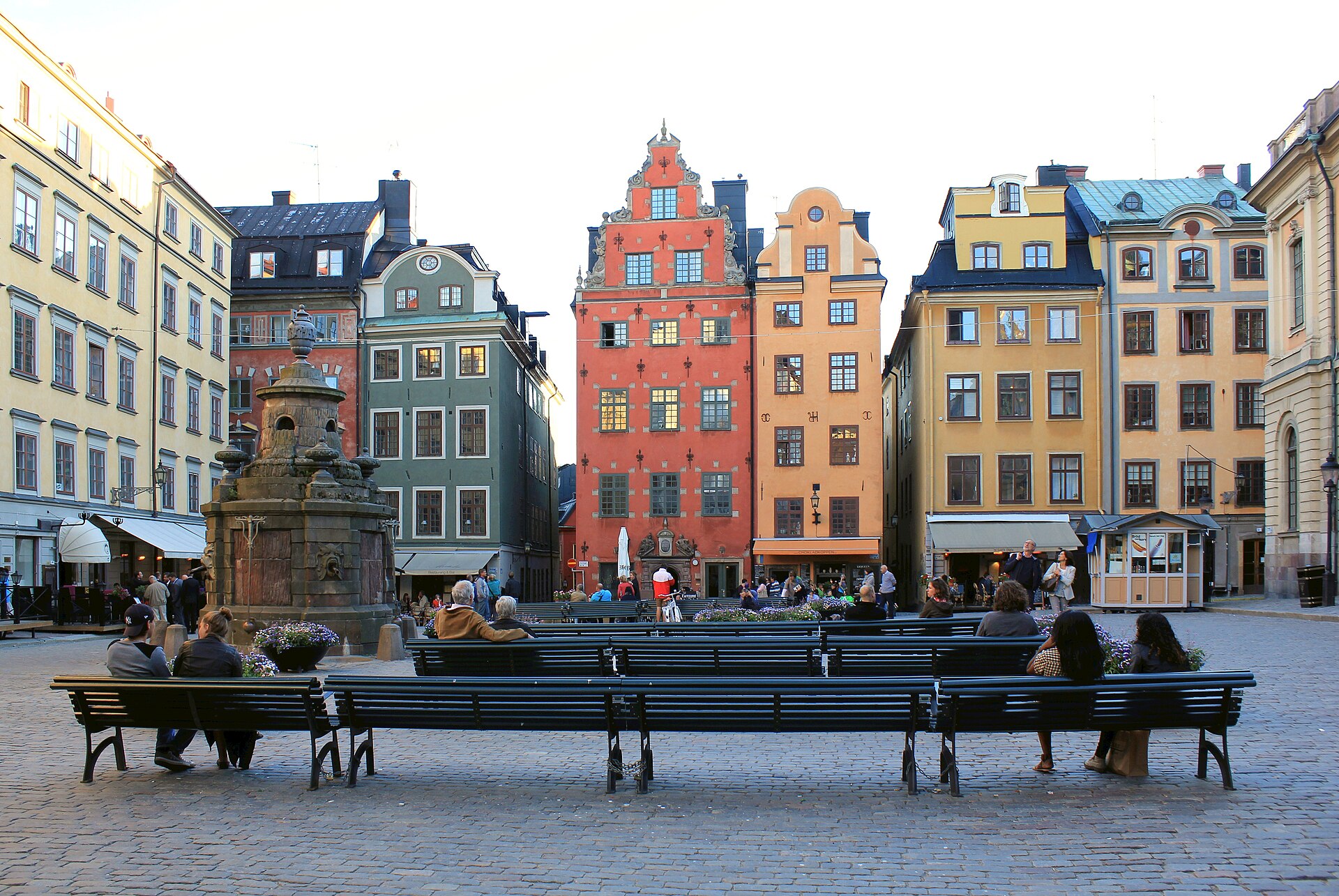
Walk it in this order: Stortorget, then Storkyrkan (Stockholm Cathedral, the city’s oldest church and the setting for royal weddings and coronations), then squeeze down Mårten Trotzigs gränd, at just 90 centimetres the narrowest lane in the city, and hunt for Järnpojken, the 15-centimetre Iron Boy who is Stockholm’s smallest public monument. Cross the little bridge to Riddarholmen, the Knights’ Island, for the Riddarholmen Church — burial church of Swedish monarchs — and the best free waterfront view back across to City Hall. Finish the morning at the Royal Palace, one of the largest palaces in Europe and the King’s official residence; time it for the changing of the guard, held daily around midday in the outer courtyard.
Make Day 1 easier: Gamla Stan rewards context — the Bloodbath of 1520 on Stortorget, the German merchants of the Hanseatic League, the runestone built into a street corner all pass by unnoticed without it. The small-group Stockholm Old Town and Vasa Museum small-group walking tour (3 hours, rated 4.8 from 123 reviews, Badge of Excellence) covers Gamla Stan with a local guide, then takes the boat to Djurgården and includes your Vasa Museum entry — an efficient way to anchor both Day 1 and Day 2 in one booking, with free cancellation up to 24 hours before. We compared it with booking the Old Town and the Vasa separately on GetYourGuide; the combined Viator tour won on convenience and per-booking value for first-timers short on time.
Afternoon and evening: this is your fika initiation. Fika — coffee and a cinnamon bun (kanelbulle), taken slowly and socially — is a daily ritual, not a snack. Take yours in a Gamla Stan café, then, if food is how you like to learn a city, the Old Town food tour of locals’ favourite tastings on GetYourGuide (3 hours, rated 4.8 from 76 reviews) works through fried herring, toast skagen, Swedish cheese and a finale of prinsesstårta, the green-marzipan princess cake. Eat dinner in Gamla Stan if you want classic Swedish meatballs in a vaulted medieval cellar, or cross to Södermalm (below) for where Stockholmers actually go out.
Day 2: Djurgården — The Museum Island
Take the ferry from Gamla Stan or tram 7 to Djurgården, the royal park island that holds Stockholm’s greatest concentration of museums in one leafy sweep. One rule governs today: the Vasa first, everything else after.
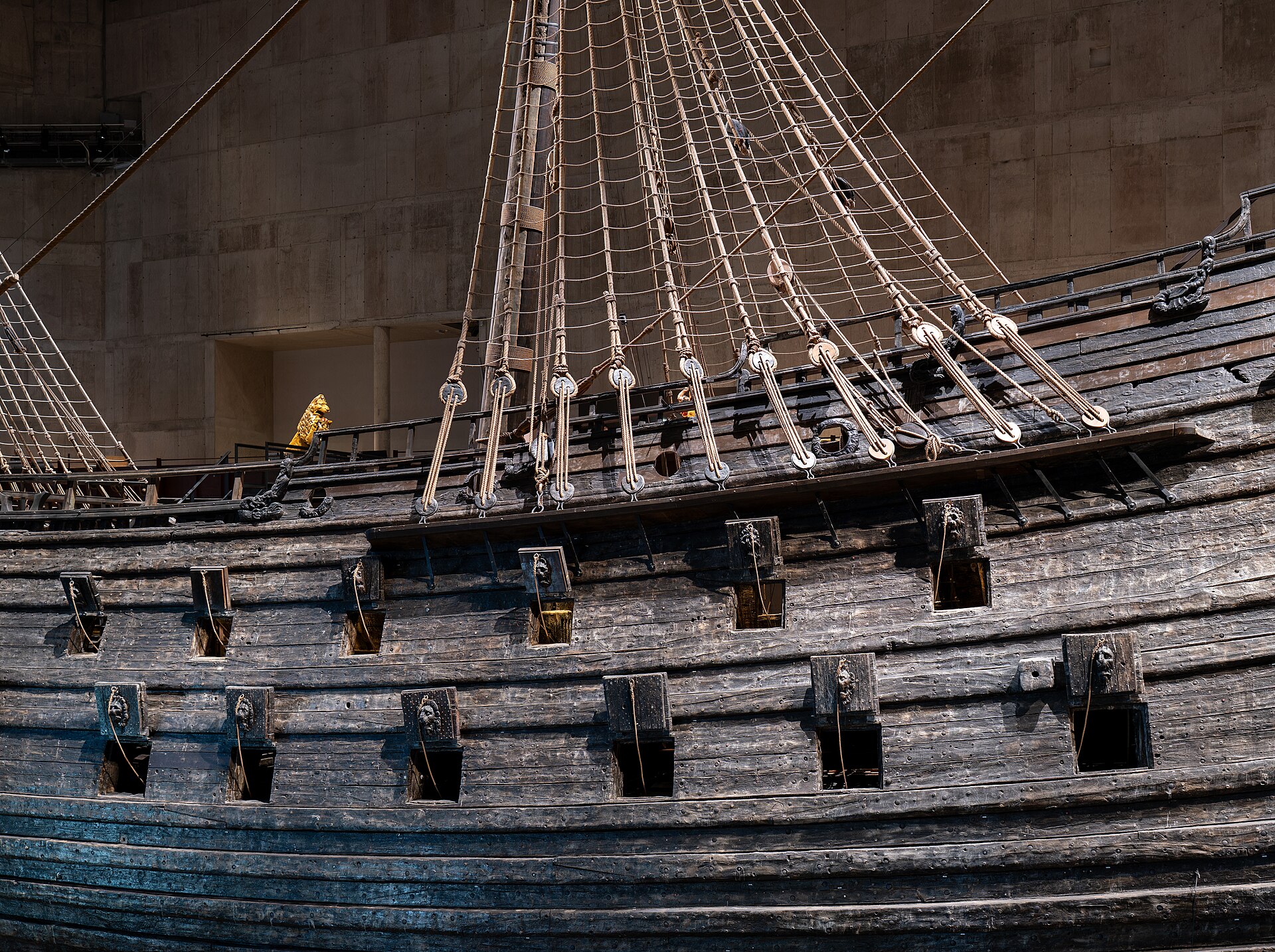
The Vasa Museum. In 1628 the warship Vasa — the most powerful ship Sweden had ever built — sank barely 1,300 metres into her maiden voyage, in full view of the city. Raised in 1961 almost entirely intact, she is the world’s only preserved 17th-century ship, and the museum built around her is quite simply unmissable: seven levels of viewing platforms, the salvaged sculptures, and the surprisingly moving exhibition of the people who were on board. Go at opening time; by late morning the school groups and cruise crowds arrive. Allow 90 minutes to 2 hours. (If you did not take the Day 1 combined tour, a guided visit is still worth it — the ship’s story is in the details a guide points out.)
Then choose your second museum. You realistically have time for one more big one, plus a wander:
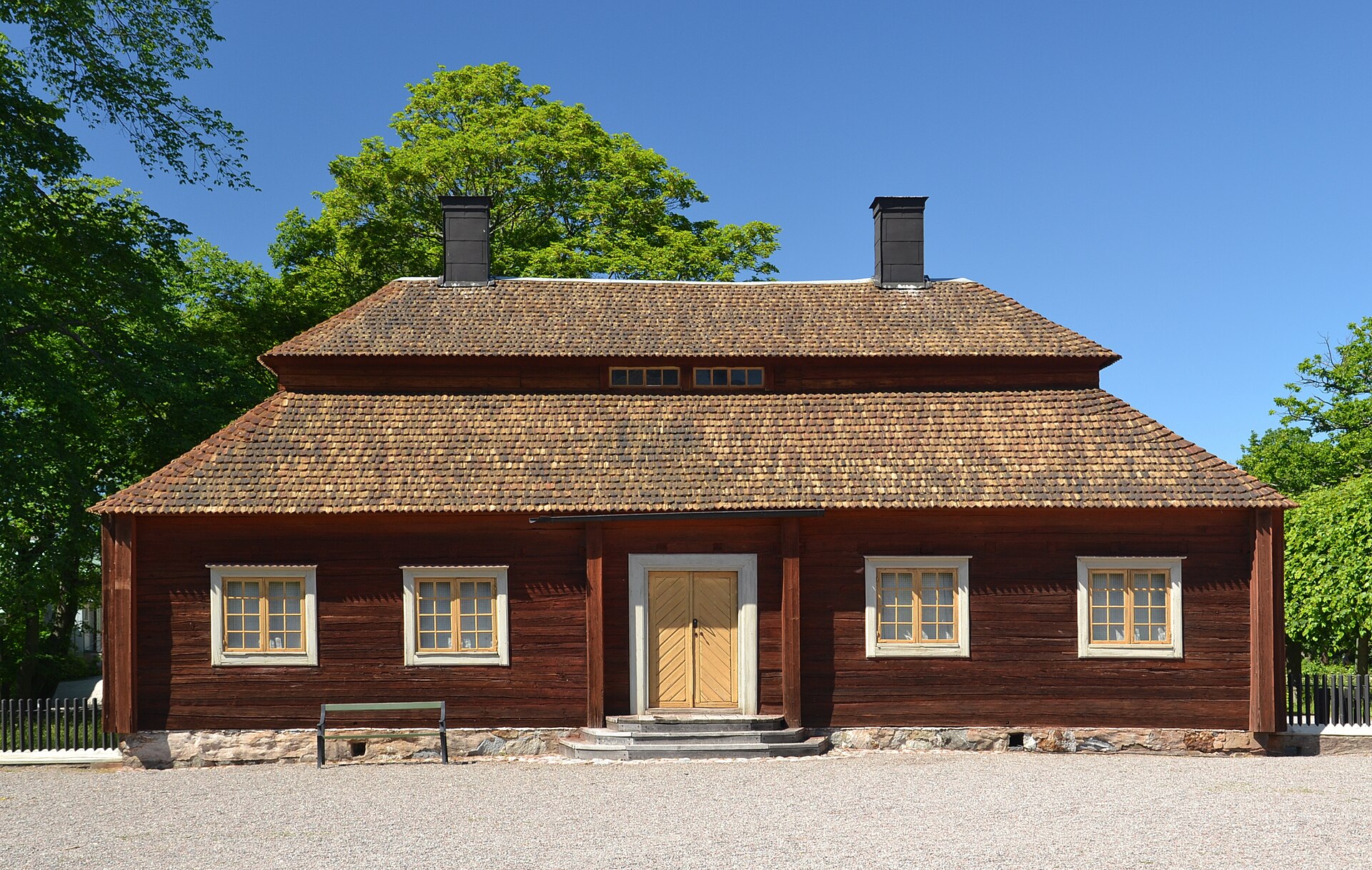
- Skansen — the world’s oldest open-air museum (founded 1891), a hillside Sweden-in-miniature of some 150 historic houses, farms and workshops moved here from across the country, with Nordic animals including elk, bears and lynx. Best with children, and best in good weather; allow 2–3 hours minimum.
- ABBA The Museum — unapologetically joyful and interactive: sing in the Polar Studio, try on the costumes virtually, and walk through the story of Sweden’s biggest cultural export. Book a timed entry in summer.
- The Nordic Museum (Nordiska museet) — the grand, cathedral-like building next to the Vasa, telling five centuries of Swedish everyday life, from Sámi culture to modern design. The quieter, deeper pick.
Evening: walk back along the Strandvägen waterfront — Stockholm’s grandest boulevard — into Östermalm, and eat at Östermalms Saluhall, the beautiful 1880s food hall, or book a table nearby. If you have energy left, Gröna Lund, Djurgården’s harbourside amusement park, glows across the water in summer and stays open late.
Day 3: A Palace, an Archipelago, or Södermalm — Pick Your Stockholm
Day 3 is a genuine choice, and the right answer depends on the season and your pace. All three options below are excellent; do not try to combine two of them properly in one day.
Option A: Drottningholm Palace (best in spring to autumn)
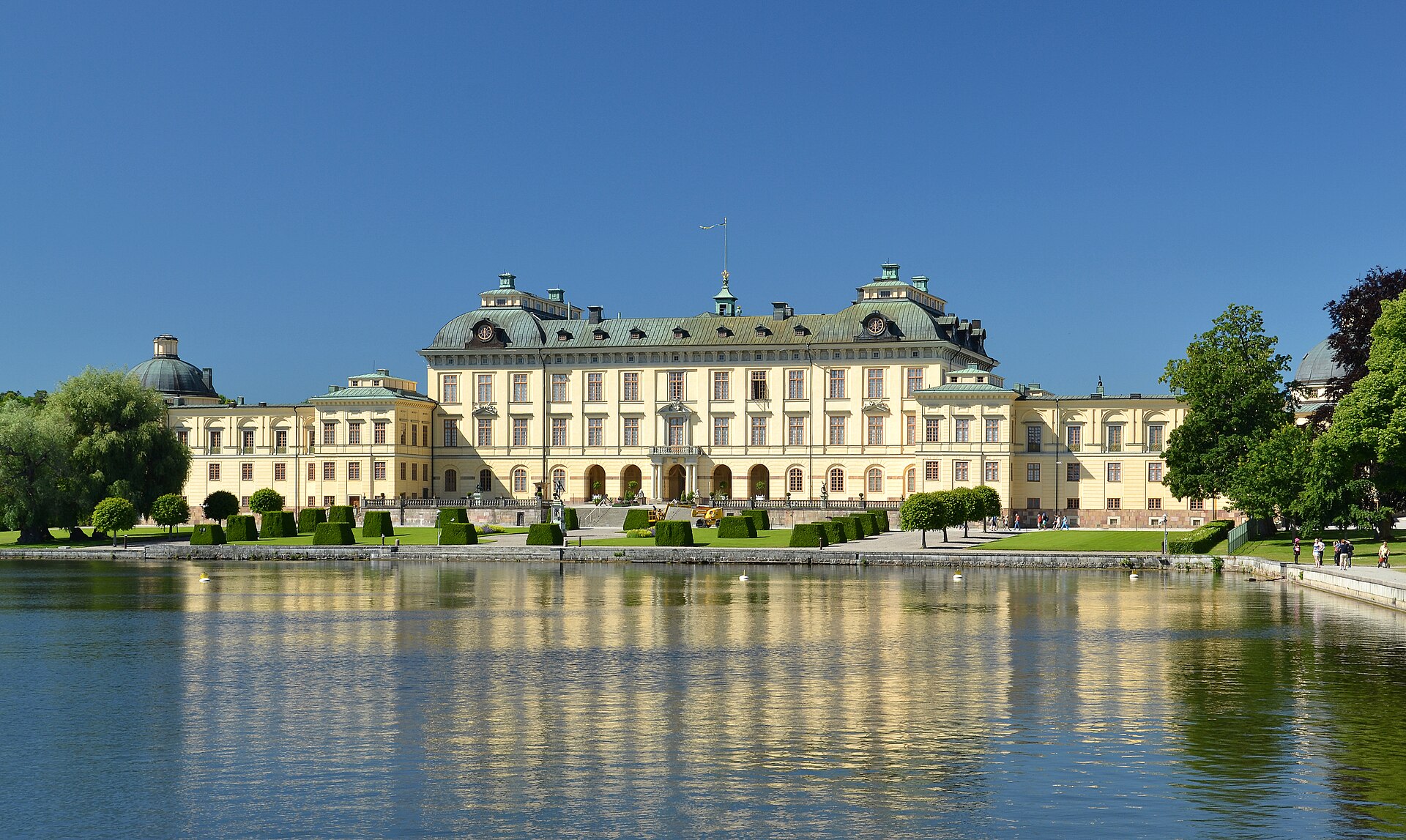
The private residence of the Swedish royal family and a UNESCO World Heritage site, Drottningholm sits on Lovön island about an hour from the centre by boat from the City Hall pier — and the boat ride along Lake Mälaren is half the pleasure. The 17th-century palace itself, the perfectly preserved 1766 court theatre (one of the oldest theatres in the world still in its original state), and the Chinese Pavilion in the gardens make an easy half-to-full day. Boats are seasonal, roughly spring to autumn; outside that, bus and metro-plus-bus combinations still get you there.
Option B: The Archipelago (best in summer)
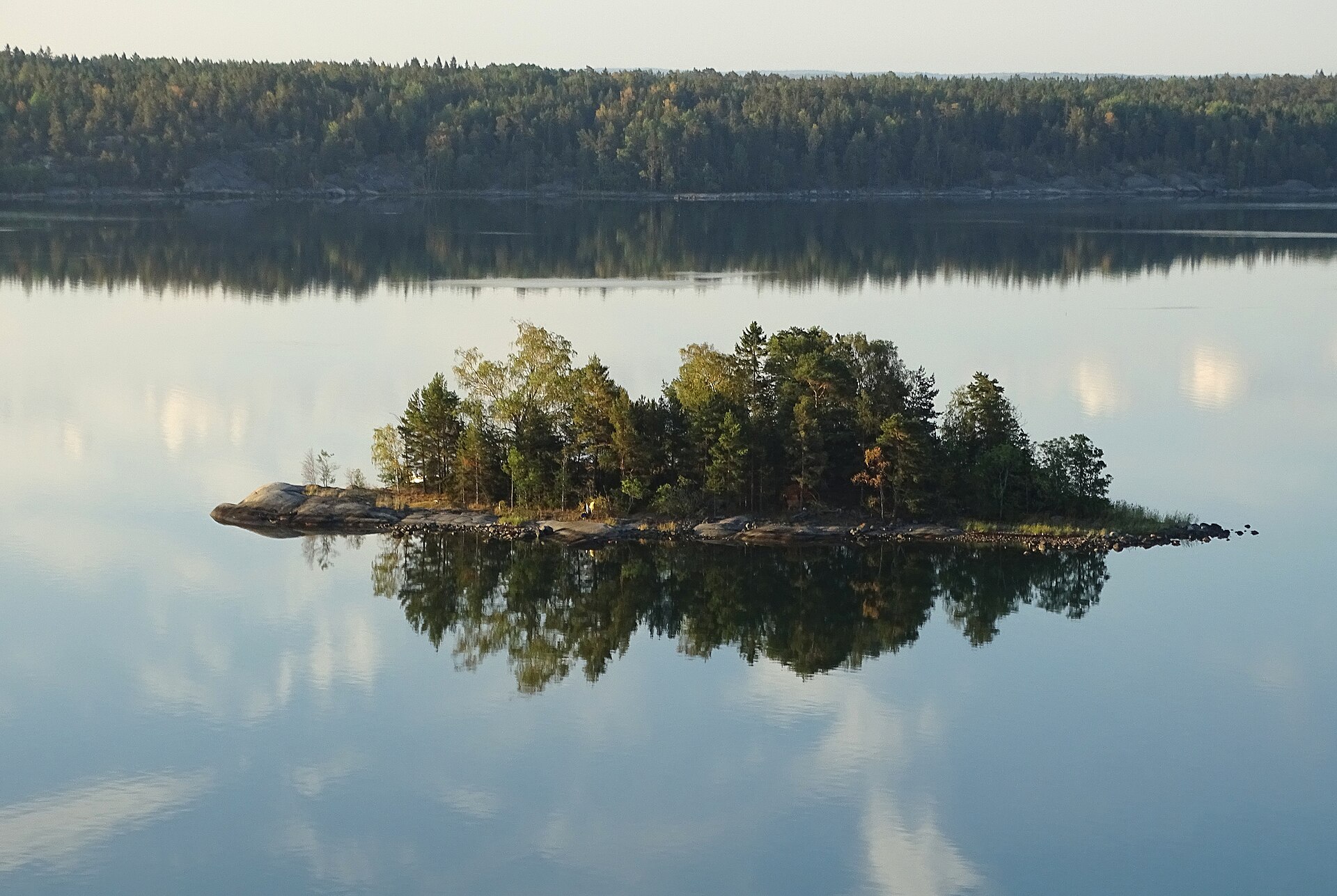
The Stockholm archipelago — some 30,000 islands, islets and skerries — is the city’s other half, and seeing Stockholm only from land is seeing half of it. If you have a full spare day, ride a ferry out to an island such as Vaxholm (the “capital” of the archipelago, about an hour away, with a fortress, cafés and swimming spots) and wander. Short on time, the live-guided archipelago cruise on GetYourGuide (2 hours, rated 4.5 from more than 6,400 reviews) sails from in front of the Royal Palace past Fjäderholmarna and Tegelön with a guide explaining island life — the highest-reviewed short cruise we found on either platform, and the one we’d book. Either way, sit outside if the weather allows: red summer cottages, pine-covered granite and sailboats are the whole point.
Option C: Södermalm and City Hall (best in winter, or for slow travellers)
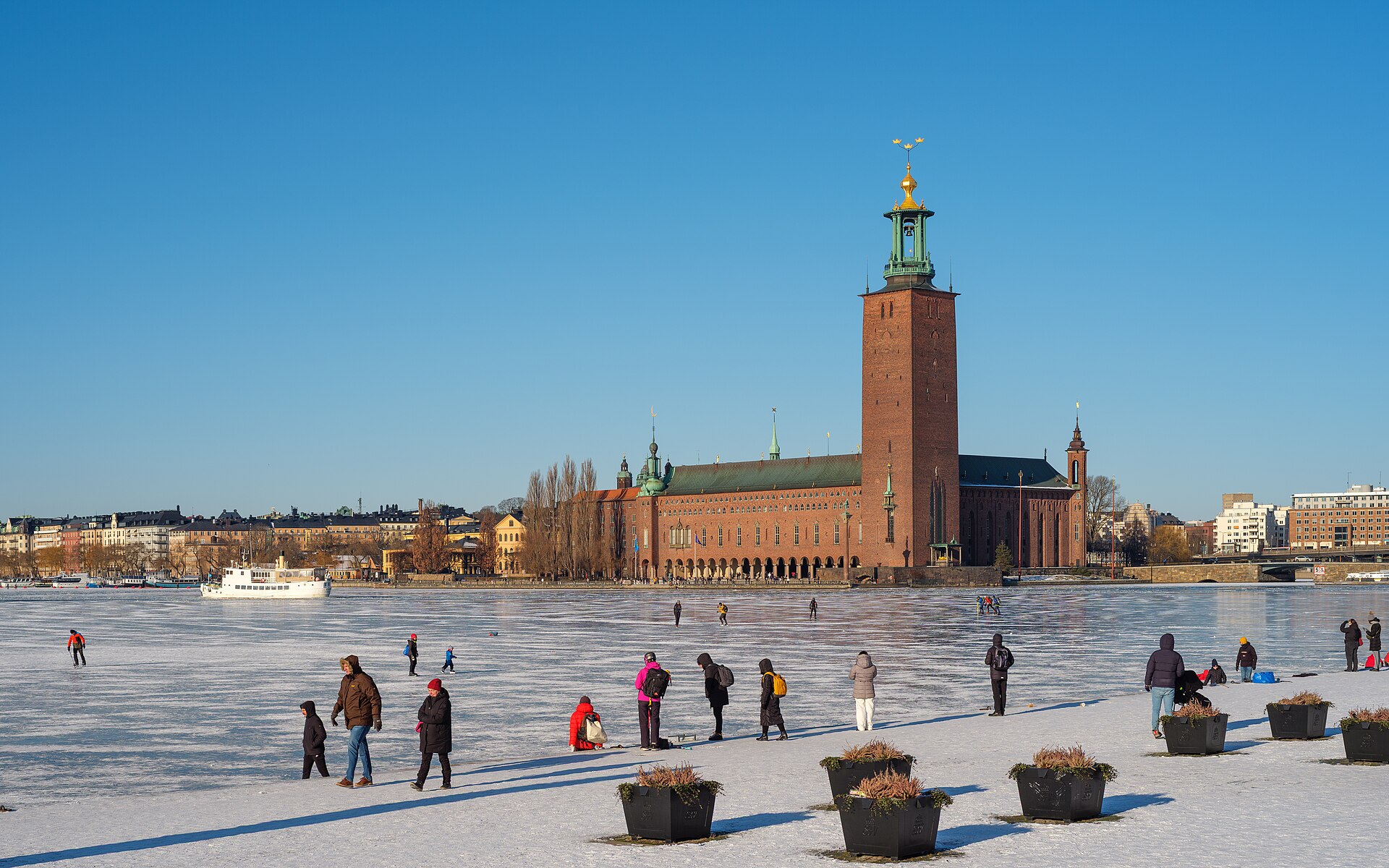
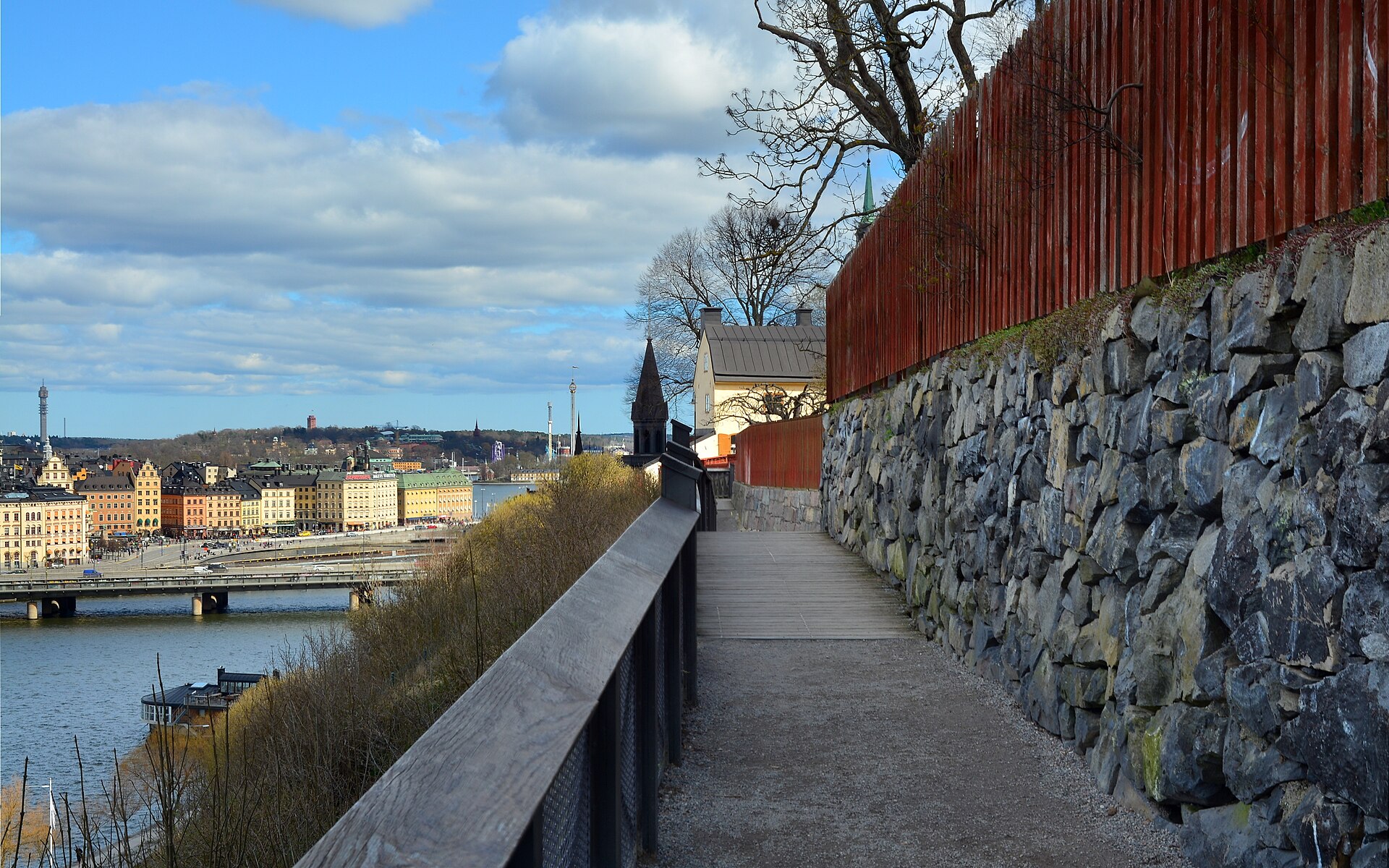
Stay in the city. Start at Stockholm City Hall on Kungsholmen — the brick landmark whose 106-metre tower you have been photographing all trip. Guided tours (the only way inside) take you through the Blue Hall, where the Nobel Prize banquet is held each December, and the Golden Hall, glittering with 18 million gold mosaic pieces. In summer you can also climb the tower for the classic view over Gamla Stan. Then cross to Södermalm, the big southern island: walk the Monteliusvägen clifftop path for the postcard view across Riddarfjärden bay, browse the vintage shops and independent boutiques of the SoFo district around Nytorget, and finish at Fotografiska, the contemporary photography museum in a former customs house on the waterfront — open late, with a café-bar whose windows frame the harbour. It is the most “local” day of the three, and the one repeat visitors tend to choose.
Where to Stay and When to Go
For a first 3-day trip, base yourself in Norrmalm (the modern centre — maximum convenience, Central Station on your doorstep) or in Gamla Stan itself (maximum atmosphere, cobbles and early-morning quiet; pack light, as lanes are steep and uneven). Östermalm is the polished, upscale option; Södermalm the creative, better-value one. A dedicated where-to-stay guide for Stockholm is coming soon; in the meantime the neighbourhood logic in our Reykjavik in 3 Days itinerary will feel familiar — Nordic capitals reward staying central and walking.
When to go: late May to early September brings long days (nearly 19 hours of daylight at midsummer), archipelago boats, outdoor cafés and swimming. December is the counter-argument: short, dark, atmospheric days, Christmas markets at Skansen and in Gamla Stan, and Nobel Week Lights. January and February are cold and quiet, with the cheapest hotels and museums to yourself. Shoulder months (April, October) are the gamble — pack layers either way, because wind off the water makes Stockholm feel colder than the thermometer says.
Practical Tips That Will Save You Time and Money
- Book the Vasa strategy, not just the ticket. First entry of the day or a tour with entry included; never arrive at noon in July and queue.
- Use the dagens lunch. Weekday set lunches (often including salad, bread, coffee and water) are Stockholm’s great budget secret — the same kitchens charge double at dinner.
- Ferries are transport, not just tours. SL tickets cover harbour ferries such as the Djurgården ferry (line 82), one of the cheapest scenic rides in the city.
- Midsummer warning. Around the Midsummer weekend (late June) the city empties — Stockholmers leave for the archipelago, many restaurants close, and Skansen hosts the celebrations instead. Magical if you plan for it, baffling if you don’t.
- Daylight planning. In summer, schedule museums for mornings and save waterfront walks for the golden evenings; in winter, reverse it — be outdoors in the precious midday light.
Is Three Days Enough for Stockholm?
Three days covers Stockholm’s essentials honestly: the medieval core, the Vasa, a second great museum, and one real excursion beyond the centre — plus the fika, the food hall and the waterfront walks that turn a sightseeing list into a trip. What it won’t cover is the deep archipelago, Uppsala’s Viking-age history an hour north, or a second slow day in Södermalm. Treat those as your reason to return — most people who follow this itinerary start planning exactly that on the ferry back from Djurgården. For more 3-day city frameworks like this one, see our collection of perfect 3-day Europe itineraries.