
Krakow rewards a slow few days — but some of Poland’s most powerful places sit just beyond the city walls. A salt cathedral carved 135 metres underground, the lakes and peaks of the High Tatras, a traditional raft ride through a limestone gorge, and the memorial at Auschwitz-Birkenau all make straightforward day trips, most of them under two hours away. If you are building your days around our Krakow in 3 Days itinerary, this guide ranks the trips genuinely worth one of those days — and is honest about the ones that need the right expectations.
Never forget a thing before you fly. My free 8-page Travel Planning Checklist walks you through the whole trip — 6 planning timelines, 36 checks, from booking windows to travel-day basics. One email, no spam, unsubscribe anytime.
For each of the three big bookable trips, I compared the leading tours on Viator and GetYourGuide side by side — total price once entrance fees are counted, review depth, and what is actually included — and linked the better-value option. Prices below are typical “from” prices and move with season and demand, so check the live calendar before you commit.
Disclosure: This post contains affiliate links. If you book through one of these links, I may earn a commission at no extra cost to you.
At a Glance: The Best Day Trips from Krakow
- Most important: Auschwitz-Birkenau Memorial and Museum — 66 km, 6–7 hours door to door. Book weeks ahead; entry is online-only.
- Best half-day: Wieliczka Salt Mine — 14 km, 4–5 hours door to door. Easy to pair with a free afternoon in Kazimierz.
- Best full day out: Zakopane and the Tatra Mountains — 110 km, a long 11-hour day with mountain views and thermal baths.
- Best in summer: Dunajec Gorge rafting — seasonal, April to October.
- Best short and cheap: Ojców National Park — about 25 km, Poland’s smallest national park.
1. Auschwitz-Birkenau: The Essential Day Trip
There is no way to write about this trip lightly, and it should not be sold like one. At Oświęcim, about 66 km west of Krakow, more than 1.1 million people — the great majority of them Jews — were murdered between 1940 and 1945. A visit means walking the barracks, exhibitions and crematoria ruins of Auschwitz I, then the vast open expanse of Birkenau, where the scale of the crime becomes physically impossible to ignore. Allow 6–7 hours door to door from Krakow, with around 3.5 hours on site with a museum educator.
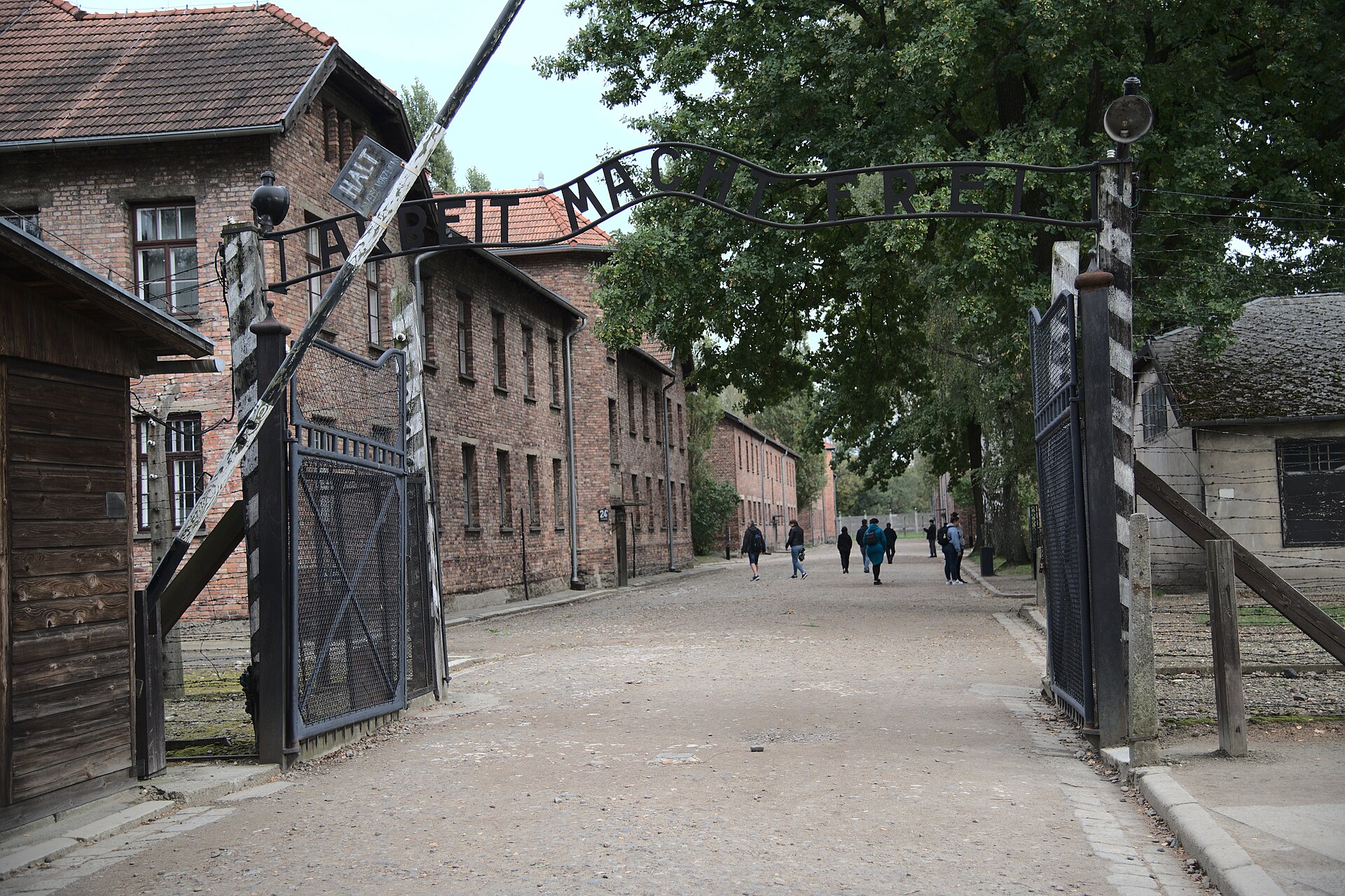
The booking rule that catches people out: since 1 March 2026, entry passes for Auschwitz-Birkenau are sold exclusively online at the museum’s official booking site — for guided tours and free entry alike. Nothing is sold at the gate. Passes are personalised, so bring photo ID that matches the name on your booking, and booking opens 90 days ahead — in peak season, guided slots in English sell out well before the day. The museum does not recommend visits for children under 14.
The organised tour I recommend after comparing both platforms is the Auschwitz-Birkenau guided tour with hotel pickup from Krakow. It is one of the most-reviewed Auschwitz tours anywhere (tens of thousands of reviews, rated around 4.5–4.6), runs 7–10 hours depending on the option you pick, includes your entry and a licensed guide, and offers free cancellation up to 24 hours before — which matters when you are booking two or three months out. Comparable minivan tours on Viator cost considerably more with a fraction of the review history. Whichever route you choose, book this one first and plan the rest of your Krakow days around it.
Skip it if: you are travelling with young children, or you arrive in Krakow without a booking in high season and the online passes have gone — do not travel to Oświęcim hoping for walk-up entry, because there is none.
2. Wieliczka Salt Mine: The Underground Cathedral
Just 14 km southeast of Krakow, miners worked salt at Wieliczka from the 13th century — and carved their workplace into art. The Tourist Route descends to about 135 metres below ground through chambers of salt sculptures, underground lakes and chapels, ending in the Chapel of St Kinga: a full church — chandeliers, altarpieces, a Last Supper relief — carved entirely from rock salt. The mine was among the very first sites inscribed by UNESCO in 1978.
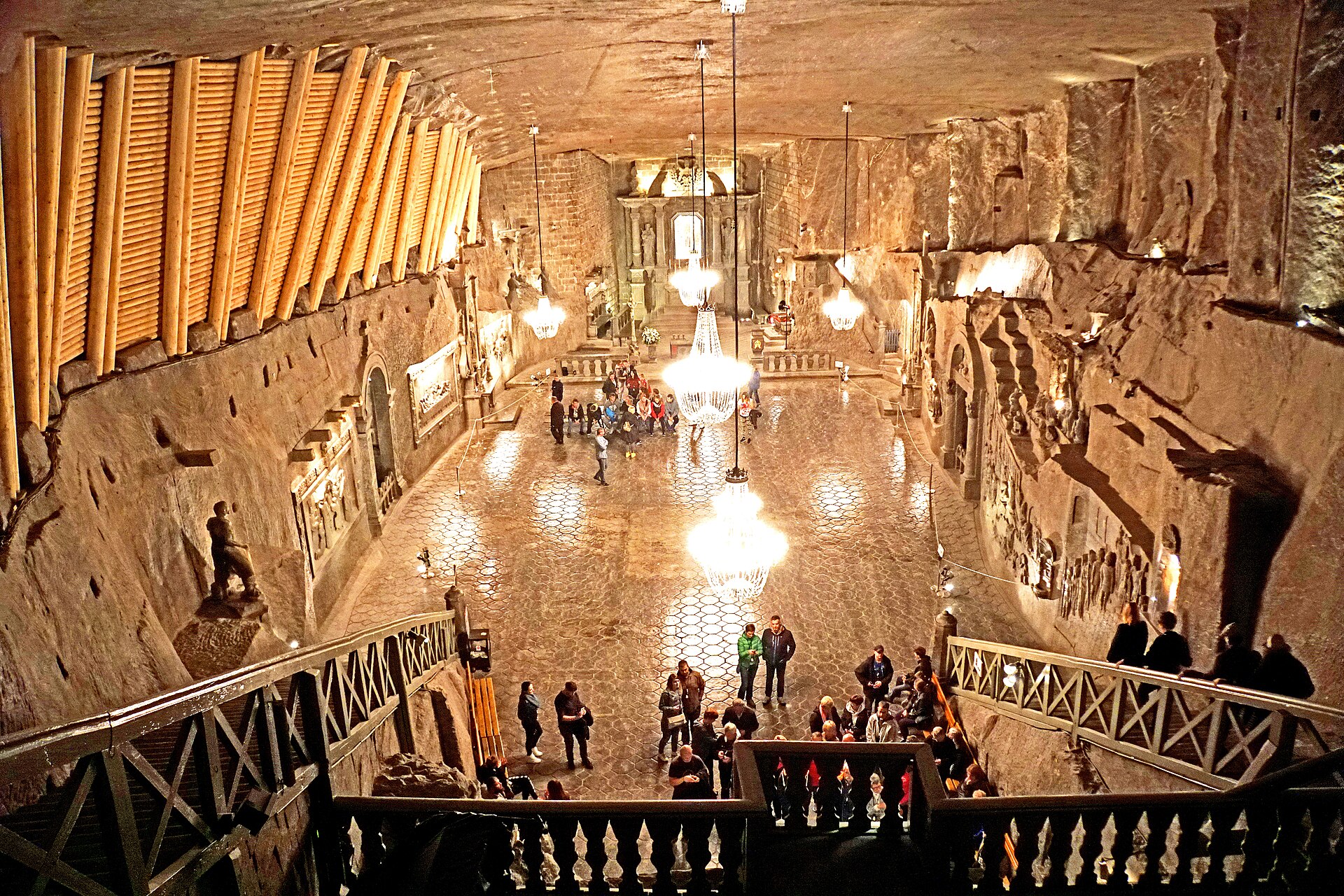
Practicalities: the route is guided-only and takes about 2–2.5 hours underground (4–5 hours door to door from Krakow). Expect roughly 800 steps in total — about 380 of them in one long descent at the start — though a lift brings you back up. It stays 14–16 °C underground year-round, so bring a layer even in August. Confirmed claustrophobia is the main reason to sit this one out.
Watch the entrance-fee trap: several Wieliczka tours advertise a tempting headline price that quietly excludes the mine’s entrance ticket — around €38 per person, payable on the day — which can push the true cost past $70. The tour I link, the Wieliczka Salt Mine guided tour with transfer from Krakow, is rated 4.5 across more than 11,000 reviews, runs 3–4 hours with transfers included, has free cancellation up to 24 hours before, and its main option includes entry — so the price you see is much closer to the price you pay. Going independently is also easy: the SKA1 train runs from Kraków Główny to Wieliczka Rynek-Kopalnia in about 25 minutes, but you must still book your mine ticket for a timed guided slot.
3. Zakopane and the Tatra Mountains: Poland’s Winter Capital
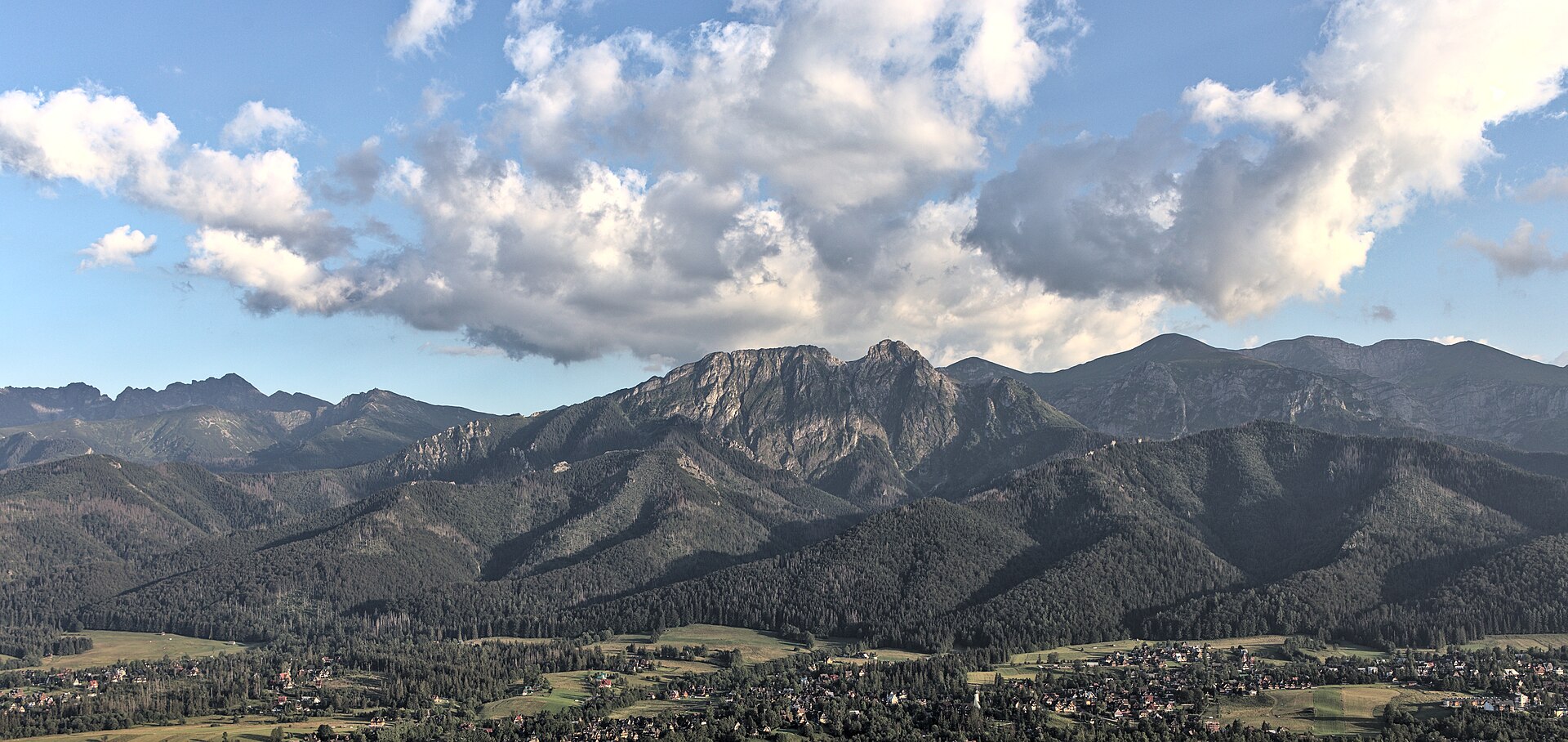
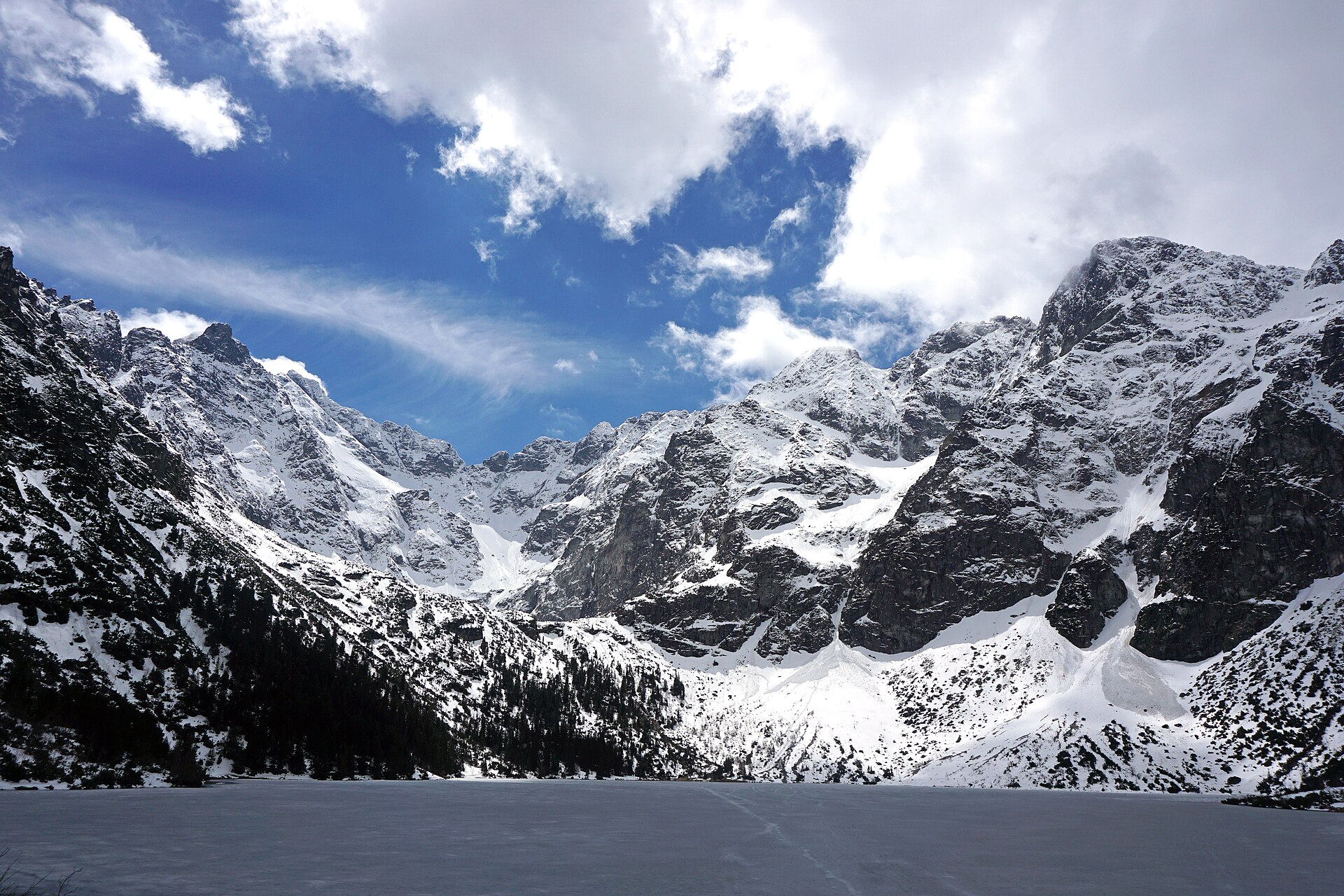
Zakopane, about 110 km south at the foot of the High Tatras, is the day trip Krakow locals take themselves. It is a proper mountain town: wooden highlander architecture, the lively Krupówki pedestrian street lined with stalls selling smoked oscypek cheese, and the Gubałówka funicular climbing to a ridge with the classic panorama back across town to the peaks. The honest warning is the road — the famous Zakopianka takes 2–2.5 hours each way, longer on winter weekends — so this is an early start and a full 11-hour day, not a casual afternoon.
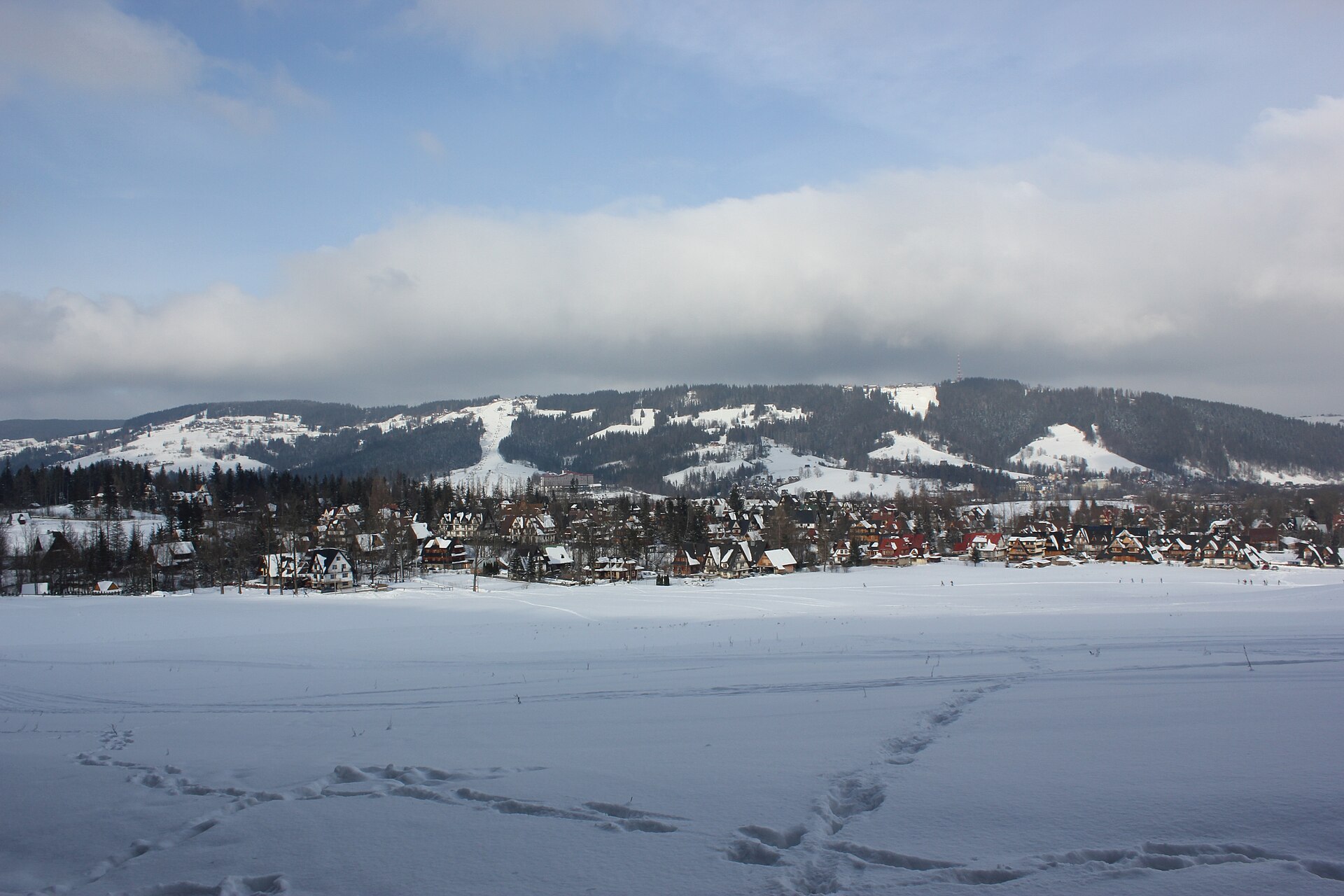
The best-value organised version, after comparing platforms, is the Zakopane day trip with cable car, Chochołów thermal baths, cheese and vodka tasting — rated 4.8 across more than 11,000 reviews, with free cancellation up to 24 hours before. Crucially, the headline price includes the two big extras that rival tours charge on the day: the funicular ride and a full three hours at the Chochołów thermal baths, the largest in the Podhale region, where the outdoor pools sit at around 36 °C under the mountain skyline. On some Viator equivalents those two items alone add roughly $38 per person on site, turning a cheaper-looking ticket into the more expensive day. Note that the baths close briefly for scheduled maintenance (late October as I write), when the itinerary substitutes a comparable nearby thermal complex — check the live description for your date.
About Morskie Oko: the famous emerald lake beneath Poland’s highest peak is often bundled into Zakopane trips, but be clear-eyed — from the Palenica Białczańska trailhead it is an 8–9 km paved walk each way, about 2–2.5 hours up. As a Krakow day trip it must be the day’s only focus, in proper footwear, with an early start. If your tour promises Morskie Oko plus town time plus thermal baths, something will be rushed.
4. Dunajec Gorge Rafting: The Gentle Summer Classic
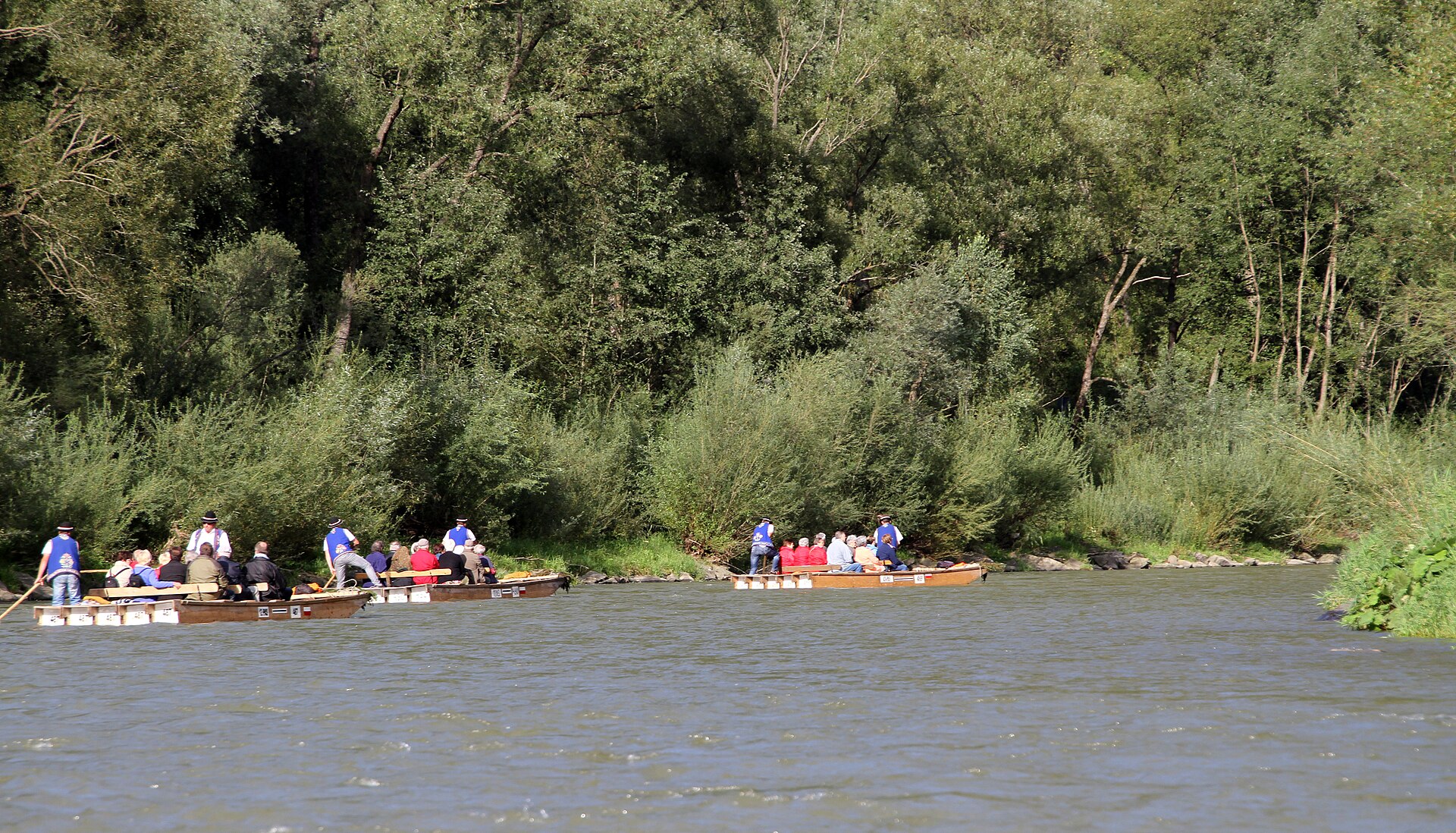
For something slower, traditional wooden rafts have floated the Dunajec Gorge in the Pieniny Mountains since the 19th century, steered by raftsmen in highlander dress. The classic run starts at Sromowce Kąty and drifts 18 km (about 2 hours 15 minutes) between limestone cliffs to Szczawnica. This is a scenic float, not whitewater — the excitement is the scenery and the stories. The season runs from 1 April to 31 October, and from Krakow it is a 7–8 hour day in total. There is no single dominant bookable tour here, so most travellers either join a combined Pieniny tour in season or drive; go between May and September for the fullest schedule.
5. Ojców National Park: The Easy Half-Day
Only about 25 km — roughly half an hour — north of Krakow, Ojców is Poland’s smallest national park, and it packs in a Renaissance castle at Pieskowa Skała (a branch of Wawel’s collections), the 25-metre limestone column known as Hercules’ Club, castle ruins, caves and wooded valleys. It is the right call when you want countryside without committing a whole day, and it pairs naturally with a lazy evening back in the city. Set expectations honestly: this is gentle, pretty Poland, not a headline attraction.
Also worth knowing: families often ask about Energylandia, Poland’s largest amusement park, at Zator about 50 km west of Krakow — around an hour by shuttle or train-plus-bus, and an easy win with teenagers.
Should You Combine Auschwitz and Wieliczka in One Day?
Plenty of tours sell exactly that combination, and I understand the appeal when time is short. But be honest with yourself about what it means: a 10–11 hour day, an emotionally demanding morning at a memorial followed by a brisk march through the salt mine, and no quiet evening to process any of it. My recommendation is separate days if you have them — Wieliczka is only a half-day and slides easily into a free afternoon. Book the combo only as the time-poor compromise, and keep the following morning unscheduled.
Practical Tips for Krakow Day Trips
- Book Auschwitz first. The 90-day online booking window and personalised passes make it the one trip that cannot be improvised in season.
- Mind your pickup point. Most tours collect from Old Town, Kleparz and Kazimierz hotels; if you are based across the river in Podgórze you may be asked to walk to a central meeting point — one more reason our Where to Stay in Krakow guide flags pickup coverage by neighbourhood.
- Count the true price. On Wieliczka and Zakopane tours, entrance fees, funiculars and baths are the three extras most often excluded from headline prices. Compare totals, not tickets.
- Use free cancellation. All three recommended tours above allow free cancellation up to 24 hours before — book early to lock your date, then adjust if plans change.
- Dress for two climates. Wieliczka is 14–16 °C and the Tatras run 5–10 degrees cooler than Krakow, whatever the city forecast says.
Krakow’s day trips divide neatly into three moods: remember, marvel, and breathe mountain air. Give Auschwitz the respect of its own day, let Wieliczka surprise you, and save Zakopane for your clearest forecast. Planning a wider Central Europe route? Our Prague in 3 Days itinerary pairs naturally with Krakow — the two cities share the same rhythm of old towns, castle hills and very good beer.