
Munich is one of the best bases in Germany for day trips. Three of the country’s most memorable days out start at the Hauptbahnhof in the morning and have you back in a beer garden by evening — and they could not be more different from each other. One is a fairytale castle in the Alps, one is the most sobering history lesson in Europe, and one crosses the border into Mozart’s Austria. If you are building your trip around our Munich in 3 Days itinerary, a fourth day given to any of these three is a day well spent. Here is how the three classic options compare, what each one really involves, and which one deserves your day.
Never forget a thing before you fly. My free 8-page Travel Planning Checklist walks you through the whole trip — 6 planning timelines, 36 checks, from booking windows to travel-day basics. One email, no spam, unsubscribe anytime.
Disclosure: This post contains affiliate links. If you book through one of these links, I may earn a commission at no extra cost to you.
The three trips at a glance
- Neuschwanstein & Linderhof: the fairytale day. A full-day guided trip from Munich rated 4.6 from over 17,000 reviews, from around $85. Castles, Alpine scenery, and the palace that inspired Disney.
- Dachau Memorial: the essential half day. A guided tour from Munich by train rated 4.8 from more than 6,200 reviews, from around $61. Four to five hours, and the most important history you will take home from Bavaria.
- Salzburg: the cross-border day. A day trip from Munich by train rated 4.7 from over 1,800 reviews, from around $89 for 9.5 hours. Mozart, a fortress-topped old town, and a second country in a single day.
1. Neuschwanstein and Linderhof: the fairytale day
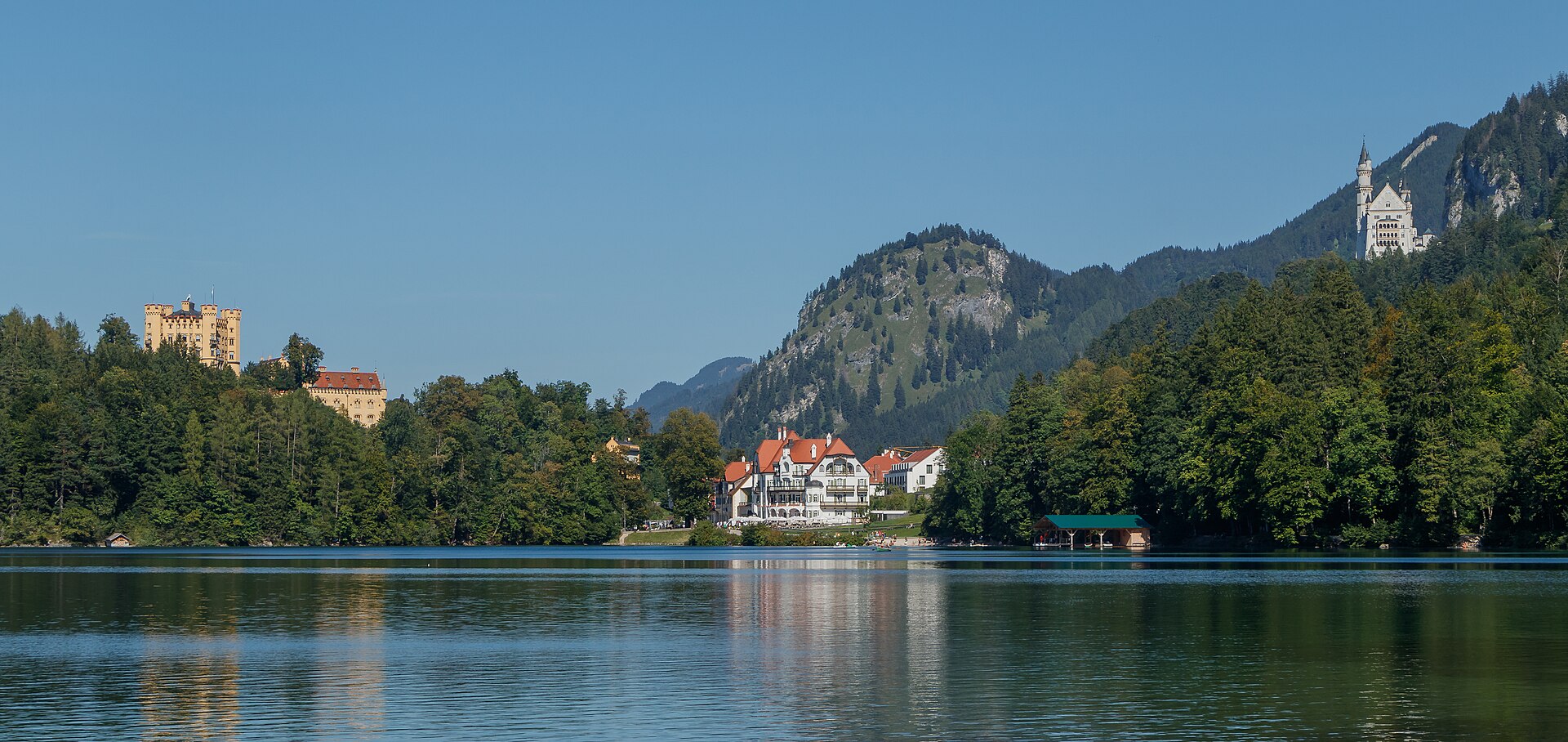
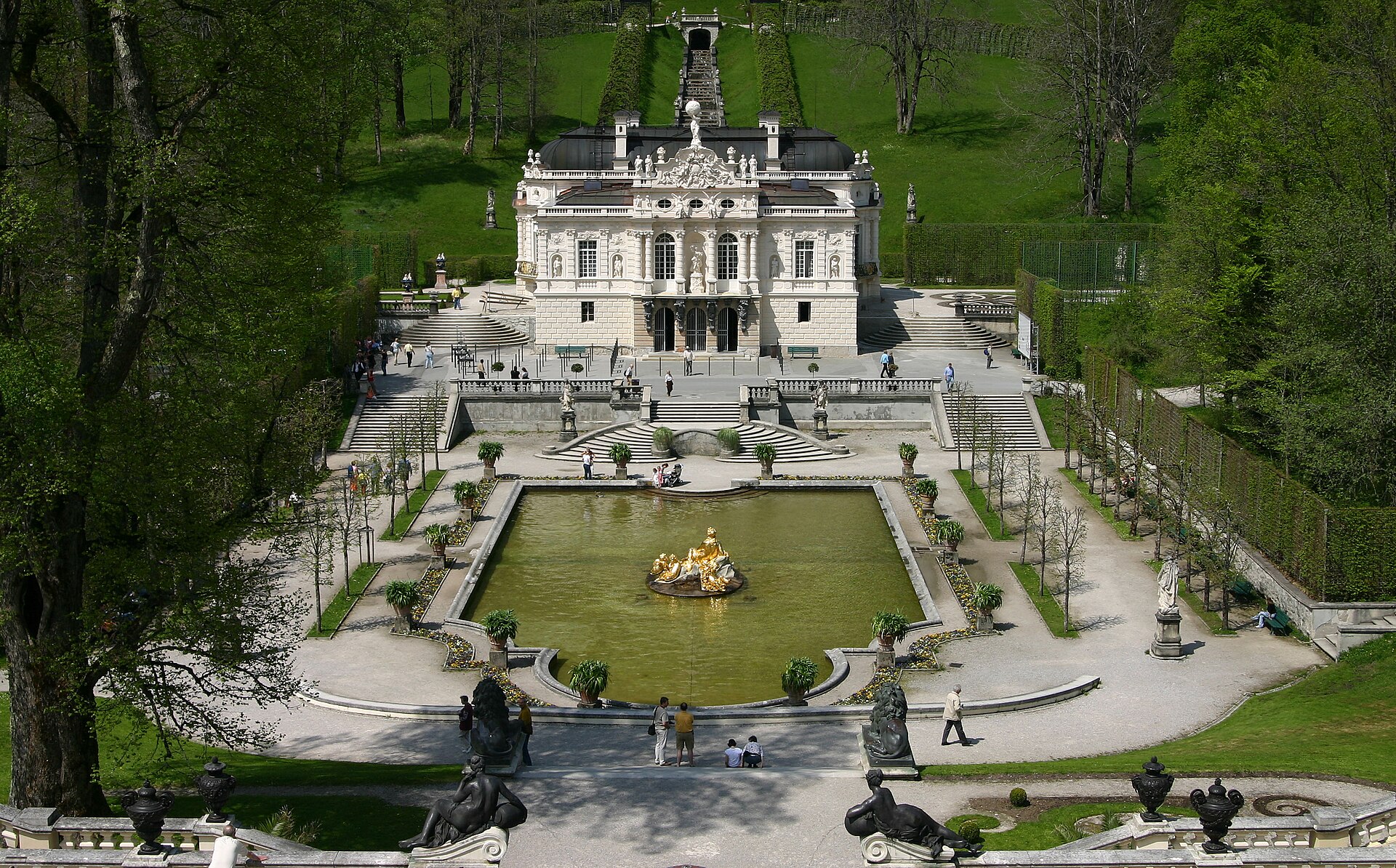
Neuschwanstein is the castle on every Bavaria postcard — the white towers above Hohenschwangau that Walt Disney used as the model for Sleeping Beauty’s castle. What surprises most first-timers is that a guided day from Munich usually pairs it with Linderhof, King Ludwig II’s smaller, jewel-box palace in the Graswang valley, where the king actually lived. Seeing both in one day tells the whole Ludwig story: the intimate palace he finished, and the fantasy fortress he never did.
The day runs long — expect around ten hours door to door, with roughly two hours of driving each way through the Alpine foothills. On the Neuschwanstein and Linderhof full-day trip from Munich, the logistics are handled for you: coach transport, a guided visit to Linderhof, and a timed slot for Neuschwanstein’s interior tour, which can only be seen on a guided walkthrough of its throne room, grotto, and singer’s hall. Between the two castles there is usually a short stop in Oberammergau, the painted-house village famous for its Passion Play.
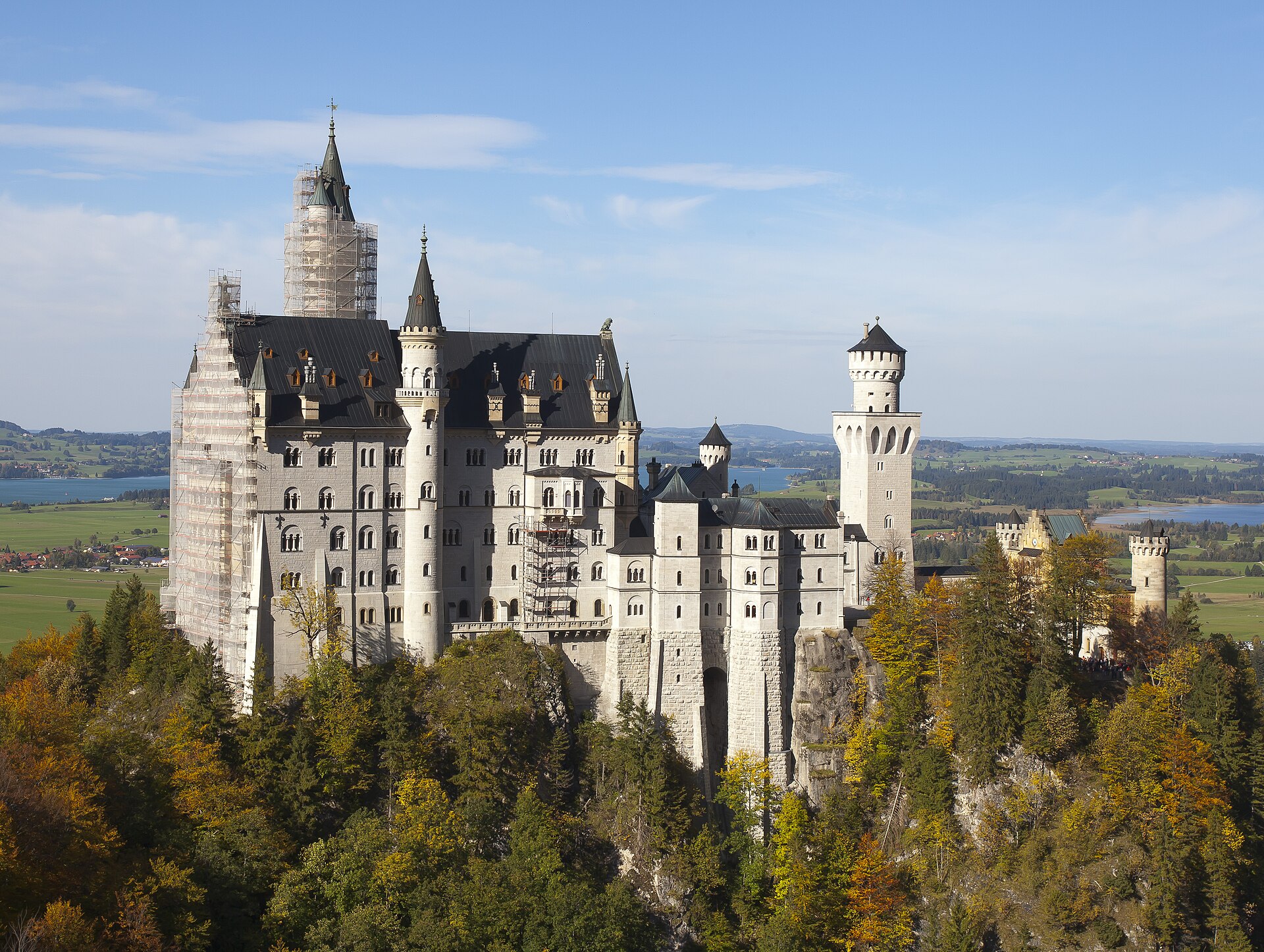
The classic photograph is taken from Marienbrücke, the iron bridge over the Pöllat Gorge behind the castle — build in time for the queue there, because in summer it moves slowly. Two practical warnings. First, book this one ahead: timed-entry tickets for the castle interior sell out in peak season, and a pre-booked tour locks your slot. Second, the walk from the ticket center up to the castle is a steep 30 to 40 minutes; there are horse carriages and a shuttle bus part of the way, but wear real shoes.
Do it yourself? Possible — train to Füssen, bus to Hohenschwangau, then buy timed tickets at the Ticket Center — but the castle tickets cannot be bought at the castle itself, and on busy days the earliest remaining slots can be hours away. For a once-in-a-trip day, the guided version’s guaranteed entry is worth the premium.
2. Dachau Memorial: the essential half day
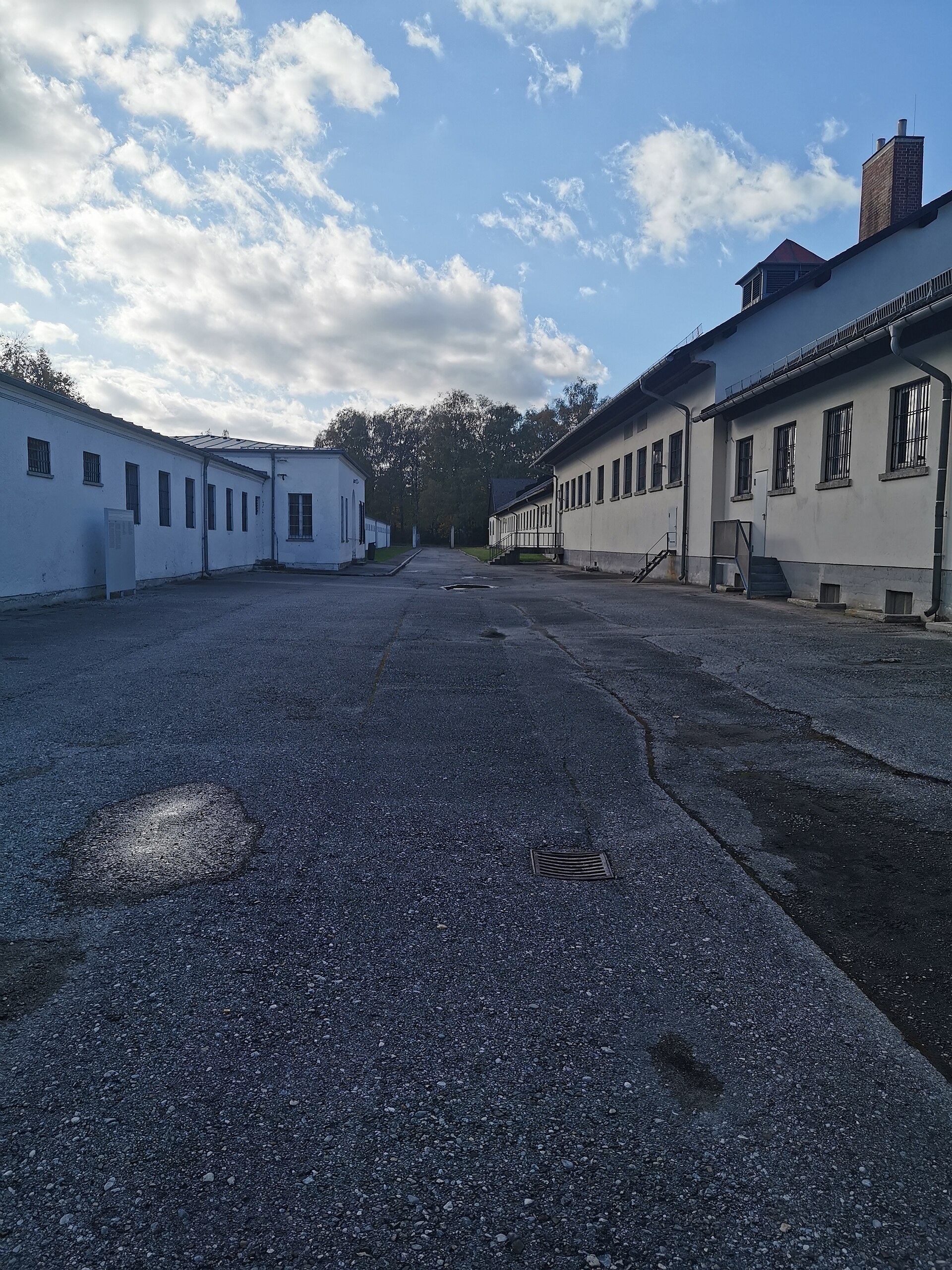
Twenty-five minutes from central Munich by S-Bahn and bus, Dachau was the first Nazi concentration camp, opened in 1933 and used as the model and training ground for the camp system. The memorial site preserves the entrance gate with its infamous slogan, the barracks foundations, the crematorium, and a museum that lays out the camp’s history with a clarity that is hard to shake. It is not an easy visit, and it should not be — but it is the single most important half day you can take from Munich.
The Dachau Memorial tour from Munich by train travels the way locals do — S-Bahn to Dachau station, then the memorial bus — with a licensed guide who gives the site the context it demands. Plan on about five hours total. Entry to the memorial itself is free, so what you are paying for is the guiding, and at Dachau that genuinely matters: the signage is good, but a guide connects names, dates, and individual stories in a way plaques cannot.
Go in the morning, when the site is quietest, and keep your plans for the rest of the day light — most people find they want a slow afternoon afterwards. Photography is permitted in most outdoor areas, but this is a place of remembrance: dress and behave accordingly.
3. Salzburg: Mozart’s city, one train ride away
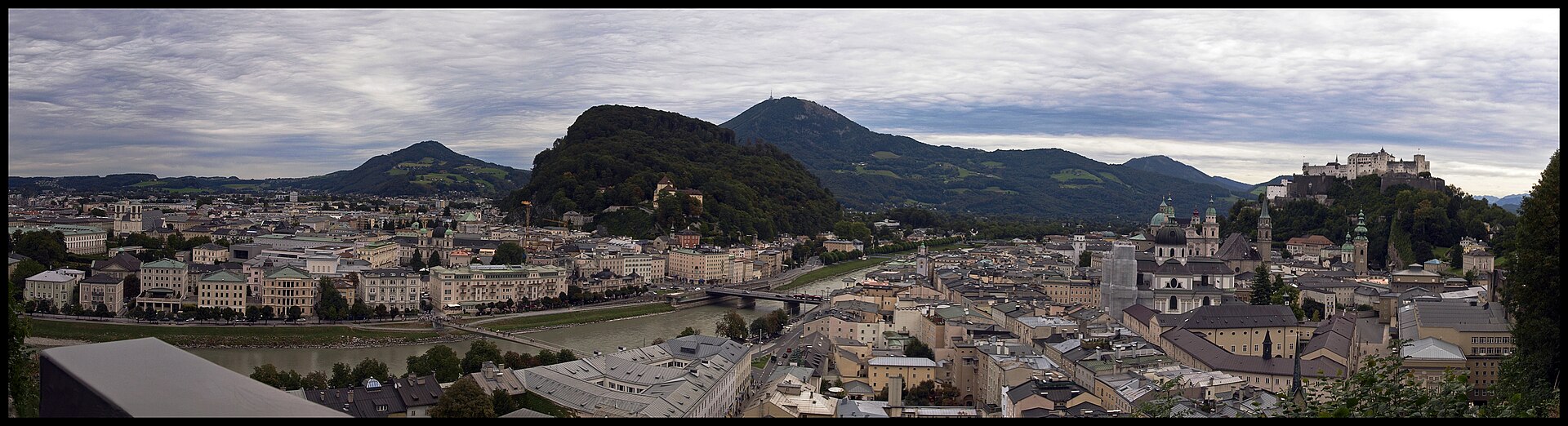
Salzburg is closer to Munich than most of Bavaria — under two hours by train — and it delivers a complete second city in a day: a UNESCO-listed baroque old town, the fortress of Hohensalzburg looming over it, Mozart’s birthplace on the Getreidegasse shopping street, and, for Sound of Music fans, a greatest-hits set of filming locations woven through it all. Austria’s border formalities are a non-event on the train; Munich–Salzburg services run under the same regional ticket arrangements, and your guide handles the rest.
The Salzburg day trip from Munich by train runs about 9.5 hours, with a guided walk through the old town followed by free time to ride the funicular up to the fortress, duck into Mozart’s Geburtshaus, or simply claim a café table and a slice of Salzburger Nockerl. It earns a 4.7 rating from over 1,800 reviews, and cancellation is free up to 24 hours ahead — handy insurance if the Alpine weather turns.
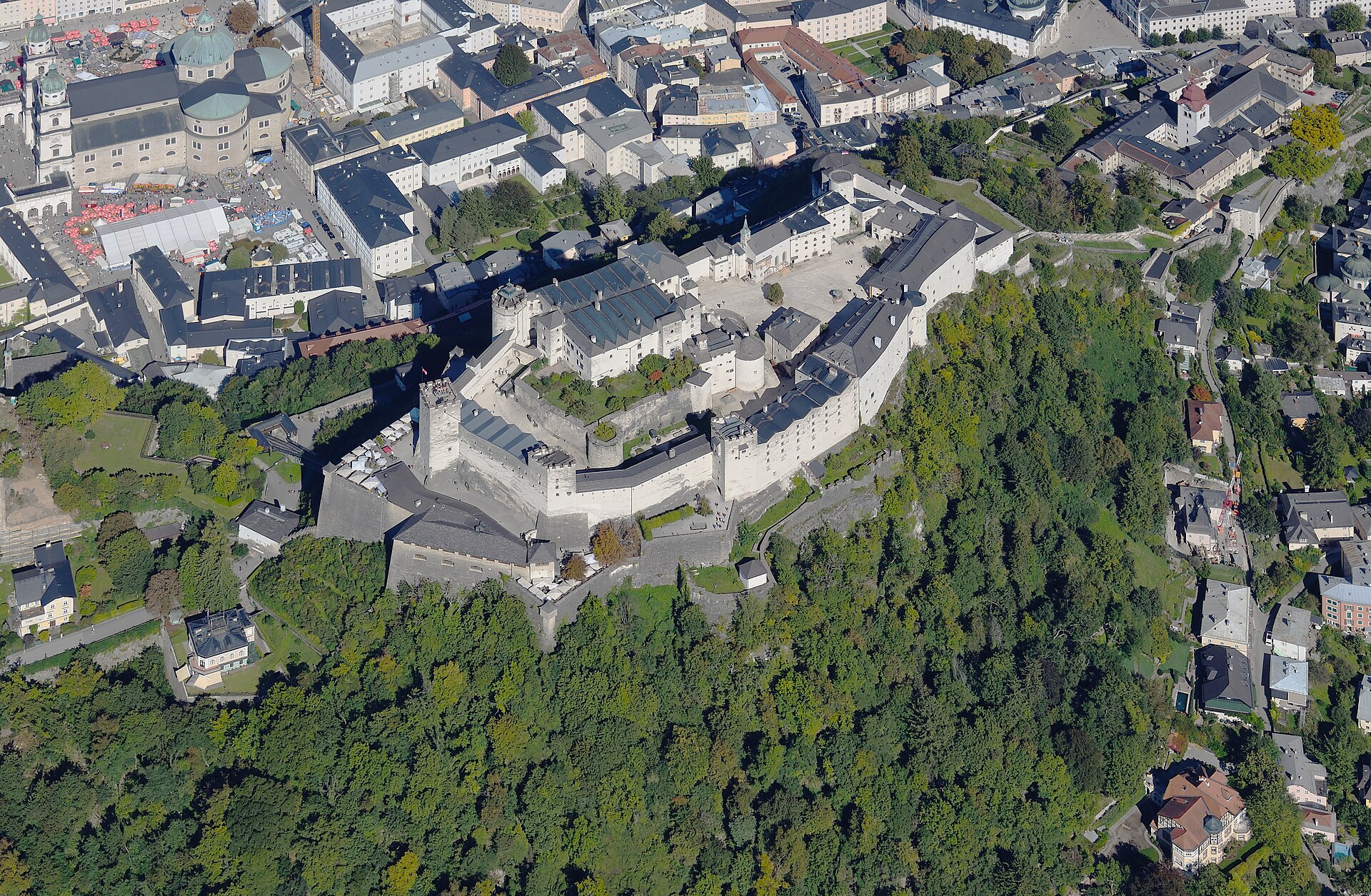
The fortress is the one upgrade worth saying yes to: the views from Hohensalzburg run from the old town rooftops to the Untersberg, the mountain that bookends every Sound of Music panorama. If you only do one paid extra on the day, make it that funicular ride.
Which day trip should you choose?
- First trip to Bavaria, one day to spare: Neuschwanstein and Linderhof. It is the signature day out for a reason.
- You care about history, or time is tight: Dachau. It is half a day, costs the least, and stays with you the longest.
- You love cities, music, or film locations: Salzburg — the most varied day of the three, and a second country for your list.
- Two days to spare: Dachau in the morning of day one, then Neuschwanstein or Salzburg on day two. Do not try to combine the big two; both deserve a full, unhurried day.
Practical tips for all three
- Book ahead in summer. All three trips sell out in July and August, and Neuschwanstein’s interior slots go first.
- Stay near the departures. Most Munich day tours leave from around the Hauptbahnhof and Karlsplatz. Our Where to Stay in Munich guide covers the neighborhoods that make those early starts painless.
- Check cancellation terms, not just prices. All three picks above offer free cancellation at least 24 hours ahead — worth more than a few dollars off if your plans are still moving.
- DIY travelers: the Bayern Ticket covers regional trains across Bavaria for a day, including the S-Bahn to Dachau and trains toward Füssen and (on most services) Salzburg — but it cannot reserve you a Neuschwanstein entry slot.
Whichever you pick, you will end the day the Munich way: back at the Hauptbahnhof by early evening, with the beer gardens of the Altstadt a short walk away. King’s castles, a memorial everyone should see once, or Mozart’s hometown across the border — Munich’s day trips are not filler between city days. On a lot of trips, they turn out to be the day people talk about most.