
Munich rewards travelers who pick the right base. The Bavarian capital is compact and its U-Bahn is excellent, but each neighborhood gives you a different city: step out into medieval lanes and the Marienplatz Glockenspiel in the Altstadt, museum-hop through neoclassical Maxvorstadt, or live like a local among the cafés of Schwabing and Haidhausen. Choose well and you will walk to most of what you came for; choose badly and you will spend your trip commuting past it.
Never forget a thing before you fly. My free 8-page Travel Planning Checklist walks you through the whole trip — 6 planning timelines, 36 checks, from booking windows to travel-day basics. One email, no spam, unsubscribe anytime.
This guide breaks down the five areas that work best for visitors — what each one feels like, who it suits, and the hotels worth booking in each, from grand five-stars on Promenadeplatz to dependable budget picks a few stops out. One timing note before anything else: Munich prices swing hard around Oktoberfest (late September to early October) and the Christmas market season, when the Christkindlmarkt fills Marienplatz from 20 November to 24 December 2026. Book those windows months ahead; at other times, three to four months out usually lands the sweet spot.
Disclosure: This post contains affiliate links. If you book through one of these links, I may earn a commission at no extra cost to you.
Altstadt-Lehel: Best for First-Timers and Sightseeing
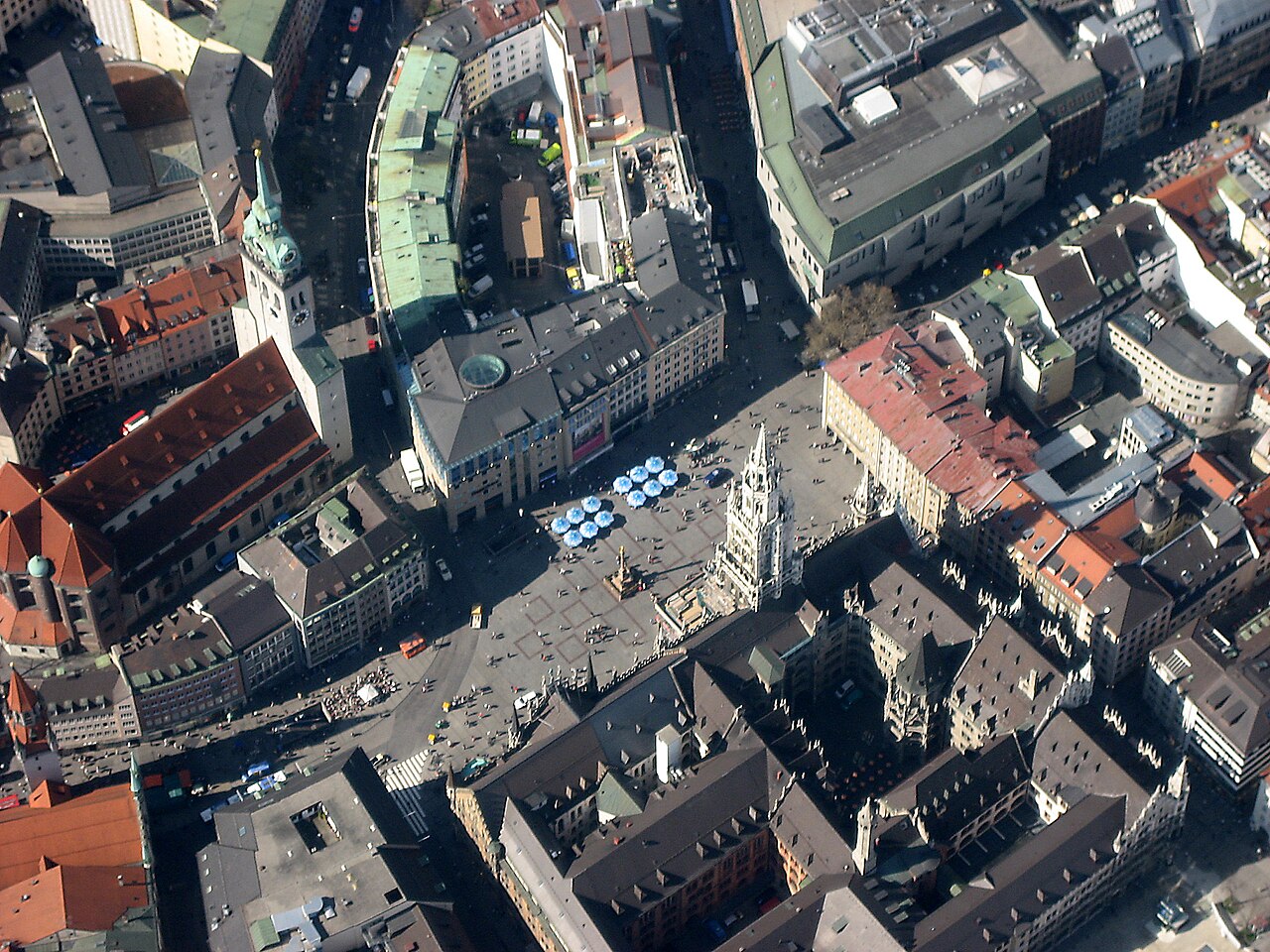
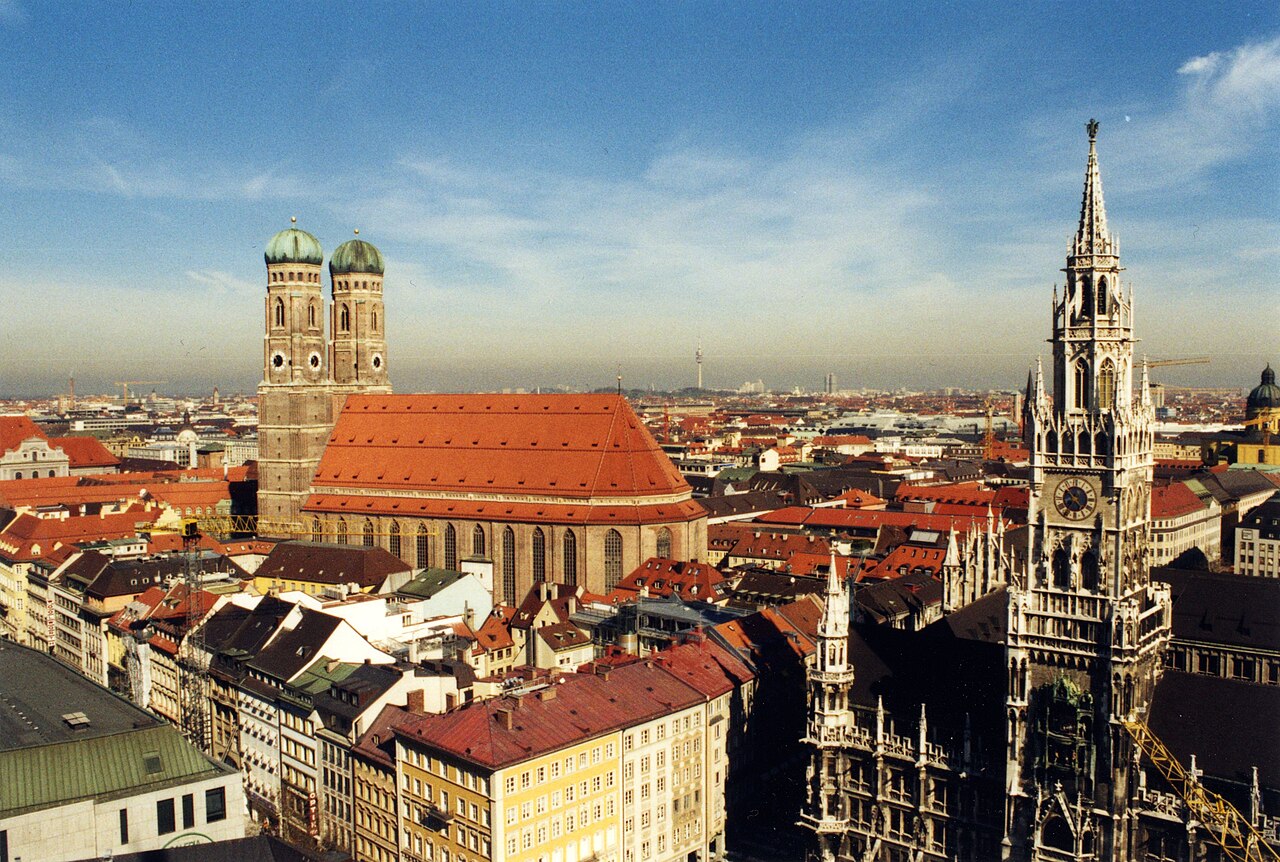
If you have two or three days and want Munich’s greatest hits on foot, stay in the Altstadt. Marienplatz and the Neues Rathaus, St. Peter’s Church (climb the tower for the classic view), the Residenz palace, and the Hofbräuhaus all sit inside this historic core, with the leafier Lehel district stretching east along the Isar. It is the most expensive area in the city — and for a short first trip, the premium is usually worth it.
The grand dame is the Bayerischer Hof, a family-run five-star on Promenadeplatz dating to 1841, with a rooftop pool and spa looking over the old town — the hotel Munich itself uses for state guests and the annual Security Conference. A few streets away, the Mandarin Oriental, Munich occupies a former 19th-century opera ballroom near the Hofbräuhaus; its rooftop terrace has one of the best Frauenkirche views in the city, and the Matsuhisa restaurant draws locals as well as guests.
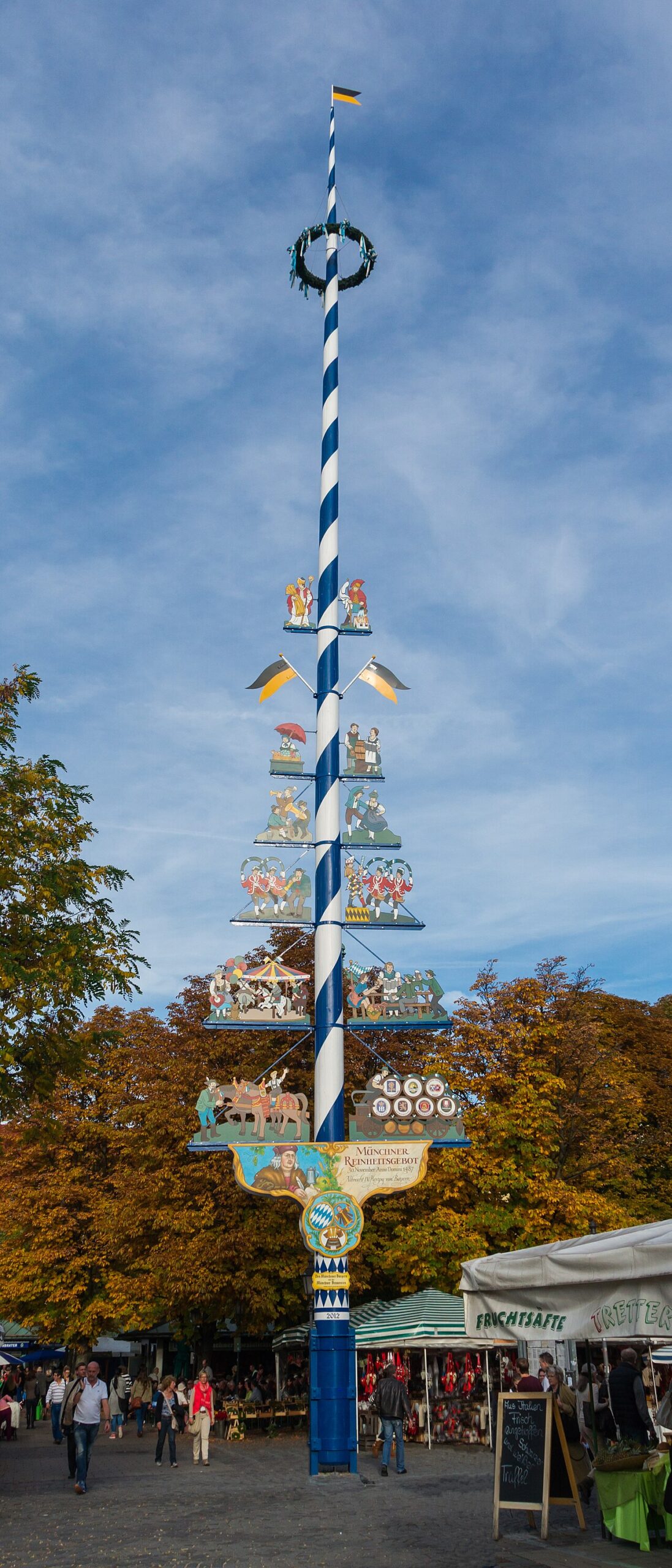
For Bavarian character over international polish, the Platzl Hotel is the classic mid-range pick — a four-star superior between Marienplatz and the Hofbräuhaus with wood-paneled Bavarian restaurants and a beer garden feel, at noticeably gentler rates than the five-stars. Right on the Viktualienmarkt food market, the Louis Hotel is the design-led option: handmade furnishings, a Japanese-influenced restaurant, and market stalls literally at the door. The smaller CORTIINA Hotel, tucked on a quiet lane behind the market, suits travelers who want a calm, residential-feeling boutique base in the middle of everything.
Maxvorstadt: Best for Museums and a Local Café Scene
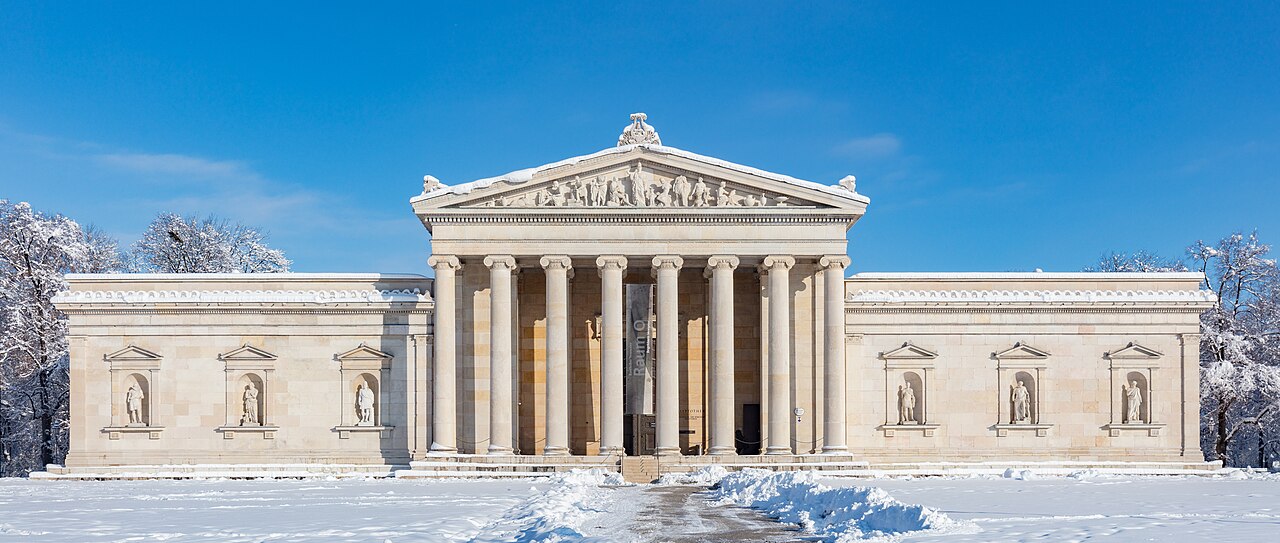
Immediately northwest of the old town, Maxvorstadt is Munich’s museum and university quarter — the Alte and Neue Pinakothek, the Pinakothek der Moderne, the Glyptothek on Königsplatz, and two major universities. Streets are broader, prices a notch below the Altstadt, and the café scene around Türkenstraße and Schellingstraße is where Munich students and gallery-goers actually spend their days. It can feel quiet on weekend mornings, which many travelers count as a plus.
The area’s flagship is The Charles Hotel, a Rocco Forte five-star beside the Old Botanical Garden with some of the largest rooms in the city and an easy walk to both Königsplatz and the main station. A more intimate splurge is the Hotel München Palace over in the Bogenhausen edge of Lehel — a small, family-run boutique with a garden courtyard that works beautifully if you are pairing museum days with evenings in the Englischer Garten.
Glockenbachviertel and Ludwigsvorstadt: Best for Nightlife and Value
South of the old town across Sendlinger Tor, the Glockenbachviertel is Munich’s liveliest quarter — independent boutiques, cocktail bars, a long-established LGBTQ+ scene, and the Isar riverbanks a short walk east for summer swimming spots and riverside paths. It edges into Ludwigsvorstadt, where the Theresienwiese Oktoberfest grounds sit; stay here in late September and you can walk home from the tents. The trade-off is noise on weekend nights, so light sleepers should ask for a courtyard room.
Hotels here skew smaller and more affordable. The design-budget chain Motel One is a Munich home-grown success, and Motel One München-Sendlinger Tor puts you exactly on the seam between the old town and the Glockenbachviertel — modern rooms, a good bar, and rates that often run half the Altstadt five-stars. From here Marienplatz is a 10-minute walk and the Oktoberfest grounds about 15.
Schwabing: Best for a Leafy, Local Stay by the Englischer Garten
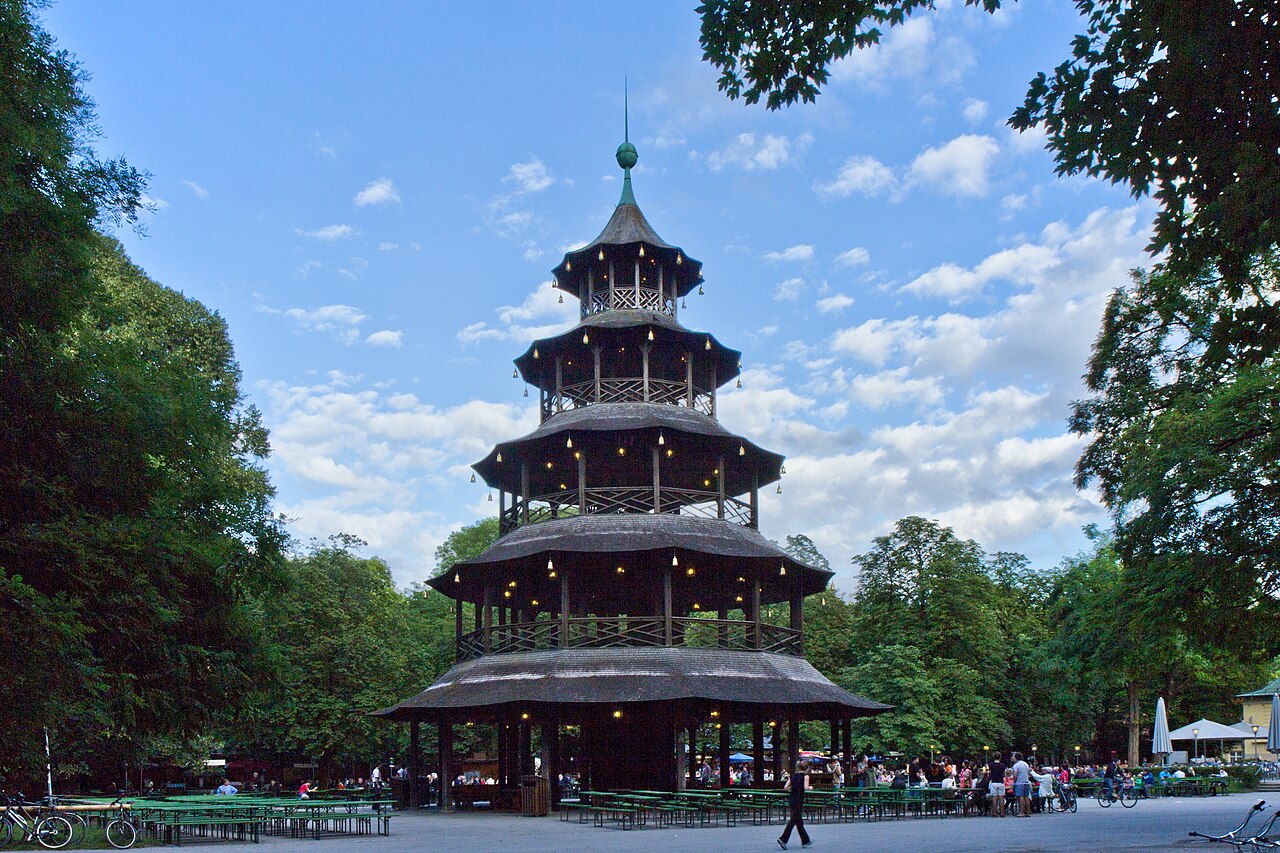
North of the center, Schwabing was the artists’ and writers’ quarter a century ago and still feels like the Munich people actually live in: Art Nouveau façades along Leopoldstraße, bookshops and cafés around Münchner Freiheit, and the southern edge of the Englischer Garten — one of the largest city parks in the world — with its Chinese Tower beer garden and the famous Eisbach river-surfing wave. It is a 10–15 minute U-Bahn ride (U3/U6) to Marienplatz, which is the only real compromise.
Hotel stock in Schwabing itself is thinner than in the center, and many visitors pair a Schwabing stay with the Maxvorstadt picks above, which sit on the same U-Bahn lines a few stops south. If evenings in the beer garden and morning runs in the park matter more than a grand-lobby address, this is the neighborhood that will make Munich feel like your city rather than a stopover.
Haidhausen: Best for Quiet Streets Close to the Center
Across the Isar from the old town, Haidhausen — nicknamed the French Quarter for its street plan — is a villagey grid of small houses, local bakeries, and the Gasteig cultural area, with the Deutsches Museum on its own island in the river. It is genuinely quiet at night, well served by the S-Bahn at Rosenheimer Platz (one stop from Marienplatz, and a direct line to the airport), and popular with families and repeat visitors.
The reliable pick here is Motel One München-Deutsches Museum at Rosenheimer Platz — the same dependable design-budget formula, in a calmer setting, with the museum quarter and the Isar paths on the doorstep.
A Note on Staying Near the Hauptbahnhof
The streets immediately south of the main station are Munich’s one slightly scruffy patch — busy, well-lit, and full of hotels at every price, but with a red-light fringe after dark. The station itself is unbeatable for early trains and airport S-Bahn lines, and many good chain hotels cluster on its northern and western edges toward Maxvorstadt. If a Hauptbahnhof address saves you real money, take it — just favor the streets north of the station and you will be fine.
Three Munich Experiences Worth Booking Ahead
Wherever you stay, three bookings deserve to be made before you arrive. The essential day trip is the Neuschwanstein and Linderhof day trip from Munich — a full-day coach tour to both of Ludwig II’s palaces, rated 4.7 from more than 6,000 reviews at around $84; castle entry slots in Bavaria sell out in season, so the organized version removes the main risk. In the city, the Third Reich walking tour is the most illuminating three hours you can spend in Munich — a 4.9-rated small-group walk through the movement’s Munich origins with free cancellation up to 24 hours ahead. And set aside a sobering half day for the guided Dachau Memorial Site tour, which pairs the memorial with a licensed guide and documentary film, rated 4.8 from over 5,700 reviews at around $49.
When to Book and What You Will Pay
Outside festival windows, expect roughly €90–140 a night for a solid mid-range room in the Altstadt or Maxvorstadt, €60–100 for Motel One-style budget design hotels, and €250 and up for the five-stars. During Oktoberfest and the Christkindlmarkt weeks those numbers can double — our European Christmas Markets 2026 data study tracks exactly how December hotel prices move in Munich and nine other market cities. Planning a wider Germany trip? Pair this guide with our where to stay in Berlin guide and the matching Berlin in 3 Days itinerary — the two cities make a natural rail pairing, about four hours apart by ICE train.
Bottom line: first-timers should book the Altstadt and pay for the location; museum lovers and café people belong in Maxvorstadt; night owls and Oktoberfest visitors get the best value in Glockenbachviertel and Ludwigsvorstadt; and anyone staying four nights or more should seriously consider Schwabing or Haidhausen, where Munich slows down and starts to feel like home.