
Munich rewards anyone who slows down. Bavaria’s capital is famous for beer halls and Oktoberfest, but a first visit is really about three different cities layered on top of each other: a medieval old town built around one great square, a royal capital of palaces and grand gardens, and a modern, sobering city that does not hide its 20th-century history. Three days is enough to see all three properly — if you group your sights by neighborhood instead of zigzagging across town.
Never forget a thing before you fly. My free 8-page Travel Planning Checklist walks you through the whole trip — 6 planning timelines, 36 checks, from booking windows to travel-day basics. One email, no spam, unsubscribe anytime.
This itinerary does exactly that. Day 1 stays almost entirely on foot in the Altstadt (Old Town). Day 2 pairs the English Garden with a palace and Munich’s essential history. Day 3 is your choice: a fairy-tale castle day trip, or Dachau and the Olympic Park. For neighborhoods and hotels, pair this plan with our guide to where to stay in Munich — most first-timers do best in the Altstadt or Maxvorstadt, within walking distance of nearly everything below.
Disclosure: This post contains affiliate links. If you book through one of these links, I may earn a commission at no extra cost to you.
Before You Go: Munich Practicalities
From the airport: Munich Airport sits about 40–45 minutes northeast of the center. The S1 and S8 S-Bahn lines both run to Marienplatz and the Hauptbahnhof (main station), with a train roughly every 10 minutes between them. A single ticket costs €15.10, but the Airport-City-Day-Ticket at €17.50 covers the airport run plus unlimited city transport for the rest of the day — almost always the smarter buy on arrival day.
Getting around: The Old Town is compact and walkable; you will only really need transit for Nymphenburg, the Olympic Park, and the airport. Inside the central Zone M, a single ride is €4.20 and a day ticket is €10.10. Buy in the MVV app and skip the ticket-machine queues.
Timing: Two traps catch first-timers. The Viktualienmarkt and most shops close on Sundays, and the Residenz keeps shorter winter hours (10am–5pm from late October to late March, versus 9am–6pm in summer). Build your museum day accordingly.
Day 1: The Old Town on Foot
Morning: Marienplatz and the Glockenspiel
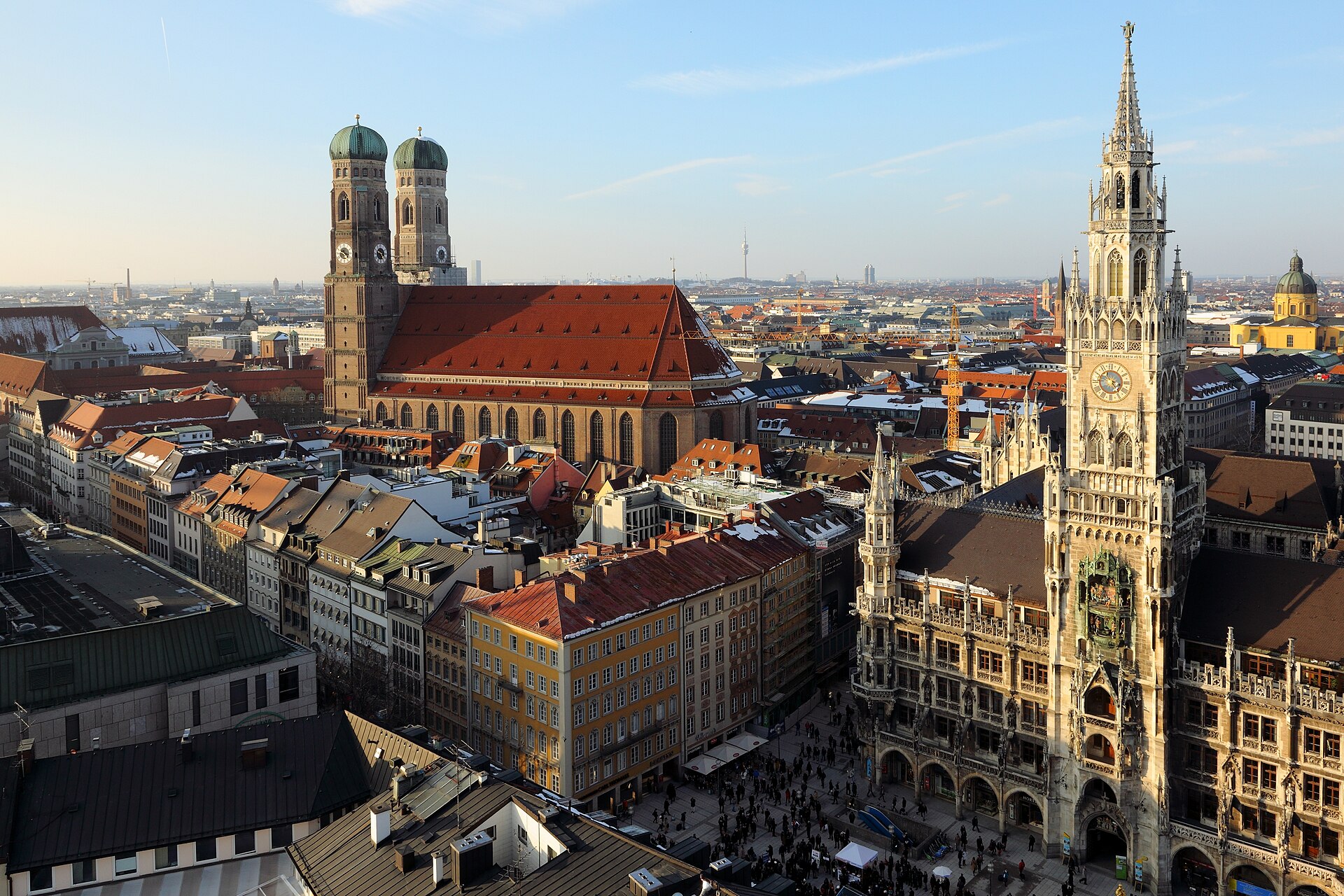
Start where Munich started in 1158: Marienplatz, the city’s central square. The neo-Gothic Neues Rathaus (New Town Hall) dominates it, and its Glockenspiel — 43 bells and 32 life-size figures — performs daily at 11am and 12pm, with an extra 5pm show from March to October. The upper scene re-enacts the 1568 wedding of Duke Wilhelm V to Renata of Lorraine, complete with a joust the Bavarian knight always wins; below, the Schäfflertanz (coopers’ dance) celebrates the end of the 1517 plague. Arrive ten minutes early, stand well back in the square, and watch for the small golden rooster that chirps three times to end the show.
For the classic view back over the square, climb the tower of St. Peter’s Church (Alter Peter) — around 300 steps buy you the postcard panorama of the Frauenkirche’s twin onion domes. Then walk two minutes to the Frauenkirche itself, free to enter, and look for the “Devil’s Footprint” just inside the entrance.
Midday: Viktualienmarkt
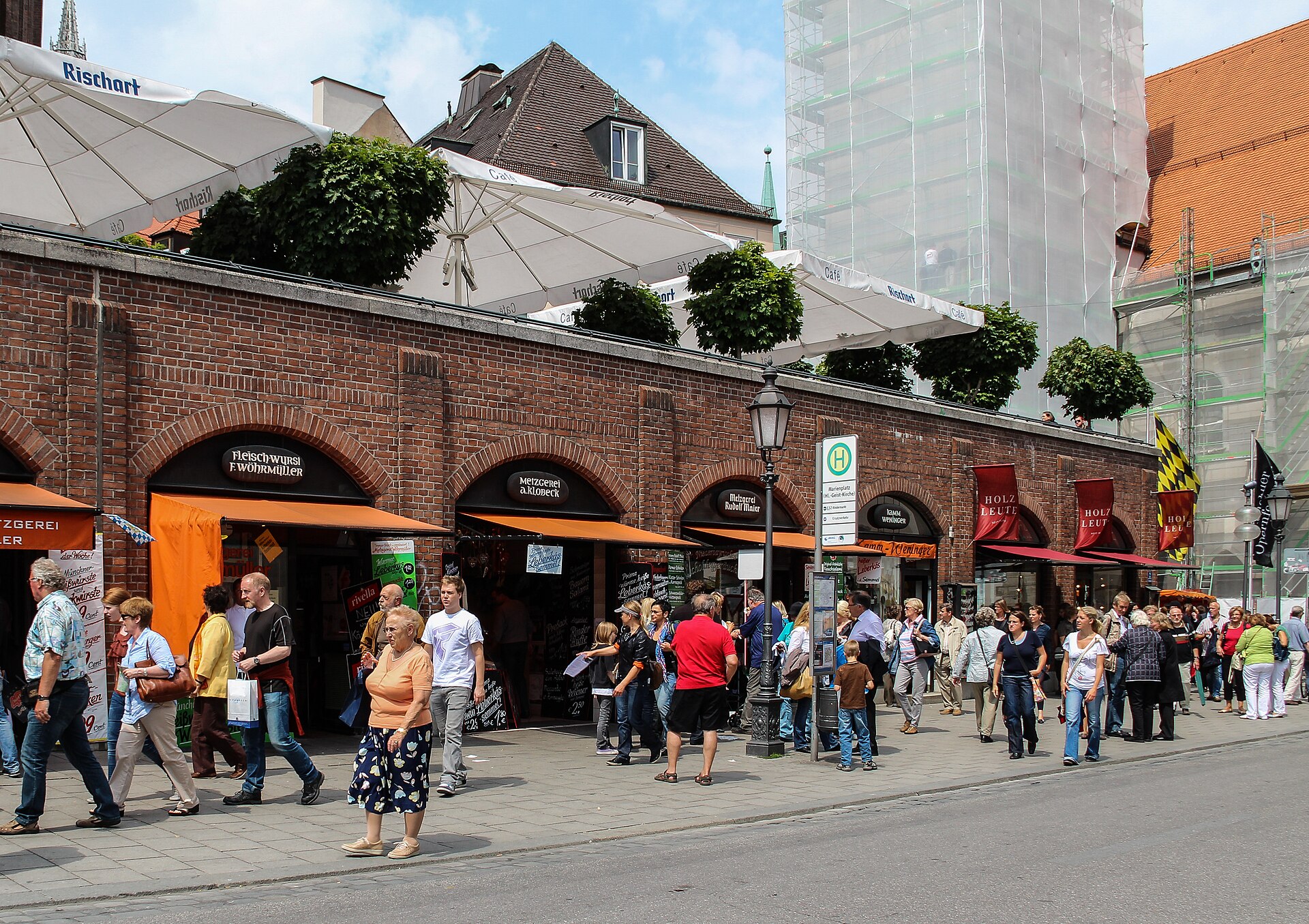
Lunch at the Viktualienmarkt, Munich’s open-air food market since 1807, five minutes from Marienplatz. Graze properly: a roast-pork sandwich, pretzels, cheeses and olives from the stalls, then a seat in the market’s chestnut-shaded beer garden. Note the market runs Monday to Saturday — if your Day 1 falls on a Sunday, swap Days 1 and 2.
Afternoon: The Munich Residenz
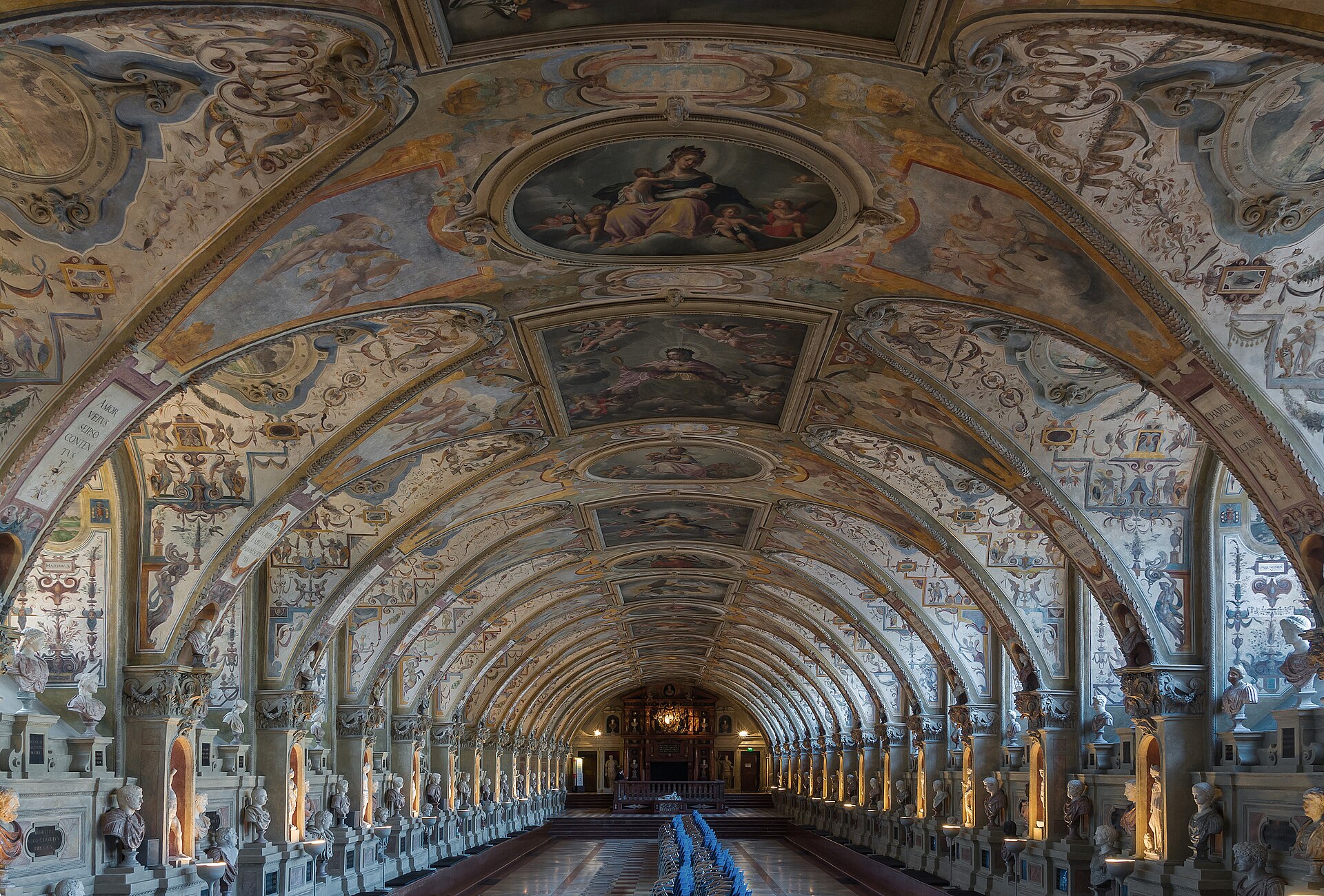
Spend the afternoon at the Residenz, the vast city palace of Bavaria’s Wittelsbach rulers from 1508 to 1918. The Residence Museum alone runs to some 130 rooms; the €15 combination ticket adds the Treasury, and the €20 triple ticket adds the rococo Cuvilliés Theatre, where Mozart’s Idomeneo premiered in 1781. Do not miss the Antiquarium, a 66-metre frescoed hall that is the largest Renaissance hall north of the Alps, and give the whole complex at least two to three hours — it is a labyrinth, and rushing it is the one mistake everyone makes. Visitors under 18 enter free. Afterwards, decompress in the free Hofgarten (Court Garden) just behind the palace, where locals play boules under the arcades.
Evening: Hofbräuhaus, Done Right
End the day at the Hofbräuhaus, the world’s most famous beer hall, founded in 1589 by the same Wilhelm V whose wedding the Glockenspiel celebrates. Yes, it is touristy — go anyway, early evening, for one litre in the ground-floor Schwemme hall with the oompah band, then eat dinner somewhere quieter in the Lehel or Glockenbach neighborhoods if the hall’s energy is more than you want with food.
Day 2: Gardens, a Palace, and Hard History
Morning: The English Garden
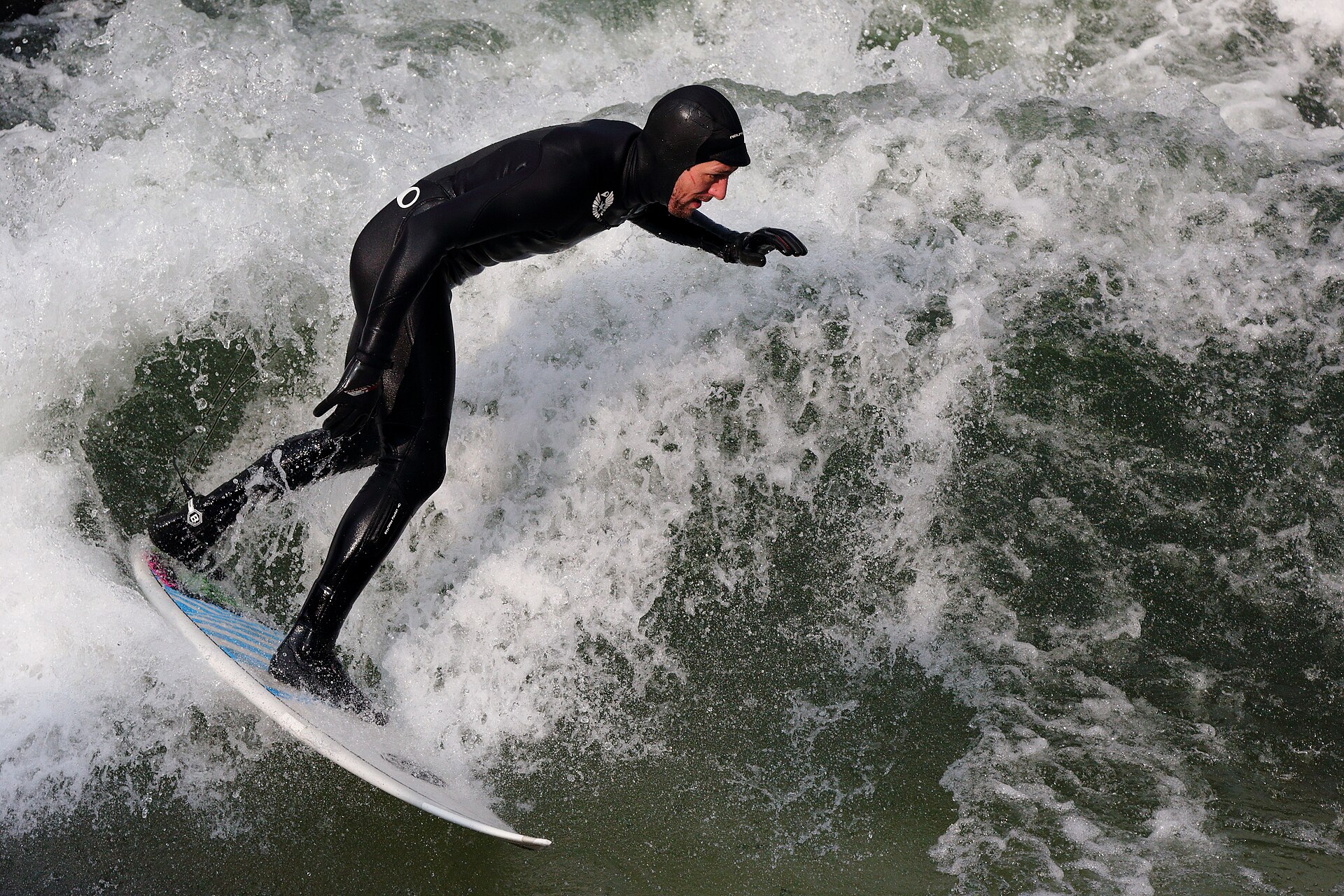
Day 2 starts in the English Garden, at 375 hectares one of the largest urban parks in the world — bigger than New York’s Central Park. Enter from the south and watch the Eisbach surfers first: experienced river surfers ride a permanent standing wave beside the Haus der Kunst, in wetsuits, in all weathers. Walk on past the Monopteros, the little Greek temple on its hill, to the Chinese Tower, where the beer garden seats around 7,000 and a brass band plays from the pagoda. The park is free and open year-round; the quieter northern meadows are there if you want a run or a picnic later.
Afternoon: Choose Your Palace or Museum
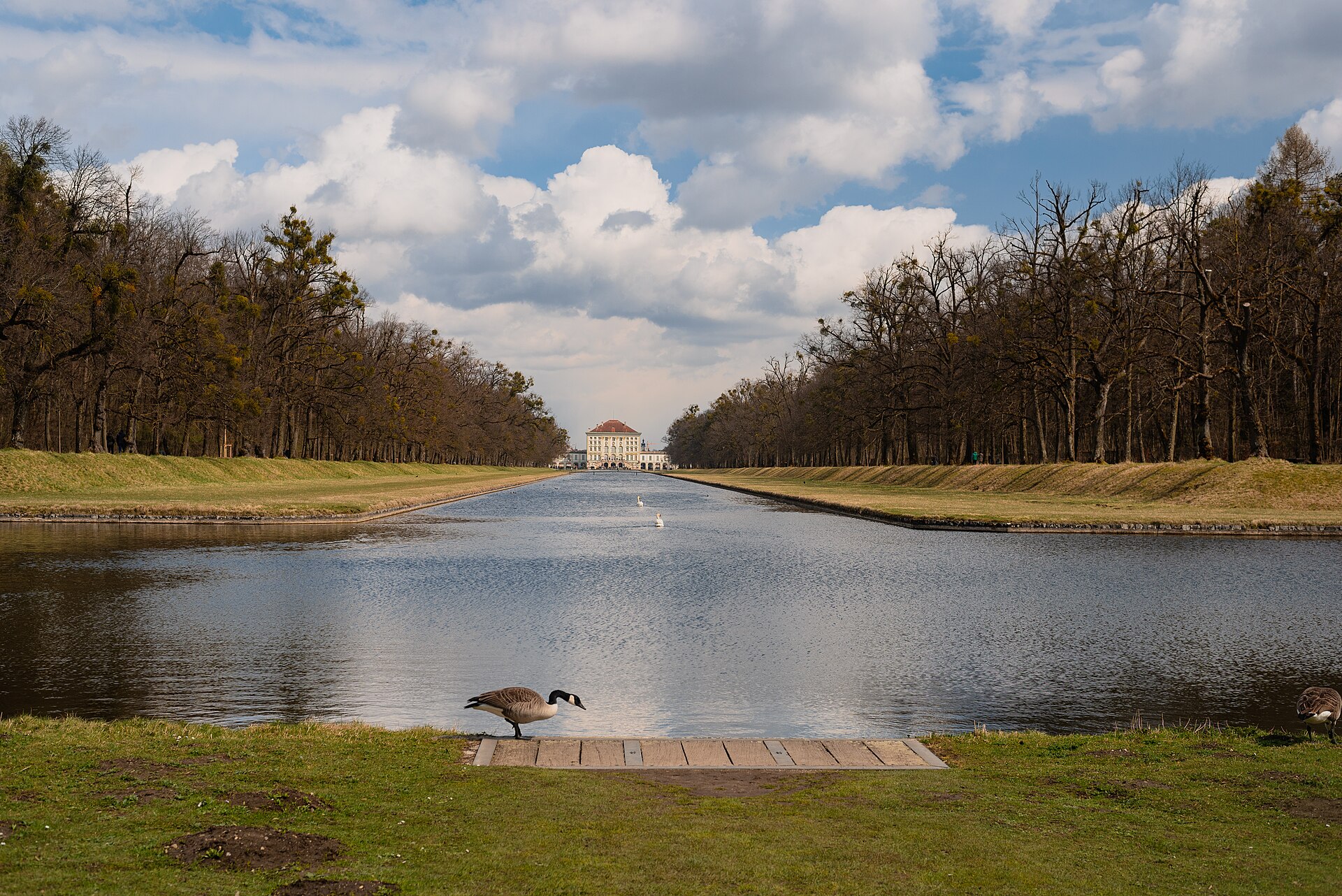
Take tram 17 west to Nymphenburg Palace, the Wittelsbachs’ summer residence — a long, elegant Baroque palace fronting a canal, with park pavilions scattered through formal gardens behind it. The main palace is the highlight; in winter it keeps shorter hours (roughly 10am–4pm), so go straight after the park. If science is more your thing, swap Nymphenburg for the Deutsches Museum on Museum Island in the Isar river, one of the world’s great science and technology museums — either fills an afternoon easily, and trying to do both fills neither.
Late Afternoon: The Third Reich Story
Munich was the birthplace of the Nazi movement, and the city confronts that directly. The most efficient way to understand it is the guided Third Reich and WWII walking tour (about 2.5 hours), which links the Hofbräuhaus rally site, the Feldherrnhalle where the 1923 Beer Hall Putsch ended, Königsplatz, and the White Rose resistance memorial at the university. Prefer to go self-guided? The NS-Dokumentationszentrum, Munich’s documentation center on the site of the former party headquarters, is free and open Tuesday to Sunday — allow 90 minutes and expect it to stay with you.
Day 3: Pick Your Day Trip
Option A: Neuschwanstein and Linderhof Castles
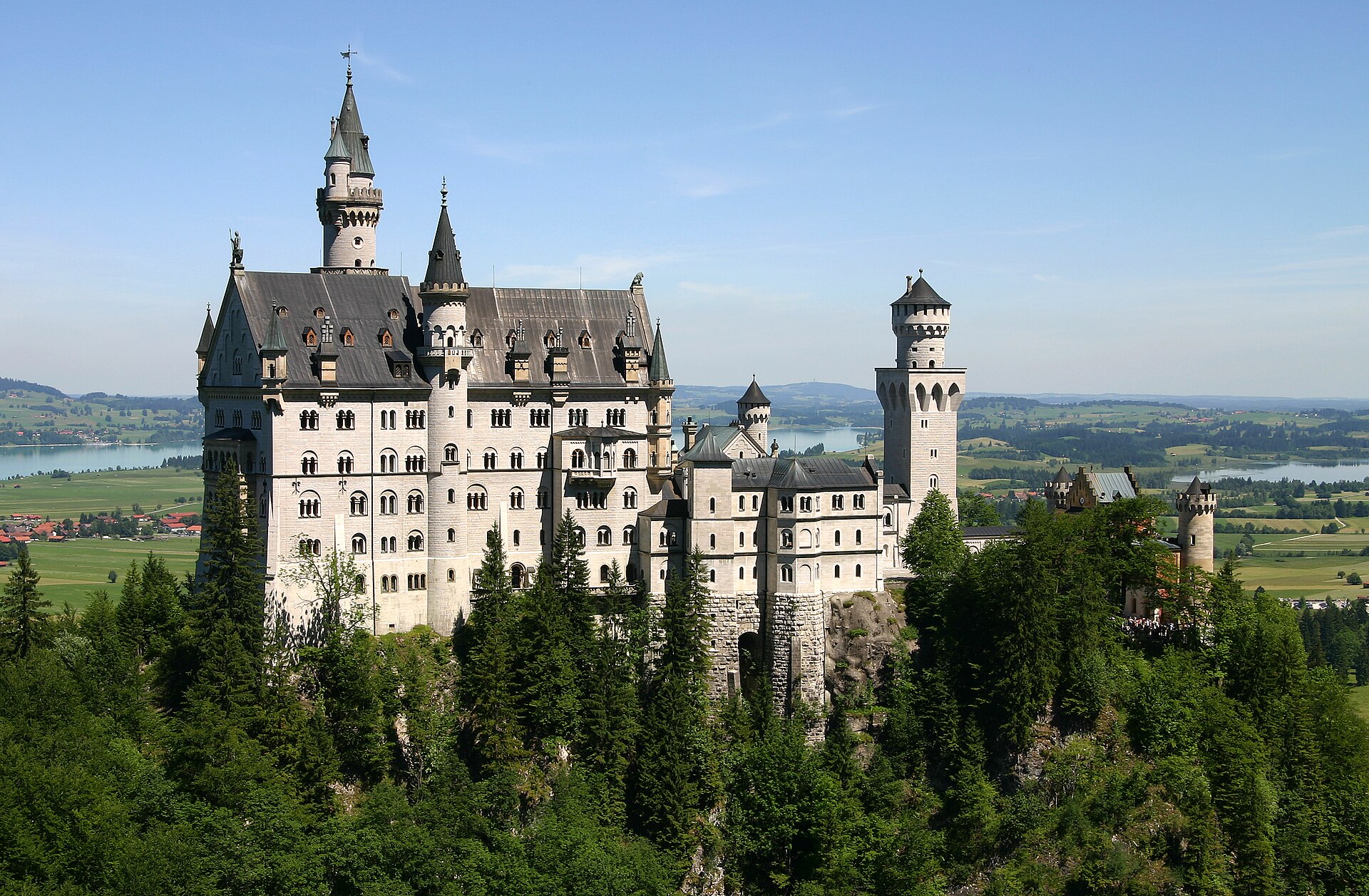
If one image sells Bavaria, it is Neuschwanstein — Ludwig II’s romantic 19th-century castle above the Alpsee lake, begun in 1869 and later the inspiration for Disney’s Sleeping Beauty castle. It is about two hours from Munich, which makes an organized tour the sensible format: the Neuschwanstein and Linderhof full-day trip (around 10.5 hours) pairs the castle with Linderhof, the only one of Ludwig’s palaces he actually completed, and passes through the painted village of Oberammergau. Book the ticket-included option if you can — castle entry is by timed tour and sells out — and save your legs for the uphill walk to Marienbrücke (Mary’s Bridge) for the famous view.
Option B: Dachau, Then the Olympic Park
The weightier, worthwhile alternative: Dachau, the first Nazi concentration camp, opened in 1933 just northwest of the city and now a memorial site with exhibitions, reconstructed barracks, and memorials. Going with a guide adds context the site alone cannot; the Dachau Memorial Site tour by train (about 5 hours, transport included) returns you to Munich by early afternoon. Note the tour does not permit children under 13. Spend the rest of the day in deliberate contrast at the Olympiapark, built for the 1972 Summer Olympics — ride up the Olympic Tower for the city’s best skyline-and-Alps view, then walk the tent-roof stadium grounds, with the BMW Welt showroom and BMW Museum next door.
If You Have More Time
A fourth day opens up the Alte Pinakothek’s Old Masters, the café streets of Schwabing, or a football pilgrimage to the Allianz Arena. Salzburg is about 90 minutes away by train, and our Berlin in 3 Days and Prague in 3 Days itineraries pair naturally with this one on a longer Central Europe trip.
Munich in 3 Days: Final Tips
- Book the castles, wing the city. Neuschwanstein entry and the better tours genuinely sell out; everything in the Old Town can stay flexible.
- Mind the Sunday shutdown. Shops and the Viktualienmarkt close; museums, palaces, and beer gardens do not — schedule accordingly.
- Carry a layer. Munich sits at about 520 metres, and even summer evenings cool down fast in a beer garden.
- Skip Oktoberfest for a first trip unless the festival itself is the point: hotel prices spike and the Old Town crowds change every plan above. Late spring and September (outside the fest) are the sweet spots.
Three days will not exhaust Munich — but grouped this way, by old town, park and palace, and one big day out, you will leave understanding why Bavarians consider it the German city that got the balance right.