
Copenhagen is the rare European capital that feels both grand and completely manageable. In three days you can cruise the canals past the Little Mermaid, stand in a palace square at noon as the guards change, eat your way through two glass food halls, and still have time for a day trip to the castle that inspired Hamlet. The city is flat, compact and built for walking and cycling, so the best of it unfolds at a relaxed pace rather than a sprint.
Never forget a thing before you fly. My free 8-page Travel Planning Checklist walks you through the whole trip — 6 planning timelines, 36 checks, from booking windows to travel-day basics. One email, no spam, unsubscribe anytime.
This itinerary is built for first-timers: one day for the harbour and the old centre, one for palaces, towers and the city’s alternative side, and one for the castles beyond the city. It works in any season, and if you come in December, the Christmas markets turn the whole plan up a notch.
Disclosure: This post contains affiliate links. If you book through one of these links, I may earn a commission at no extra cost to you.
How this itinerary works
Base yourself in Indre By, the old centre, and almost everything on days 1 and 2 is on foot. The metro from Copenhagen Airport (CPH) reaches Kongens Nytorv in about 15 minutes, and a single ticket covers the ride. Denmark uses the krone (DKK), but cards are accepted nearly everywhere, so you may never need cash at all. Renting a bike for a day is the most local way to get around; the city has more bikes than cars.
May to September brings the best weather and the longest days. December brings the Christmas markets, short days and a city lit up from mid-afternoon, which is magical in its own way. A few museums close on Mondays, so check opening days before building a day around one.
Day 1: Nyhavn, the canals and the old centre
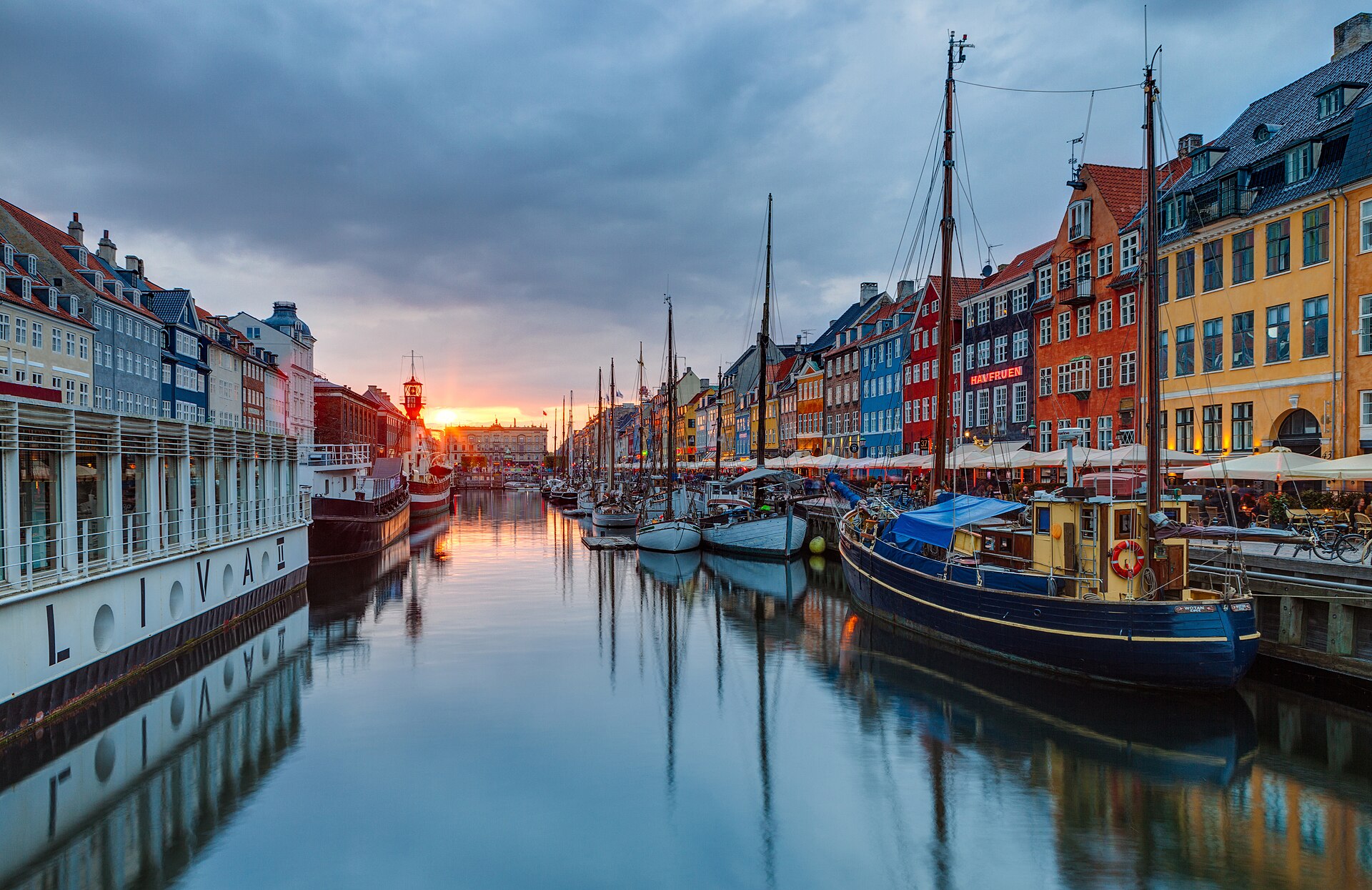
Start at Nyhavn, the 17th-century harbour of colourful townhouses that every Copenhagen postcard is made of. Come early, before the restaurant terraces fill up, and walk the length of the canal from Kongens Nytorv to the harbour. Hans Christian Andersen lived at several addresses along this waterfront, and the street still feels like something out of one of his stories. The house at No. 20 is the most photographed, but the whole row is the point.
Seeing Copenhagen from the water
The smartest first move in Copenhagen is a canal cruise. In one hour on the water you get your bearings and see the sights that are awkward to reach on foot: Amalienborg Palace, the Little Mermaid, the Opera House and the houseboats of Christianshavn, with a guide telling you what you are looking at. Boats are covered and heated from November to March, so it works even on a freezing day. The Copenhagen Classic Canal Tour runs about an hour from Nyhavn, with live commentary, from around $31.
After the cruise, walk Strøget, one of Europe’s longest pedestrian shopping streets, from Kongens Nytorv to the City Hall Square (Rådhuspladsen). It is busy and commercial, but the side streets off it, especially around the Latin Quarter, are where the good cafés and independent shops hide. For lunch, head to Torvehallerne, the two glass food halls by Nørreport station: smørrebrød, fresh fish, Danish pastries and local beer under one roof, and a far better lunch than anything on Strøget itself.
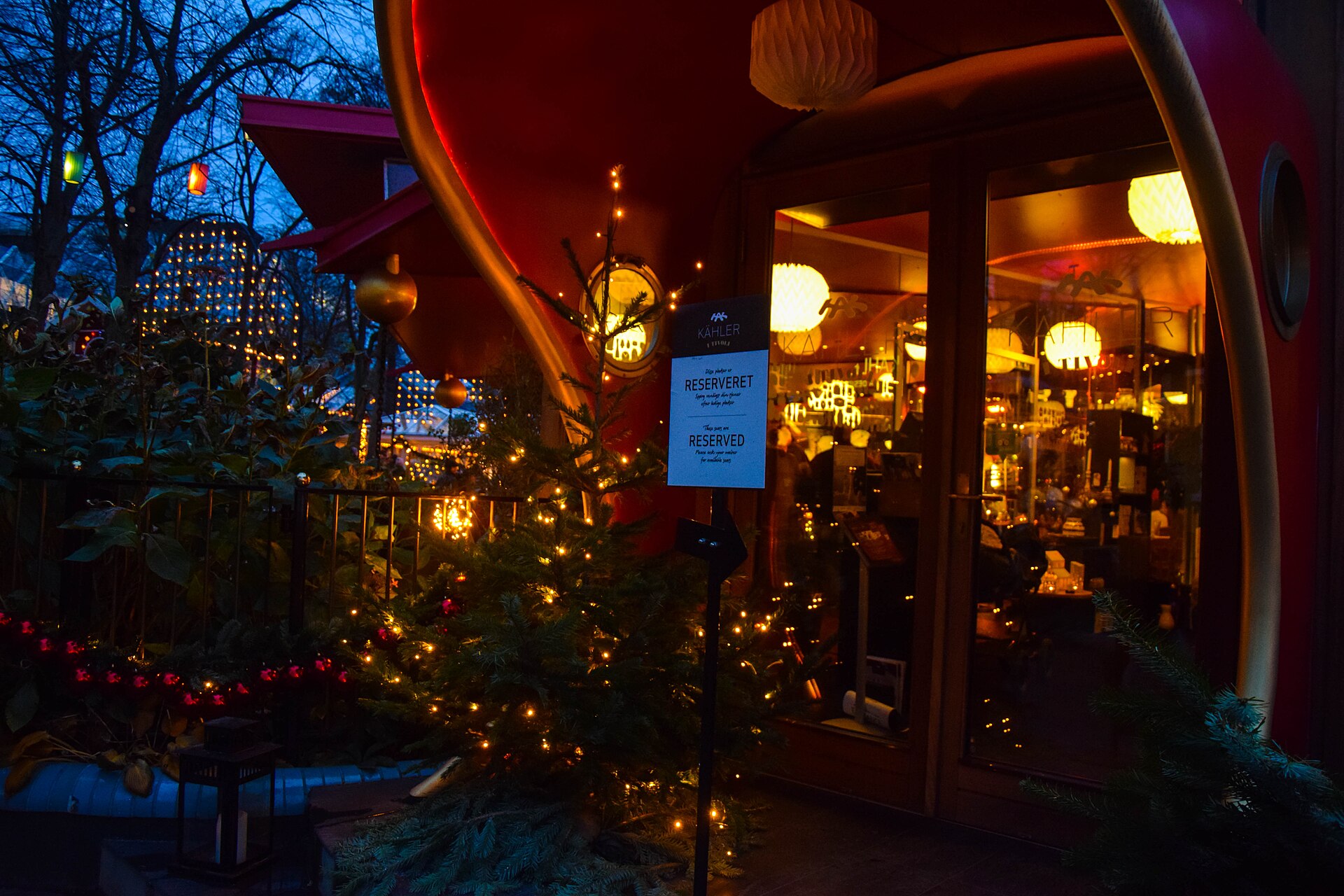
Spend the afternoon wandering the old centre on foot: the Round Tower area, the university quarter and the little squares that most visitors walk straight past. Then, as the light goes, end the day at Tivoli Gardens. The amusement park opened in 1843 and it is still the city’s evening heart, with rides, restaurants and gardens strung with lights. In December it becomes Christmas in Tivoli, running from 13 November 2026 to 3 January 2027 (closed Christmas Eve), with market stalls, a light show over the lake and fireworks on Christmas Day and Boxing Day. Entry starts at around 210 DKK, with rides on top, so treat it as an evening out rather than a quick look.
Day 2: Palaces, towers and Christianshavn
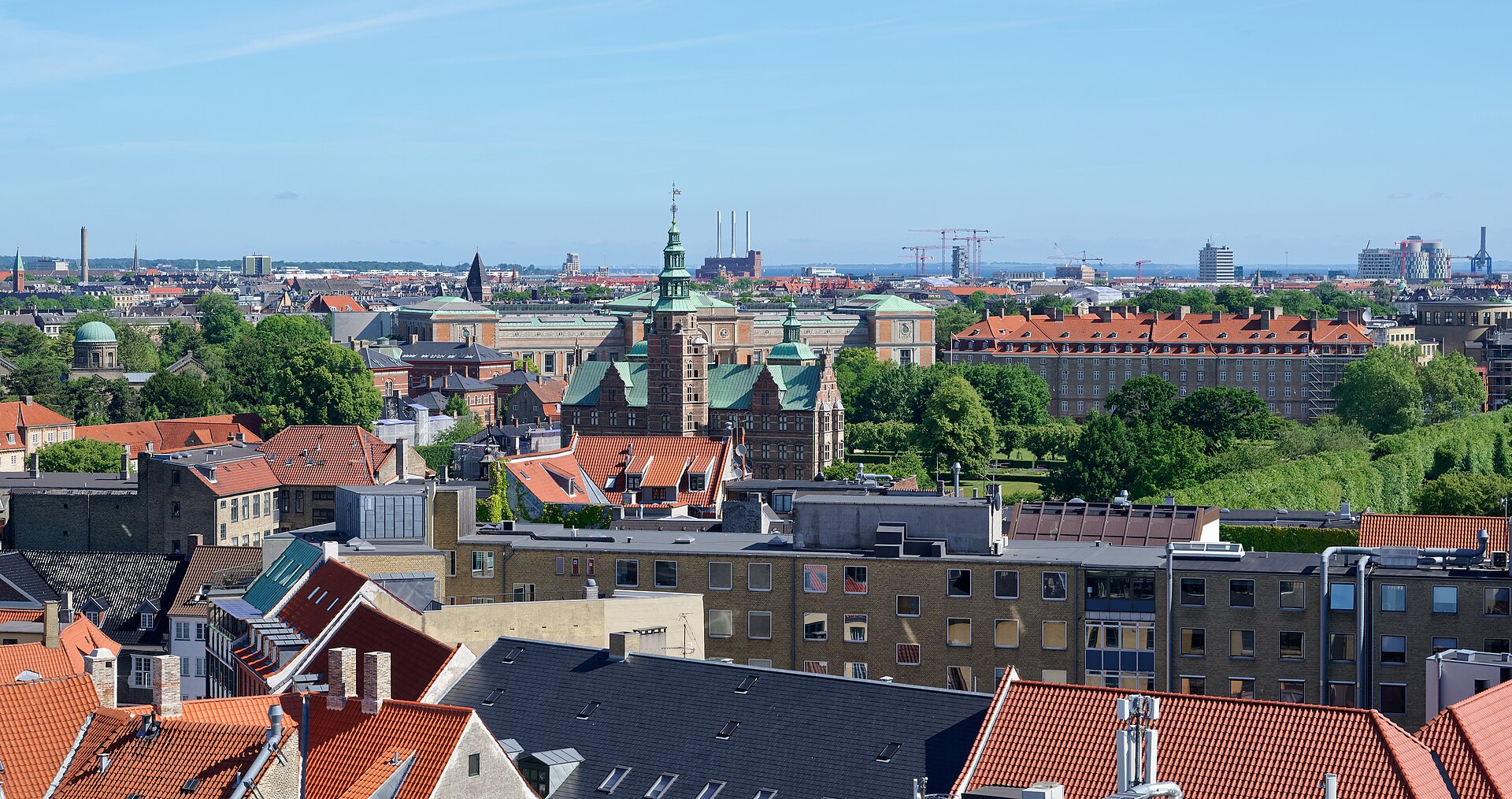
Day 2 is the royal day. Start at Rosenborg Castle, the Dutch Renaissance palace Christian IV built in the early 1600s, set in the King’s Garden. Inside are the Crown Jewels and the royal collections; outside, the gardens are one of the city’s favourite picnic spots when the weather allows. From Rosenborg it is a short walk to the Round Tower (Rundetårn), built in the 1640s as an observatory. There are no stairs, just a wide spiral ramp winding up to a viewing platform with one of the best panoramas over the old town’s rooftops.
Amalienborg and the changing of the guard
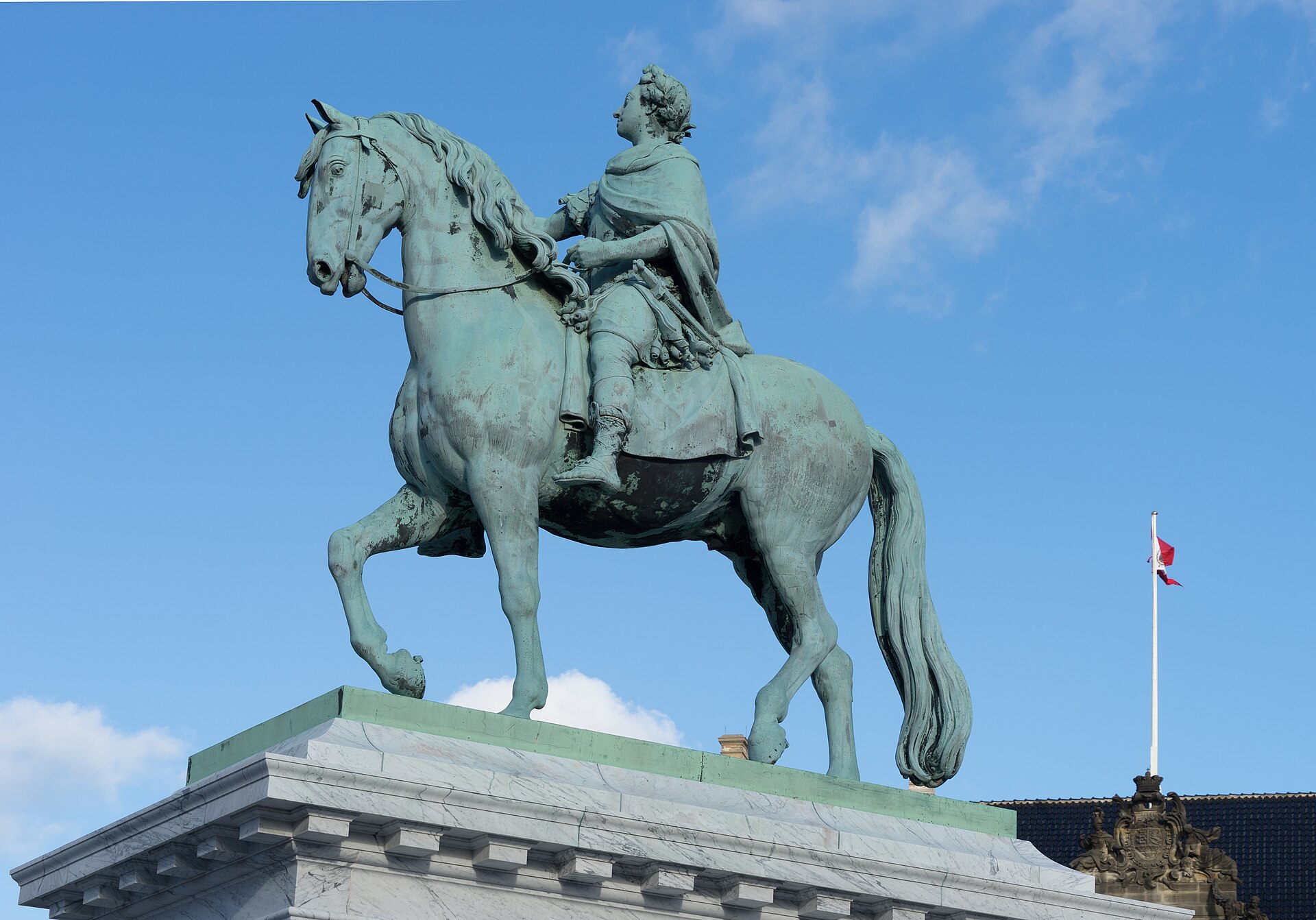
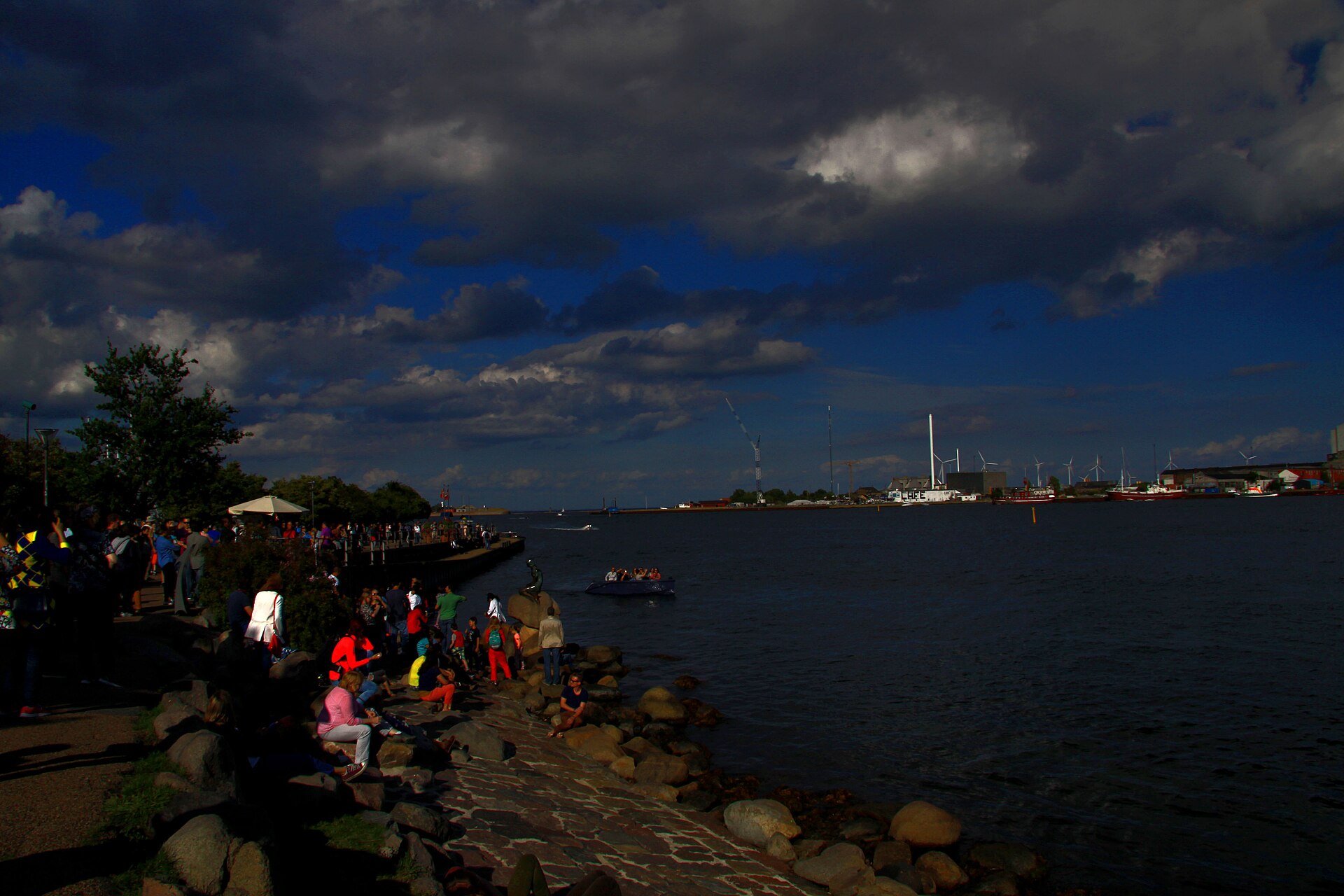
Time your arrival at Amalienborg Palace for noon, when the Royal Life Guards march from their barracks to change the guard in the palace square. The four identical palaces around the octagonal square are the Danish royal family’s home, and the ceremony is free to watch. From the square, walk the short stretch of waterfront to the Little Mermaid. The statue has sat on her rock at Langelinie since 1913, inspired by Hans Christian Andersen’s fairy tale, and she is smaller than most visitors expect, which is part of her charm. The harbourfront walk between the two is one of the prettiest in the city.
For the afternoon, trade sightseeing for eating. The Copenhagen’s A Taste of Denmark food tour is the city’s original food tour, running since 2011, and it covers eight tastings in four hours: Michelin-standard cheese, warm Danish pastries, smørrebrød, craft beer, an organic hot dog from the stand by the Round Tower and handmade sweets from a supplier to the Royal Court. It starts near Nørreport and doubles as a guided walk through the historic centre, so it earns its place even if you have already eaten lunch.
Christianshavn and the corkscrew spire
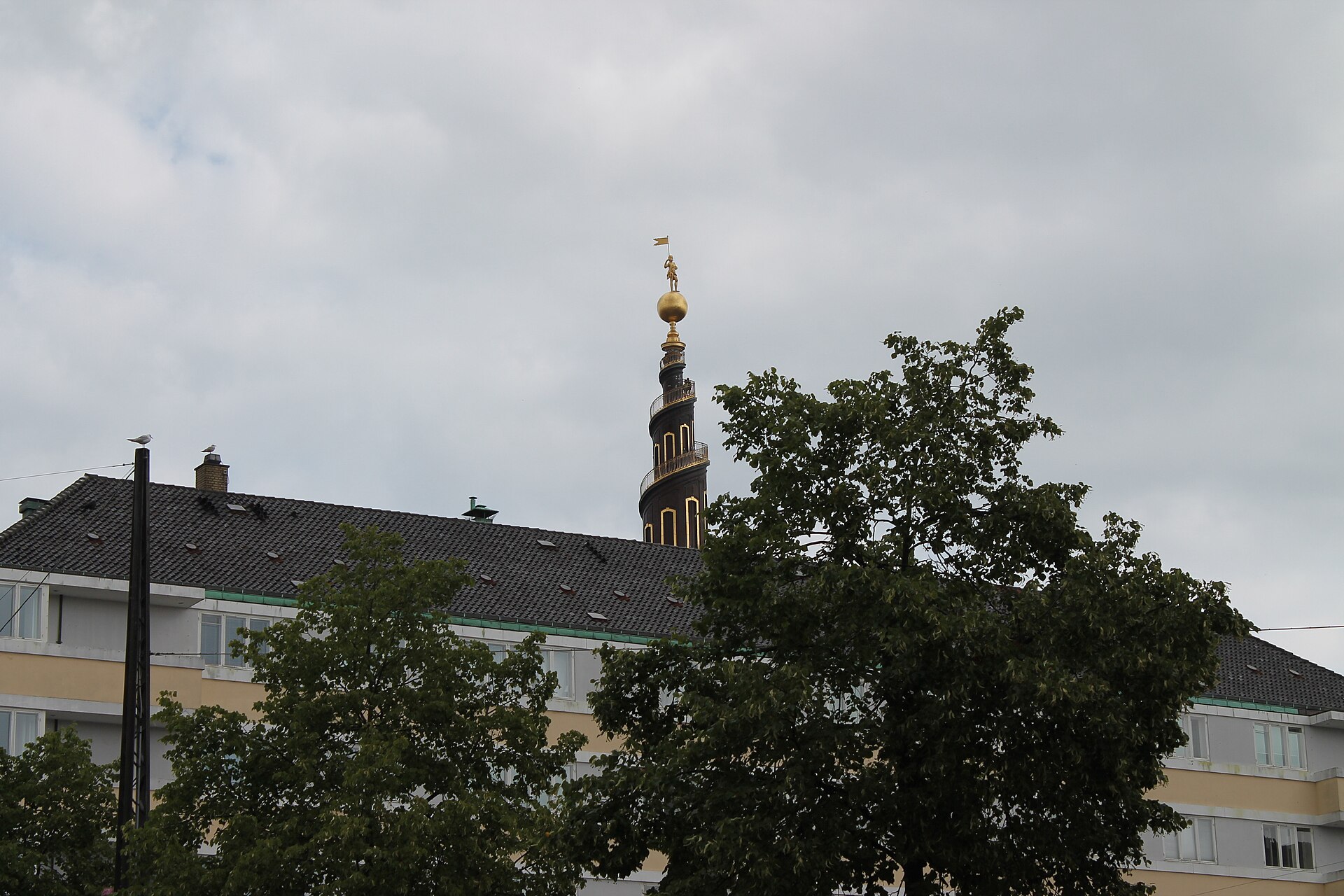
Cross the harbour to Christianshavn, the canal district of houseboats and cafés that feels like a village inside the city. Climb the Church of Our Saviour if your legs are willing: 400 steps wind up the tower, the last stretch on an external spiral staircase around the gilded corkscrew spire, and the view over the harbour is the best in Copenhagen. Then wander into Freetown Christiania, the self-governing alternative community founded in 1971. It is a real neighbourhood, not a theme park, so walk through respectfully and skip the photos on Pusher Street. Dinner back in Christianshavn or the Meatpacking District (Kødbyen) in Vesterbro, where old butcheries are now restaurants and bars, is the right way to end the day.
Day 3: The castles beyond the city
Save the third day for the castles. The Grand Day Trip around Copenhagen packs the four essential sights north and west of the city into nine hours: Kronborg Castle at Helsingør, the UNESCO-listed fortress that was Shakespeare’s Elsinore; Frederiksborg Castle, the largest Renaissance castle in Scandinavia, set on a lake at Hillerød; Roskilde Cathedral, the UNESCO-listed burial church of Danish kings and queens; and the Viking Ship Museum at Roskilde, where five original Viking ships are on display. All entrance fees are included, hotel pickup from central Copenhagen is offered, and the group is capped at 16. It runs from around $188, and it is the easiest way to see all four without a car or a day of train timetables.
If castles are not your thing, the alternative is a slow Copenhagen day. Take the train 35 minutes north to the Louisiana Museum of Modern Art at Humlebæk, a seaside museum that is as much about the setting as the collection. Or stay in the city and spend the morning at the National Museum of Denmark and the Ny Carlsberg Glyptotek, whose palm-filled winter garden is one of the calmest rooms in Copenhagen, then finish with a long lunch and a final wander through Nyhavn.
Where to stay for this itinerary
Indre By puts days 1 and 2 on your doorstep, and the streets around Kongens Nytorv and the Latin Quarter are the best base for a first visit. Vesterbro, by the Central Station and Tivoli, is livelier at night and a few minutes’ walk from the centre. Christianshavn suits travellers who want canals and quiet mornings. Our full where to stay in Copenhagen guide breaks down the neighbourhoods and the hotel picks for each one.
Practical tips for Copenhagen in 3 days
- Getting around: walk the centre, rent a bike for a day, and use the metro for the airport run. A single ticket covers the metro, buses and harbour buses.
- Money: Denmark uses the krone, but cards work everywhere, including market stalls. Tipping is not expected; service is included.
- What it costs: Copenhagen is expensive by European standards. Budget roughly €100–150 a day per person for a mid-range trip, before hotels, and treat Torvehallerne and bakery lunches as your budget weapon.
- Best time to go: May to September for long light evenings, December for the Christmas markets. November and January are quiet and cold, with the lowest hotel prices.
- Keep going north: Copenhagen pairs naturally with the other Nordic capitals. Our Stockholm in 3 days itinerary follows the same first-timer format, and the ferry and flight links between the two cities make a combined trip easy.
Three days in Copenhagen gives you the harbour, the palaces, the food and the castles, with room to slow down in between. It is a city that rewards the unhurried traveller: the best moments here are usually the ones between the sights, a pastry eaten on a canal step, a bike ride across a bridge at dusk, the lights coming on over Tivoli as the evening starts.