
Helsinki is the most walkable capital in northern Europe, and where you stay decides how much of it you actually feel. The city centre is compact — Senate Square, the harbour, the Design District and the main station all sit within about twenty minutes of each other — but each neighbourhood has a different rhythm: the grand Esplanadi boulevards, the Art Nouveau lanes of Katajanokka, the design shops of Punavuori, the bohemian bars of Kallio. And this winter there is a deadline worth booking around: the Helsinki Christmas Market runs from November 27 to December 22, 2026 on Senate Square, right beneath the cathedral, which makes a central room the smartest move of the season. This guide matches each area to the traveller it suits, with named hotel picks and the trade-offs included.
Never forget a thing before you fly. My free 8-page Travel Planning Checklist walks you through the whole trip — 6 planning timelines, 36 checks, from booking windows to travel-day basics. One email, no spam, unsubscribe anytime.
Disclosure: This post contains affiliate links. If you book through one of these links, I may earn a commission at no extra cost to you.
The short answer: which Helsinki area fits you?
First visit, short trip: the City Centre and Kamppi — the cathedral, the harbour, the station and the Christmas market all on foot. Harbour views and quiet elegance: Katajanokka, the Art Nouveau island district a ten-minute walk east. Design, cafés and boutique hotels: Punavuori and the Design District, just south of the centre. Budget and local life: Kallio, the bohemian quarter across the bridge to the north-east. Helsinki is small enough that the wrong choice costs you atmosphere, not hours — so pick for mood, and let the trams handle the rest. If you are still shaping the trip, my Helsinki in 3 Days itinerary lays out exactly what to do once you have a base.
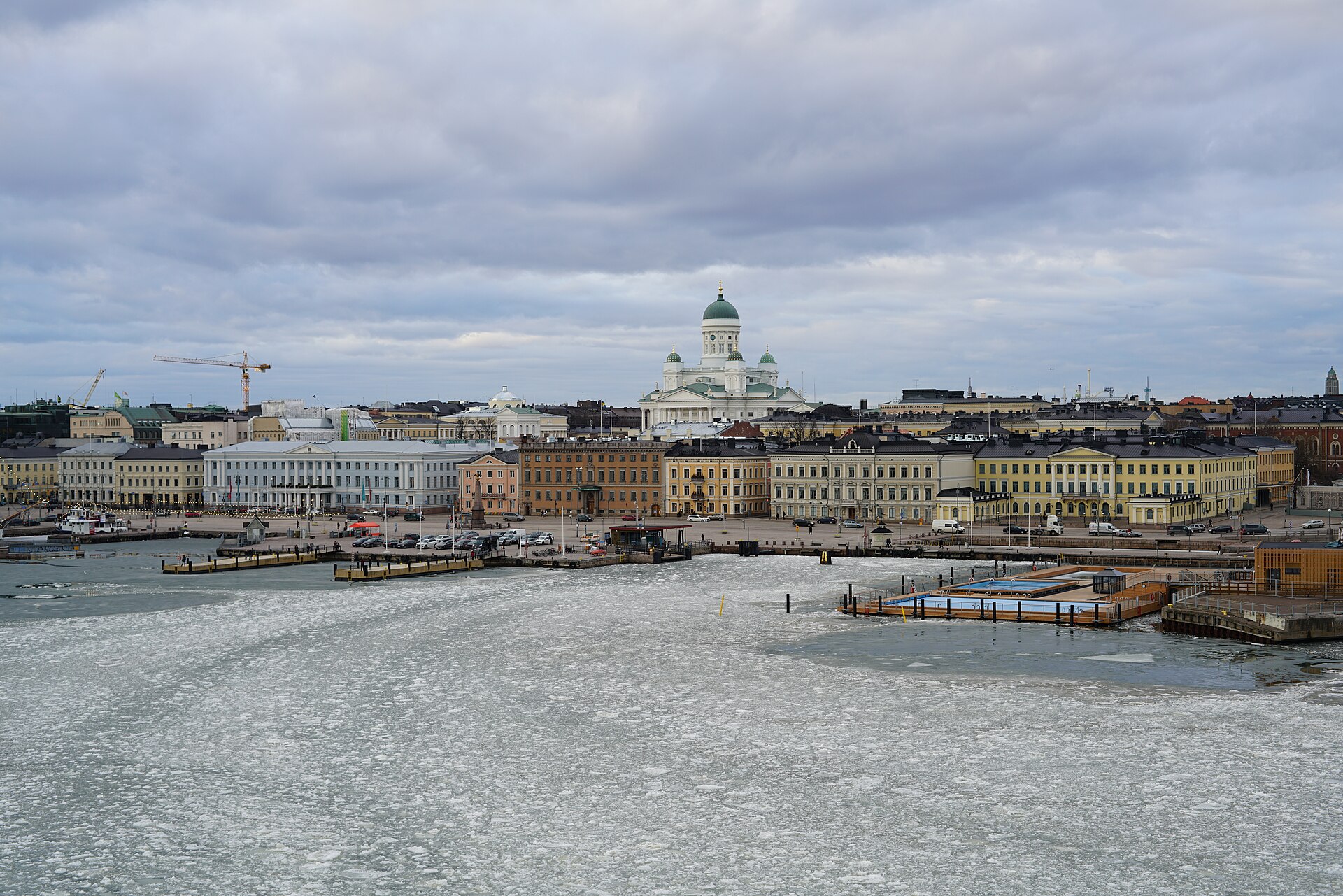
City Centre and Kamppi: best for first-timers
The centre is Helsinki at its most Helsinki: the white neoclassical cathedral on Senate Square, completed in 1852 to Carl Ludvig Engel’s design; the Esplanadi, the lime-tree boulevard where locals take their first outdoor coffee of spring; and the Central Station, Eliel Saarinen’s granite landmark from 1919, whose clock tower is the city’s meeting point. Staying here means the Christmas market, the Market Square stalls, the ferry to Suomenlinna and the Design District are all a short walk, and the station puts day trips — Porvoo, Tampere, the Tallinn ferry — within easy reach. The honest costs: this is the priciest patch of the city, and the streets around the station and Esplanadi stay busy late — ask for a courtyard-facing room if you are a light sleeper.
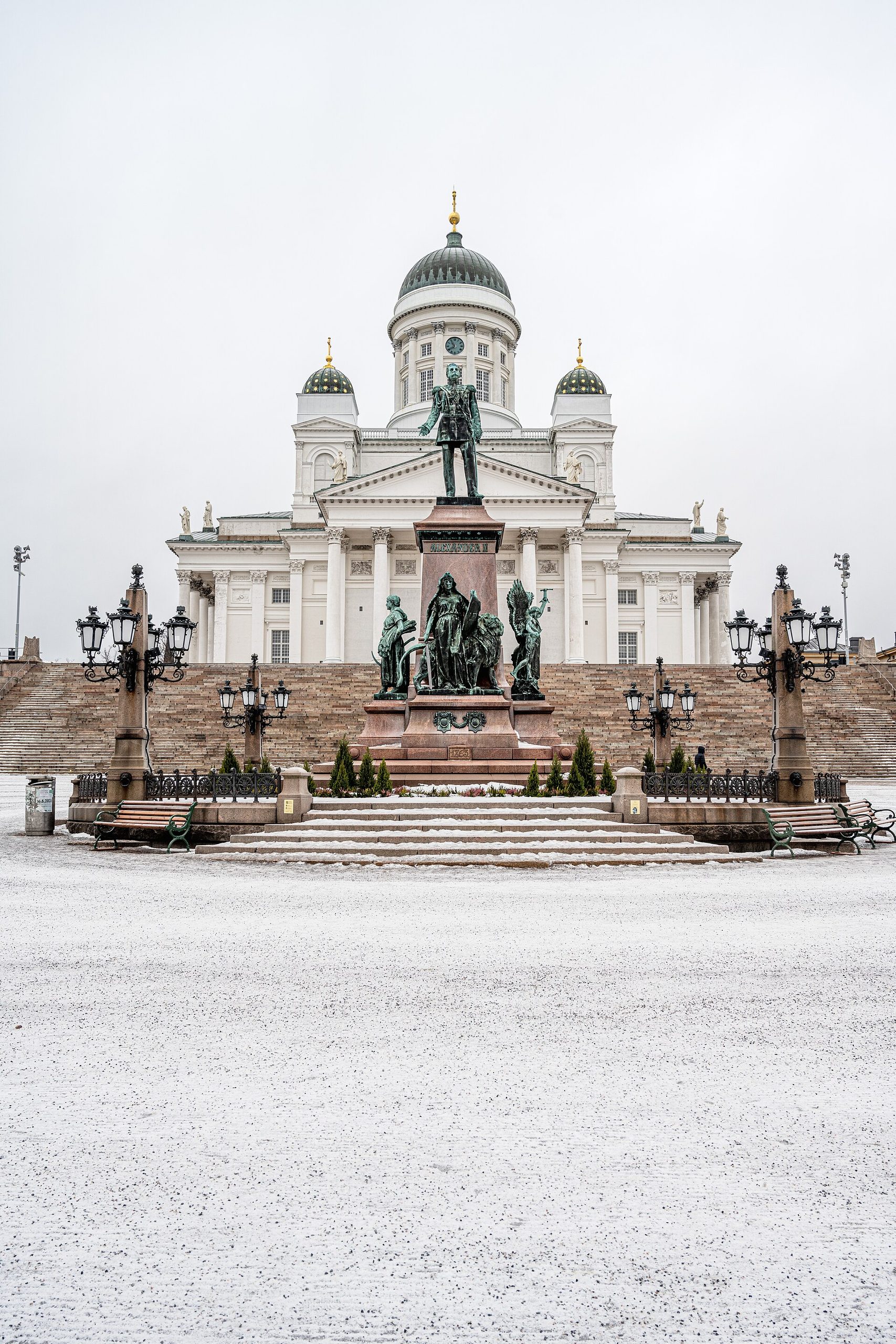
The centre pick I would book first is Hotel Kämp, the grand dame on the Esplanadi since 1887, all marble, brass and old-world service, a short walk from the Christmas market stalls. Across the square from the station, Scandic Grand Central Helsinki occupies the station’s 1909 former administration building — high ceilings, a glass-roofed restaurant in the old printing hall, and the best location in the city for an early train. For boutique character on a quieter street, Hotel F6 is a design-led small hotel a few minutes from the cathedral, with calm, Scandi-styled rooms and a good breakfast. And near Kamppi, Hotel St. George Helsinki is the spa splurge: a 1920s newspaper building turned five-star, with a proper spa, a bakery, and rooms that feel genuinely serene after a cold day outside.
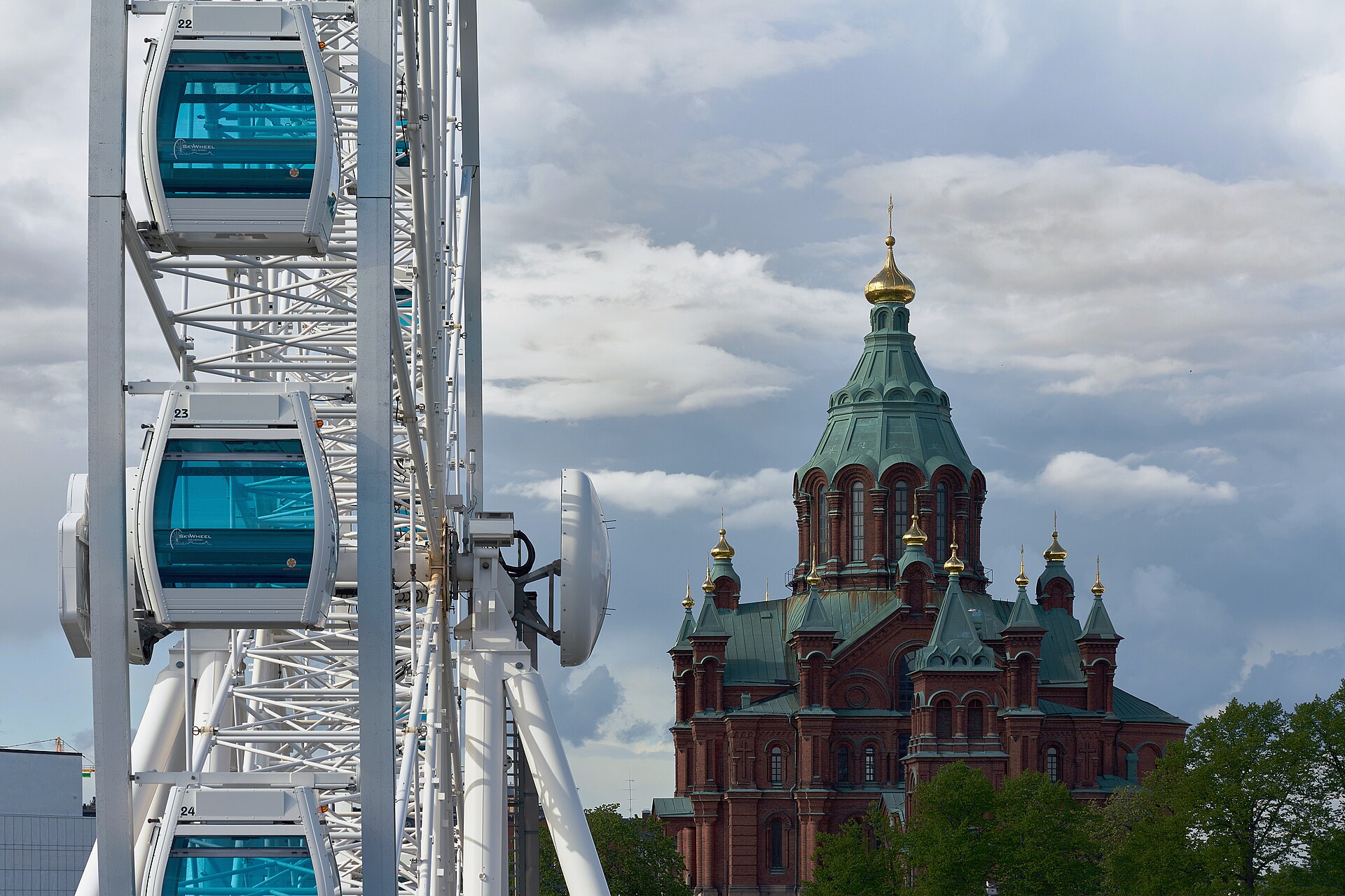
Katajanokka: best for harbour views and quiet elegance
Cross the small bridge east of the Market Square and Helsinki changes register. Katajanokka is an island of Jugendstil — Finnish Art Nouveau — apartment buildings, quiet cobbled streets and the red-brick Uspenski Cathedral, built in 1868 and the largest Orthodox church in Western Europe, watching over the South Harbour from its hill. The SkyWheel turns slowly above the water, the ferries to Tallinn and Stockholm leave from the terminals here, and the whole district feels a world away from the station crowds while still being ten minutes’ walk from Senate Square. This is the pick for couples, repeat visitors and anyone who wants a harbour view with their morning coffee. Hotels are few and the good ones book out for December, so reserve early — the trade-off for all that calm is a short walk to the nearest tram stop and fewer late-night restaurants on your doorstep.
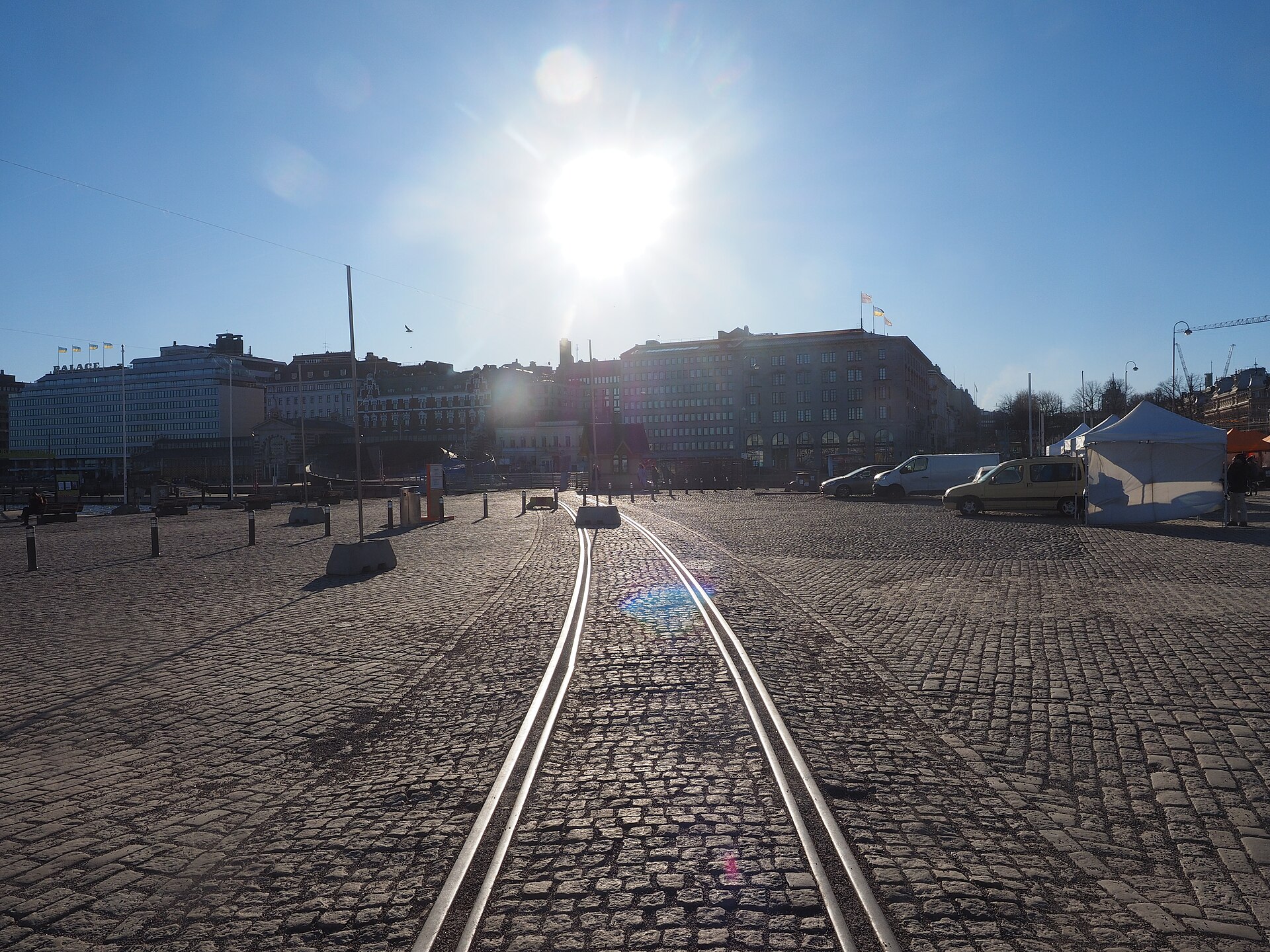
Katajanokka’s most memorable stay is Hotel Katajanokka, a boutique hotel inside a handsome 1837 red-brick building that was once the county prison — the cells are now calm, light-filled rooms, and the history is handled with a light touch rather than a gimmick. On the harbourfront itself, Hotel Haven is the small luxury address, with a rooftop terrace over the water and the Market Square literally outside the door — book a harbour-facing room and you can watch the Suomenlinna ferry come and go from bed.
Punavuori and the Design District: best for design lovers and boutique stays
South of the Esplanadi, Punavuori is where Helsinki’s design reputation lives: the Design District’s galleries, ceramics studios, vintage shops and cafés cluster around Uudenmaankatu and the streets off Bulevardi, and the neighbourhood’s low, pastel apartment blocks feel more village than capital. It is a ten-minute walk to the centre and the harbour, yet quiet at night, and the restaurant scene here — small, chef-led, often booked out — is the best in the city. Choose Punavuori if you travel for interiors, coffee and slow mornings; the trade-off is that you will walk or tram everywhere rather than stepping out onto the sights.
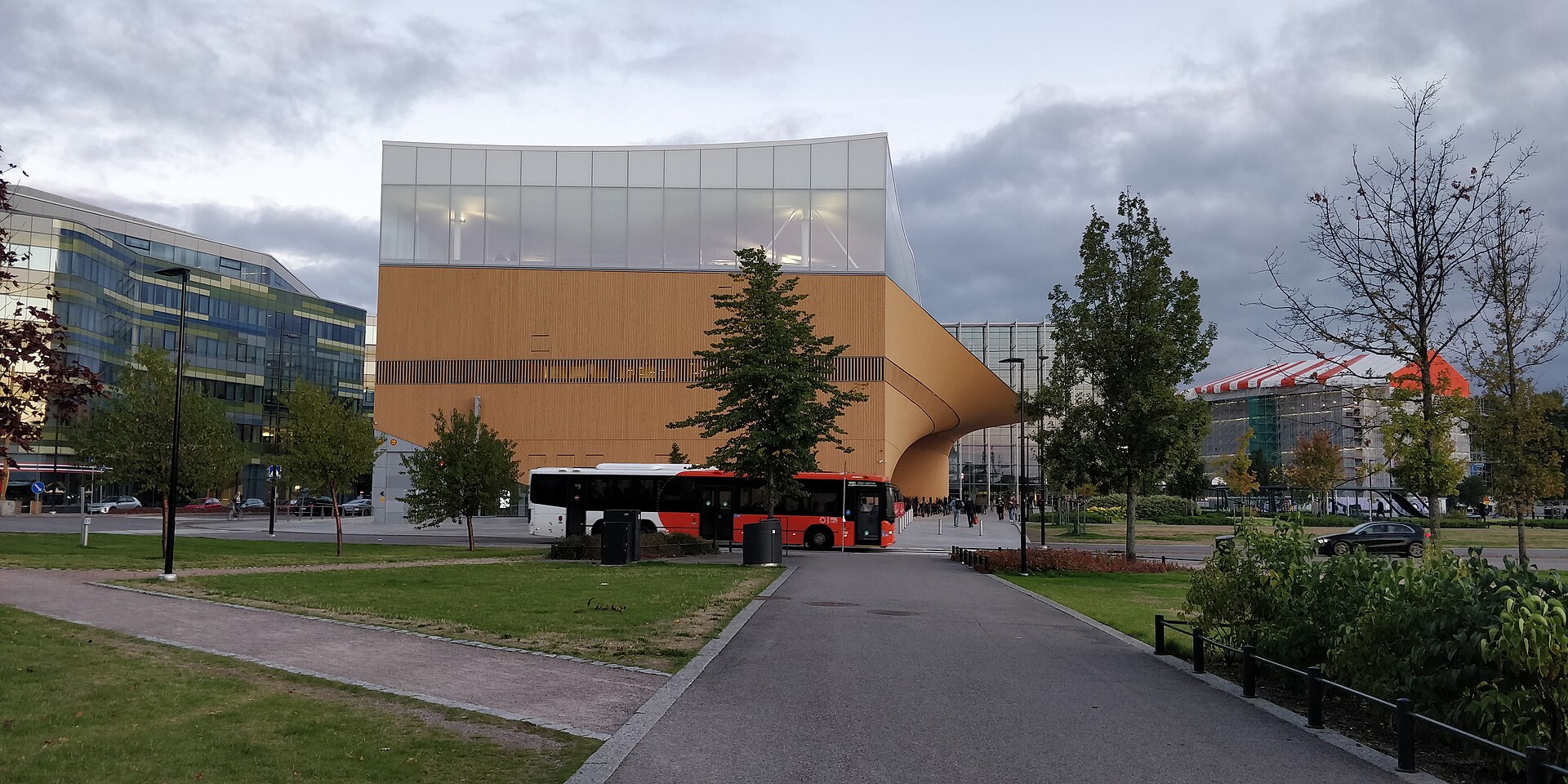
The neighbourhood’s classic stay is Hotel Lilla Roberts, a boutique hotel in a 1909 former power-company headquarters, with art-filled rooms, a good bar and a location two minutes from the Design District’s main streets. A short walk away on Bulevardi, Klaus K Hotel is the design-hotel original — each floor styled after a Finnish epic, with a sky bar and a literary, slightly theatrical feel that suits the neighbourhood perfectly.
Kallio: best for budget stays and local life
Cross the Pitkäsilta bridge north-east of the centre and you are in Kallio, Helsinki’s bohemian quarter: vintage shops, record stores, saunas, craft-beer bars and some of the city’s cheapest eats, in handsome early-20th-century tenements around the Kallio Church tower. This is where Helsinki’s students and artists actually live, and it is the best-value base in the city — rooms here run noticeably cheaper than equivalent centre properties, and the trams reach Senate Square in under ten minutes. The trade-off is honest: it is livelier at night, the streets are grittier than the Esplanadi, and you will not get harbour views. But if your Helsinki is saunas, second-hand shops and late bars rather than five-star lobbies, this is your neighbourhood.
The practical pick on Kallio’s edge is Scandic Paasi, a modern mid-range hotel in Hakaniemi, right where Kallio meets the centre — big rooms, a gym and sauna, and a tram stop outside the door. It is the value play that still lets you walk to the cathedral in fifteen minutes.
Getting there and getting around
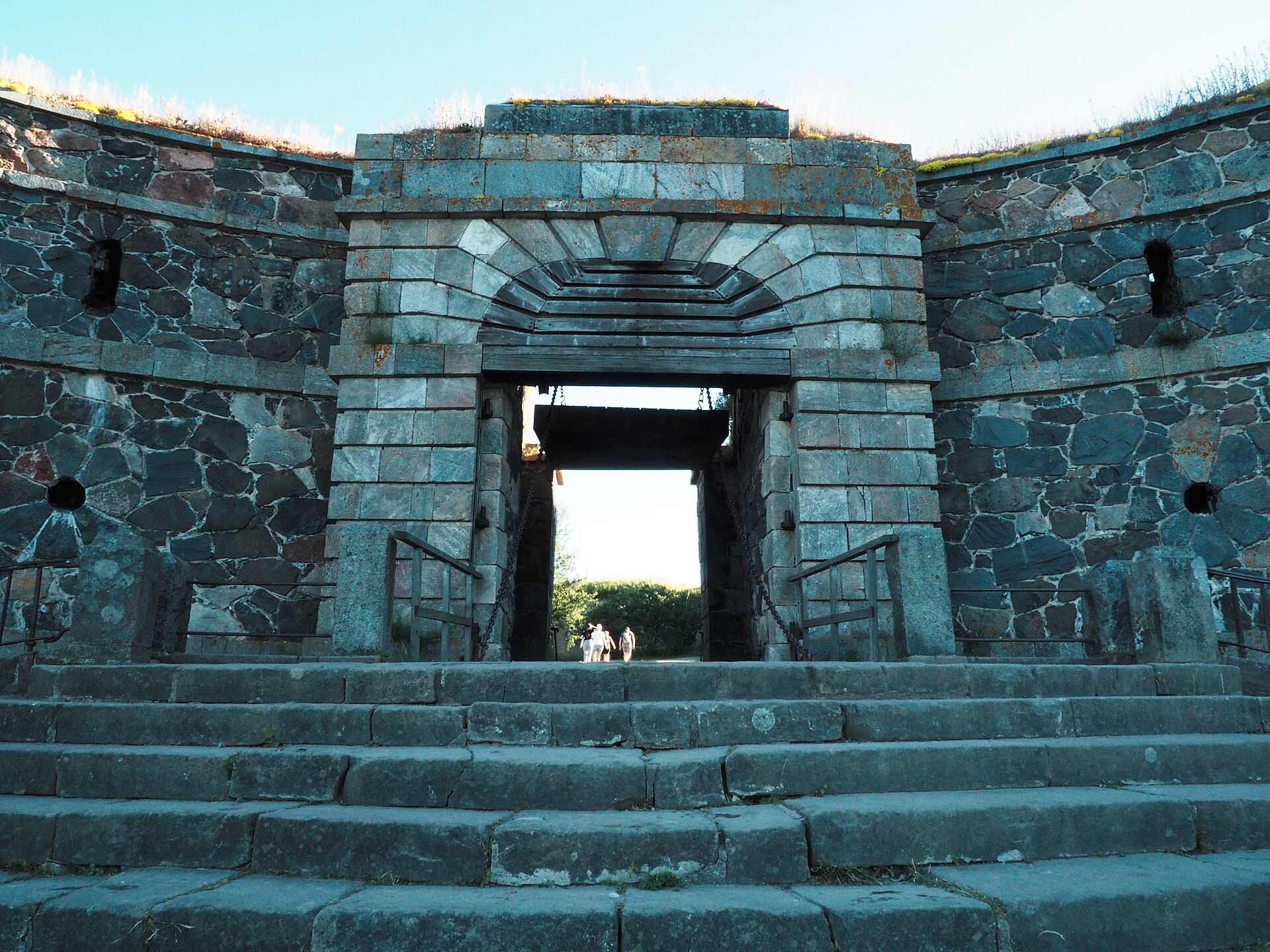
Helsinki-Vantaa Airport sits about 19 kilometres north of the centre; the I and P trains reach the Central Station in roughly 30 minutes, and buses run to Kamppi around the clock. From the centre, everything in this guide is walkable, and the trams cover the rest — buy tickets in the HSL app before boarding, and consider a day ticket if you are hopping between districts. The ferry to Suomenlinna leaves from Market Square and takes about 15 minutes; Tallinn ferries depart from the West Harbour and South Harbour terminals in about two hours, which makes Katajanokka a smart base if an Estonia crossing is on your list. My where to stay in Tallinn guide picks up the story on the other side of the Gulf of Finland.
Practical tips for booking Helsinki
Book the centre now for the Christmas market. With the market running November 27 to December 22, 2026 on Senate Square, central rooms are the first to go — and the first to rise in price. Mind the light. Late December gives you barely six hours of daylight, which is a real case for a hotel spa and a room with a view; late June barely gets dark, so check for blackout curtains. Sauna is not optional. Most hotels have one, often free for guests — use it, ideally after a cold walk. Winter gear matters more than hotel stars. Cobbles and harbour wind are the real Helsinki challenge in December; pack warm layers and grippy shoes, and take a taxi to the door with luggage rather than dragging a case over the Market Square cobbles. Summer is the other peak. June to August brings the white nights and the highest prices; April–May and September–October are the sweet spot of price and weather.
The bottom line
For a first, short trip — especially a Christmas-market trip — stay in the City Centre and let Helsinki do the work: Hotel Kämp for the grand Esplanadi splurge, Scandic Grand Central for the station-side practical pick, Hotel F6 for boutique calm. For harbour views and quiet, cross to Katajanokka. For design and cafés, take Punavuori. For value and local life, take Kallio. Wherever you sleep, give Helsinki one slow evening in a neighbourhood that is not your own — the cathedral steps at dusk, or the harbour lights from Katajanokka — because this is a city that rewards walking its own small borders.