
London rewards a week of exploring on its own, but some of England’s most memorable places sit an hour or two beyond the M25 — a royal castle still lived in by the King, a 5,000-year-old stone circle on an open plain, Georgian crescents built from honey-coloured stone, and villages that look lifted from a storybook. If you have already worked through my London in 3 Days itinerary, a day trip is the best way to spend day four.
Never forget a thing before you fly. My free 8-page Travel Planning Checklist walks you through the whole trip — 6 planning timelines, 36 checks, from booking windows to travel-day basics. One email, no spam, unsubscribe anytime.
Disclosure: This post contains affiliate links. If you book through one of these links, I may earn a commission at no extra cost to you.
Below are the seven day trips I recommend most, with honest timings, the choice between going by train on your own and booking a guided tour, and what I would skip if your time is tight. Distances are real: England looks small on a map, but a badly planned day trip can mean four hours on a coach. Pick one destination per day — two at most if they are combined on a single tour route.
1. Windsor Castle — the easiest royal day out
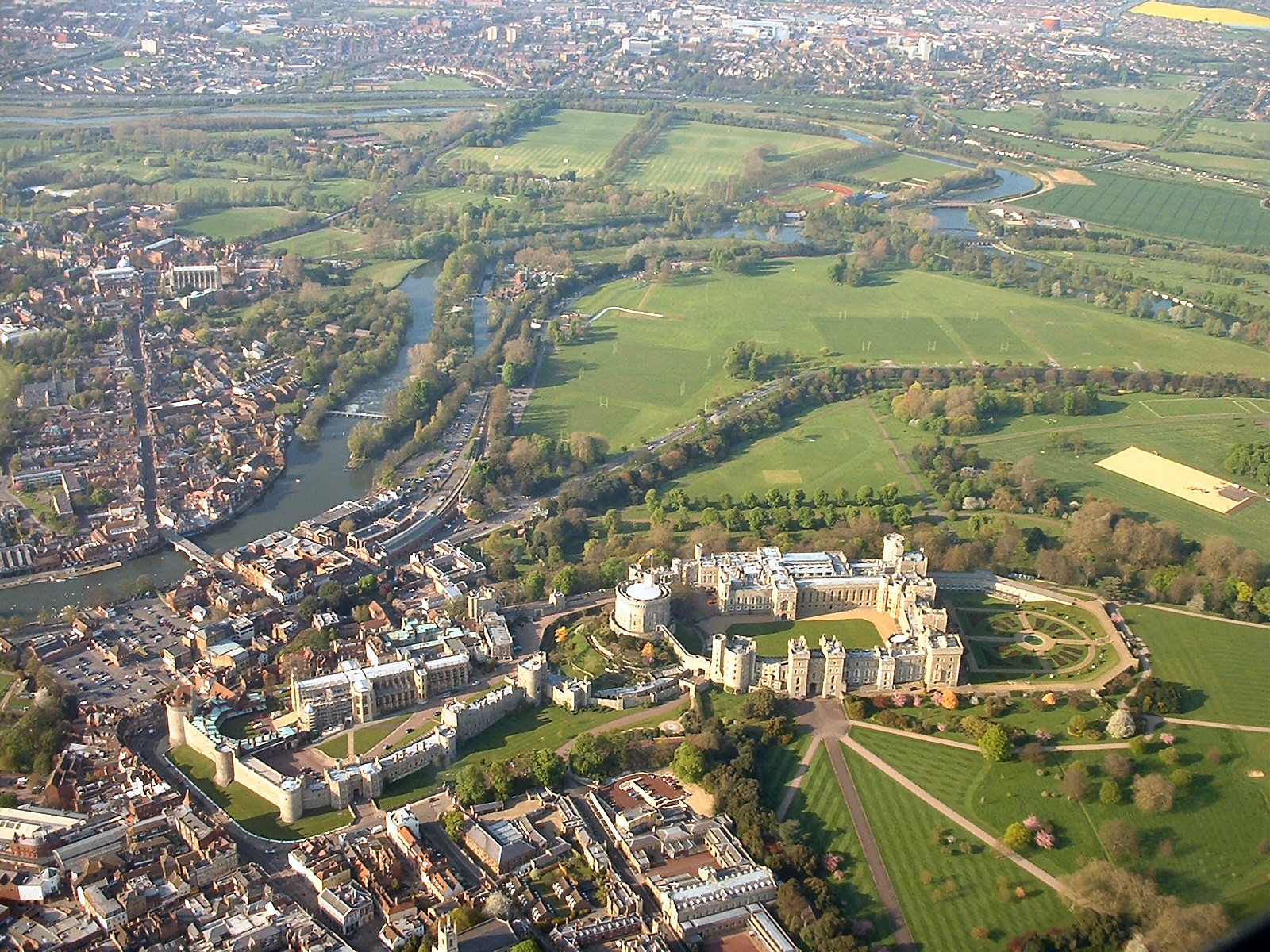
Windsor is the simplest trip on this list. Trains from London Paddington (changing at Slough) or direct from Waterloo reach Windsor & Eton Central in roughly 30–55 minutes, and the castle is a five-minute walk from the station. Windsor Castle is the oldest and largest occupied castle in the world, home to British monarchs for nearly 1,000 years, and still a working royal residence — if the Royal Standard flies above the Round Tower, the King is in.
Inside, the State Apartments hold paintings by Rembrandt and Rubens, and St George’s Chapel — where Prince Harry married Meghan Markle in 2018 — is worth the trip alone. Two practical warnings: the castle is normally closed to visitors on Tuesdays and Wednesdays, and St George’s Chapel closes to sightseers on Sundays. Arrive before 10am to beat the coach groups, then leave time for a walk over the bridge into Eton or along the Long Walk in Windsor Great Park.
Best for: first-timers, royal-history fans, anyone with only half a day. DIY or tour? DIY by train is easy; Windsor also anchors the classic combined tour below.
2. Stonehenge and Bath — the classic combined tour
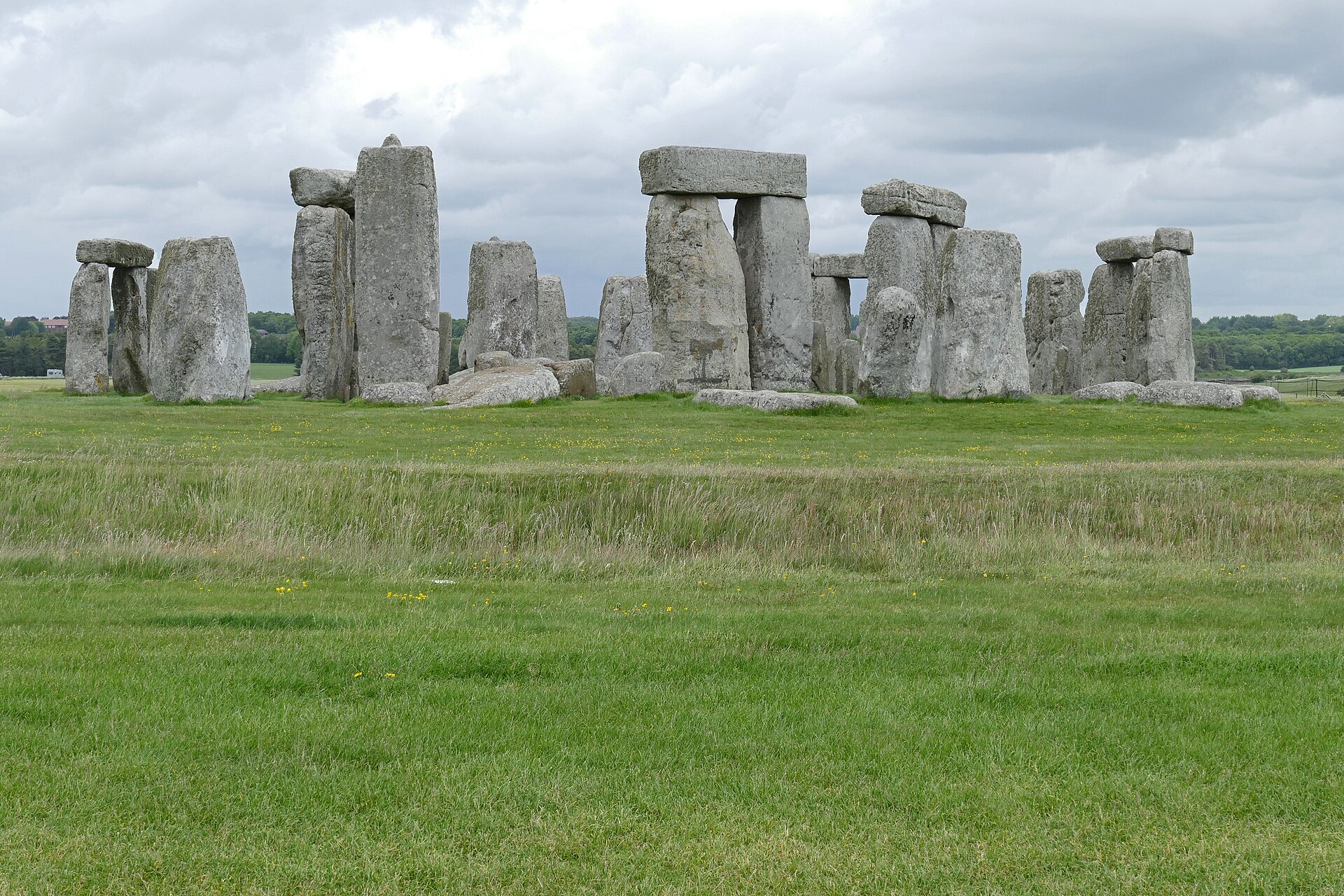
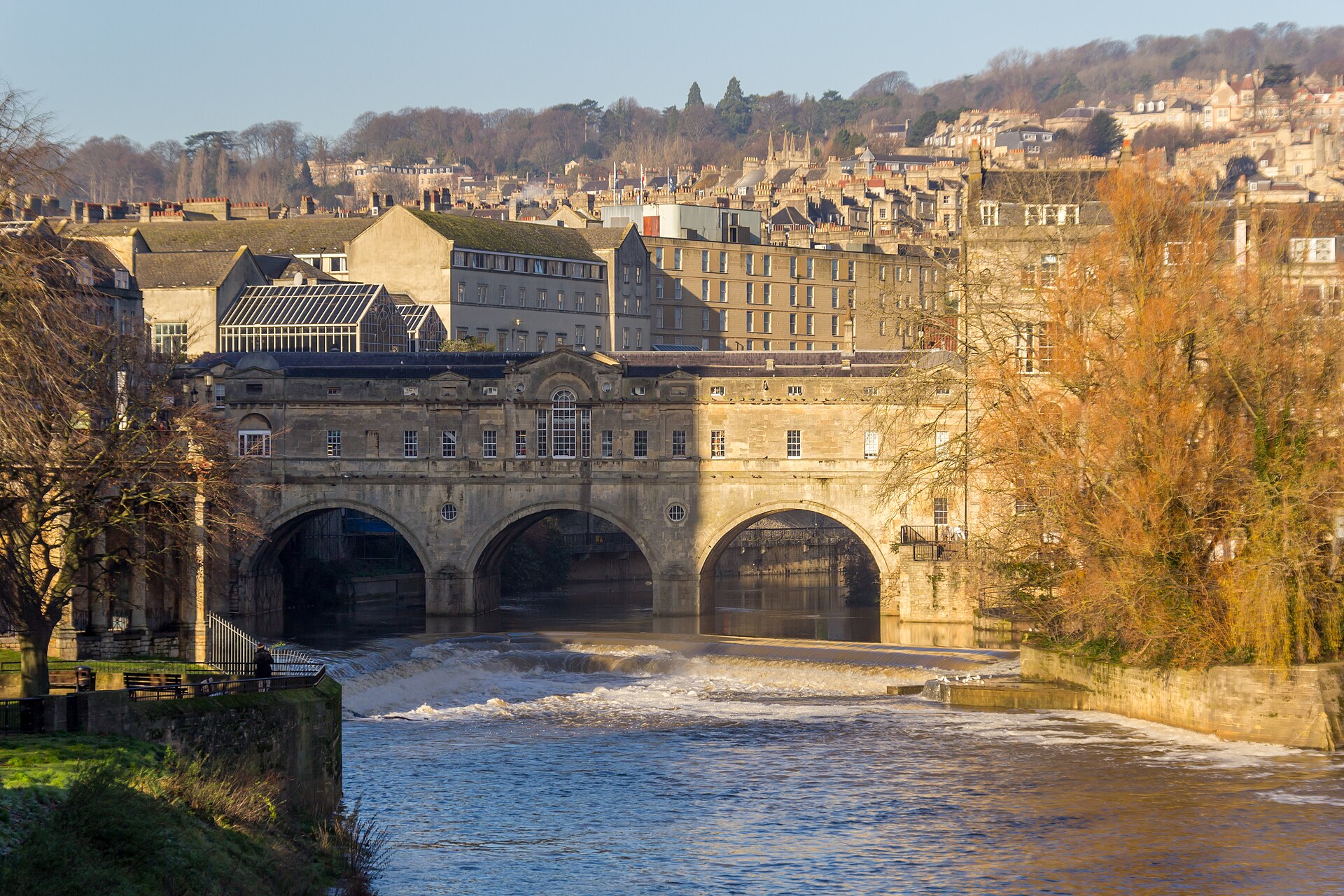
Stonehenge and Bath sit in the same direction from London, which is why nearly every visitor pairs them. Stonehenge, on Salisbury Plain in Wiltshire, is a prehistoric ring of standing stones raised in stages between roughly 3000 and 2000 BC; nobody fully agrees why, and standing in front of it is stranger and better than any photograph suggests. Bath, an hour further west, is a complete Georgian city built from golden Bath stone — the Royal Crescent, the Circus, Pulteney Bridge, and the remarkably preserved Roman Baths built around Britain’s only natural hot springs.
Doing both by public transport in one day is possible but punishing — Bath is about 1 hour 20 minutes from Paddington by direct train, and Stonehenge has no station (the nearest, Salisbury, needs a connecting bus). This is the one trip where a coach tour genuinely earns its price: the long-running Stonehenge, Windsor Castle and Bath day trip from London (4.6 stars across more than 20,000 reviews, entry options selectable, free cancellation up to 24 hours ahead) strings all three together from Victoria Coach Station in a single 11-hour day. It is a taster, not a deep dive — expect about an hour at Stonehenge — but for travellers short on days it is the most efficient route on this page.
Best for: short stays, bucket-list travellers. Skip if: you hate long coach days — take the train to Bath alone instead and give it a full day.
3. Oxford — the dreaming spires, an hour away
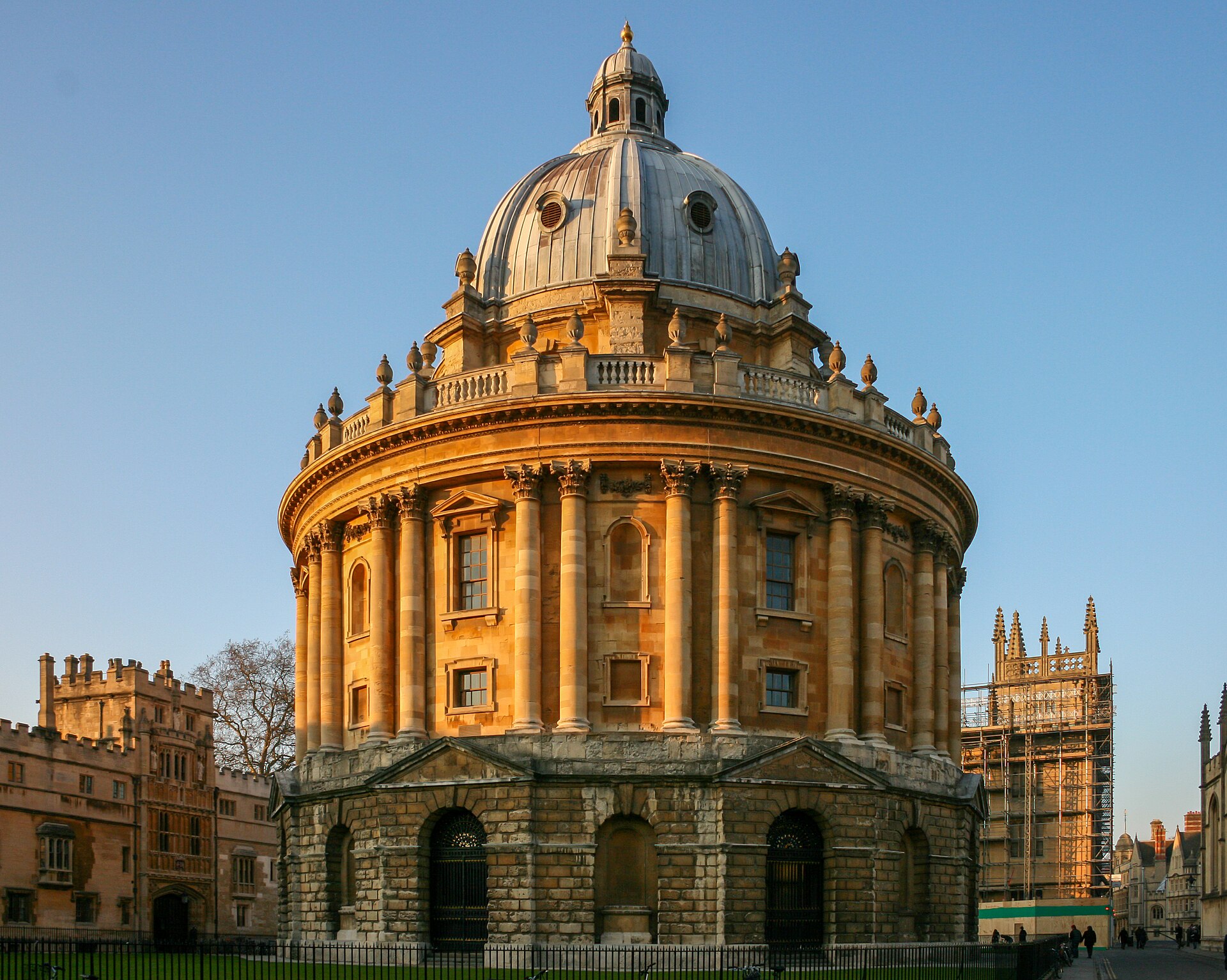
Oxford is the thinking traveller’s day trip: direct trains from Paddington or Marylebone take about an hour, and the centre is compact enough to see well on foot. The University of Oxford is the oldest university in the English-speaking world, teaching here since the 11th century, and its colleges — Christ Church, Magdalen, New College — are the attraction. Don’t miss the Radcliffe Camera, the Bridge of Sighs on New College Lane, and the view from the University Church tower. Several colleges charge a small entry fee and close to visitors during exams and events, so check opening times the day before.
Fans combining Oxford with film magic should look at the Harry Potter Studio Tour and Oxford day trip (rated “Top rated” and regularly flagged likely to sell out): a guided Oxford walking tour in the morning, then the Warner Bros. Studio Tour in Leavesden, where the Great Hall set, Diagon Alley and the original Hogwarts Express are preserved. Note its stricter cancellation window — free cancellation is up to 14 days ahead, not 24 hours — so book it only once your dates are firm. Studio Tour tickets sell out weeks ahead in school holidays, which is exactly why this combined product exists.
Best for: book lovers, Harry Potter fans, architecture people. DIY or tour? Oxford itself is an easy DIY train day; the Studio Tour is the part that needs booking ahead.
4. Cambridge — punting and quieter quads
Cambridge is Oxford’s gentler rival: about 50 minutes from King’s Cross or Liverpool Street, flatter, greener, and centred on the River Cam. The signature experience is punting past the Backs — the lawns running behind King’s, Clare and Trinity colleges — with King’s College Chapel, one of the finest Gothic buildings in England, as the backdrop. Cambridge feels calmer than Oxford on a weekday and suits travellers who prefer gardens and riverside walks to grand streets. If you can only choose one university city, pick Oxford for drama and Cambridge for calm.
Best for: a slower day, couples, repeat London visitors. DIY or tour? DIY — trains are fast and frequent.
5. Brighton — seaside, the Pavilion and fish and chips
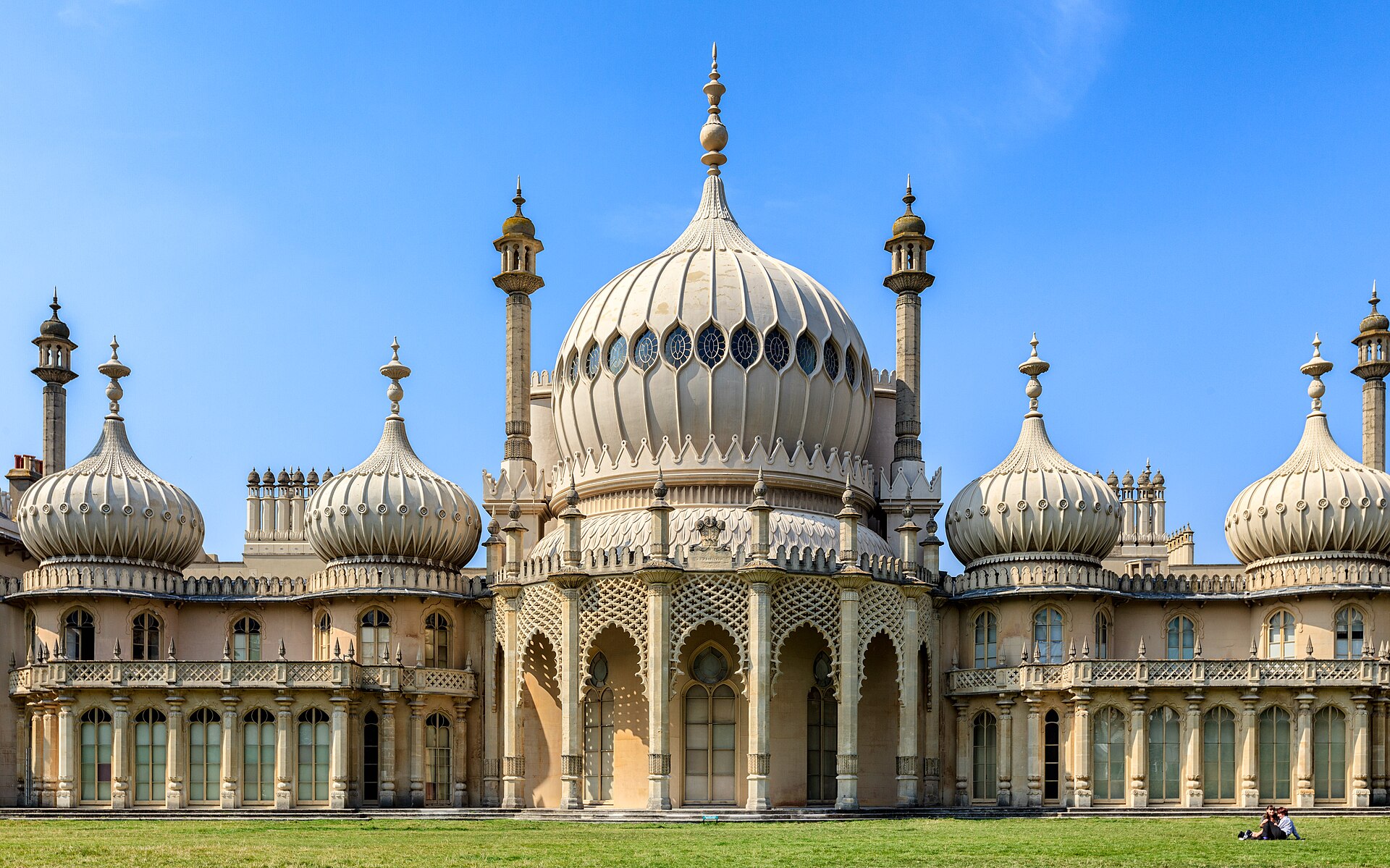
Brighton is London’s beach, about an hour by train from Victoria, London Bridge or St Pancras, and it makes the best fair-weather escape on this list. The Royal Pavilion is the headline sight: a seaside palace rebuilt for the Prince Regent in an extravagant Indo-Saracenic style, all onion domes and minarets outside and chinoiserie dragons inside — nothing else in England looks like it. Add the Lanes’ jewellery shops and cafés, the Palace Pier, and fish and chips on the pebble beach, and you have a full, easy day. Trains run late, so Brighton is also the one trip where you can stay for dinner without watching the clock.
Best for: sunny days, food, a change of air. DIY or tour? DIY by train, always — it is cheaper and more flexible than any coach.
6. Canterbury — Chaucer, the cathedral and a slower Kent
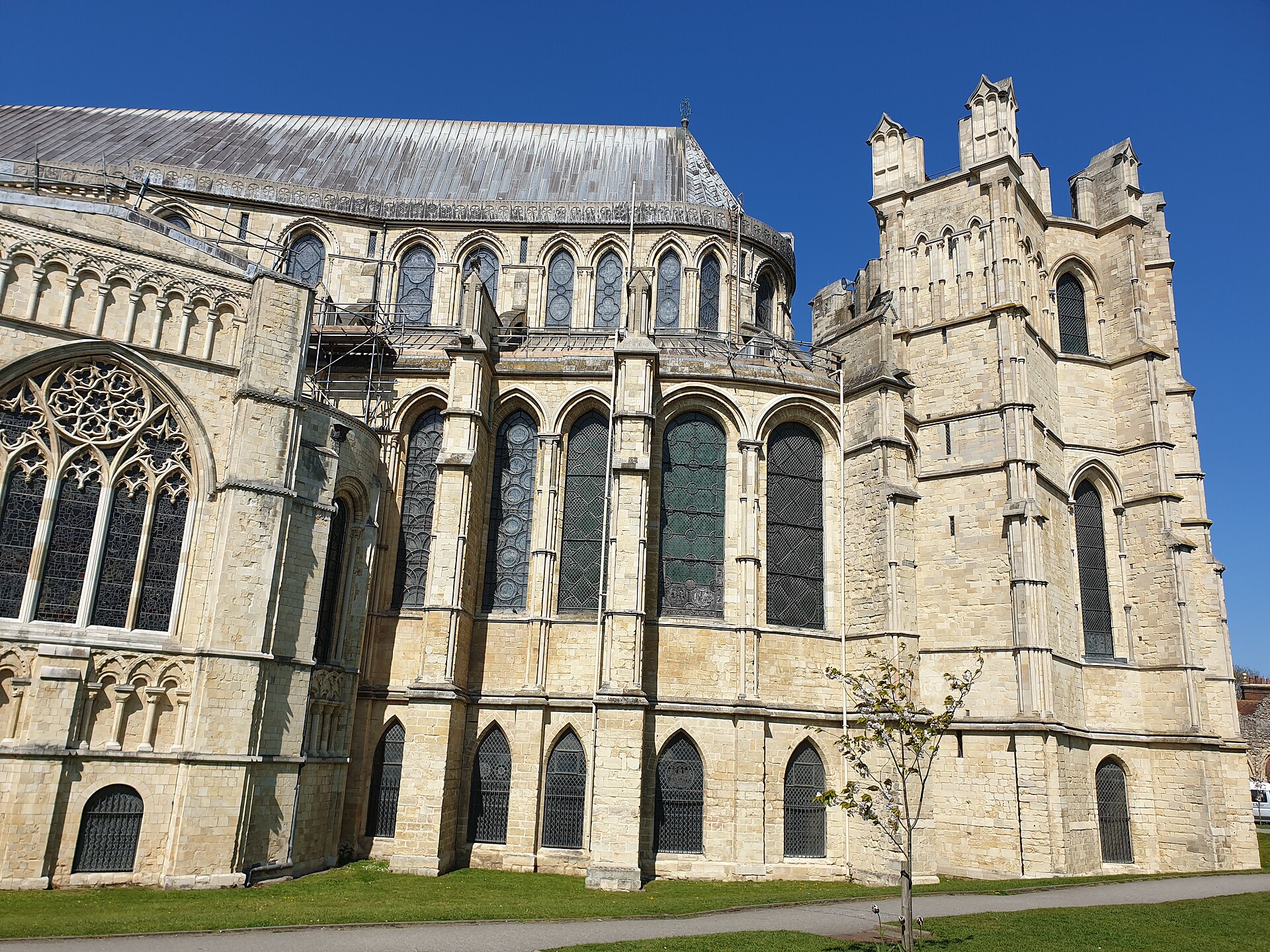
High-speed trains from St Pancras reach Canterbury West in just under an hour, putting one of England’s great cathedrals within easy reach. Canterbury Cathedral is the mother church of the Anglican Communion and the site of Thomas Becket’s murder in 1170, which made it one of medieval Europe’s great pilgrimage destinations — the journey Chaucer’s pilgrims were making in The Canterbury Tales. The old town inside the city walls is small and walkable, with timbered streets along the River Stour. Pair the cathedral with a punt on the Stour or the gardens at Greyfriars for a gentle half-to-full day.
Best for: history and literature lovers, travellers who find London intense. DIY or tour? DIY by high-speed train.
7. The Cotswolds — honey-stone villages (take the tour)
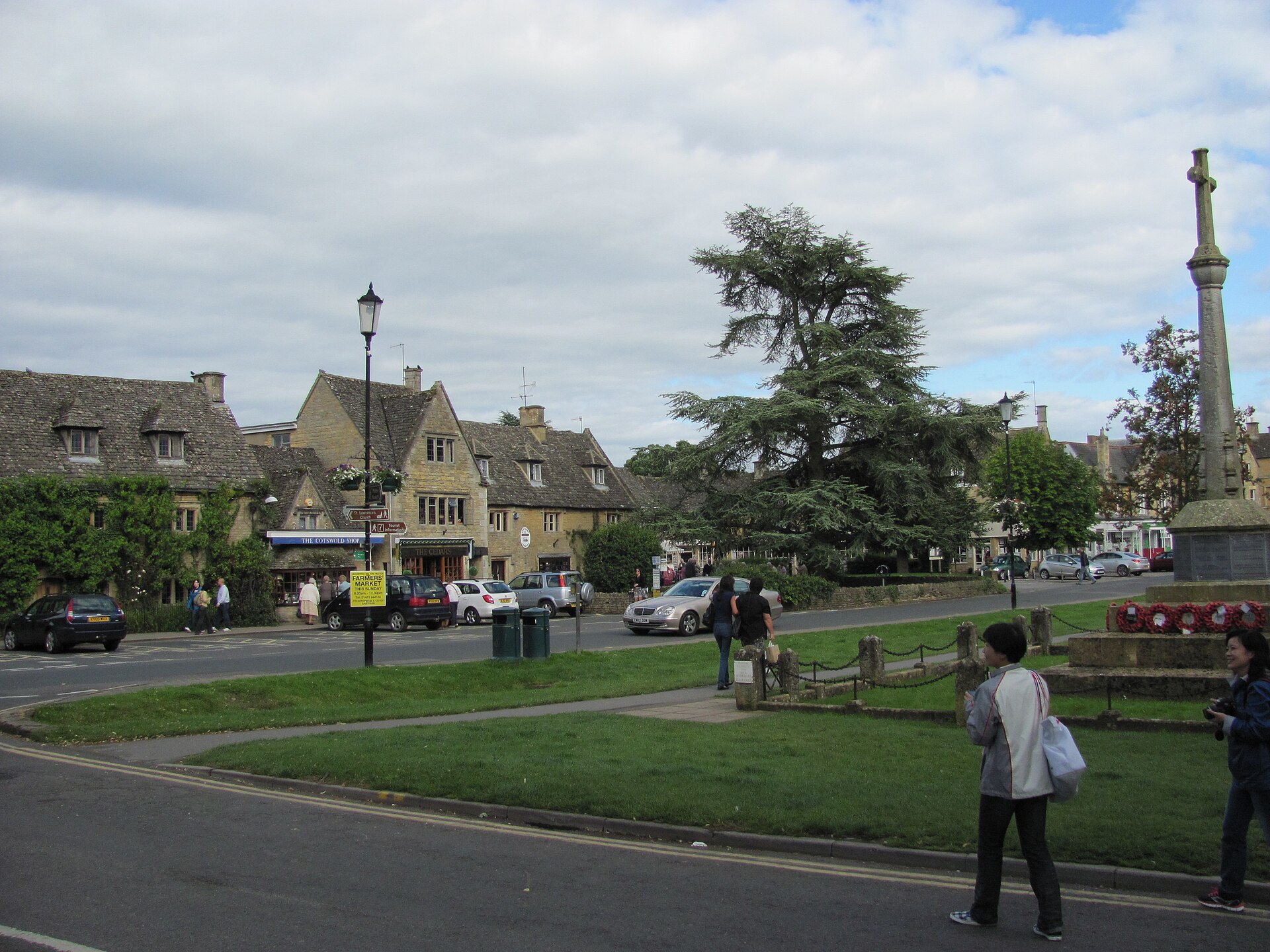
The Cotswolds are the exception that proves the rule: England’s largest Area of Outstanding Natural Beauty is a region, not a town, and its villages — Bourton-on-the-Water, Bibury with its 17th-century Arlington Row weavers’ cottages, Burford, Stow-on-the-Wold — are linked by country lanes, not railways. Without a car, a small-group minibus tour is realistically the only way to see several villages in a day. The small-group Cotswolds villages tour from London (4.3 stars from over 900 reviews) covers Bourton-on-the-Water, Bibury and Burford in about 10 hours by minibus — small enough to use the narrow lanes big coaches can’t. Go on a weekday if you can; Bourton’s riverside greens get very busy on summer Saturdays.
Best for: photographers, countryside lovers, anyone without a car. DIY or tour? Tour, unless you are hiring a car.
How to choose: train, tour, or car?
My honest rule after years of these trips: go by train when one destination has a fast direct line — Windsor, Oxford, Cambridge, Brighton and Canterbury all qualify, and you control the schedule. Take a tour when the day strings together places with no rail links between them (Stonehenge plus Bath, the Cotswolds villages), or when tickets sell out and the tour holds an allocation (the Harry Potter Studio Tour). Hire a car only if the Cotswolds are your main event and you want two or three days there — central London pickups and parking will eat the savings on a single day.
Whichever you choose, book trains a few weeks ahead for the cheaper Advance fares, start early — most of these places are at their best before 11am — and keep one unplanned London day in reserve. If you are still deciding where to base yourself for all this exploring, my guide to where to stay in London breaks down the best neighbourhoods by budget and style, and my London hidden gems list covers what to do on the days you stay in the city. London is the hub — these day trips are the spokes that turn a good city break into a great England trip.