
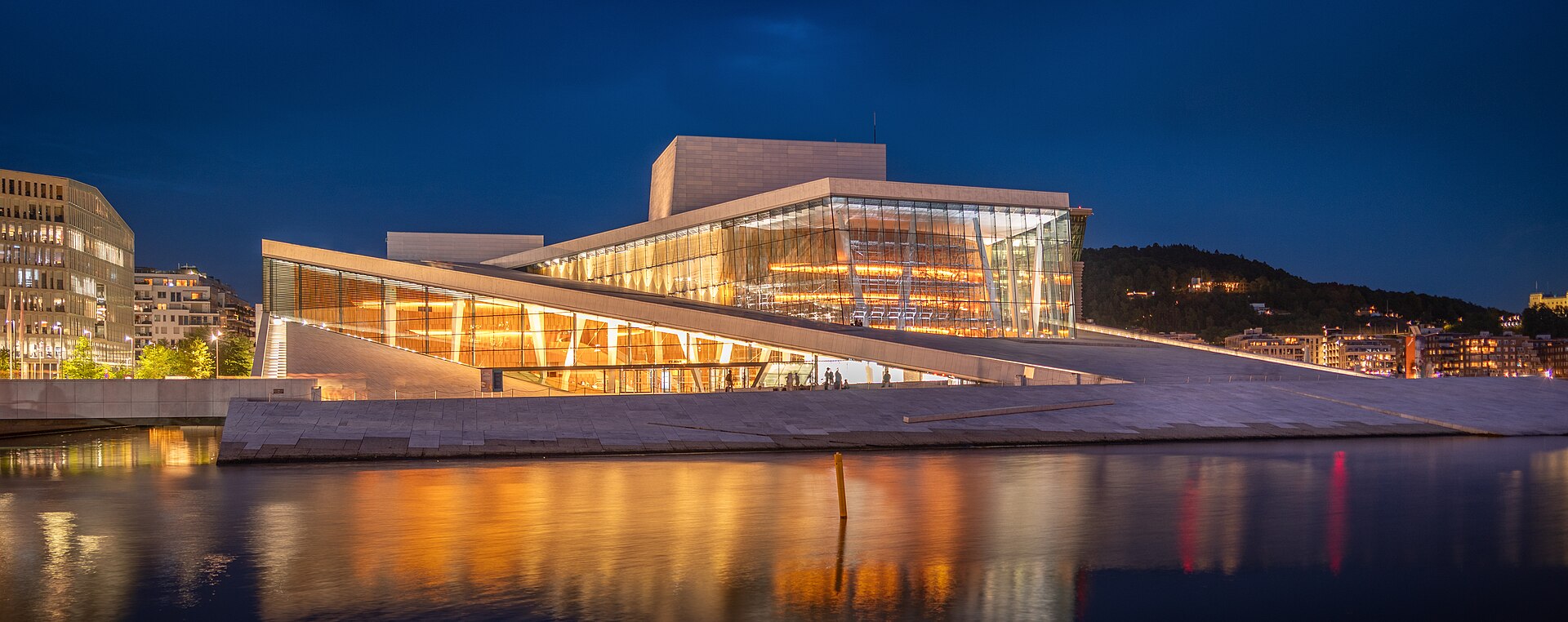
Oslo rewards travelers who pick the right base. Norway’s capital is wonderfully compact — you can walk the core in about half an hour — but each neighborhood gives you a different city: grand boulevards and the Royal Palace in Sentrum, waterfront dining and modern architecture in Aker Brygge, the white sweep of the Opera House rising from the fjord in Bjørvika, bohemian cafés and vintage shops in Grünerløkka, and hill views over the whole spread from Holmenkollen. Choose well and you will walk to most of what you came for; choose badly and you will spend your trip riding the metro past it.
Never forget a thing before you fly. My free 8-page Travel Planning Checklist walks you through the whole trip — 6 planning timelines, 36 checks, from booking windows to travel-day basics. One email, no spam, unsubscribe anytime.
This guide breaks down the six areas that work best for visitors — what each one feels like, who it suits, and the hotels worth booking in each, from historic five-stars on Karl Johans gate to an art-deco former bathhouse and dependable budget picks. Norway’s capital is one of Europe’s priciest hotel cities, so the best move is to decide on your neighborhood early and book three to four months out, especially for summer and the December Christmas-market season.
Disclosure: This post contains affiliate links. If you book through one of these links, I may earn a commission at no extra cost to you.
Sentrum: Best for First-Timers and Sightseeing
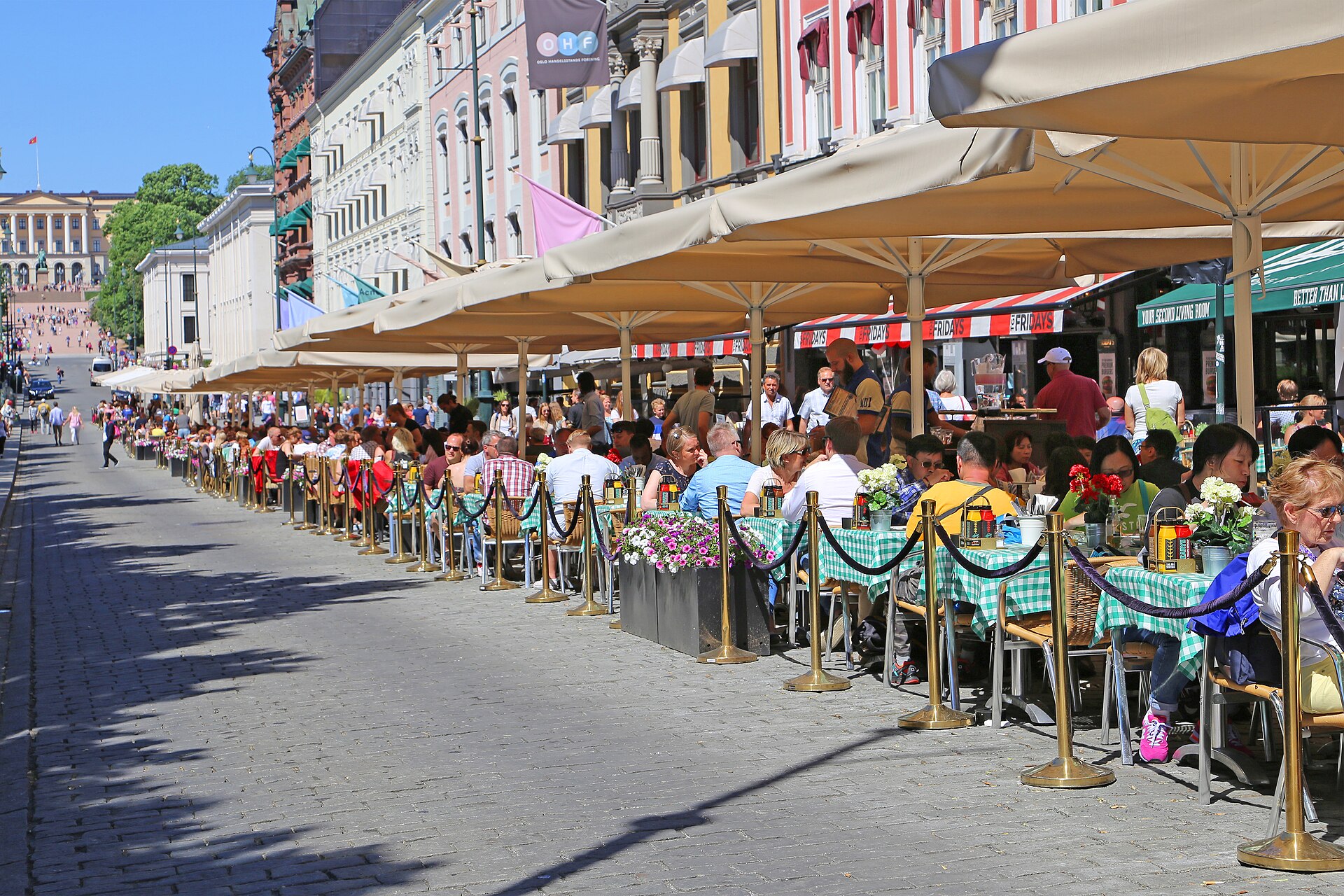
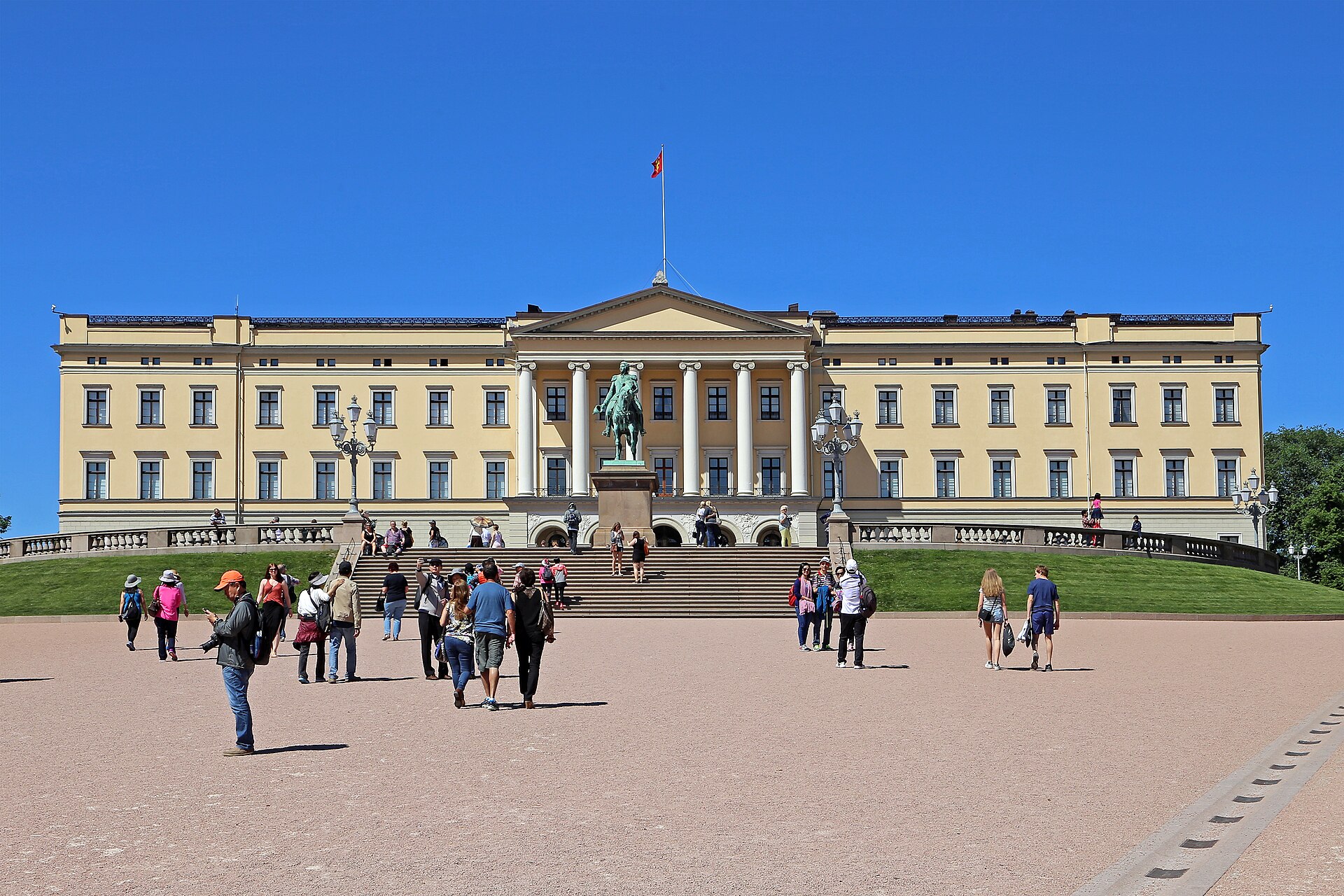
If you have two or three days and want Oslo’s greatest hits on foot, stay in Sentrum, the city center. Karl Johans gate — Oslo’s main boulevard, lined with shops, cafés, and historic buildings — runs from the central station up to the Royal Palace, and the area around it holds the National Theatre, the Parliament, the Nobel Peace Center, and the harbor-front City Hall. It is the most expensive part of the city, and for a short first trip, the premium is usually worth it. One caveat: the blocks immediately around the central station can feel a little gritty late at night, so favor the streets toward the palace and the harbor.
The classic grand-hotel pick is Grand Hotel Oslo by Scandic, the city’s great old dame right on Karl Johans gate, with a strong 8.8 rating from guests. For classic five-star comfort on a slightly quieter street, Hotel Bristol has been one of Oslo’s finest addresses for generations (rated 9.6). Just opposite the National Theatre, family-owned since 1909 across four generations, Hotel Continental is the connoisseur’s choice — 151 rooms, the landmark Theatercaféen restaurant, membership in Leading Hotels of the World, and one Michelin Key awarded in 2025. If you want to step off the train and into your room, Amerikalinjen sits right on Jernbanetorget outside the station: 122 rooms in the former Norwegian America Line headquarters, a 1919 building converted to a design hotel in 2019 with the jazz club “Gustav” downstairs and a 9.8 guest rating. And if you need maximum choice, Clarion Hotel The Hub is the city’s biggest — 810 rooms opened in 2019 at Biskop Gunnerus Gate, a short walk from the station.
Aker Brygge and Tjuvholmen: Best for Waterfront Luxury
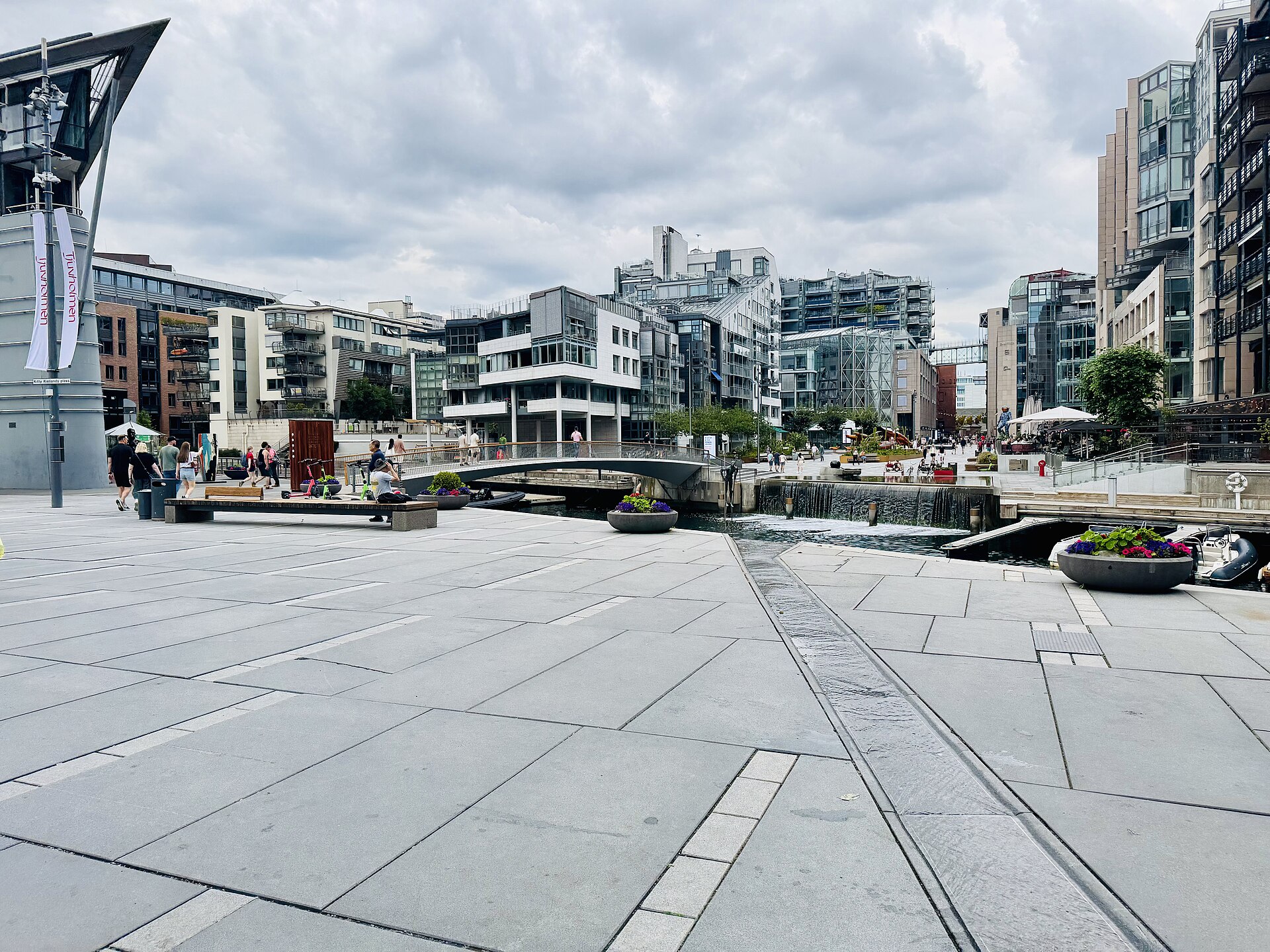
Ten minutes west of the harbor by foot, Aker Brygge is Oslo’s old shipyard turned into a polished waterfront of restaurants, bars, and boutiques, with wide promenades facing the fjord. Beyond it, the modern Tjuvholmen district mixes striking architecture with galleries and fine dining. This is where you stay when the budget stretches and you want your evenings to be about long dinners with water views rather than sightseeing marathons.
The district’s defining hotel is THE THIEF, on Landgangen 1 at the tip of Tjuvholmen: 118 rooms including eight suites, every one with a private balcony, a design-and-art concept hotel in the Nordic Hotels & Resorts collection, opened in 2013 and rated 9.2. Its biggest perk is the neighbors — the Astrup Fearnley Museum of contemporary art sits right next door, and guests get free entry with their room key. Be warned that you are paying for the setting; restaurants and bars here are among the priciest in the city.
Bjørvika: Best for Modern Oslo by the Water
East of the center, Bjørvika is Oslo’s newest district: the white, sloping Opera House that you can walk up like a ski jump, the towering MUNCH museum, and the Deichman Bjørvika library, all on a harborfront of glass towers. It is modern, quiet at night, and a ten-minute walk from Sentrum, which makes it a genuinely convenient base. Hotel stock is still thin here compared to Sentrum — think of it as a great overflow choice when the center is full or overpriced — but the Opera House alone is worth the walk even if you stay elsewhere.
Grünerløkka: Best for Bohemian Nights and Local Cafés
Oslo’s hipster quarter, Grünerløkka — “Løkka” to locals — is a grid of 19th-century workers’ housing turned into the city’s densest café, vintage-shop, and nightlife scene, especially along Markveien. It feels younger and more lived-in than the center, and it is where Oslo’s food scene quietly does its most interesting work. The trade-off is limited hotel stock: this is a neighborhood of apartments and a few guesthouses rather than grand hotels, and the streets around the station between here and the center are better taken by day.
The practical budget base on this side of town is Anker Apartment Sentrum — the apartment-style arm of the long-running Anker Hostel, offering self-catering rooms at prices that are genuinely rare in Oslo, rated 7.8. You trade polish for location and value: Grünerløkka’s bars and cafés are a short walk west, and the metro puts the rest of the city within reach.
Frogner and Majorstuen: Best for a Quiet, Leafy Upscale Stay
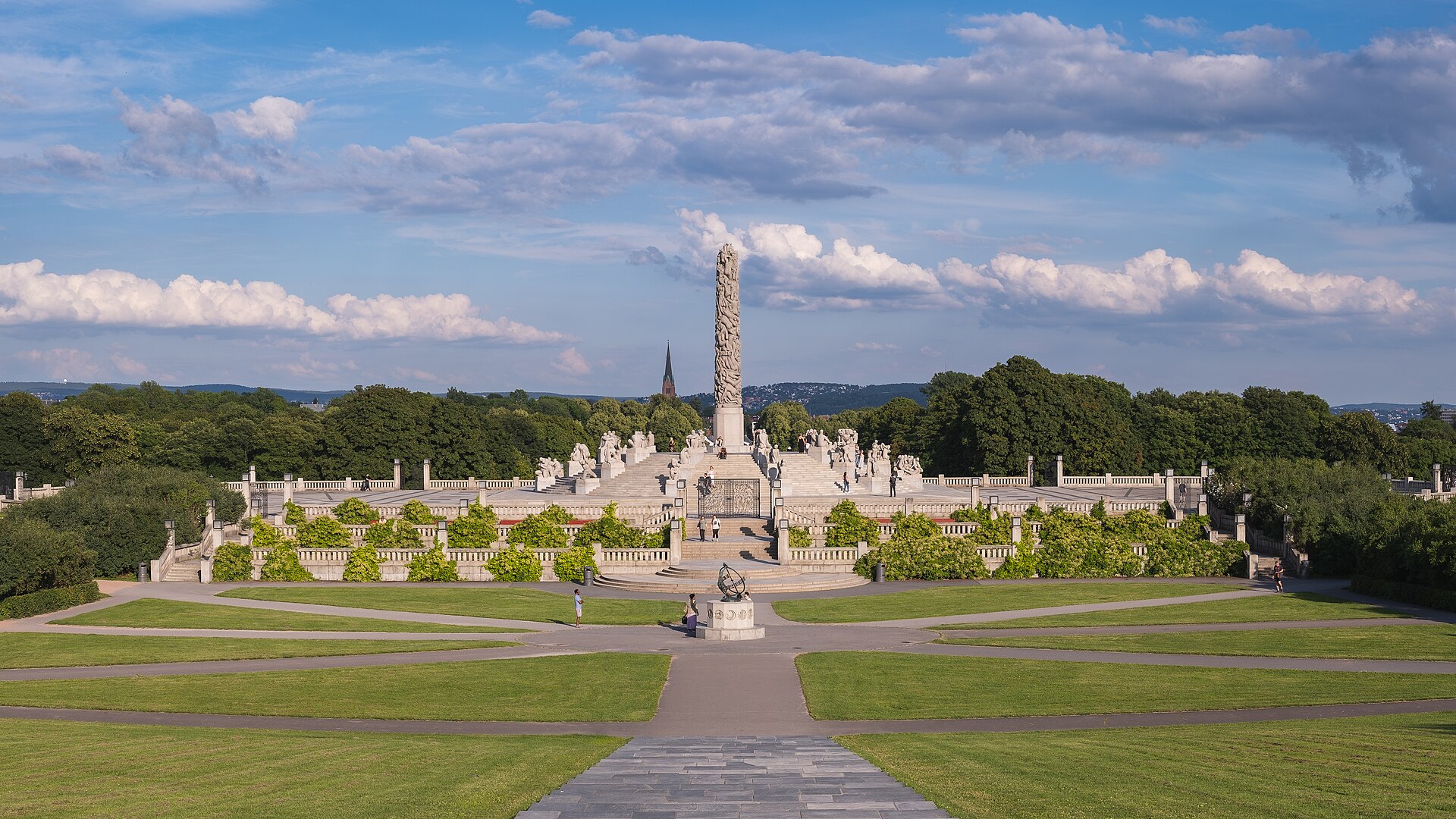
West of the center, Frogner and Majorstuen are Oslo’s most affluent, residential districts — wide streets, grand apartment buildings, and the Frognerparken, home of the famous Vigeland Sculpture Park with its more than 200 sculptures and the towering Monolith. It is quiet, green, family-friendly, and a bit of a retreat from the bustle, with a 10–15 minute metro ride back to the center. If you want your trip to feel calm and civilized rather than energetic, this is where you belong.
The neighborhood’s standout is Sommerro, a 1931 art-deco landmark — once the city’s grand Vestkantbadet bathhouse — reborn as a design hotel in the Preferred Hotels & Resorts collection, with an extraordinary 9.6 guest rating. Between the heritage architecture, the rooftop terrace, and the Vigeland park practically on the doorstep, it is one of the best-reviewed stays in all of Norway.
Holmenkollen: Best for Views and Active Travelers
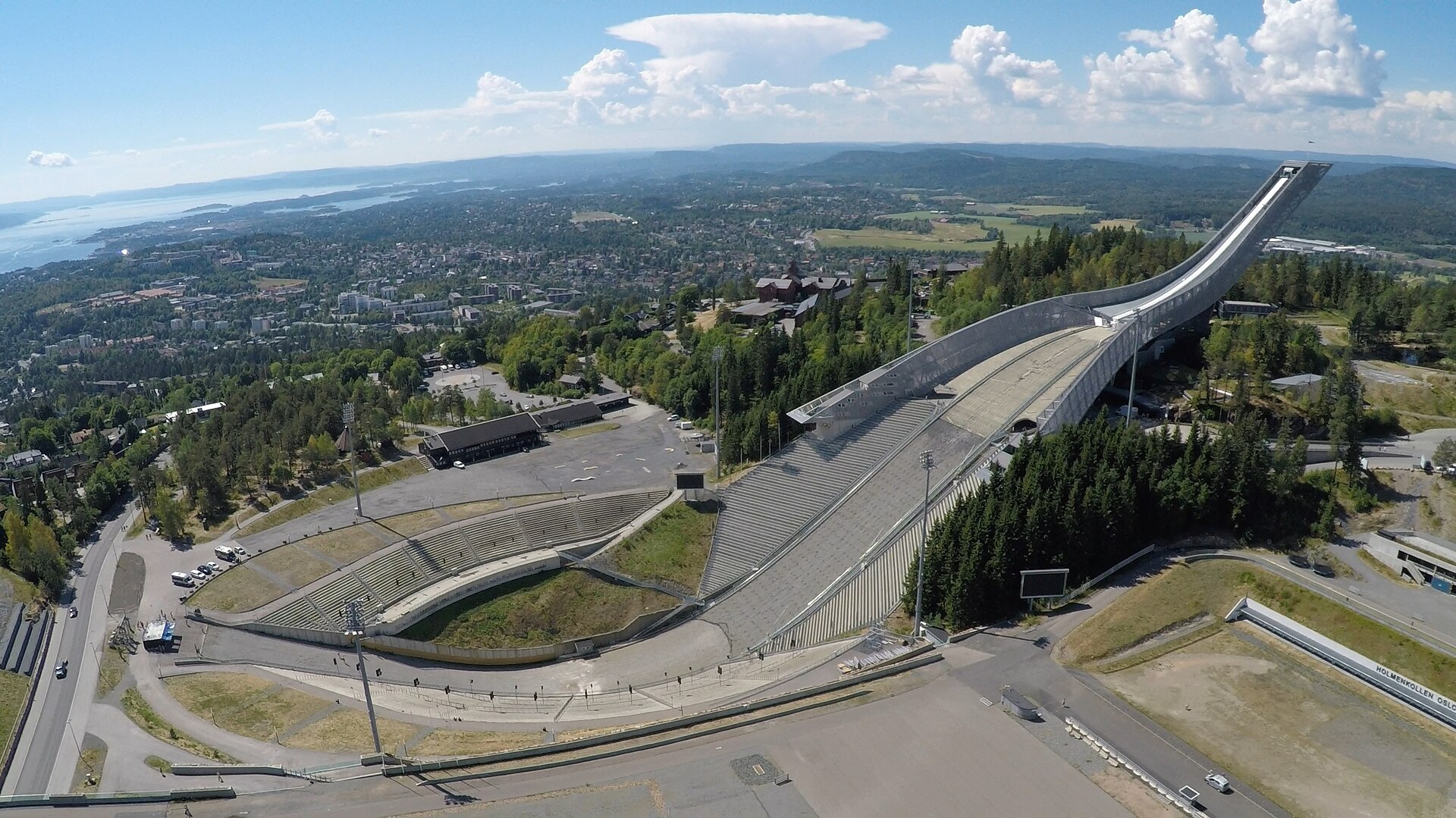
Sitting 350 meters above the city, the Holmenkollen hill is Oslo’s outdoor playground: the famous ski jump (used in the 1952 Winter Olympics), forest trails, and panoramic views across the fjord and the whole city. It is about 20 minutes by metro to the center — a T-bane ride with a view — and it suits skiers, hikers, and anyone who would rather wake up to pine forest than traffic.
The natural pick here is Scandic Holmenkollen Park at Kongeveien 26, a historic full-service hotel on the hill with an indoor pool and spa, a five-minute walk from the ski jump, rated around 8.8–9.0. Note that in winter this is genuinely a ski area; in summer it is a quiet base with the best sunsets in the city.
A Note on the Central Station Area
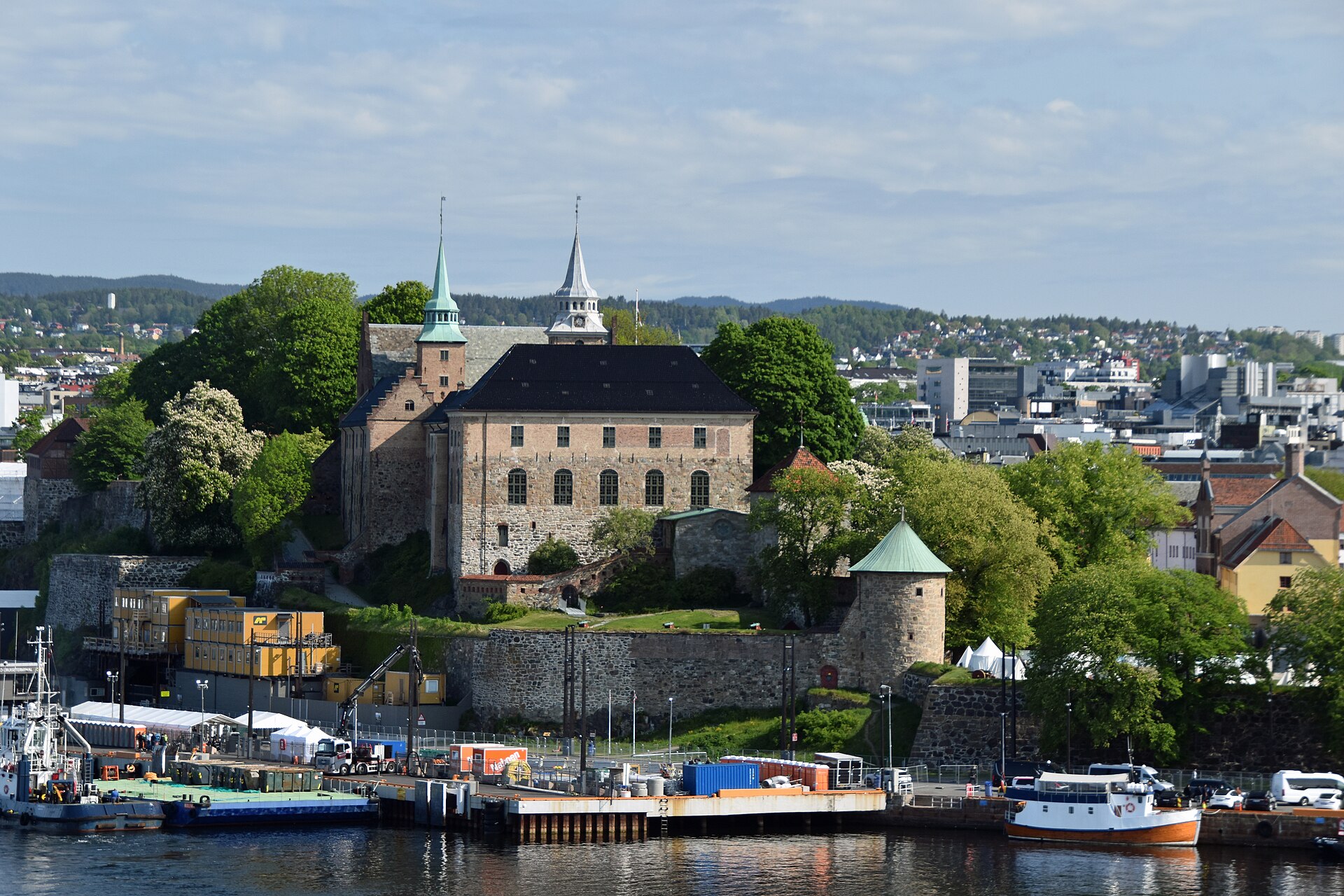
Oslo Central Station is unbeatable for early trains, the airport express, and ferry connections, and hotel prices just east of it can look tempting — the Akershus Fortress area toward the harbor is genuinely attractive. But the blocks directly around the station, especially toward Grønland and along the main square, are the one part of central Oslo that can feel rough after dark. The station itself is fine; if a station-side address saves real money, take it — just favor the streets toward the harbor and the Opera House, and you will be fine.
Three Oslo Experiences Worth Booking Ahead
Wherever you stay, three bookings deserve to be made before you arrive. If you only have one full day, the Oslo Combo Tour: Grand City Tour and Oslo Fjord Cruise packs the essentials into 7.5 hours — a guided coach loop past Vigeland Park and the Holmenkollen Ski Jump, the Fram Museum and the Folk Museum on the Bygdøy peninsula, then a 1.5-hour cruise on the Oslofjord. It carries Viator’s Badge of Excellence, is recommended by 91% of travelers, and sells out in summer. For a classic first-morning orientation, the guided walking tour of central Oslo is the perfect two hours: a local guide from the Tiger statue at Jernbanetorget, through the Opera House, Christiania Torv, Aker Brygge, City Hall, and up Karl Johans gate to the Royal Palace, rated 4.7 from more than 1,100 reviews. And for an active afternoon, the Oslo Highlights bike tour covers more ground than any walk can — 3 hours past City Hall, Akershus Fortress, Karl Johans gate, the Royal Palace, and the Vigeland Sculpture Park, rated 4.9 with a Badge of Excellence.
When to Book and What You Will Pay
Oslo is one of Europe’s most expensive hotel cities at every tier: what passes for a mid-range room in most capitals can run well into premium territory here, and the five-stars on Karl Johans gate and the waterfront command real money in summer. The three-to-four-months-out rule matters more here than almost anywhere else in Scandinavia; the June–August window and the December Christmas-market season both push rates up and thin out availability. If your dates are flexible, late April–May and September bring gentler prices with still-pleasant weather. Planning a wider Scandinavia trip? Pair this guide with our where to stay in Stockholm guide and our where to stay in Copenhagen guide — the three capitals make a natural triangle, connected by fast trains and short flights — and our 7 perfect 3-day Europe itineraries if you are working Oslo into a longer route.
Bottom line: first-timers should book Sentrum and pay for the location; waterfront luxury seekers belong in Aker Brygge and Tjuvholmen; modern-architecture fans get the best value in Bjørvika; night owls and café people will be happiest in Grünerløkka; anyone wanting calm, green, upscale streets should choose Frogner and Majorstuen; and active travelers who don’t mind the metro ride will love Holmenkollen.