
Venice is the rare city that lives up to the postcards — then exceeds them. But it rewards a plan: the big sights sell out, the access fee punishes spontaneous day trips, and the city’s geography means a wrong turn can cost you an hour. This 3-day Venice itinerary is built for first-timers — one blockbuster morning each day, breathing room in the afternoons, and the practical details (tickets, timing, what to skip) that turn a good trip into a great one. If you haven’t booked accommodation yet, my Where to Stay in Venice guide breaks down the seven neighborhoods first.
Planning a trip? Get our free Travel Planning Checklist:
Disclosure: This post contains affiliate links. If you book through one of these links, I may earn a commission at no extra cost to you.
Before You Go: Venice Essentials
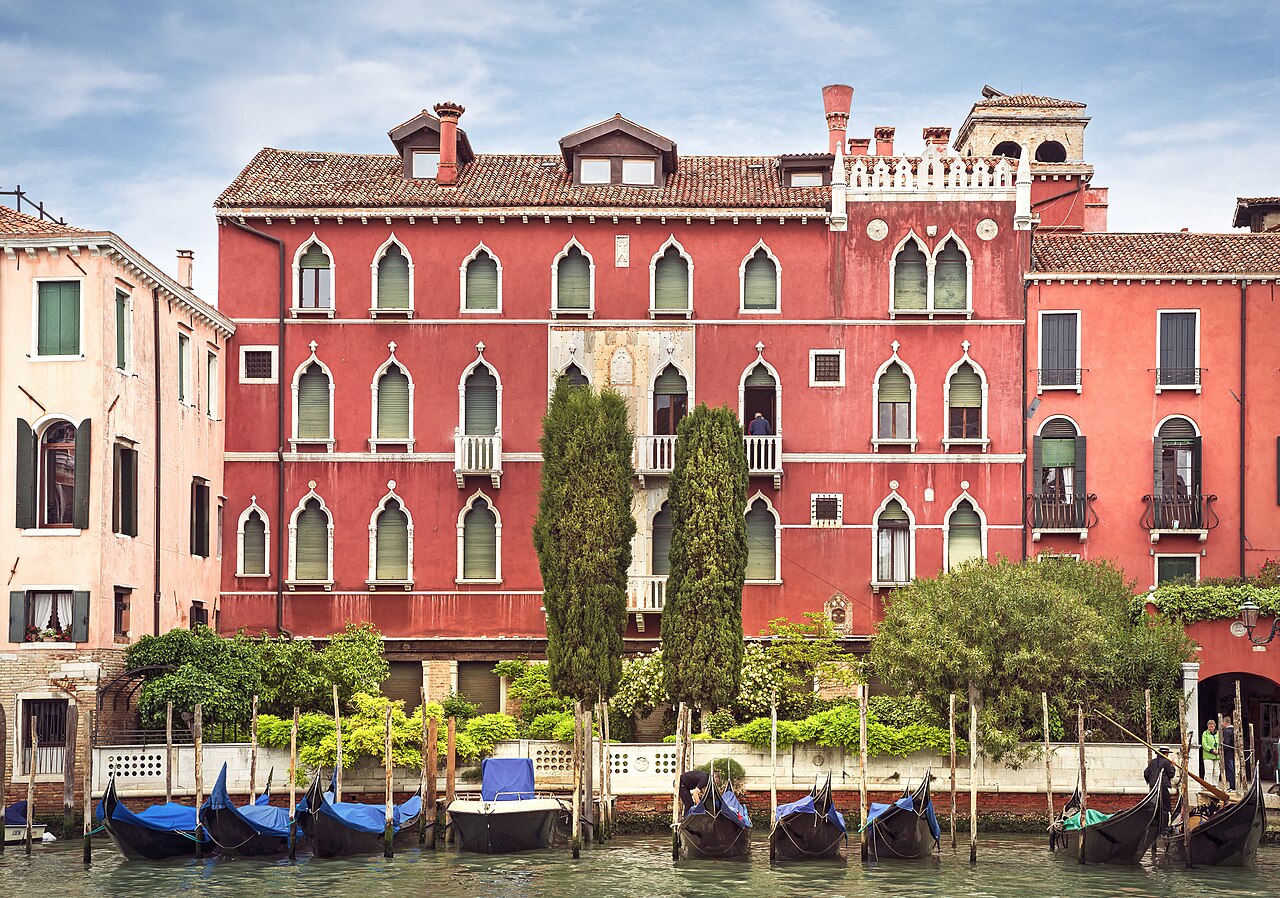
A few things to sort before you arrive. First, the Venice Access Fee: in 2026, day-trippers pay €5 if booked at least 4 days ahead (€10 last-minute) on 60 high-traffic days between April 3 and July 26, between 8:30am and 4:00pm. Overnight guests in registered accommodation are exempt — just register for the free exemption voucher. One more argument for staying the night, which is when Venice is at its best anyway.
From Marco Polo Airport, the Alilaguna shared water bus (€18 one-way, 45–75 minutes) is the classic arrival: the Blue line runs to Santa Lucia station via Murano and San Marco, the Orange line runs straight to San Marco via the Grand Canal and Rialto. The ATVO express bus to Piazzale Roma (~€10, 20 minutes) is faster and cheaper if you don’t mind ending at the bus station.
For getting around, the ACTV vaporetto passes pay for themselves fast: a single ride is €9.50 for 75 minutes, but the 24-hour (€25), 48-hour (€35), and 72-hour (€45) passes are built for exactly your three days. Buy them at the airport, the train station, or any vaporetto stop.
Day 1: St. Mark’s Square, the Doge’s Palace & the Grand Canal
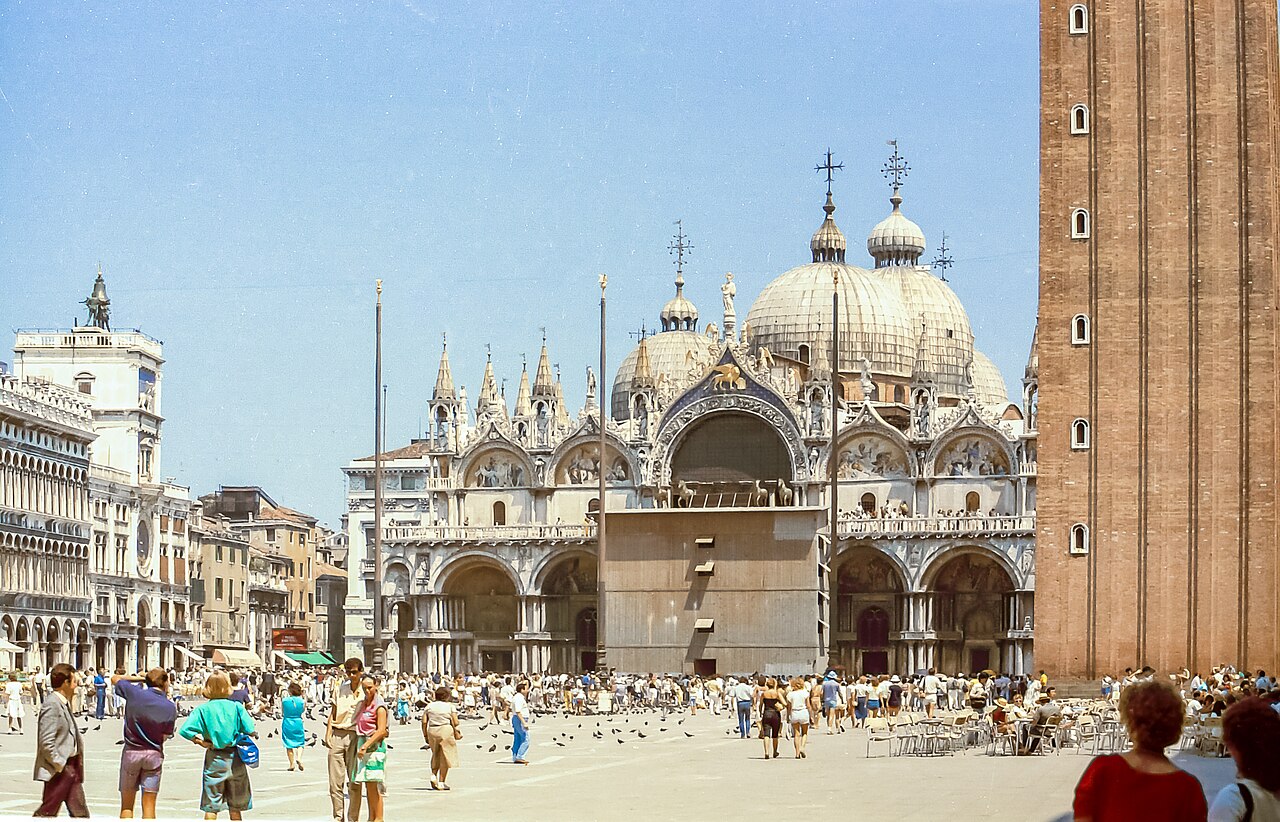
Start where Venice starts: Piazza San Marco. Arrive early — the square fills between 10am and 4pm, and the morning light on the Basilica is worth the alarm clock. St. Mark’s Basilica (Mon–Sat 9:30am–5:15pm; Sundays from 2pm) now requires a mandatory timed-slot booking with a modest fee; the Pala d’Oro (~€5) and the Museum/terrace (~€7–10) cost extra and are both worth it. Shoulders and knees must be covered — carry a scarf.
Then walk straight into the Doge’s Palace: €30 standard, or €25 when booked 30+ days ahead. Give it a full two hours — the Golden Staircase, the vast council chambers, and the Bridge of Sighs linking the interrogation rooms to the New Prisons are the single best crash course in Venetian history. The ~75-minute Secret Itineraries guided tour takes you through the hidden passages most visitors never see (priced around €95 — check current rates when booking).
The smartest move on Day 1 is bundling the two blockbusters: this skip-the-line guided tour of the Doge’s Palace and St. Mark’s Basilica covers both with an art historian, and you’ll spend your morning inside the sights instead of in the reservation queues.
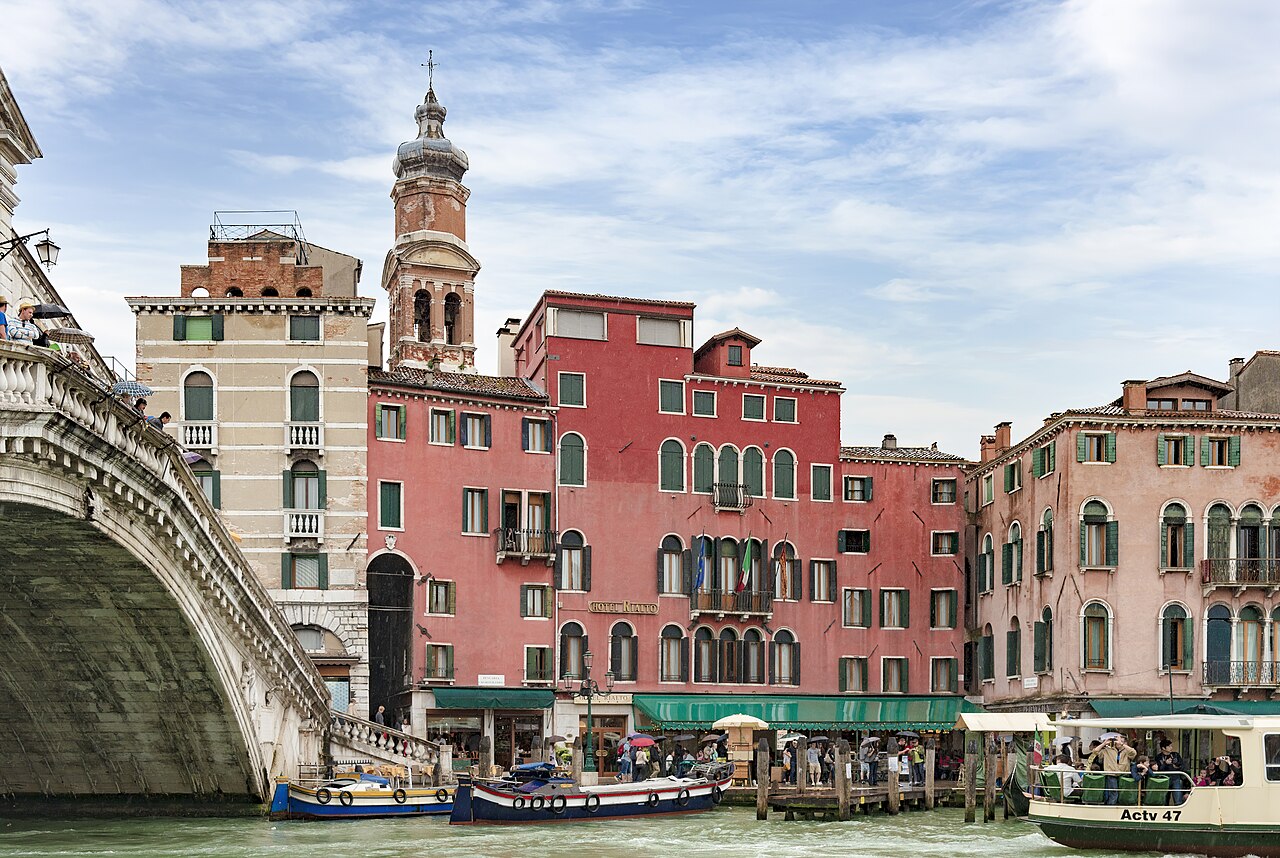
In the afternoon, ride the lift up the Campanile (~€10) for the full lagoon panorama — the tower is a 1912 rebuild of the one that collapsed in 1902 — or climb to the Fondaco dei Tedeschi rooftop next to the Rialto Bridge, which is free but requires an advance reservation in a 15-minute slot (book days or weeks ahead in peak season).
End the day the classic way: a gondola ride at sunset. Rates are fixed by the city — €90 for 30 minutes during the day (8am–7pm), €110 in the evening — per gondola, up to 5 passengers, non-negotiable. Agree on the duration before boarding.
Day 2: Art, Churches & the Bacari Crawl
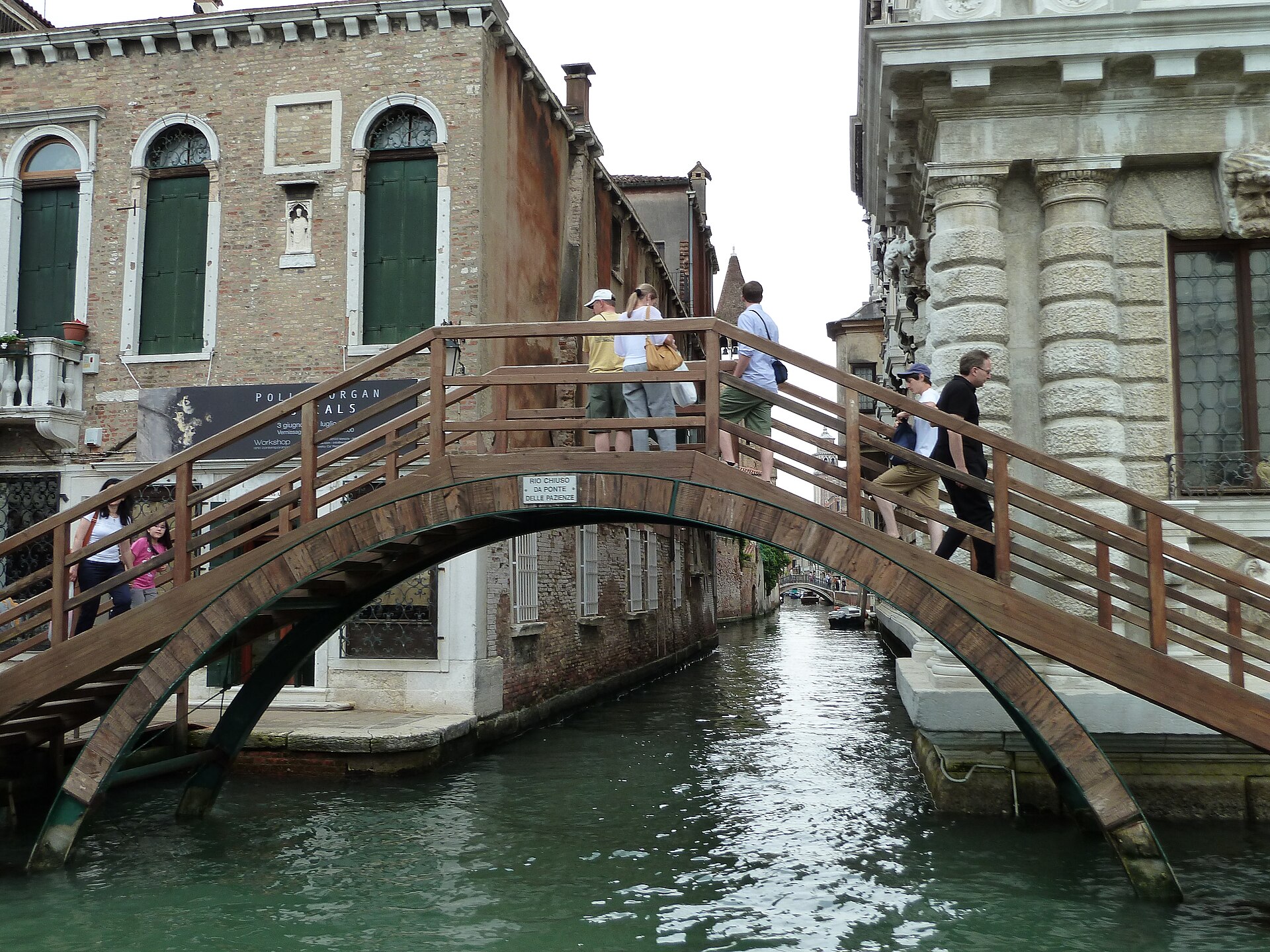
Cross the Accademia Bridge into Dorsoduro, the arts quarter. Pick one big collection: the Gallerie dell’Accademia (closed Mondays, ~€17–20) for Venetian masters, or the Peggy Guggenheim Collection (Wed–Mon 10am–6pm, closed Tuesdays, ~€15) for modern art in her Grand Canal palazzo, the Palazzo Venier dei Leoni.
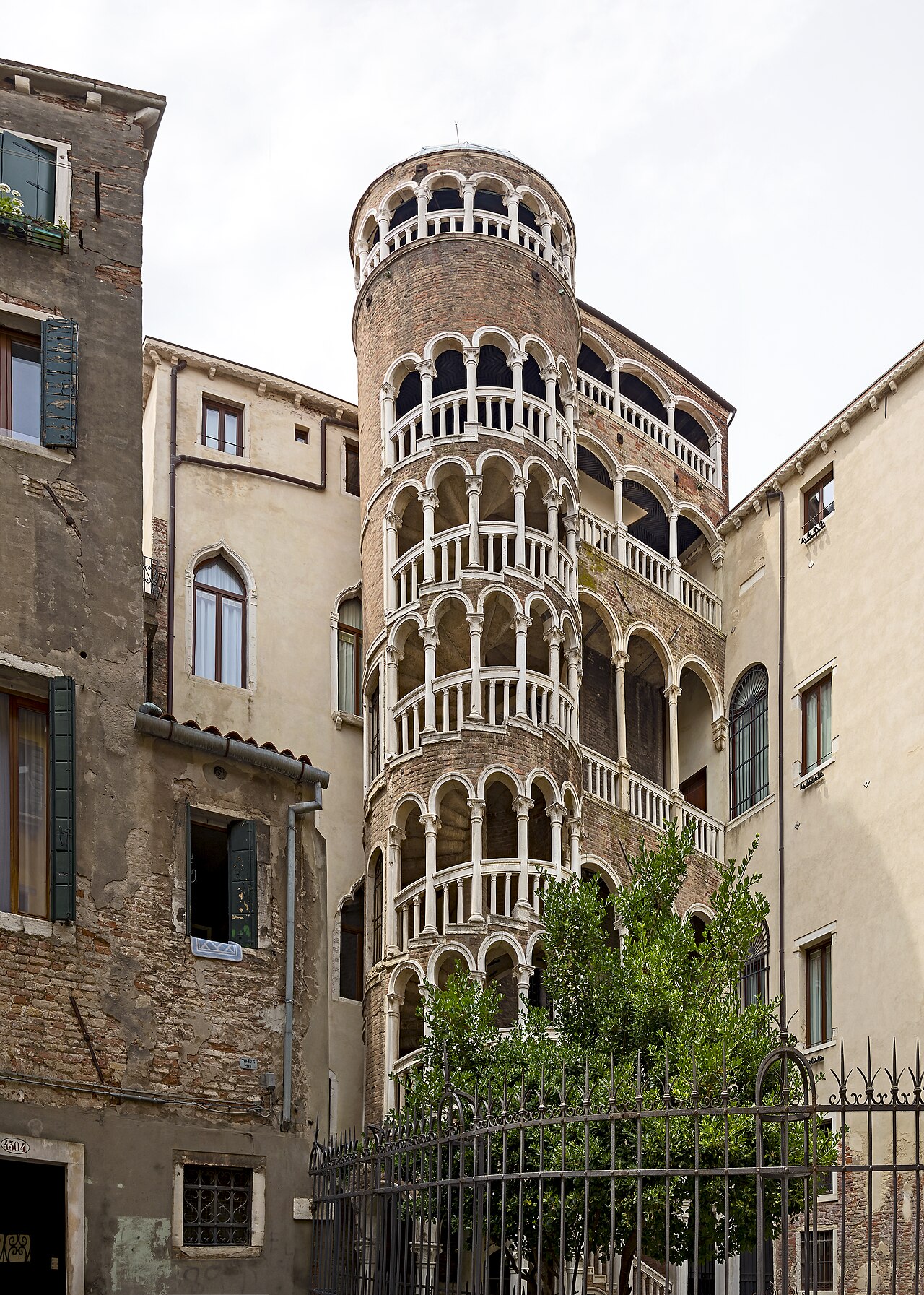
Then walk to the Frari — the vast Franciscan church holding two Titians — and the Scuola Grande di San Rocco (€10), where Tintoretto’s Sala Superiore ceiling cycle is the single most overwhelming room in Venice. On your way back toward San Marco, duck into the tiny courtyard of the Scala Contarini del Bovolo (€8, under-12s free), the snail-shell spiral staircase hidden behind the palazzi.
Afternoon is for the Rialto Market: the Erberia produce market runs Mon–Sat roughly 7am–1pm, the Pescaria fish market Tue–Sat 7:30am–1pm (both closed Sunday, fish also closed Monday). Graze your way through, then start the evening ritual Venice does better than anywhere on earth — the bacari crawl. Order cicchetti (€1–3 each) and an ombra (a small glass of wine) standing at the counter, like a local. The names to know: Cantina Do Mori (pouring since 1462), All’Arco, and Cantina Do Spade near Rialto; Cantine del Vino già Schiavi and Osteria al Squero in Dorsoduro, the latter facing the Squero di San Trovaso gondola boatyard.
To skip the tourist-trap roulette on your first night, this small-group cicchetti and wine tour hops the best bacari with a local food guide — you’ll eat and drink far better than you would wandering alone.
Day 3: The Lagoon — Murano, Burano & San Giorgio Maggiore
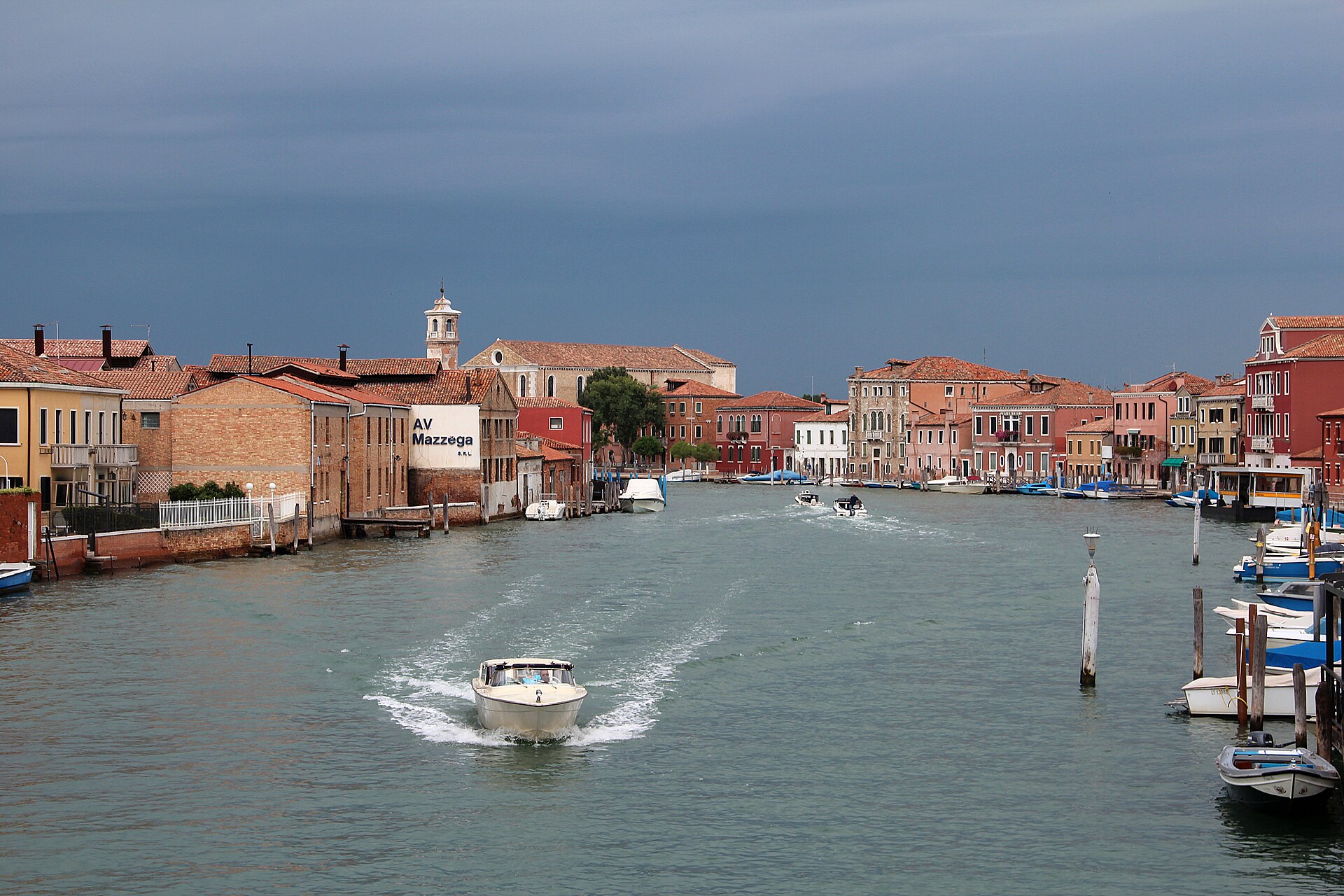
Day 3 belongs to the water. Catch vaporetto Line 12 from Fondamente Nove — Murano is a short hop, and Burano is about 45 minutes out via Murano. In Murano, watch a glassblowing demonstration (the furnaces have been here since 1291, when the Republic moved them off the main islands for fire safety), then cross to Burano for the famous rainbow houses along the canals and a seafood lunch.
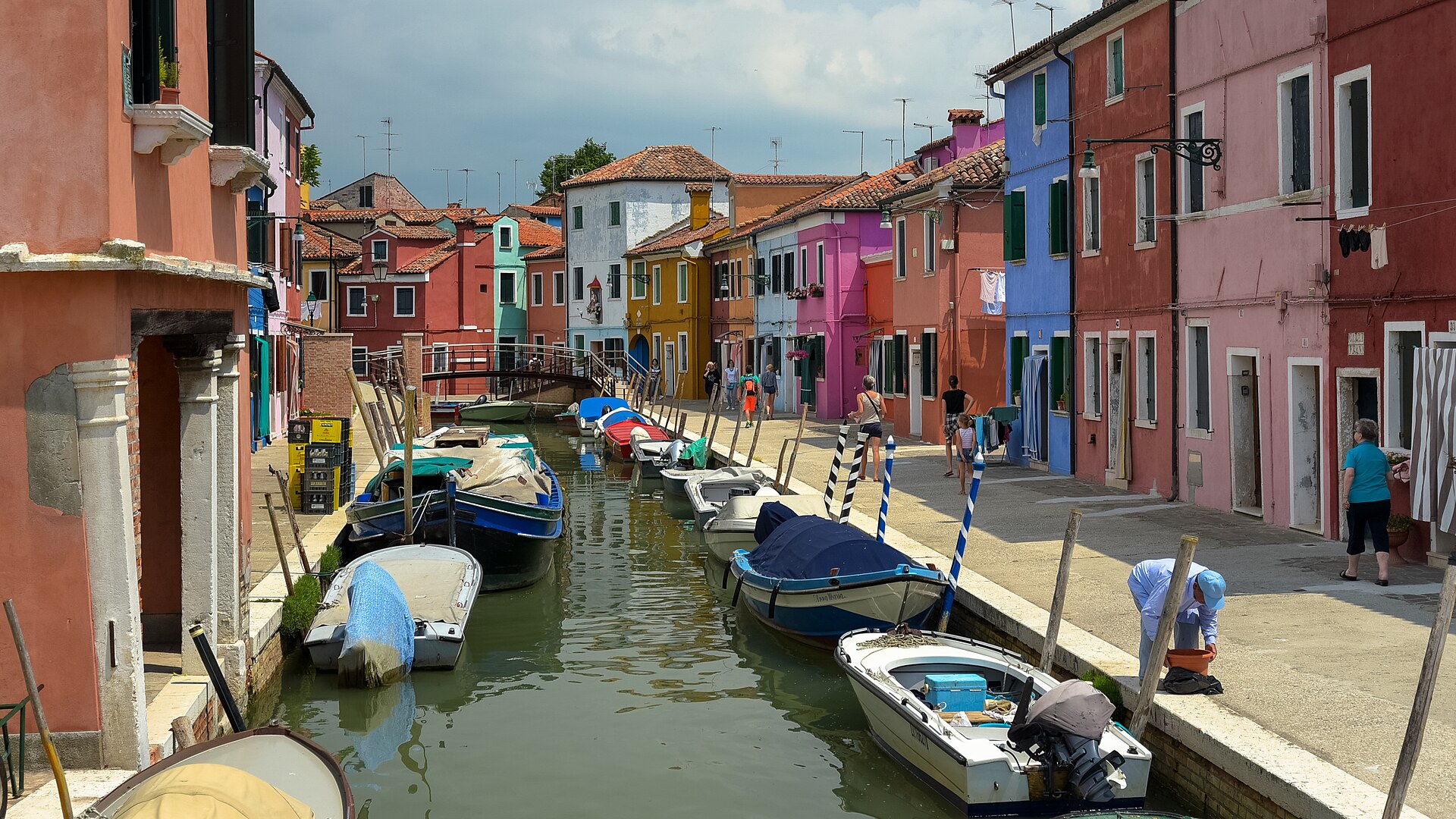
If you’d rather not navigate the vaporetto timetables yourself, this half-day boat tour to Murano and Burano handles the transfers with a glassblowing demo included — it’s the most relaxed way to do the islands.
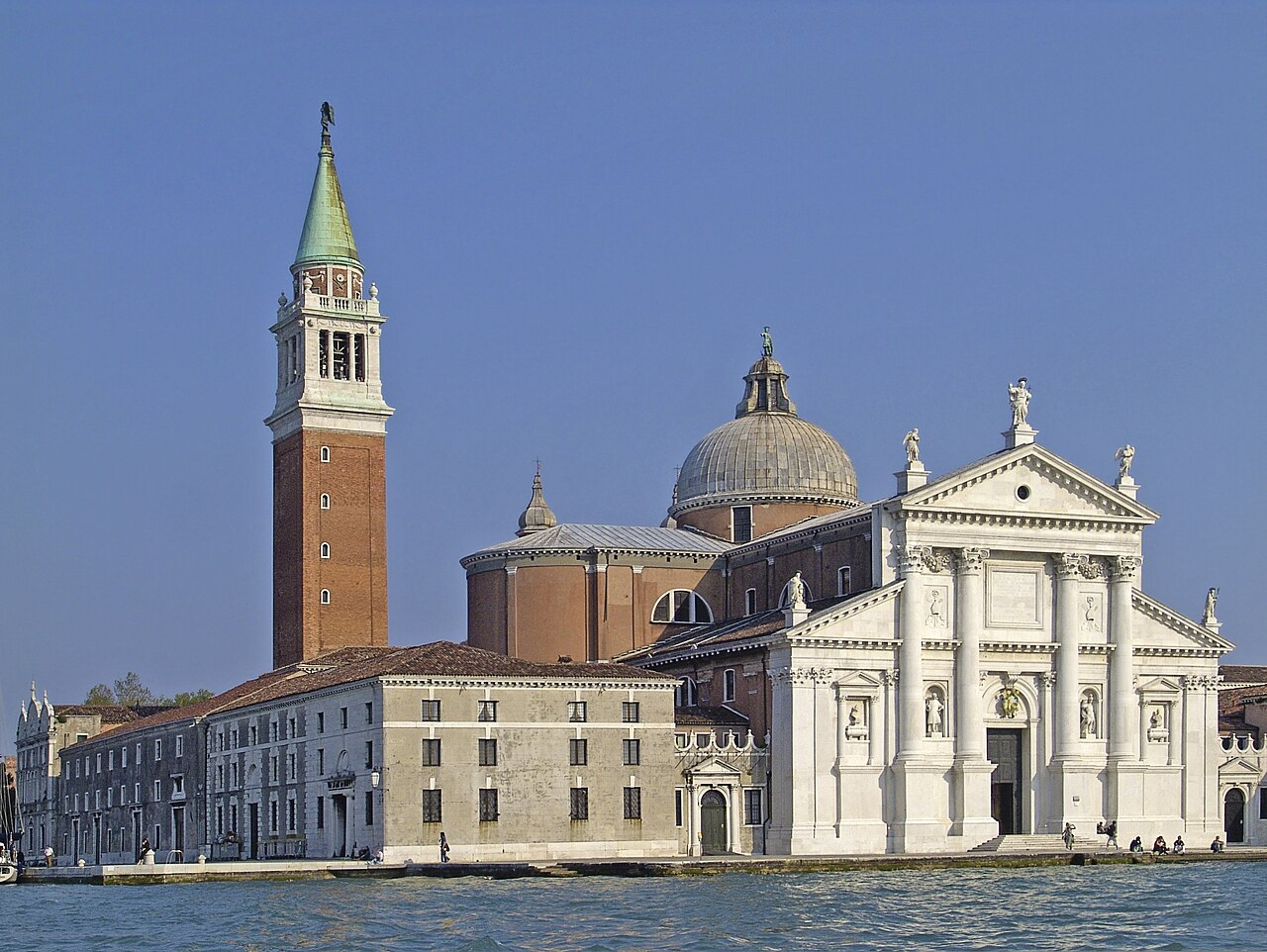
Back on the main islands for the final afternoon, take the vaporetto one stop across the Bacino to San Giorgio Maggiore. Palladio’s church is free to enter; the bell-tower lift (~€8) gives you the single best view in Venice — St. Mark’s, the Doge’s Palace, and the whole Grand Canal laid out across the water, usually with a fraction of the Campanile’s crowds. It’s the perfect final panorama.
Practical Tips for 3 Days in Venice
- Book the timed entries first. St. Mark’s Basilica, the Doge’s Palace, and the Fondaco rooftop all run on reservations — lock these before building anything else around them.
- Gondola math. €90/30 min daytime, €110 evening, per gondola (up to 5). A shared or bundled ride is the budget play; the official rate never moves.
- Vaporetto math. At €9.50 a single ride, a 72-hour pass (€45) pays for itself by day two if you ride even twice daily.
- Pack light and wear real shoes. No cars, stepped bridges, and 15,000+ steps a day — a carry-on bag and broken-in walking shoes are quality-of-life upgrades.
- Watch the water. Acqua alta (high water) peaks October–March, worst in November–December; the MOSE barriers rise above ~110cm. Hotels lend wellies and raised walkways appear in St. Mark’s — pack waterproof shoes and carry on.
- Best months. April–May and September–October for weather and crowds; Carnevale lands late January–early February.
The Bottom Line
Three days in Venice gives you the two great set pieces (St. Mark’s and the Doge’s Palace), the art quarter and the bacari, and the lagoon islands — paced so you’re strolling, not queuing. Stay overnight (the city after the day-trippers leave is the one worth the trip — see my Venice neighborhoods guide for where), book the timed tickets first, and let the vaporetto do the heavy lifting.
Pairing Venice with the rest of Italy? My Florence in 3 Days itinerary plans the Renaissance the same way, and my Where to Stay in Rome guide covers where to base yourself in the capital. Buon viaggio.