
Oslo rewards the traveler who looks twice. At first glance it’s a compact Scandinavian capital — clean, quiet, pricey, end of story. Give it three days and it reveals itself: a city built around a fjord, where you can walk up the sloping roof of an opera house in the morning, wander a park of 200 bronze giants by lunch, and sail past island cabins by dinner. Three days is the sweet spot — enough to cover the headline sights without sprinting, and to settle into the city’s easy rhythm.
Never forget a thing before you fly. My free 8-page Travel Planning Checklist walks you through the whole trip — 6 planning timelines, 36 checks, from booking windows to travel-day basics. One email, no spam, unsubscribe anytime.
Disclosure: This post contains affiliate links. If you book through one of these links, I may earn a commission at no extra cost to you.
Day 1: Central Oslo and the waterfront
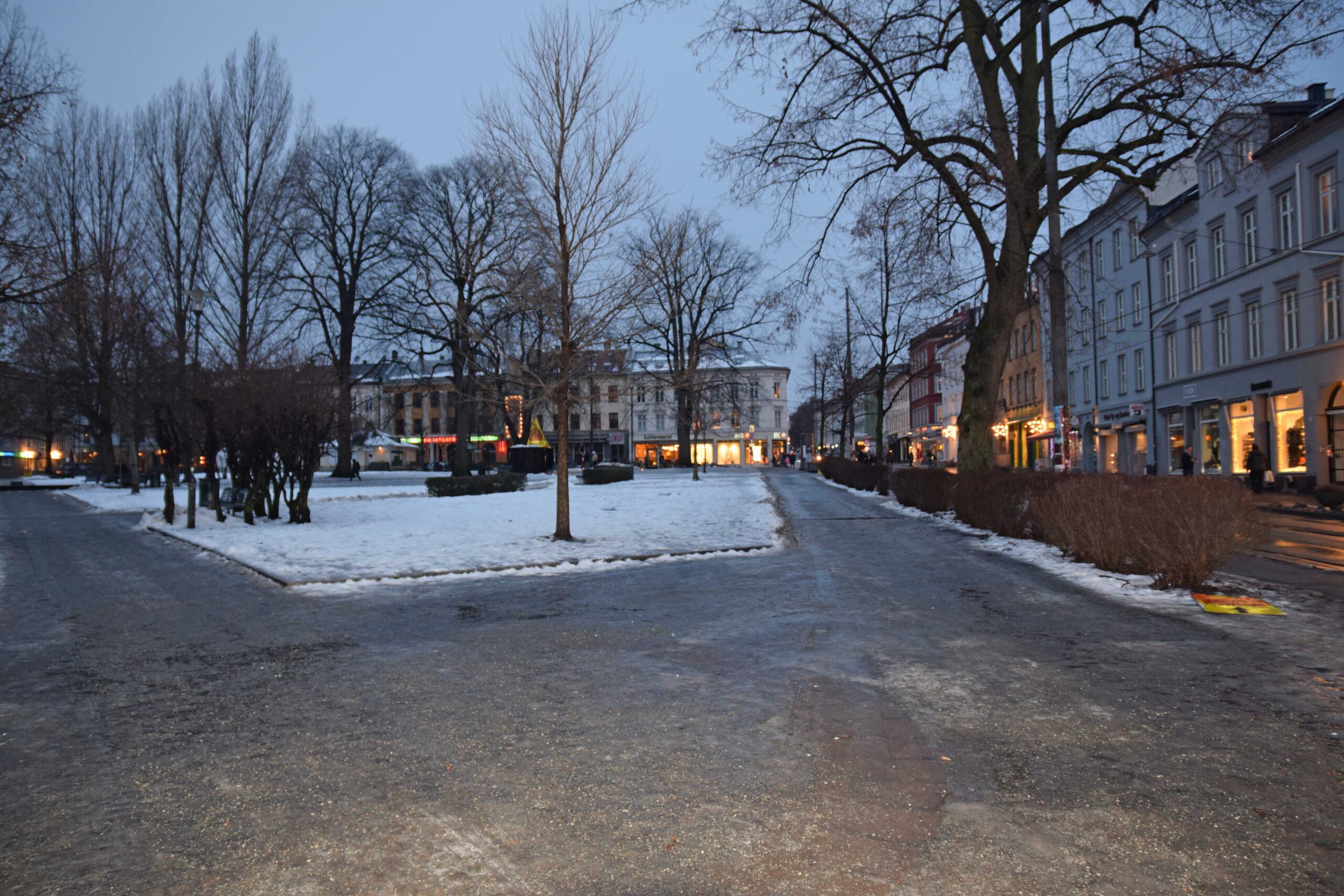
Start where Oslo starts: Jernbanetorget, the square in front of Oslo Central Station, where the big bronze tiger statue keeps watch. From there, Karl Johans gate — the city’s main boulevard — runs straight uphill to the Royal Palace. This is the spine of your first day, and it’s almost entirely walkable.
Walk the boulevard slowly. You’ll pass the Norwegian Parliament (the Stortinget, dating to 1866) about halfway up — free guided tours of the interior run in summer only, first-come first-served, no booking. If you’re new to the city and want someone to decode it for you, a guided walking tour of central Oslo is the fastest orientation you’ll get: two hours with a local guide covering the Opera House, Christiania Torv, Aker Brygge, City Hall, Karl Johan and the Royal Palace, with tips for the rest of your stay.
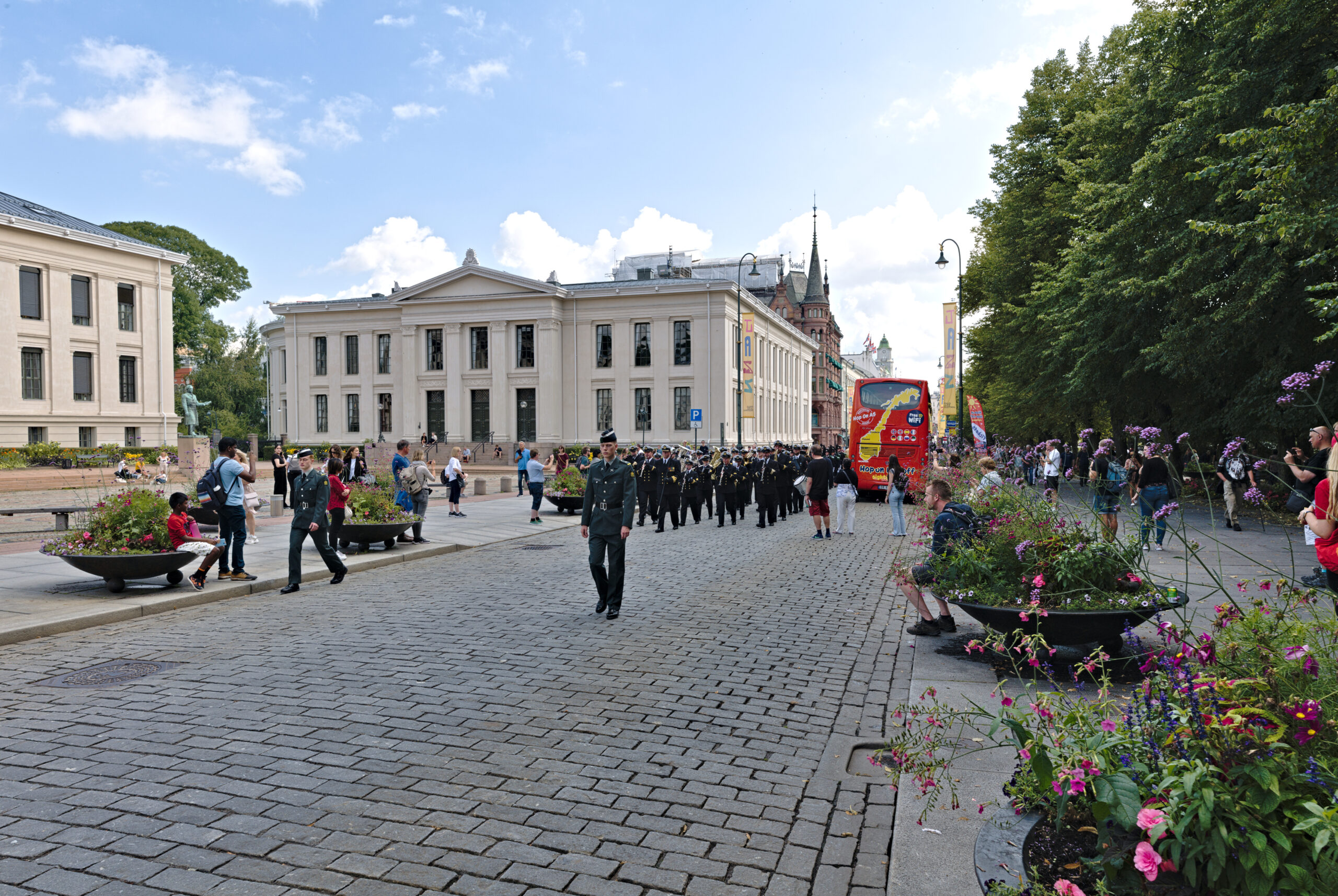
At the top of the boulevard sits the Royal Palace, the Norwegian royal family’s official residence, fronted by the leafy palace park. Time your visit for 13:30 and you’ll catch the daily changing of the guard. Note that interior tours run only in summer (roughly late June to mid-August) — the rest of the year, the grounds and the ceremony are the attraction.
From the palace, head down toward the water to the Nasjonalmuseet, the National Museum — opened in 2022 and the Nordic region’s largest art museum, with art, architecture and design under one roof, including Munch’s 1893 version of The Scream. Give it a couple of unhurried hours.
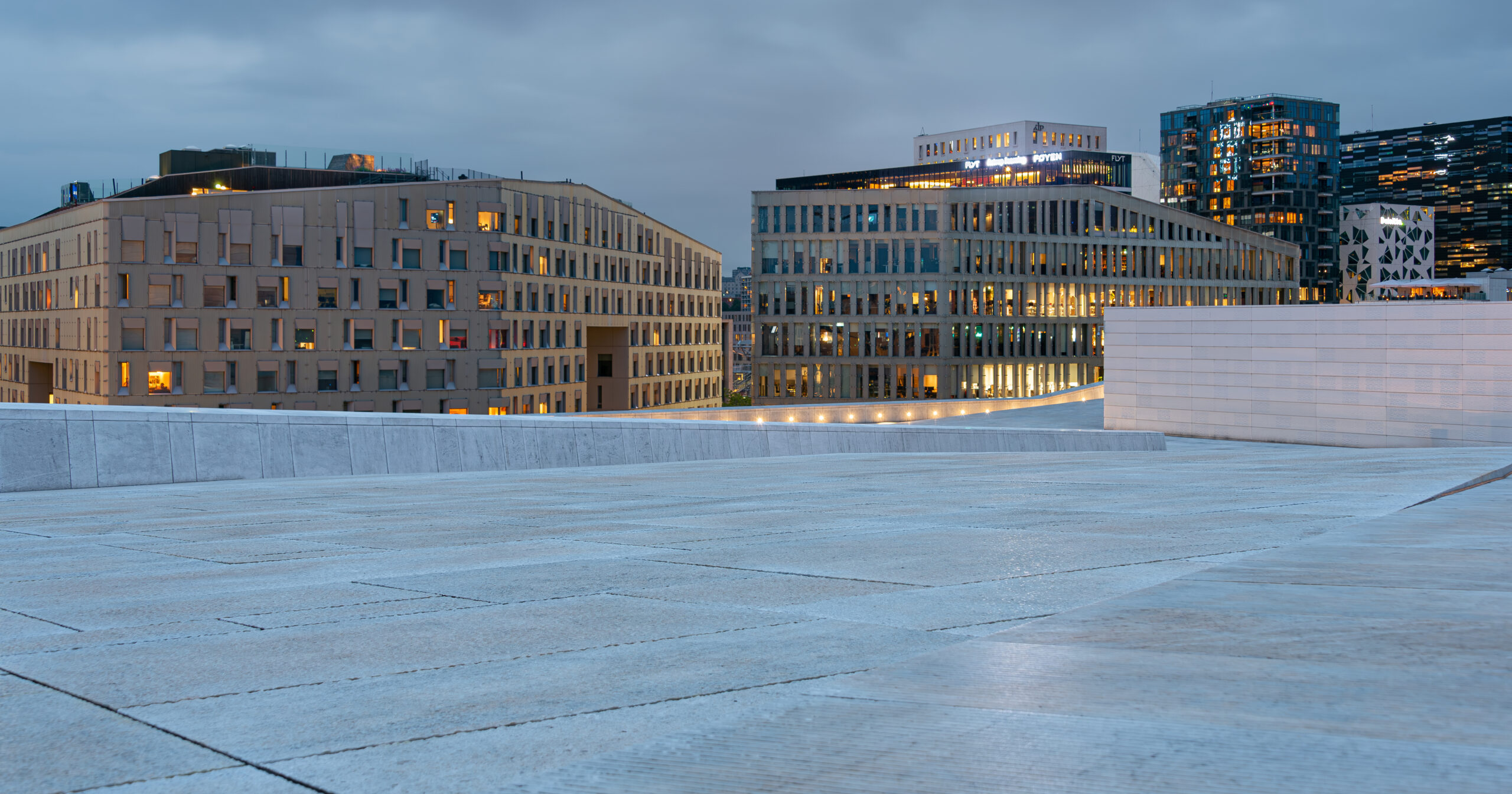
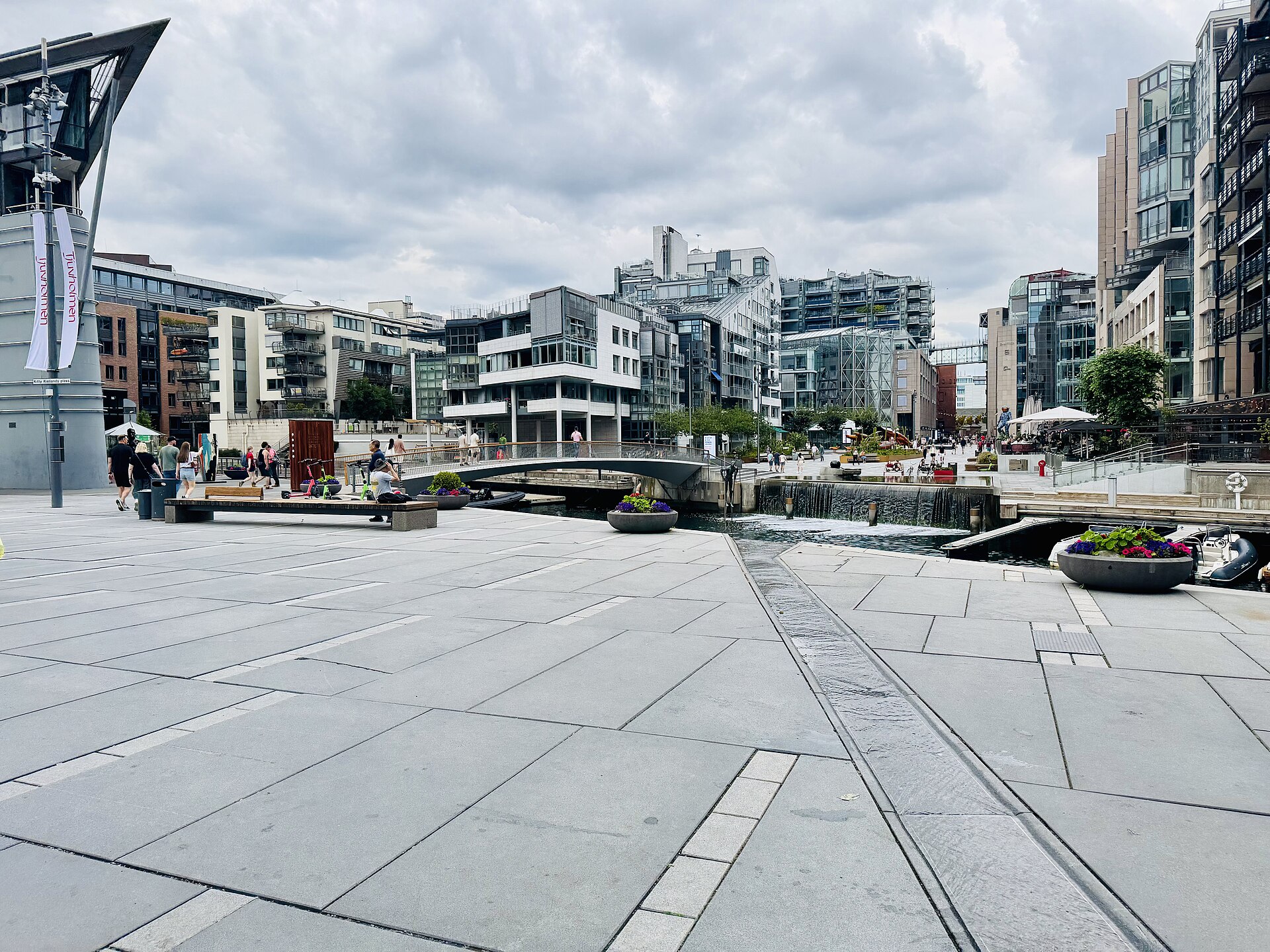
By late afternoon, drift west to Aker Brygge and Tjuvholmen, the redeveloped harbor district of waterfront cafés, shops and people-watching — with the Astrup Fearnley contemporary art museum if you’re in an art mood. Then walk the harbour promenade east toward Bjørvika as the light goes golden, ending at the Oslo Opera House. Its sloping white marble roof is free to climb, open year-round, and one of the city’s signature experiences — from the top, the fjord spreads out in front of you and the city rises behind.
Day 2: Vigeland Park and the Bygdøy museums
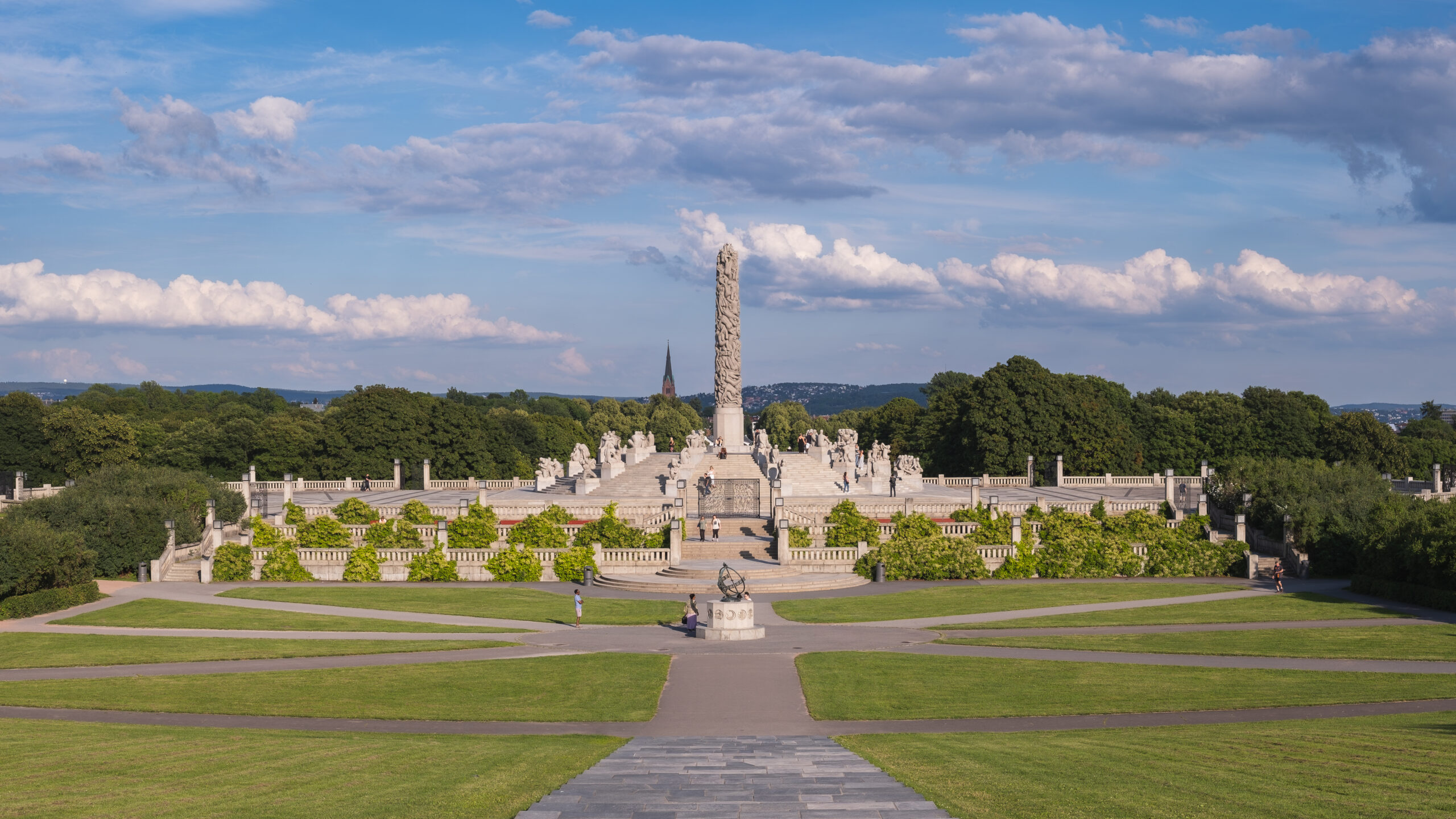
Start the morning in Frogner Park, home to the Vigeland installation: 212 bronze and granite sculptures by Gustav Vigeland arranged along an 850-metre axis — the largest sculpture park by a single artist in the world. Don’t miss the Monolith, a single column of intertwined human figures rising about 14 metres, or the furious little Sinnataggen, the Angry Boy. Entry is free and the park is open around the clock, so go early for the soft light and thin crowds.
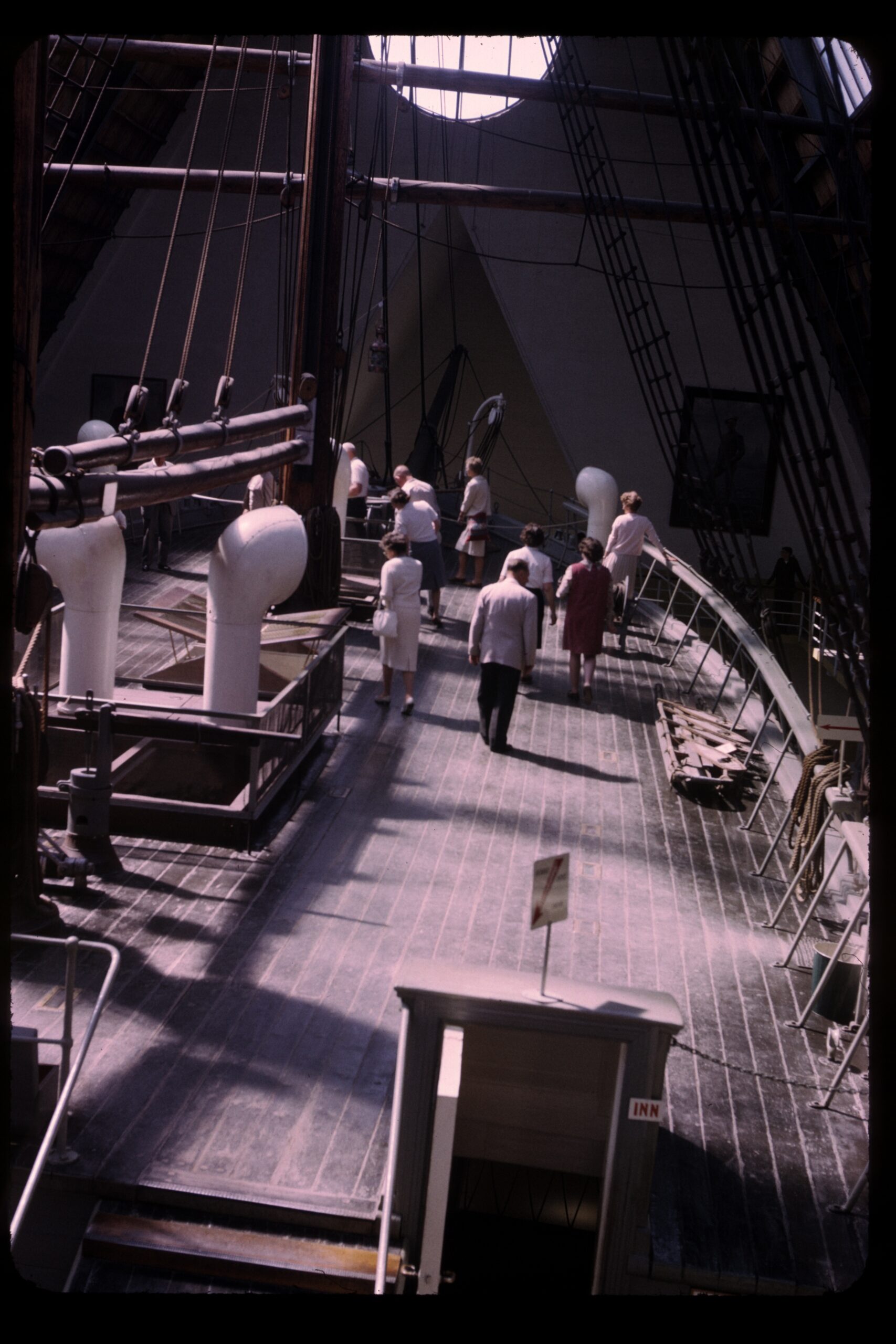
In the afternoon, head to Bygdøy, the museum peninsula southwest of the centre — reachable by ferry from Rådhusbrygge in season, or bus 30 year-round. Three museums earn your time here. The Fram Museum tells the story of Norway’s polar expeditions, and you can board the actual Fram polar ship. The Kon-Tiki Museum holds Thor Heyerdahl’s raft and vessels, with his Oscar-winning Kon-Tiki film shown daily at noon. And the Norwegian Museum of Cultural History is a sprawling open-air museum of 150+ relocated historic buildings, including a 12th-century stave church from Gol.
One honest note before you plan: the famous Viking Ship Museum is closed for a full reconstruction — it’s being reborn as the Museum of the Viking Age, currently expected around 2027, and the ships aren’t on display anywhere meanwhile. If Viking history is your thing, the Historical Museum in the city centre shows select Viking artifacts instead.
If you’re still going strong, Holmenkollen is the classic add-on: take metro line 1 up to the ski jump, home to the world’s oldest ski museum (founded 1923) and a panoramic tower with the whole city at your feet. Be honest about your energy levels, though — it’s a 35–45 minute trip back through the centre from Bygdøy, not a quick hop.
Prefer nature to museums? Swap the afternoon for the Oslo Nature Walks island-hopping tour: local ferries out to two or three fjord islands, with Hovedøya’s medieval monastery ruins, cabin culture, forests and sea cliffs. Bring a swimsuit in summer — the fjord is swimmable.
Day 3: MUNCH, Grünerløkka and the fortress
Start in Bjørvika at MUNCH, the 13-storey tower that opened in 2021 and holds the world’s largest collection of Edvard Munch’s works — some 28,000 pieces, including two versions of The Scream. It’s a five-minute walk from where you ended Day 1, and worth a solid morning.
Then head north to Grünerløkka, the old working-class district turned food-and-street-art quarter along the Akerselva river. This is your lunch stop: Mathallen, Oslo’s food hall at Vulkan 5. Do as the locals do and try brunost — brown cheese, sweet and caramel-like — on heart-shaped waffles with jam and sour cream. Afterwards, wander Damstredet, a cobbled street of ~200-year-old wooden houses tucked into the hillside.
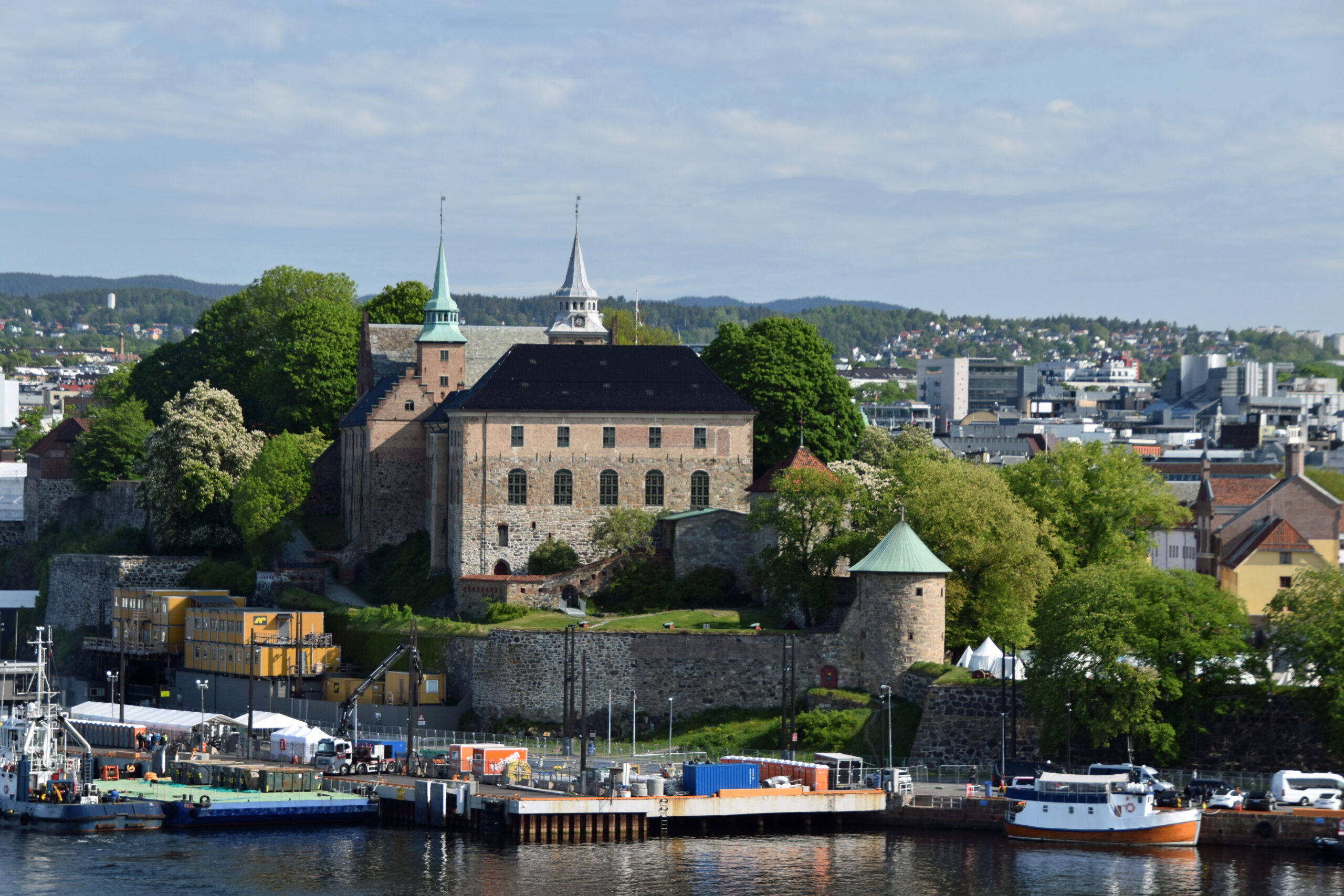
Spend the afternoon at Akershus Fortress, rising over the harbour since the 1290s. The fortress grounds are free and open from 06:00 to 21:00 year-round, with sweeping harbour views; the Resistance Museum and Armed Forces Museum sit inside. Check ahead whether the castle interior is open on your dates, as access can vary.
End your three days the way Oslo deserves: on the water. A traditional sailing-ship cruise on the Oslofjord departs from Rådhusbrygge near City Hall — two hours past islands dotted with summer cabins, with blankets and a warm bar onboard when the air turns chilly. It’s the perfect full stop to the trip.
Practical tips for 3 days in Oslo
Getting in: Oslo Gardermoen (OSL) sits about 47 km northeast of the city. The Flytoget airport express reaches Oslo Central in around 20 minutes; Vy regional trains use the same tracks and cost roughly half. Both beat the bus.
Getting around: buy tickets in the Ruter app — one system covers buses, trams, the metro and city ferries, and Zone 1 includes everything from central Oslo to Holmenkollen. The Oslo Pass (24, 48 or 72 hours) bundles free entry to 30+ museums with unlimited public transport — do the math against your museum list first, and note it doesn’t cover the Flytoget airport train.
Money: Norway uses kroner, not euros, and Norway isn’t in the EU — but you may never touch cash; cards work virtually everywhere.
Where to stay: pair this itinerary with our guide to where to stay in Oslo for neighborhood breakdowns and hotel picks.
Keep going north: if Oslo leaves you wanting more of Scandinavia, our Stockholm in 3 Days itinerary and where to stay in Copenhagen guide continue the theme.
Oslo doesn’t shout. It doesn’t have to. In three days you’ll have climbed a marble roof, sailed a fjord, met 200 bronze giants and eaten brown cheese on a waffle — and you’ll understand why Norwegians are quietly convinced they live in the best corner of the world.