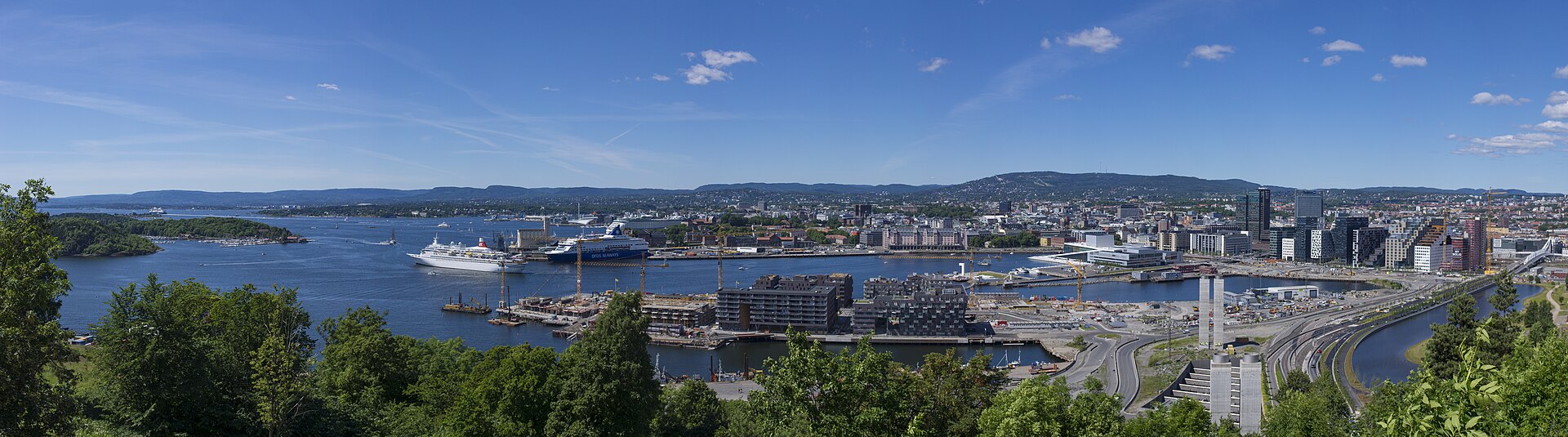
Oslo does not shout. Norway’s capital is a city of quiet water, pale granite and green hills, and its best moments tend to happen at water level or on foot — which is exactly why the right tour matters here. The Oslofjord runs right up to the city steps, the world’s largest single-artist sculpture park sits a tram ride away, and a handful of well-chosen guided experiences can turn a pleasant wander into a trip you will actually remember.
Never forget a thing before you fly. My free 8-page Travel Planning Checklist walks you through the whole trip — 6 planning timelines, 36 checks, from booking windows to travel-day basics. One email, no spam, unsubscribe anytime.
I have gone through what is actually bookable in Oslo right now, and three experiences stand out from the pack: a fjord cruise on a traditional wooden sailing ship, a guided art walk through Vigeland Park, and a sea kayak tour that puts you on the fjord itself. Each adds something you cannot easily get on your own — access, context, or a perspective the pavements never give you. If you are still shaping the trip itself, start with our Oslo in 3 Days itinerary, then slot these tours into it.
Disclosure: This post contains affiliate links. If you book through one of these links, I may earn a commission at no extra cost to you.
Sail the Oslofjord on a traditional wooden sailing ship
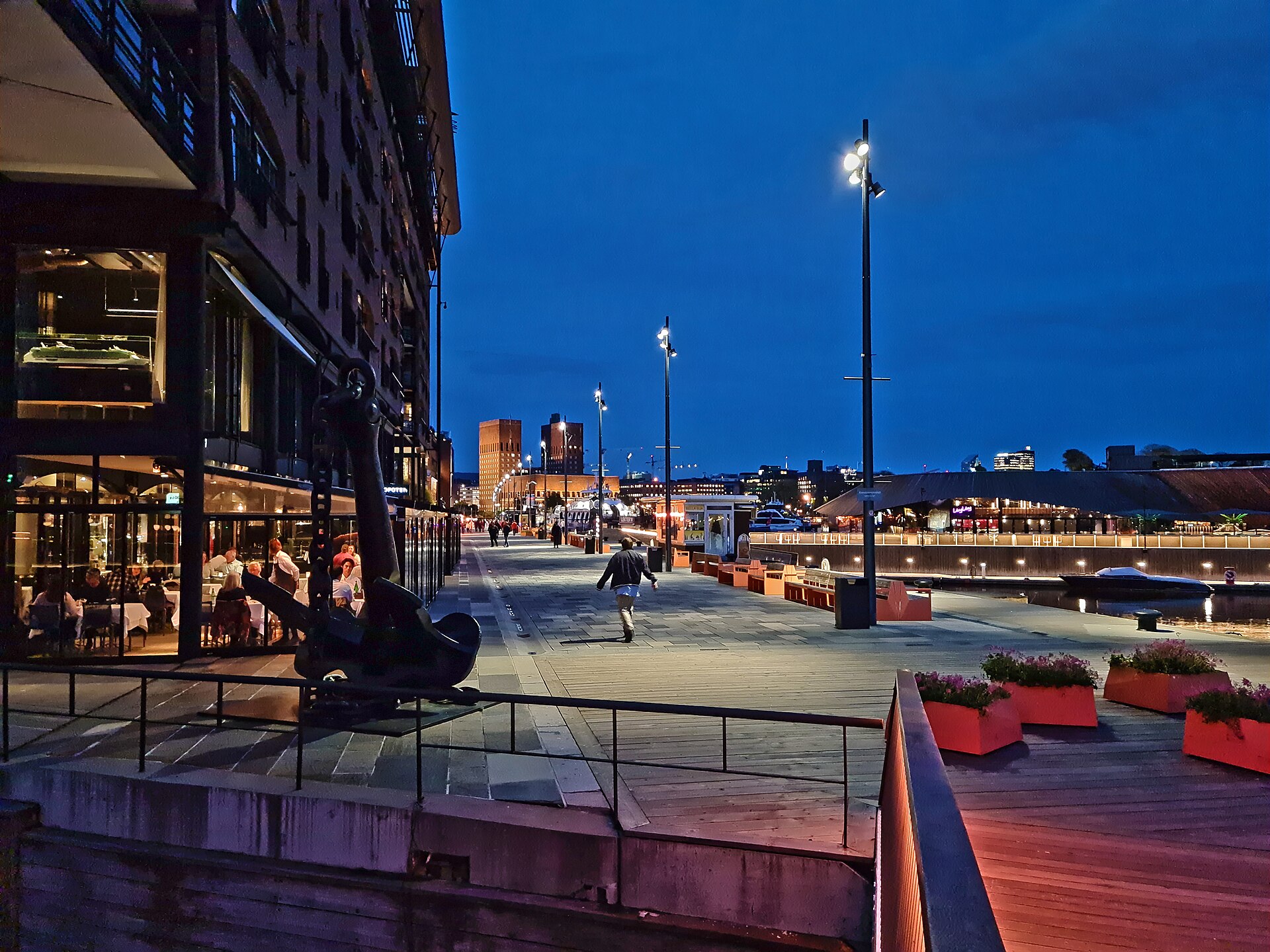
The classic Oslo experience, done the right way. This two-hour cruise crosses the inner Oslofjord aboard a traditional wooden sailing vessel, departing from Rådhusbrygge, the pier in front of City Hall. The route threads through narrow sounds and island-dotted bays, passing the Opera House and the MUNCH museum tower, medieval Akershus Fortress, the little Dyna lighthouse, and the museum peninsula of Bygdøy, where the fjord is lined with the red and yellow summer cottages Oslo families escape to all season.
An audio guide (available in 13 languages) fills in the history as you go, refreshments are sold on board, and blankets come out when the breeze picks up — this is an open-air deck, so dress warmer than you think you need to. With a rating of 4.5 out of 5 from more than 6,200 reviews, tickets from around $46, and free cancellation up to 24 hours before departure, it is the easiest recommendation on this list. It also beats the big modern sightseeing boats on atmosphere: smaller, quieter, and far more characterful. Book the traditional wooden sailing ship fjord cruise before you arrive in summer — the best-weather departures sell out first.
Decode Vigeland Park with a local art guide

Vigeland Park is free to enter and open around the clock, so why pay for a guide? Because its more than 200 bronze, granite and wrought-iron figures — the life’s work of sculptor Gustav Vigeland, and the largest sculpture park in the world created by a single artist — can feel beautiful but baffling without the story behind them. A 90-minute guided art walk with a local guide threads that story together: the Bridge, lined with figures including the famous Angry Boy; the great Fountain ringed by tree groups; and the Monolith, a column rising some 17 metres from its stepped plateau, carved from a single block of granite with 121 figures spiralling up it. Once you understand Vigeland’s “circle of life” theme — every stage of human life, from birth to death — the whole park clicks into place.
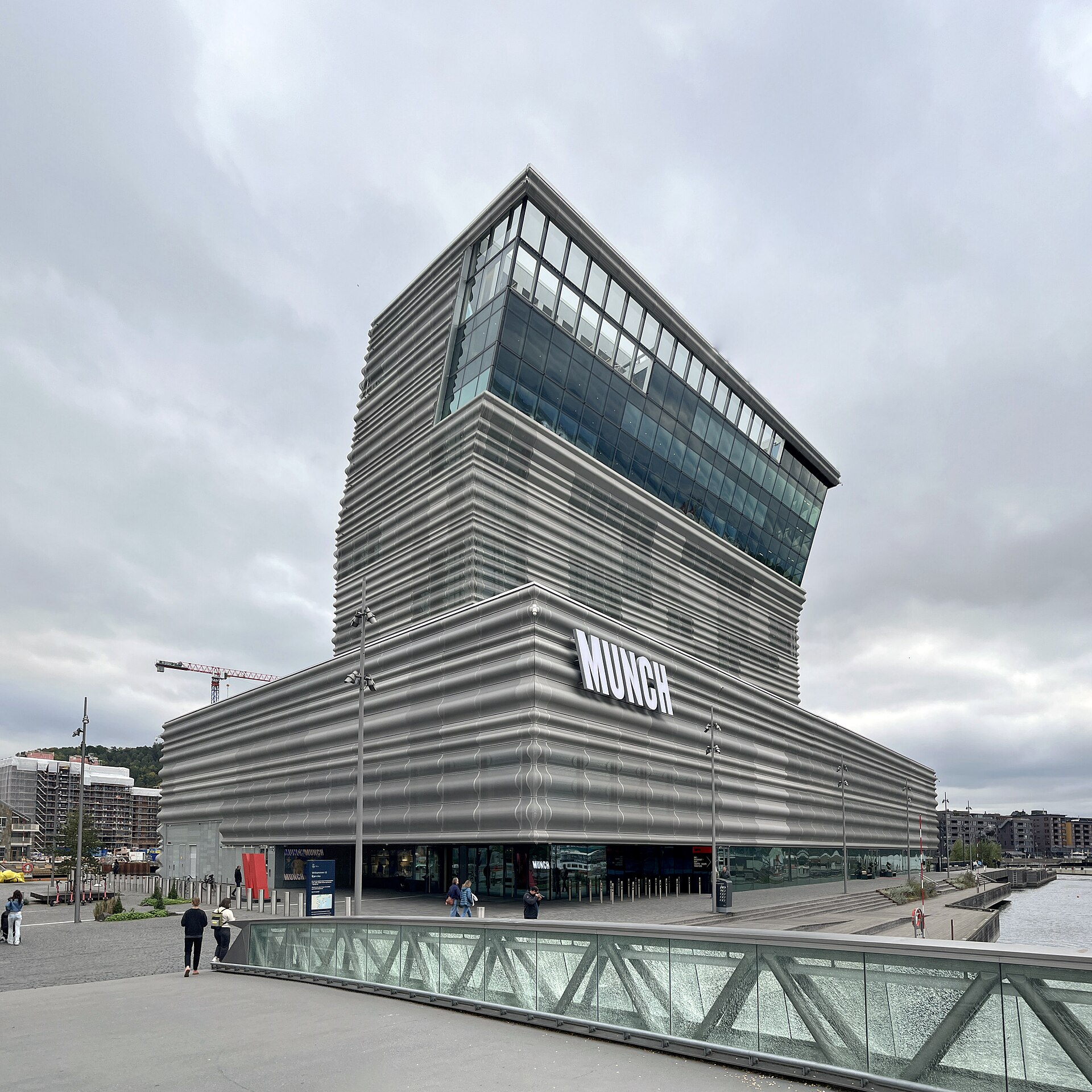
The tour is rated 4.9 out of 5 by past guests, groups are small, and tickets run about $51. The park sits in Frogner, a short tram ride west of the centre, so pair it in the same day with the MUNCH museum back in Bjørvika: the two together give you Norway’s two giant one-man art stories, sculpture in the morning and painting in the afternoon. MUNCH holds the world’s largest collection of Edvard Munch’s work, including a version of The Scream — museum entry is separate from the walk, so book that ticket independently if you go. Check dates for the guided Vigeland Park art walk here.
Paddle the harbour on a guided sea kayak tour
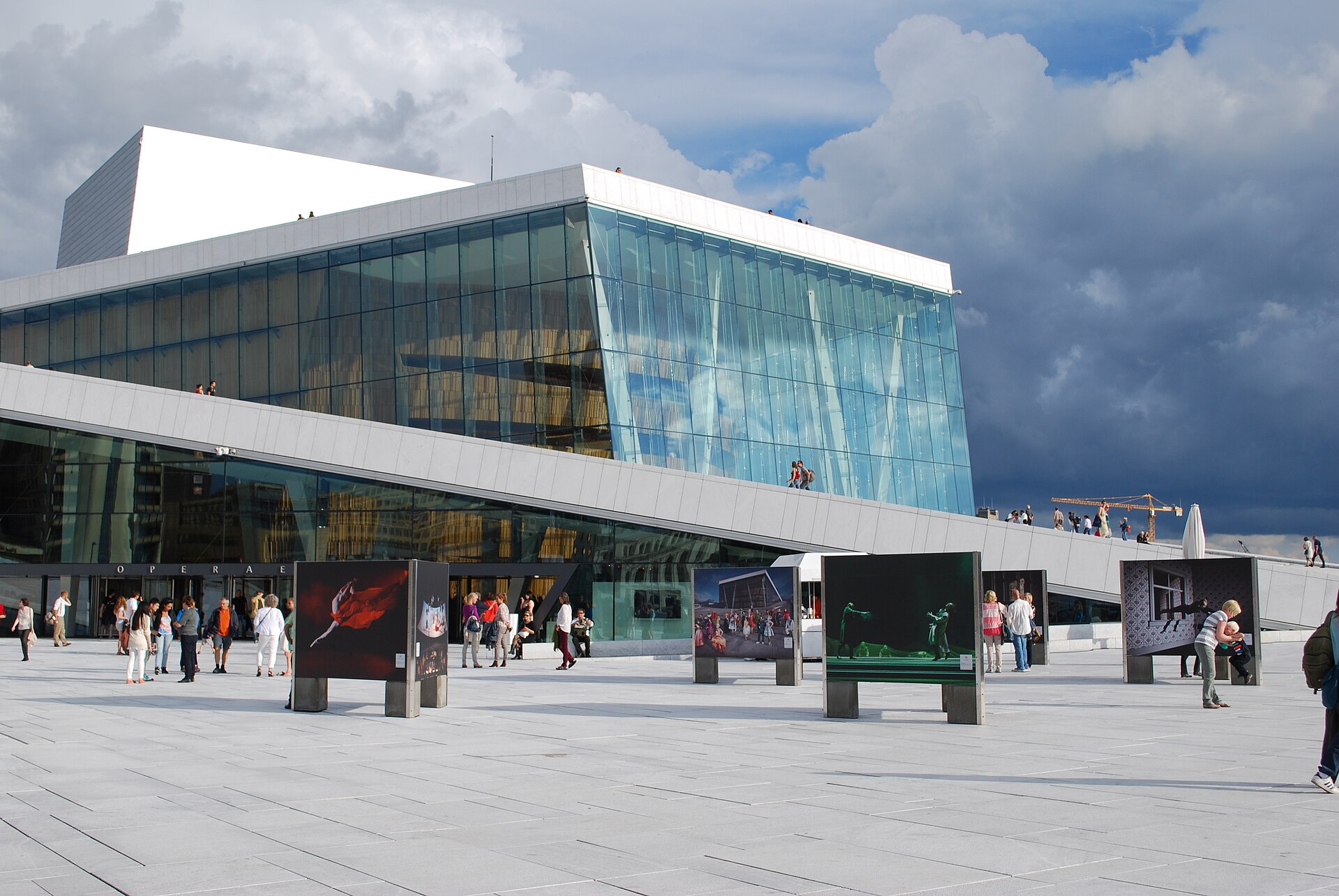
For the fjord at water level, nothing beats paddling it yourself. This two-hour “Fjord City” sea kayak tour launches from a floating dock beside the MUNCH museum in Bjørvika. After a safety briefing and a warm-up loop through Bjørvika’s sheltered canals, you paddle out past the Opera House and along the walls of Akershus Fortress, then — weather and group permitting — around Hovedøya, the green island just offshore that most visitors only ever see from a ferry window.
No experience is needed: the stable double kayaks, full kit and patient instruction make it genuinely beginner-friendly, kids aged five and up can join (under-13s ride in a double with an adult), and the guide takes photos along the way and shares them free. It is rated 4.8 out of 5 from 105 reviews, costs from about $106 per person, and comes with free cancellation up to 24 hours ahead plus a reserve-now, pay-later option. Reserve a spot on the Fjord City kayak tour — groups are capped, so summer mornings go quickly.
One honest note if you came here looking for a RIB ride: high-speed RIB boats do run on the Oslofjord, but the versions currently bookable online are private charters priced per boat rather than per seat, which changes the maths completely for couples and solo travellers. If a shared RIB at a per-person price returns next season, it will go straight onto this list. Until then, the kayak is the better-value way to raise your heart rate on the same water.
Which Oslo tour should you book first?
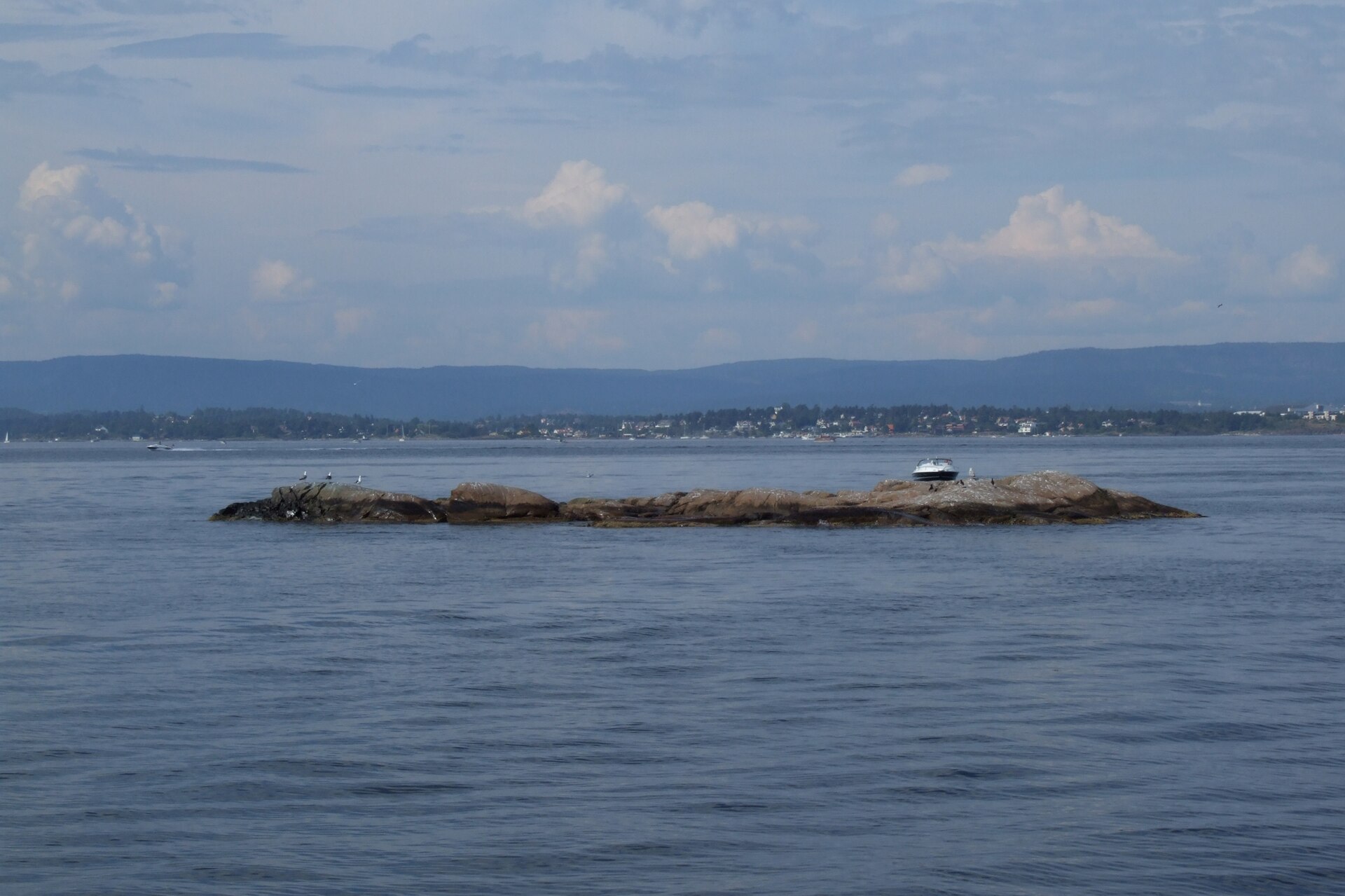
Short on time? Take the cruise — two hours covers the postcard views and orients you better than any map. Travelling for art? The Vigeland walk is the one, ideally paired with MUNCH afterwards. Active traveller, or bringing kids who need to burn energy? Book the kayak. And if you have a full day and the budget stretches, the three genuinely stack: kayak in the morning light, Vigeland in the afternoon, and the sailing ship at the end of the day when the fjord turns gold.
Good to know before you book
Layers and a windproof jacket are non-negotiable for anything on the water, even in July — the fjord breeze is colder than the city streets. Book a few days ahead in the June-to-August peak; none of these three tours is covered by the Oslo Pass, which instead covers public transport and many museums, so budget for them separately. Finally, base yourself near the harbour if tours are a priority: the cruise pier, the kayak dock and the tram to Frogner are all an easy walk from the centre and Aker Brygge — our guide to where to stay in Oslo breaks down the neighbourhoods. Oslo also pairs naturally with Copenhagen on a Nordic loop (an overnight ferry links the two capitals), and our Copenhagen neighbourhood guide will sort you out at the other end.
Oslo rewards the travellers who get on the water and slow down long enough to read its art properly. Book one of these three, keep the rest of the trip loose, and let the fjord do the rest.