


Never forget a thing before you fly. My free 8-page Travel Planning Checklist walks you through the whole trip — 6 planning timelines, 36 checks, from booking windows to travel-day basics. One email, no spam, unsubscribe anytime.
Roaming around the Andean mountains, one perceives more than just breathtaking landscapes. It’s a world pulsating with traditions where culinary art tells stories of history and cultural richness. The smell of freshly cooked quinoa wafts through the air as Andean villagers invite you into their homes. Here, food isn’t just sustenance; it’s a festive expression of identity.
For the villagers, meals symbolize hospitality and community, often involving vibrant celebrations that echo centuries of tradition. From the high-altitude valleys to the hidden hamlets, these meals are a means of sharing stories and forging connections. Imagine sitting in a cozy kitchen, warm with laughter and tales exchanged over boiling pots. It’s in these shared moments that the spirit of the Andes comes alive.
What’s truly special is how these tours take you off the well-trodden path. Unlike your usual crowded tourist spots, Andean village culinary tours offer a peek into everyday life, one delicious dish at a time. Joining a local family for lunch or learning to cook an age-old recipe hands-on, you’re not just a tourist but part of a living, breathing tradition.
The Andes provide a unique blend of influences due to geographical diversity. Each region offers something particular – from earthy potatoes that thrive in the altiplano to the exotic fruits of the Amazon basin. Such diversity forms the backbone of Andean cuisine, where each bite brings a piece of the land’s essence.
At its core, these culinary tours are more than just about food. They’re pathways to understanding the Andean people’s resilience, creativity, and warmth. By tasting local delicacies, sharing meals, and understanding the ingredients’ stories, you’re participating in a cultural exchange that nourishes more than just the stomach.
Why Andean Village Culinary Tours are a Must-Have Experience
Trekking through lesser-known Andean routes can feel like unlocking a secret door to a different world. These culinary tours offer an alternative to typical tourism, letting you break away from crowded sites and into something much more intimate. It’s a chance to connect with the land’s deep cultural roots while savoring the flavors that represent centuries of heritage.
Authentic encounters with locals make these tours priceless. Engaging with village chefs in their own kitchens, you glimpse life far removed from urban chaos. Here, culinary tradition isn’t a show but a way of life. Sharing meals not only fills your belly but also opens a window into understanding customs and ways of life you won’t find listed in a guidebook.
Andean culinary tours are about real connections. Whether it’s laughing over a shared mishap while making dough or learning a grandmother’s secret spice blend, these interaction-rich experiences foster bonds and memories you’ll carry back home. You’re encouraged to ask questions, taste new things, and participate, making your travels as immersive as they are educational.
This journey gets you to appreciate the love and labor that embody every dish. Experiencing how these communities work tirelessly to preserve their traditional recipes and local produce offers a contrasting narrative to the fast-paced dining experiences you might be used to. It’s a reminder of the value of patience and passion in cooking.
These tours are an invitation to slow down and savor, and in doing so, they enrich both the body and the soul. Each village you explore reveals a chapter of a larger story, one that celebrates diversity through its unique approach to ingredients and meals. It’s a priceless way to expand your travel repertoire and come away with a fuller heart and a richer understanding of the world.
Captivating Cuisines Unique to Andean Villages
The Andean region boasts an extraordinary range of ingredients, many of which might not be familiar but offer the most delightful surprises. Think rich tubers, vibrant grains, and exotic herbs, each with a story intertwined with the land itself. These foundational ingredients are the unsung heroes of Andean cuisine, bringing authenticity and flair to every dish.
Dishes like Cuy (guinea pig) might be an adventurous choice, yet it’s a cherished delicacy here, often reserved for special occasions. It’s not just about the taste but about immersing yourself in experiences that challenge your culinary comfort zones.
Pachamanca, on the other hand, is all about communal cooking. It’s an ancient method that involves earth ovens, which sounds as mysterious as it is exciting. When your taste buds meet this flavorful combination of meats and potatoes, seasoned and slow-cooked beneath hot stones, it transports you to a time before modern cooking methods.
Then there’s Humitas, those delightful corn husk-wrapped treats filled with magic. Whether sweet or savory, humitas encapsulate the agricultural wealth of the Andes, showcasing how local produce adapts to flavorful masterpieces.
Exploring these dishes offers insight into how cooking methods have evolved yet managed to retain their roots. When you gather around an Andean table, you’re not just tasting food; you’re experiencing a narrative woven throughout history and culture. Each bite invites you to step deeper into the story of the people who call the Andes their home.
Venturing into these culinary landscapes goes beyond dining; it’s about exploring the meticulous harmonies of flavors and crafting memories that linger long after the last crumb is devoured.
Immersing in Culinary Traditions: Participatory Workshops and Cooking Classes
What better way to engage with Andean culture than getting hands-on with traditional cooking? Participatory workshops in these quaint villages let you roll up your sleeves and dive straight into the action. It’s about creating something authentic alongside villagers who turn food preparation into an art form.
Envision yourself learning under the guidance of a local chef, whose expertise and anecdotes paint a vivid picture of heritage and technique. These classes typically go beyond simple instructions, instead weaving in tales of family traditions, shared recipes, and the cultural significance behind each dish.
Cooking in a community setting provides a unique perspective on teamwork. As you handle native ingredients, twist dough for empanadas, or blend spices for a hearty stew, you’re part of a living tradition. This collaborative atmosphere encourages not just culinary skill-building but also fosters friendships and understanding across different backgrounds.
Throughout these workshops, you experience the creative satisfaction and joy found in making something from scratch. When you finally sit down to taste the results, the flavors are richer, not just from seasoning but from stories shared during the cooking.
This immersion goes beyond the kitchen, offering a doorway into daily life in the Andes. By participating in these cooking sessions, you get to see the symbiosis between nature, community, and cuisine. It offers a profound appreciation for the ways in which food connects us all, acting as a bridge across cultures and histories.
Meeting the Artisans: From Markets to Farms
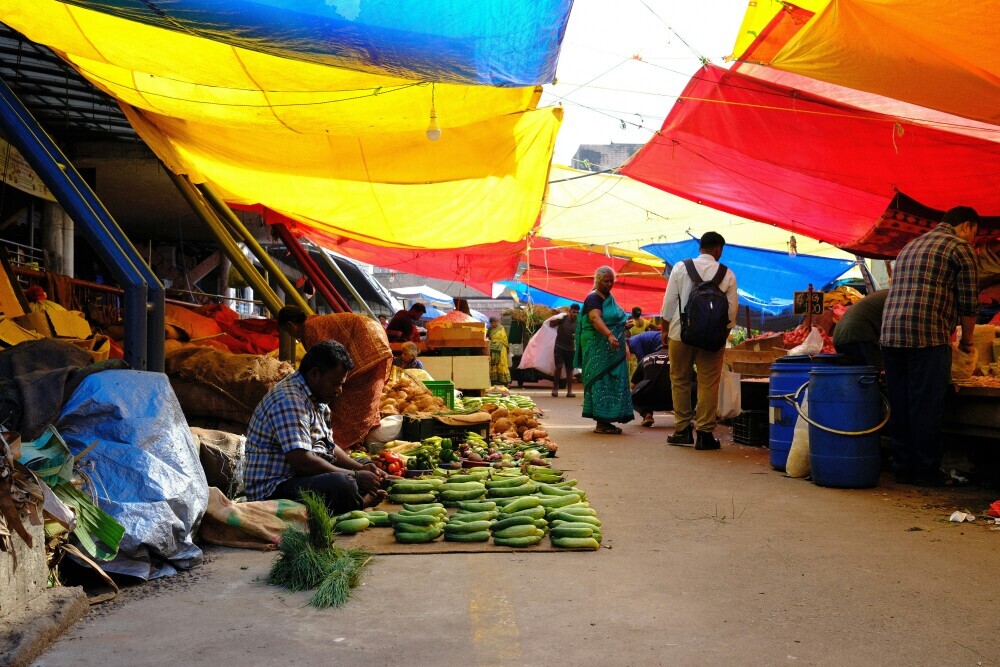
Exploring Andean markets is like stepping into a vibrant tapestry of colors, sounds, and smells. Here, fresh produce and handcrafted goods aren’t just commodities; they’re the lifeblood of the community, each item reflecting the skill and passion of its creator. Whether you’re perusing rows of bright potato varieties or admiring the textiles dyed with natural hues, markets immerse you in the local pulse.
Engaging with vendors becomes an education in itself. Many have stories stretching back generations, stories of how they’ve honed their craft, perfecting techniques passed down through their family. When you take the time to chat, you’re rewarded with insights into both their personal journeys and the wider cultural landscape. It’s through these exchanges that you begin to appreciate the intricate craftsmanship that defines Andean artistry.
The journey often expands beyond the bustling markets to the fields and workshops of these artisans. Visiting local farms offers a firsthand view into sustainable agriculture practices that have thrived for centuries in harmony with nature. Watching a farmer expertly extract tarwi beans or witnessing the baking process that transforms corn into traditional bread, you’re connected to a world of tradition molded by necessity and nurtured with love.
Relationships with these artisans also highlight the community’s dedication to sustainability. Their commitment to organic methods ensures not just the quality of food but also the preservation of the environment. As you take part in these exchanges, it’s a reminder of the impact of mindful sourcing both for the earth and the people who call it home.
These visits transform your understanding of food from mere sustenance to a celebration of culture and resilience. Each artisan’s touch, every plot of land tilled, represents a legacy of knowledge and tradition. It’s an invitation to look beyond the surface, to connect with the roots of Andean life through the wonderful art of local craftsmanship.
Tales and Flavors of Pachamama: Exploring Andean Agro-Ecology
In the Andes, farming is more than an occupation; it’s an age-old bond with Pachamama, Mother Earth, who’s both nurturer and respected deity. Locals live in rhythm with the agricultural calendar, timing their planting and harvesting with the cycles of the moon and sun. It’s a practice rooted in respect and gratitude, ensuring the land’s bounty year after year.
These farming methods help shape delicious Andean dishes and contribute to a symbiotic relationship with the land. Agricultural techniques like terrace farming optimize the mountainous terrain, while crop rotation and biodiversity ensure soil fertility. Navigating this landscape, you get a sense of the enormous respect the locals have for nature.
The traditional Andean belief system plays a central role as well. Participating in local rituals around planting or harvest time lets you witness the spiritual elements intertwined with daily agricultural life. Festivals often blend music, dance, and culinary delights to thank Pachamama, celebrating the interconnectedness of life and land.
There’s a strong emphasis on sustainability and organic practices throughout the region. Many farmers choose heirloom seeds and refrain from using chemicals, relying instead on natural methods nurtured over generations. This conscious approach not only preserves biodiversity but also ensures high-quality produce that stands out in flavor and nutrition.
Understanding these practices offers a deeper appreciation of the daily effort that goes into the ingredients we often take for granted. It’s a thoughtful reminder of our impact on the earth and the importance of sustainable living. As you explore the Andean fields and taste their harvests, you’ll find that each bite tells a story of harmony between people and planet.
Planning Your Culinary Journey: Tips for Travelers
Embarking on an Andean culinary adventure requires a bit of foresight but promises endless rewards for those eager to explore beyond the usual tourist trails. To start, it’s helpful to research and choose itineraries that include a mix of both popular and lesser-known destinations. This balance ensures you get a well-rounded view of the region’s culinary landscape.
Preparation goes a long way in making the most of this experience. Brush up on a few essential Quechua or Spanish phrases; locals always appreciate the effort, and it makes communication smoother. Simple greetings or asking for directions in the native language often opens doors to warmer interactions.
When packing, consider that you’re heading into diverse climates—from chilly mountain evenings to warmer valley days. Layers are your friends, especially when you’re exploring elevations that vary day by day. And remember, good hiking footwear will be your best companion on these tours.
Plan some downtime in your itinerary to explore at your own pace. Whether it’s strolling through a vibrant market or enjoying quiet moments in nature, these pauses often lead to unexpectedly delightful encounters and discoveries.
It’s also wise to respect cultural practices and traditions; take the time to understand the customs surrounding meals and celebrations. This respect enriches your experience and fosters meaningful connections with the people you meet.
Overall, diving into the culinary heart of the Andes is a journey filled with taste, history, and human connection. The memories forged in these mountains and villages will linger long after you’ve returned home, offering a newfound appreciation for the cultural tapestry of this extraordinary region.